
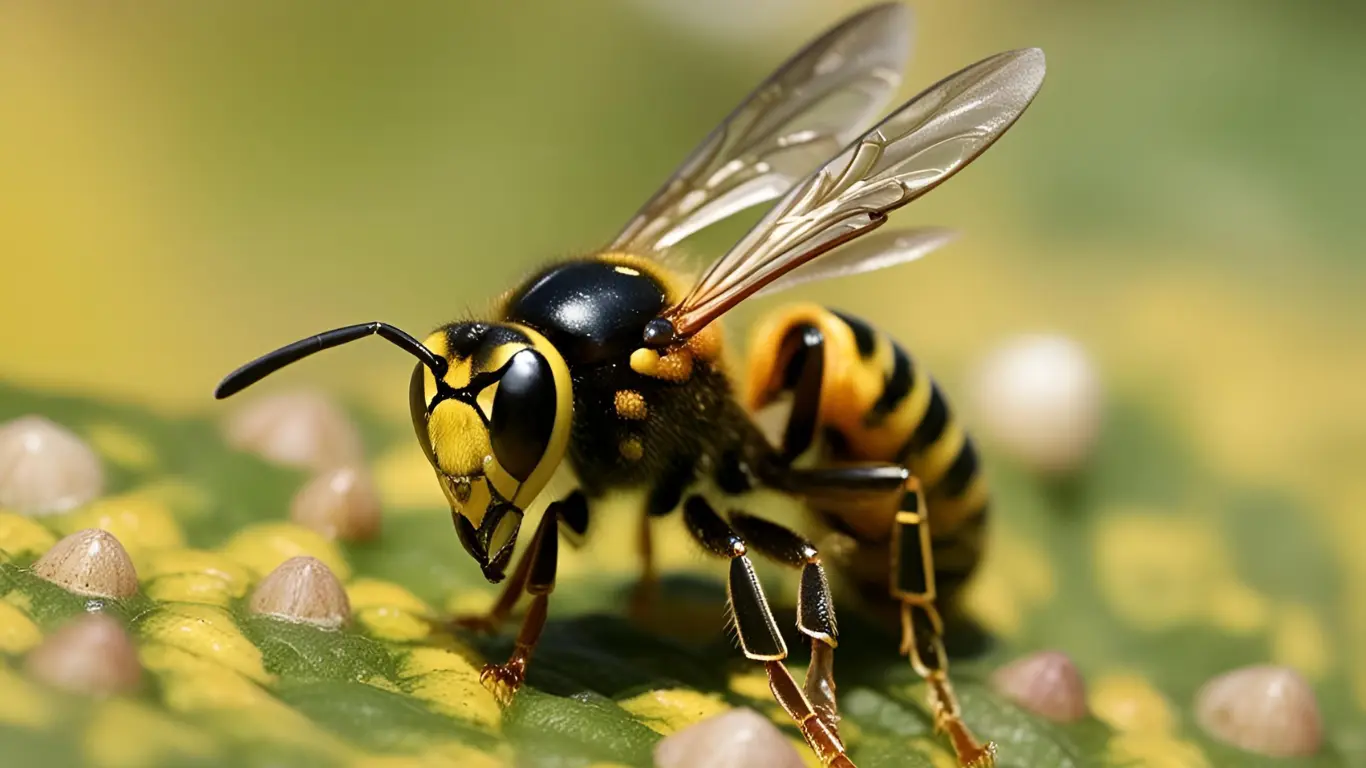
When you spot a buzzing insect around your home or garden, it’s easy to mistake yellow jackets for bees. But are yellow jackets bees? How big are they? And what should you do if they invade your space? In this guide, we’ll break down everything you need to know about yellow jackets, bees, wasps, and hornets — and how to get rid of yellow jackets safely.
Yellow Jackets Bees: Are They Really Bees?

First, let’s clear up the confusion. Yellow jackets bees is a common phrase, but it’s technically incorrect. Yellow jackets are not bees; they are a type of wasp. While both bees and yellow jackets belong to the insect order Hymenoptera, they are very different in appearance, behavior, and lifestyle.
Are yellow jackets and bees the same? No. Bees are typically fuzzy, focused on collecting pollen and nectar, and are essential pollinators. Yellow jackets, on the other hand, are smooth-bodied predators that scavenge for meat and sweet liquids.
Yellow Jacket Bee Size and Appearance

Wondering about yellow jacket bee size? Yellow jackets are smaller than you might think, measuring about ½ inch (12-16 mm) long. Yellow jackets bees size varies slightly among species, but they generally have a sleek, slender body with bright yellow and black stripes, giving them a fierce look compared to the rounder, fuzzier honey bees.
Honey Bee vs. Yellow Jacket: Key Differences
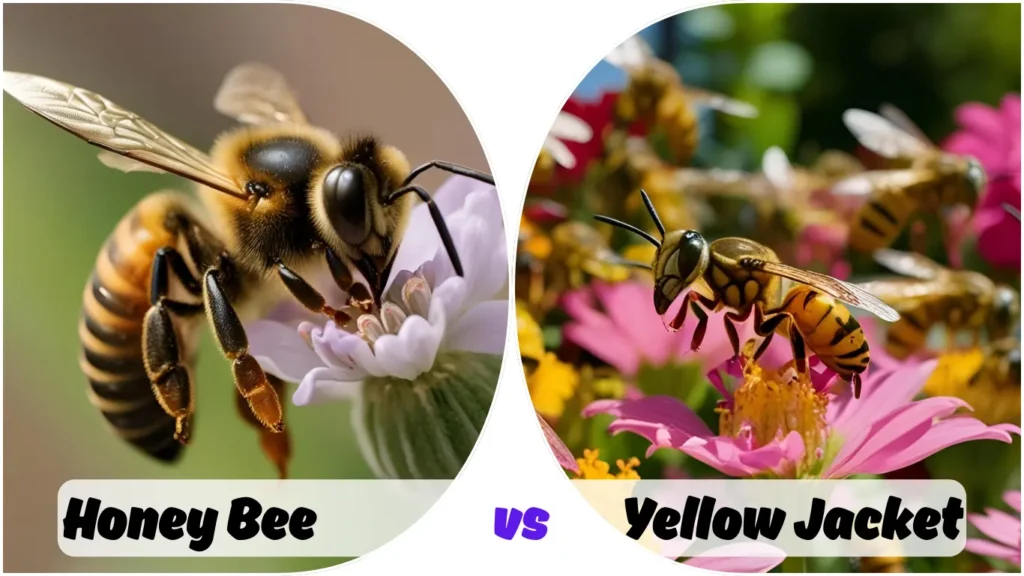
When comparing honey bee yellow jacket insects, a few major differences stand out:
- Honey bees are covered in tiny hairs and look fluffy.
- Yellow jackets have shiny, smooth bodies.
- Honey bees feed on pollen and nectar, while yellow jackets hunt other insects and love sugary drinks.
- Honey bees die after stinging once; yellow jackets can sting multiple times.
Female Yellow Jacket Bee Characteristics
The female yellow jacket bee (technically a wasp) is the powerhouse of the colony. She defends the nest, hunts for food, and even cares for the young. Unlike male yellow jackets, females have stingers and can sting repeatedly. Queens are slightly larger and are responsible for laying eggs to sustain the colony.
Huge Yellow Jacket Looking Bee: What Is It?
Sometimes, you might spot a huge yellow jacket looking bee buzzing around. This could actually be a European hornet or a cicada killer wasp. These insects are bigger than yellow jackets, often over 1 inch long, and while they look intimidating, most are less aggressive than yellow jackets unless threatened.
Large Yellow Jacket Type Bee: Lookalikes Explained
A large yellow jacket type bee might also refer to the bald-faced hornet. Despite the name, bald-faced hornets aren’t true hornets — they’re a type of yellow jacket that’s bigger and primarily black with white markings. They are more aggressive and will defend their nests fiercely.
Wasps, Hornets, Yellow Jackets, and Bees: Understanding the Differences
Let’s break it down quickly:
- Wasps: Thin-waisted predators that feed on insects and sweet foods.
- Hornets: A larger type of wasp, often more aggressive.
- Yellow jackets: A specific type of wasp, known for scavenging at picnics and trash cans.
- Bees: Fuzzy, gentle pollinators.
Knowing the difference between wasps, hornets, yellow jackets, and bees helps you react appropriately — not all of them are pests!
Yellow Jackets vs. Bees vs. Wasps: Who’s Who?

When comparing yellow jackets vs bees vs wasps:
- Bees are important pollinators, essential for ecosystems.
- Yellow jackets and wasps can be beneficial (by controlling pests) but are more aggressive and may become nuisances, especially in late summer.
Small Yellow Jackets Bees: Do They Exist?
If you notice small yellow jackets bees, it could either be younger yellow jackets or even sweat bees — tiny metallic green or black bees that are attracted to human sweat. It’s important to properly identify the insect before reacting, as sweat bees are generally harmless.
Yellow Jackets vs. Sweat Bees: Major Differences
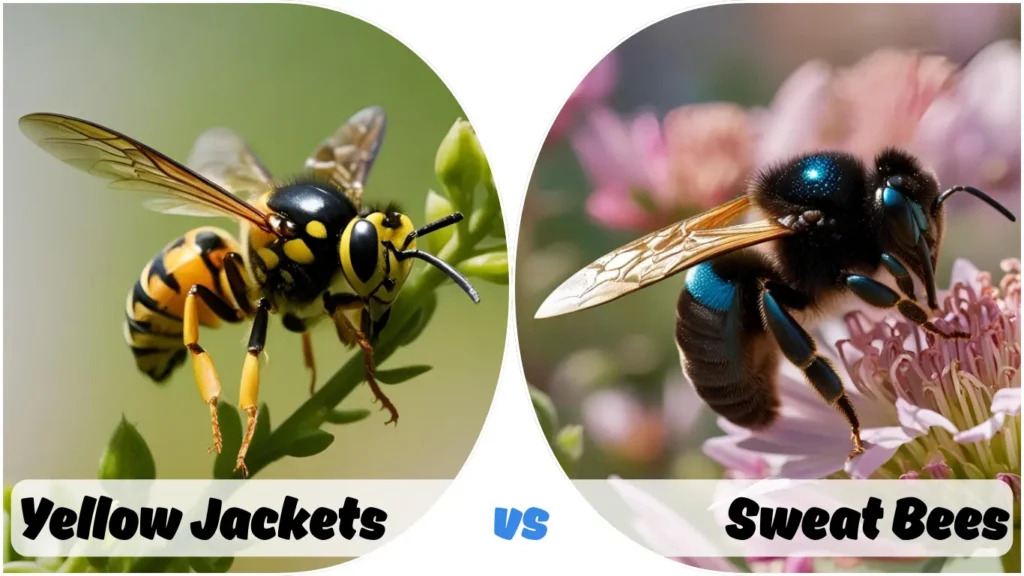
Comparing yellow jackets vs sweat bees:
- Sweat bees are small, gentle, and important pollinators.
- Yellow jackets are larger, aggressive, and can sting repeatedly.
Don’t swat at sweat bees — they are unlikely to sting unless trapped.
Yellow Jackets Robbing Honey Bees: A Serious Issue
One serious threat yellow jackets pose is yellow jackets robbing honey bees. In late summer and early fall, yellow jackets often raid honey bee hives, killing bees and stealing honey. This can devastate bee colonies already struggling with other threats like mites and pesticides.
Are Yellow Jackets Related to Bees?
Are yellow jackets related to bees? Yes, distantly. They share the same insect order (Hymenoptera) and have some similar traits. However, their behaviors, body structures, and ecological roles are quite different.
How to Get Rid of Yellow Jackets Bees Safely
If you’re wondering how to get rid of yellow jackets bees, here are some tips:
- Locate the nest: Most yellow jacket nests are hidden underground or in wall cavities.
- Set traps: Commercial yellow jacket traps baited with sweet attractants can reduce populations.
- Use insecticide sprays: Spray nests in the evening when yellow jackets are less active.
- Call professionals: If the nest is large or hard to reach, it’s safer to call pest control experts.
- Prevent future nests: Seal garbage cans tightly, cover food outdoors, and block small holes around your home.
Always approach yellow jacket removal with caution. Multiple stings can cause allergic reactions or serious health issues.
Conclusion
Understanding the differences between yellow jackets, bees, and wasps can save you from painful stings — and help you protect the beneficial insects that pollinate your garden. Remember, yellow jackets are not bees. They are aggressive wasps that become particularly troublesome in late summer. With proper identification and careful management, you can deal with yellow jackets safely and maintain a healthy outdoor environment.
