
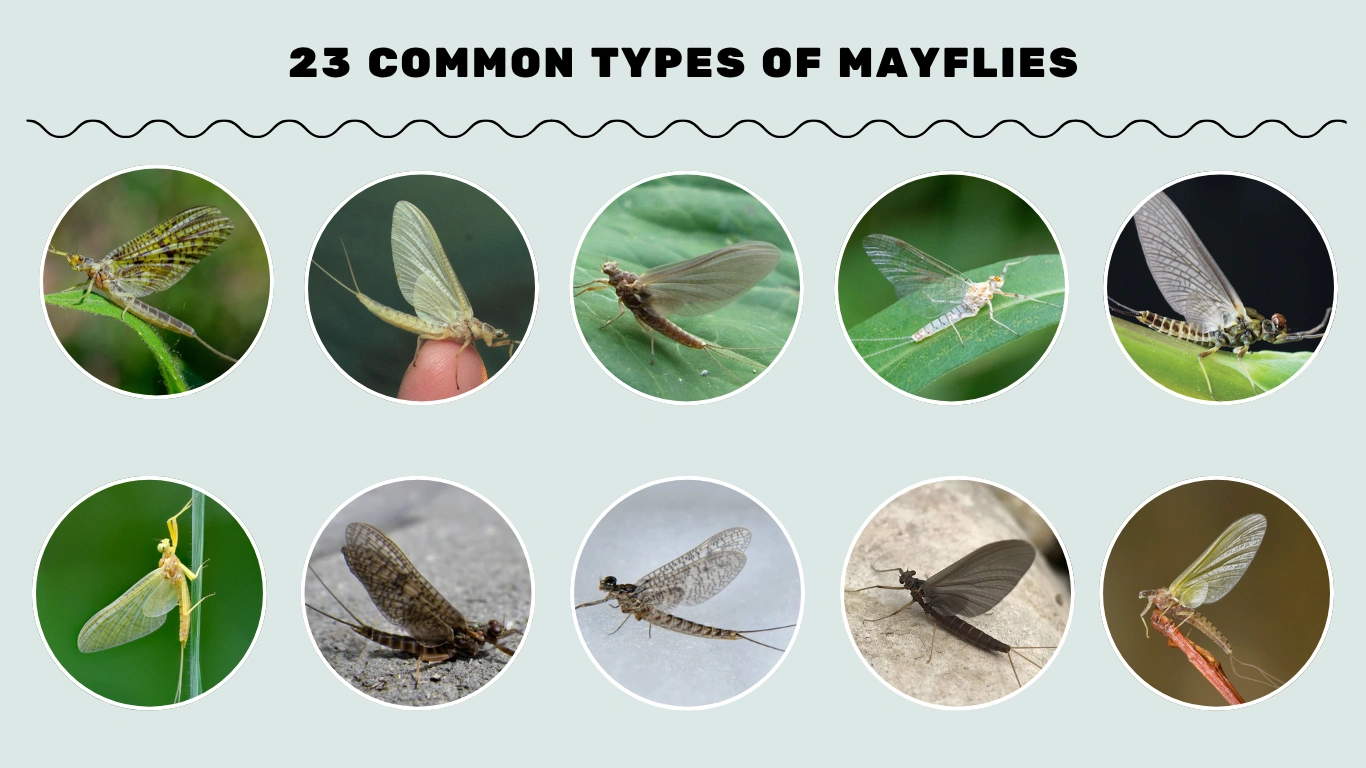
Mayflies (Order: Ephemeroptera) are ancient aquatic insects known for their delicate wings, short adult lifespan, and essential role in freshwater ecosystems. Found worldwide, they vary in size, color, and behavior. This list features 23 notable mayfly species, including both well-known types like the Green Drake and regional favorites like the Hecuba Drake, along with their common names and native regions.
1. Green Drake (Ephemera danica)

The Green Drake (Ephemera danica) is one of the most recognizable and iconic mayflies in Europe. Known for its large size and vibrant green-yellow coloration, it plays a vital role in aquatic ecosystems and is especially popular among fly fishers due to its prominent hatching season.
Identification
- Color: Olive green to yellowish with darker markings
- Wings: Large, transparent, with fine brown veining
- Size: Adults measure 15–25 mm; wingspan up to 30 mm
- Tail: Three long tail filaments
- Eyes: Large, rounded, and well-developed
Habitat and Distribution
Green Drakes are widely distributed across Europe, particularly in slow-moving rivers, streams, and clean freshwater lakes with sandy or gravelly bottoms. Nymphs live buried in the sediment and are sensitive to pollution, making them indicators of water quality.
Behavior and Life Cycle
The nymph stage lasts up to two years, during which the insect lives as a burrower in the streambed. When ready, it emerges to the surface, where it molts into a subimago (dull-winged form), then into a fully winged adult within 24 hours.
Adults live only a few days—just long enough to mate and lay eggs. Their large, slow-flying nature makes them easy targets for fish, which is why fly anglers often imitate them during hatches.
2. Giant Mayfly / Hex (Hexagenia limbata)

The Giant Mayfly, also known as “Hex,” is one of the largest mayflies in North America. It is famous for its mass emergences that attract anglers and fish alike. These mayflies are strong fliers and highly visible during late spring and summer.
Identification
- Color: Pale yellow to light brown with mottled wings
- Wings: Large, semi-transparent with bold veining
- Size: Adults up to 30 mm long; wingspan about 40 mm
- Tail: Two long tail filaments
- Eyes: Large, prominent, especially in males
Habitat and Distribution
Found across North America, especially in lakes and slow rivers with soft, muddy bottoms. Nymphs are burrowers that thrive in oxygen-rich sediments and emerge in the evening or at night.
Behavior and Life Cycle
Nymphs may live up to two years before emerging. Adults swarm in large numbers at dusk for mating flights, often forming clouds above water. After mating, females lay eggs on the water surface. Adults live only 1–2 days and do not feed.
3. Blue-Winged Olive (BWO) (Baetis rhodani)
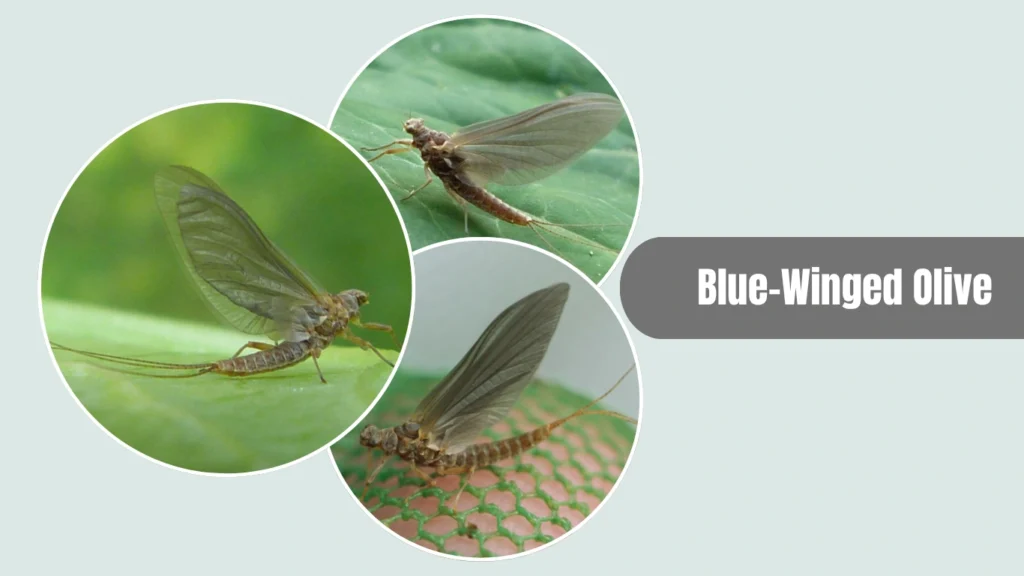
The Blue-Winged Olive is one of the most widespread and important mayflies for both ecosystems and fly anglers. Known for its small size and subtle beauty, it hatches across a wide range of waters throughout the year.
Identification
- Color: Olive-green to gray body
- Wings: Slate-gray or bluish, semi-transparent
- Size: Adults around 5–10 mm long
- Tail: Two or three short filaments
- Eyes: Medium-sized, dark
Habitat and Distribution
BWO mayflies are found throughout Europe, Asia, and North America in streams, rivers, and lakes—especially in cool, clean, well-oxygenated water.
Behavior and Life Cycle
These mayflies may have multiple broods per year, with hatches possible from spring through fall. Nymphs are agile swimmers and feed on algae and detritus. Adults emerge during overcast or mild weather and are a staple in the diet of trout.
4. Slate Drake (Isonychia bicolor)

The Slate Drake is a medium-to-large mayfly found in flowing freshwater systems. It is well-known among fly fishers for its extended hatch period and distinctive dark coloration.
Identification
- Color: Slate-gray to dark brown body
- Wings: Clear with fine dark veining
- Size: Adults 12–18 mm long
- Tail: Two long tails
- Eyes: Prominent and rounded
Habitat and Distribution
Native to eastern and central North America, typically found in cool, fast-flowing rivers and streams. Nymphs cling to rocks and submerged debris in riffle zones.
Behavior and Life Cycle
Slate Drakes have long, staggered hatches that can last several weeks. Nymphs are strong swimmers and crawlers. Adults emerge during warm weather and are often seen fluttering near the water surface or vegetation. Fish feed heavily on both nymphs and emerging adults.
5. Tiny White Mayfly (Caenis diminuta)

Known as one of the smallest mayflies, Caenis diminuta is often called the “Angler’s Curse” due to its size and the difficulty it poses for imitation in fly fishing.
Identification
- Color: Pale white to creamy beige
- Wings: Clear with light veining
- Size: Adults around 3–5 mm
- Tail: Three short tails
- Eyes: Small and dark
Habitat and Distribution
Common in Europe and North America, especially in quiet ponds, lakes, and slow streams with silt or sandy bottoms.
Behavior and Life Cycle
The nymph stage is brief, and adults often emerge in large numbers at dawn or dusk. Their small size and fast emergence make them less noticeable, but fish still target them in calm water. Lifespan is very short, sometimes only a few hours.
6. Sulphur Dun (Ephemerella dorothea)

The Sulphur Dun is a well-known mayfly in North America, especially noted for its vivid yellow coloration and predictable evening hatches during late spring and early summer.
Identification
- Color: Bright yellow to pale orange body
- Wings: Light gray or cream-colored, semi-transparent
- Size: Adults range from 7–10 mm
- Tail: Two or three thin tails
- Eyes: Medium-sized, dark
Habitat and Distribution
Common in Eastern and Central North America, typically found in coldwater streams and spring creeks with moderate to slow current.
Behavior and Life Cycle
Emerges steadily in the evenings, often during May and June. Nymphs are clingers that hide among rocks and vegetation. Adults are most active at dusk and are frequently preyed upon by trout during spinner falls.
7. Western Green Drake (Drunella coloradensis)
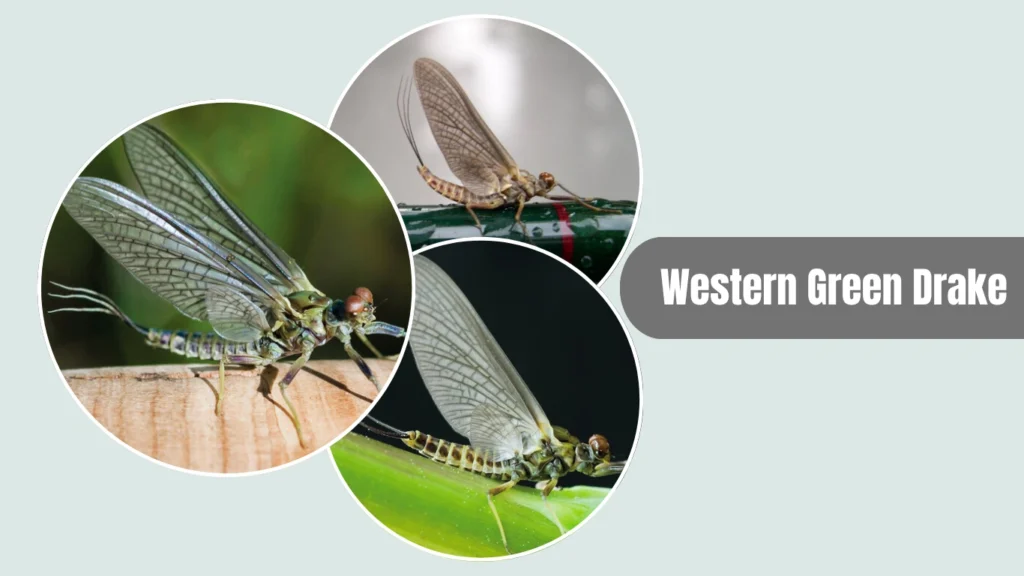
The Western Green Drake is a large and striking mayfly native to western North America. Its slow, splashy emergence makes it an easy target for fish and a favorite among anglers.
Identification
- Color: Olive green to grayish-brown with pale stripes
- Wings: Clear with brownish veins
- Size: Adults around 15–20 mm
- Tail: Two or three long tails
- Eyes: Prominent and well-separated
Habitat and Distribution
Found in cold, fast-flowing streams and rivers of the Rocky Mountains and Pacific Northwest. Prefers well-oxygenated waters.
Behavior and Life Cycle
Nymphs are clingers that live under stones and emerge in late spring through early summer. Adults often emerge during warm afternoons and early evenings. Their size and behavior trigger aggressive strikes from feeding fish.
8. Pale Evening Dun (Epeorus longimanus)

The Pale Evening Dun is a graceful mayfly found in cold, clear streams and rivers, particularly in mountainous regions. It’s recognized by its pale coloring and preference for fast-moving water.
Identification
- Color: Pale yellow to light tan body
- Wings: Clear to light gray with fine venation
- Size: Adults measure 8–12 mm
- Tail: Two tails
- Eyes: Medium-sized and rounded
Habitat and Distribution
Common in western North America, especially in cool, rocky streams and rivers. Nymphs prefer high-oxygen environments and are often found clinging to stones in riffles.
Behavior
Emerges mostly in late afternoons to evenings, especially in early summer. Trout are known to key in on them during active hatches.
9. Yellow May (Heptagenia flavescens)

The Yellow May is a medium-sized mayfly found in both Europe and parts of Asia. Its soft yellow tones and slow emergence make it a visible and favored prey for fish in calm water stretches.
Identification
- Color: Light yellow to creamy beige body
- Wings: Transparent with pale yellow veins
- Size: Adults are about 10–12 mm
- Tail: Two or three long filaments
- Eyes: Small and dark
Habitat and Distribution
Widespread in European rivers and streams, especially those with gravel or sand bottoms. Also found in cool, clean Asian waterways.
Behavior
Often emerges in the late afternoon or on overcast days. Fish may feed actively on duns drifting slowly across the surface.
10. Speckled Dun (Callibaetis ferrugineus)

The Speckled Dun is a small, stillwater mayfly known for its distinctive wing patterns. It’s a key species in lakes, ponds, and slow-moving streams, especially during late spring and summer.
Identification
- Color: Light olive or tan body with dark markings
- Wings: Light gray with dark speckling
- Size: Adults range from 5–9 mm
- Tail: Two or three tails
- Eyes: Large and dark
Habitat and Distribution
Found throughout North America, especially in still or slow waters like ponds, lakes, and spring creeks. Frequently seen floating near weed beds and calm shorelines.
Behavior
Emerges in calm conditions, often in the morning. Its speckled wings make it stand out to both anglers and fish.
11. Ameletus Mayfly (Ameletus ludens)

Ameletus ludens is a fast-swimming mayfly commonly found in clean, cold, rocky streams and rivers in North America and parts of Asia. It’s sometimes referred to as a “minnow-like” mayfly due to its agile nymph form.
Identification
- Color: Light brown to grayish body
- Wings: Clear with fine, pale venation
- Size: Adults measure around 7–10 mm
- Tail: Two or three tails
- Eyes: Rounded, prominent
Habitat and Distribution
Occurs in coldwater streams and mountain rivers across North America and parts of northern Asia. Prefers high-oxygen environments.
Behavior
Often emerges during daylight hours, and adults can be seen fluttering above riffles or resting on streamside vegetation.
12. Black Quill (Leptophlebia cupida)

The Black Quill is an early-season mayfly found in lakes and slow-moving rivers. Its dark body and upright wings make it a recognizable target for trout during spring hatches.
Identification
- Color: Dark brown to black body
- Wings: Gray to dark gray, upright, and semi-transparent
- Size: Adults are around 10–12 mm long
- Tail: Three medium-length tails
- Eyes: Medium-sized, dark
Habitat and Distribution
Common in eastern and central North America, especially in still waters and slow rivers with abundant vegetation and soft bottoms.
Behavior
Often emerges during the early spring months, especially in overcast or cool weather. Fish feed readily on both emergers and adults near the surface.
13. Gray Drake (Siphlonurus alternatus)

The Gray Drake is a slender-bodied mayfly found in temperate regions. It’s more active during early summer and can form large, visible hatches along the edges of quiet lakes and rivers.
Identification
- Color: Light gray to olive-gray body
- Wings: Clear with a slightly smoky hue
- Size: Adults range from 10–14 mm
- Tail: Three long, delicate tails
- Eyes: Large and slightly protruding
Habitat and Distribution
Widespread in Europe, Asia, and North America, especially in cool, slow-moving or still waters like ponds, backwaters, and shallow lake margins.
Behavior
Most active during the evening or at dusk. Known for slow-floating behavior on the surface, making them especially vulnerable to surface-feeding fish.
14. Mahogany Dun (Paraleptophlebia adoptiva)

The Mahogany Dun is a small to medium-sized mayfly known for its rich reddish-brown coloration. It appears in cooler months, often during early spring or late fall, making it a key species when few others are active.
Identification
- Color: Deep mahogany or reddish-brown body
- Wings: Smoky gray or slate-colored
- Size: Adults range from 6–9 mm
- Tail: Three short tails
- Eyes: Dark and rounded
Habitat and Distribution
Found widely in North America, particularly in cool, clear streams and small rivers. Often active when water temperatures are lower.
Behavior
Emerges during mid-morning to afternoon hours, especially in overcast or drizzly conditions. Its slow floating dun stage makes it an easy target for trout.
15. March Brown (Rhithrogena hageni)

The March Brown is one of the most famous European mayflies, known for its early-spring appearance and importance in traditional fly fishing. Its size and active emergence make it highly attractive to fish.
Identification
- Color: Brownish body with lighter banding
- Wings: Mottled gray or tan with distinct venation
- Size: Adults are about 10–14 mm long
- Tail: Two or three medium-length tails
- Eyes: Medium to large, rounded
Habitat and Distribution
Widespread across Europe and the British Isles, typically found in clean, gravel-bottom rivers and streams.
Behavior
Active from March through May. Adults tend to hatch during mid-day in mild weather, often triggering aggressive feeding responses in trout.
16. Little Yellow Quill (Centroptilum triangulifer)

The Little Yellow Quill is a tiny mayfly species known for its pale coloring and quick, sporadic hatches. Despite its small size, it plays a significant role in late spring and early summer feeding activity for fish.
Identification
- Color: Pale yellow to light olive body
- Wings: Clear with faint venation
- Size: Adults measure about 4–6 mm
- Tail: Two or three very fine tails
- Eyes: Small and dark
Habitat and Distribution
Found in Europe, Asia, and parts of North America, primarily in clear, slow-to-moderate moving streams and creeks.
Behavior
Often emerges in the mornings or evenings, especially in calm water sections. Their small size and pale color can make them hard to detect for anglers but not for trout.
17. Little Pale Morning Dun (Cinygmula subaequalis)

The Little Pale Morning Dun is a small mayfly found mostly in the western United States. It is a close relative of larger Pale Morning Duns and often appears during early summer hatches.
Identification
- Color: Light olive to creamy tan body
- Wings: Pale gray with delicate veins
- Size: Adults are about 7–9 mm long
- Tail: Two short tails
- Eyes: Rounded and slightly prominent
Habitat and Distribution
Native to western North America, typically found in cold, fast-moving mountain streams and rivers with rocky bottoms.
Behavior
Emerges during morning hours under bright, clear conditions. Trout often feed selectively on these during hatch windows, especially in clear water.
18. Hecuba Drake (Timpanoga hecuba)

The Hecuba Drake is a large, late-season mayfly that appears in the high-elevation rivers of the western United States. It’s one of the last big insects to hatch before colder weather sets in.
Identification
- Color: Olive-brown to reddish-brown body
- Wings: Smoky gray, large, and upright
- Size: Adults range from 15–20 mm
- Tail: Two long tails
- Eyes: Prominent and dark
Habitat and Distribution
Found in western North America, especially in cold, fast mountain streams and alpine rivers.
Behavior
Emerges in late summer to early fall, often during warm afternoons. Its size and sluggish flight pattern make it highly attractive to feeding trout.
19. Brunnea Dun (Macdunnoa brunnea)

The Brunnea Dun is a lesser-known but regionally important mayfly found in the eastern United States. It is appreciated by observant anglers fishing smaller streams in late spring and early summer.
Identification
- Color: Light brown to reddish-brown body
- Wings: Clear to smoky with light venation
- Size: Adults measure 8–10 mm
- Tail: Two or three thin tails
- Eyes: Medium-sized and dark
Habitat and Distribution
Occurs in eastern North America, especially in wooded streams, shaded creeks, and spring-fed rivers.
Behavior
Typically emerges in low-light conditions like early morning or late evening. Its subtle coloring helps it blend into the environment, but trout often key in on them when they’re on the surface.
20. Tiny Olive Baetid (Pseudocloeon propinquum)

The Tiny Olive Baetid is a minute mayfly species found in parts of South and Southeast Asia. Despite its size, it plays an important role in freshwater ecosystems and is common in tropical and subtropical climates.
Identification
- Color: Olive-green to light brown body
- Wings: Clear with very fine venation
- Size: Adults measure 3–5 mm
- Tail: Two short, thread-like tails
- Eyes: Small and dark
Habitat and Distribution
Found in India, Pakistan, Sri Lanka, and other Southeast Asian countries, typically in small rivers, canals, and lowland streams with moderate flow.
Behavior
Most active during evening hours or after rain. Often overlooked due to its tiny size but is frequently targeted by small native fish species.
21. Trico (Tricorythodes minutus)

Tricos are tiny, abundant mayflies that hatch in massive numbers during summer mornings. Anglers know them well for the challenging fishing they present due to their size and the selective feeding behavior they trigger in trout.
Identification
- Color: Pale gray to almost white body
- Wings: Clear, upright, and very small
- Size: Adults range from 3–4 mm
- Tail: Three fine tails
- Eyes: Small, often dark red or black
Habitat and Distribution
Found throughout North America, particularly in spring creeks and slow, clear rivers. Common in places like Pennsylvania, Montana, and the Midwest.
Behavior
Emerges at dawn in summer, often followed by dense spinner falls. Their size makes imitation difficult, but fish feed aggressively on them in calm, slow water.
