
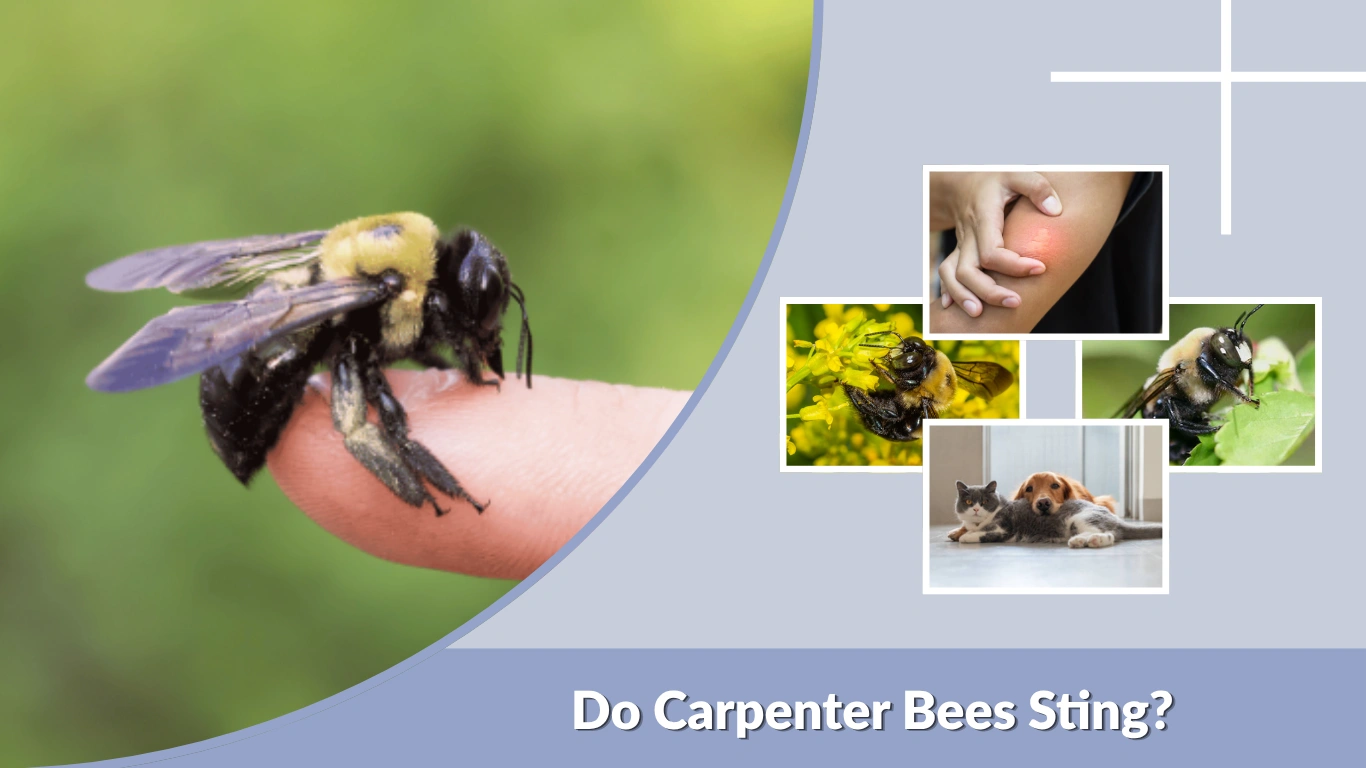
Carpenter bees are large, black-and-yellow insects often mistaken for bumblebees. Their size and loud buzzing can make them seem intimidating, leading many people to wonder whether they sting and how dangerous they really are. This guide breaks down their behavior, sting risk, and what you should know to stay safe around them.
Do Carpenter Bees Sting or Bite?
Carpenter bees do not bite in the way many insects do. Instead, the concern comes from stinging—but even that depends on the bee.
Do carpenter bees sting you?
Yes, carpenter bees can sting humans, but this ability is limited to females. Male carpenter bees, which are more commonly seen hovering around people, cannot sting at all. Most encounters with carpenter bees do not result in stings.
Do carpenter bees sting people often?
Carpenter bees rarely sting people. They are generally non-aggressive and prefer to avoid confrontation. Even female bees will only sting if they feel directly threatened, such as when handled or trapped.
Do carpenter bees sting more than once?
Unlike honeybees, female carpenter bees can sting multiple times because they do not lose their stinger. However, multiple stings are extremely uncommon due to their passive nature.
Do carpenter bees bite or sting?
Carpenter bees do not bite humans. Their defense mechanism is a sting, but as mentioned, this is rarely used.
Male vs Female Carpenter Bees (Key Differences)
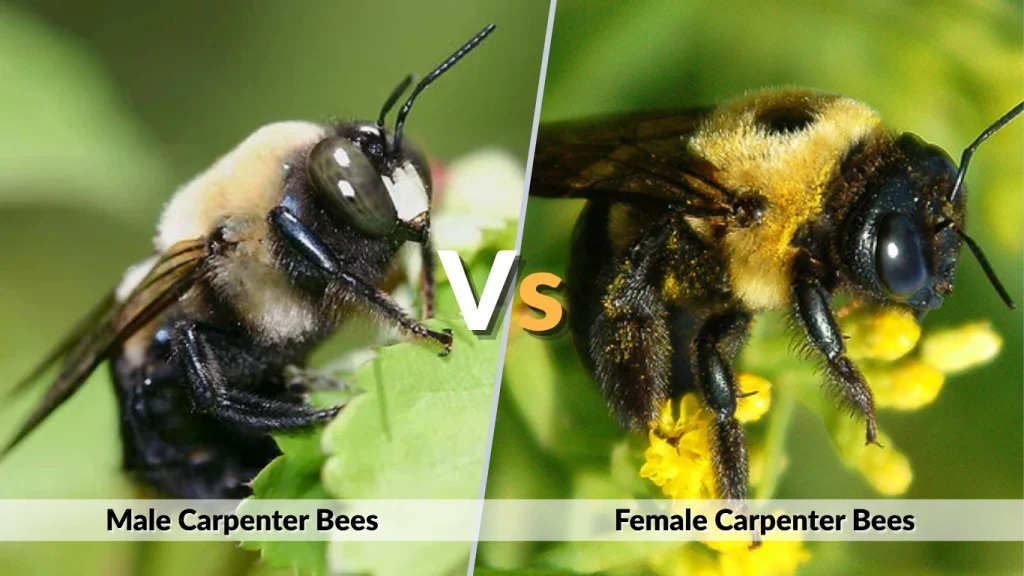
Understanding the difference between male and female carpenter bees is essential to knowing whether they pose a risk.
Do male carpenter bees sting?
Male carpenter bees cannot sting at all. Despite this, they often appear aggressive. They hover close to people, especially near their nests, but this is purely a defensive display. They are harmless and cannot cause injury.
Do female carpenter bees sting?
Female carpenter bees can sting, but they are far less aggressive than males. They usually stay near nesting sites and avoid human interaction. A sting typically occurs only if the bee is provoked or physically handled.
Why male bees seem aggressive but are harmless
Male carpenter bees are territorial and will fly close to intruders, including humans. This behavior is meant to scare off threats, but since they lack a stinger, it poses no real danger.
Carpenter Bee Sting Facts (Quick Comparison)

This table highlights the key differences between male and female carpenter bees to quickly clarify common confusion.
| Feature | Male Carpenter Bee | Female Carpenter Bee |
| Ability to Sting | No | Yes |
| Aggressiveness | High (but harmless) | Low |
| Likelihood to Sting | None | Rare |
| Trigger for Attack | Territorial hovering | Direct provocation |
How Painful Is a Carpenter Bee Sting?
Carpenter bee stings are not frequently reported, but when they do occur, people often compare them to other common insect stings.
How bad do carpenter bees sting?
The pain level of a carpenter bee sting is usually described as mild to moderate. It is not as painful as a wasp sting but may feel similar to a honeybee sting. The discomfort is typically short-lived.
Pain level compared to other bees
Compared to honeybees and bumblebees, carpenter bee stings fall in a similar range. However, because stings are so rare, many people never experience one at all.
Symptoms of a sting
Most carpenter bee stings cause localized symptoms such as redness, swelling, and mild pain. These effects usually fade within a few hours to a day. Severe reactions are uncommon but possible in individuals with allergies.
How Often Do Carpenter Bees Sting?
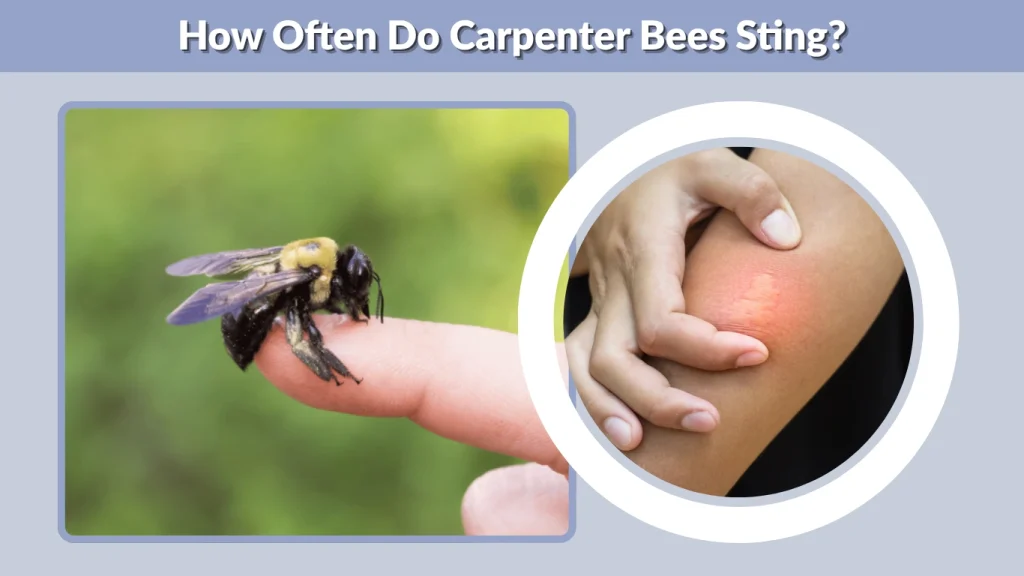
Carpenter bees are among the least aggressive stinging insects, and their sting frequency reflects this.
How often do carpenter bees sting humans?
Carpenter bees rarely sting humans. Most sightings involve males, which cannot sting, further reducing the likelihood of any incident.
Situations that increase sting risk
The risk of being stung increases if a female carpenter bee is handled, trapped, or if her nest is disturbed. Outside of these situations, stings are highly unlikely.
Types of Carpenter Bees That Sting
There are several species of carpenter bees, but their behavior remains largely consistent across regions.
Do eastern carpenter bees sting?
Eastern carpenter bees, commonly found in North America, follow the same pattern—males cannot sting, and females sting only when provoked.
Do black carpenter bees sting?
Black carpenter bees behave similarly to other species. Their large size may make them appear more threatening, but their sting risk is still very low.
Do valley carpenter bees sting?
Valley carpenter bees are also non-aggressive. As with other species, only females can sting, and they rarely do so.
Do violet carpenter bees sting?
Violet carpenter bees, known for their shiny, dark bodies, are no more aggressive than other types. Their stinging behavior is consistent with the general carpenter bee pattern.
Do Carpenter Bees Sting Dogs or Pets?

Pets may sometimes interact with carpenter bees, especially if they are curious or playful.
Do carpenter bees sting dogs?
Carpenter bees can sting dogs if provoked, but this is uncommon. Most dogs encounter male bees, which cannot sting, making the risk even lower.
What happens if a pet is stung
If a pet is stung, symptoms are usually mild and include slight swelling and discomfort. Pets may paw at the area or appear irritated for a short time.
When to contact a vet
A veterinarian should be contacted if the pet shows signs of an allergic reaction, such as excessive swelling, difficulty breathing, or unusual behavior. These cases are rare but require immediate attention.
Why Carpenter Bees Appear Aggressive
Carpenter bees often seem more dangerous than they actually are. Their behavior can easily be misinterpreted, especially by those unfamiliar with how they act.
- Males hover near people to defend territory
- They fly close to faces but cannot sting
- Their size and loud buzzing feel threatening
- They are most active during warm, sunny days
- They guard nesting areas in wood structures
When Carpenter Bees Are Most Likely to Sting
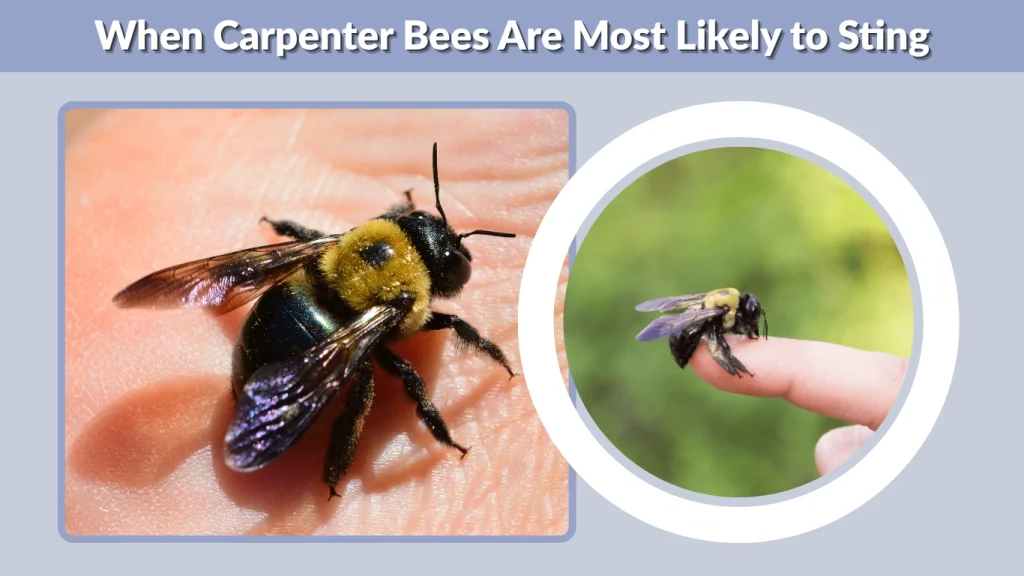
Although stings are rare, certain situations can increase the likelihood of a female carpenter bee reacting defensively.
- When a female bee is handled or trapped
- If their nesting tunnels are disturbed
- During peak nesting and breeding season
- When protecting eggs inside wooden galleries
Signs You’ve Been Stung by a Carpenter Bee
Recognizing a carpenter bee sting helps you respond quickly and appropriately. Symptoms are usually mild and temporary.
- Sharp, immediate pain at the sting site
- Mild swelling around the affected area
- Redness and slight inflammation
- A brief burning or throbbing sensation
- Rare allergic reactions in sensitive individuals
What to Do If a Carpenter Bee Stings You
Most carpenter bee stings can be treated at home with simple first aid steps. Quick action can reduce discomfort and prevent complications.
- Clean the area with soap and water
- Apply a cold compress to reduce swelling
- Take an antihistamine if itching occurs
- Avoid scratching to prevent irritation
- Seek medical help if severe symptoms develop
Carpenter Bees vs Other Bees
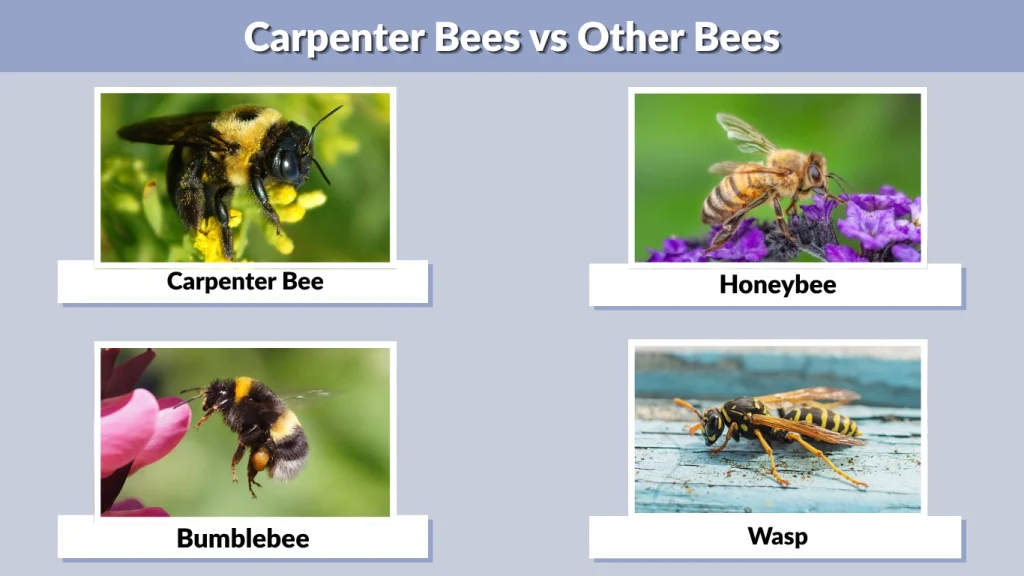
This comparison helps put carpenter bee behavior into perspective alongside other common stinging insects.
| Bee Type | Sting Frequency | Pain Level | Aggression |
| Carpenter Bee | Rare | Mild to moderate | Low |
| Honeybee | Moderate | Moderate | Medium |
| Bumblebee | Occasional | Moderate | Low |
| Wasp | Frequent | High | High |
Are Carpenter Bees Dangerous?
Carpenter bees are generally not dangerous to humans. Their intimidating appearance often leads to unnecessary fear, but their behavior is mostly harmless. The real concern with carpenter bees is not their sting, but their tendency to drill holes into wood to create nests. Over time, this can lead to structural damage in decks, fences, and wooden siding.
In terms of health risks, carpenter bee stings are mild for most people. Serious reactions are rare and typically limited to individuals with allergies to insect venom. For the average person, carpenter bees pose very little threat.
How to Avoid Carpenter Bee Stings
Avoiding carpenter bee stings is simple once you understand their behavior. They are not naturally aggressive, so small precautions can make a big difference.
Best practices around carpenter bees
Stay calm if a bee is hovering nearby, as sudden movements may provoke defensive behavior. Avoid swatting at bees, especially near wooden structures where they may be nesting.
How to handle nests safely
If carpenter bees have built nests in your home, avoid direct contact. It is best to treat or remove infestations using safe pest control methods or seek professional help. Disturbing nests without protection increases the risk of a defensive sting from a female bee.
FAQs
Do carpenter bees sting humans often?
Carpenter bees rarely sting humans. Most encounters involve male bees, which cannot sting at all. Female bees can sting, but they usually only do so when directly threatened or handled. For the majority of people, the risk of being stung is extremely low.
Can carpenter bees sting more than once?
Yes, female carpenter bees can sting multiple times because they do not lose their stinger like honeybees. However, they are not aggressive insects, so repeated stings are very unlikely and rarely reported.
Are carpenter bee stings dangerous?
Carpenter bee stings are typically mild and cause only temporary pain, redness, and swelling. Serious reactions are uncommon but can occur in people with allergies. In such cases, medical attention should be sought immediately.
Do carpenter bees sting pets like dogs?
Carpenter bees can sting pets if provoked, but this is uncommon. Curious animals that try to catch or bite bees are at higher risk. Most stings result in mild discomfort unless the pet has an allergic reaction.
