
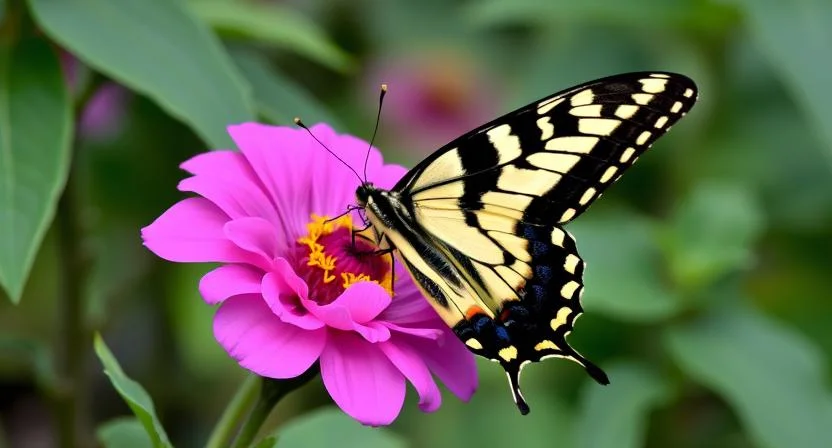
The giant swallowtail butterfly (Papilio cresphontes) is North America’s largest butterfly, known for its striking appearance and fascinating transformation. From egg to adult, every stage of its life is unique and beautiful.
In this guide, you’ll discover its full life cycle, host plants, caterpillar stages, regional types, and fun facts to help you identify and appreciate this incredible butterfly species.
Overview of the Giant Swallowtail
What Is the Giant Swallowtail?
The giant swallowtail is one of the most captivating butterflies found in North America. Known for its size, beauty, and fluttering flight, it stands out in gardens, citrus groves, and wooded areas.
When people refer to the giant swallowtail butterfly, they usually mean Papilio cresphontes, which is the scientific name of this species.
Fascinating Giant Swallowtail Facts
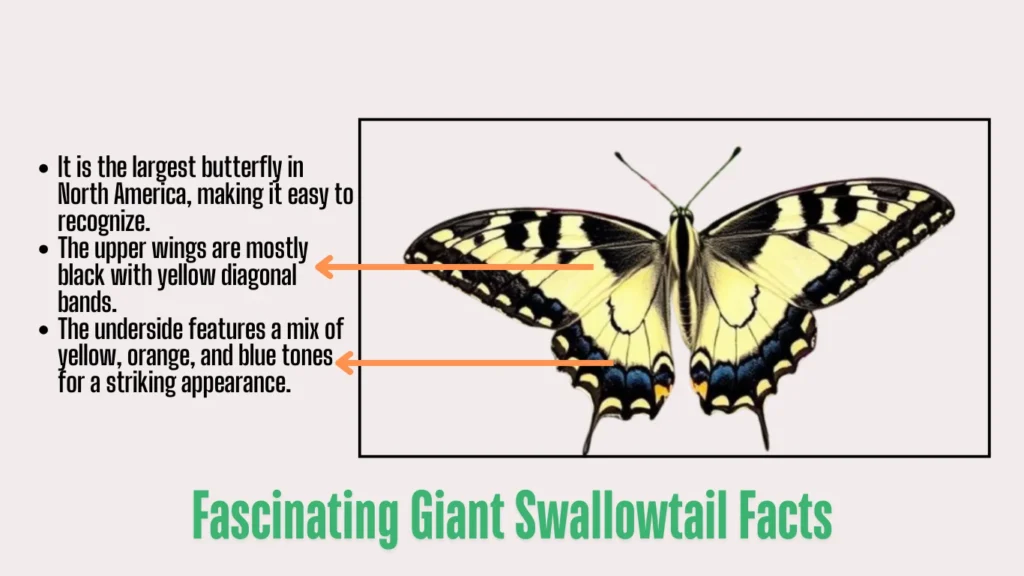
- It is the largest butterfly in North America, making it easy to recognize.
- The upper wings are mostly black with yellow diagonal bands.
- The underside features a mix of yellow, orange, and blue tones for a striking appearance.
Lifespan and Wingspan
The giant swallowtail lifespan in the wild is generally around 6–14 days after reaching adulthood. However, its full life cycle from egg to adult spans about a month, depending on temperature and food availability.
One of its most impressive features is the wingspan, which ranges from 4 to 6.5 inches, making it larger than most other butterflies in its habitat.
Life Cycle Stages of the Giant Swallowtail
The Complete Life Cycle

The giant swallowtail life cycle consists of four stages: egg, caterpillar, chrysalis, and adult butterfly. Each phase plays a vital role in the butterfly’s development and survival.
Egg Stage
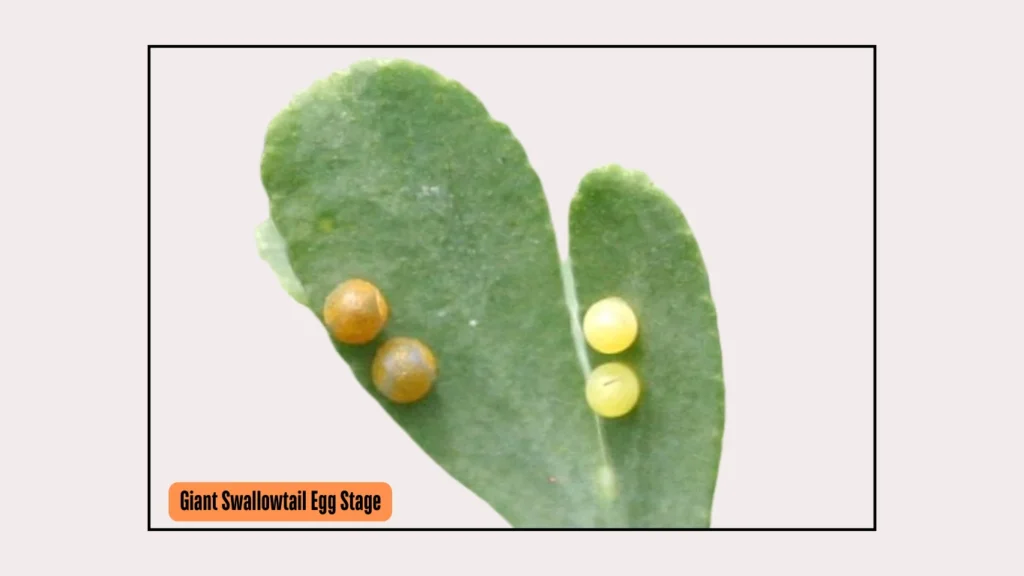
The life cycle begins when a female lays a giant swallowtail egg on a host plant, usually on the leaves of citrus trees or prickly ash. The eggs are tiny, round, and yellowish in color.
Many wonder, how long for giant swallowtail eggs to hatch? Typically, it takes about 4 to 10 days, depending on the climate and temperature.
Caterpillar Stage
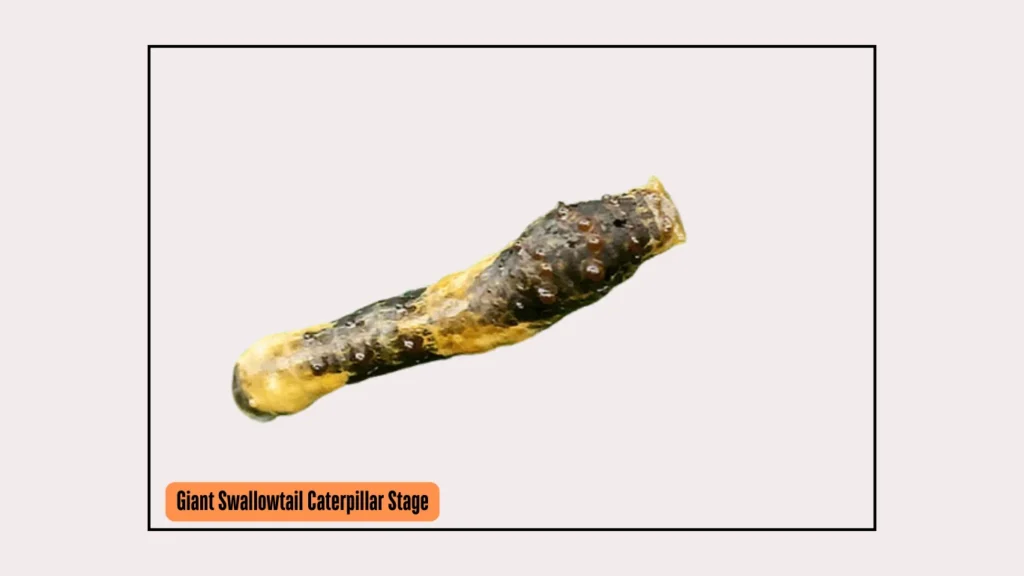
Once the egg hatches, a giant swallowtail caterpillar emerges. This stage includes several growth phases known as instars. During these stages, the caterpillar molts and grows in size, changing its appearance gradually.
The giant swallowtail caterpillar stages are fascinating. Early instars are dark with a white saddle-like patch, mimicking bird droppings for camouflage. As they mature, they become plumper and develop orange horns called osmeterium, which they use for defense.
Chrysalis and Pupa

After feeding and growing, the caterpillar forms a giant swallowtail chrysalis. Inside, it undergoes metamorphosis during the pupa stage. This transformation takes 10–20 days before the butterfly finally emerges.
Giant Swallowtail Caterpillar and Larvae

Unique Appearance of the Caterpillar
The giant swallowtail caterpillar is one of the most unusual-looking caterpillars in North America. Its camouflage is remarkable — it resembles bird droppings, which helps protect it from predators.
You might also come across the term giant swallowtail larva, which refers to the same stage. In early instars, the larva is small and dark with a white saddle. As it grows, it turns mottled brown and cream.
Eastern Giant Swallowtail Caterpillar
The eastern giant swallowtail caterpillar shares similar traits but can slightly differ in coloration depending on regional host plants and environment. It’s mostly found in the eastern U.S. and is often confused with similar species.
Images and Identification
People frequently search for giant swallowtail caterpillar images to identify these fascinating creatures. From early instars to their final size, the caterpillar goes through many changes, making visual references helpful for gardeners and butterfly enthusiasts.
Lifecycle Role
The giant swallowtail caterpillar life cycle phase is critical, as the larva feeds heavily to store energy for the transformation into a chrysalis. This is when the caterpillar does most of its growth and prepares for metamorphosis.
Host Plants and Feeding Habits
Host Plants for the Giant Swallowtail

The giant swallowtail host plant is essential to its survival. Female butterflies carefully choose specific plants to lay their eggs. The most common host plants for giant swallowtail butterfly include citrus trees like lemon, orange, and lime, as well as prickly ash and rue.
Caterpillar Food Sources
During the larval stage, the giant swallowtail caterpillar host plant becomes its only food source. It feeds exclusively on the leaves of the host plant, consuming large amounts to support its growth.
Many people ask, what do giant swallowtail caterpillars eat? The answer is simple: the leaves of their host plants. They prefer plants from the Rutaceae family, especially citrus.
Larval Host Specifics
Understanding what is a larval host for giant swallowtail is important if you’re trying to attract these butterflies to your garden. Without the right plants, the female won’t lay eggs, and the caterpillars won’t survive.
Planting a variety of citrus or native host plants is the best way to support their life cycle and enjoy their beauty in your yard.
Male vs Female Giant Swallowtail
Visual and Behavioral Differences
The male and female giant swallowtail butterflies share many similarities, but you can spot a few key differences if you know what to look for. These differences become especially clear when observing their size, flight patterns, and behavior around host plants.
Comparison Table: Male vs Female Giant Swallowtail

| Feature | Male Giant Swallowtail | Female Giant Swallowtail |
| Size | Slightly smaller | Slightly larger |
| Body Shape | Slim | Fuller abdomen (for egg-laying) |
| Flight Behavior | Flies in quick, erratic patterns | Flies slowly and hovers over plants |
| Territorial Behavior | Often seen patrolling or chasing | Rarely territorial |
| Egg-Laying Behavior | Does not lay eggs | Lays eggs on host plants |
Understanding these characteristics makes it easier to identify the giant swallowtail male vs female during butterfly watching or gardening.
Regional Variants of the Giant Swallowtail
Eastern Giant Swallowtail

The eastern giant swallowtail is the most widespread variant in the United States. It’s commonly found in the eastern and southeastern regions, including states like Florida, Georgia, and the Carolinas. It thrives in warm, humid environments and is often seen around citrus orchards and woodlands.
Western Giant Swallowtail Butterfly
The western giant swallowtail butterfly is less common and often confused with other large swallowtail species. Its range includes parts of the southwestern U.S. and Mexico. While its appearance is nearly identical to its eastern cousin, slight behavioral and environmental adaptations set it apart.
Jamaican Giant Swallowtail Butterfly
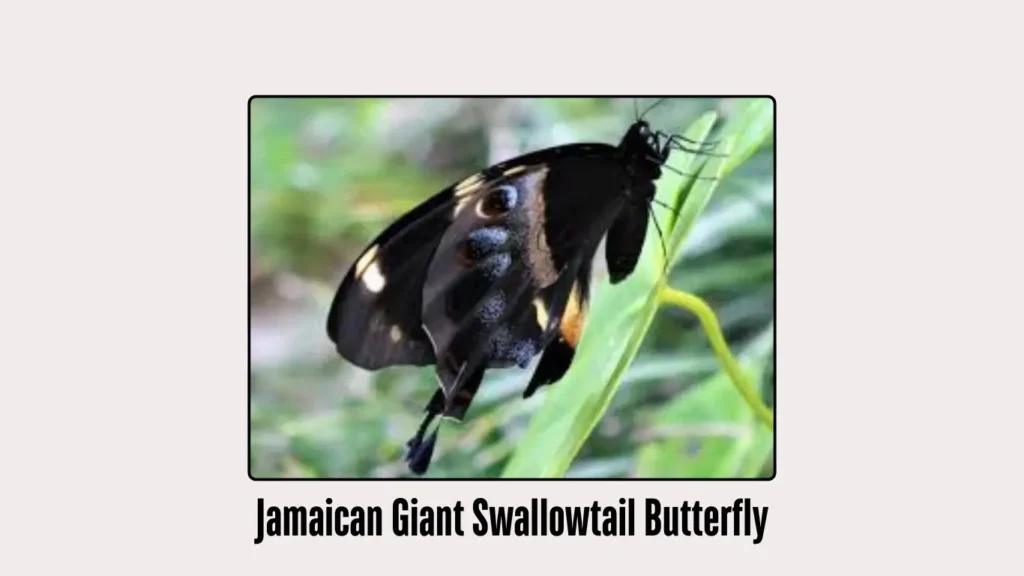
The Jamaican giant swallowtail butterfly is a regional name sometimes used to refer to large swallowtail species observed in Jamaica and the Caribbean. While sightings are rare and records limited, it reflects the butterfly’s wide-ranging adaptability across climates and regions.
These regional types highlight how the giant swallowtail adapts to different ecosystems across the Americas.
Geographic Range and Distribution
Where Do Giant Swallowtail Butterflies Live?
The giant swallowtail butterfly is native to North America, with its range stretching from southern Canada to parts of Central America. These butterflies prefer warm, sunny environments and are most active during the warmer months.
Giant Swallowtail Range and Map

According to most sources, the giant swallowtail range includes:
- Eastern and Southeastern United States
- Midwest states during summer
- Parts of Mexico and Central America
A giant swallowtail range map typically highlights its strong presence in the southern U.S., where its host plants are abundant.
State-Specific Presence
Here are a few notable regions where these butterflies are commonly found:
- Giant swallowtail butterfly Texas – Common in citrus-growing regions and urban gardens.
- Giant swallowtail butterfly Florida – Thrives in subtropical climates with year-round activity.
- Giant swallowtail butterfly Michigan – Seen during summer months, especially in the southern part of the state.
These butterflies migrate short distances but don’t undertake large migrations like monarchs. Their range continues to expand slowly with climate changes.
Global Relatives of the Giant Swallowtail
African Giant Swallowtail
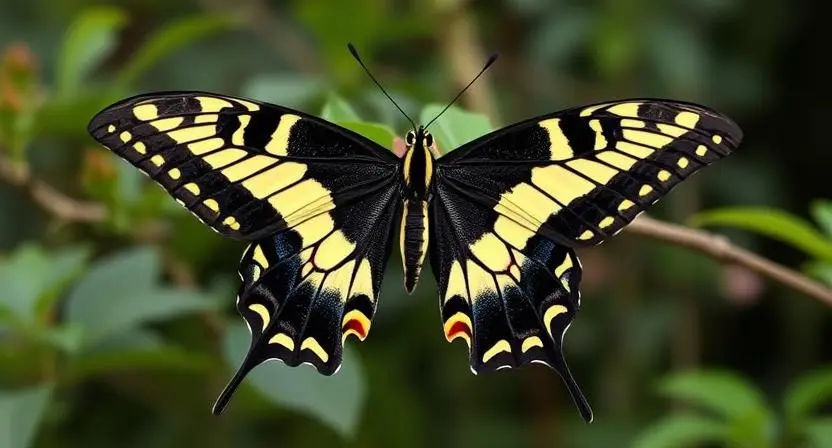
The African giant swallowtail (Papilio antimachus) is one of the largest butterflies in the world and is native to the rainforests of Central Africa. While not closely related to Papilio cresphontes, it shares the “giant” name due to its massive wingspan.
The African giant swallowtail butterfly is striking with its long wings and bold patterns. It differs significantly in coloration and habitat compared to its North American cousin.
Madagascar Giant Swallowtail
The Madagascar giant swallowtail is another large species found on the island of Madagascar. Like others in the swallowtail family, it has unique wing shapes and vibrant patterns that help it stand out in tropical forests.
Jamaican Giant Swallowtail Butterfly
Though not an officially classified species, the Jamaican giant swallowtail butterfly is a local term sometimes used for large swallowtails found in Jamaica. These may be close relatives or occasional migrants from nearby areas.
These global relatives show just how diverse and widespread swallowtail butterflies are — each adapted beautifully to its region and environment.
Visuals and Media of the Giant Swallowtail
Pictures and Images of the Butterfly
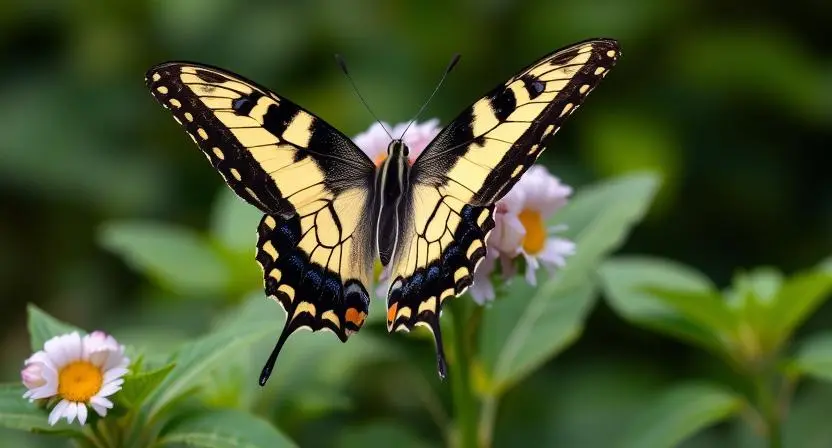
The giant swallowtail butterfly is a favorite among photographers and nature lovers due to its bold colors and large wings. If you’re searching for visual references, here are some common queries people use:
- Giant swallowtail images
- Picture of giant swallowtail butterfly
- Giant swallowtail photos
These images often capture the butterfly in flight, resting on flowers, or laying eggs on host plants. The vivid yellow and black wings make it easy to identify.
Caterpillar Photography

Aside from the adult butterfly, the caterpillar is also highly photographed. Nature enthusiasts often look up giant swallowtail caterpillar images to track their development stages or verify what’s crawling on their citrus trees.
Whether you’re creating a butterfly garden, studying their behavior, or just admiring their beauty, having access to detailed images helps with education and identification.
Final Thought
The giant swallowtail butterfly is a true wonder of nature, admired for its size, beauty, and fascinating life cycle. Whether you’re a gardener, nature lover, or casual observer, understanding this butterfly enriches your connection with the environment and encourages support for pollinators and native plants.
