
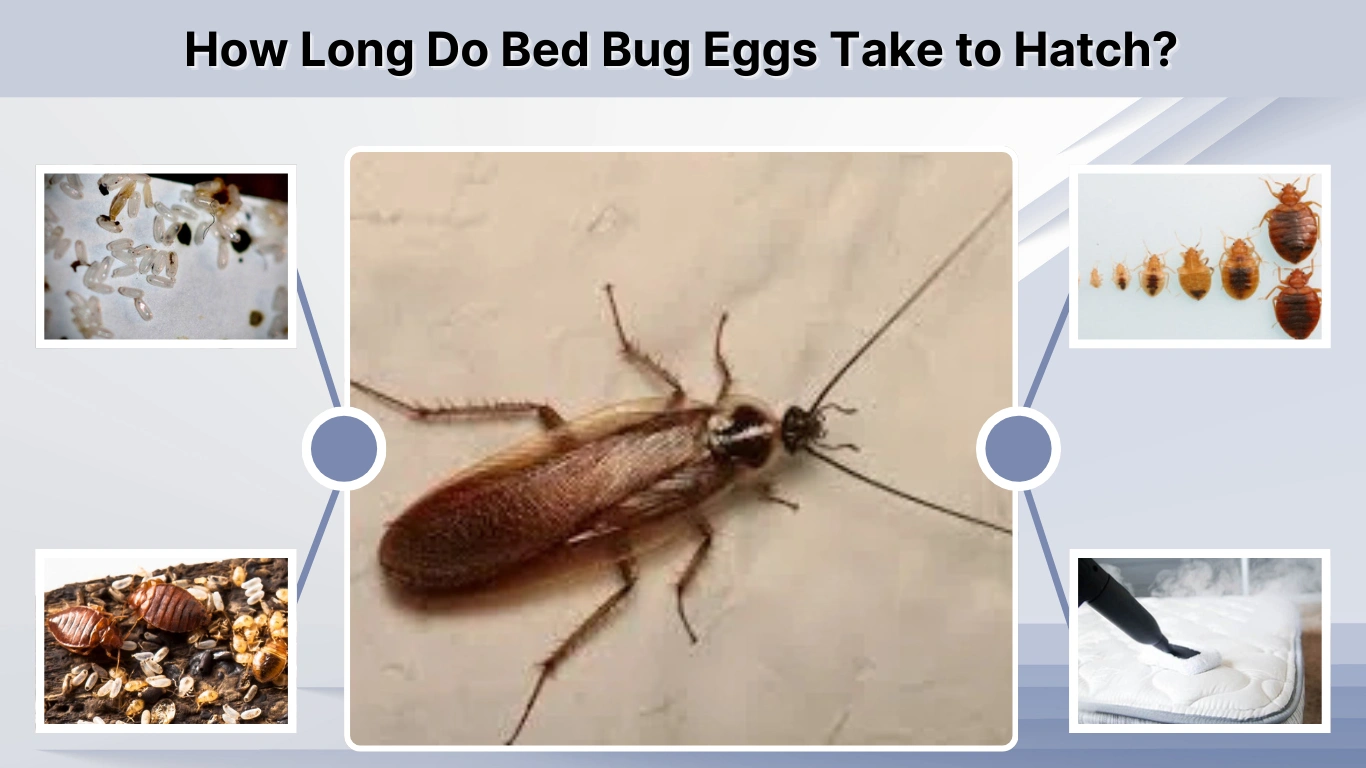
Bed bugs are among the most persistent pests found in homes, hotels, and apartments. Their ability to reproduce quickly makes infestations hard to control once they begin. While spotting live bugs is alarming, understanding the timeline of bed bug eggs hatching is even more important, because eggs represent the next generation of the infestation. In this article, we’ll explore how long bed bug eggs take to hatch, the factors that influence their development, and effective ways to stop them before they spread.
Bed Bug Reproduction Basics
A single female bed bug is capable of laying between 200 and 250 eggs in her lifetime, usually depositing 1 to 5 eggs per day. Because bed bugs live for months or even a year under the right conditions, their steady egg production ensures infestations can expand rapidly.
Bed bug eggs are the foundation of this reproduction cycle. Even if adults are removed, missed eggs can hatch in just days and restart the problem. That’s why focusing on the egg stage is crucial for complete elimination.
Appearance of Bed Bug Eggs

Bed bug eggs are small but visible to the naked eye if inspected carefully. They measure about 1 millimeter long, similar in size to a grain of salt or a pinhead. Their key features include:
- Color: Pearly white or translucent.
- Shape: Oval with a slightly rounded tip.
- Texture: Coated with a sticky substance that helps them cling to surfaces.
- Location: Typically laid in mattress seams, furniture crevices, headboards, or baseboards.
When hatched, the eggshells appear as flattened, transparent casings, often mistaken for dust. Unhatched eggs are smooth and plump, while dried or dead eggs may look shriveled and brittle.
How Long Do Bed Bug Eggs Take to Hatch?

Standard Hatching Timeline
Under normal indoor conditions, bed bug eggs hatch within 6 to 10 days. This short timeline allows infestations to expand quickly, as newly hatched nymphs immediately begin feeding and growing.
Factors Affecting Hatching
Several environmental factors influence how quickly bed bug eggs hatch:
- Temperature: Warmer conditions speed up development. In environments around 75–80°F (24–27°C), eggs hatch closer to 6 days. In cooler rooms, the process may take up to 14 days.
- Humidity: Moderate humidity supports egg viability, while overly dry environments may reduce survival.
- Host availability: While eggs can hatch without a host nearby, the survival of newly hatched nymphs depends on finding a blood meal soon after emergence.
Because of these factors, infestations in warm, occupied homes often progress faster than in unoccupied or cooler spaces.
What Happens After Eggs Hatch?
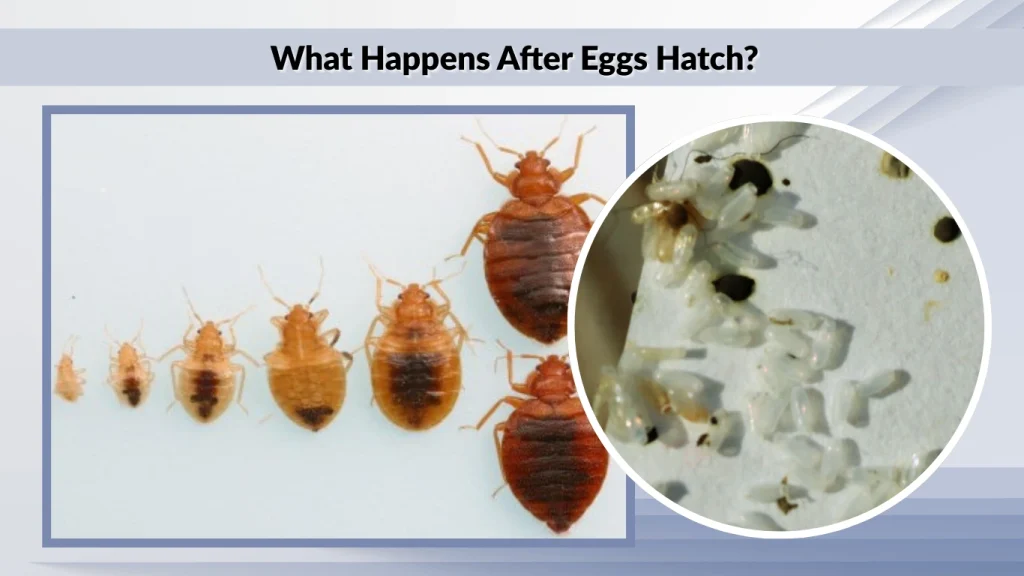
Once bed bug eggs hatch, tiny nymphs emerge. These immature bed bugs are translucent and only about the size of a sesame seed. To develop, nymphs must feed on blood almost immediately.
Bed bugs go through five molting stages before reaching adulthood. With regular access to hosts, this process can take 5 to 8 weeks. Each stage requires a blood meal for growth, and once fully mature, adult females continue the cycle by laying more eggs.
This rapid lifecycle means that within two months, a single fertilized female can give rise to hundreds of bed bugs if left unchecked.
Why Egg Hatching Timeline Matters for Infestations
The short 6–10 day hatching period is one of the main reasons bed bug infestations spread so fast. Even if adults are killed, eggs left behind will soon hatch and restart the infestation cycle.
Additionally, eggs are resistant to many common treatments. Vacuuming may miss them, and pesticides often fail to penetrate their protective shells. This resistance makes them one of the toughest stages to eliminate.
For homeowners and pest control professionals, breaking the cycle by killing eggs before they hatch is essential for long-term success.
Controlling Bed Bug Eggs Before They Hatch

DIY Methods
- Washing and Drying
- Wash infested bedding and clothes in hot water (at least 140°F / 60°C).
- Dry on the highest heat setting for 30 minutes or more. Heat is the most reliable DIY method to kill eggs.
- Wash infested bedding and clothes in hot water (at least 140°F / 60°C).
- Steam Treatment
- Use a high-temperature steamer on mattresses, furniture, and cracks.
- Steam penetrates fabrics and kills eggs hidden deep inside.
- Use a high-temperature steamer on mattresses, furniture, and cracks.
- Vacuuming
- Vacuum mattresses, carpets, and furniture seams thoroughly.
- Dispose of the vacuum bag in a sealed plastic bag outdoors.
- Vacuum mattresses, carpets, and furniture seams thoroughly.
- Encasements
- Cover mattresses and pillows with bed bug-proof encasements.
- Traps any hidden eggs and prevents newly hatched nymphs from escaping.
- Cover mattresses and pillows with bed bug-proof encasements.
Professional Solutions
In heavy infestations, professional treatments are often required:
- Heat treatment: Whole-room or whole-house heating to lethal temperatures destroys both live bugs and eggs.
- Chemical treatments: Specialized insecticides applied by licensed exterminators target eggs and nymphs.
- Integrated Pest Management (IPM): A combination of monitoring, physical removal, chemicals, and heat for thorough control.
Conclusion
Bed bug eggs may be tiny, but their impact is enormous. Typically hatching within 6 to 10 days, they allow infestations to spread quickly if not treated. Warm environments accelerate hatching, while cooler ones slow it slightly, but in almost all cases, new nymphs emerge within two weeks.
Eliminating bed bug eggs requires heat treatments, steam, or professional pest control since they resist many common methods. By understanding the hatching timeline and acting before eggs become nymphs, you can break the cycle and regain control of your home.
FAQs
How many bed bug eggs can hatch at once?
A female bed bug lays 1–5 eggs per day, and in clusters, many can hatch within the same week. Over her lifetime, she may produce 200–250 eggs.
Can bed bug eggs survive washing?
Washing in cold water won’t kill eggs, but washing in hot water and drying on high heat effectively destroys them.
Do bed bug eggs hatch faster in summer?
Yes. Warmer temperatures around 75–80°F (24–27°C) speed up development, leading to hatching in as little as 6 days.
What do freshly hatched bed bugs look like?
They are tiny, translucent nymphs about the size of a sesame seed. They become darker and more visible after their first blood meal.
How can I stop bed bug eggs from hatching?
The best methods are heat-based treatments such as hot washing, drying, steam cleaning, and professional thermal remediation. Chemical sprays alone are rarely effective.
