

Mites are tiny, often invisible to the naked eye, yet they can cause discomfort, allergic reactions, and skin irritation in humans and pets. From dust mites in your bedding to clover mites crawling near windows, identifying them correctly is the first step to controlling an infestation. Below are six effective ways to identify different types of mites in your home—using simple tools, observations, and common signs.
1. Use a Magnifying Glass or Phone Microscope

Most household mites are less than 1 mm long and can’t be seen clearly without magnification.
- Use a magnifying glass or a smartphone microscope attachment.
- Look for small, moving dots around bedding, carpets, windowsills, or pet fur.
- Clover mites often appear red, while dust mites are translucent or whitish.
This method helps confirm if the specks you see are mites or just dust or lint.
2. Check for Skin Reactions or Allergies
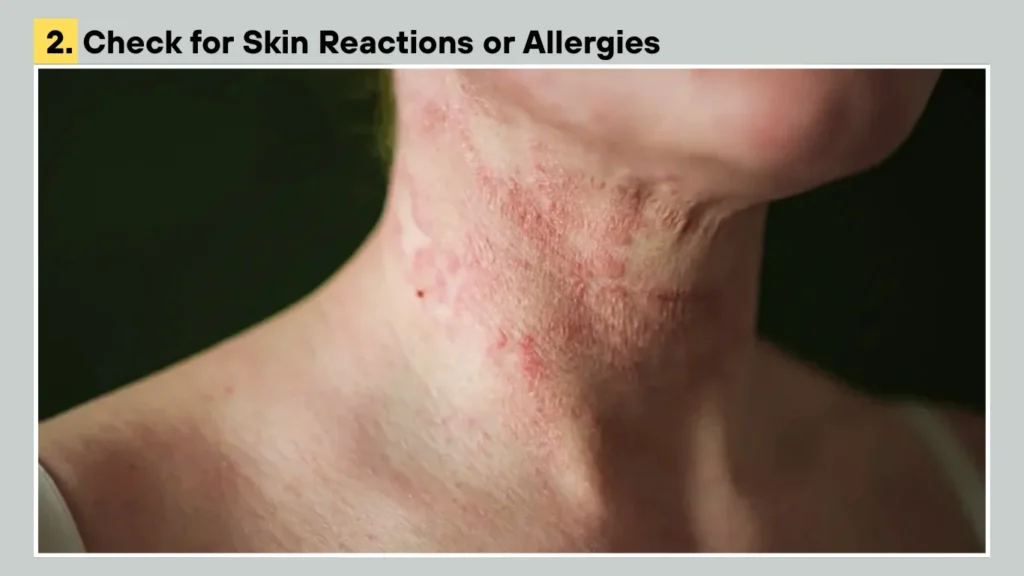
Some mites cause visible skin reactions in humans and pets.
- Itchy red bumps, rash-like patches, or dry, scaly skin may indicate mite exposure.
- Dust mites often trigger sneezing, runny nose, or asthma.
- Scabies mites leave burrow marks, often between fingers or on wrists.
If skin symptoms align with areas where you sleep or sit, mites might be the culprit.
3. Inspect Pet Fur and Bedding

Pets are often the first to show signs of mite infestations.
- Look for excessive scratching, red or bald patches, and dandruff.
- Use a flea comb or tape test to check for tiny crawling organisms.
- Ear mites may leave a dark waxy buildup in your pet’s ears.
If your pet shows symptoms, examine their bedding and grooming areas for signs of infestation.
4. Observe Window Frames and Sills

Clover mites and spider mites tend to gather around windows and sunlit areas.
- During spring and fall, you might notice red smears when wiping windowsills.
- These are crushed clover mites, which aren’t dangerous but are a nuisance.
- Look for movement in small groups of reddish or dark mites along exterior walls.
Outdoor garden mites may migrate indoors during certain seasons, especially near plants or cracks in windows.
5. Use Sticky Traps or Tape Tests

You can trap and observe mites using simple household tools.
- Place clear packing tape or commercial sticky traps in high-activity areas: beds, sofas, pet areas.
- After 24–48 hours, check the tape for tiny crawling specs under a magnifying tool.
- Some pest control companies offer sticky boards for specific mite species.
This method is helpful for diagnosing an infestation before it becomes severe.
6. Look for Clues in Bedding and Upholstery
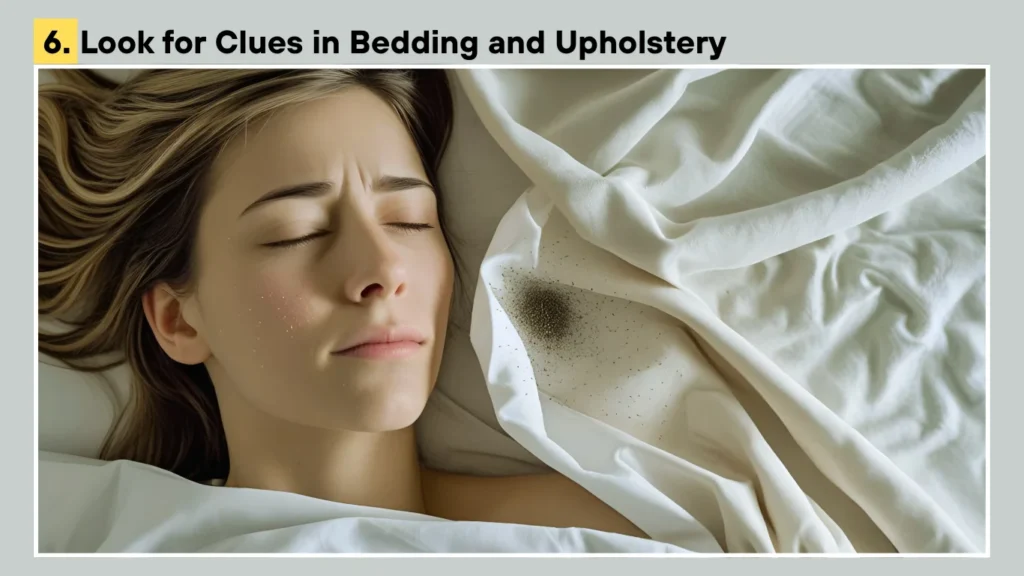
Dust mites often thrive in mattresses, pillows, curtains, and upholstered furniture.
- Signs include unexplained sneezing at night, itchy skin after lying in bed, or worsened asthma indoors.
- A musty smell in fabric-heavy areas could also indicate their presence.
- Use a white sheet or pillowcase and pat surfaces—then examine for specks.
Regular inspection and washing in hot water can help control dust mite populations.
Final Thoughts
While mites are often hard to detect, using these identification methods can help you spot their presence early and take action. If you’re unsure of the type, consider collecting a sample and consulting a pest expert or your veterinarian (for pet-related cases). Once identified, you can apply targeted treatments, clean your environment, and minimize their impact on your health and comfort.
