

Australia is home to a wide variety of cockroach species, from harmless native forest dwellers to common household pests. While some invade homes in search of food and warmth, many live peacefully outdoors, playing important roles in the ecosystem.
In this guide, you’ll discover 13 types of cockroaches found across Australia, including their identification, habitats, behaviors, and reproduction habits—helping you understand which ones are pests and which are not.
1. Australian Cockroach
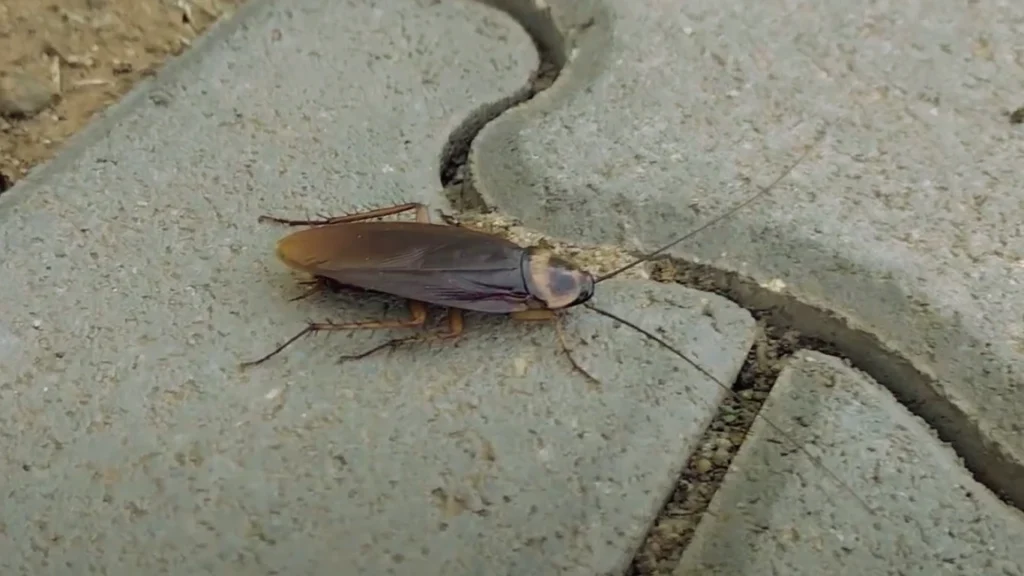
The Australian cockroach is a large, fast-moving insect commonly found in warm and humid areas. Despite its name, it is not native to Australia but is widespread in many parts of the world, including Australian homes and gardens.
Identification
- Size: Around 1.2 to 1.5 inches long
- Color: Reddish-brown with yellow margins on the thorax
- Wings: Fully developed and extend beyond the body
- Distinctive Mark: Yellow streaks on the edges of the wings
Habitat
Australian cockroaches prefer warm, moist environments. They are often found:
- In basements, kitchens, and bathrooms
- Under mulch, leaf litter, or garden debris
- Around plumbing and drains
Behavior
- Nocturnal and mostly active at night
- Quick movers and good flyers when disturbed
- Feed on decaying organic matter, food crumbs, and plants
Reproduction
- Females lay egg cases (oothecae) that contain around 20–24 eggs
- Eggs hatch within 40 days in warm conditions
- Nymphs go through several molts before reaching adulthood
2. German Cockroach

The German cockroach is one of the most common household cockroaches in Australia. It’s small in size but reproduces quickly, making infestations hard to control once established.
Identification
- Size: 0.5 to 0.6 inches long
- Color: Light brown or tan
- Markings: Two dark parallel stripes on the back of the head
- Wings: Present but rarely used for flying
Habitat
- Often found in kitchens and bathrooms
- Prefers warm, humid, and dark spaces
- Hides in cracks, under appliances, and behind cabinets
Behavior
- Active mainly at night
- Attracted to food, grease, and moisture
- Leaves behind droppings and a musty odor in infested areas
Reproduction
- Each egg case can hold up to 40 eggs
- Females carry the ootheca until it’s ready to hatch
- Can produce thousands of offspring in a year
3. American Cockroach
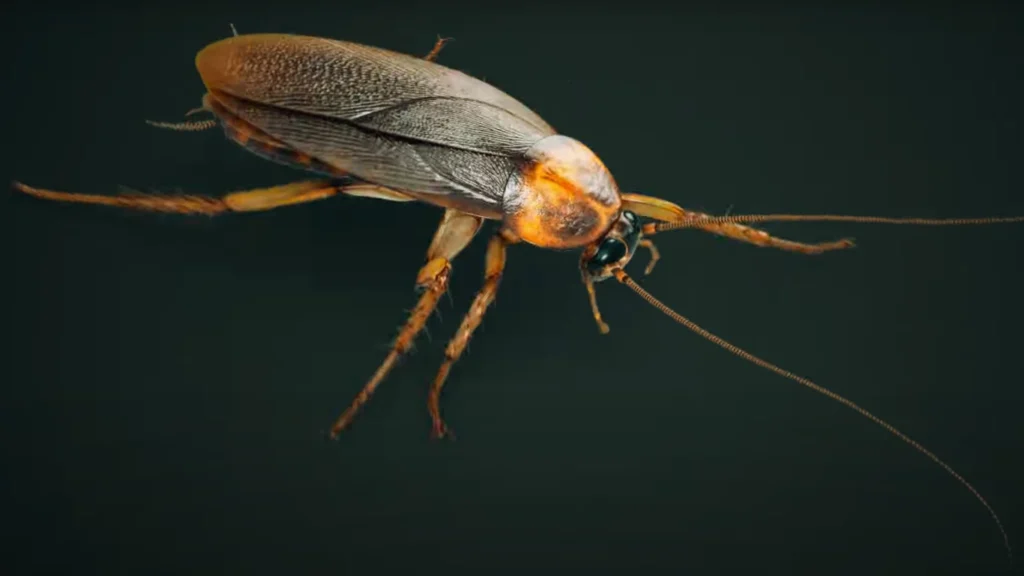
The American cockroach is one of the largest cockroach species found in Australian buildings. It’s known for its size, reddish color, and strong flying ability.
Identification
- Size: 1.5 to 2 inches long
- Color: Reddish-brown with a yellowish figure-8 pattern on the back of the head
- Wings: Fully developed and longer than the body
- Notable Feature: Shiny and oval-shaped body
Habitat
- Prefers warm, moist areas like basements and sewers
- Enters homes through drains or cracks
- Can survive outdoors in mulch and garden beds
Behavior
- Fast runners and capable of short flights
- Scavengers that feed on food waste and organic matter
- Can spread bacteria and contaminate food
Reproduction
- Females lay egg cases with about 15 eggs
- Eggs hatch in 6–8 weeks
- Lifespan can be up to a year, with multiple generations per year
4. Smokybrown Cockroach
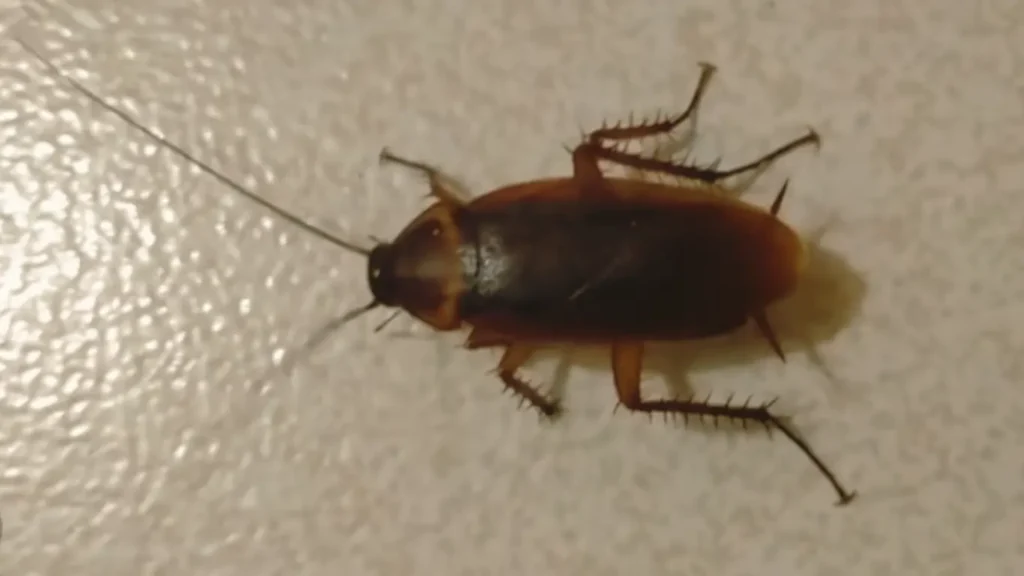
The Smokybrown cockroach is a large, dark-colored species often seen in Australian outdoor areas. It’s a strong flier and is attracted to lights at night.
Identification
- Size: 1.25 to 1.5 inches long
- Color: Uniform shiny dark brown or black
- Wings: Fully developed and extend past the abdomen
- Body: Sleek and glossy
Habitat
- Commonly found in roof voids, sheds, and tree hollows
- Prefers warm, humid outdoor environments
- May enter homes in search of food and shelter
Behavior
- Attracted to lights and may fly indoors at night
- Active at night and hides during the day
- Feeds on decaying plant matter and food scraps
Reproduction
- Females produce oothecae with 20–24 eggs
- Eggs hatch in about 45 days
- Nymphs grow through several molts to reach adulthood
5. Brown-Banded Cockroach
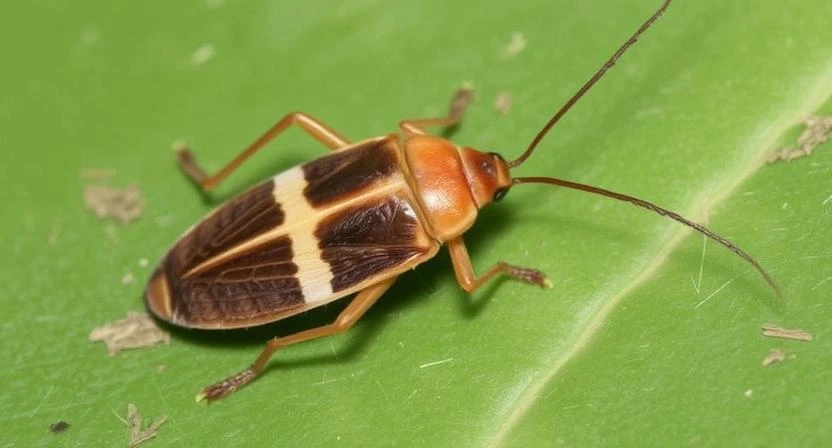
The Brown-banded cockroach is a small species that prefers dry, warm environments. It’s less commonly seen but often lives in furniture and upper cabinets.
Identification
- Size: Around 0.5 inches long
- Color: Light brown with two pale bands across the wings and abdomen
- Wings: Present in both sexes, but only males fly
- Markings: Bands are more noticeable on nymphs
Habitat
- Found in dry, elevated areas like bedrooms, closets, and electronics
- Hides behind picture frames, inside drawers, and in ceiling voids
- Avoids moist places unlike other species
Behavior
- Active at night
- Not often seen in kitchens or bathrooms
- Feeds on starchy materials like glue, paper, and fabric
Reproduction
- Females produce egg cases with about 16 eggs
- Hide oothecae in hidden spots rather than carrying them
- Eggs hatch in 1–2 months, with fast-growing nymphs
6. Oriental Cockroach
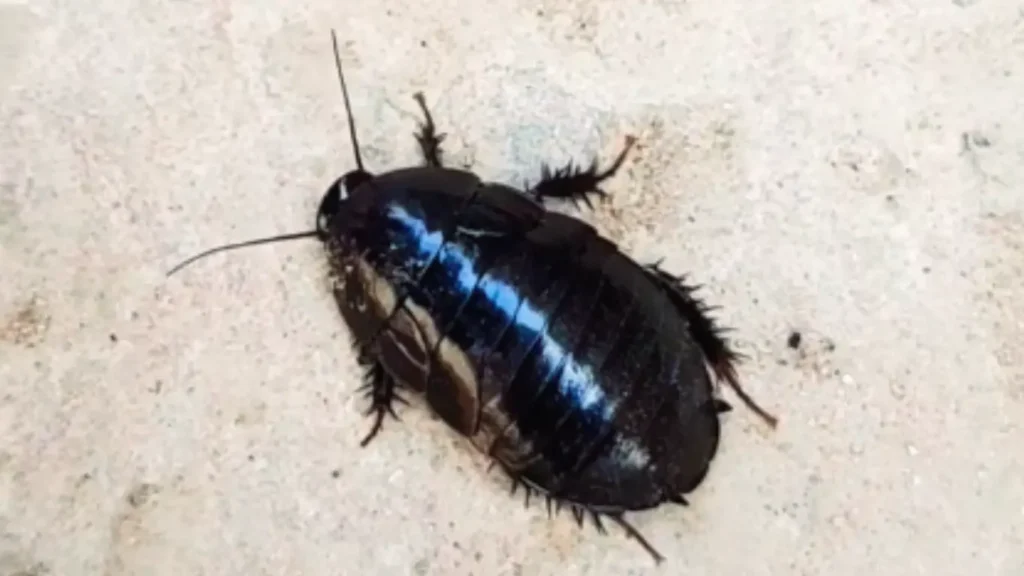
The Oriental cockroach is a slow-moving species known for its shiny black appearance. It prefers cooler, damp areas and is less common indoors in warmer climates like much of Australia.
Identification
- Size: 1 to 1.25 inches long
- Color: Glossy dark brown to black
- Wings: Males have short wings; females have underdeveloped wing pads
- Body: Broad and flattened
Habitat
- Found in basements, drains, and under sinks
- Common in garbage areas and damp crawl spaces
- Rarely climbs walls or smooth surfaces
Behavior
- Slower than other cockroaches
- Prefers cool, dark, and moist areas
- Emits a strong, musty odor when disturbed
Reproduction
- Females deposit egg cases containing 16 eggs
- Eggs hatch in 2 months
- Nymphs develop slowly, taking up to a year to mature
7. Common Shining Cockroach

Native to Australia, the Common Shining Cockroach is mostly harmless and lives outdoors. It’s often found in gardens and leaf litter.
Identification
- Size: 0.75 to 1 inch long
- Color: Shiny black or very dark brown
- Wings: Short or absent depending on the individual
- Body: Smooth and glossy with a flat shape
Habitat
- Found in mulch, under bark, and among dead leaves
- Prefers forest floors and moist garden areas
- Rarely enters homes
Behavior
- Not considered a household pest
- Helps break down organic matter outdoors
- Moves slowly and hides under debris
Reproduction
- Females lay eggs in hidden, moist areas
- Young nymphs stay near the egg site
- Slow-growing but stable populations in natural areas
8. Ellipsidion humerale (Bush Cockroach)

Also known as the bush cockroach, Ellipsidion humerale is a native Australian species often seen outdoors. It’s harmless and does not infest homes.
Identification
- Size: Around 0.6 to 0.8 inches
- Color: Reddish-brown with pale yellow edges on the thorax and wings
- Wings: Fully developed, often held flat over the body
- Appearance: Attractive and colorful compared to pest species
Habitat
- Found in gardens, bushland, and under bark
- Prefers outdoor vegetation and dry leaf litter
- Seldom enters buildings
Behavior
- Active during the day
- Non-aggressive and does not scavenge indoors
- Helps decompose plant matter in the ecosystem
Reproduction
- Females lay eggs in safe outdoor spots
- Nymphs grow slowly and stay hidden in leaf litter
- No known pest-like breeding behavior
9. Macropanesthia rhinoceros (Giant Burrowing Cockroach)

Also called the Rhinoceros cockroach, this is one of the world’s heaviest cockroaches. It’s native to Queensland and completely harmless.
Identification
- Size: Up to 3.3 inches long and 30–35 grams in weight
- Color: Dark brown to black
- Wings: Wingless
- Body: Very broad and heavily armored
Habitat
- Lives underground in sandy soils
- Common in forested or scrubland areas of northern Queensland
- Burrows up to 1 meter deep
Behavior
- Doesn’t fly or climb
- Feeds on dry leaves and helps enrich soil
- Docile and often kept as a pet or classroom insect
Reproduction
- Gives birth to live young (no egg case)
- Young stay with the mother in the burrow
- Long lifespan: up to 10 years
10. Native Wood Cockroach

Native wood cockroaches are harmless Australian species commonly found in bushland and around dead wood. They rarely enter homes and do not pose a pest problem.
Identification
- Size: 0.5 to 1 inch
- Color: Brown to dark brown with a flat, oval body
- Wings: May be present but usually not used for flight
- Appearance: Camouflaged with wood and bark tones
Habitat
- Lives under bark, logs, and in decaying wood
- Found in eucalyptus forests and wooded gardens
- Prefers cool, shaded areas outdoors
Behavior
- Shy and non-invasive
- Plays a role in breaking down dead plant material
- Avoids human interaction and stays hidden
Reproduction
- Females deposit egg capsules in rotting wood
- Eggs hatch in a few weeks
- Nymphs develop slowly in natural surroundings
11. Black Cockroach
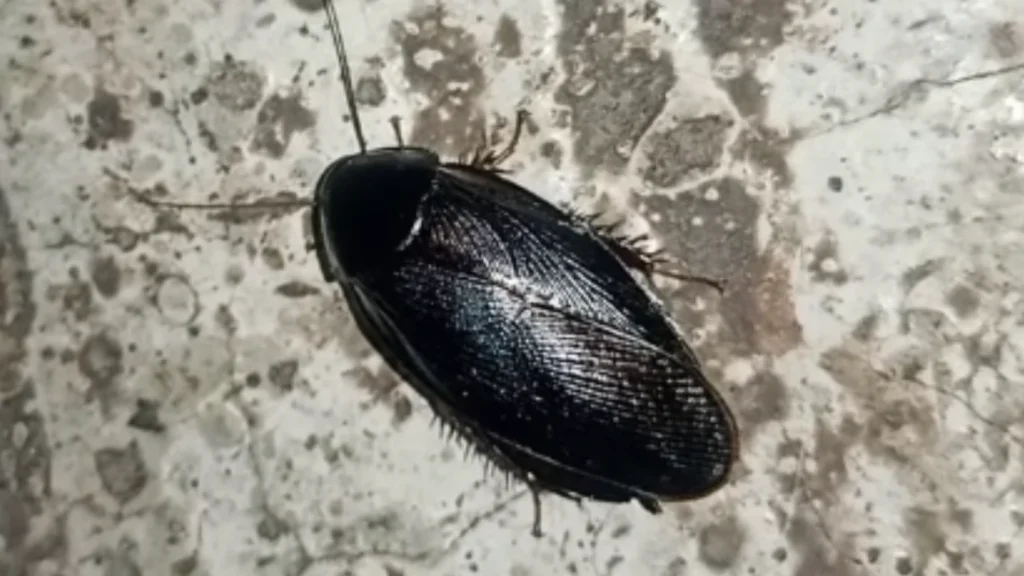
The Black cockroach is a general term often used for various dark-colored native cockroaches in Australia. These are mostly outdoor species and not considered household pests.
Identification
- Size: Varies from 0.75 to 1.25 inches
- Color: Deep black or dark brown
- Wings: May or may not be present
- Appearance: Glossy, dark body with sturdy legs
Habitat
- Found in gardens, under logs, and leaf litter
- Common in bushland and rural outdoor areas
- Not usually seen indoors
Behavior
- Avoids bright lights and human activity
- Moves slowly and hides in shaded, moist places
- Helps recycle organic debris in the environment
Reproduction
- Females lay egg capsules hidden under natural cover
- Eggs hatch in 1–2 months
- Lifecycle continues mostly unnoticed outdoors
12. Pale-bordered Field Cockroach

The Pale-bordered Field Cockroach is a small, fast-moving insect native to Australia. It’s often mistaken for pest species but is actually harmless and prefers outdoor habitats.
Identification
- Size: Around 0.4 to 0.6 inches
- Color: Light to dark brown with pale borders along the thorax and wings
- Wings: Fully developed, used for gliding
- Appearance: Slim body with distinct pale edges
Habitat
- Found in grassy areas, fields, and open bushland
- Lives under rocks, logs, and ground cover
- Avoids buildings and indoor environments
Behavior
- Very active and quick to hide
- Non-invasive and not drawn to human food
- Important in breaking down organic debris
Reproduction
- Females produce small oothecae (egg cases)
- Eggs hatch in a few weeks
- Nymphs develop in hidden outdoor spots
13. Giant Forest Cockroach (Panesthia cribrata)

This is a large, burrowing cockroach native to eastern Australia, especially in forested areas. It is harmless and contributes to soil health.
Identification
- Size: Up to 1.5 inches
- Color: Dark brown to black with a broad, flat body
- Wings: Short or absent
- Texture: Rugged, heavily armored exoskeleton
Habitat
- Lives in rotting logs, under bark, and in forest soil
- Found in rainforests and eucalyptus woodlands
- Avoids urban environments
Behavior
- Burrows in groups
- Feeds on decomposing wood and leaves
- Not a household pest
Reproduction
- Females carry egg capsules inside their body
- Gives birth to live young
- Long-lived and slow to reproduce
Summary:
This guide covers 13 types of cockroaches found in Australia, including both household pests and harmless native species. Each section highlights their appearance, habitat, behavior, and reproduction, helping you easily identify which cockroaches to worry about and which ones are just part of nature.
