
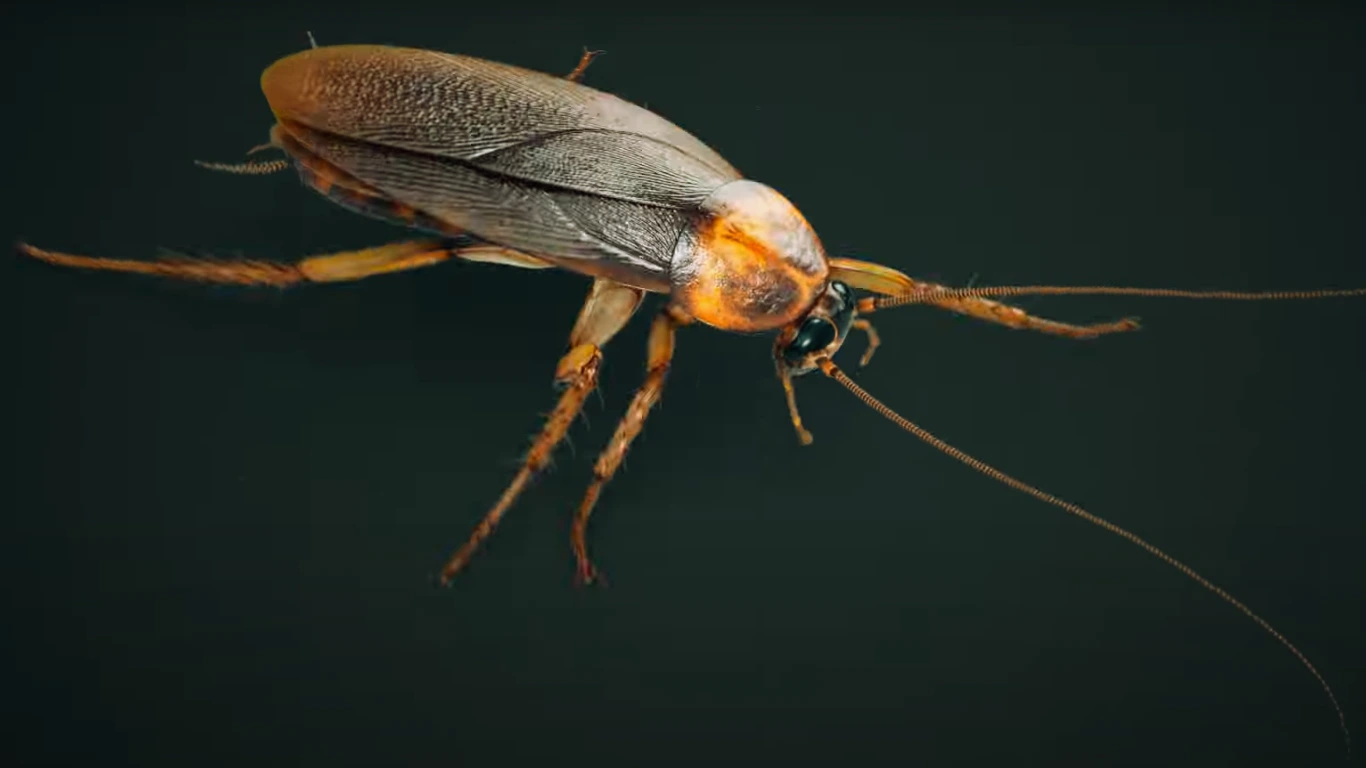
The American cockroach (Periplaneta americana) is one of the largest and most common roaches found in homes, especially in warm, damp areas. Known for their speed and size, these pests can quickly become a serious problem if left untreated.
In this guide, you’ll learn how to identify them, understand their life cycle, compare them with other species, and most importantly—how to effectively get rid of them and prevent future infestations.
What is an American Cockroach?
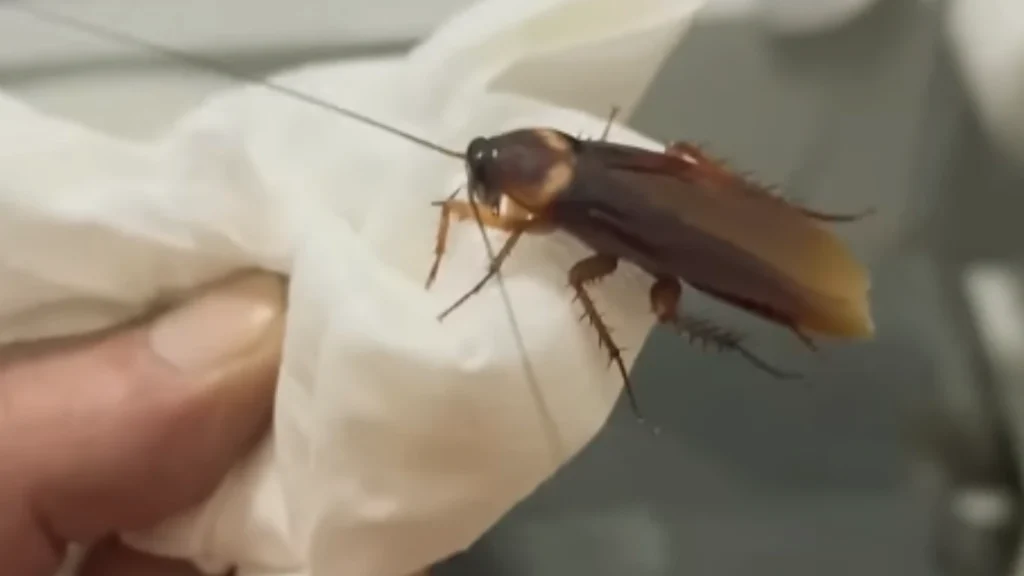
The American cockroach (Periplaneta americana) is a large, reddish-brown cockroach commonly found in warm, damp places like kitchens, basements, and drains. Despite its name, it originally came from Africa and spread worldwide.
It’s sometimes called a “waterbug” or “palmetto bug,” but these names can be confusing since it isn’t truly aquatic. It’s one of the biggest cockroaches seen in homes and can be quite fast.
This species is known for spreading germs and triggering allergies. Knowing what it is helps in spotting and removing it from your home.
Appearance and Characteristics

The American cockroach has a distinct look that sets it apart from other common household roaches. With its large size, reddish-brown body, and long wings, it’s easy to identify—especially in warm, damp areas where it likes to hide. Understanding its physical traits can help you recognize and control infestations quickly.
Color, Size, Wings, and Body Structure
- Color: Reddish-brown with a yellowish figure-8 pattern behind the head
- Size: Adults measure 1.5 to 2 inches long
- Wings: Both males and females have fully developed wings; they can glide short distances
- Body Structure: Long, flat body with long spiny legs and antennae
American Cockroach Male vs Female

| Feature | Male | Female |
| Size | Slightly longer (due to wings) | Slightly shorter |
| Wings | Extend past the abdomen | About the same length as the abdomen |
| Abdomen shape | Tapered | Rounded |
| Behavior | More active | Less mobile |
American Cockroach Size Chart
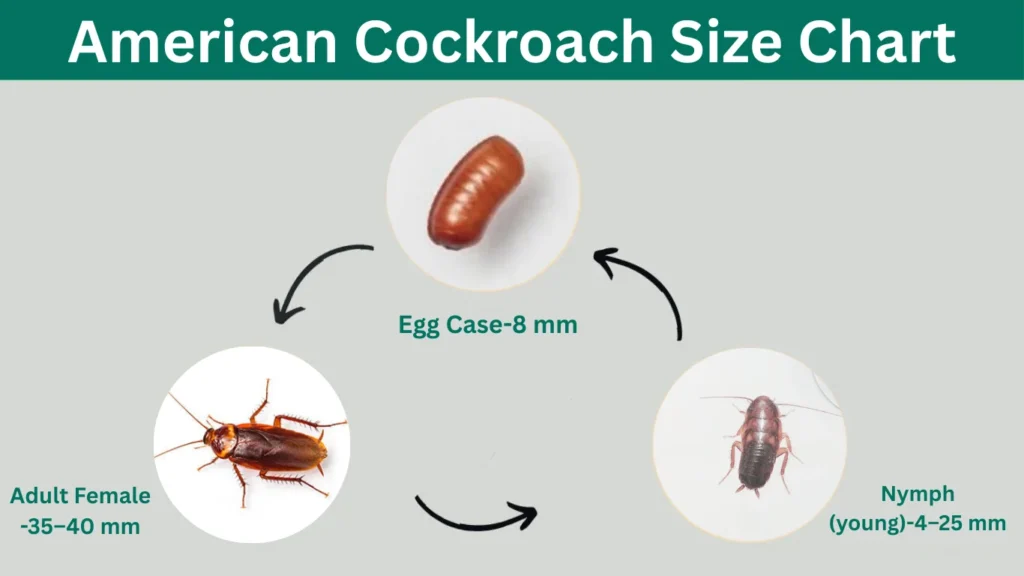
| Life Stage | Approximate Size |
| Egg Case | 8 mm |
| Nymph (young) | 4–25 mm |
| Adult Female | 35–40 mm |
| Adult Male | 40–45 mm |
Exoskeleton, Dimensions, and Thorax
The American cockroach has a strong, flexible exoskeleton that helps protect it from physical harm. The thorax (middle section) features a smooth, shield-like plate called the pronotum, often marked with a yellow band or figure-8. Their long, jointed legs are covered in small spines, which allow them to climb walls and run quickly across surfaces.
Their body is divided into three main parts: head, thorax, and abdomen. The head holds the long antennae and chewing mouthparts, while the thorax supports the wings and legs.
Description and Photos
Adult American cockroaches are among the largest roaches found indoors. Their long wings are reddish-brown and cover the full length of their bodies. The light-colored band on the pronotum makes them easier to distinguish from other cockroaches like the German or Oriental species. When fully grown, they appear glossy and streamlined, built for quick movement and survival in dark, humid environments.
Life Cycle and Life Stages
The American cockroach goes through a full metamorphosis, meaning it develops in distinct stages: egg, nymph, and adult. Each stage has unique features and timing that help identify where the roach is in its life.
American Cockroach Egg, Ootheca, and Baby
The female American cockroach produces an egg case called an ootheca, which contains around 14–16 eggs. She often places this capsule in warm, hidden areas like cracks or under appliances. After 6–8 weeks, the eggs hatch into baby cockroaches, also called nymphs.
Nymph to Adult Transformation
Nymphs are wingless and pale at first. As they grow, they molt several times—shedding their outer skin. With each molt, they get darker and larger, slowly developing wings and adult features. This stage can last 6 months to over a year, depending on temperature and food availability.
American Cockroach Lifespan
An adult American cockroach can live up to 1 year, sometimes a bit longer in warm, moist environments. Throughout its life, a single female can produce hundreds of offspring, making quick control important if an infestation begins.
American Cockroach Life Cycle Chart
| Stage | Description | Duration |
| Egg (Ootheca) | 14–16 eggs in a capsule | 6–8 weeks |
| Nymph | Wingless, molts multiple times | 6–12+ months |
| Adult | Full wings, active reproduction stage | Up to 1+ year |
Juvenile and Young American Cockroach
Juvenile cockroaches are often mistaken for different species because they lack wings and are lighter in color. They’re fast, flat, and very active, hiding in tight spaces. Over time, they become darker and more like the adult in both shape and behavior.
Habitat and Range
American cockroaches are highly adaptable and can live in a wide range of environments, both indoors and outdoors. They prefer warm, moist areas and are often found where food and water are easily available.
Where American Cockroaches Live
These cockroaches are common across the United States, especially in the South and urban areas. They also exist in countries like the UK, Philippines, Singapore, and New Zealand, mainly in buildings with high humidity. Their spread is linked to human activity and shipping routes.
American Cockroach in House vs Wild
Outdoors, they live in gardens, woodpiles, and sewer systems. But indoors, they hide in basements, bathrooms, kitchens, and behind appliances. They enter homes through drains, vents, or cracks, especially during heavy rain or when seeking food.
Common Places They Hide Indoors
- Under sinks or around drains
- Inside cabinets or behind fridges
- In basements, laundry rooms, and boiler rooms
- Near leaky pipes or standing water
American Wood Cockroach vs House Cockroach
The American wood cockroach is often confused with the American cockroach but prefers outdoor habitats like decaying logs or tree bark. Unlike the American cockroach, it rarely invades homes. The wood roach is also smaller and less likely to breed indoors.
7 Signs of Infestation
Here are 7 clear signs of an American cockroach infestation, listed by serial:
- Sightings of Live Cockroaches
Seeing large, reddish-brown cockroaches—especially at night—is a strong sign of infestation. - Presence of Egg Cases (Oothecae)
Oval-shaped, brown egg cases hidden near cracks, appliances, or damp spots suggest active breeding. - Cockroach Droppings
Small, dark droppings resembling ground pepper or coffee grains often appear near food, cabinets, or baseboards. - Musty or Oily Odor
A lingering, foul smell is released by American cockroaches and gets stronger as the infestation grows. - Shed Skins
Nymphs shed their skins multiple times before becoming adults—these papery remains are often found in hidden areas. - Smear Marks
In very damp areas, cockroaches leave brownish smear marks along floors and walls where they travel. - Dead Cockroaches
Finding dead roaches in sinks, corners, or under appliances is another indicator that more may be hiding nearby.
American Cockroach vs Other Species
Here is a comparison table for American Cockroach vs Other Species:
| Feature | American Cockroach | German Cockroach | Oriental Cockroach | Australian Cockroach | Smokybrown Cockroach | Wood Roach |
| Scientific Name | Periplaneta americana | Blattella germanica | Blatta orientalis | Periplaneta australasiae | Periplaneta fuliginosa | Parcoblatta spp. |
| Color | Reddish-brown | Light brown with 2 dark stripes | Shiny black or very dark brown | Reddish-brown with yellow edges | Uniform dark brown | Light brown |
| Size | 1.5 – 2 inches | 0.5 – 0.6 inches | 1 – 1.25 inches | 1.25 – 1.4 inches | 1.25 – 1.5 inches | 0.75 – 1 inch |
| Wings | Fully developed, can glide | Fully developed, rarely flies | Males have long wings; females short | Fully developed, good flier | Fully developed, strong flier | Males have wings, weak flier |
| Flight Ability | Glides short distances | Rarely flies | Rarely flies | Can fly | Often flies | Rarely flies |
| Habitat | Warm, damp indoor/outdoor places | Indoors near food and moisture | Cool, damp areas like basements | Outdoors, sometimes indoors | Warm, humid places | Outdoors (wooded areas) |
| Infestation Risk | High | Very high | Moderate | Moderate | Moderate | Low |
| Common Indoors? | Yes | Yes | Sometimes | Sometimes | Yes | Rarely |
Baby and Juvenile American Cockroach
Identifying baby and juvenile American cockroaches is important for early detection. These young stages look different from adults and are often mistaken for other insects.
• American cockroach nymph size:
Nymphs start out very small—around 4–6 mm in length. As they grow, they molt multiple times, reaching up to 25 mm before becoming adults.
• Growth stages of baby cockroach:
American cockroaches go through 10 to 13 molts during the nymph stage. With each molt, they become darker and more like the adult form, eventually developing wings.
• Picture and description of baby roaches:
Baby roaches (early nymphs) are wingless, light brown to gray, and very fast. As they age, their color deepens, and their body shape becomes more elongated.
• How to identify juveniles indoors:
Juvenile cockroaches are often found in the same places as adults—under sinks, in cabinets, or near drains. Look for small, fast-moving, wingless roaches hiding in tight spaces.
• Young American cockroach traits and behavior:
Young roaches are highly active and tend to scatter quickly when exposed to light. They need access to food and water to survive, so spotting them near crumbs or moisture is a key clue.
Flying Ability and Movement
American cockroaches have fully developed wings, but they aren’t strong fliers. Instead of true flight, they mostly glide from higher spots to lower surfaces, especially when disturbed or escaping light. Indoors, you’ll rarely see them flying unless conditions are warm and humid.
Though they aren’t expert fliers, they can use their wings to move short distances, often surprising people when they glide from ceilings or walls. This ability makes them harder to catch and contributes to their reputation as alarming pests.
In terms of movement, American cockroaches are incredibly fast on foot. They can scurry away at speeds up to 3 miles per hour, using their long legs and flat bodies to slip into tiny spaces. This speed and unpredictability make them especially difficult to eliminate once inside a home.
How to Get Rid of American Cockroach (Step-by-Step)
Eliminating American cockroaches requires a mix of cleaning, sealing, and targeted treatment. Follow these steps to get rid of them effectively:
Step 1: Identify Hiding Spots
Look in dark, moist areas like under sinks, behind appliances, drains, and basements. Use a flashlight to inspect cracks and crevices.
Step 2: Clean Up Food and Water Sources
Remove crumbs, grease, and spills. Store food in sealed containers. Fix any leaky pipes or standing water that attracts roaches.
Step 3: Seal Entry Points
Use caulk to close gaps around windows, doors, pipes, and vents. Install door sweeps and screens to block access.
Step 4: Use Baits and Traps
Place bait stations or gel baits in high-traffic areas. Roaches eat the poison and bring it back to their nest, killing others.
Step 5: Apply Insecticides (If Needed)
Use cockroach sprays or dust in hard-to-reach areas. Focus on cracks, wall voids, and behind appliances. Always follow label instructions.
Step 6: Use Natural Remedies (Optional)
Boric acid, diatomaceous earth, or baking soda and sugar mixtures can also help reduce roach numbers naturally.
Step 7: Repeat and Monitor
Check traps regularly, reapply bait, and continue cleaning. Monitor activity for at least 2–3 weeks to ensure full removal.
Fun Facts
Here are 6 interesting facts about the American cockroach:
- They Can Live Without Their Head
An American cockroach can survive for up to a week without its head, dying only because it can’t drink water. - They Are One of the Largest House Roaches
Adult American cockroaches can grow up to 2 inches long, making them one of the biggest cockroach species found indoors. - They’re Fast Runners
These roaches can run up to 3 miles per hour, making them one of the fastest insects relative to their size. - They Glide, Not Fly
While they have wings, they don’t fly long distances—they usually glide from high places to escape or move quickly. - They’ve Been Around for Millions of Years
The American cockroach belongs to a family that has existed for over 300 million years, surviving mass extinctions. - They Can Trigger Allergies
Their shed skin and droppings can cause asthma and allergic reactions, especially in children and sensitive individuals.
Conclusion
The American cockroach is a fast, resilient pest that thrives in warm, damp places. Early identification, proper sanitation, and targeted control methods are key to keeping them out. If an infestation becomes severe, don’t hesitate to contact a professional pest control service for safe and effective removal.
