
Ladybugs are one of the most beloved insects in gardens around the world. Known for their colorful, spotted shells, these tiny beetles do more than just look charming — they play an important role in controlling harmful pests. But have you ever wondered exactly what ladybugs eat, how they survive indoors, or even what creatures might prey on them?
In this guide, we’ll explore what ladybugs eat in nature and at home, what pests they help control, their eating habits as larvae, and which predators see them as a snack. Whether you’re curious about raising ladybugs as pets or simply want to protect your garden naturally, understanding their diet is key to appreciating these hardworking insects.
What Do Ladybugs Eat?
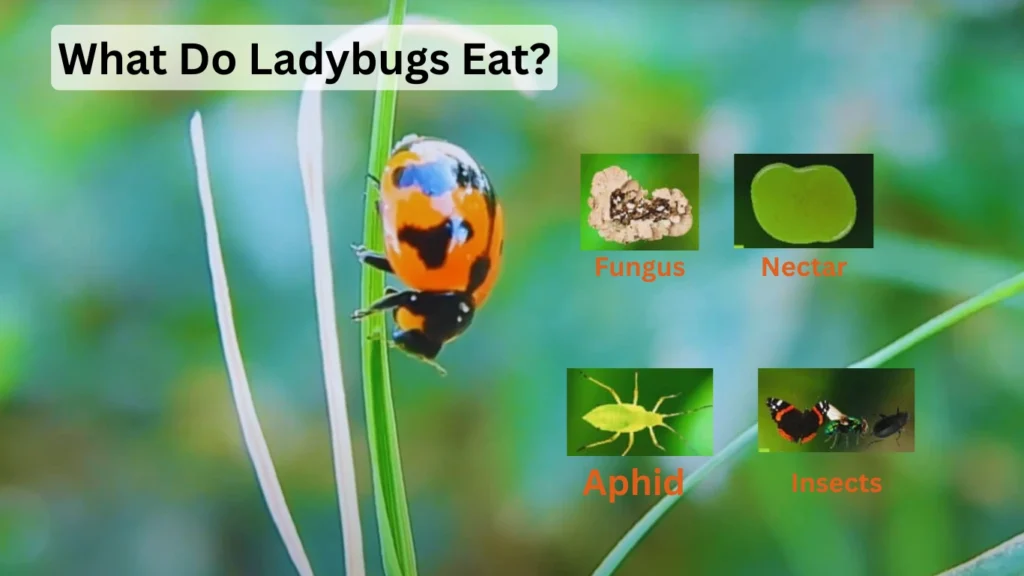
Ladybugs, also known as lady beetles, are primarily insectivores, which means they mostly feed on other small insects. Their diet plays a major role in natural pest control, especially in gardens and agricultural fields. Depending on their environment and availability of food, ladybugs can adapt their diet slightly, but their primary goal remains the same — to hunt and consume pests that damage plants.
Main Diet in Nature
Aphids
Aphids are the most common and preferred food source for ladybugs. In fact, a single ladybug can eat up to 50 aphids a day, making them one of the most effective natural predators of these garden pests.
Spider Mites
Ladybugs also feed on spider mites, especially when aphids are less available. Spider mites are tiny but can cause significant damage to plants by sucking out their nutrients. Ladybugs help reduce their population effectively.
Mealybugs
Another common prey is mealybugs. These small, soft-bodied insects can infest plants quickly, but ladybugs, particularly their larvae, actively hunt and eat mealybugs at different stages of their life cycle.
Fungus Gnats and Gnats
Fungus gnats and other types of gnats can also be a part of the ladybug’s diet. While they prefer stationary prey like aphids, ladybugs will consume fungus gnats, especially in indoor environments where other pests are limited.
Thrips and Ticks
Thrips, which are slender insects that feed on plants, are also hunted by ladybugs. Although ticks are less commonly on their menu, some types of ladybugs may opportunistically consume very small ones if they encounter them.
Other Insects Ladybugs Eat

Flies and Fruit Flies
In cases where aphids and mites are scarce, ladybugs may turn to flies, particularly smaller species like fruit flies. Although not their first choice, these insects can provide necessary nutrition in tougher conditions.
Mites
Beyond spider mites, ladybugs will consume other small mite species found on plants. They are efficient in clearing mites that might otherwise damage leaves and stems.
Monarch Eggs
While rare, under extreme hunger or when aphids are unavailable, ladybugs have been observed eating monarch butterfly eggs. This behavior, however, is not typical unless food sources are extremely limited.
What Do Ladybugs Eat Besides Insects?
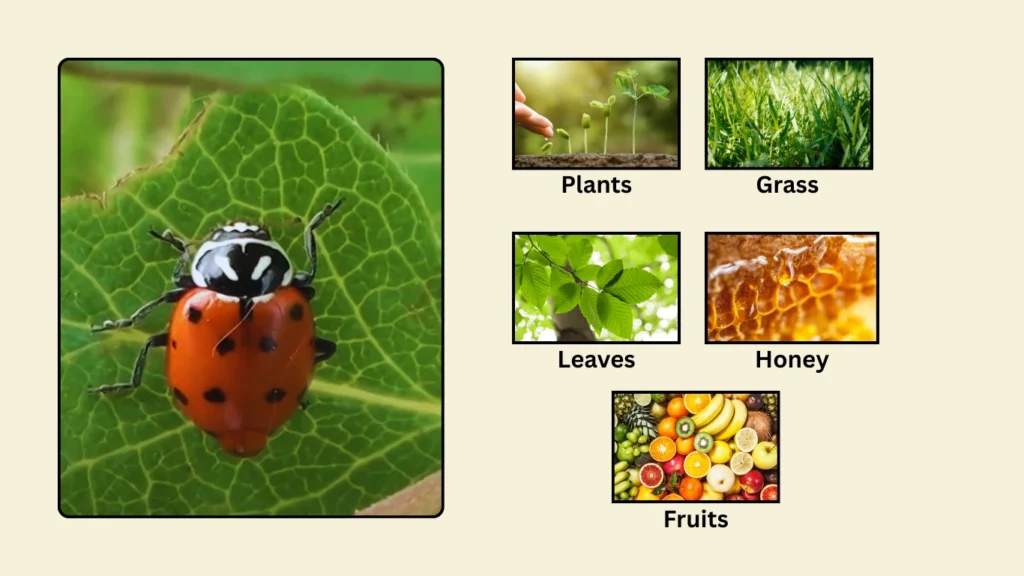
Even though ladybugs primarily thrive on an insect-based diet, they sometimes consume other food sources, especially when prey is scarce.
Plants
Ladybugs usually do not eat healthy plants. However, when food is very limited, some ladybugs may nibble on soft plant tissues or pollen.
Grass
Grass is not a typical food for ladybugs. They might crawl on grass or hide among it, but they do not actively feed on grass blades.
Leaves
While ladybugs are famous for protecting plants, there are rare occasions, especially in the case of some invasive ladybug species, where they might chew on leaves if insects are not available. But in general, healthy ladybugs do not damage leaves.
Honey
Ladybugs are attracted to sugary substances, including honey. They may feed on honeydew — a sweet substance secreted by aphids — or even sip natural honey if available. However, honey is more of an energy supplement than a regular food source.
Fruits
Ladybugs can sometimes eat soft fruits. If the fruit is overripe or damaged, ladybugs may feed on the juices. Apples are one example; ladybugs might nibble at a cut or rotting apple for moisture and sugars.
What Do Ladybug Larvae and Baby Ladybugs Eat?

Ladybug larvae have huge appetites and are even more active hunters than adult ladybugs. Right after hatching, baby ladybugs (larvae) begin searching for food, playing a vital role in natural pest control from a very early stage.
In the wild, ladybug larvae mainly feed on:
- Aphids: Just like adult ladybugs, larvae love feeding on aphids. In fact, a single larva can eat hundreds of aphids before it turns into an adult.
- Spider mites: These tiny pests are a perfect size for ladybug larvae to hunt and consume.
- Mealybugs: Soft-bodied and slow-moving, mealybugs are an easy target for hungry larvae.
- Thrips: Larvae will chase down thrips when aphids are not plentiful.
- Small insect eggs: Ladybug larvae may also eat insect eggs found on plant leaves.
- Fungus gnats: If available, larvae may consume fungus gnat larvae found in soil and plant roots.
Ladybug larvae are designed for fast, aggressive feeding. They have elongated, spiny bodies and strong jaws, allowing them to grab and consume prey quickly.
They rarely eat plant material — they almost exclusively prefer live prey during their growing stage.
Providing enough food during the larval stage is crucial because it affects how strong and healthy the adult ladybug will become.
What Eats Ladybugs? Natural Predators
While ladybugs are skilled hunters, they are not at the top of the food chain. Several animals prey on them, despite their bright colors and chemical defenses.
Animals That Eat Ladybugs

- Birds: Some bird species, especially swallows and martins, may eat ladybugs despite their unpleasant taste.
- Spiders: Ladybugs caught in spider webs are often consumed.
- Frogs and toads: Amphibians may opportunistically eat ladybugs while hunting insects.
- Lizards: Reptiles that feed on small insects will also include ladybugs in their diet.
- Grasshoppers: Although rare, some grasshoppers may bite and eat ladybugs.
- Stink bugs: These predatory bugs are known to attack and eat ladybugs.
- Praying mantis: They are generalist predators and may feed on ladybugs if encountered.
Ladybugs do have some protection: they secrete a foul-smelling fluid from their legs when threatened, which deters many predators. However, it does not guarantee complete safety.
Do Ladybugs Eat Other Ladybugs or Each Other?

Under normal conditions, ladybugs do not hunt or attack each other. However, in situations where food is extremely scarce or when overcrowded, cannibalistic behavior can occur.
Ladybugs may:
- Eat the eggs or larvae of other ladybugs to survive.
- Fight over limited food sources.
- Display aggression during high-stress conditions, such as during overwintering.
Cannibalism among ladybugs is rare but can happen in the wild and captivity if survival instincts take over.
Special Types of Ladybugs and Their Diets

Not all ladybugs are exactly the same. Different species have slightly varied diets depending on their habitat and needs.
- Orange Ladybugs: These ladybugs, often Asian lady beetles, have a similar diet to red ladybugs. They primarily eat aphids, mites, and soft-bodied insects.
- Japanese Ladybugs: Also known as Harmonia axyridis, they are voracious eaters of aphids and scale insects. However, they are more aggressive and can also outcompete native ladybug species.
- Yellow Ladybugs: These bright-colored ladybugs tend to prefer aphids but will also feed on pollen occasionally if prey is scarce.
Each color variation signals a slightly different ecological adaptation, but all ladybugs contribute to pest control.
