
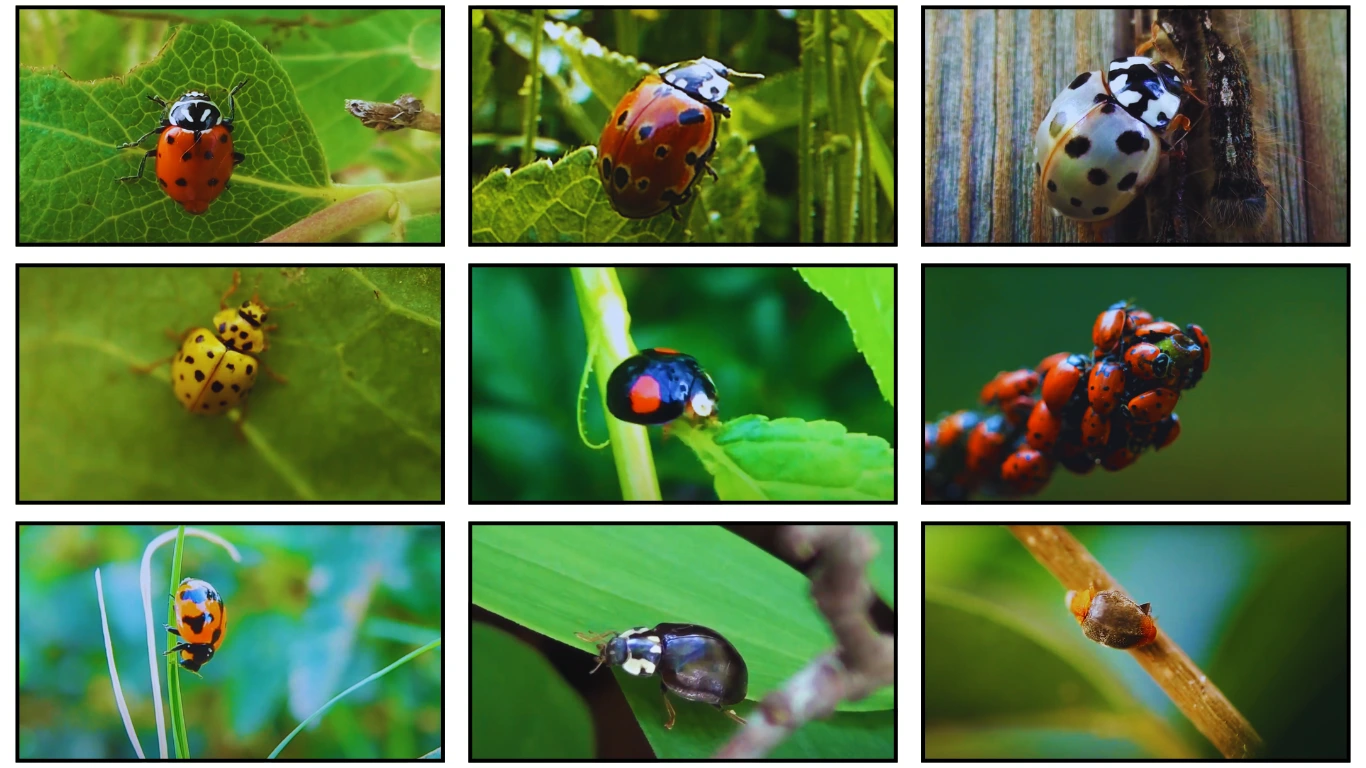
Ladybugs are among the most beloved and recognizable insects worldwide, celebrated not only for their charming appearance but also for their important role in natural pest control. With over 5,000 species found across the globe, each type has its own unique beauty, habits, and contributions to ecosystems.
In this article, we will explore 17 fascinating types of ladybugs, sharing how to identify them, where they live, and interesting facts that make each one special.
1. Seven-Spotted Ladybug
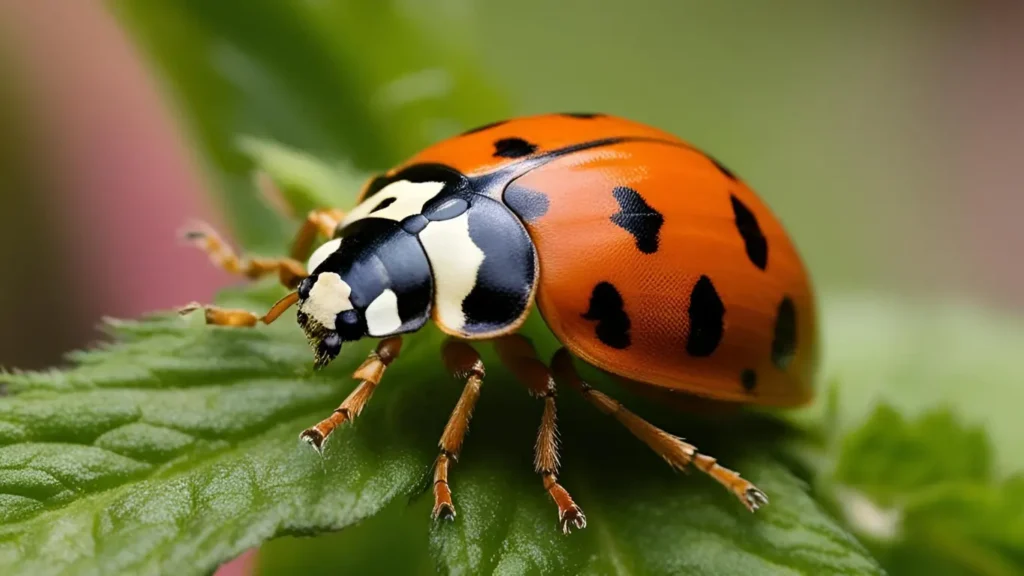
The Seven-Spotted Ladybug is one of the most easily recognized and beloved ladybugs in the world. Known for its bright colors and strong appetite for garden pests, it is often considered a gardener’s best friend. Native to Europe, it was introduced to North America to help control aphid populations naturally.
Identification
- Bright red or orange body
- Seven distinct black spots on the back
- Black head with white patches on either side
Habitat
The Seven-Spotted Ladybug is commonly found in gardens, fields, meadows, and agricultural areas across Europe, North America, and parts of Asia. They prefer places where aphids are abundant, especially on flowering plants and crops.
Special Features or Facts
This species is a powerful natural predator of aphids, consuming hundreds in its lifetime. It is often used in biological pest control programs. Its bold coloration serves as a warning to predators that it may taste unpleasant.
2. Asian Lady Beetle
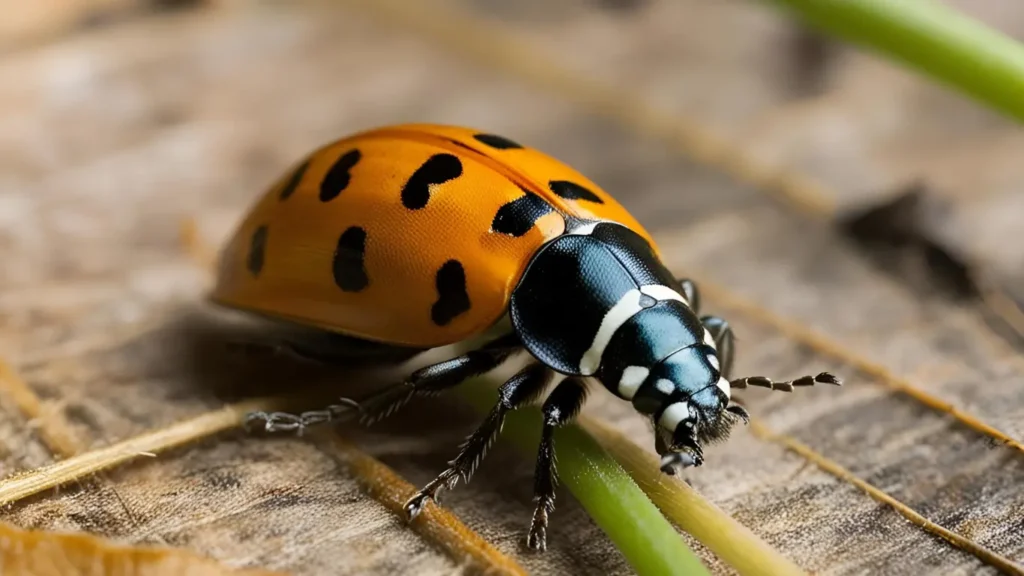
The Asian Lady Beetle is a highly versatile ladybug species, originally native to regions of East Asia like China, Korea, and Japan. Introduced to North America and Europe for agricultural pest control, it has since spread rapidly and adapted to various environments. Although beneficial for farmers, its habit of gathering indoors during winter has caused it to be labeled as both a friend and a pest.
Identification
- Color varies from pale yellow to deep red
- 0 to 22 black spots, sometimes no spots at all
- White “M” or “W” shaped mark behind the head
Habitat
Thrives in forests, gardens, fields, and urban areas. Seeks warm shelters like homes and buildings to survive cold seasons.
Special Features or Facts
Asian Lady Beetles can release a foul-smelling yellow liquid when threatened. They are aggressive competitors and sometimes displace native ladybug species.
3. Two-Spotted Ladybug
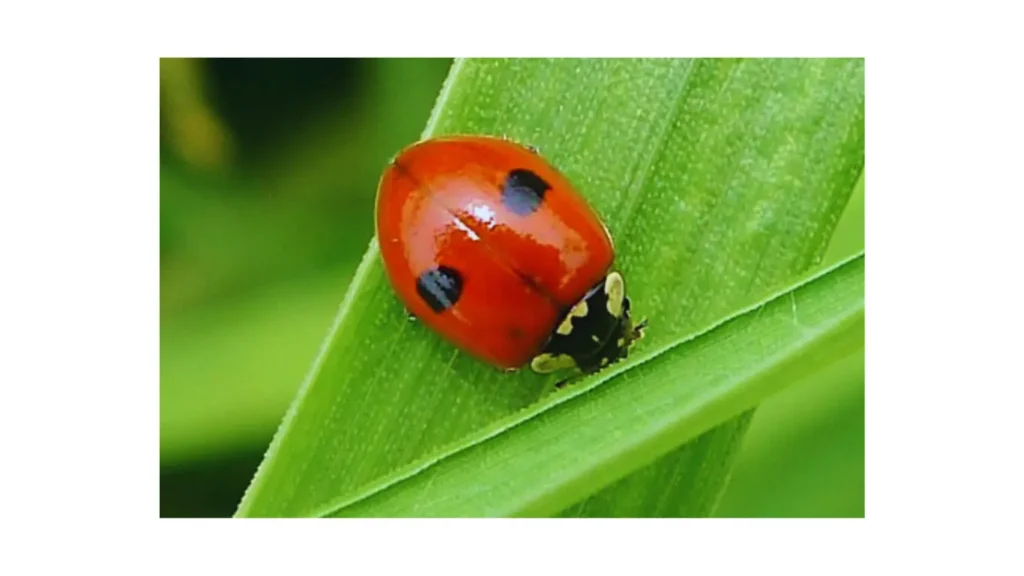
The Two-Spotted Ladybug is a smaller and simpler-looking species compared to more famously spotted ladybugs. However, its unassuming appearance hides its value: this ladybug is a fierce predator of aphids, scale insects, and mites. It has been an important ally to organic farmers and gardeners who prefer natural pest control methods over chemicals.
Identification
- Bright red or orange elytra (wing covers)
- Two large black spots, one on each wing
- Smooth, rounded shape and relatively small size
Habitat
Lives in gardens, meadows, farmland, orchards, and forest clearings. Prefers areas with high insect activity and good plant diversity.
Special Features or Facts
This ladybug can produce multiple generations per year under favorable conditions. It also undergoes complete metamorphosis: egg, larva, pupa, then adult.
4. Convergent Ladybug
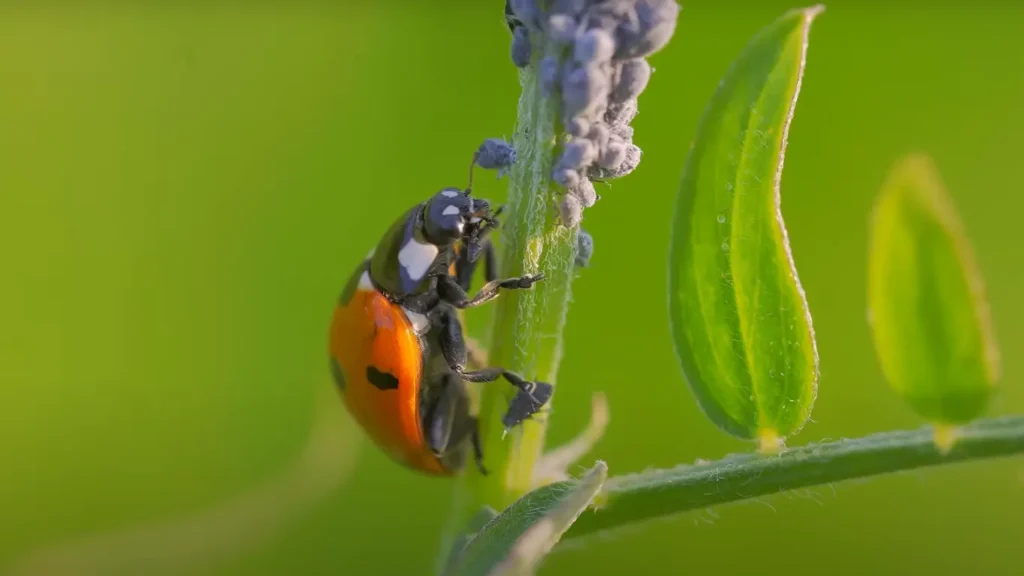
The Convergent Ladybug is one of the most recognizable species in North America. Its name comes from the two white lines that converge toward each other on its pronotum (the plate behind its head). Loved by gardeners, this species is known for its fierce appetite for aphids and other garden pests.
Identification
- Bright orange to deep red color
- Black spots ranging from 12 to 13 in number
- Two white, converging lines on black background behind the head
Habitat
Commonly found in gardens, crops, meadows, and roadside vegetation. Migrates seasonally to higher elevations for overwintering.
Special Features or Facts
Convergent Ladybugs often gather in massive groups to hibernate, covering trees and rocks in orange carpets. Farmers release thousands of them in fields to control aphids naturally.
5. Pink Spotted Ladybug
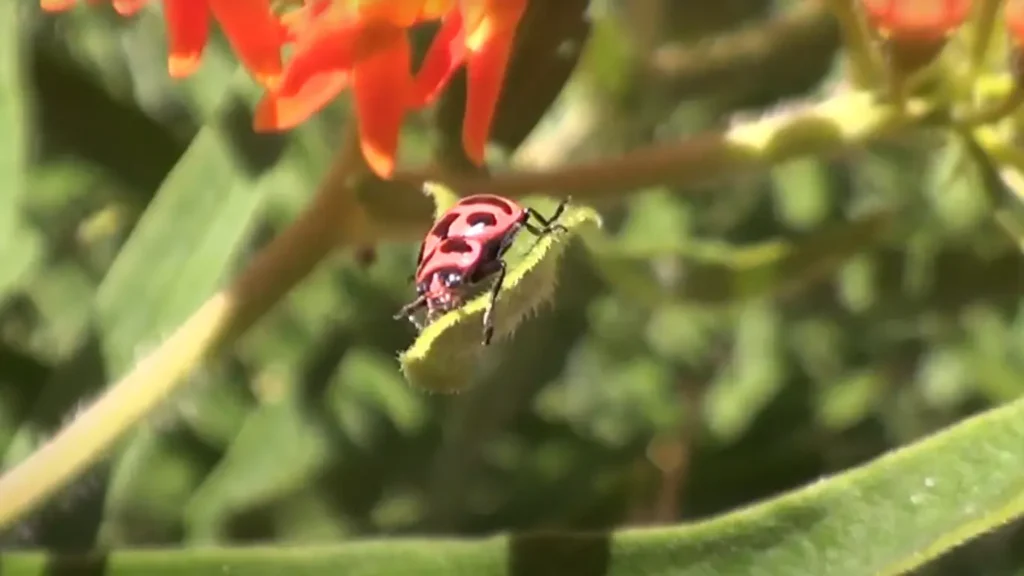
The Pink Spotted Ladybug, also called the Twelve-Spotted Lady Beetle, has a soft charm that sets it apart from brighter-colored cousins. Its lighter pink to orange shades and neatly spaced spots make it visually distinctive. It is a valued predator, especially against aphids and soft-bodied pests.
Identification
- Pink, pale orange, or light red coloring
- 12 evenly spaced black spots
- Slightly longer oval-shaped body compared to rounder ladybugs
Habitat
Typically inhabits gardens, agricultural fields, forest edges, and open meadows. Favors habitats where pests are abundant.
Special Features or Facts
Pink Spotted Ladybugs are strong flyers and can disperse quickly when food is scarce. Their softer color can cause confusion with beetles from other genera, but close inspection reveals their true identity.
6. Twenty-Spotted Ladybug
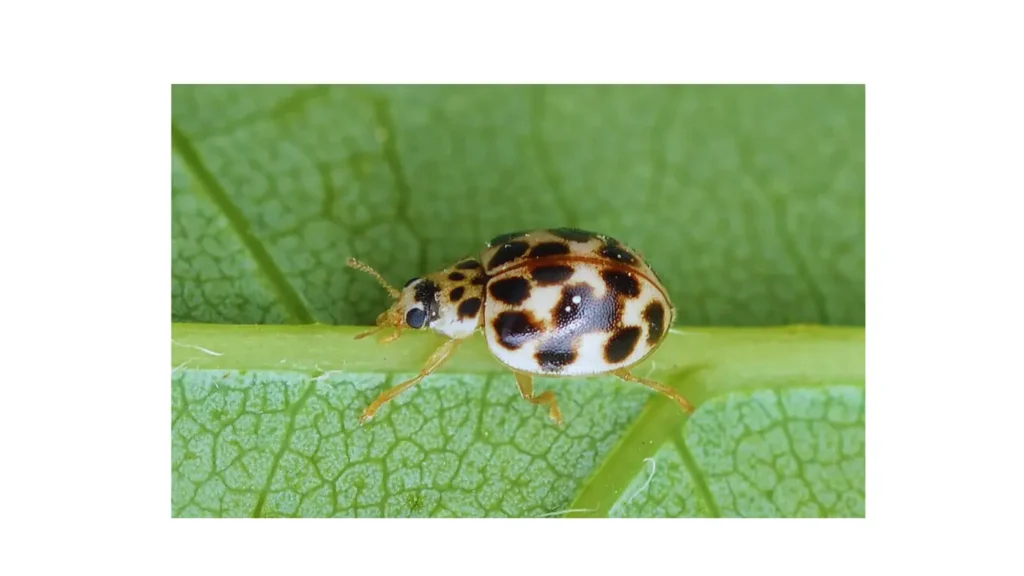
The Twenty-Spotted Ladybug is among the tiniest and most delicate-looking ladybugs, often missed by the casual observer. Unlike many ladybugs that feed on insects, this species primarily feeds on mildew fungi, making it an unusual but valuable ally for plant health.
Identification
- Very small, about 1.5 to 3 mm in length
- Creamy white or pale yellow base color
- Around 20 tiny, irregular black spots across its back
Habitat
Lives in damp woodlands, gardens, hedgerows, and meadows. Especially attracted to plants infected with powdery mildew.
Special Features or Facts
Instead of hunting insects, this ladybug grazes on fungal spores. By reducing mildew on plants, it indirectly supports healthier plant growth. Its tiny size and subtle colors make it easy to overlook in nature.
7. Thirteen-Spotted Ladybug
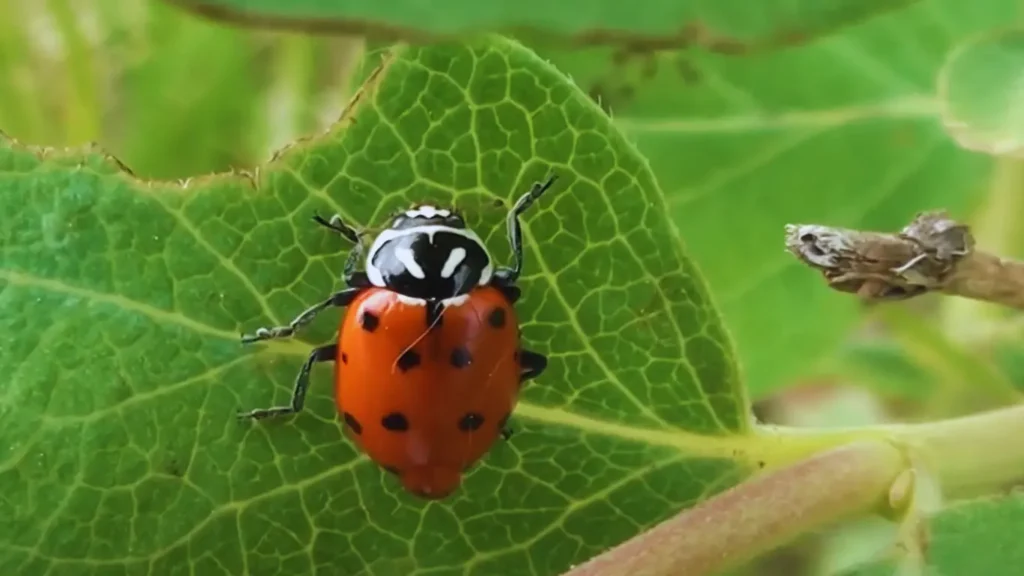
The Thirteen-Spotted Ladybug is a striking species known for its symmetrical beauty and appetite for crop-damaging insects. Native to North America, this ladybug was once abundant but has seen population declines in some regions due to habitat changes.
Identification
- Bright red or orange body
- Thirteen evenly spaced black spots
- Slightly elongated oval shape compared to rounder species
Habitat
Typically found in wetlands, prairies, gardens, and agricultural fields. Prefers moist environments where its prey is plentiful.
Special Features or Facts
This species is especially fond of feeding on aphids and mites. It has been studied for its role in natural pest control, especially in restoring prairie ecosystems.
8. Eye-Spotted Ladybug
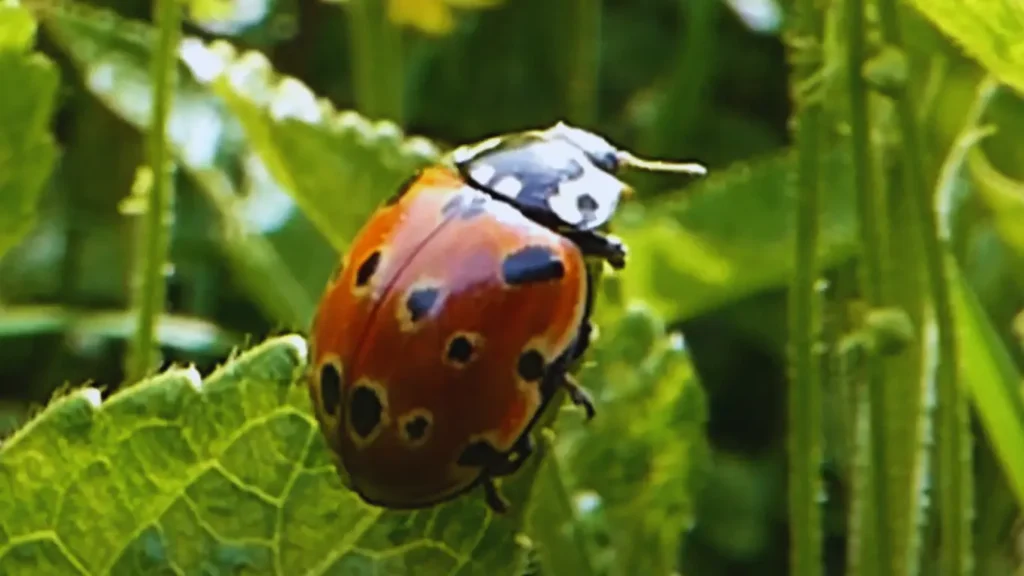
The Eye-Spotted Ladybug stands out thanks to its large, false “eye” spots that serve as a clever defense mechanism against predators. Native to parts of North America, it’s admired for both its beauty and its effectiveness in pest control.
Identification
- Reddish-orange body
- Several large black spots with pale rings, resembling eyes
- Larger in size compared to common garden ladybugs
Habitat
Found in gardens, woodlands, orchards, and parks. Prefers areas with dense vegetation and flowering plants.
Special Features or Facts
The false “eye spots” confuse birds and larger insects, giving the ladybug a chance to escape attacks. It also preys heavily on aphids, scale insects, and mealybugs.
9. California Ladybug
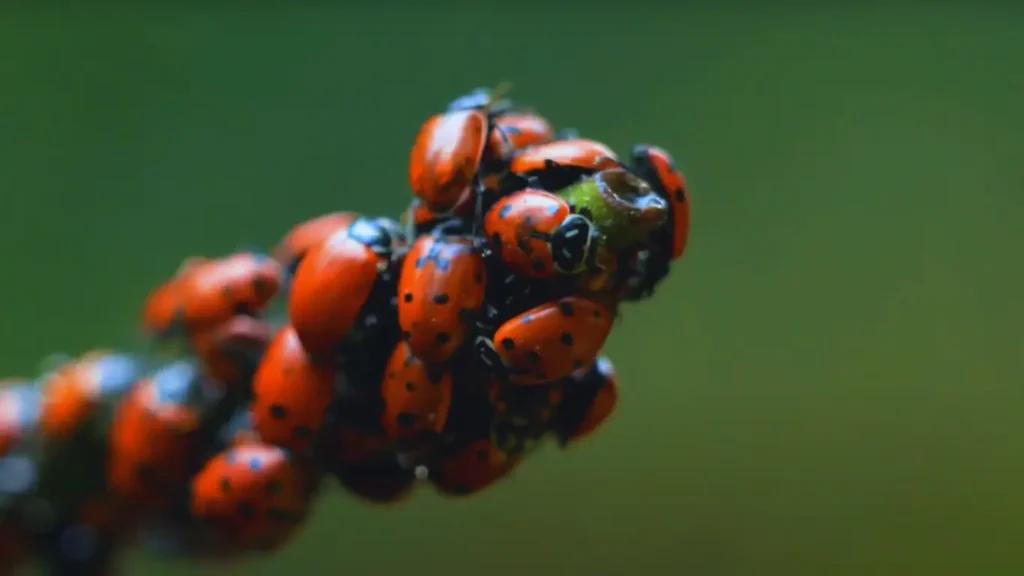
The California Ladybug, often simply called the California Lady Beetle, is native to the western parts of North America. It is famous for forming huge overwintering colonies that attract nature enthusiasts every year.
Identification
- Bright red body
- Typically seven black spots
- Small to medium in size with a glossy shell
Habitat
Commonly found in fields, gardens, forests, and especially along the coastal regions of California. Aggregates in large groups during winter.
Special Features or Facts
Every winter, millions of California Ladybugs cluster together in protected areas like forests and canyons to hibernate. This behavior not only conserves warmth but also reduces water loss.
10. Fifteen-Spotted Ladybug
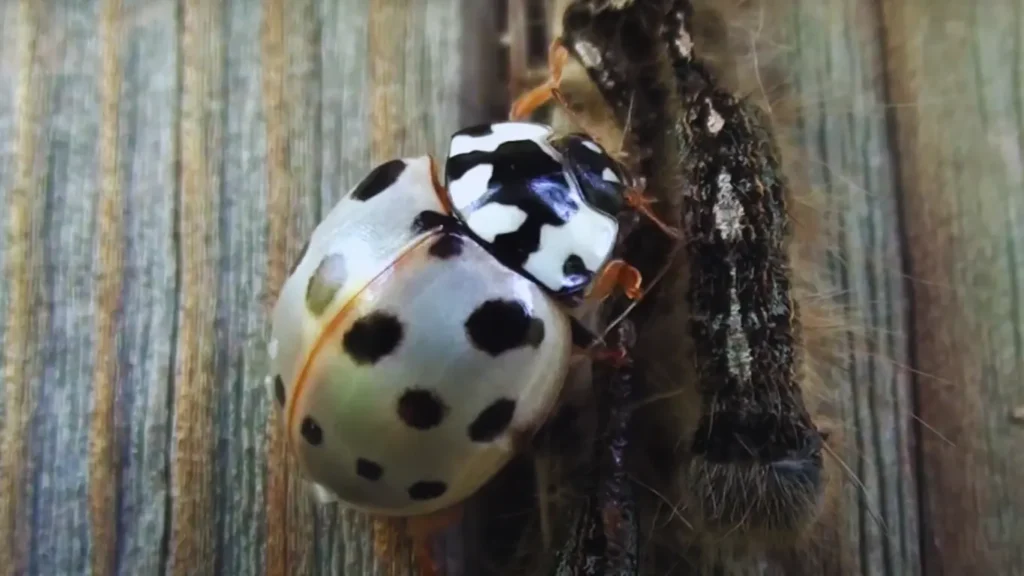
The Fifteen-Spotted Ladybug is easily recognized by its pale color and numerous dark spots. Unlike the common red-and-black varieties, this ladybug has a softer, more muted appearance that sets it apart.
Identification
- Pale creamy white to light tan body
- 15 black spots arranged symmetrically
- Smooth, domed shape
Habitat
Found mostly in wetlands, gardens, and agricultural fields across eastern North America. Prefers areas with high humidity.
Special Features or Facts
This species is an excellent predator of aphids, mealybugs, and small caterpillars. Its lighter color makes it less prone to overheating in sunny, open environments.
11. Twenty-Two-Spotted Ladybug
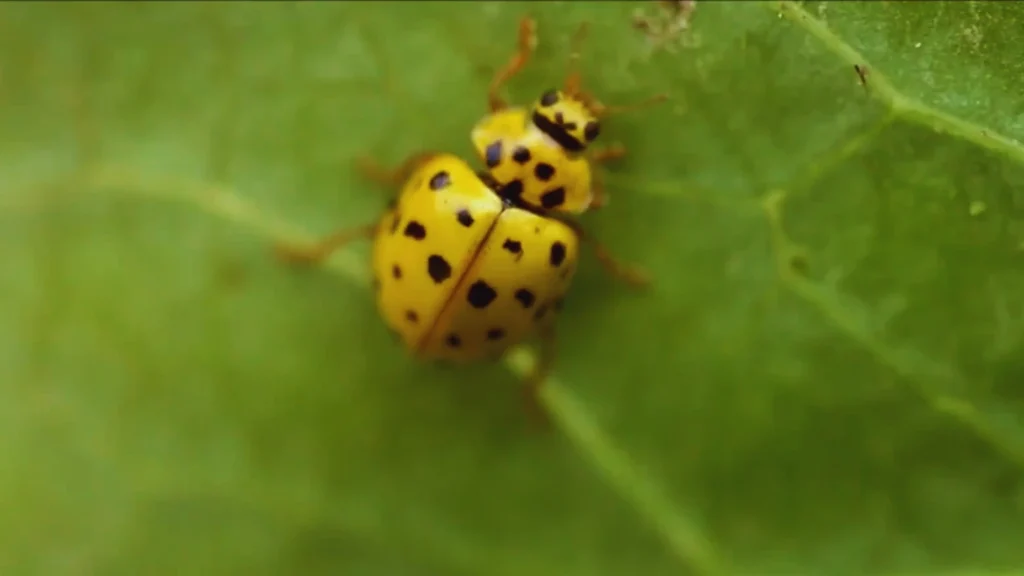
The Twenty-Two-Spotted Ladybug is a tiny, cheerful-looking beetle with a distinctive bright yellow body and neat black spots. It feeds primarily on mildew, helping maintain healthy garden plants.
Identification
- Bright yellow body
- 22 small, perfectly round black spots
- Very small, usually less than 4 millimeters in length
Habitat
Found in gardens, fields, woodlands, and hedgerows, especially in damp, shady areas. Thrives where mildew is present.
Special Features or Facts
Rather than hunting insects, this ladybug specializes in eating mildew fungi. Its bright yellow color acts as a warning signal to predators, although it is harmless to humans.
12. Twice-Stabbed Ladybug
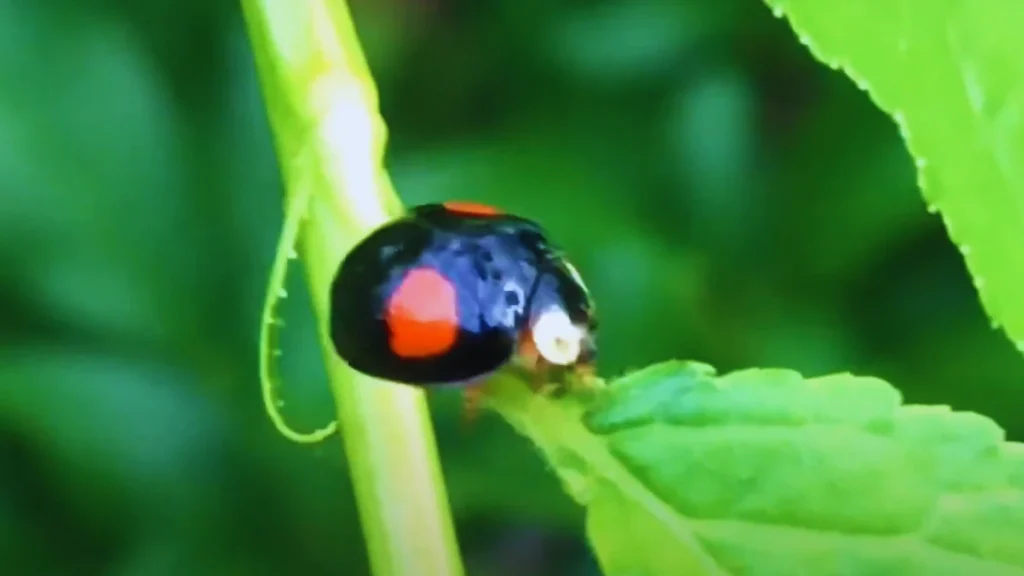
The Twice-Stabbed Ladybug is a striking black ladybug with two vivid red spots, resembling wounds, hence its dramatic name. It is a fierce predator, highly effective in controlling scale insects that damage trees and shrubs.
Identification
- Shiny black body
- Two bright red spots, one on each wing cover
- Small and rounded shape
Habitat
Found in forests, orchards, gardens, and suburban landscapes across North America. Especially common in trees heavily infested with scale insects.
Special Features or Facts
This species is an aggressive hunter of scales, mealybugs, and aphids. Its unusual coloring serves as a warning to predators about its chemical defenses.
13. Spotted Lady Beetle

The Spotted Lady Beetle, also known as Coleomegilla maculata, is a highly beneficial ladybug species. It is not only a predator but also a partial pollen feeder, making it important for both pest control and pollination.
Identification
- Pink to red body color
- 6 distinct black spots on each wing cover
- Elongated oval body shape
Habitat
Common in gardens, agricultural fields, grasslands, and woodlands throughout North America.
Special Features or Facts
Besides eating aphids and insect eggs, the Spotted Lady Beetle feeds on pollen. This diet flexibility allows it to survive even when prey is scarce, helping it thrive year-round.
14. Three-Banded Ladybug
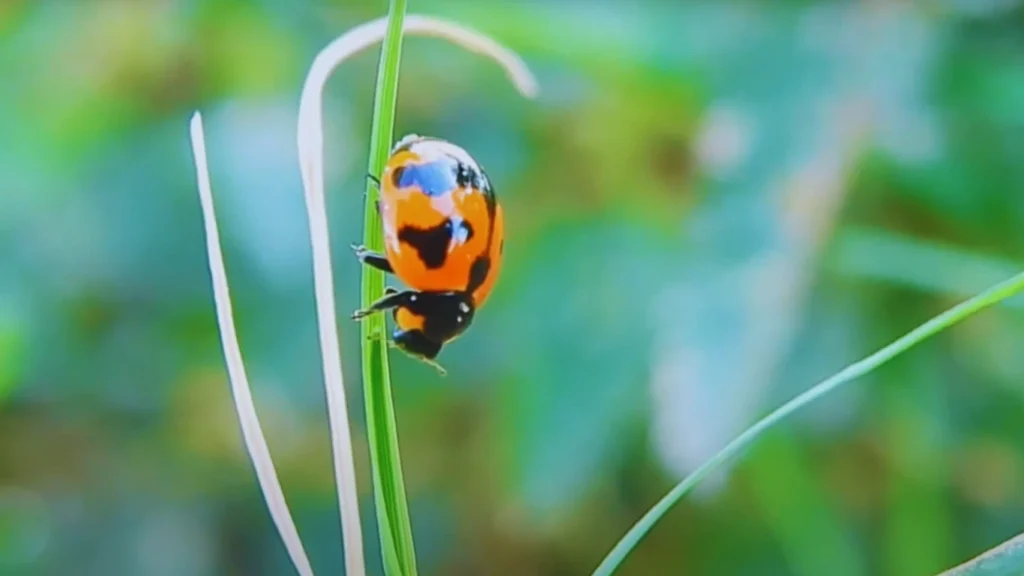
The Three-Banded Ladybug is less commonly encountered than many other species, but it is highly recognizable due to its unique pattern. It is a valuable insect for controlling garden pests naturally.
Identification
- Reddish-orange body
- Three prominent black bands crossing the wings
- Medium size with a slightly flattened appearance
Habitat
Found in gardens, open fields, and forests, particularly in regions with moderate climates.
Special Features or Facts
The Three-Banded Ladybug is a voracious predator of aphids and scale insects. Its bands serve as camouflage among vegetation, blending into shadows and plant textures.
15. Steelblue Ladybug

The Steelblue Ladybug is a beautiful and rare-looking ladybug with a metallic sheen. Native to Australia but found in other parts of the world, it is known for its role in controlling scale insects on plants.
Identification
- Shiny metallic blue or blue-green body
- Smooth, hard shell without visible spots
- Small and rounded
Habitat
Prefers gardens, parks, citrus orchards, and forests where soft-scale insects infest trees and shrubs.
Special Features or Facts
Unlike brightly spotted ladybugs, the Steelblue Ladybug uses its metallic color to confuse predators. It’s an excellent natural controller of scale insects and is often used in biological pest management.
16. Mealybug Destroyer

The Mealybug Destroyer is not a typical ladybug in appearance but is a fierce and specialized predator. It is widely used in agriculture to control mealybug infestations on crops and ornamental plants.
Identification
- Dark brown to black body with a light brown head
- Covered in fine, waxy hairs giving a dusty appearance
- Longer and slimmer than classic ladybugs
Habitat
Found mainly in tropical and subtropical regions, particularly in greenhouses, citrus groves, and gardens.
Special Features or Facts
Both adult Mealybug Destroyers and their larvae actively hunt and consume mealybugs. They are widely used as a biological control agent in commercial farming and home gardens.
17. Fifteen-Spotted Lady Beetle

The Fifteen-Spotted Lady Beetle is a unique species that differs from the classic red-and-black ladybug look. With its creamy white or light gray coloration and bold black spots, it easily catches the eye. This species is highly beneficial for gardens and farms due to its diet of destructive insect pests.
Identification
- Pale white, cream, or light gray body
- Fifteen distinct black spots spread across the back
- Medium-sized with a rounded, dome-shaped shell
Habitat
Commonly found in gardens, fields, forests, and wetlands across North America. It prefers areas with rich vegetation and moisture where aphids and soft-bodied insects are abundant.
Special Features or Facts
Unlike brighter ladybug species, the Fifteen-Spotted Lady Beetle’s paler color provides camouflage against bird predators. It is an efficient predator of aphids, mites, and insect larvae, helping to maintain the health of native plants and crops.
Conclusion:
Ladybugs are not only delightful to look at but also vital allies in maintaining healthy gardens, farms, and wild habitats. Each species, from the familiar Seven-Spotted Ladybug to the rare Steelblue Ladybug, plays a unique role in balancing ecosystems by controlling pests or even reducing fungal diseases. By recognizing and understanding these diverse types, we can better appreciate their contributions and help protect their populations for generations to come.
