
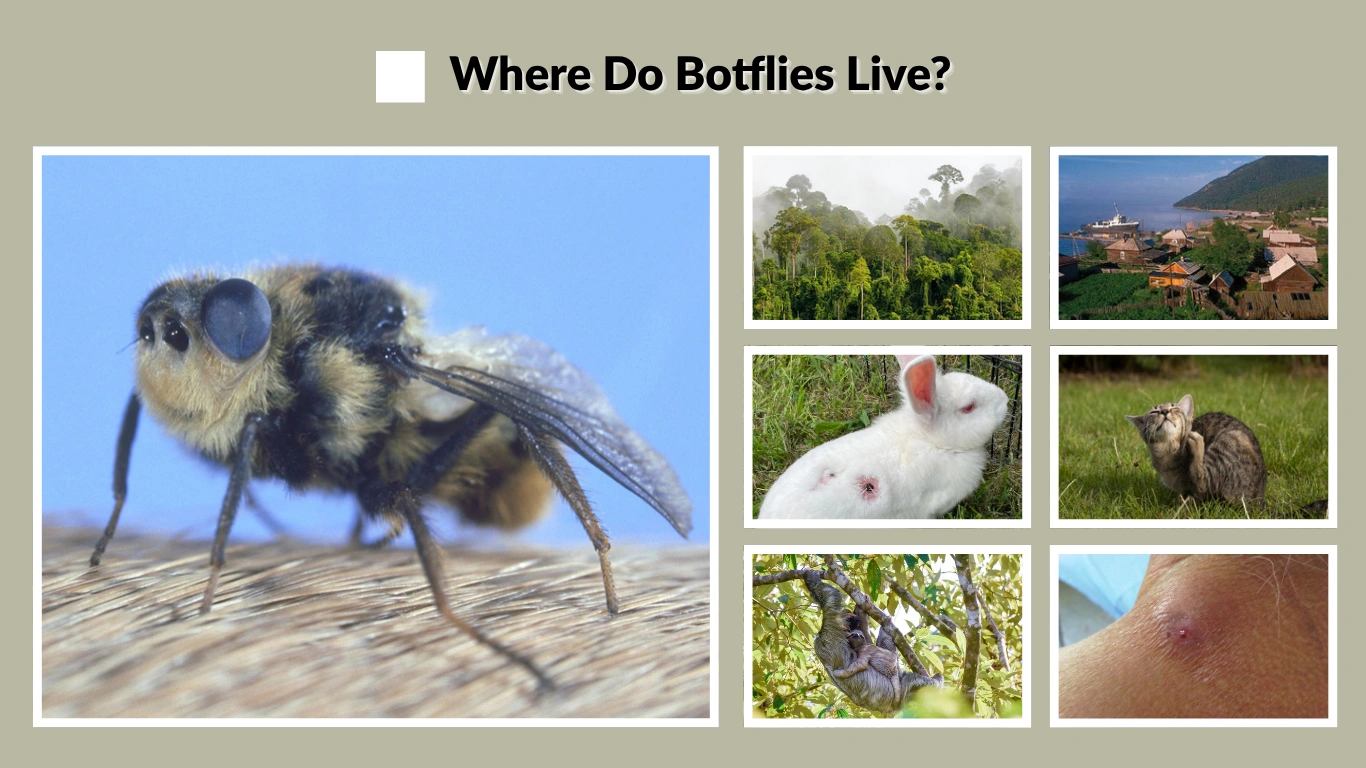
Botflies are parasitic insects known for their bizarre and unsettling lifecycle — especially their habit of developing under the skin of mammals, including humans. While they may seem like creatures from a horror story, botflies are real and live in specific regions across the globe. Their presence is more common in tropical and subtropical areas, but some species are also found in temperate climates. In this article, we’ll explore 11 common places where botflies live, covering both human-infecting species and those that target animals like rodents, squirrels, and livestock.
1. Central and South America
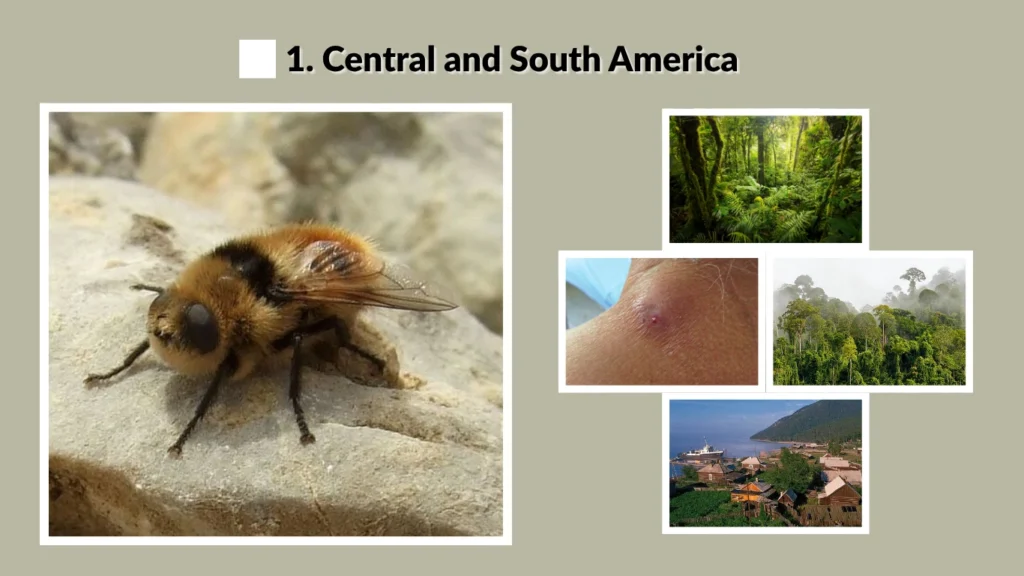
Botflies are most commonly associated with the tropical regions of Central and South America. This area is the native habitat of the human botfly (Dermatobia hominis), one of the few species that targets humans directly. Countries like Brazil, Peru, Ecuador, and Bolivia report high incidences of human botfly infestations, particularly in jungle and rainforest zones.
Primary Habitat for Human Botfly (Dermatobia hominis)
These botflies thrive in humid, tropical climates where their lifecycle can be sustained year-round. Dense rainforests and rural villages are the most common areas of exposure.
Tropical Rainforest and Lowland Zones
The combination of moisture, warmth, and abundant mammal hosts makes these regions ideal for the botfly to complete its lifecycle efficiently.
2. Mexico
Mexico is another hotspot for botflies, especially in its more humid and rural areas. While the human botfly is less common here compared to South America, other species like rodent botflies are widespread.
Widespread in Humid, Forested Areas
Botflies are frequently found in forested regions of southern Mexico, where they infest both wild and domestic animals. Travelers visiting these areas may be exposed through mosquito bites that carry botfly eggs.
Risk to Humans and Livestock
In rural zones where livestock is common, botfly infestations can affect cattle and goats, causing discomfort and skin issues. Occasional human cases also arise due to close contact with host animals or exposure during outdoor activities.
3. Southern United States

Although human botflies aren’t native to the U.S., several animal-targeting species thrive in the southern states. These include rodent and squirrel botflies, which occasionally affect pets and even humans by accident.
Home to Rodent and Squirrel Botflies
States like Texas, Florida, Georgia, and Alabama often report cases involving botflies in rabbits, rodents, and outdoor cats or dogs. These flies lay eggs near burrows or areas frequented by wild animals.
Hotspots in Texas, Florida, and Georgia
Warm and humid regions in the South create ideal conditions for botfly development. While human infestation is rare, accidental cases have occurred during outdoor recreation or close animal contact.
4. Canada
Even in colder climates like Canada, botflies can be found — particularly species that target hares, rabbits, and rodents. These species are active in warmer months and enter dormancy during winter.
Common Among Rabbits and Rodents
Rabbit botflies (Cuterebra species) are frequently found in rural and semi-wooded parts of Canada. Pet owners may encounter infestations in outdoor animals like cats and dogs.
Found in Temperate Grasslands and Forest Edges
Botflies in Canada prefer regions with thick grass, shrubs, and proximity to wildlife. Late summer and early fall are peak seasons when infestations are most likely to be observed.
5. Amazon Rainforest
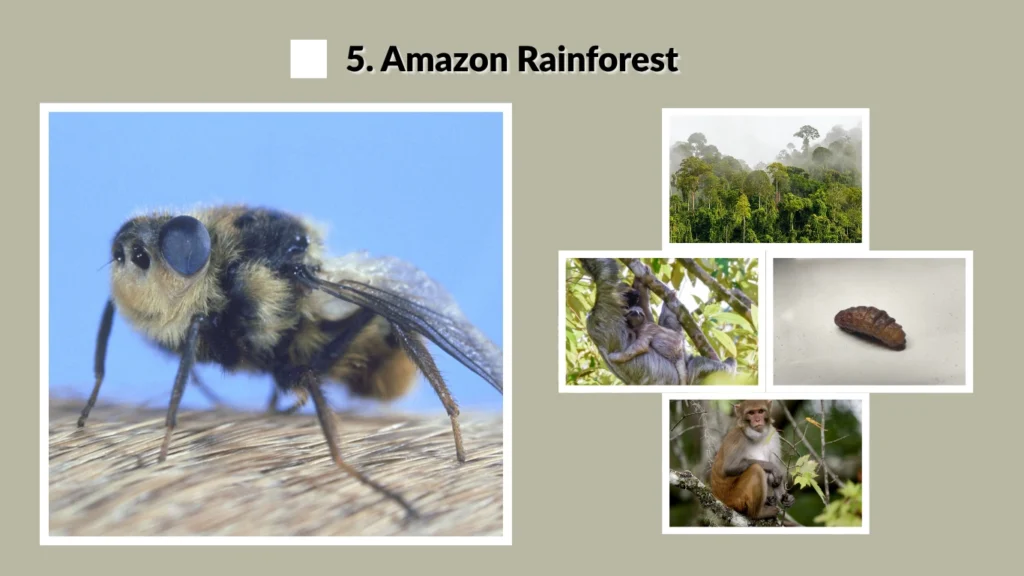
The Amazon Basin is a major stronghold for human botflies, particularly in regions of Peru, Colombia, and Brazil. The dense rainforest and rich biodiversity provide all the conditions needed for the botfly’s complex lifecycle.
Ideal Humid Climate for Larval Development
With constant warmth and moisture, the Amazon is perfect for botfly eggs and larvae to thrive. Flies in this region often lay their eggs on mosquitoes or ticks, which then deliver the larvae to mammalian hosts.
Hosts Include Monkeys and Other Mammals
Many wild mammals such as monkeys, sloths, and coatis become natural hosts. Hikers, researchers, and tourists in the Amazon are at higher risk of accidental infestation.
6. Argentina and Paraguay
These countries in South America also report frequent cases of botfly presence, particularly the Dermatobia hominis species that targets both humans and livestock.
Dermatobia Species Presence
Farmers and rural dwellers in these areas often encounter botflies during warm months. Cattle and goats may develop painful skin swellings from larvae under their hide.
Rural and Wildlife-Heavy Zones
Botflies are found more often in less urbanized areas where people are in close contact with animals and insects. The risk increases in areas with high mosquito activity, which act as carriers of botfly eggs.
7. Northern South America (Colombia, Venezuela)

Colombia and Venezuela are well-known regions for botfly activity, particularly in forested and rural zones. These countries report consistent human botfly cases, especially in travelers and locals living near wildlife.
High Cases in Rural Jungle Areas
Rainforests and mountainous zones offer perfect environments for botflies. People camping or working in these environments often become accidental hosts via mosquito bites.
Wildlife and Human Exposure Zones
The botfly targets a wide range of mammals in these countries, from monkeys to cattle. Prolonged outdoor exposure without protection significantly raises the risk of infestation.
8. Sub-Saharan Africa (Certain Species)
Though the human botfly is native to the Americas, Africa hosts several animal-infesting botfly species. These are typically found in savannas and areas where wildlife is abundant.
Non-Human Botflies in Animals
Species like Gasterophilus and Hypoderma (closely related) target animals such as horses and cattle. They do not usually infest humans but are a concern in veterinary contexts.
Parasite Transmission Through Flies
Insects like mosquitoes or flies can still play a role in spreading larvae from host to host, especially in poorly managed or open grazing fields.
9. Guatemala and Belize

These Central American countries see moderate levels of human botfly presence, particularly in forested tourist destinations or agricultural regions.
High Incidence of Human Botfly Cases
Visitors who go hiking or zip-lining in dense tropical forests may return with a botfly larva unknowingly embedded in their skin.
Often Contracted in Forest Hiking Trips
Mosquitoes are typically the intermediaries, laying botfly eggs during bites. Warm, wet environments during the rainy season are peak risk times.
10. Caribbean Islands
While botflies are not native to the Caribbean, sporadic infestations do occur, mainly through imported animals or travelers returning from tropical areas.
Occasional Botfly Sightings and Cases
Tourists who visit botfly-endemic countries in South or Central America may return to the Caribbean with larvae in their skin, causing confusion in diagnosis.
Imported Animals or Travelers as Vectors
In rare cases, pets or livestock brought into the islands may introduce botfly larvae. However, local reproduction is extremely limited due to climate and isolation.
11. Forests and Rural Areas Globally (Zoonotic Spread)
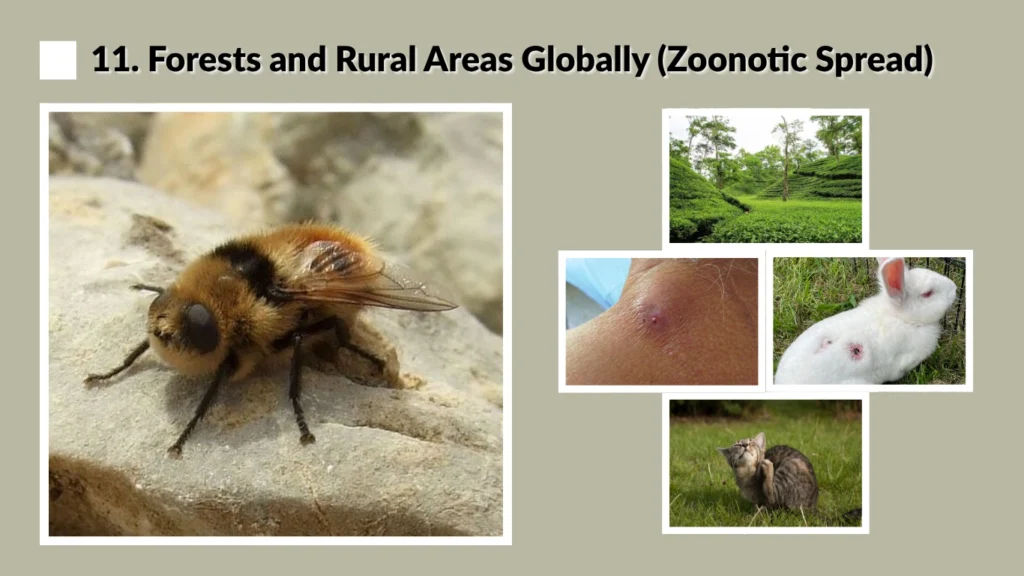
While most human botfly cases are concentrated in the Americas, various animal botflies exist around the world, especially in rural areas with abundant wildlife. These botflies typically infest rodents, rabbits, squirrels, and other small mammals — and occasionally affect pets or even humans by accident.
Animal Botflies Found on Squirrels, Rodents, and Rabbits
Species from the Cuterebra genus are common in North America, Europe, and parts of Asia. These target wild animals, but outdoor pets like cats and dogs can also become accidental hosts.
Global Distribution via Animal Hosts
Botflies have adapted to a wide range of climates through their animal hosts. While not all species affect humans, the presence of botflies in rural or wooded environments remains a global concern for both pet owners and veterinarians.
How Botflies Choose Their Hosts
Botflies have a fascinating yet disturbing method of locating and infesting their hosts. Unlike many insects, they don’t lay eggs directly on the host’s skin. Instead, they use other insects—usually mosquitoes or ticks—as carriers.
Eggs Laid on Mosquitoes or Directly on Skin
The female botfly attaches her eggs to a mosquito or similar insect. When that insect lands on a warm-blooded animal or human, the body heat triggers the botfly egg to hatch, allowing the larva to enter the skin painlessly.
Larvae Burrow into Host’s Skin
Once inside, the larva develops beneath the skin, feeding on tissue for several weeks. It eventually emerges as a mature larva, drops to the ground, and pupates into an adult botfly. This unique parasitic strategy ensures successful reproduction with minimal exposure to predators.
FAQs
Are botflies dangerous to humans?
Yes, botflies can be dangerous, especially the human botfly (Dermatobia hominis). While they don’t spread disease, the larva living under the skin can cause intense pain, swelling, secondary infections, and psychological distress if not removed properly.
Can you get a botfly in the USA?
Yes, but it’s rare. Native botflies in the U.S. usually target animals like rabbits and rodents. However, travelers returning from Central or South America may unknowingly bring back human botfly larvae, making accidental infestations possible.
What animal hosts do botflies prefer?
Botflies commonly target mammals such as squirrels, rabbits, rodents, monkeys, and livestock. Some species are highly specific to their host, while others can infest a variety of warm-blooded animals, including humans.
How to avoid botflies while traveling?
To reduce your risk, wear long sleeves and insect repellent in tropical areas. Avoid mosquito bites, as they are often used by botflies to deliver eggs to the skin. Stay in screened or air-conditioned spaces when possible.
Do botflies exist in Europe or Asia?
Botflies that target animals are found in parts of Europe and Asia, but the human botfly is limited to the Americas. In these regions, related species affect livestock and wildlife but pose minimal risk to people.
