
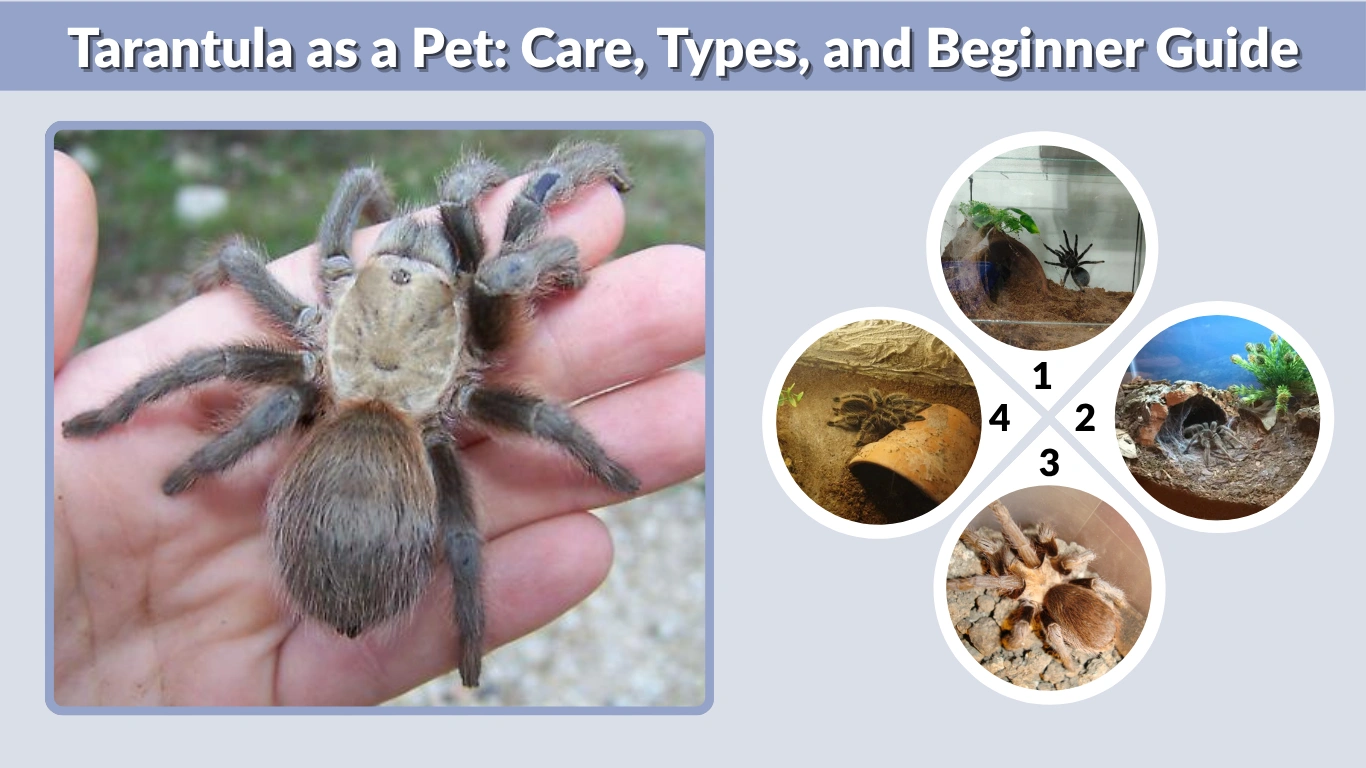
Keeping a tarantula as a pet has become increasingly popular due to their low maintenance, unique behavior, and fascinating appearance. Unlike traditional pets, tarantulas do not require daily interaction, making them ideal for people with busy lifestyles. Many beginners are curious about their safety, care requirements, and suitability for home environments. This guide covers everything you need to know, including whether you can keep a tarantula as a pet, the best beginner species, and how to properly care for them.
Can You Keep a Tarantula as a Pet?
Tarantulas can be kept as pets in many parts of the world, and they are widely accepted in the exotic pet community. They are legal in most regions, although some local regulations may apply depending on the species.
- Generally legal in most areas
- Popular among exotic pet enthusiasts
- Suitable for small living spaces
Is It Safe to Have a Tarantula as a Pet?
Tarantulas are generally safe to keep as pets. Most species have mild venom that poses little risk to humans, often comparable to a bee sting. They are not aggressive and prefer to avoid interaction. When left undisturbed and handled carefully, tarantulas rarely bite and can be safely kept in a home environment.
Why Choose a Tarantula as a Pet?

Tarantulas offer several advantages over traditional pets, especially for those looking for a low-maintenance option.
- Require minimal daily care
- Quiet and odor-free
- Do not need large spaces
Pros and Cons of Keeping a Tarantula
Tarantulas are easy to care for and inexpensive compared to many pets. However, they are not interactive and do not enjoy handling. Owners should be comfortable observing rather than engaging physically. Their long lifespan, especially in females, also means a long-term commitment.
Best Tarantulas for Beginners
Choosing the right species is important for a positive experience, especially for beginners.
- Mexican Red Knee Tarantula
- Chilean Rose Tarantula
- Curly Hair Tarantula
What Is the Best Tarantula to Have as a Pet?
The best beginner tarantulas are calm, slow-moving, and easy to care for. Species like the Mexican Red Knee and Curly Hair tarantulas are popular because they are docile and adapt well to captivity. These traits make them less likely to display defensive behavior, which is ideal for new keepers.
Species to Avoid for Beginners
- Cobalt Blue Tarantula
- Brazilian Jewel Tarantula
- Fast or highly defensive species
These species are often more aggressive or require advanced care, making them less suitable for beginners.
Tarantula Habitat and Enclosure Basics

A proper enclosure is essential for keeping a tarantula healthy and stress-free. The setup should replicate the tarantula’s natural environment as closely as possible.
- Appropriate enclosure size
- Substrate for support or burrowing
- Hiding spots for security
Setting Up a Tarantula Enclosure
Setting up an enclosure involves choosing the right container, adding suitable substrate, and providing hiding places. Ventilation is important to prevent mold and maintain air quality. The enclosure should be simple but functional, allowing the tarantula to feel secure while making maintenance easy.
Caring for a Tarantula as a Pet
Caring for a tarantula is relatively simple compared to other pets, but it still requires attention to basic needs.
- Regular feeding
- Access to fresh water
- Monitoring behavior and health
How to Care for a Tarantula Daily
Daily care mainly involves checking the enclosure conditions and ensuring the tarantula has access to clean water. Feeding is not required every day, but observation is important to detect any changes in behavior. A healthy tarantula will remain calm, eat regularly, and maintain a consistent activity pattern.
Tarantula Feeding and Diet

Feeding a tarantula is straightforward, as they are carnivorous and eat live prey.
- Crickets and roaches
- Occasional mealworms
- Prey appropriate to size
How Often Should You Feed a Tarantula?
Feeding frequency depends on the tarantula’s age and size. Younger tarantulas eat more frequently, while adults may only need feeding once a week or less. Overfeeding should be avoided, as it can lead to health issues and uneaten prey in the enclosure.
Tarantula Handling and Safety Tips
Handling a tarantula is possible but generally not recommended, especially for beginners. These spiders are delicate and can be easily injured if dropped.
- Avoid frequent handling
- Watch for defensive behavior
- Handle only when necessary
Can You Handle a Tarantula?
Tarantulas do not enjoy being handled and may become stressed when picked up. While some species are calm, there is always a risk of sudden movement or defensive reactions. It is safer to observe them rather than handle them regularly, both for your safety and the tarantula’s well-being.
Tarantula Lifespan and Growth

Tarantulas are known for their long lifespans, particularly females, making them a long-term commitment for pet owners.
- Females live significantly longer than males
- Growth occurs through molting
- Lifespan varies by species
What to Expect During Molting
Molting is a natural process where a tarantula sheds its old exoskeleton to grow. During this time, the tarantula may stop eating and become less active. It is important not to disturb it, as this stage is delicate and essential for healthy development.
Common Mistakes to Avoid
Many new owners make avoidable mistakes that can affect their tarantula’s health and comfort.
- Overhandling the tarantula
- Incorrect humidity or temperature
- Leaving uneaten prey in the enclosure
Keeping the setup simple and monitoring conditions regularly can prevent most problems.
Costs of Keeping a Tarantula
Tarantulas are relatively affordable pets compared to many other animals, making them appealing for beginners.
- Initial setup (enclosure, substrate, decor)
- Cost of the tarantula itself
- Ongoing feeding expenses
Overall, maintenance costs are low, as tarantulas do not require frequent feeding or expensive equipment.
Where to Get a Pet Tarantula
Choosing the right source is important to ensure the health and legality of your pet.
- Reputable breeders
- Specialized pet stores
- Online exotic pet suppliers
Can You Keep a Wild Tarantula as a Pet?
Keeping a wild-caught tarantula is generally not recommended. Wild specimens may carry parasites, struggle to adapt to captivity, and removing them from their natural habitat can harm local ecosystems. Captive-bred tarantulas are a better and more ethical choice.
FAQs
Are tarantulas good pets for beginners?
Yes, tarantulas are considered good pets for beginners because they are low maintenance and require minimal daily care. They do not need much space or attention, making them suitable for people who prefer a quiet and easy-to-manage pet.
Do tarantulas recognize their owners?
Tarantulas do not recognize their owners in the way mammals do. They rely mostly on instinct and environmental cues rather than social interaction. While they may become accustomed to their surroundings, they do not form bonds with humans.
Are tarantulas dangerous as pets?
Tarantulas are generally not dangerous. Most species have mild venom that causes minor symptoms similar to a bee sting. They are not aggressive and will usually avoid conflict, making them safe to keep when handled responsibly.
How long do pet tarantulas live?
Female tarantulas can live for 15 to 25 years or more, depending on the species, while males typically live between 5 and 10 years. This significant difference means owning a female tarantula can be a long-term commitment.
What is the best tarantula for a beginner?
The best tarantulas for beginners are calm and easy to care for, such as the Mexican Red Knee, Chilean Rose, or Curly Hair tarantula. These species are known for their docile nature and adaptability, making them ideal for first-time owners.