
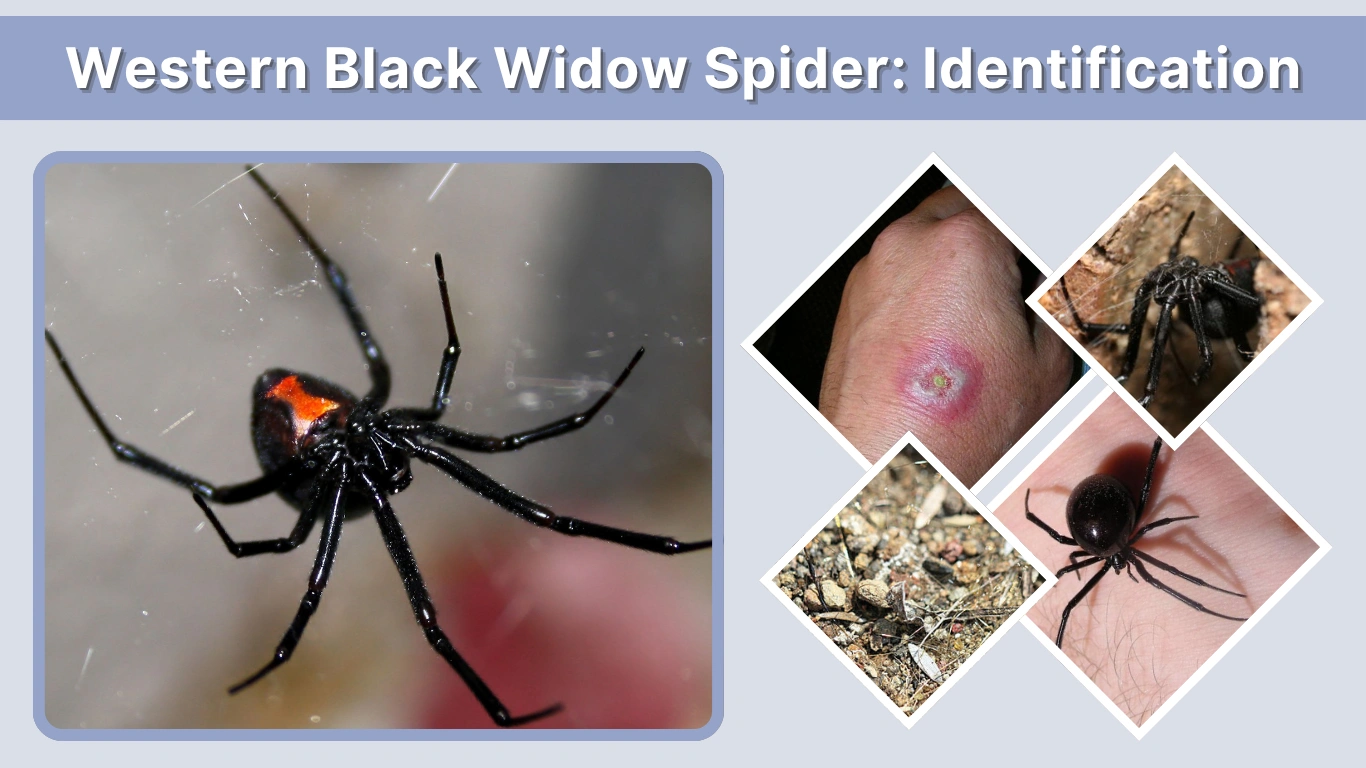
The western black widow spider (Latrodectus hesperus) is one of the most recognized venomous spiders in North America. Known for its glossy black body and distinctive red hourglass marking, it often sparks both fear and curiosity. Despite its reputation, this spider is not aggressive and typically avoids human contact. Understanding its identification, habitat, and behavior can help reduce unnecessary panic and improve safety. This guide covers essential information to help you recognize and respond appropriately to encounters.
What Is the Western Black Widow Spider?
The western black widow spider is a member of the cobweb spider family (Theridiidae) and is primarily found in the western regions of North America. It is one of several black widow species, but Latrodectus hesperus specifically dominates areas such as California, Oregon, and parts of Canada.
This spider is best known for its venom, which is designed to immobilize prey. However, it uses this venom defensively only when threatened. Unlike popular belief, western black widows are shy creatures that prefer to remain hidden in dark, undisturbed spaces. They build irregular webs and spend most of their time hanging upside down, waiting for insects to get trapped.
Western Black Widow Spider Identification
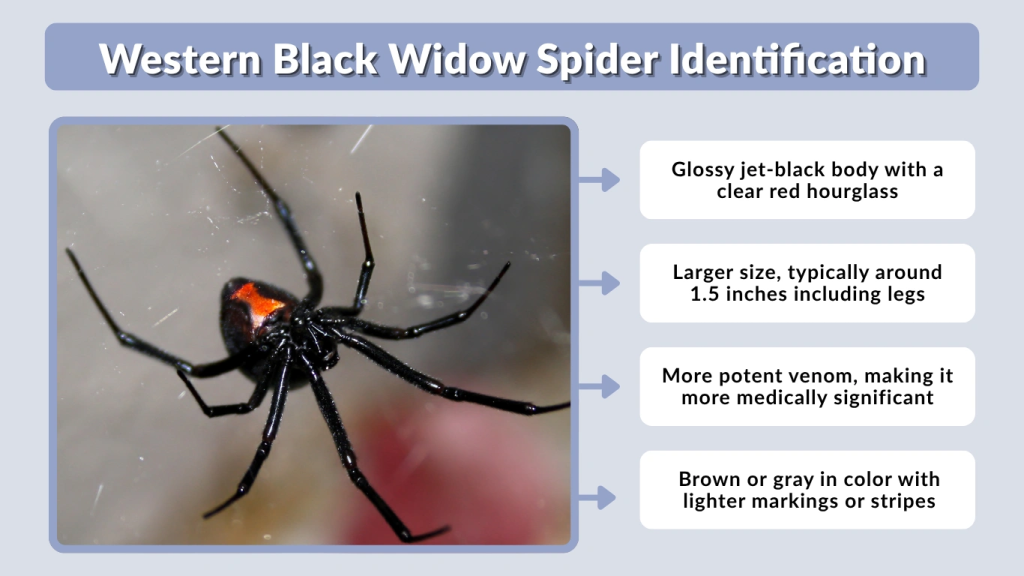
Female Western Black Widow Spider
- Glossy jet-black body with a clear red hourglass marking on the underside
- Larger size, typically around 1.5 inches including legs
- More potent venom, making it more medically significant
Male Western Black Widow Spider
- Much smaller than females
- Brown or gray in color with lighter markings or stripes
- Less dangerous, with weaker venom
Juvenile / Immature Western Black Widow Spider
- Bright patterns including white, orange, or yellow markings
- More colorful than adults
- Gradually darkens as it matures into adulthood
Habitat and Distribution of Western Black Widow Spider
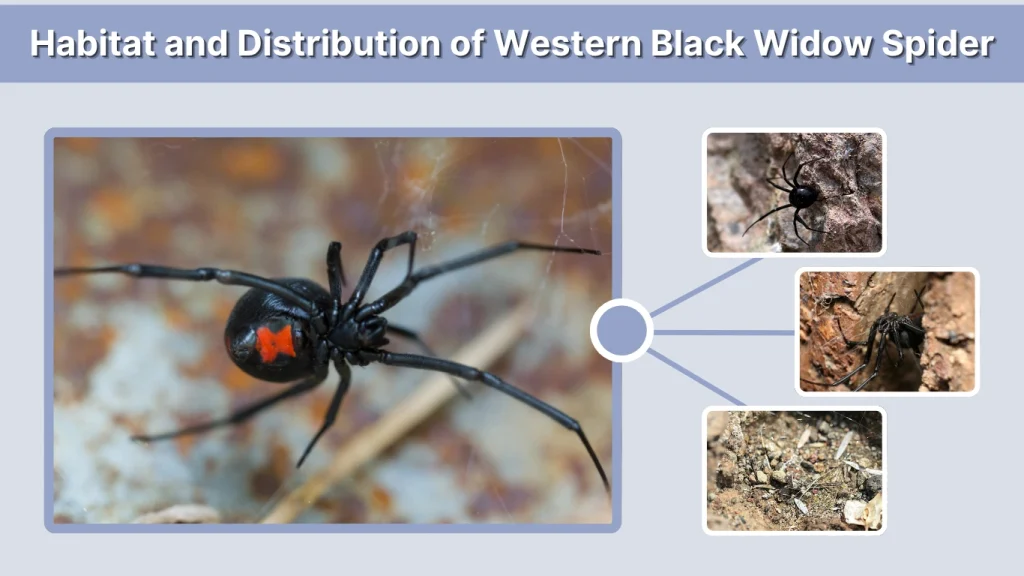
The western black widow spider is widely distributed across the western United States and parts of Canada, including regions like British Columbia and Alberta. It prefers warm, dry climates but is highly adaptable and can survive in a variety of environments.
These spiders are commonly found in both natural and human-made settings. Outdoors, they hide under rocks, logs, and debris where they can remain undisturbed. Indoors or around homes, they are often found in garages, basements, sheds, and woodpiles. Their preference for dark, quiet spaces makes them less noticeable, which is why many people are unaware of their presence.
Although they live close to humans, encounters are relatively rare because they are nocturnal and tend to stay in their webs during the day. Their ability to adapt to urban environments has contributed to their widespread distribution.
Behavior and Web Structure
Behavior of Western Black Widow Spider
- Primarily nocturnal and most active at night
- Non-aggressive and prefers to retreat rather than attack
- Spends most of its time in its web waiting for prey
Western Black Widow Spider Web
- Irregular and tangled cobweb structure
- Built close to the ground in hidden or sheltered areas
- Strong, sticky silk designed to trap insects efficiently
Western Black Widow Spider Bite
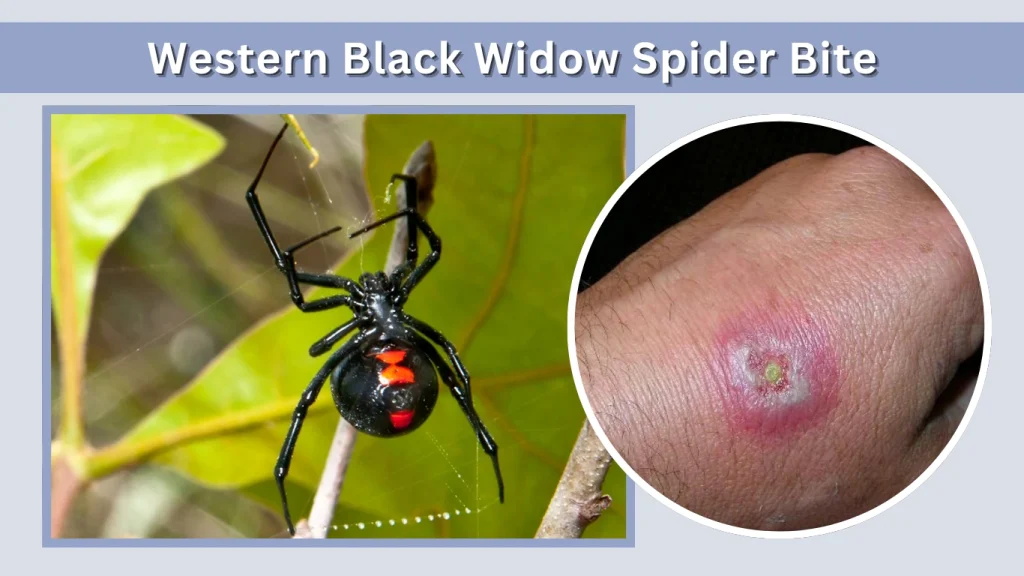
Is the Western Black Widow Spider Poisonous or Venomous?
The western black widow spider is venomous, meaning it injects venom through its bite rather than being poisonous when touched or eaten. Its venom contains neurotoxins that affect the nervous system of its prey.
Western Black Widow Spider Bite Symptoms
- Muscle pain and cramping, especially near the bite area
- Sweating and nausea
- Abdominal pain and stiffness that can mimic other conditions
What to Do If Bitten
- Wash the bite area with soap and water
- Apply a cold compress to reduce swelling
- Seek medical attention if symptoms become severe or persistent
Western Black Widow Spider Facts
Key Facts About the Species
- Females can live up to 1–3 years, while males have shorter lifespans
- Not every bite results in venom injection (dry bites can occur)
- Their silk is incredibly strong compared to its thickness
- They play a useful role in controlling insect populations
Are Western Black Widow Spiders Dangerous?
The western black widow spider is venomous, but it is not as deadly as many people believe. Most bites occur when the spider is accidentally pressed or disturbed, such as when someone reaches into a hidden space. Healthy adults typically experience pain and discomfort but recover fully with proper care.
Severe reactions are more likely in children, older adults, or individuals with underlying health conditions. Fatalities are extremely rare due to modern medical treatment. Understanding their behavior—especially their tendency to avoid humans—can significantly reduce the risk of being bitten.
Ecological Importance of Western Black Widow Spider
Despite their intimidating reputation, western black widow spiders are beneficial to the environment. They act as natural pest controllers by feeding on insects such as flies, mosquitoes, and beetles. This helps maintain ecological balance and reduces the need for chemical pest control.
They also serve as prey for certain animals, contributing to the food chain. Their presence indicates a functioning ecosystem. Although often feared, they are not considered endangered and continue to thrive in both natural and urban environments.
FAQs
What does a western black widow spider look like?
The female western black widow spider has a shiny black body with a distinctive red hourglass marking on the underside of its abdomen. Males are smaller, lighter in color, and often have stripes or spots. Juveniles appear more colorful before turning darker as they mature.
Where are western black widow spiders commonly found?
They are commonly found in western North America, including states like California, Oregon, and Washington, as well as parts of Canada. They prefer dark, undisturbed areas such as garages, basements, sheds, woodpiles, and under rocks or debris outdoors.
How dangerous is a western black widow spider bite?
A bite can cause muscle pain, cramps, and other symptoms, but it is rarely life-threatening for healthy adults. Most people recover fully with proper medical care, though symptoms can be uncomfortable and may require attention in more serious cases.
Do male western black widow spiders bite?
Male western black widow spiders can bite, but their venom is much weaker compared to females. Their bites are usually not medically significant and rarely cause serious symptoms in humans.
How can I prevent western black widow spiders around my home?
Keeping your home clean and reducing clutter can help prevent them. Seal cracks and gaps, wear gloves when handling firewood or debris, and regularly inspect dark corners and storage areas where spiders may hide.
Conclusion
The western black widow spider is a fascinating yet often misunderstood creature. While its venom can cause discomfort, it is not typically life-threatening. By learning how to identify this spider, understanding its behavior, and taking simple precautions, people can safely coexist with it. At the same time, recognizing its role in controlling pests highlights its importance in maintaining a healthy ecosystem.