
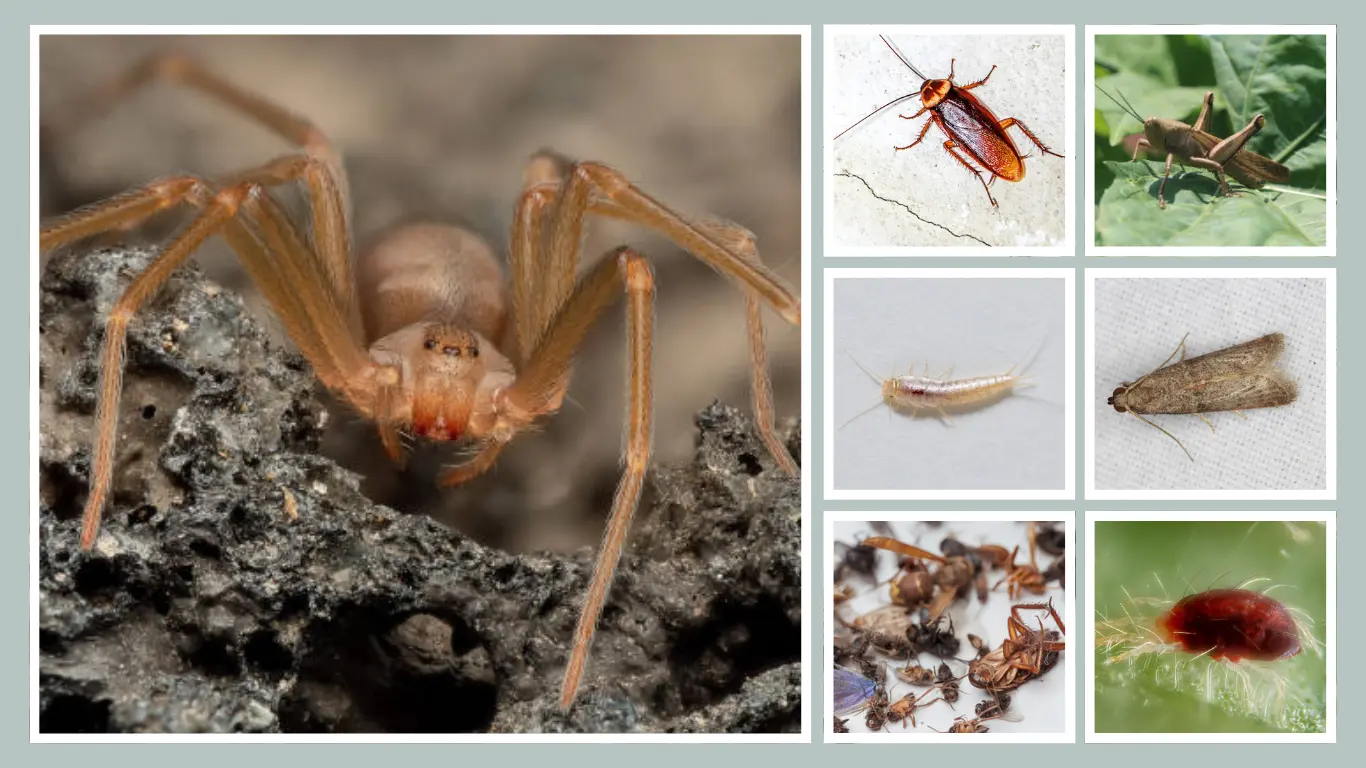
The brown recluse spider (Loxosceles reclusa) is often feared for its venomous bite, but many people overlook an equally fascinating aspect of this arachnid—its diet. What does this secretive spider eat, and how does it catch its food? Unlike many common house spiders that spin webs to trap their meals, the brown recluse is a stealthy nighttime hunter with a surprisingly varied and resourceful diet.
Understanding what this spider eats not only gives insight into its behavior and habitat but also helps in controlling infestations by limiting its food supply.
What Is a Brown Recluse Spider?

Before diving into its diet, it’s essential to know a little about this species. The brown recluse is a small to medium-sized spider, typically light brown with a violin-shaped marking on its back. It’s most common in the central and southern United States, often found in dark, undisturbed areas such as closets, basements, attics, and behind furniture.
True to its name, the brown recluse avoids humans and rarely bites unless threatened. It is nocturnal, solitary, and prefers hunting alone in silence. These traits influence how and what it eats.
What Do Brown Recluse Spiders Eat?
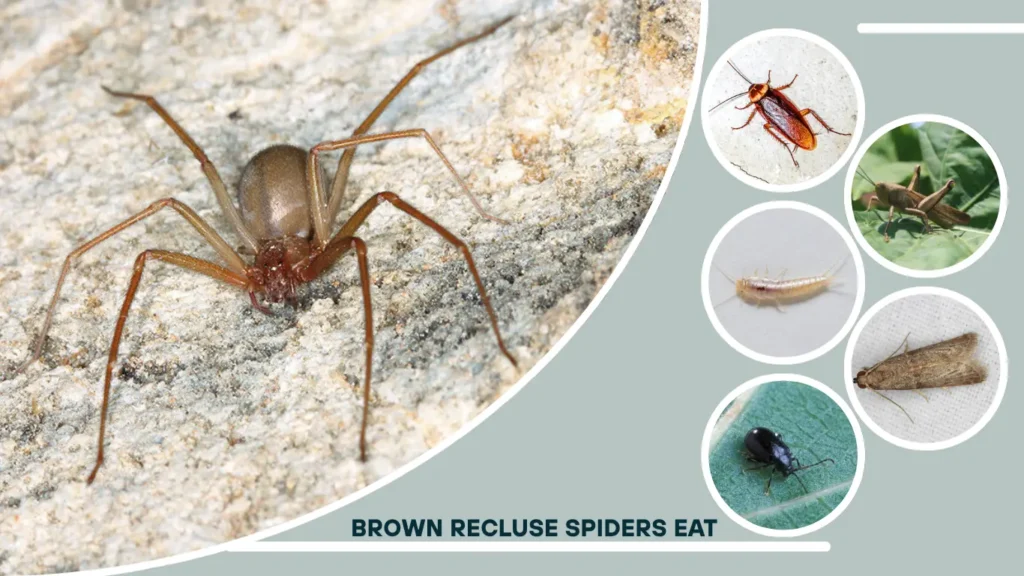
The diet of a brown recluse is primarily made up of soft-bodied insects and other arthropods. It is a carnivorous predator that feeds on live or recently killed prey.
Common Foods:
- Cockroaches – especially nymphs
- Crickets
- Silverfish
- Moths and moth larvae
- Small beetles
- Other spiders, including smaller or weaker brown recluses
The brown recluse does not rely on a web to capture its meals. Instead, it actively hunts, making it more of a stalk-and-strike predator. It prefers prey that is small, easy to overpower, and not overly defensive or fast.
How Brown Recluse Spiders Hunt
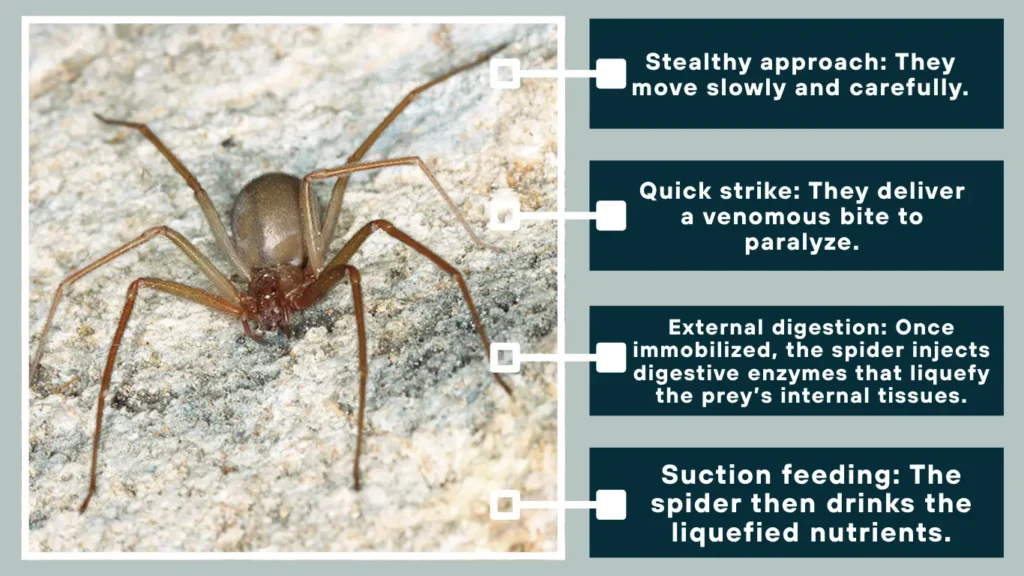
These spiders are patient ambush predators. They usually begin hunting after dark, venturing from their hiding spots in search of insects. Once a target is within range, the brown recluse lunges and uses its venom to immobilize the prey quickly.
Hunting Behavior:
- Stealthy approach: They move slowly and carefully.
- Quick strike: They deliver a venomous bite to paralyze.
- External digestion: Once immobilized, the spider injects digestive enzymes that liquefy the prey’s internal tissues.
- Suction feeding: The spider then drinks the liquefied nutrients.
Unlike orb-weaver spiders or cobweb builders, brown recluses don’t trap insects in webs. Their webs are used mainly for resting and laying eggs, not for catching food.
Do Brown Recluses Eat Dead Insects?
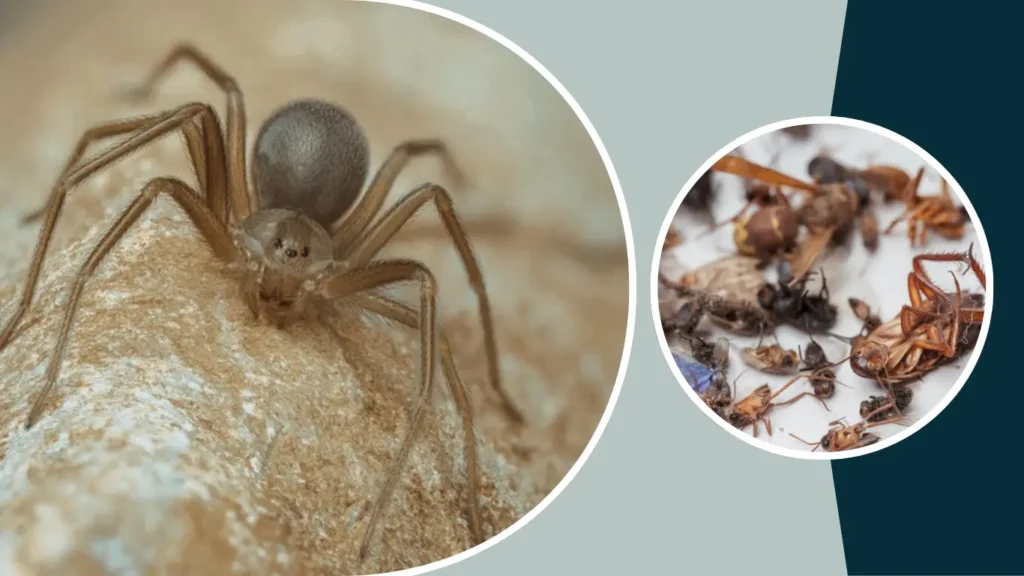
Yes, brown recluses will scavenge if necessary. In times when live prey is scarce, they may feed on dead or dying insects they stumble upon. However, they still require that the body is soft enough to digest externally.
Scavenging isn’t their preferred method of feeding, but it allows them to survive in more hostile or insect-poor environments—like an attic or garage during winter.
What Do Brown Recluse Spiderlings Eat?
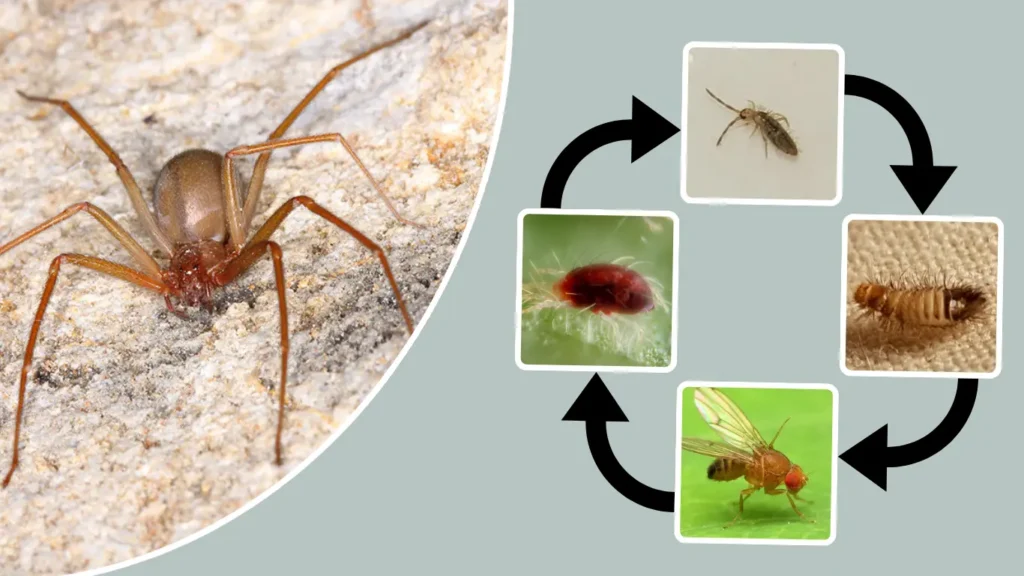
Young brown recluses (spiderlings) feed on very small prey. In the early stages of life, they typically consume:
- Springtails
- Small insect larvae
- Fruit flies
- Mite-like arthropods
In extreme cases, spiderlings may resort to cannibalism, consuming weaker siblings when food is scarce. This behavior is not unusual among spiders and helps control population density when food is limited.
Feeding Frequency and Patterns
Brown recluses don’t need to eat every day. In fact, they can go weeks or even months without food, especially in cooler conditions. When they do feed, they prefer to consume small amounts slowly over time.
Factors that affect feeding frequency:
- Temperature: Warmer environments increase metabolism and hunger.
- Prey availability: More insects mean more frequent meals.
- Reproductive stage: Females may feed more when producing eggs.
Their ability to survive long periods without food makes them particularly resilient household pests.
Do They Eat Human Food or Blood?
No. This is a common myth.
Brown recluse spiders do not eat human food scraps, pet food, or blood. They are not attracted to food spills or sugary substances. Their diet is strictly insectivorous. Even though they may bite humans if trapped against skin, it is a defensive action—not feeding behavior. They don’t feed on blood like bed bugs or mosquitoes.
Why Do Brown Recluse Spiders Appear Indoors?
A home with abundant insect life provides a ready food source for brown recluses. If your house has:
- Roaches
- Silverfish
- Pantry moths
- Flies or gnats
…then a brown recluse may move in unnoticed. Sealing entry points, fixing leaks (which attract insects), and maintaining cleanliness can help reduce the insect population—and by extension, brown recluse infestations.
How Is Their Diet Different from Other Spiders?
Brown recluses differ from web-building spiders in several key ways:
| Feature | Brown Recluse | Common House Spider |
| Hunting Method | Active hunter | Passive web-trapper |
| Web Usage | Shelter only | Trap for food |
| Diet Variety | Selective | Broad insect range |
| Feeding Style | Liquid only after bite | Often whole-prey digestion |
This makes them more similar to wolf spiders or jumping spiders in their predatory habits, although their movements are slower and more cautious.
Final Thoughts
Brown recluse spiders may be feared for their bite, but they also play a vital role in keeping pest insect populations in check. Their diet consists mostly of soft-bodied bugs and sometimes even other spiders. These skilled night hunters use venom not just to defend themselves, but to turn their prey into a drinkable meal.
If you’re dealing with a brown recluse infestation, reducing its food sources—such as roaches and silverfish—is one of the smartest first steps. No prey means no reason for them to stay.
FAQs
Can a brown recluse eat a cockroach?
Yes, especially smaller roaches like nymphs. Brown recluses are nocturnal hunters and often encounter roaches in dark corners or behind furniture. They paralyze them with venom, then digest the internal fluids. Cockroach-infested homes often provide a stable food source, which can lead to increased brown recluse activity.
Do brown recluses eat bed bugs?
Occasionally, but it’s not common. Bed bugs are fast and typically hide in tight spaces, making them harder to catch. While brown recluses can eat them if given the chance, they are not effective natural predators for controlling bed bug infestations.
Can brown recluses survive without food?
Yes. Brown recluses can go for several months without food, especially in cool, dry environments. Their low metabolism allows them to survive long periods while remaining hidden. However, lack of food will eventually cause them to relocate or die.
Do they bite prey larger than themselves?
Rarely. Brown recluses prefer small, manageable prey they can quickly immobilize. Larger insects may pose a risk or require more venom and energy. However, if the larger insect is slow or weakened, they might attempt to feed on it.
What attracts brown recluse spiders to a home?
Food (insects), dark hiding spots, and clutter attract them. Homes with cockroaches, silverfish, or flies are especially appealing. Cluttered spaces like closets, garages, or attics give them cover during the day. Sealing cracks and reducing insect populations can help keep them away.