

Brown recluse spiders are among the most feared spiders in the United States—not because they’re aggressive, but because of the destructive power of their venom. Unlike many spider bites that cause only mild itching, a brown recluse bite can escalate into a painful blister and even a necrotic wound.
In this article, we’ll explore what a brown recluse spider bite blister looks like, how it forms, how to treat it, and when to seek medical help. Whether you live in recluse-prone areas or simply want to be prepared, knowing these details can make a huge difference in outcomes.
What Happens When a Brown Recluse Bites?
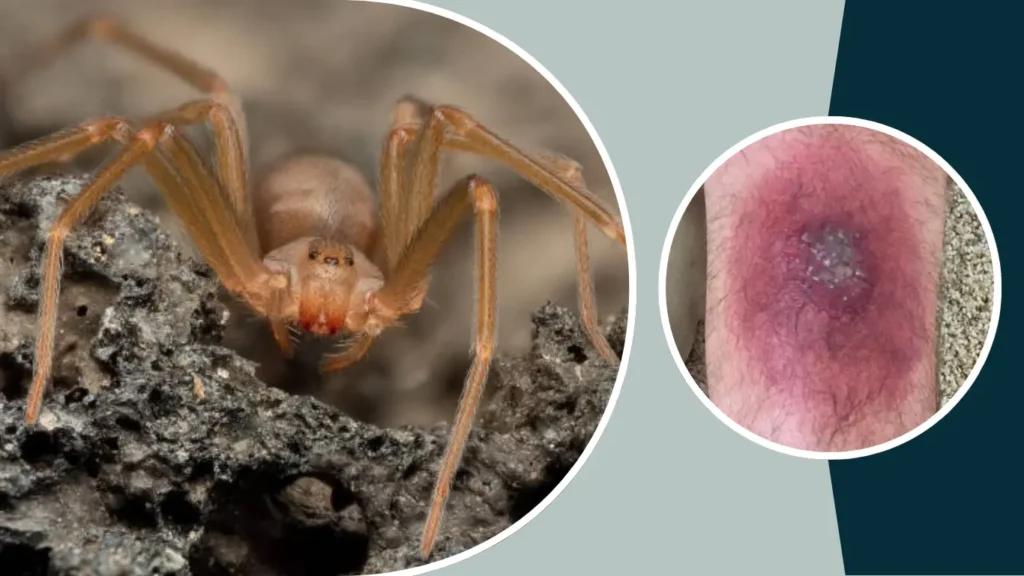
The brown recluse spider (Loxosceles reclusa) injects venom that contains necrotizing enzymes, which break down skin and soft tissues. Most bites occur accidentally, such as when someone puts on a shoe or piece of clothing where the spider was hiding.
How the Venom Works
The venom spreads from the bite site into surrounding tissues, destroying cells as it travels. While not every bite becomes serious, some can lead to severe skin ulceration, infection, or even systemic illness in rare cases.
Immediate Reaction
The bite is often painless at first, which is one reason it’s easy to overlook. Within 2 to 6 hours, the site may begin to show signs of irritation:
- Mild redness
- Swelling
- Burning or itching
- A pale center with surrounding redness
It’s during this early stage that a blister may begin to form.
What Does a Brown Recluse Bite Blister Look Like?

Early Appearance (0–24 Hours)
The site may resemble a minor skin irritation, with a raised red bump. Some bites feature a pimple-like center or a small white dot. There may be slight swelling and warmth to the touch.
Blister Formation (24–72 Hours)
As time progresses, a fluid-filled blister usually develops at the bite site. The blister may contain:
- Clear fluid
- Cloudy or yellowish pus (if infection begins)
- Surrounding red halo of inflamed skin
The blister is often tender, itchy, or painful, and may feel tight due to internal pressure. At this stage, many victims still do not realize they were bitten by a spider.
Progression of the Blister Over Time

Brown recluse bites vary widely depending on the person’s immune system, bite depth, and amount of venom injected.
Worsening Stage (3–7 Days)
In moderate to severe cases, the blister ruptures, leaving an open sore or ulcer. The surrounding skin may turn:
- Dark purple or blue (indicating necrosis)
- Black if tissue death begins
- Yellowish with crusted edges
The wound may spread, especially if left untreated, and necrotic tissue may become infected. Pain increases during this stage, and symptoms like fever or nausea may also develop.
Healing Stage (7+ Days)
If the bite doesn’t become infected and the ulcer is mild, healing may begin around Day 7 to Day 14:
- Scabbing forms
- New tissue grows underneath
- Pain and swelling gradually fade
For serious ulcers, full recovery may take several weeks or months, and some people are left with permanent scarring or discolored skin.
How to Treat a Brown Recluse Bite Blister

Immediate Steps
The sooner you act, the better your chances of preventing complications. If you suspect a brown recluse bite:
- Wash the bite site with mild soap and warm water
- Apply a cold compress (never heat) to reduce swelling
- Elevate the affected area to reduce fluid buildup
- Do not pop the blister—this increases the risk of infection
Medical Treatment Options
If symptoms worsen or a blister begins to grow:
- Topical antibiotics may be prescribed to prevent or treat infection
- Pain relievers such as ibuprofen or acetaminophen can help with discomfort
- Oral antihistamines may relieve itching or swelling
- In some cases, a doctor may recommend corticosteroids to reduce inflammation
- For serious necrosis, surgical removal of dead tissue (debridement) may be necessary
Antivenom is not widely available or commonly used for brown recluse bites in the U.S., and treatment mostly focuses on wound care and infection control.
Home Remedies and What to Avoid
Safe Home Remedies
While home care should never replace medical advice, certain remedies can help relieve discomfort and reduce the risk of complications:
- Aloe vera gel – cooling and anti-inflammatory
- Hydrogen peroxide – for occasional cleaning if wound opens
- Clean bandages – to keep the area protected
- OTC creams – like hydrocortisone for inflammation
What to Avoid
- Never pop the blister — it introduces bacteria
- Don’t use heat or warm compresses — heat spreads venom
- Avoid scratching or picking — this delays healing and increases risk of scarring
- Don’t rely on folk remedies — like vinegar or toothpaste, which can irritate the skin further
When to See a Doctor
Seek professional help immediately if you notice any of the following:
- A blister larger than a quarter or one that’s rapidly growing
- Spreading redness or streaks (signs of infection)
- Fever, chills, body aches, or nausea
- A deep ulcer or black necrotic center
- Swollen lymph nodes near the bite site
Prompt treatment can often prevent complications, reduce healing time, and minimize scarring.
How to Tell It’s a Brown Recluse Bite
Geographic Range
Brown recluses are most commonly found in:
- The central U.S. (especially Missouri, Kansas, Arkansas, Oklahoma, and parts of Texas)
- They are rare in northern or coastal states
Bite Pattern
While it’s hard to identify a spider bite by symptoms alone, common signs of a recluse bite include:
- Lack of pain at first, followed by a blister
- A central ulcer with surrounding red or purple skin
- The “bull’s-eye” or target pattern of tissue death
If you didn’t see the spider, but you live in a brown recluse zone and notice this progression, it’s best to err on the side of caution.
Prevention Tips
The best way to avoid a brown recluse bite—and the resulting blister—is to take proactive steps in recluse-prone areas:
Avoiding Their Habitats
- Store shoes, clothes, and bedding in sealed containers
- Use sticky traps in corners of garages, basements, and closets
- Declutter areas with cardboard, fabric, and paper
Protective Measures
- Shake out shoes and clothes before wearing
- Wear gloves when cleaning sheds, attics, or garages
- Seal cracks and crevices in walls, baseboards, and windows
- Use pest control treatments if recluse sightings become frequent
Final Thoughts
A brown recluse spider bite can seem harmless at first—but within days, it may evolve into a fluid-filled blister that can rupture and lead to serious skin damage. Fortunately, not every bite becomes necrotic, and early treatment can prevent most complications.
If you notice a blister forming in the days after a suspected bite, keep the area clean, avoid popping it, and monitor symptoms closely. When in doubt, consult a doctor. Acting early can help you heal faster and reduce the risk of scarring or infection.
FAQs
How long does the blister last?
A typical blister from a brown recluse bite may last 3 to 7 days, depending on severity. If the blister ruptures, the wound may take several weeks to heal fully.
Can the blister heal without popping?
Yes. In many mild cases, the blister may shrink and dry out on its own. Avoid popping it, as doing so increases infection risk and delays healing.
Is a brown recluse blister always dangerous?
Not always. Some bites remain mild and resolve with basic care. However, in about 10% of cases, the bite may turn necrotic or become infected, requiring medical intervention.
Should I cover the blister or leave it open?
It’s best to lightly cover the blister with a sterile bandage. This protects it from friction and bacteria while still allowing airflow.
What if the blister leaves a scar?
Scarring is common in moderate to severe bites. Using healing ointments, keeping the wound moist during recovery, and avoiding scratching can reduce scar formation. Severe scarring may benefit from dermatological treatments later on.
