




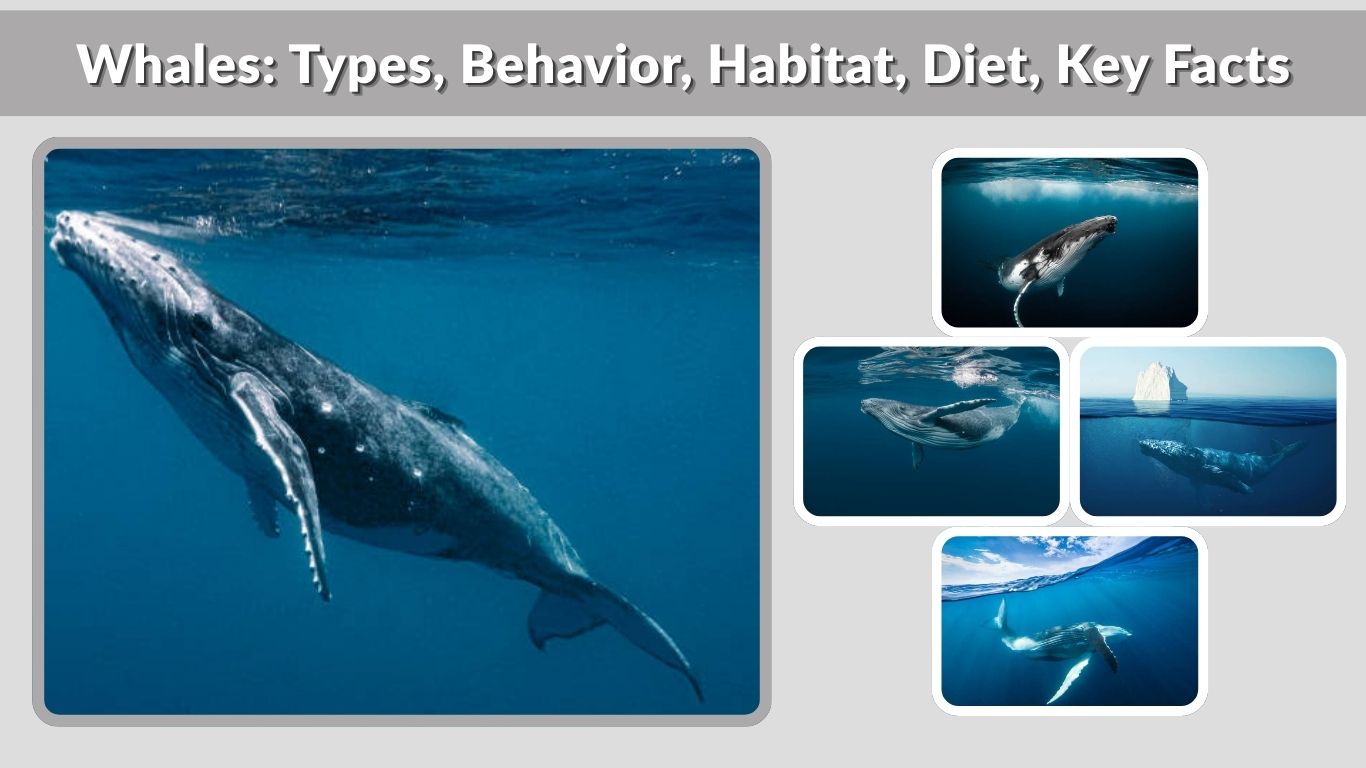
Whales are among the most fascinating and powerful creatures on Earth, dominating the oceans with their immense size, intelligence, and beauty. These marine mammals have existed for millions of years and play a vital role in maintaining healthy ocean ecosystems. From their complex communication systems to their long-distance migrations, whales continue to capture human curiosity and inspire scientific research. This article explores what whales are, the different types of whales, their physical characteristics, and where they live, helping readers gain a deeper understanding of these remarkable animals.
What Is a Whale?
A whale is a large marine mammal that belongs to the order Cetacea, which also includes dolphins and porpoises. Unlike fish, whales breathe air through lungs, are warm-blooded, and give birth to live young. They spend their entire lives in water but must surface regularly to breathe through blowholes located on the top of their heads.
Whales are perfectly adapted to life in the ocean. Their streamlined bodies reduce resistance in water, while their powerful tails, called flukes, allow them to swim long distances efficiently. Over time, whales have evolved specialized features that help them survive in diverse marine environments, from shallow coastal waters to the deep open ocean.
Are Whales Fish or Mammals?
Whales are mammals, not fish. This distinction is important because it explains many of their unique traits. Like all mammals, whales are warm-blooded, meaning they regulate their body temperature internally. They also produce milk to feed their calves and rely on oxygen from the air rather than extracting oxygen from water through gills.
Another key mammalian feature is their hair, which is present in small amounts, especially around the mouth area in some species. These characteristics clearly separate whales from fish and highlight their evolutionary connection to land-dwelling mammals.
Types of Whales
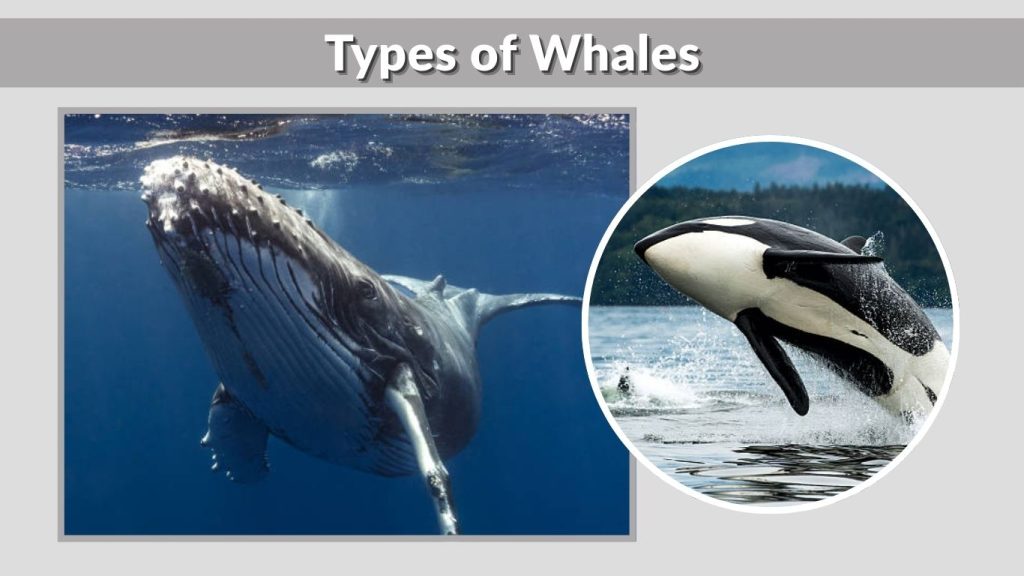
Whales are generally divided into two main groups based on how they feed: baleen whales and toothed whales. Each group includes several species with distinct behaviors and physical traits.
Baleen Whales
Baleen whales are filter feeders. Instead of teeth, they have baleen plates made of keratin, the same material found in human fingernails. These plates hang from the upper jaw and help whales filter small organisms from seawater.
Common baleen whales include the blue whale, humpback whale, and gray whale. These whales consume enormous quantities of krill, plankton, and small fish. During feeding, they take in large mouthfuls of water and push it out through the baleen, trapping food inside. Baleen whales are generally gentle and known for their long migrations between feeding and breeding grounds.
Toothed Whales
Toothed whales have teeth and are active hunters. This group includes species such as sperm whales, orcas (killer whales), and beluga whales. Unlike baleen whales, toothed whales feed on larger prey, including fish, squid, and even other marine mammals.
One of their most remarkable abilities is echolocation. By producing clicking sounds and listening to the echoes, toothed whales can locate prey, navigate dark waters, and communicate with one another. This advanced hunting technique makes them highly effective predators in the ocean.
Physical Characteristics of Whales
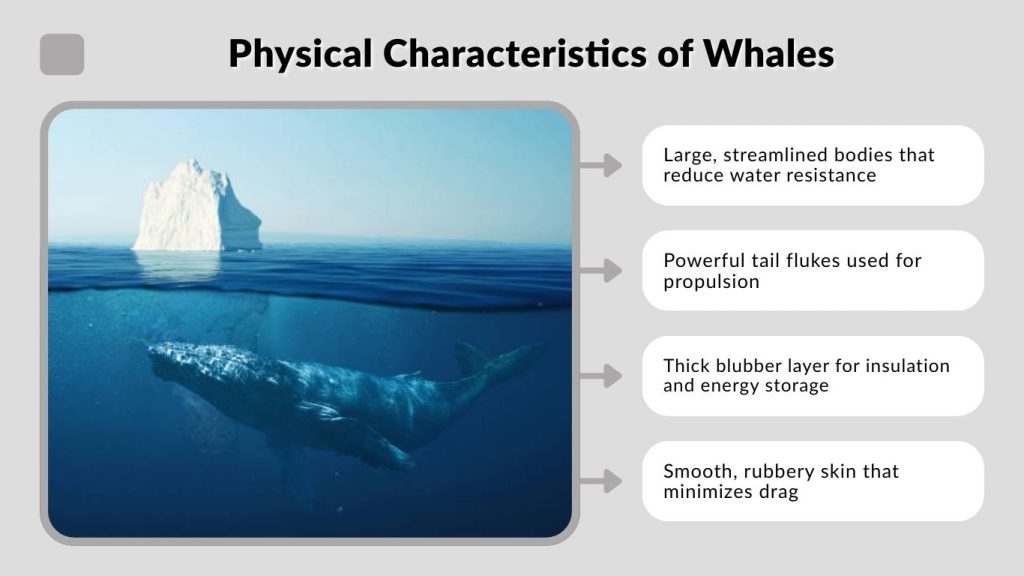
Whales possess a range of physical adaptations that allow them to survive and thrive in marine environments. Their bodies are designed for efficient swimming, deep diving, and temperature regulation across different ocean climates. Although whale species vary greatly in size and appearance, they share several core physical features that define them as marine mammals.
Key physical characteristics of whales include:
- Large, streamlined bodies that reduce water resistance
- Powerful tail flukes used for propulsion
- Thick blubber layer for insulation and energy storage
- Smooth, rubbery skin that minimizes drag
- Blowholes on top of the head for breathing air
- Strong muscles adapted for long-distance swimming
- Flexible rib cages that help withstand deep dives
- Large lungs for efficient oxygen intake
- Highly developed hearing for underwater communication
Whale Habitat and Distribution
Whales are found in all of the world’s oceans, from the icy waters of the Arctic and Antarctic to warm tropical seas. Some species prefer coastal areas, while others spend most of their lives in the open ocean. Their distribution largely depends on food availability and water temperature.
Different whale species have adapted to specific environments. For example, bowhead whales thrive in cold polar waters, while humpback whales are commonly seen in warmer regions during breeding seasons. This wide distribution highlights the adaptability of whales and their importance across marine ecosystems.
Whale Migration Patterns
Many whale species are known for their long-distance migrations, which are among the longest of any animal on Earth. Whales typically migrate between cold, nutrient-rich feeding grounds and warm, shallow breeding areas. These migrations are driven by the need for abundant food and safe environments for raising calves.
What Do Whales Eat?
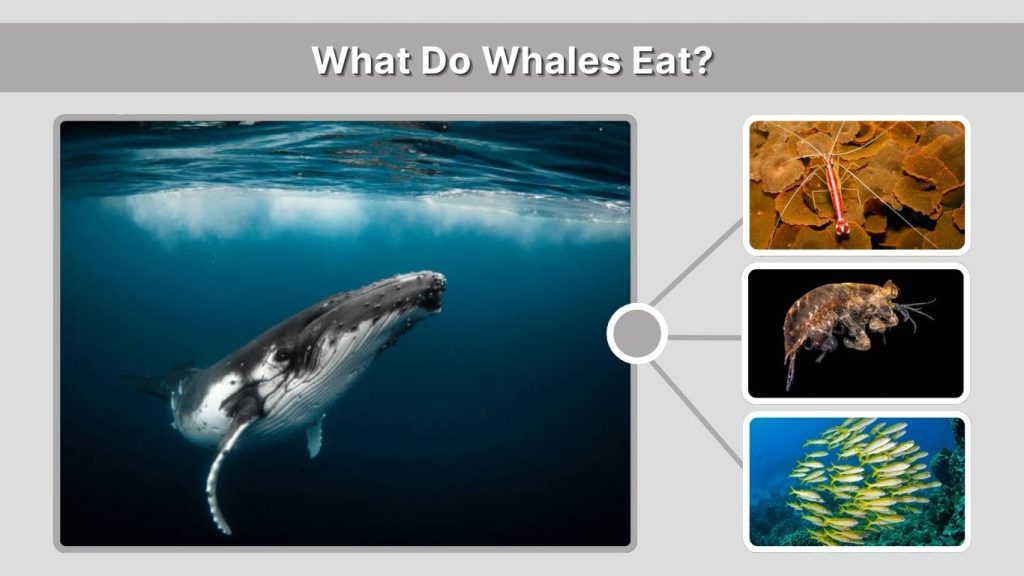
Whale diets vary depending on their species, size, and feeding mechanisms. While all whales rely on ocean resources for survival, the type of food they consume and how they obtain it differ significantly between baleen and toothed whales. These feeding strategies allow whales to occupy different roles within marine ecosystems.
Feeding Methods of Baleen Whales
Baleen whales primarily feed on small organisms such as krill, plankton, and tiny fish. During feeding, these whales open their mouths wide and take in large volumes of seawater filled with prey. They then push the water out through their baleen plates, which trap food inside. This process allows them to consume massive quantities of food efficiently.
Some baleen whales, such as humpback whales, use specialized techniques like bubble-net feeding. In this method, whales work together to release bubbles underwater, creating a circular barrier that traps fish. This cooperative behavior demonstrates a high level of intelligence and social coordination.
How Toothed Whales Hunt
Toothed whales are active predators that hunt larger prey, including fish and squid. Species like sperm whales can dive to extreme depths to catch giant squid. Orcas, also known as killer whales, are among the most skilled hunters in the ocean and often hunt in groups.
Echolocation plays a crucial role in their hunting success. By emitting sound waves and listening to the echoes that bounce back, toothed whales can identify the size, shape, and distance of prey, even in complete darkness.
Whale Behavior and Communication
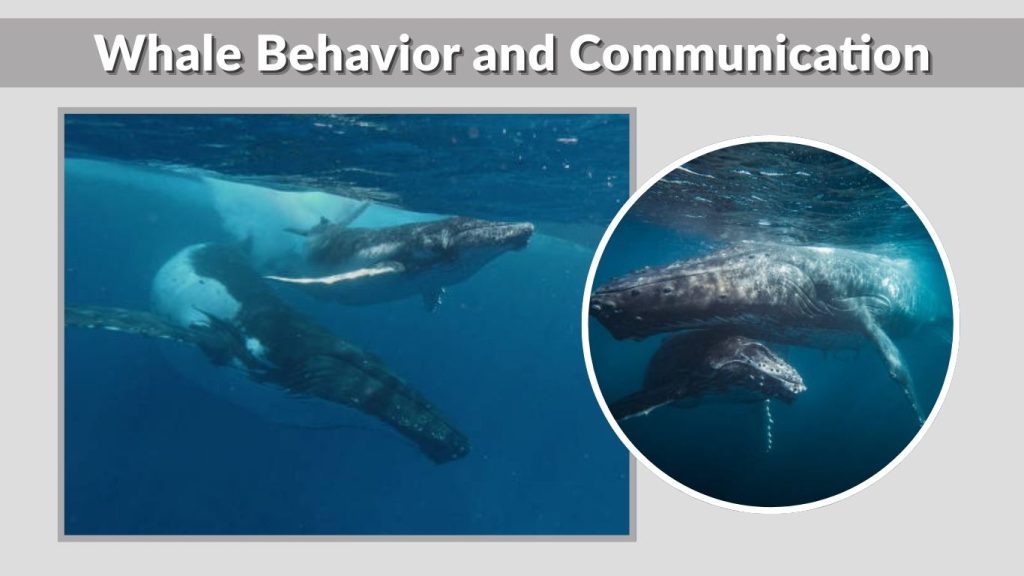
Whales are highly intelligent animals with complex social behaviors. Many species live in groups called pods, which can range from a few individuals to dozens of whales. These social structures help whales protect one another, locate food, and raise young.
Whales are also known for their ability to learn and pass down behaviors across generations. Certain hunting techniques, migration routes, and communication patterns are culturally transmitted within pods, highlighting their advanced cognitive abilities.
Whale Songs and Sounds
Whale communication involves a wide range of sounds, including clicks, whistles, and songs. Humpback whale songs are among the most famous and can last for hours. These songs are believed to play a role in mating and social bonding.
Sound travels efficiently through water, allowing whales to communicate across vast distances. However, increasing noise pollution from ships and industrial activities can interfere with these communication systems, posing challenges for whale populations.
Whale Reproduction and Lifespan
Whales have slow reproductive cycles compared to many other animals. Most species give birth to a single calf after a long pregnancy that can last from 10 to 16 months. Calves are born tail-first and rely heavily on their mothers for nourishment and protection.
Mother whales produce rich milk that helps calves grow quickly. During the early stages of life, calves stay close to their mothers, learning essential survival skills. Depending on the species, whales can live for several decades, with some, such as bowhead whales, known to live over 200 years.
Threats to Whales
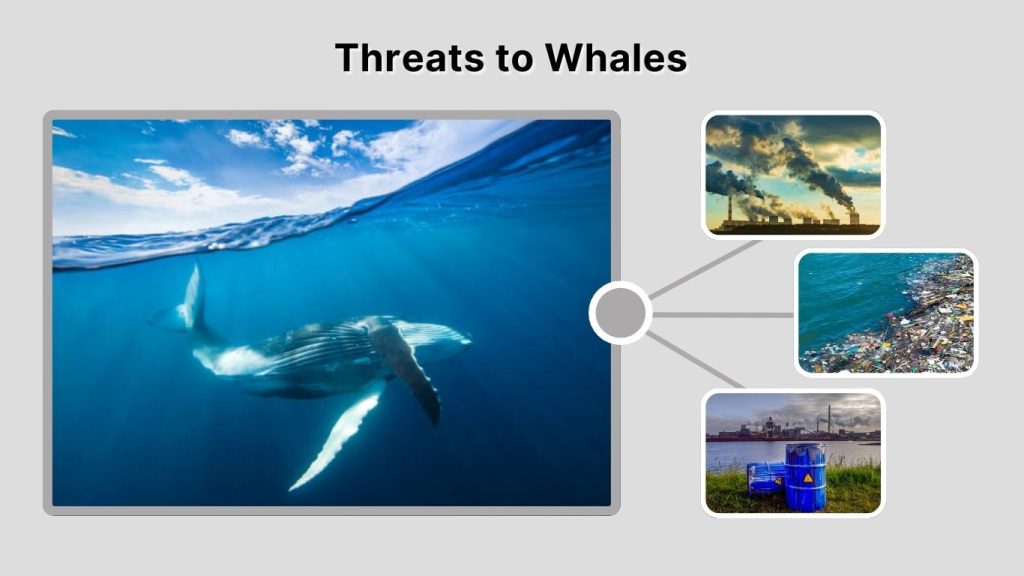
Despite their size and strength, whales face numerous threats, many of which are caused by human activities. Climate change is altering ocean temperatures and affecting food availability, making it harder for whales to find sufficient prey.
Pollution, particularly plastic waste and chemical contaminants, poses serious health risks. Whales can ingest plastic debris or become entangled in fishing gear. Ship strikes are another major threat, especially in busy shipping lanes where whales migrate or feed.
Whale Conservation and Protection
Efforts to protect whales have increased significantly over the past century. International agreements, such as bans on commercial whaling, have helped some populations recover. Conservation organizations work to monitor whale populations, protect habitats, and raise public awareness.
Marine protected areas play an important role in providing safe environments where whales can feed and breed without disturbance. Scientific research continues to improve understanding of whale behavior and health, guiding conservation strategies.
How Humans Can Help Protect Whales
Individuals can support whale conservation by reducing plastic use, choosing sustainable seafood, and supporting organizations dedicated to marine protection. Responsible whale-watching practices also help minimize stress on these animals while allowing people to appreciate them in their natural habitats.
Conclusion
Whales are extraordinary marine mammals that play a crucial role in maintaining the balance of ocean ecosystems. From their diverse feeding strategies to their complex communication systems, whales demonstrate remarkable adaptability and intelligence. However, ongoing threats highlight the need for continued conservation efforts. By understanding and protecting whales, humans can help ensure that these majestic creatures continue to thrive in the world’s oceans for generations to come.
FAQs
What is the largest whale in the world?
The blue whale is the largest whale and the biggest animal ever known to exist on Earth. It can grow up to 100 feet long and weigh more than 150 tons. Despite its enormous size, the blue whale feeds mainly on tiny organisms called krill.
How long do whales live?
Whale lifespans vary by species. Many whales live between 40 and 90 years, while some species, such as the bowhead whale, can live over 200 years. Their long lifespan is linked to slow growth, low reproduction rates, and few natural predators.
What do whales eat?
Whales eat different types of food depending on their species. Baleen whales consume krill, plankton, and small fish through filter feeding, while toothed whales hunt fish, squid, and sometimes marine mammals. Their feeding habits play an important role in ocean ecosystems.
How do whales communicate?
Whales communicate using sounds such as clicks, whistles, and songs. These sounds help them find mates, navigate, hunt, and stay connected with their pods. Because sound travels far underwater, whale communication can occur across vast ocean distances.
Why are whales important to the ecosystem?
Whales help maintain healthy oceans by regulating marine food chains and recycling nutrients through their waste, which supports plankton growth. Plankton absorbs carbon dioxide, making whales important contributors to climate regulation and overall ocean health.