



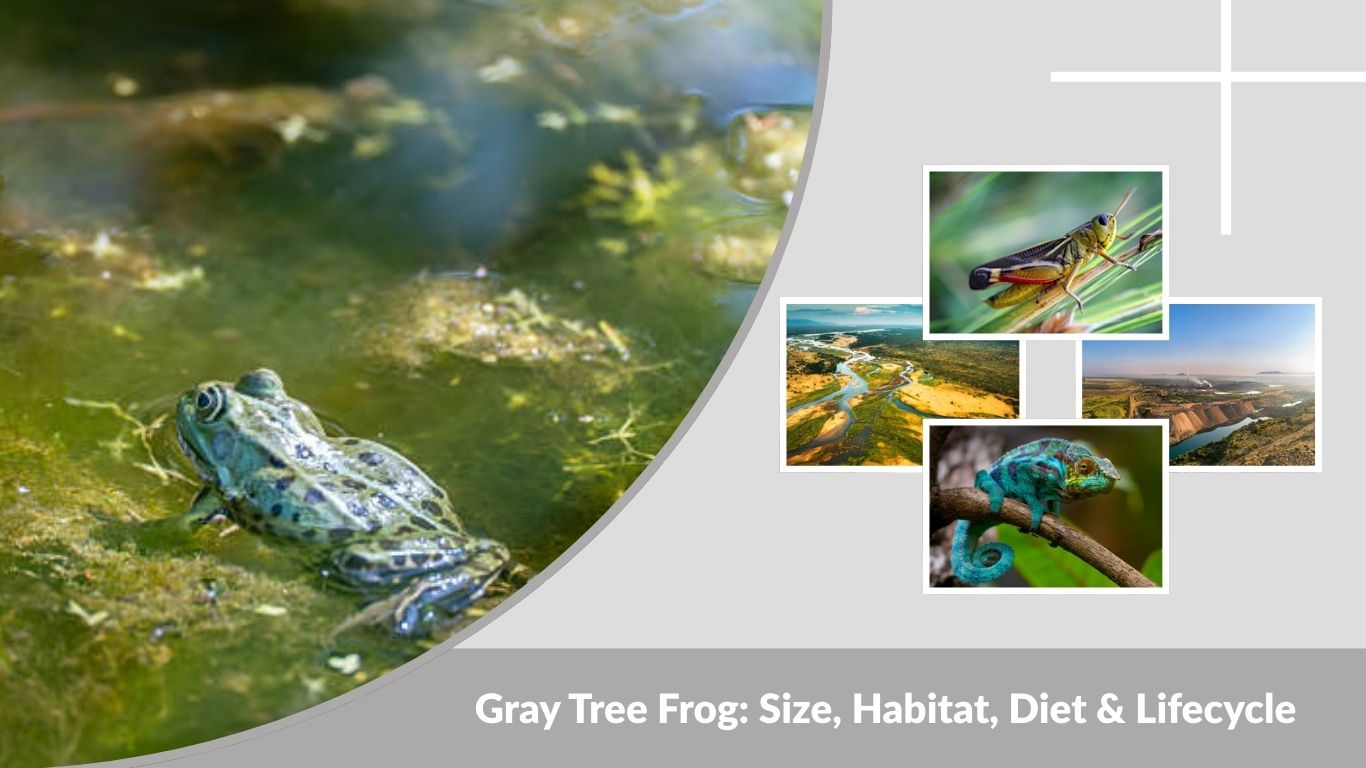
The African bullfrog is one of the largest and most powerful frogs in the world. Native to sub-Saharan Africa, this massive amphibian is famous for its size, strong bite, and bold personality. Unlike many frogs that are small and timid, the African bullfrog is muscular, territorial, and surprisingly resilient. Whether you’re curious about African bullfrog size, diet, lifespan, or keeping one as a pet, this guide covers everything you need to know about this remarkable species.
What Is the African Bullfrog?
African Bullfrog Scientific Name
The scientific name of the African bullfrog is Pyxicephalus adspersus. It belongs to the family Pyxicephalidae and is commonly known in the pet trade as the “Pixie frog” (derived from its scientific name, not its size).
This species is known for its thick body, enormous head, and powerful jaws. It is one of the heaviest frogs on Earth and is often compared to other large species like the Goliath frog.
Overview of the Species
The African bullfrog is native to southern and eastern Africa. It thrives in dry savannas and grasslands where seasonal rains create temporary pools for breeding.
Unlike many frogs that rely heavily on water year-round, this species has adapted to extreme climates. It can survive long dry seasons by burrowing underground and entering a state of dormancy.
Males are significantly larger than females, a trait known as sexual dimorphism. The large males are especially known for their aggressive and territorial behavior.
African Bullfrog Size and Weight
One of the most common questions people ask is: How big does an African bullfrog get?
How Big Is an African Bullfrog?
Male African bullfrogs can grow up to 9 to 10 inches (23–25 cm) in length. Females are much smaller, usually reaching about 4 to 6 inches.
The size difference between males and females is dramatic. In fact, males can be nearly twice the size of females.
African Bullfrog Weight
Male African bullfrogs can weigh over 4 pounds (2 kilograms), making them one of the heaviest frog species in the world. Females are considerably lighter.
Their heavy body, large head, and thick limbs give them a powerful and sturdy appearance. Unlike slim tree frogs, African bullfrogs look compact and muscular.
African Bullfrog Size Comparison
When comparing frog species:
- American bullfrog vs African bullfrog: The American bullfrog typically reaches about 8 inches in length and weighs far less. The African bullfrog is bulkier and heavier.
- African bullfrog vs Goliath frog: The Goliath frog is longer and heavier overall, holding the title of the largest living frog species. However, the African bullfrog is considered more aggressive.
While it may not be the absolute largest frog, it is certainly one of the most powerful.
Where Does the African Bullfrog Live?
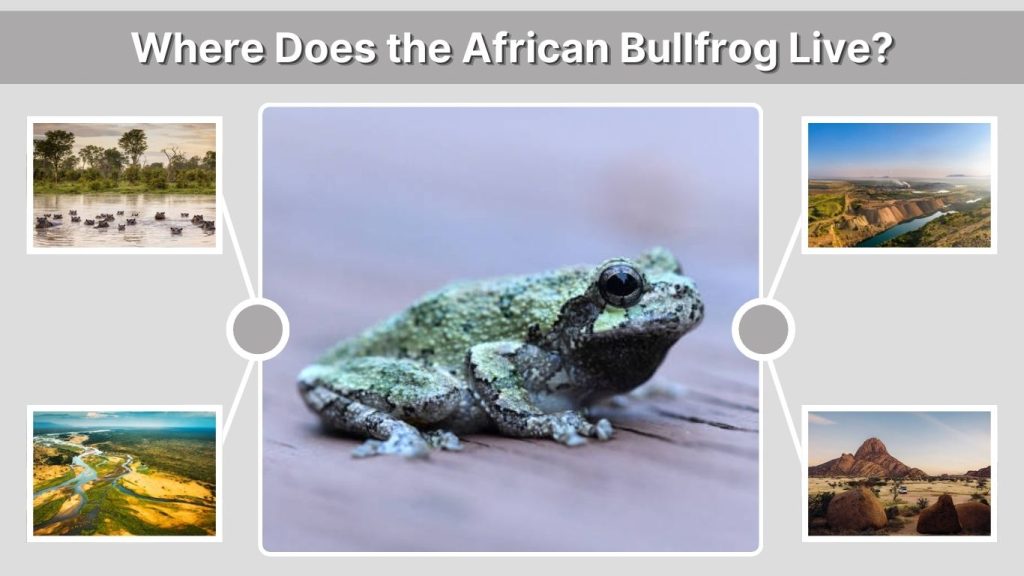
African Bullfrog Habitat
The African bullfrog habitat includes:
- Savannas
- Grasslands
- Semi-arid regions
- Seasonal wetlands
Unlike rainforest frogs, African bullfrogs are adapted to environments that experience long dry periods followed by heavy rains.
During the rainy season, temporary pools form across the landscape. These pools serve as breeding grounds and feeding areas.
African Bullfrog Location
The African bullfrog is found across several African countries, including:
- South Africa
- Namibia
- Botswana
- Zambia
- Mozambique
- Zimbabwe
It is widely distributed across sub-Saharan Africa, especially in regions with seasonal rainfall.
Adaptations to Dry Environments
One of the most fascinating traits of this species is its ability to survive drought.
When water sources dry up, the African bullfrog burrows underground and enters a dormant state known as estivation. During this time:
- It secretes mucus that hardens into a protective cocoon.
- Its metabolism slows down dramatically.
- It can remain underground for months or even over a year.
When heavy rains return, the frog emerges and resumes feeding and breeding activities.
This survival strategy makes the African bullfrog one of the most resilient amphibians in Africa.
African Bullfrog Diet – What Do They Eat?
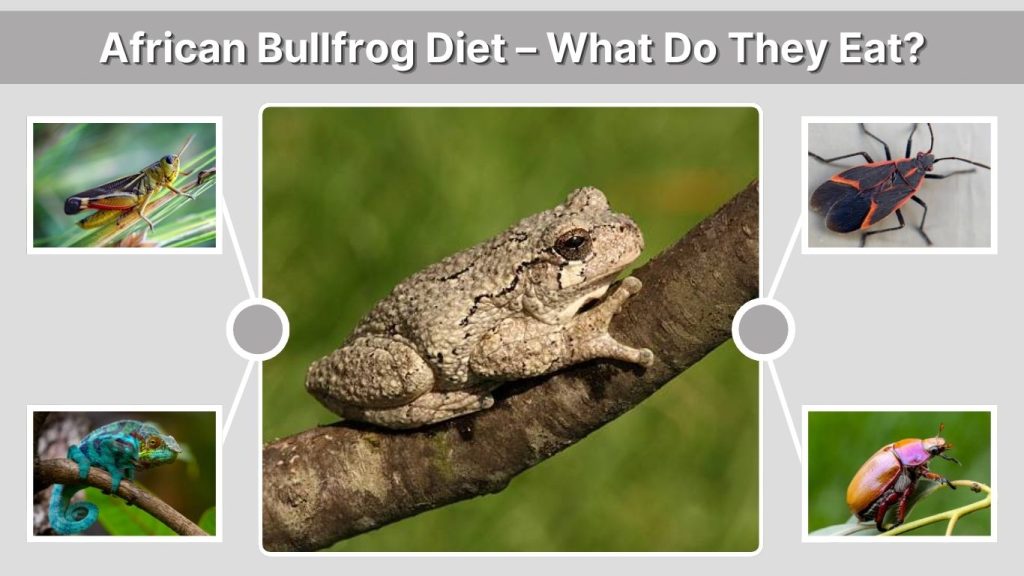
Another frequently asked question is: What does an African bullfrog eat?
African Bullfrog Diet in the Wild
The African bullfrog diet is highly varied and opportunistic. It includes:
- Insects
- Beetles
- Grasshoppers
- Small rodents
- Birds
- Reptiles
- Other frogs
Because of its large size and powerful jaws, it can consume prey that many frogs cannot handle.
Unlike smaller frog species that stick mainly to insects, African bullfrogs are capable of eating vertebrates.
Hunting and Feeding Behavior
The African bullfrog is an ambush predator. It typically waits motionless for prey to approach. When the opportunity arises, it lunges forward with surprising speed.
Its strong jaws and sharp, tooth-like structures called odontoid projections allow it to grip prey firmly. These frogs are not picky eaters and will attempt to swallow almost anything that fits in their mouths.
They are also known for cannibalistic behavior, especially during crowded breeding conditions.
African Bullfrog Lifespan
The African bullfrog lifespan is impressive compared to many other amphibians. In the wild, they typically live around 15 to 20 years. However, in captivity with proper care, they can live even longer — sometimes reaching 20 to 30 years.
Their long lifespan is partly due to their size and adaptability. Because they can burrow and survive harsh dry seasons, they avoid many environmental dangers that affect smaller frog species. In captivity, a controlled environment, steady diet, and protection from predators help them live longer lives.
Are African Bullfrogs Dangerous?
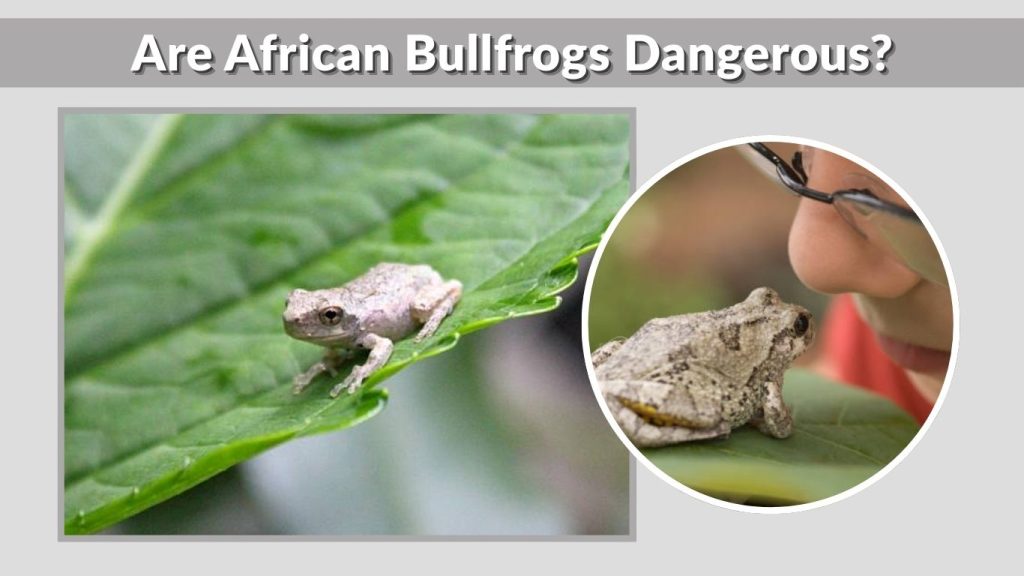
Many people ask: Are African bullfrogs dangerous? The answer depends on the situation.
Do African Bullfrogs Bite?
Yes, African bullfrogs can bite — and they bite hard. They have powerful jaws and sharp odontoid projections that help them grip prey. A defensive bite can break human skin.
They are known for being bold and territorial, especially large males. If they feel threatened, they may lunge rather than retreat.
Are African Bullfrogs Poisonous?
No, African bullfrogs are not poisonous and do not produce toxic skin secretions like poison dart frogs. They are also not venomous.
Their danger comes from their strong bite and aggressive temperament, not from toxins.
Temperament and Aggression
African bullfrogs are considered one of the most aggressive frog species. Males are especially territorial during breeding season and may attack other frogs, animals, or even objects that move near them. Because of this behavior, they should not be handled frequently.
African Bullfrog as a Pet
The African bullfrog pet trade is popular among exotic amphibian enthusiasts. However, they are not ideal for beginners.
Is the African Bullfrog a Good Pet?
African bullfrogs can make interesting pets for experienced keepers. They are hardy, long-lived, and relatively easy to feed. However, they are not interactive animals and do not enjoy being handled.
Their aggressive nature and strong bite mean they are better suited for observation rather than physical interaction.
African Bullfrog Care Requirements
Proper African bullfrog care includes:
- A large enclosure (at least 20–40 gallons for adults)
- Deep substrate for burrowing
- Clean water dish for soaking
- Warm temperatures (75–85°F)
- Moderate humidity
The enclosure should allow both dry and moist areas so the frog can regulate its comfort level.
Feeding an African Bullfrog in Captivity
In captivity, their diet typically includes:
- Crickets
- Roaches
- Worms
- Occasional pinky mice (for adults)
Overfeeding is a common problem. Because they are opportunistic eaters, they will continue eating even when not hungry, leading to obesity.
Calcium and vitamin supplements are also important to maintain bone health.
Common Health Issues
Some health concerns include:
- Obesity
- Impaction from swallowing substrate
- Infections due to improper humidity
With proper husbandry, however, African bullfrogs are generally hardy and resilient pets.
African Bullfrog Life Cycle
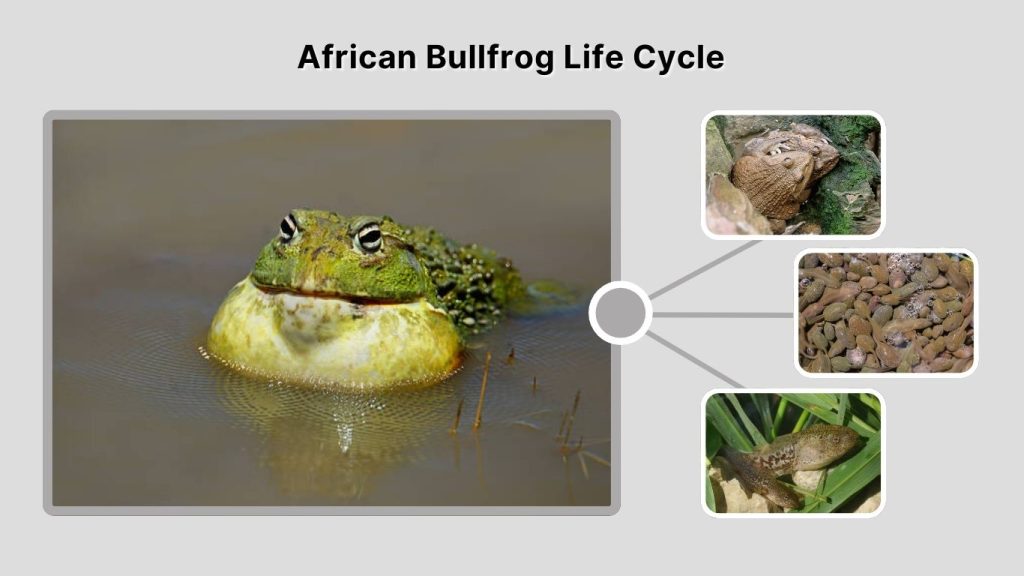
Breeding Season
The breeding season begins after heavy rains. Males gather in temporary pools and produce loud, deep calls to attract females.
These calls can be extremely powerful and are often heard across large distances.
Eggs and Tadpoles
Females lay thousands of eggs in shallow water. The eggs hatch quickly, and tadpoles begin feeding almost immediately.
The temporary nature of rain pools creates intense competition. Tadpoles grow rapidly to complete development before the water dries up.
Unique Parental Care
One remarkable trait of the African bullfrog is paternal care. The male often stays behind to guard the tadpoles from predators.
In some cases, males have been observed digging channels to connect shrinking pools to larger water sources, helping their offspring survive drying conditions. This behavior is rare among amphibians.
African Bullfrog vs Goliath Frog
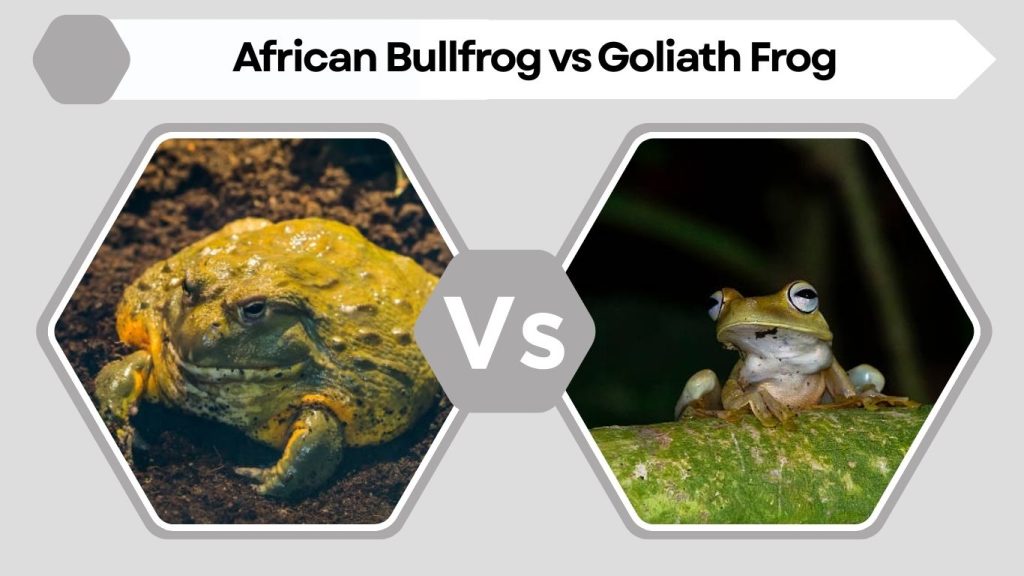
The comparison between the African bullfrog vs Goliath frog highlights interesting differences.
- Size: The Goliath frog is larger overall and holds the record as the biggest frog species.
- Habitat: Goliath frogs live in fast-flowing rainforest rivers, while African bullfrogs inhabit savannas and seasonal wetlands.
- Temperament: African bullfrogs are more aggressive and territorial.
Both species are impressive, but they thrive in very different environments.
African Bullfrog Conservation Status
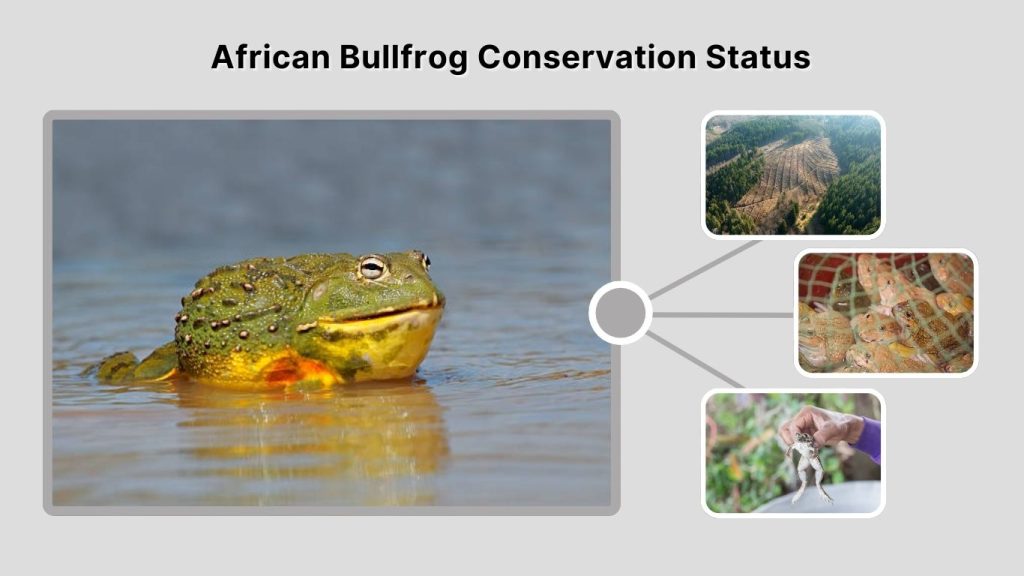
The African bullfrog is currently considered relatively stable compared to some amphibian species. Its wide distribution and adaptability help support population numbers.
However, threats include:
- Habitat loss
- Collection for the pet trade
- Local hunting
Conservation efforts focus on protecting natural habitats and regulating trade to ensure populations remain sustainable.
Interesting African Bullfrog Facts
Here are some fascinating African bullfrog facts:
- Males are much larger than females.
- They can survive underground for months during drought.
- Their croak is loud and deep.
- They are known to eat other frogs, including smaller members of their own species.
- They are sometimes called “Pixie frogs,” despite being massive in size.
These traits make them one of Africa’s most remarkable amphibians.
FAQs
How big does an African bullfrog get?
Male African bullfrogs can grow up to 9–10 inches long and weigh over 4 pounds. Females are much smaller, typically about half the size of males.
Are African bullfrogs good pets?
African bullfrogs can make good pets for experienced owners. They are hardy and long-lived but aggressive and not suitable for frequent handling.
Do African bullfrogs bite?
Yes, African bullfrogs have strong jaws and can bite defensively. Their bite can break skin, so handling should be done carefully or avoided.
What do African bullfrogs eat?
They eat insects, rodents, small birds, reptiles, and other frogs. In captivity, they are commonly fed crickets, worms, and occasional mice.
How long do African bullfrogs live?
In the wild, they live around 15–20 years. In captivity with proper care, they may live up to 30 years.
Are African bullfrogs poisonous?
No, African bullfrogs are not poisonous or venomous. They do not produce toxic skin secretions.