




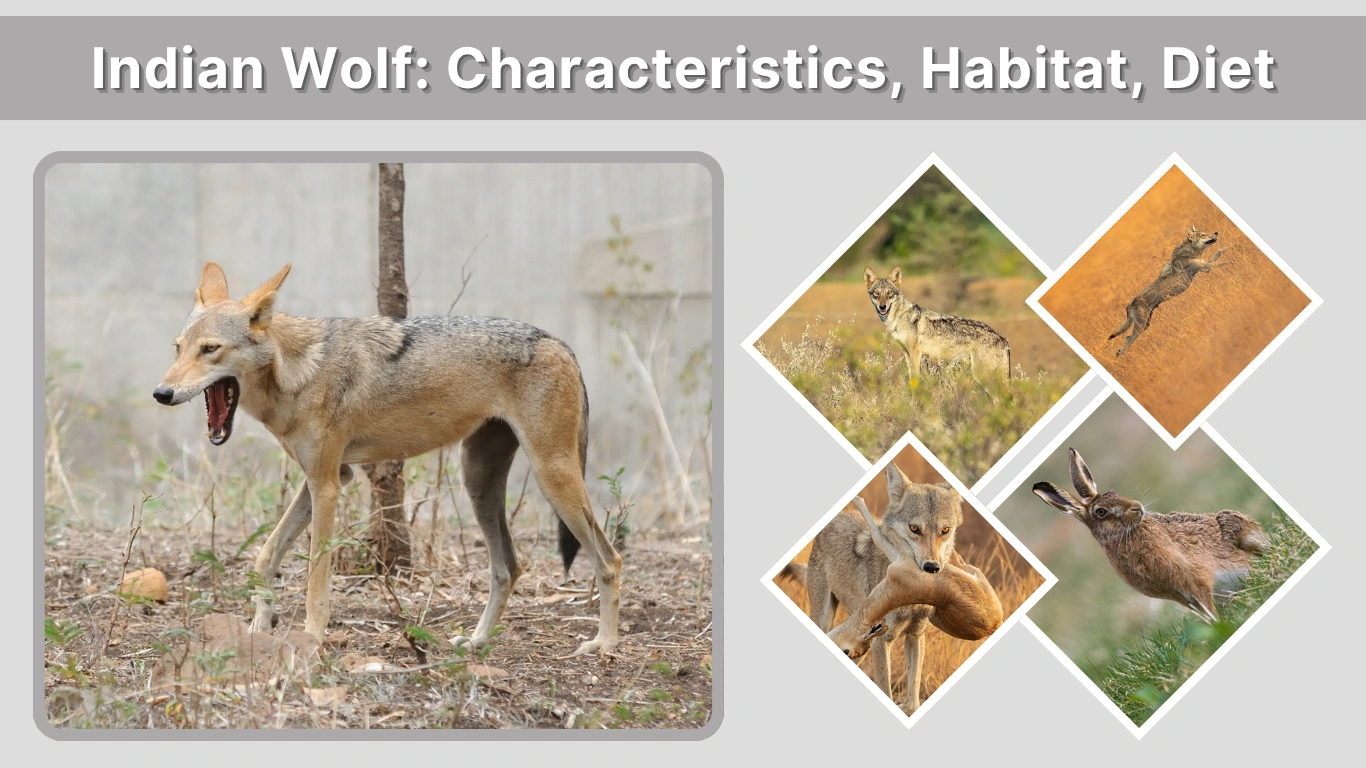
The Indian wolf (Canis lupus pallipes) is a unique and ancient subspecies of the gray wolf, primarily found in the Indian subcontinent and surrounding regions. Unlike its northern relatives, the Indian wolf has adapted to survive in hot, dry environments such as grasslands and semi-arid regions. It is one of the oldest wolf lineages, making it an important species for understanding wolf evolution.
Indian wolves play a vital role in maintaining ecological balance by controlling populations of prey animals. However, they face significant threats due to habitat loss, human conflict, and declining prey availability. Despite these challenges, the Indian wolf remains a fascinating and resilient predator.
Indian Wolf Characteristics
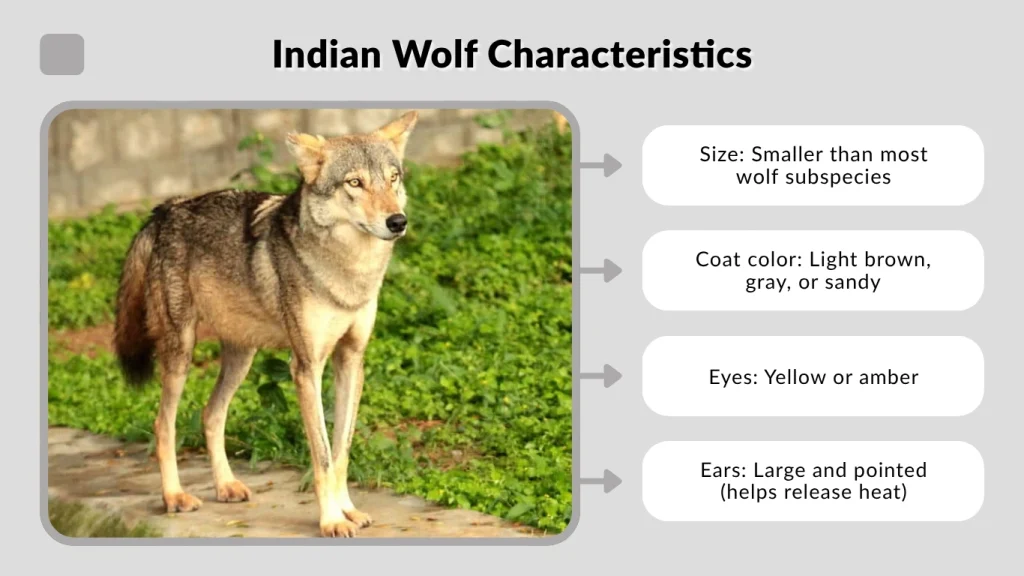
The Indian wolf (Canis lupus pallipes) is a distinct and ancient subspecies of the gray wolf, specially adapted to survive in hot, dry environments. It is known for its lean body, short coat, and high adaptability, making it well-suited for life in grasslands and semi-arid regions.
Quick Characteristics Overview
- Scientific name: Canis lupus pallipes
- Family: Canidae
- Body type: Lean, lightweight, built for speed
- Behavior: Adaptable, often nocturnal or crepuscular
Key Characteristics (Short List)
- Size: Smaller than most wolf subspecies
- Weight: Typically 18–30 kg
- Coat color: Light brown, gray, or sandy
- Fur: Short and thin (heat adaptation)
- Eyes: Yellow or amber
- Ears: Large and pointed (helps release heat)
- Tail: Bushy but less dense
- Body shape: Slim with long legs for speed
- Build: Agile and lightweight
Behavioral Traits
- Pack size: Smaller groups or solitary hunting
- Activity: Mostly active at night or during cooler hours
- Communication: Less howling, more scent marking and body signals
- Adaptability: Thrives in dry, open landscapes
These characteristics make the Indian wolf highly efficient in surviving harsh climates and distinguish it from other wolf subspecies found in colder regions.
Indian Wolf Habitat
Geographic Distribution
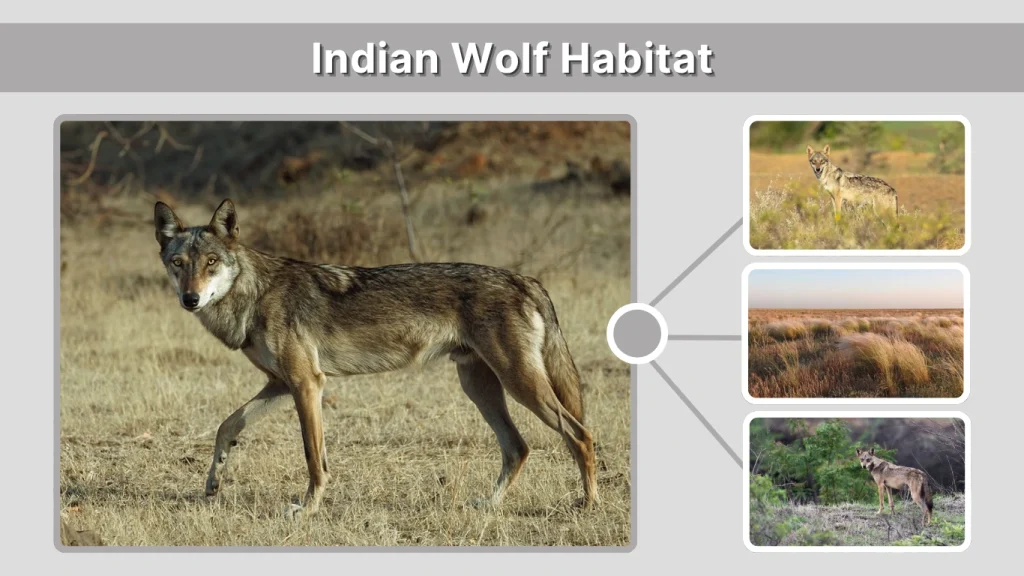
Indian wolves are primarily found in India, especially in central, western, and southern regions. Their range also extends into neighboring countries such as Pakistan, Iran, and parts of the Middle East.
They are most commonly found in regions with open landscapes rather than dense forests.
Types of Habitats
The Indian wolf prefers habitats that are dry and open. These include grasslands, semi-arid plains, and scrub forests. Such environments provide visibility for hunting and are suitable for their fast, agile movement.
Unlike wolves that live in colder regions, Indian wolves do not rely on thick forests or snow-covered terrain. Instead, they thrive in areas with sparse vegetation.
Where Do Indian Wolves Live?
Indian wolves typically inhabit remote rural areas where human activity is relatively low. However, they are often found near villages and agricultural lands, especially where prey such as livestock or small animals is available.
Their ability to adapt to human-altered landscapes has helped them survive, but it also increases the likelihood of conflict with humans.
Indian Wolf Diet

Primary Prey
Indian wolves are carnivores and feed mainly on small to medium-sized animals. Their diet includes antelopes, hares, rodents, and other small mammals. In some cases, they may also prey on livestock, which can lead to conflicts with farmers.
Because large prey is less common in their habitat, Indian wolves rely more on smaller animals compared to other wolf subspecies.
Hunting Behavior
Indian wolves are skilled hunters that rely on speed, stealth, and strategy. Unlike some wolves that hunt in large packs, Indian wolves often hunt alone or in small groups. This approach is better suited to their environment and the type of prey available.
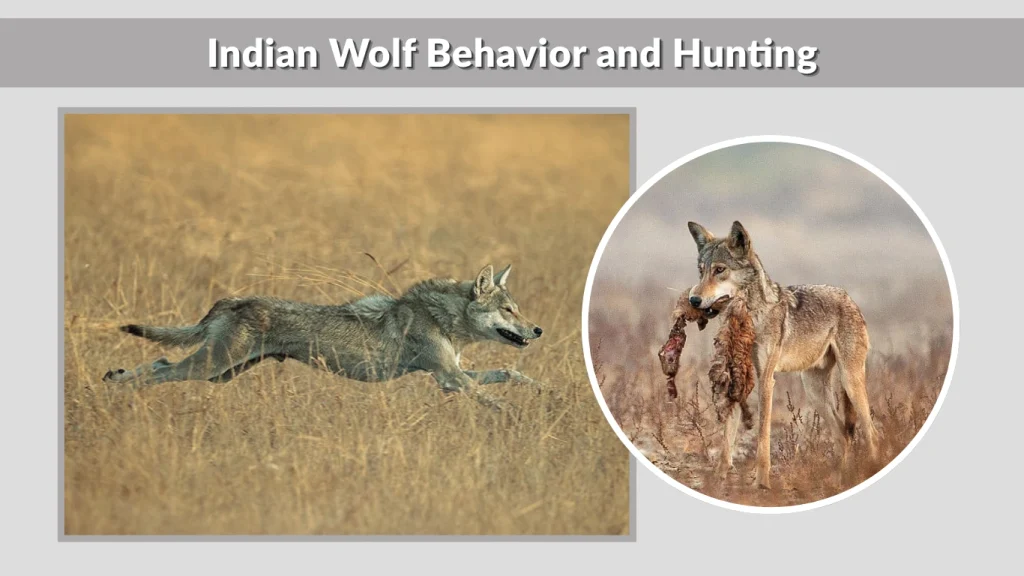
They typically stalk their prey before launching a quick chase, using bursts of speed to catch it.
Feeding Habits
Indian wolves are opportunistic feeders. They will eat whatever is available, including scavenging when necessary. This flexibility allows them to survive in areas where food resources are limited.
After a successful hunt, they consume as much as possible, as they may not find another meal soon.
Indian Wolf Behavior and Hunting
Hunting Techniques
Indian wolves rely on a combination of stealth, speed, and timing when hunting. Unlike wolves in colder regions that depend heavily on pack coordination, Indian wolves often hunt alone or in small groups. This strategy is more effective in open landscapes where prey is smaller and more agile.
They typically stalk their prey carefully before launching a quick chase. Their long legs and lean bodies allow them to accelerate rapidly and catch prey over short distances.
Social Structure
Indian wolves generally live in smaller packs compared to other wolf subspecies. A typical group may consist of a breeding pair and their offspring. In some cases, individuals may hunt alone, especially when food is scarce.
Their social structure is flexible and depends largely on environmental conditions and prey availability. Smaller pack sizes reduce competition for limited food resources.
Adaptations for Survival
Indian wolves are well-adapted to survive in hot and dry climates. Their short, thin coat helps regulate body temperature, while their large ears assist in dissipating heat.
They are also capable of surviving with limited water by obtaining moisture from their prey. Their ability to travel long distances in search of food and water is another key survival trait.
Indian Wolf Facts
Unique Traits
One of the most interesting facts about Indian wolves is that they represent one of the oldest wolf lineages. Their evolutionary history sets them apart from other subspecies.
They are also less vocal than gray wolves and do not howl as frequently. Instead, they rely more on scent marking and body language for communication.
Reproduction
Indian wolves usually breed during the winter season. After a gestation period of about 60 to 63 days, the female gives birth to a litter of pups, typically ranging from 4 to 6.
The pups are raised in dens, which are often dug in the ground or located in sheltered areas. Both parents play a role in caring for the young, and the pups begin learning survival skills at an early age.
Communication
Communication among Indian wolves involves a mix of subtle signals. While they do howl, it is less frequent compared to other wolves. They rely more on scent marking, body posture, and facial expressions to communicate within the pack.
Indian Wolf vs Gray Wolf
Size and Appearance
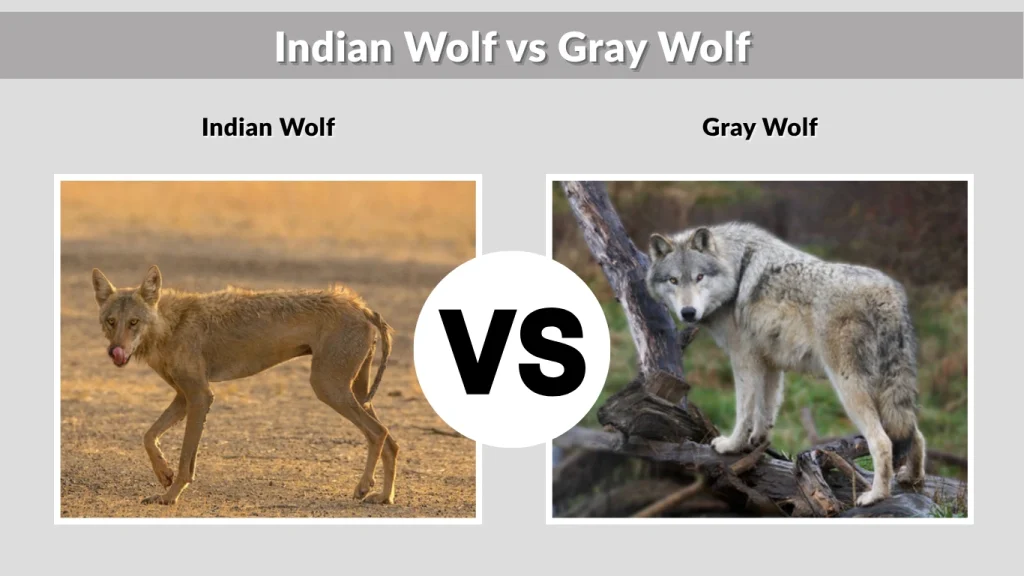
Indian wolves are smaller, lighter, and more slender than gray wolves. They have shorter fur and a more streamlined body, which is better suited for hot climates. In contrast, gray wolves are larger, heavier, and have thicker fur for colder environments.
Habitat Differences
Indian wolves inhabit dry grasslands, scrublands, and semi-arid regions, while gray wolves are found in forests, tundra, and mountainous areas. These habitat differences have shaped their physical and behavioral adaptations.
Behavior Differences
Indian wolves tend to live in smaller groups and may hunt alone, whereas gray wolves often live in larger packs and rely heavily on cooperative hunting. Indian wolves are also less vocal and more adapted to human presence in rural areas.
Lifespan of Indian Wolves
In the wild, Indian wolves typically live between 6 to 8 years. Their lifespan is influenced by factors such as food availability, disease, and human-related threats.
In captivity or protected environments, they can live longer, sometimes reaching up to 12 to 15 years. Access to regular food and medical care contributes to their increased lifespan.
Conservation Status
Current Population
The Indian wolf is considered endangered or vulnerable in many regions due to declining population numbers. Their numbers are not as stable as some other wolf subspecies.
Threats
The main threats to Indian wolves include habitat loss due to agricultural expansion, human-wildlife conflict, and a decline in natural prey. Livestock predation often leads to retaliation from farmers.
Conservation Efforts
Efforts to protect Indian wolves include establishing protected areas, enforcing wildlife protection laws, and raising awareness about their ecological importance. Conservation programs also aim to reduce conflict between humans and wolves.
FAQs
What makes the Indian wolf different from other wolves?
The Indian wolf is smaller, leaner, and has a shorter coat compared to other wolves. It is specially adapted to hot and dry environments, unlike wolves found in colder regions.
Where are Indian wolves mostly found?
Indian wolves are mainly found in India, especially in grasslands and semi-arid regions. They are also present in parts of Pakistan, Iran, and the Middle East.
What do Indian wolves eat?
Indian wolves primarily eat small to medium-sized animals such as antelopes, hares, and rodents. They may also prey on livestock in some areas.
Are Indian wolves social animals?
Yes, Indian wolves are social but usually live in smaller packs compared to other wolf subspecies. Sometimes they may hunt alone depending on food availability.
How do Indian wolves survive in hot climates?
They survive by having short, thin fur, large ears for heat release, and by being active during cooler times of the day, such as early morning or evening.
Conclusion
The Indian wolf is a remarkable and ancient subspecies that has adapted to survive in some of the harshest environments. Its lean body, unique behavior, and survival strategies make it distinct from other wolves around the world.
Despite facing significant challenges, the Indian wolf continues to play a crucial role in maintaining ecological balance. Protecting this species is essential not only for biodiversity but also for preserving the natural heritage of the regions it inhabits.