



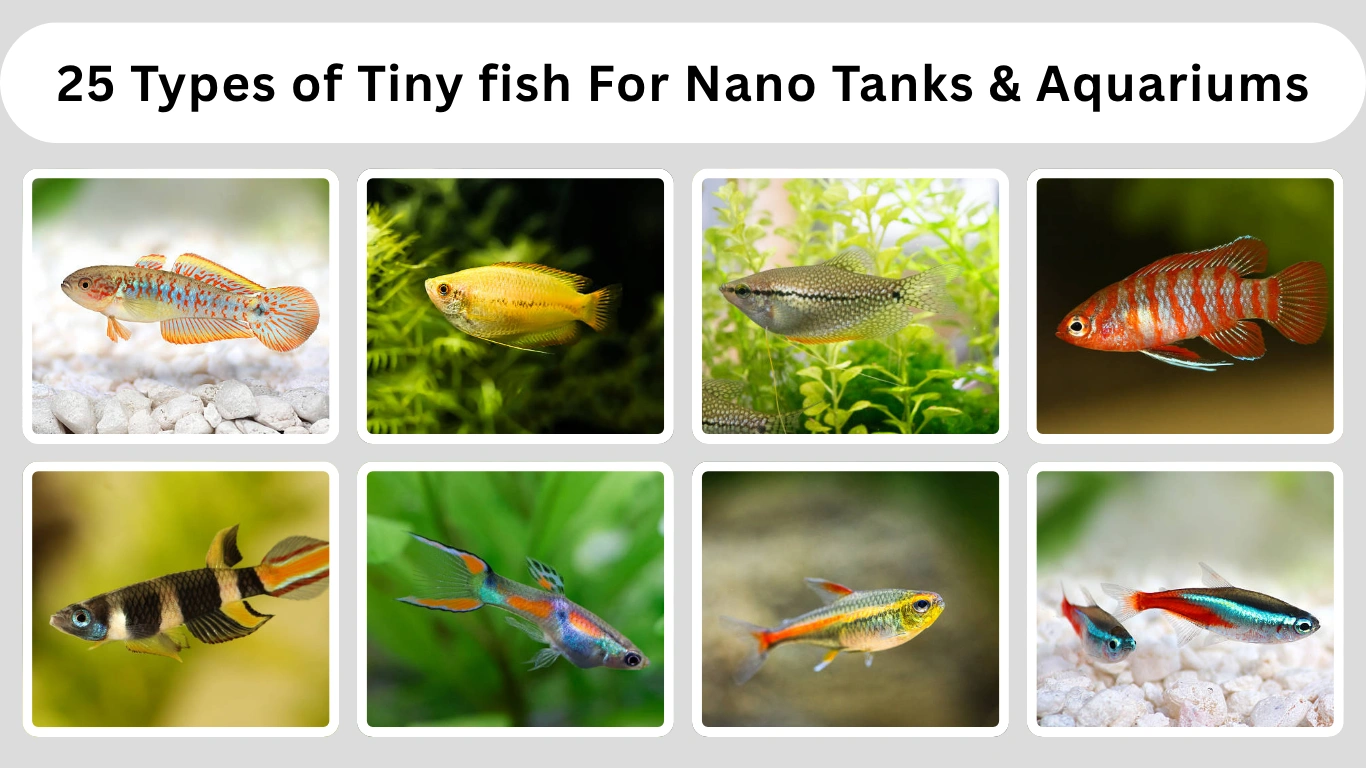
Nano aquariums are perfect for small spaces, and choosing the right fish makes all the difference. Tiny fish are not only space-efficient but also bring vibrant colors, peaceful behavior, and lively movement to your tank. Whether you’re a beginner or an experienced aquarist, selecting suitable nano species ensures a healthy and visually appealing setup. In this guide, you’ll discover 25 of the best tiny fish that thrive in nano tanks and are easy to care for.
1. Neon Tetra
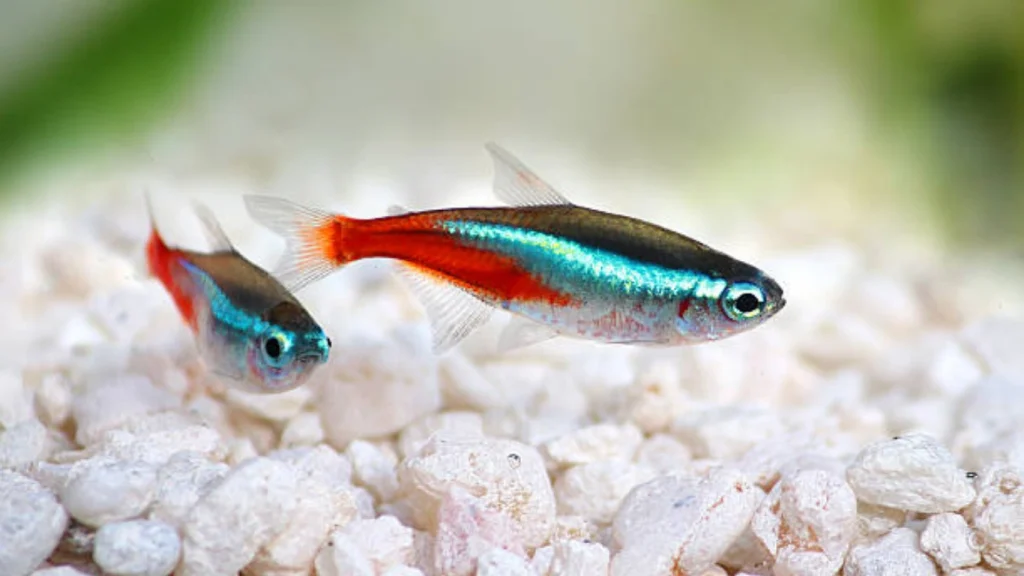
A Neon Tetra is one of the most popular nano fish, loved for its striking coloration and ease of care. Its glowing blue and red stripes make it stand out even in small aquariums. This species is ideal for beginners because it adapts well to stable tank conditions and thrives in peaceful community setups. When kept in groups, they display natural schooling behavior that adds life and movement to nano tanks.
Identification
- Bright iridescent blue stripe running from head to tail
- Vibrant red stripe covering the lower half of the body
- Slender, torpedo-shaped body
- Transparent fins
- Small size, typically around 1–1.5 inches
Size and Lifespan
Neon Tetras usually grow up to about 1 to 1.5 inches in length, making them perfect for nano aquariums. Despite their small size, they can live for around 4 to 5 years under proper care. Clean water, stable temperature, and a stress-free environment significantly increase their lifespan. Sudden changes in water conditions can shorten their life, so consistency is key.
Behavior and Temperament
Neon Tetras are peaceful, gentle fish that thrive in groups. They are schooling fish and should be kept in groups of at least six, though larger groups are even better. When kept alone or in small numbers, they may become shy or stressed. They are compatible with other small, non-aggressive species and rarely show any signs of aggression.
Tank Requirements
These fish prefer a well-planted tank with soft lighting and plenty of hiding spots. A tank size of 5 to 10 gallons is suitable for a small group, but larger tanks are always better. They thrive in slightly acidic to neutral water with a temperature range of 20–26°C. Gentle filtration and regular water changes help maintain their health and vibrant coloration.
Diet
Neon Tetras are omnivores and are not picky eaters. They accept high-quality flake food, micro pellets, and frozen or live foods such as brine shrimp and daphnia. A varied diet helps enhance their color and overall health. Feeding them small amounts once or twice a day is ideal, ensuring no excess food pollutes the water.
2. Ember Tetra
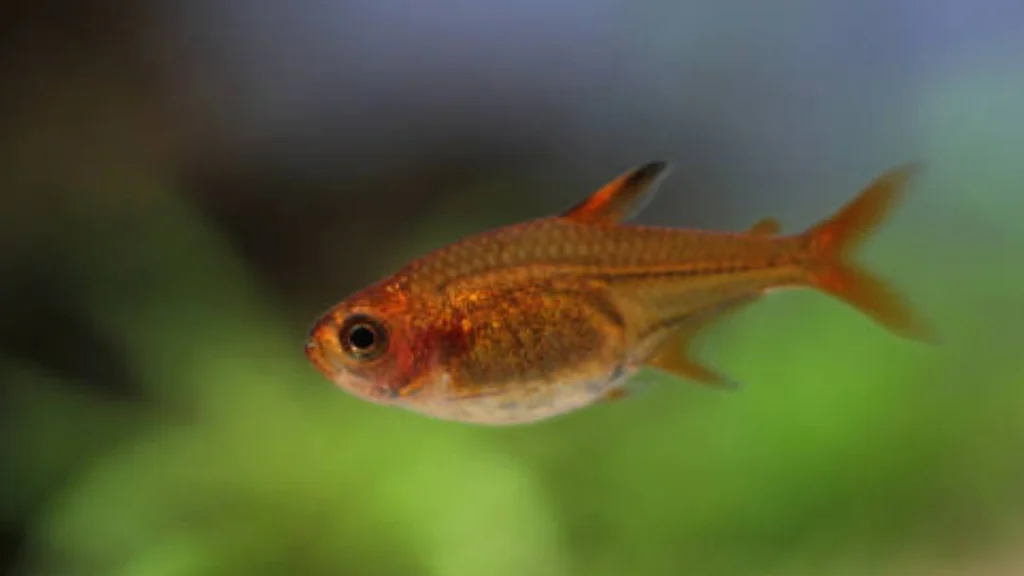
The Ember Tetra is a tiny, vibrant fish known for its glowing orange coloration and calm nature. It is perfect for nano aquariums due to its small size and low bioload. These fish are especially attractive in planted tanks where their bright color contrasts beautifully with greenery. They are beginner-friendly and do best when kept in groups.
Identification
- Bright orange to reddish body coloration
- Slender and slightly elongated body
- Transparent to lightly tinted fins
- Small size, usually under 1 inch
- Subtle black outline near the dorsal area
Size and Lifespan
Ember Tetras are very small, typically growing to about 0.8 inches in length. Despite their tiny size, they can live for around 2 to 4 years with proper care. Their lifespan depends heavily on water quality, diet, and stress levels. Stable tank conditions and regular maintenance are important for keeping them healthy.
Behavior and Temperament
These fish are extremely peaceful and shy, making them ideal for calm community tanks. They are schooling fish and should be kept in groups of at least 6 to 10 individuals. In larger groups, they become more active and confident. They rarely show aggression and coexist well with other small, non-aggressive species.
Tank Requirements
Ember Tetras thrive in heavily planted tanks with soft lighting and dark substrate. A minimum tank size of 5 gallons is suitable, though larger tanks provide better stability. They prefer slightly acidic to neutral water and a temperature range of 22–28°C. Gentle filtration and low water flow are recommended.
Diet
They are omnivores and accept a variety of foods, including finely crushed flakes, micro pellets, and small live or frozen foods like baby brine shrimp. Due to their tiny mouths, food should be appropriately sized. Feeding small portions once or twice daily helps maintain their health and coloration.
3. Green Neon Tetra
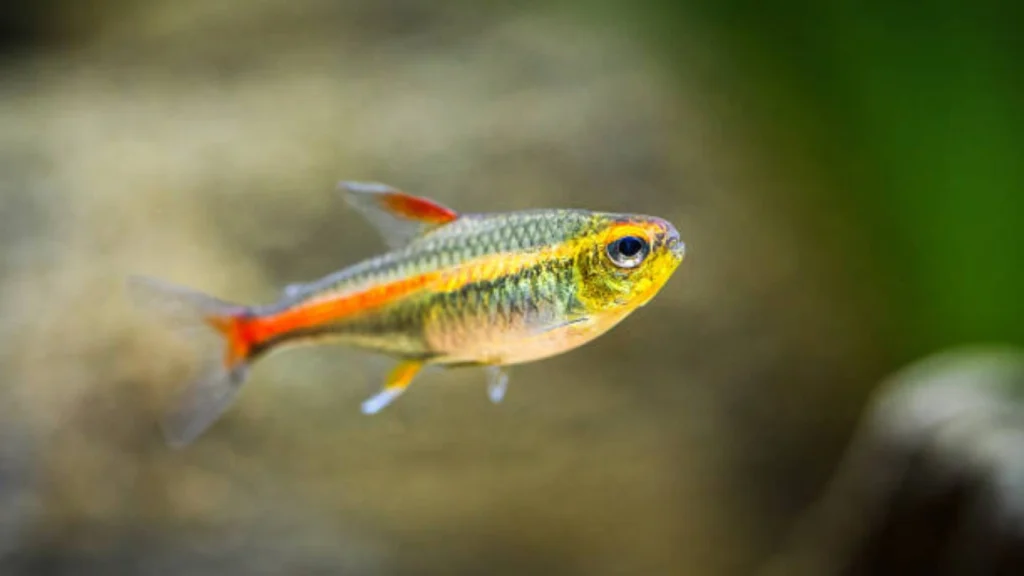
The Green Neon Tetra is a close relative of the standard Neon Tetra but is slightly smaller and displays a more intense green-blue shimmer. It is an excellent choice for nano aquariums due to its compact size and peaceful nature. These fish are best kept in groups and look especially stunning in planted tanks with dim lighting.
Identification
- Bright greenish-blue iridescent stripe along the body
- Red coloration limited to the rear half of the body
- Slim, streamlined shape
- Transparent fins
- Smaller than standard Neon Tetra (around 1 inch)
Size and Lifespan
Green Neon Tetras typically grow to about 1 inch in length, making them ideal for small tanks. They can live for around 3 to 5 years when kept in stable conditions. Clean, soft water and a stress-free environment play a major role in extending their lifespan.
Behavior and Temperament
These fish are peaceful and prefer to live in schools. A group of at least 6 to 8 individuals is recommended, though larger groups are better for natural behavior. They are slightly more sensitive than regular Neon Tetras, so they do best in well-established tanks. They mix well with other small, calm species.
Tank Requirements
Green Neon Tetras thrive in planted aquariums with subdued lighting and plenty of hiding spaces. A tank size of 5 to 10 gallons works well for a small group. They prefer soft, slightly acidic water and a temperature range of 22–26°C. Stable water conditions are essential for their health.
Diet
They are omnivores and accept a variety of foods, including fine flakes, micro pellets, and live or frozen foods such as daphnia and brine shrimp. Providing a balanced and varied diet helps maintain their vibrant coloration and overall well-being.
4. Chili Rasbora
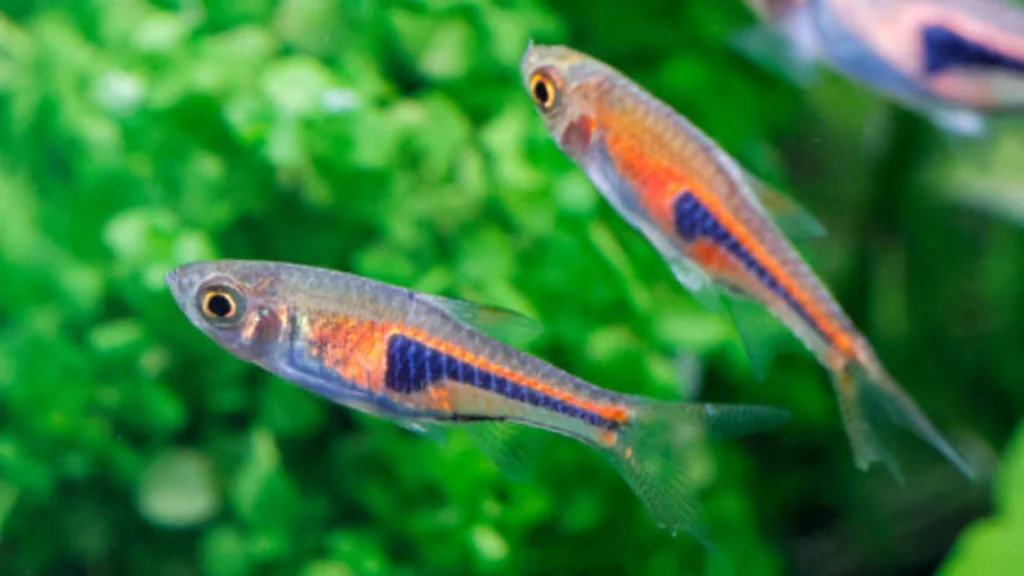
The Chili Rasbora is a tiny, eye-catching fish known for its deep red coloration and active schooling behavior. It is one of the smallest aquarium fish, making it perfect for nano tanks. These fish look especially beautiful in heavily planted setups where their color stands out against green plants. They are ideal for experienced beginners who can maintain stable water conditions.
Identification
- Deep red body with a slim profile
- Distinct dark horizontal stripe along the body
- Transparent fins with slight reddish tint
- Very small size, around 0.6–0.8 inches
- Bright, glowing appearance under good lighting
Size and Lifespan
Chili Rasboras are extremely small, usually reaching only about 0.6 to 0.8 inches in length. Despite their size, they can live for around 3 to 5 years with proper care. Their lifespan depends on stable water parameters, good diet, and low stress. Sudden changes in water quality can affect them quickly due to their delicate nature.
Behavior and Temperament
These fish are peaceful and social, thriving best in groups of at least 8 to 10. In larger groups, they display more natural and active schooling behavior. They are shy in small numbers but become lively and confident when kept properly. They are compatible with other tiny, non-aggressive fish.
Tank Requirements
Chili Rasboras prefer heavily planted tanks with soft, slightly acidic water. A minimum tank size of 5 gallons is suitable, though larger tanks offer better stability. They thrive in temperatures between 24–28°C. Gentle filtration and low water flow are important to mimic their natural habitat.
Diet
They are micro-predators and require very little food. They eat finely crushed flakes, micro pellets, and live or frozen foods like baby brine shrimp and microworms. A varied diet helps enhance their color and overall health. Feeding small amounts once or twice daily is ideal.
5. Phoenix Rasbora
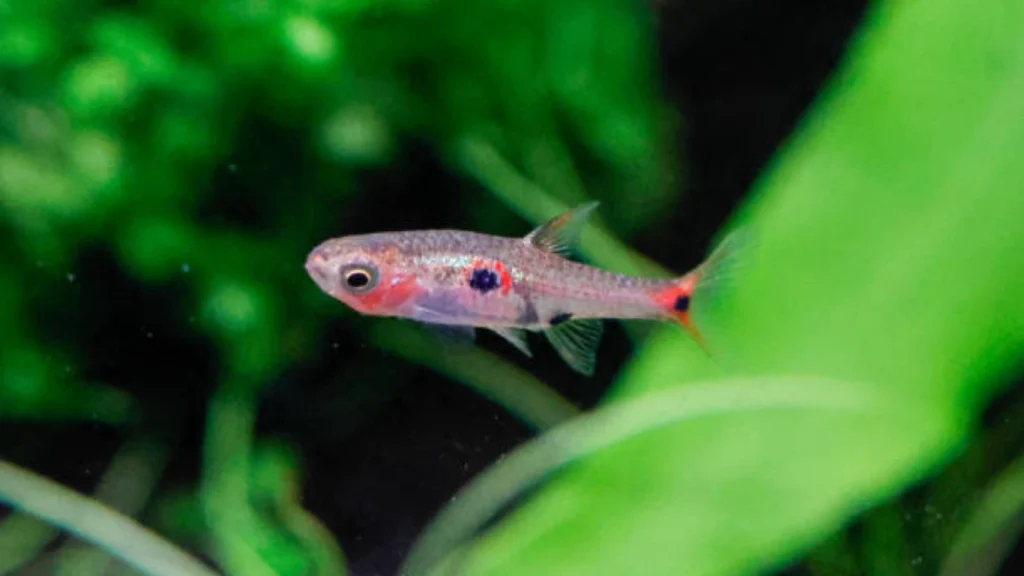
The Phoenix Rasbora is a tiny and vibrant fish, often confused with the Chili Rasbora due to its similar size and coloration. It features a slightly different pattern and a more subtle glow. This species is perfect for nano aquariums, especially planted tanks where its delicate beauty can truly shine. It is best suited for aquarists who can maintain stable water conditions.
Identification
- Reddish-orange body with a more translucent appearance
- Faint dark marking resembling a small “phoenix” shape
- Slender, delicate body structure
- Transparent fins with slight coloration
- Very small size, around 0.6–0.8 inches
Size and Lifespan
Phoenix Rasboras typically grow to about 0.6 to 0.8 inches, making them ideal for very small tanks. With proper care, they can live for around 3 to 5 years. Their lifespan is closely linked to water quality, so clean and stable conditions are essential for their long-term health.
Behavior and Temperament
These fish are peaceful and prefer to live in groups. A school of at least 8 to 10 individuals is recommended for them to feel secure. They are shy by nature but become more active and visible in larger groups. They do well with other tiny, calm fish and are not aggressive.
Tank Requirements
Phoenix Rasboras thrive in well-planted aquariums with soft, slightly acidic water. A tank size of at least 5 gallons is suitable, though more space is always beneficial. They prefer temperatures between 24–28°C and gentle water flow. A natural, densely planted environment helps reduce stress.
Diet
They are micro-feeders and require very small food. Suitable options include finely crushed flakes, micro pellets, and live or frozen foods like baby brine shrimp. A varied diet supports their health and enhances their subtle coloration. Feeding small portions regularly is recommended.
6. Strawberry Rasbora
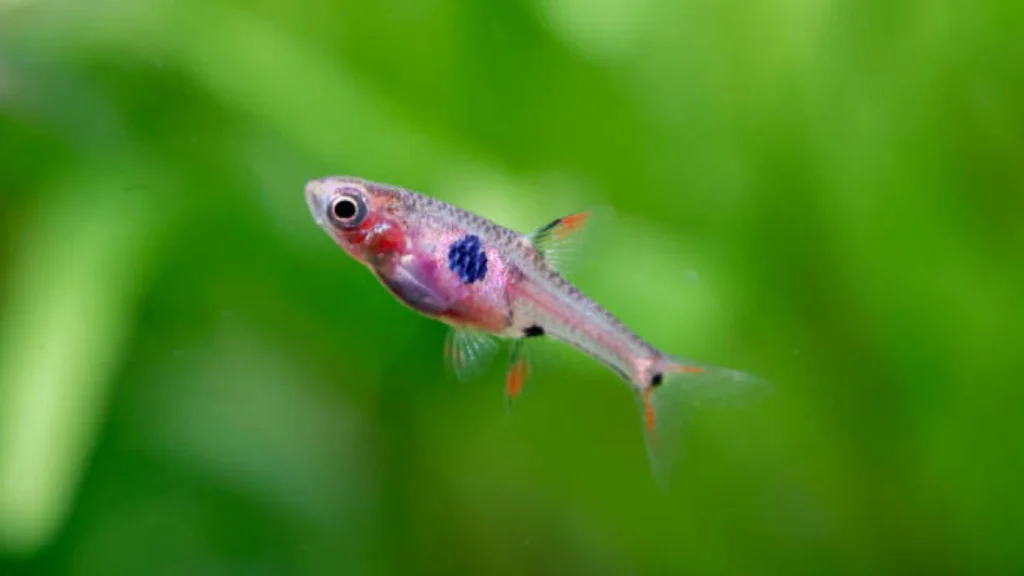
The Strawberry Rasbora is a small, colorful fish admired for its soft red tones and peaceful nature. It is closely related to other micro rasboras but has a slightly more patterned appearance. This fish is perfect for nano aquariums, especially in planted setups where its gentle coloration blends beautifully with the environment.
Identification
- Soft red to pinkish body coloration
- Subtle dark spots or markings along the body
- Slender and delicate body shape
- Transparent fins with a light tint
- Very small size, around 0.8 inches
Size and Lifespan
Strawberry Rasboras usually grow up to about 0.8 inches in length. With proper care, they can live for around 3 to 5 years. Their longevity depends on maintaining stable water conditions, providing a balanced diet, and minimizing stress in the aquarium.
Behavior and Temperament
These fish are peaceful and shy, making them ideal for calm community tanks. They should be kept in groups of at least 8 to 10 to feel secure and display natural behavior. In larger groups, they become more active and visible. They get along well with other small, non-aggressive species.
Tank Requirements
Strawberry Rasboras thrive in densely planted tanks with soft lighting and gentle water flow. A minimum tank size of 5 gallons is recommended, though a larger tank offers better stability. They prefer slightly acidic to neutral water and a temperature range of 24–28°C.
Diet
They are micro-predators and require small-sized food. They accept finely crushed flakes, micro pellets, and live or frozen foods like baby brine shrimp and daphnia. A varied diet helps maintain their color and overall health. Feeding small portions once or twice daily is ideal.
7. Celestial Pearl Danio
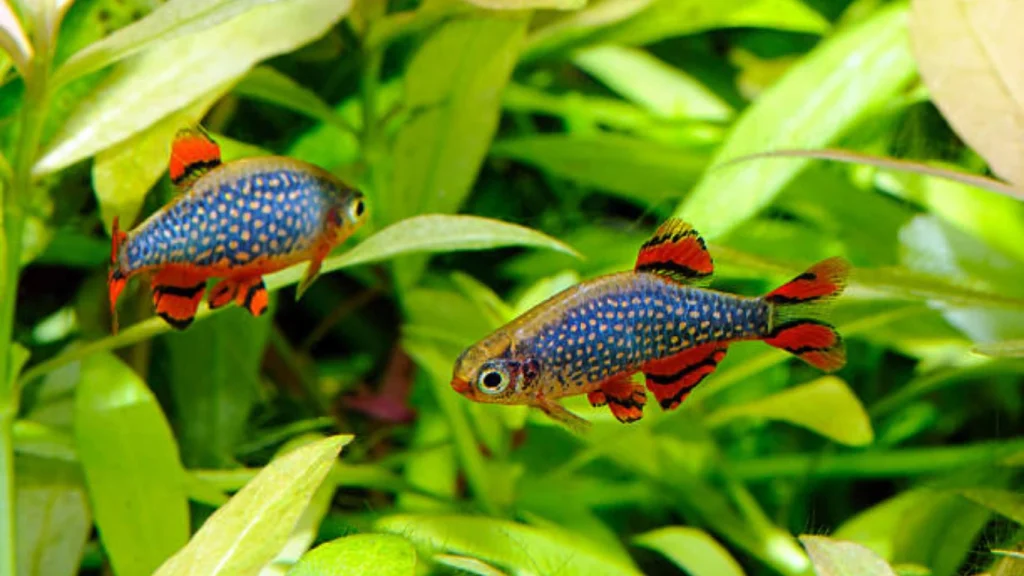
The Celestial Pearl Danio, also known as Galaxy Rasbora, is a stunning nano fish famous for its star-like spots and vibrant colors. It is highly popular among aquarists due to its unique appearance and suitability for small tanks. These fish thrive in planted aquariums and are best kept in groups to display their natural behavior.
Identification
- Dark blue body covered with pearl-like white spots
- Bright orange to red fins with black stripes
- Slightly rounded, compact body shape
- Small size, around 1 inch
- Males are more colorful than females
Size and Lifespan
Celestial Pearl Danios grow to about 1 inch in length, making them perfect for nano aquariums. They typically live for around 3 to 5 years when kept in stable and clean conditions. Proper care, including good water quality and nutrition, plays a key role in extending their lifespan.
Behavior and Temperament
These fish are peaceful but can be slightly shy, especially in smaller groups. Keeping them in groups of at least 6 to 10 helps them feel secure and encourages more active behavior. Males may occasionally display mild territorial behavior, but it is usually harmless.
Tank Requirements
They prefer a well-planted tank with plenty of hiding spots and gentle water flow. A tank size of at least 5 to 10 gallons is recommended. They thrive in slightly acidic to neutral water with a temperature range of 22–26°C. Stable conditions are very important for their health.
Diet
Celestial Pearl Danios are omnivores and enjoy a varied diet. They accept micro pellets, crushed flakes, and live or frozen foods like daphnia and brine shrimp. A balanced diet enhances their coloration and keeps them healthy. Feeding small portions regularly is ideal.
8. Endler’s Livebearer
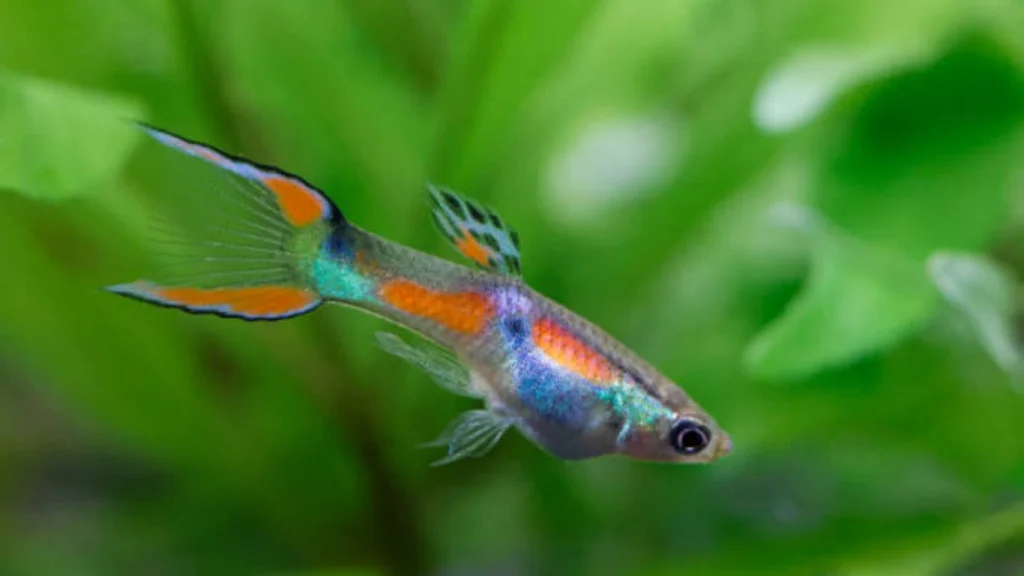
Endler’s Livebearer is a small, colorful fish known for its vibrant patterns and active behavior. It is very hardy and easy to care for, making it an excellent choice for beginners. These fish are constantly moving, adding energy and life to nano aquariums. They are especially popular for their bright, mixed color variations.
Identification
- Bright, multi-colored body (orange, green, black, and yellow patterns)
- Slender and slightly elongated shape
- Males are smaller and more colorful than females
- Transparent fins with colorful highlights
- Small size, around 1–1.5 inches
Size and Lifespan
Endler’s Livebearers typically grow to about 1 to 1.5 inches in length. They have a lifespan of around 2 to 3 years, though they may live longer with proper care. Their hardiness makes them more forgiving of minor water condition changes compared to other nano fish.
Behavior and Temperament
These fish are peaceful, active, and social. They do well in groups and are constantly swimming around the tank. Males may show mild chasing behavior, especially during breeding, but it is generally harmless. They are compatible with other peaceful fish of similar size.
Tank Requirements
A tank of at least 5 to 10 gallons is suitable for a small group. They prefer well-planted tanks with open swimming space. Water temperature should be between 22–28°C with neutral to slightly alkaline conditions. Regular maintenance helps keep them healthy and active.
Diet
Endler’s Livebearers are omnivores and not picky eaters. They accept flakes, micro pellets, and live or frozen foods such as brine shrimp and daphnia. A varied diet enhances their coloration and overall health. Feeding small amounts once or twice daily is recommended.
9. Least Killifish
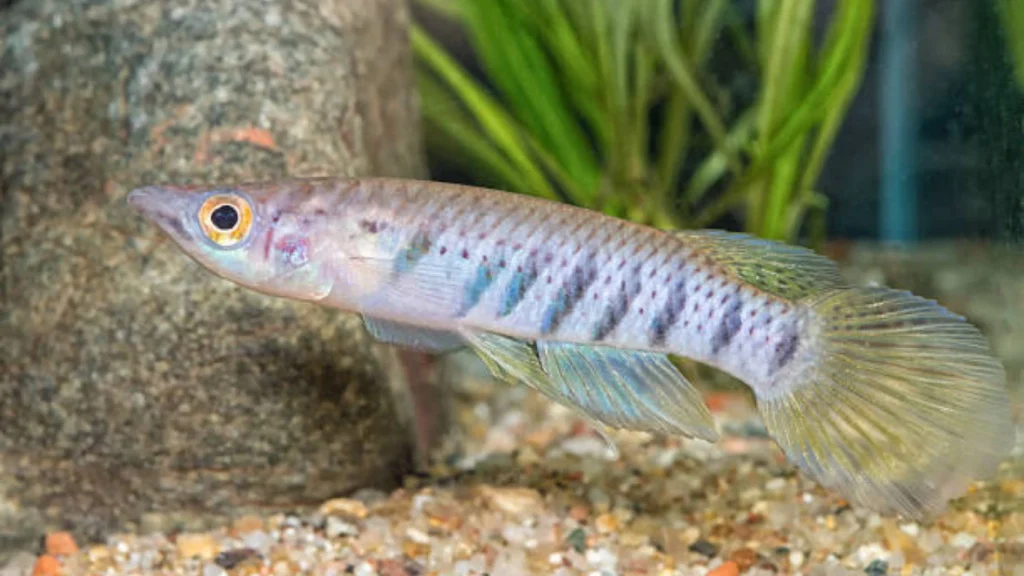
The Least Killifish is one of the smallest livebearing fish in the world, making it a perfect choice for nano aquariums. Despite its name, it is not a true killifish. It is hardy, peaceful, and easy to care for, making it suitable for beginners. Its subtle appearance is balanced by its interesting behavior.
Identification
- Pale silver to light brown body
- Dark horizontal stripe along the side
- Rounded body shape compared to other nano fish
- Females larger than males
- Very small size, around 1–1.5 inches
Size and Lifespan
Least Killifish typically grow up to about 1 to 1.5 inches, with females being slightly larger than males. They can live for around 2 to 3 years in a well-maintained aquarium. Stable water conditions and a stress-free environment help maximize their lifespan.
Behavior and Temperament
These fish are extremely peaceful and slow-moving. They prefer calm environments and do best with other gentle tank mates. They are not schooling fish but feel more comfortable in small groups. They spend much of their time near plants and at mid-to-top water levels.
Tank Requirements
A 5 to 10-gallon tank is suitable for a small group. They thrive in heavily planted aquariums with gentle water flow. Water temperature should be between 20–26°C with neutral pH. Floating plants are especially beneficial as they provide cover and reduce stress.
Diet
Least Killifish are omnivores with a preference for small live foods. They eat finely crushed flakes, micro pellets, and live or frozen foods like baby brine shrimp. Feeding small portions regularly ensures proper nutrition and keeps them healthy.
10. Pygmy Corydoras
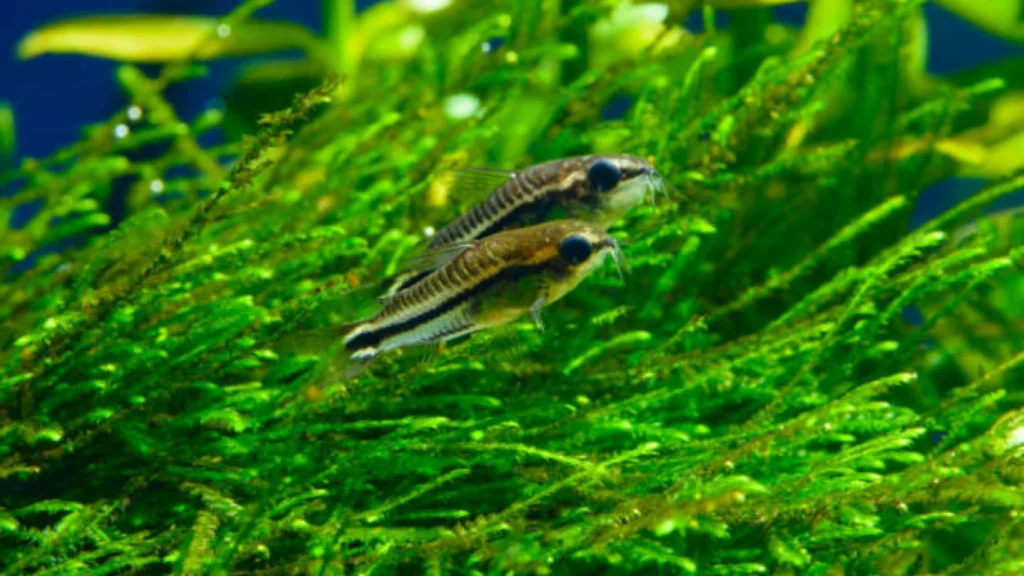
The Pygmy Corydoras is a tiny bottom-dwelling fish known for its peaceful nature and unique schooling behavior. Unlike most Corydoras, it often swims in the mid-water as well as along the substrate. It is an excellent choice for nano aquariums and adds both activity and diversity to the tank.
Identification
- Small, silver body with a horizontal black stripe
- Rounded head with downward-facing mouth
- Transparent fins
- Slightly chubby, compact body shape
- Very small size, around 1 inch
Size and Lifespan
Pygmy Corydoras grow to about 1 inch in length, making them ideal for small aquariums. They typically live for around 3 to 5 years with proper care. Clean water, good oxygenation, and a stress-free environment are key factors in maintaining their lifespan.
Behavior and Temperament
These fish are extremely peaceful and social. They prefer to be in groups of at least 6 to 10 individuals. Unlike other Corydoras, they often swim together in mid-water, creating a schooling effect. They are compatible with other small, non-aggressive fish.
Tank Requirements
They do best in a well-planted tank with soft substrate to protect their delicate barbels. A tank size of at least 5 to 10 gallons is recommended. They prefer temperatures between 22–26°C and gentle water flow. Good filtration and regular water changes are important.
Diet
Pygmy Corydoras are omnivores and bottom feeders. They eat sinking pellets, crushed flakes, and small live or frozen foods like bloodworms and daphnia. They should be fed appropriately sized food that can reach the bottom of the tank.
11. Habrosus Corydoras
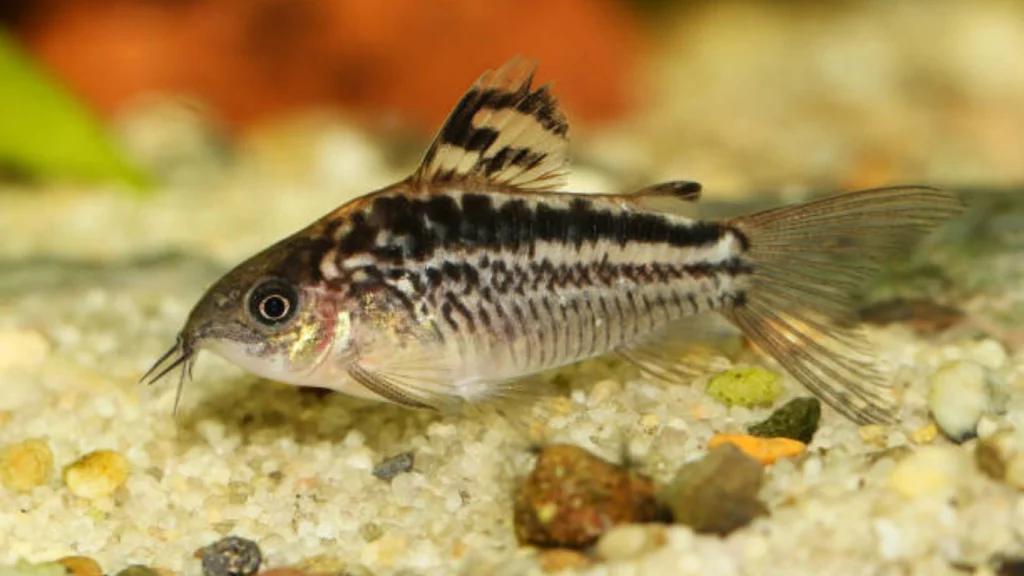
The Habrosus Corydoras, also known as Salt and Pepper Cory, is a small and active bottom-dwelling fish. It is slightly larger than Pygmy Corydoras but still perfect for nano tanks. Its spotted pattern and playful behavior make it a favorite among aquarists who enjoy peaceful community setups.
Identification
- Light gray to silver body with dark “salt and pepper” spots
- Rounded, slightly stocky body shape
- Downward-facing mouth with small barbels
- Transparent fins with subtle markings
- Small size, around 1–1.2 inches
Size and Lifespan
Habrosus Corydoras typically grow to about 1 to 1.2 inches in length. They can live for around 3 to 5 years when kept in good conditions. Their lifespan depends on clean water, proper diet, and low stress levels. Regular maintenance helps keep them healthy.
Behavior and Temperament
These fish are peaceful and social, preferring to live in groups of at least 6 or more. They spend most of their time exploring the bottom but may occasionally swim in mid-water. They are very active and interact well with other small, non-aggressive fish.
Tank Requirements
A tank of 5 to 10 gallons is suitable for a small group. They prefer a soft, sandy substrate to protect their barbels. Plenty of plants and hiding spots are beneficial. Water temperature should be between 22–26°C with gentle filtration and good oxygenation.
Diet
They are omnivores and bottom feeders. They eat sinking pellets, wafers, and small live or frozen foods like bloodworms and daphnia. It’s important to ensure food reaches the bottom so they can feed properly.
12. Hastatus Corydoras
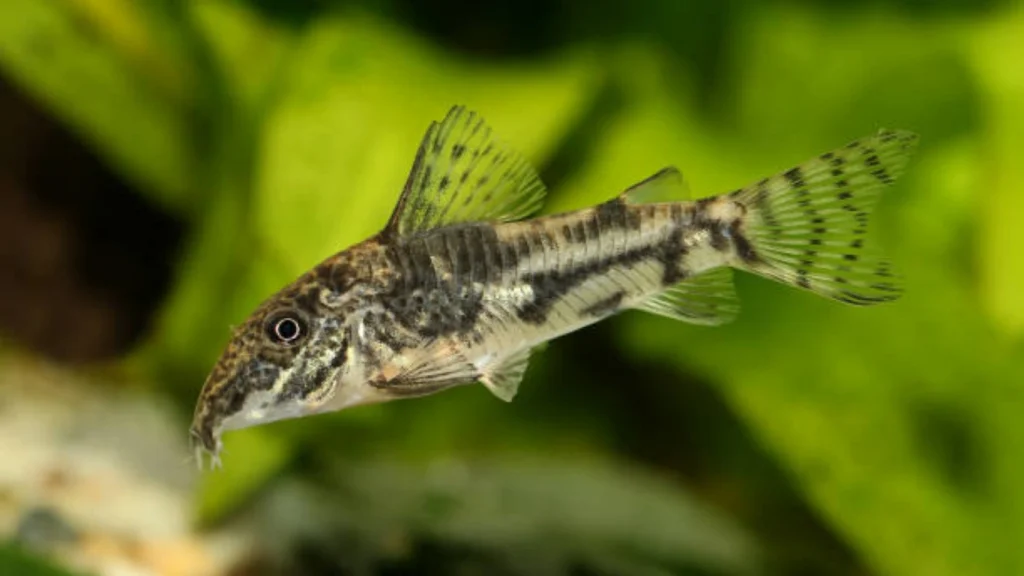
The Hastatus Corydoras, also known as Dwarf Tail-Spot Cory, is a tiny and unique species that behaves differently from most Corydoras. It often swims in mid-water like schooling fish while still spending time near the bottom. Its small size and peaceful nature make it an excellent addition to nano aquariums.
Identification
- Silver body with a distinct black spot at the base of the tail
- Slimmer body compared to other Corydoras
- Transparent fins
- Small and delicate appearance
- Size around 1 inch
Size and Lifespan
Hastatus Corydoras typically grow up to about 1 inch in length. With proper care, they can live for around 3 to 5 years. Maintaining clean water and stable tank conditions is essential for ensuring a healthy lifespan.
Behavior and Temperament
These fish are very peaceful and social. They should be kept in groups of at least 6 to 10 individuals to feel secure. Unlike many bottom dwellers, they frequently swim in the middle of the tank, displaying schooling behavior. They are ideal for community tanks with other small, calm fish.
Tank Requirements
A minimum tank size of 5 to 10 gallons is suitable. They prefer a planted tank with soft substrate and gentle water flow. Water temperature should be between 22–26°C. Providing hiding spots and maintaining good water quality helps reduce stress.
Diet
They are omnivores and feed on small sinking foods. Suitable options include micro pellets, crushed flakes, and live or frozen foods like daphnia and baby brine shrimp. Ensure food is small enough for their tiny mouths and reaches different tank levels.
13. Clown Killifish
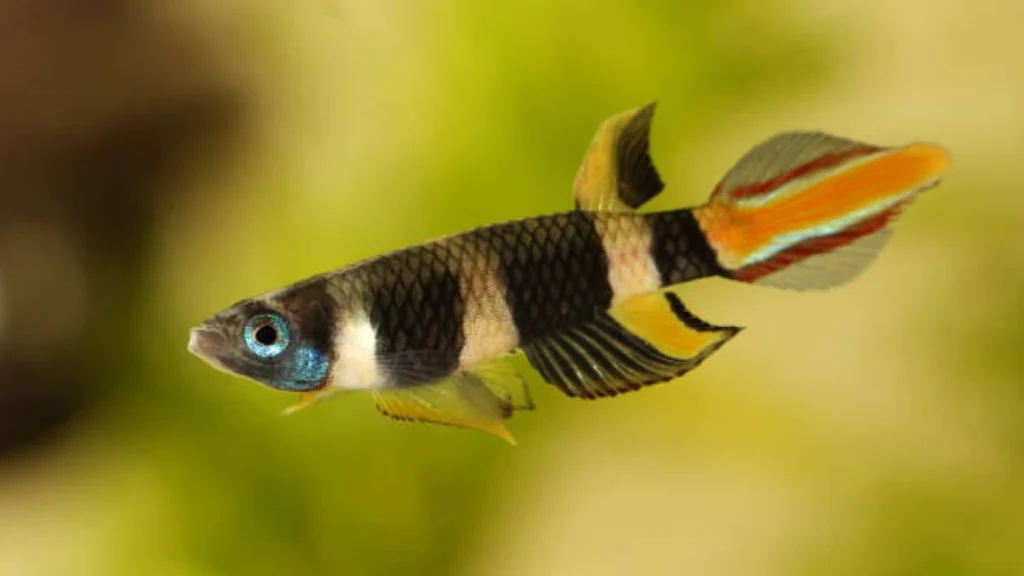
The Clown Killifish is a small, surface-dwelling fish known for its striking pattern and unique swimming style. It is popular in nano aquariums due to its tiny size and colorful appearance. These fish are best suited for well-covered tanks, as they tend to stay near the top and may jump if startled.
Identification
- Elongated body with vertical black and yellow stripes
- Brightly colored tail with blue, red, and yellow highlights
- Upturned mouth adapted for surface feeding
- Slender and delicate body shape
- Small size, around 1–1.2 inches
Size and Lifespan
Clown Killifish typically grow to about 1 to 1.2 inches in length. They can live for around 2 to 3 years in a well-maintained aquarium. Their lifespan depends on stable water conditions, proper diet, and minimizing stress.
Behavior and Temperament
These fish are peaceful but can be slightly territorial among males. They are best kept in small groups with more females than males. They spend most of their time near the water surface and prefer calm tank mates. They are generally shy but become more active in a secure environment.
Tank Requirements
A 5 to 10-gallon tank is suitable for a small group. They prefer heavily planted tanks with floating plants to provide cover. Water temperature should be between 22–26°C with gentle flow. A tight lid is important to prevent jumping.
Diet
Clown Killifish are carnivorous and prefer small live or frozen foods like baby brine shrimp, daphnia, and microworms. They may accept finely crushed flakes, but live foods help maintain their health and vibrant coloration. Feeding small amounts regularly is recommended.
14. Scarlet Badis
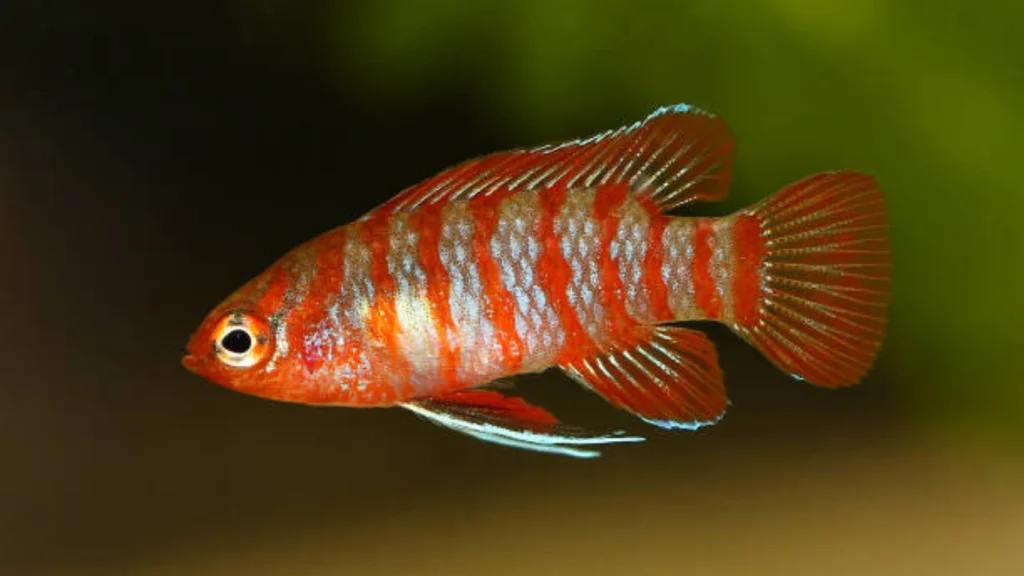
The Scarlet Badis is a tiny, beautifully colored fish known for its bright red and blue patterns. It is a favorite among nano aquarium enthusiasts due to its unique appearance and small size. However, it requires a bit more care compared to other nano fish, making it better suited for slightly experienced aquarists.
Identification
- Bright red body with vertical blue or dark bands
- Compact and slightly elongated shape
- Males are more colorful than females
- Small fins with subtle patterning
- Very small size, around 0.8–1 inch
Size and Lifespan
Scarlet Badis typically grow up to about 0.8 to 1 inch in length. With proper care, they can live for around 3 to 5 years. Their lifespan depends on maintaining stable water conditions and providing a suitable diet, as they can be sensitive to poor environments.
Behavior and Temperament
These fish are generally peaceful but can be territorial, especially males. It is best to keep one male with multiple females or provide plenty of hiding spaces if keeping more males. They are slow-moving and may be outcompeted for food by faster fish.
Tank Requirements
A 5 to 10-gallon tank with dense planting is ideal. They prefer calm water with a temperature range of 22–28°C. Plenty of hiding spots such as plants, driftwood, and caves help reduce stress and territorial behavior. Stable water conditions are very important.
Diet
Scarlet Badis are micropredators and can be picky eaters. They prefer live or frozen foods like daphnia, baby brine shrimp, and microworms. They may not readily accept dry food, so a consistent supply of suitable live food is often necessary.
15. Dwarf Rasbora
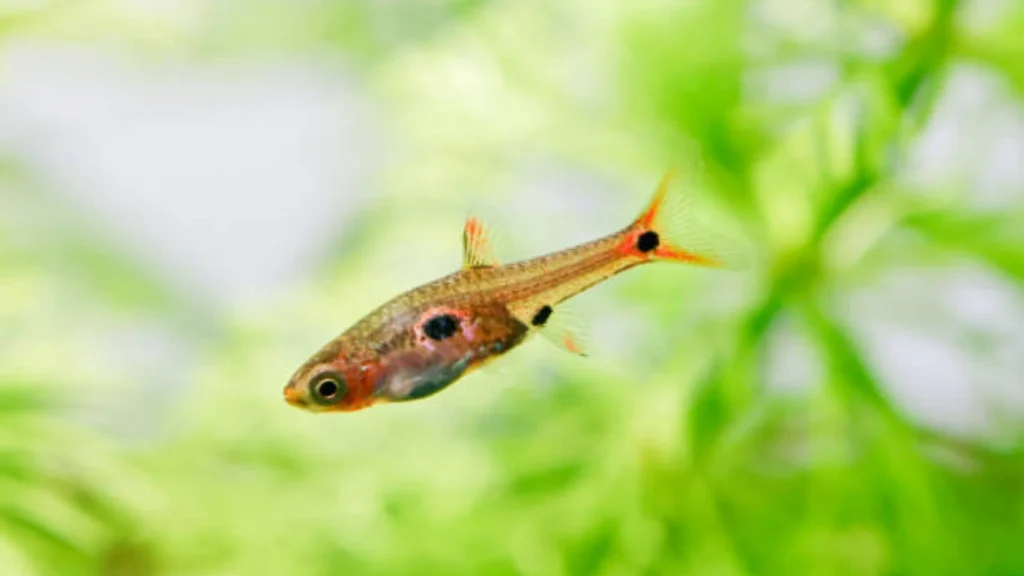
The Dwarf Rasbora is a tiny and peaceful fish, perfect for nano aquariums due to its small size and gentle nature. It is often appreciated for its subtle beauty and active schooling behavior. These fish do best in planted tanks where they feel secure and can display their natural movements.
Identification
- Light reddish to orange body coloration
- Slender, streamlined body shape
- Transparent fins
- Subtle darker stripe along the body
- Very small size, around 0.8–1 inch
Size and Lifespan
Dwarf Rasboras typically grow up to about 0.8 to 1 inch in length. They can live for around 3 to 5 years when kept in stable and clean water conditions. Proper care, including good filtration and regular maintenance, helps extend their lifespan.
Behavior and Temperament
These fish are peaceful and social, making them ideal for community tanks. They should be kept in groups of at least 6 to 10 individuals to feel comfortable. In larger groups, they are more active and display better schooling behavior. They are non-aggressive and mix well with other small fish.
Tank Requirements
A minimum tank size of 5 to 10 gallons is suitable for a small group. They prefer a planted aquarium with soft lighting and gentle water flow. Water temperature should be between 22–26°C with slightly acidic to neutral conditions. Stability is important for their health.
Diet
Dwarf Rasboras are omnivores and accept a variety of foods. They eat finely crushed flakes, micro pellets, and small live or frozen foods like daphnia and baby brine shrimp. A varied diet helps maintain their health and natural coloration.
16. Mosquito Rasbora
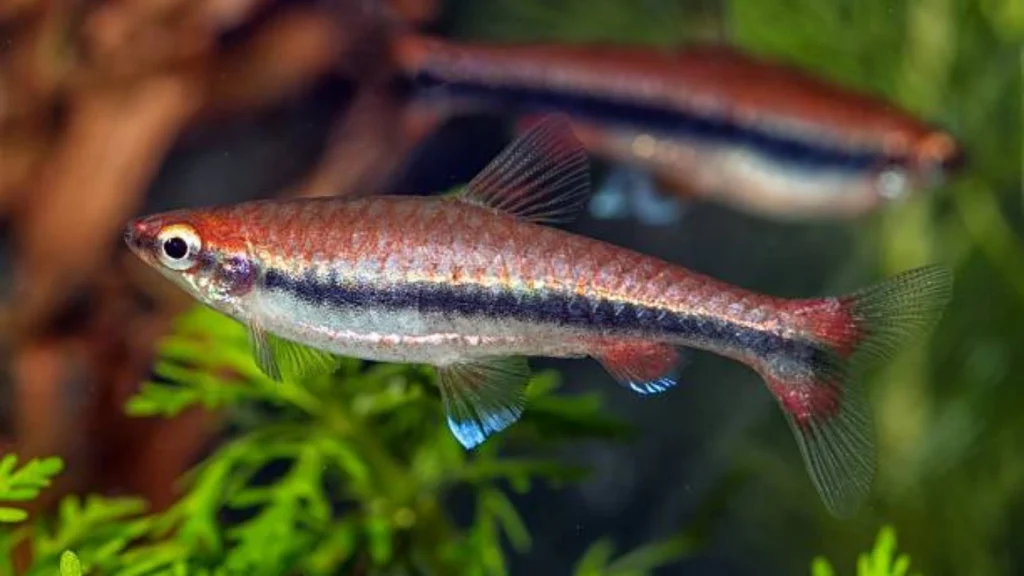
The Mosquito Rasbora is one of the smallest freshwater fish, making it an excellent choice for nano aquariums. Despite its tiny size, it is active and displays interesting schooling behavior. Its subtle coloration may not be flashy, but it adds a natural and lively feel to planted tanks.
Identification
- Pale, semi-transparent body
- Thin dark horizontal stripe along the side
- Very slender and delicate shape
- Transparent fins
- Extremely small size, around 0.6–0.8 inches
Size and Lifespan
Mosquito Rasboras grow to about 0.6 to 0.8 inches in length. With proper care, they can live for around 3 to 5 years. Their small size makes them sensitive to poor water conditions, so stable parameters are essential for a healthy lifespan.
Behavior and Temperament
These fish are peaceful and prefer to live in groups. A school of at least 8 to 10 is recommended to reduce stress and encourage natural behavior. They are shy but become more active and visible in larger groups. They do well with other tiny, non-aggressive species.
Tank Requirements
A 5-gallon tank or larger is suitable for a small group. They thrive in planted aquariums with gentle water flow and soft lighting. Water temperature should be between 22–28°C with slightly acidic to neutral conditions. A calm, stable environment is ideal.
Diet
Mosquito Rasboras are micro-feeders and require very small food. They accept finely crushed flakes, micro pellets, and live or frozen foods like baby brine shrimp and microworms. Feeding small portions regularly ensures proper nutrition and health.
17. Kubotai Rasbora
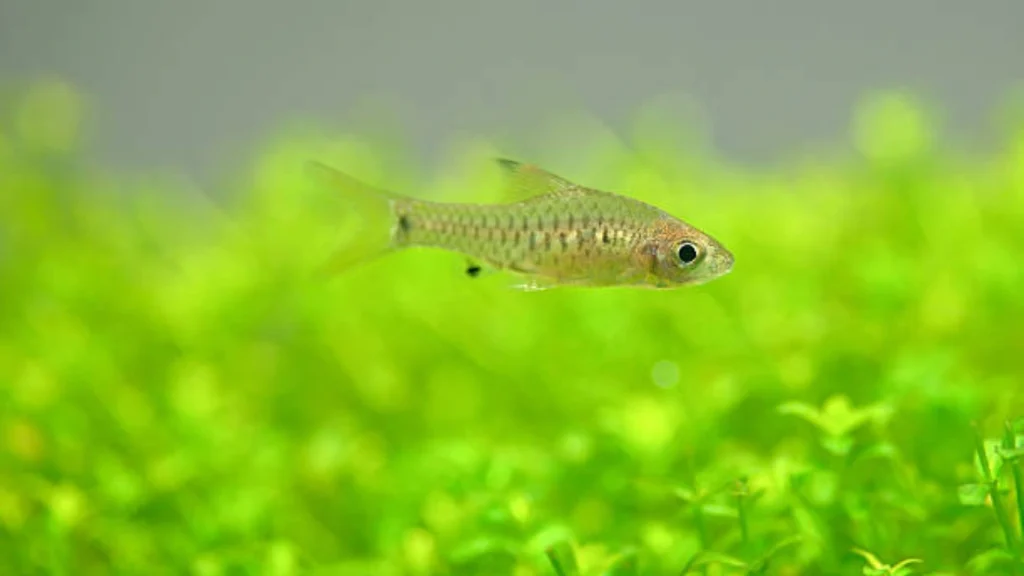
The Kubotai Rasbora, also known as Neon Green Rasbora, is a bright and eye-catching nano fish. Its glowing green color makes it stand out in planted aquariums, especially under good lighting. It is active, hardy, and suitable for both beginners and experienced aquarists looking to add vibrant movement to small tanks.
Identification
- Bright neon green body coloration
- Slender and streamlined shape
- Transparent fins
- Slight reflective sheen under light
- Small size, around 1–1.2 inches
Size and Lifespan
Kubotai Rasboras typically grow to about 1 to 1.2 inches in length. They can live for around 3 to 5 years when kept in stable aquarium conditions. Clean water, proper diet, and minimal stress are important factors in maintaining their lifespan.
Behavior and Temperament
These fish are peaceful, active, and social. They thrive in groups of at least 6 to 10 individuals, where they display strong schooling behavior. In larger groups, they become more confident and vibrant. They are non-aggressive and suitable for community tanks with other small fish.
Tank Requirements
A tank of at least 5 to 10 gallons is suitable for a small group. They prefer a planted aquarium with open swimming space and gentle water flow. Water temperature should be between 22–27°C with slightly acidic to neutral conditions. Good lighting enhances their bright coloration.
Diet
Kubotai Rasboras are omnivores and easy to feed. They accept flakes, micro pellets, and live or frozen foods like daphnia and brine shrimp. A varied diet helps maintain their color and overall health. Feeding small portions once or twice daily is recommended.
18. Norman’s Lampeye
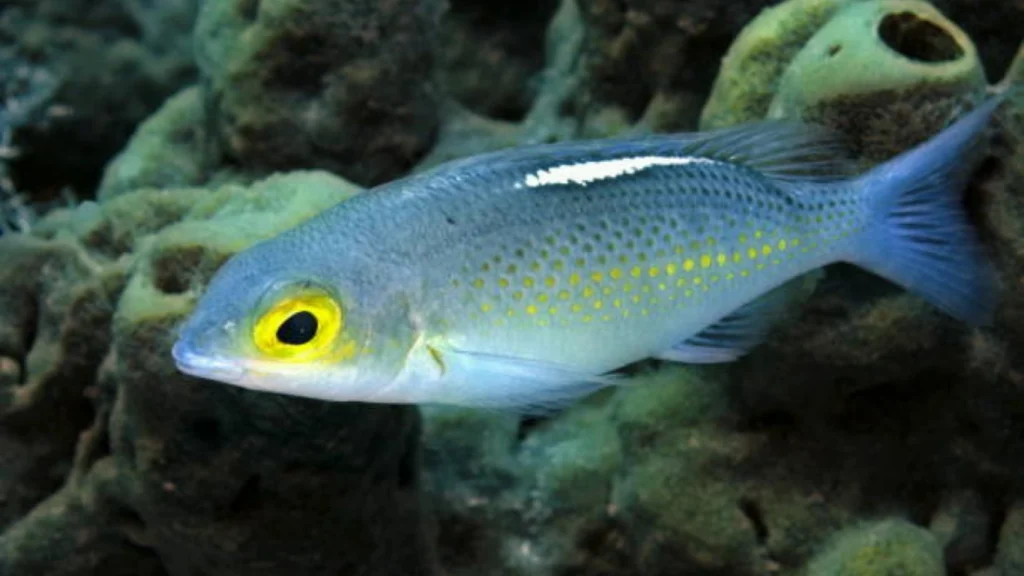
Norman’s Lampeye is a small, elegant fish known for its glowing blue eyes, which give it a unique appearance in nano aquariums. It is hardy, peaceful, and easy to care for, making it a great option for beginners. These fish are especially when kept in groups under proper lighting.
Identification
- Distinct bright blue “lamp-like” eyes
- Slender, silver-transparent body
- Slight yellow tint on fins
- Upturned mouth
- Small size, around 1–1.5 inches
Size and Lifespan
Norman’s Lampeye typically grows to about 1 to 1.5 inches in length. With proper care, it can live for around 3 to 4 years. Maintaining clean water and stable tank conditions plays a major role in ensuring a healthy lifespan.
Behavior and Temperament
These fish are peaceful and social, doing best in groups of at least 6 or more. They are active swimmers and usually occupy the upper and middle levels of the tank. They are non-aggressive and mix well with other small, calm species.
Tank Requirements
A tank size of 5 to 10 gallons is suitable for a small group. They prefer a well-planted tank with some open swimming space. Water temperature should be between 22–26°C with neutral conditions. Gentle filtration and stable parameters are important.
Diet
Norman’s Lampeye are omnivores and accept a variety of foods. They eat flakes, micro pellets, and small live or frozen foods like brine shrimp and daphnia. A varied diet helps maintain their health and enhances their subtle coloration.
19. Sparkling Gourami
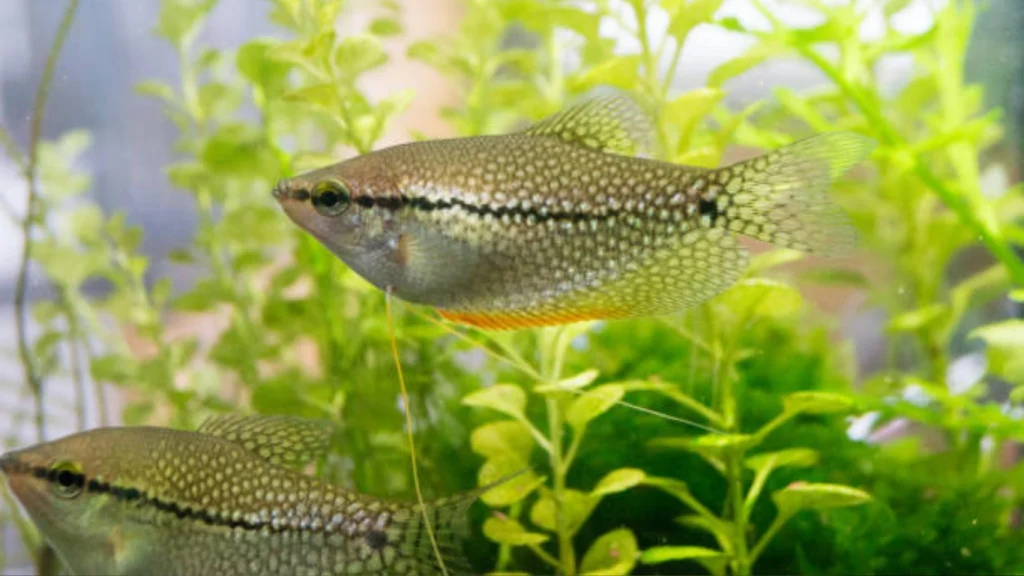
The Sparkling Gourami is a tiny, peaceful fish known for its shimmering, iridescent body and unique croaking sounds. It is an excellent choice for nano aquariums, especially planted tanks. Despite its small size, it has a bold personality and can become a fascinating centerpiece in a small setup.
Identification
- Iridescent body with sparkling blue-green spots
- Light brown to gray base coloration
- Small, rounded fins with subtle patterns
- Short, slightly compressed body shape
- Size around 1–1.5 inches
Size and Lifespan
Sparkling Gouramis typically grow to about 1 to 1.5 inches in length. With proper care, they can live for around 4 to 5 years. Their lifespan depends on stable water conditions, a proper diet, and a calm environment.
Behavior and Temperament
These fish are generally peaceful but can be slightly territorial, especially males. They do well in pairs or small groups with plenty of hiding spaces. They are slow-moving and may be shy at first but become more active once comfortable.
Tank Requirements
A 5 to 10-gallon tank is suitable for a pair or small group. They prefer densely planted tanks with low water flow and warm temperatures between 24–28°C. Access to the surface is important as they are labyrinth fish and breathe atmospheric air.
Diet
Sparkling Gouramis are omnivores and enjoy a varied diet. They eat small flakes, micro pellets, and live or frozen foods like daphnia and brine shrimp. Feeding small portions regularly helps maintain their health and coloration.
20. Honey Gourami
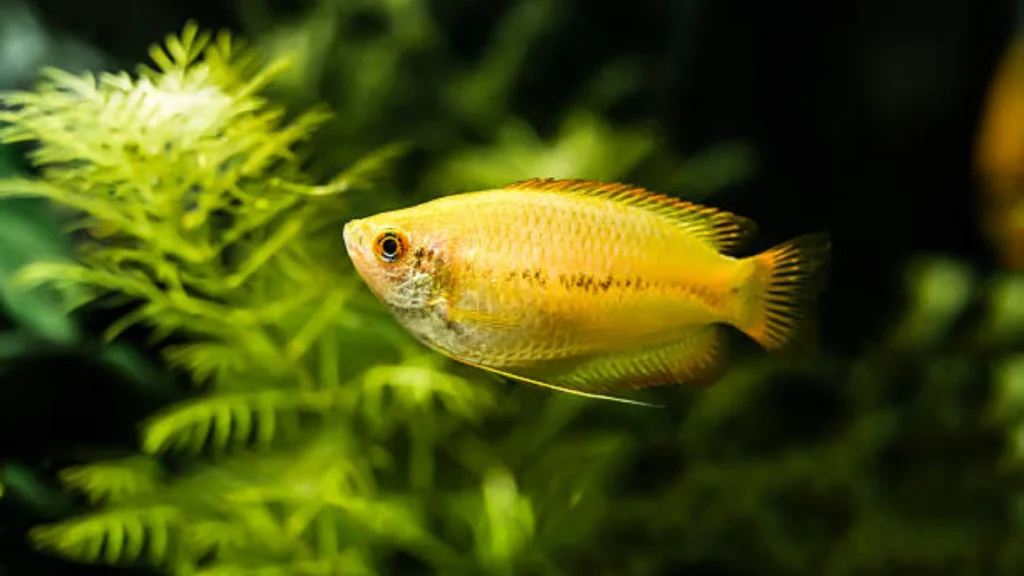
The Honey Gourami is a small, peaceful fish known for its warm golden color and calm nature. It is one of the best nano gouramis for small aquariums due to its manageable size and gentle temperament. It works well as a centerpiece fish in a planted nano tank.
Identification
- Golden yellow to honey-colored body
- Slight orange or reddish tint in males
- Rounded fins with smooth edges
- Compact, slightly oval body shape
- Size around 1.5–2 inches
Size and Lifespan
Honey Gouramis typically grow up to about 1.5 to 2 inches in length. They can live for around 4 to 6 years with proper care. Maintaining stable water conditions and providing a stress-free environment greatly contributes to their longevity.
Behavior and Temperament
These fish are very peaceful and shy. They do well alone, in pairs, or small groups. Males may show mild territorial behavior during breeding, but it is usually not aggressive. They are compatible with other calm, small fish and prefer a quiet environment.
Tank Requirements
A tank size of at least 5 to 10 gallons is suitable. They prefer planted tanks with gentle water flow and temperatures between 24–28°C. Being labyrinth fish, they need access to the surface to breathe air. Floating plants are beneficial for comfort.
Diet
Honey Gouramis are omnivores and easy to feed. They accept flakes, pellets, and live or frozen foods like brine shrimp and daphnia. A varied diet helps maintain their color and health. Feeding small portions once or twice daily is ideal.
21. Micro Glassfish
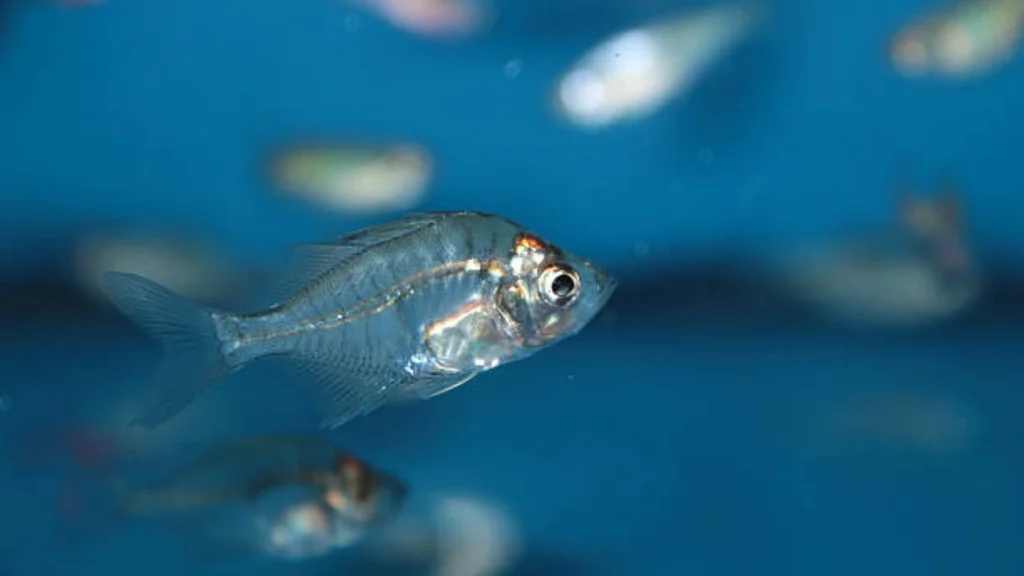
The Micro Glassfish is a fascinating nano fish known for its nearly transparent body, allowing you to see its internal structure. This unique appearance makes it stand out in any aquarium. It is peaceful and suitable for nano tanks, especially when kept in groups in a calm, well-maintained environment.
Identification
- Almost completely transparent body
- Visible internal bones and organs
- Slender and delicate body shape
- Clear fins with minimal coloration
- Small size, around 1–1.5 inches
Size and Lifespan
Micro Glassfish typically grow to about 1 to 1.5 inches in length. With proper care, they can live for around 3 to 4 years. Their lifespan depends on stable water conditions, proper feeding, and minimizing stress in the aquarium.
Behavior and Temperament
These fish are peaceful and prefer to live in groups of at least 6 or more. They are shy by nature but become more active and confident when kept in schools. They are non-aggressive and do well with other small, calm fish species.
Tank Requirements
A 5 to 10-gallon tank is suitable for a small group. They prefer a planted aquarium with gentle water flow and soft lighting. Water temperature should be between 22–26°C with stable parameters. A calm environment helps reduce stress.
Diet
Micro Glassfish are omnivores and accept a variety of foods. They eat small flakes, micro pellets, and live or frozen foods like daphnia and brine shrimp. A varied diet helps maintain their health and supports natural behavior.
22. Dwarf Pencilfish
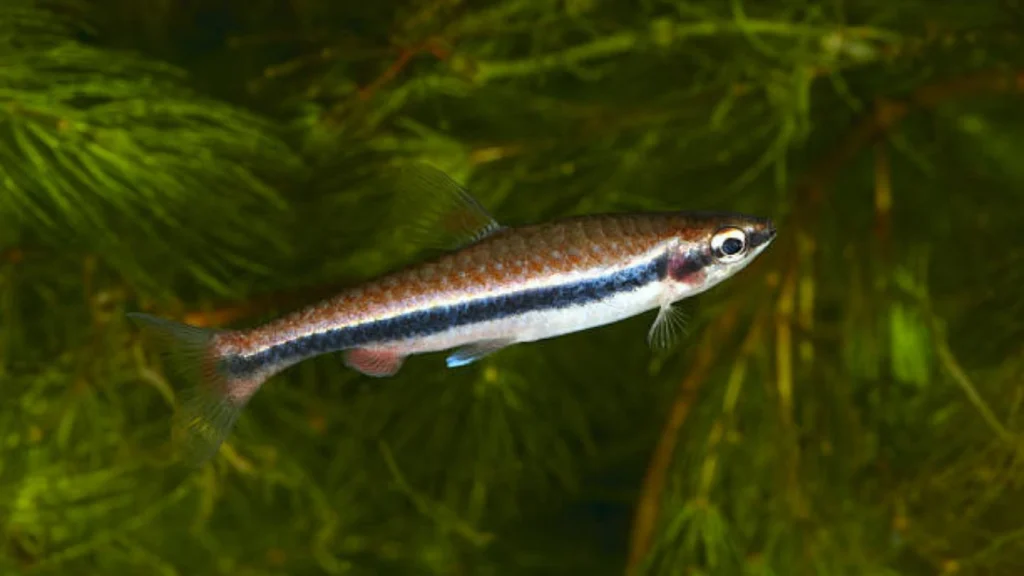
The Dwarf Pencilfish is a small, slender fish known for its calm nature and subtle beauty. It is ideal for nano aquariums, especially planted tanks where its natural behavior can be observed. These fish are surface-oriented and add gentle movement to the upper levels of the tank.
Identification
- Slim, elongated “pencil-like” body
- Light brown to golden coloration
- Thin dark horizontal stripe along the body
- Slightly upturned mouth
- Small size, around 1–1.5 inches
Size and Lifespan
Dwarf Pencilfish typically grow to about 1 to 1.5 inches in length. With proper care, they can live for around 3 to 5 years. Their lifespan improves with stable water conditions, a proper diet, and a low-stress environment.
Behavior and Temperament
These fish are peaceful and best kept in groups of at least 6 or more. They are calm swimmers and spend most of their time near the surface. They are non-aggressive and do well with other gentle, small fish in community tanks.
Tank Requirements
A 5 to 10-gallon tank is suitable for a small group. They prefer a planted tank with floating plants and gentle water flow. Water temperature should be between 24–28°C. A calm environment with minimal disturbance helps them thrive.
Diet
Dwarf Pencilfish are omnivores and accept a variety of foods. They eat small flakes, micro pellets, and live or frozen foods like brine shrimp and daphnia. Feeding small portions regularly helps maintain their health and natural coloration.
23. Green Kubotai Danio
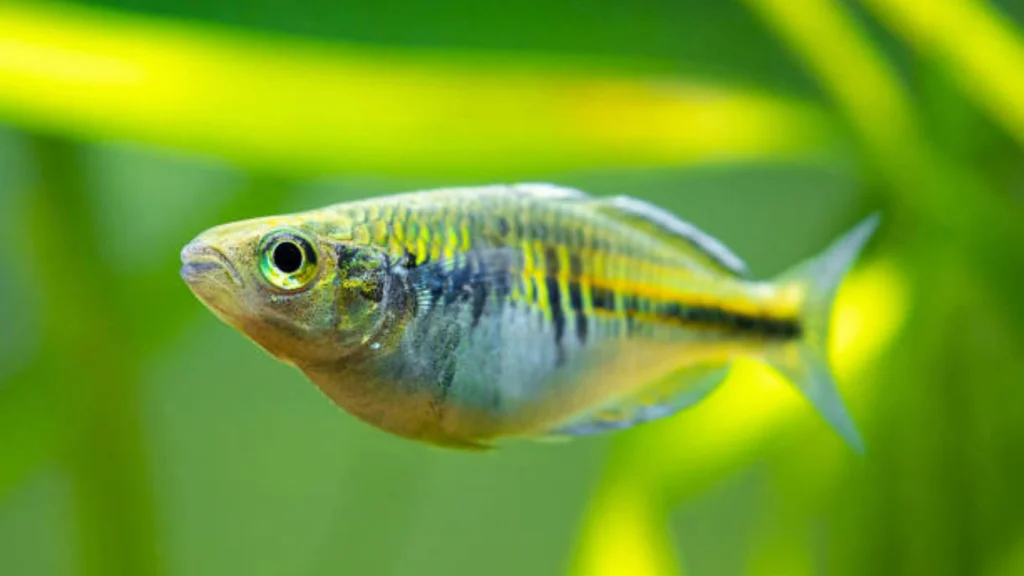
The Green Kubotai Danio is a bright and energetic nano fish, often confused with Kubotai Rasbora due to its similar neon green color. It is highly active and brings constant movement to small aquariums. This species is hardy and well-suited for beginners, especially in planted community tanks.
Identification
- Bright neon green body with glowing appearance
- Slender and streamlined shape
- Transparent fins
- Active swimming behavior
- Small size, around 1–1.2 inches
Size and Lifespan
Green Kubotai Danios typically grow up to about 1 to 1.2 inches in length. They can live for around 3 to 5 years with proper care. Their lifespan depends on clean water, stable tank conditions, and a balanced diet.
Behavior and Temperament
These fish are very active and social. They should be kept in groups of at least 6 to 10 individuals to feel secure and display natural schooling behavior. They are peaceful and do well with other small, non-aggressive fish, though their activity level may overwhelm very shy species.
Tank Requirements
A tank of at least 5 to 10 gallons is suitable for a small group. They prefer a planted aquarium with open swimming space and moderate lighting. Water temperature should be between 22–27°C with gentle to moderate flow. Stable conditions are important for their health.
Diet
Green Kubotai Danios are omnivores and easy to feed. They accept flakes, micro pellets, and live or frozen foods like brine shrimp and daphnia. A varied diet helps maintain their vibrant color and overall health.
24. Blue-Eyed Rainbowfish (Pseudomugil)
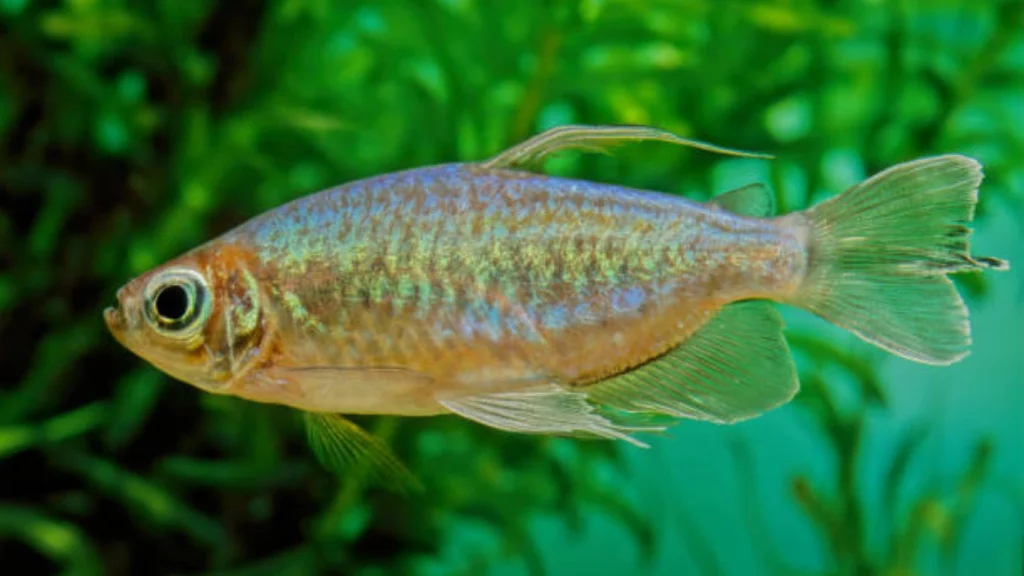
The Blue-Eyed Rainbowfish is a tiny, active fish known for its striking blue eyes and lively swimming behavior. It adds constant movement and sparkle to nano aquariums. This species is best suited for planted tanks where it can swim freely and display its natural beauty in groups.
Identification
- Bright blue reflective eyes
- Slender, semi-transparent body
- Yellowish or clear fins with slight patterns
- Forked tail with delicate extensions
- Small size, around 1–1.5 inches
Size and Lifespan
Blue-Eyed Rainbowfish typically grow to about 1 to 1.5 inches in length. They can live for around 2 to 4 years with proper care. Their lifespan depends on stable water conditions, a balanced diet, and low stress levels.
Behavior and Temperament
These fish are peaceful, active, and social. They thrive in groups of at least 6 to 10 individuals. Males may display to each other, showing off their fins and colors, but this behavior is harmless. They are compatible with other small, peaceful fish.
Tank Requirements
A tank size of 5 to 10 gallons is suitable for a small group. They prefer planted aquariums with open swimming space and gentle water flow. Water temperature should be between 22–26°C. Good lighting enhances their appearance, especially their blue eyes.
Diet
They are omnivores and accept a variety of foods. They eat micro pellets, crushed flakes, and small live or frozen foods like brine shrimp and daphnia. A varied diet supports their health and enhances their coloration.
25. Peacock Gudgeon
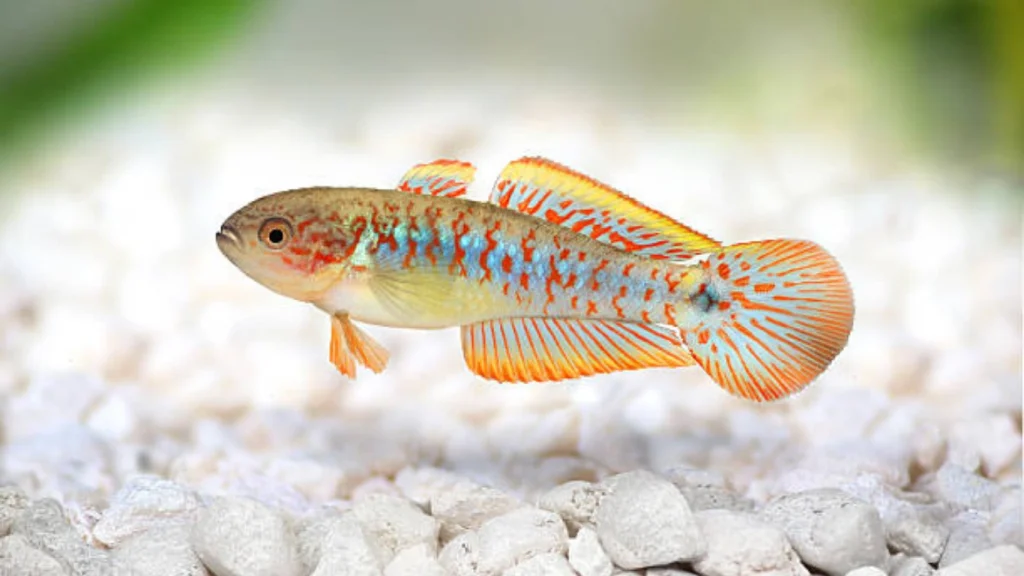
The Peacock Gudgeon is a small, colorful fish known for its vibrant patterns and calm personality. It is slightly larger than many nano fish but still suitable for small aquariums. Its striking appearance and peaceful nature make it a great centerpiece fish for a well-planted nano tank.
Identification
- Creamy silver body with bright blue and red markings
- Distinct black spot near the tail
- Rounded head with large eyes
- Colorful fins with blue and red highlights
- Size around 1.5–2 inches
Size and Lifespan
Peacock Gudgeons typically grow to about 1.5 to 2 inches in length. They can live for around 4 to 5 years with proper care. Their lifespan depends on maintaining stable water conditions, providing a balanced diet, and reducing stress.
Behavior and Temperament
These fish are peaceful and can be kept in pairs or small groups. Males may show mild territorial behavior, especially during breeding, but they are generally non-aggressive. They do well with other calm, similarly sized fish and prefer a quiet environment.
Tank Requirements
A 10-gallon tank is recommended for a pair or small group. They prefer a planted aquarium with caves or hiding spots. Water temperature should be between 22–28°C with gentle flow. Stable water parameters are important for their health.
Diet
Peacock Gudgeons are omnivores with a preference for meaty foods. They eat micro pellets, flakes, and live or frozen foods like bloodworms and brine shrimp. A varied diet helps maintain their coloration and overall health.
FAQs
What is the best tank size for nano fish?
A nano tank usually starts from 5 gallons, but a 10-gallon tank is more stable and easier to maintain. While many tiny fish can live in smaller tanks, a slightly larger setup helps maintain water quality, reduces stress, and gives fish more space to swim naturally.
How many nano fish should be kept together?
Most nano fish are schooling species and should be kept in groups of at least 6 to 10. Keeping them in proper numbers reduces stress, improves behavior, and enhances their natural colors. Some species feel safer and more active when kept in larger groups.
Are nano fish suitable for beginners?
Yes, many nano fish like Neon Tetras, Ember Tetras, and Endler’s Livebearers are beginner-friendly. However, beginners must still maintain stable water conditions, proper filtration, and regular water changes to keep the fish healthy and thriving.
Can different nano fish live together?
Yes, most nano fish can live together if they are peaceful and have similar water requirements. Avoid mixing aggressive or much larger fish. Choosing species with similar temperament ensures a balanced and stress-free community tank.
What do nano fish eat?
Nano fish usually eat small foods such as crushed flakes, micro pellets, and live or frozen foods like brine shrimp and daphnia. Because of their tiny mouths, food size is important. A varied diet helps improve their health, color, and overall activity.