


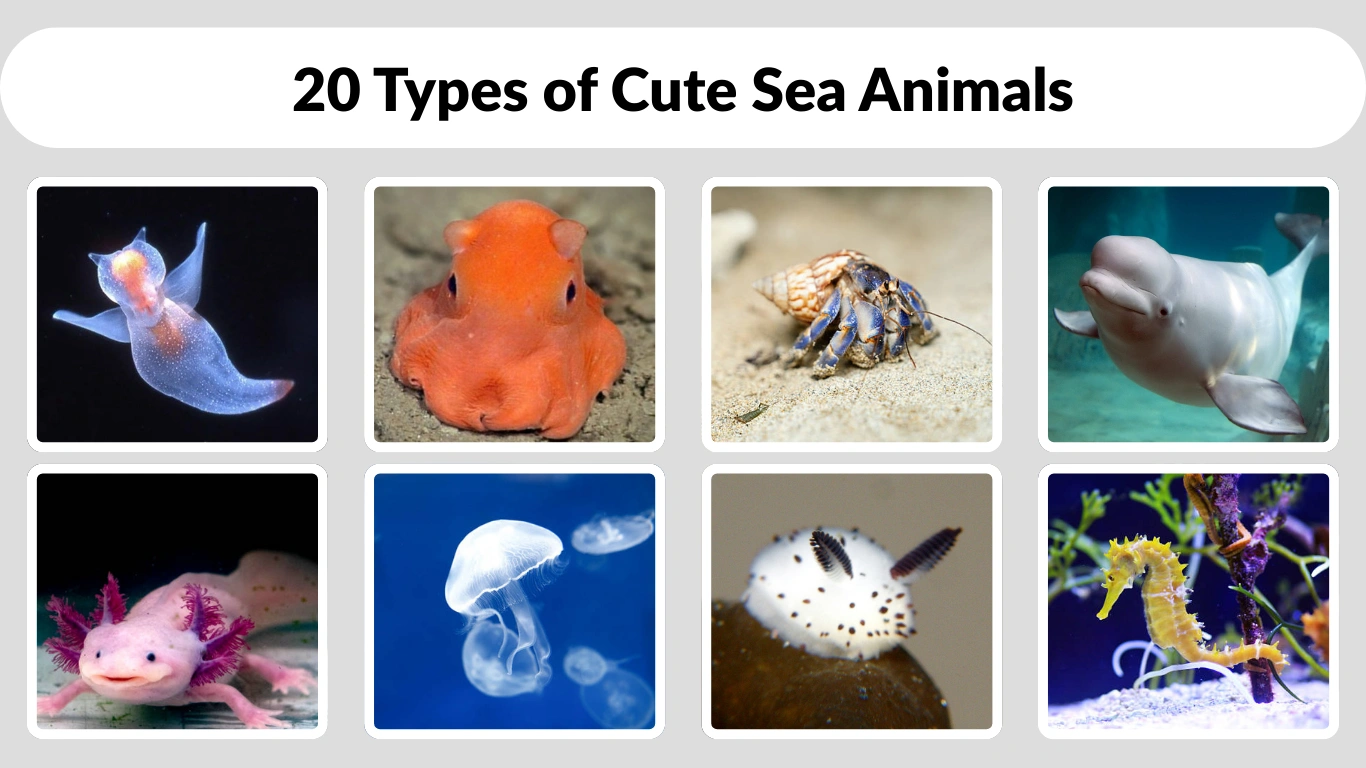
The ocean is full of adorable creatures that capture attention with their tiny size, big eyes, playful behavior, and unique shapes. From fluffy-looking sea slugs to smiling whales and gentle reef fish, cute sea animals can be found in both shallow coral reefs and the deep sea. In this article, you’ll discover 20 types of cute sea animals, each with simple identification features, habitats, behaviors, and diets to help you explore the charming side of marine life.
1. Sea Otter

Sea otters are one of the cutest and most lovable marine mammals in the ocean. Known for floating on their backs and holding hands while resting, they are playful, intelligent, and very social animals. Sea otters spend most of their lives in the water, using dense fur and constant grooming to stay warm instead of blubber.
Identification
- Medium-sized marine mammal with a round face
- Thick, dark brown to light brown fur
- Small ears and large, expressive eyes
- Long whiskers (vibrissae) on the face
- Strong webbed hind feet and dexterous front paws
Habitat
Sea otters live mainly along coastal waters of the North Pacific Ocean. They are commonly found near kelp forests, rocky shores, and shallow bays. These environments provide shelter from predators and strong waves, as well as plenty of food such as sea urchins, crabs, and shellfish.
Behavior
Sea otters are very social and often rest together in groups called “rafts.” They are famous for using rocks as tools to break open hard shells, which makes them one of the few non-primate animals known to use tools. Their playful rolling, grooming, and floating behavior is a big reason people find them so cute.
Diet
Sea otters are carnivores and eat a wide variety of marine animals. Their diet includes sea urchins, clams, mussels, crabs, snails, and small fish. They eat large amounts every day to maintain body heat, often consuming up to 25% of their body weight daily.
2. Baby Dolphin

Baby dolphins, also called calves, are famous for their friendly appearance and playful nature. With their small size, big eyes, and constant curiosity, they are often considered some of the cutest sea animals. They are born able to swim and quickly learn to stay close to their mothers for protection.
Identification
- Smooth gray to bluish skin
- Small, streamlined body
- Short, rounded snout
- Large dark eyes
- Curved dorsal fin on the back
Habitat
Baby dolphins live in oceans and seas worldwide, depending on the species. They are commonly found in warm and temperate waters, coastal areas, and open oceans. They stay very close to their mothers and pods, which provide safety and help them learn essential survival skills.
Behavior
Dolphin calves are extremely playful and social. They often leap, spin, and swim beside boats or other dolphins. Play helps them develop muscles, coordination, and communication skills. They also use sounds, clicks, and body movements to interact with their mothers and pod members.
Diet
Baby dolphins feed mainly on their mother’s milk during the first months of life. As they grow, they slowly begin to eat small fish and squid that their mothers help them catch. Eventually, they fully transition to a carnivorous diet based on fish and marine invertebrates.
3. Sea Turtle

Sea turtles are gentle, cute-looking reptiles with big eyes and smooth shells that make them especially appealing. Their slow, graceful swimming style and calm nature add to their charm. Even though they seem peaceful, sea turtles are strong travelers that can cross entire oceans.
Identification
- Hard or leathery shell (carapace)
- Paddle-like front flippers
- Small head with a beak-like mouth
- Smooth, streamlined body
- Usually green, brown, or olive-colored
Habitat
Sea turtles live in tropical and subtropical oceans around the world. They are often found near coral reefs, seagrass beds, and coastal waters. Female turtles return to sandy beaches to lay their eggs, sometimes traveling thousands of kilometers to reach their nesting sites.
Behavior
Sea turtles are mostly solitary but may gather in feeding or nesting areas. They spend most of their lives in the water, surfacing regularly to breathe. Many species migrate long distances between feeding grounds and nesting beaches, guided by Earth’s magnetic fields.
Diet
Sea turtle diets depend on the species. Some eat mostly seagrass and algae, while others feed on jellyfish, crabs, and sponges. Young turtles often start with a more omnivorous diet before settling into adult feeding habits.
4. Clownfish
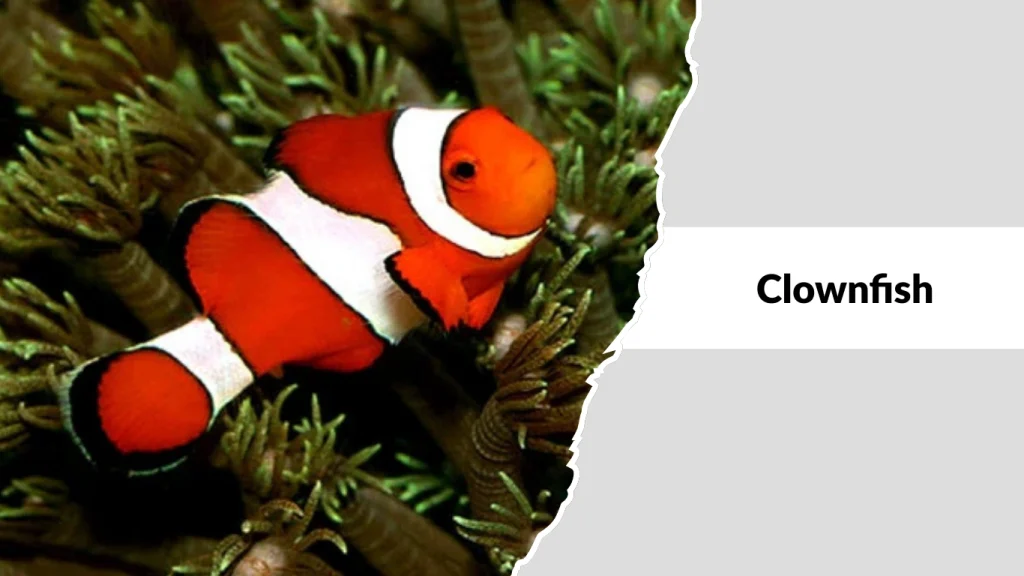
Clownfish are small, brightly colored fish that are loved for their cute appearance and bold personalities. Their orange bodies with white bands make them easy to recognize, and their close relationship with sea anemones makes them especially interesting and charming to watch.
Identification
- Bright orange body with white bands
- Thin black outlines around the bands
- Small, oval-shaped body
- Rounded fins
- Grows about 3–5 inches long
Habitat
Clownfish live in warm, shallow waters of the Indian and Pacific Oceans. They are most commonly found around coral reefs, where they stay among the tentacles of sea anemones. The anemones provide protection, and the clownfish help by cleaning and bringing food.
Behavior
Clownfish are territorial and live in small family groups within a single anemone. They are immune to the anemone’s sting due to a special mucus layer on their skin. They communicate using popping and clicking sounds and show strong social bonding.
Diet
Clownfish are omnivores. They eat algae, plankton, small crustaceans, and leftover food from their host anemone. Their varied diet helps them survive in reef environments where food availability changes.
5. Seahorse
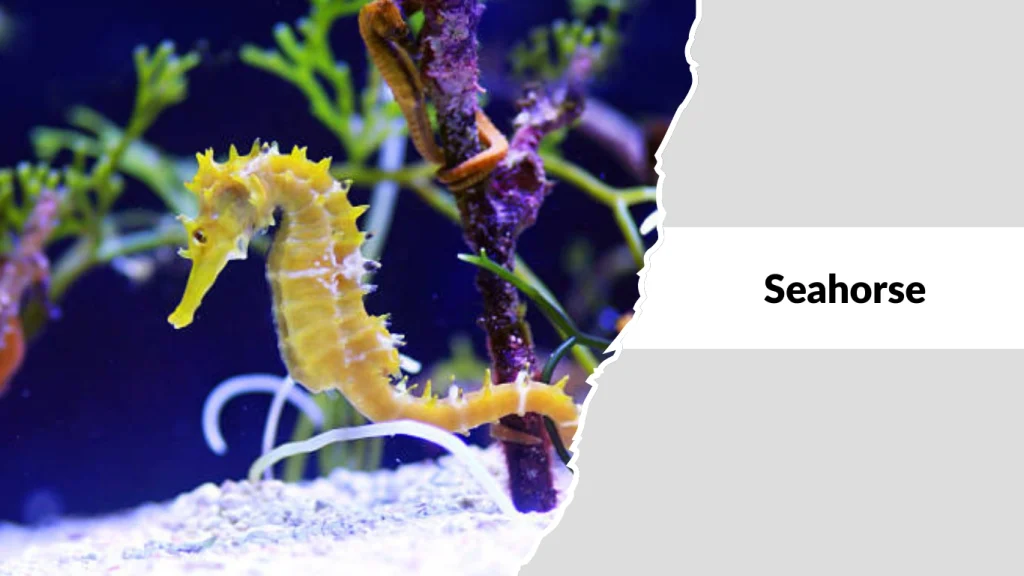
Seahorses are tiny, magical-looking sea animals with horse-shaped heads and curled tails. Their slow swimming style and upright posture make them especially cute and unique. Seahorses are also famous because males carry the babies in a special pouch.
Identification
- Horse-like head with a long snout
- Upright swimming posture
- Curled, prehensile tail
- Bony body plates instead of scales
- Often yellow, brown, or orange
Habitat
Seahorses live in shallow tropical and temperate waters around the world. They are commonly found in seagrass beds, mangroves, coral reefs, and estuaries, where they can anchor themselves to plants using their tails.
Behavior
Seahorses are calm, slow-moving fish. They rely on camouflage to avoid predators and often change color to blend into their surroundings. Many species form monogamous pairs and perform daily greeting dances to strengthen bonds.
Diet
Seahorses feed mainly on tiny shrimp, plankton, and other small crustaceans. Because they lack a stomach, they must eat almost constantly, sucking in food through their long snouts as they drift through the water.
6. Pufferfish

Pufferfish are small, round-bodied fish famous for their adorable look and their ability to puff up like a balloon when frightened. Their big eyes, tiny fins, and slow swimming style make them appear very cute, even though they have strong natural defenses.
Identification
- Round, expandable body
- Large, protruding eyes
- Short fins and small mouth
- Can inflate when threatened
- Often spotted or patterned skin
Habitat
Pufferfish live in warm and temperate oceans worldwide. They are commonly found around coral reefs, seagrass beds, and sandy coastal areas. Some species also live in brackish water and even freshwater, but most prefer shallow marine environments.
Behavior
Pufferfish are generally solitary and slow swimmers. When they feel threatened, they quickly fill their bodies with water or air to appear larger and harder to swallow. Some species also contain toxins in their skin, which helps protect them from predators.
Diet
Pufferfish eat hard-shelled prey such as crabs, snails, mussels, and sea urchins. Their strong beak-like teeth are specially designed to crush shells. They may also eat algae and small invertebrates depending on the species.
7. Manatee
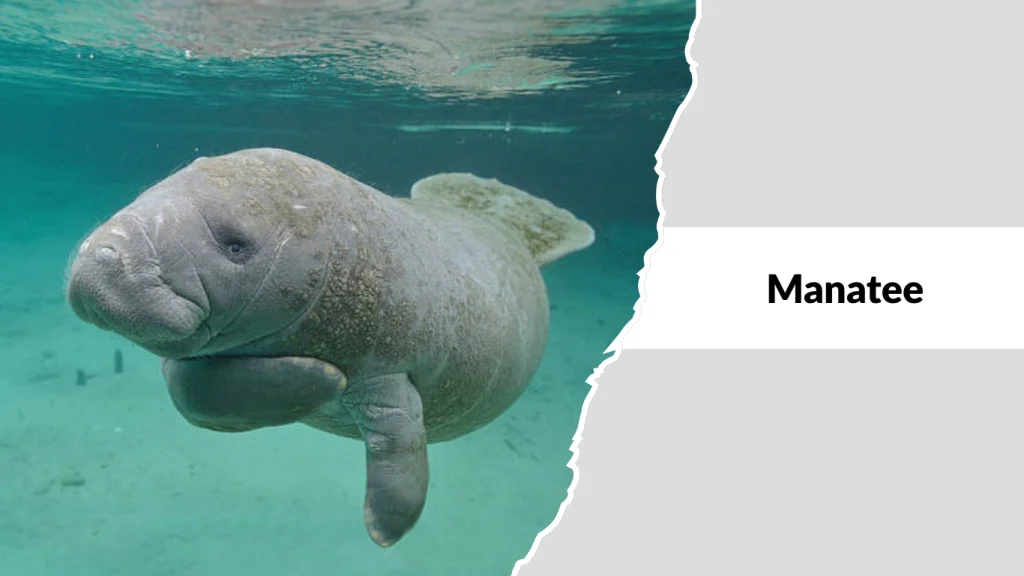
Manatees, often called sea cows, are gentle, slow-moving marine mammals with round bodies and sweet facial expressions. Their calm behavior and peaceful nature make them one of the cutest large sea animals.
Identification
- Large, gray, rounded body
- Paddle-shaped tail
- Small eyes and wrinkled face
- Short front flippers
- Sparse body hair
Habitat
Manatees live in warm, shallow coastal waters, rivers, and estuaries. They are commonly found in the Caribbean Sea, Gulf of Mexico, and parts of South America and West Africa. They prefer slow-moving water with plenty of aquatic plants.
Behavior
Manatees are peaceful and spend most of their time eating, resting, and slowly swimming. They often surface every few minutes to breathe. Although they are solitary, they sometimes gather in warm-water areas during colder months.
Diet
Manatees are herbivores. They feed mainly on seagrass, algae, and other aquatic plants. An adult manatee can eat up to 10% of its body weight in vegetation each day to meet its energy needs.
8. Harbor Seal
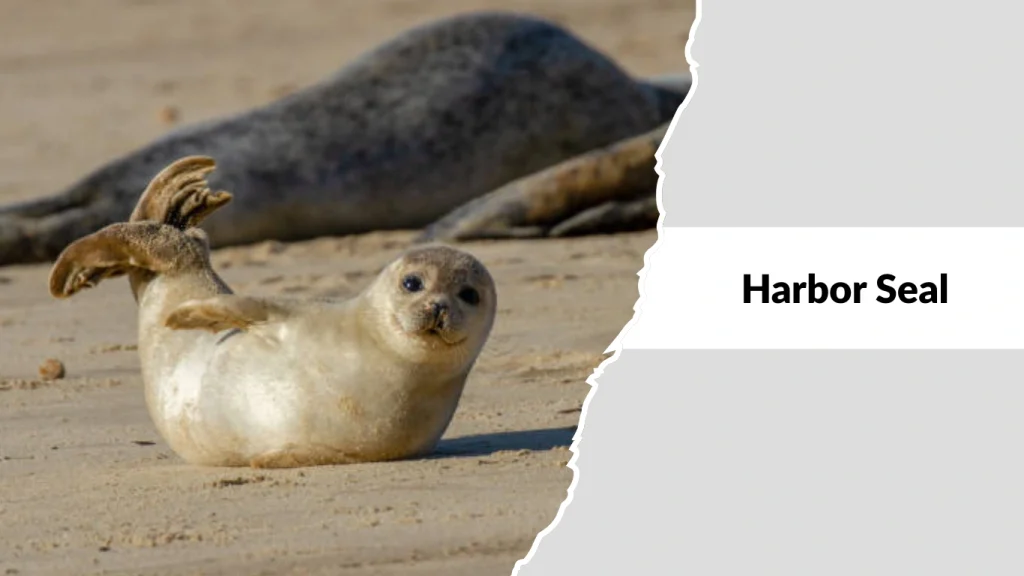
Harbor seals are small, round-faced marine mammals known for their big dark eyes and puppy-like appearance. Their soft-looking bodies and playful swimming style make them one of the cutest animals found in coastal waters.
Identification
- Smooth, spotted gray or brown skin
- Round head with large dark eyes
- Short flippers
- No visible external ears
- Plump, streamlined body
Habitat
Harbor seals live in cold and temperate coastal waters of the Northern Hemisphere. They are commonly found along rocky shores, sandy beaches, estuaries, and bays, where they haul out on land to rest and give birth.
Behavior
Harbor seals are curious and often raise their heads above the water to observe their surroundings. They are excellent swimmers and can dive for several minutes. On land, they gather in groups but are less social than sea lions.
Diet
Harbor seals eat fish, squid, octopus, and crustaceans. They hunt underwater using their sensitive whiskers to detect movement and vibrations from prey.
9. Sea Bunny (Jorunna parva)
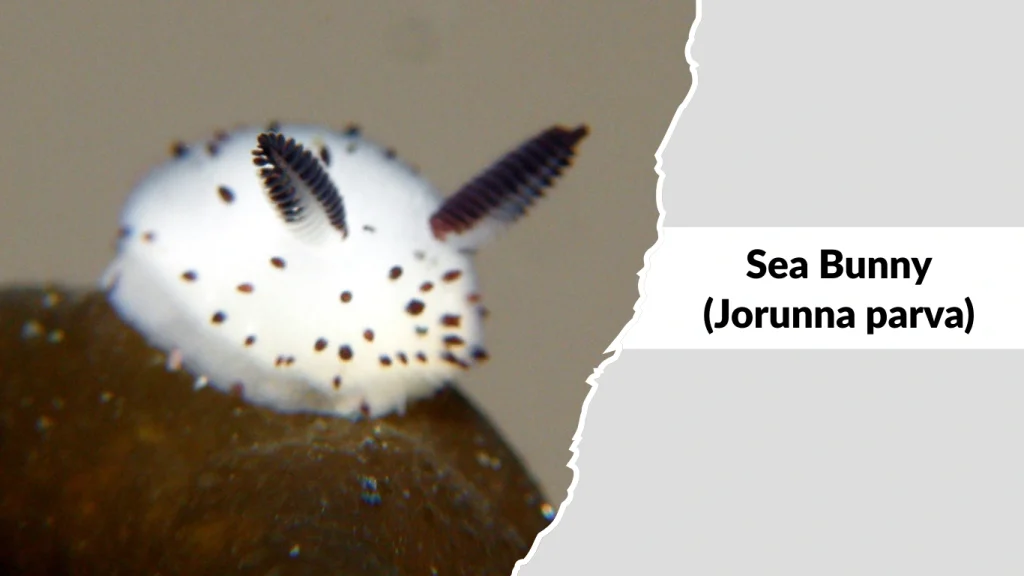
The sea bunny is a tiny sea slug that looks like a fluffy white bunny with little “ears,” making it one of the cutest sea creatures ever discovered. Its soft body and gentle movements have made it very popular online.
Identification
- Small, white, fuzzy-looking body
- Two rhinophores that look like bunny ears
- Black spots scattered on the body
- Grows about 1–2 inches long
- Soft, oval-shaped form
Habitat
Sea bunnies live in the coastal waters of the Indo-Pacific region, especially near Japan and the Philippines. They are usually found crawling on the ocean floor among coral reefs and rocky substrates.
Behavior
Sea bunnies move slowly across surfaces, using tiny hair-like structures called cilia. They rely on camouflage and toxins from their food for protection rather than speed or aggression.
Diet
Sea bunnies feed mainly on sponges. They absorb toxic chemicals from the sponges, which makes them unappealing or dangerous to predators.
10. Moon Jellyfish
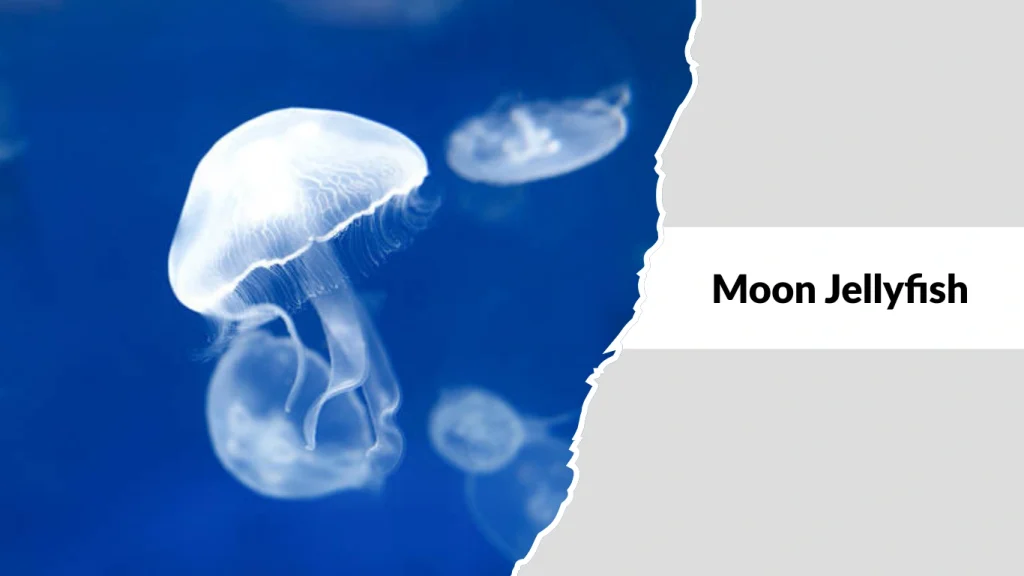
Moon jellyfish are soft, transparent sea animals that gently pulse through the water. Their round, glowing bodies and slow, floating movement give them a peaceful and cute appearance, even though they are simple in structure.
Identification
- Clear, saucer-shaped body
- Four horseshoe-shaped rings visible inside
- Short, fine tentacles around the edge
- Soft, gelatinous texture
- Usually colorless or milky white
Habitat
Moon jellyfish live in oceans all over the world, especially in coastal waters, bays, and lagoons. They are often seen drifting near the surface or in large groups where water currents are calm.
Behavior
Moon jellyfish move by gently pulsing their bell. They drift with ocean currents and have very limited control over their direction. They can tolerate a wide range of temperatures and oxygen levels, which helps them survive in many environments.
Diet
Moon jellyfish feed on plankton, tiny fish, fish eggs, and small crustaceans. They use their tentacles to capture food and move it toward their mouth.
11. Manta Ray
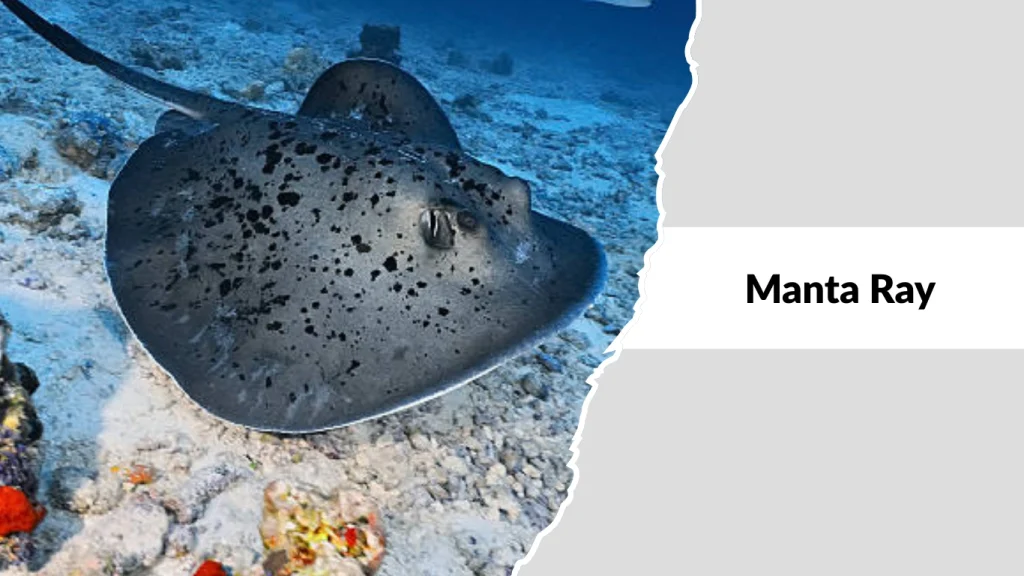
Manta rays are large but gentle sea animals with wide “wings” and graceful swimming styles. Their big eyes, slow movements, and curious nature make them surprisingly cute despite their size.
Identification
- Very wide, flat body with wing-like fins
- Long tail without a stinger
- Large triangular mouth at the front
- Dark back with a light underside
- Can grow over 15 feet wide
Habitat
Manta rays live in warm tropical and subtropical oceans worldwide. They are often found near coral reefs, coastal areas, and open oceans, sometimes visiting cleaning stations where small fish remove parasites.
Behavior
Manta rays are intelligent and curious. They are often seen gliding slowly through the water or leaping out of the sea. They may swim alone or in small groups and are known to interact calmly with divers.
Diet
Manta rays are filter feeders. They eat plankton, tiny fish, and microscopic organisms by swimming with their mouths open and filtering food from the water.
12. Leafy Seadragon
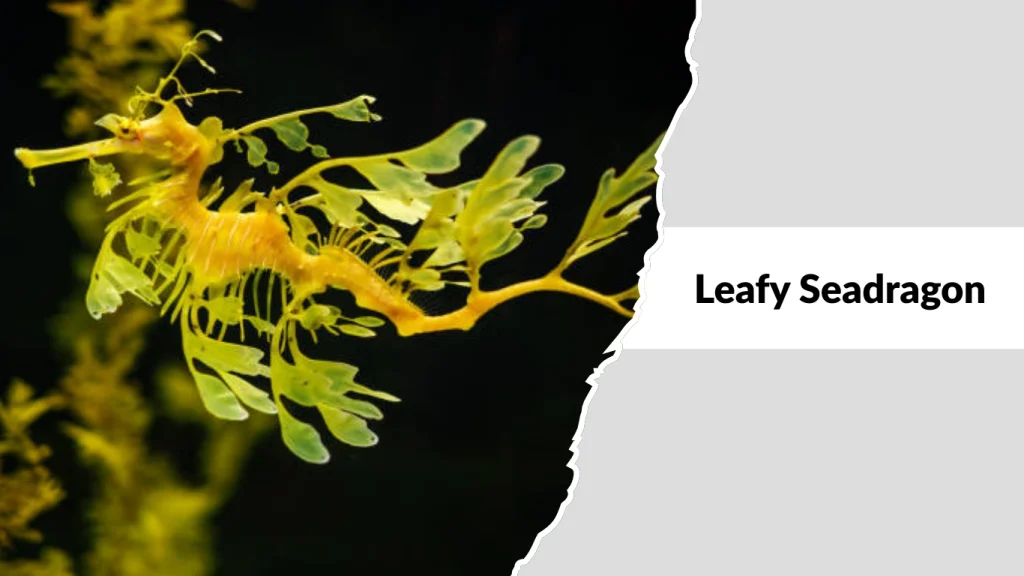
Leafy seadragons are magical-looking sea animals covered in leaf-like flaps that make them look like floating plants. Their slow movement and delicate shape give them a very cute and dreamy appearance.
Identification
- Long, thin body with leaf-like appendages
- Horse-shaped head with a long snout
- Usually yellow, green, or brown
- Small, transparent fins
- Excellent camouflage
Habitat
Leafy seadragons live in the coastal waters of southern and western Australia. They are usually found among kelp forests, seagrass beds, and rocky reefs where their leafy bodies blend perfectly with underwater plants.
Behavior
Leafy seadragons are slow swimmers and rely heavily on camouflage to avoid predators. They drift with ocean currents and rarely use their fins for fast movement. Males carry the eggs on their tails until they hatch.
Diet
Leafy seadragons feed mainly on tiny crustaceans such as mysid shrimp and plankton. They suck food into their long snouts as it floats past.
13. Penguin
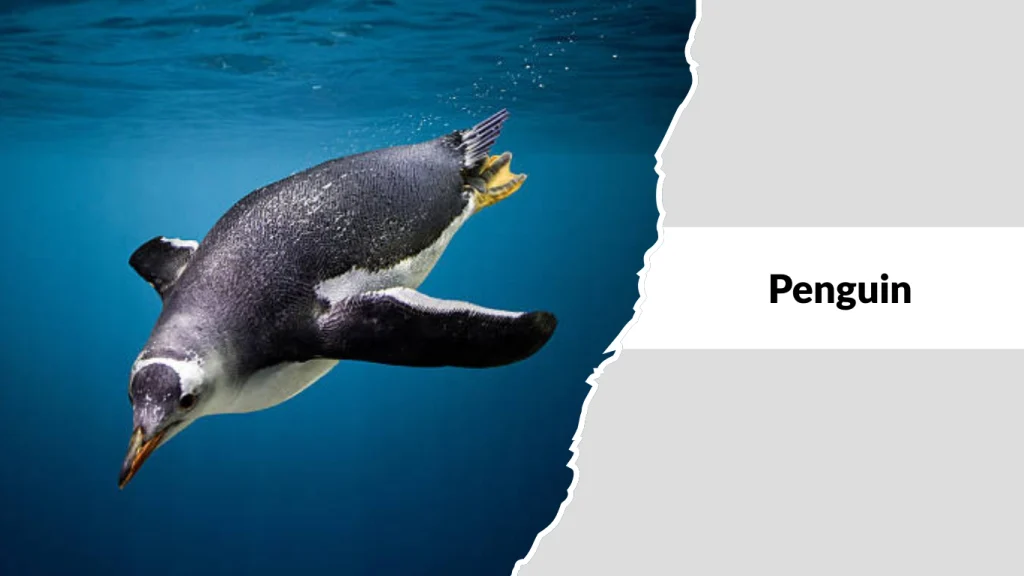
Penguins are flightless seabirds that spend much of their life in the ocean. Their waddling walk, upright posture, and tuxedo-like coloring make them extremely cute and popular worldwide.
Identification
- Black back and white belly
- Short wings adapted as flippers
- Upright standing posture
- Short legs with webbed feet
- Smooth, dense feathers
Habitat
Penguins live mainly in the Southern Hemisphere. Many species are found in cold regions like Antarctica, while others live in temperate and even tropical areas. They usually nest on rocky shores, beaches, and islands.
Behavior
Penguins are very social and often live in large colonies. They are excellent swimmers and use their flippers to “fly” through water. On land, they waddle or slide on their bellies over ice.
Diet
Penguins eat fish, squid, and krill. They hunt underwater and can dive deep to catch fast-moving prey.
14. Narwhal
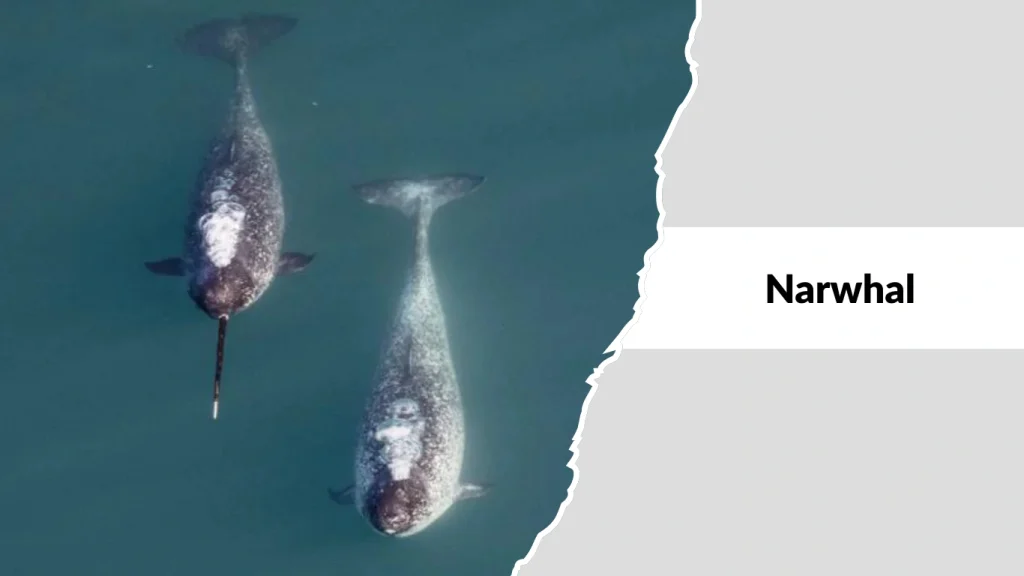
Narwhals are unique Arctic whales famous for their long, spiral tusks that look like unicorn horns. Their round heads, gentle expressions, and slow swimming style make them surprisingly cute.
Identification
- Medium-sized whale with mottled gray skin
- Long, spiral tusk (mainly in males)
- No dorsal fin
- Rounded head and small flippers
- Thick blubber layer
Habitat
Narwhals live in the cold Arctic waters around Canada, Greenland, and Russia. They prefer deep bays, fjords, and offshore pack ice areas, where they spend much of their lives.
Behavior
Narwhals are social and usually travel in pods. They are strong divers and can reach great depths while searching for food. During winter, they live among thick sea ice and use small openings to breathe.
Diet
Narwhals feed on fish, shrimp, and squid. They hunt mainly near the ocean floor, using suction to pull prey into their mouths.
15. Beluga Whale
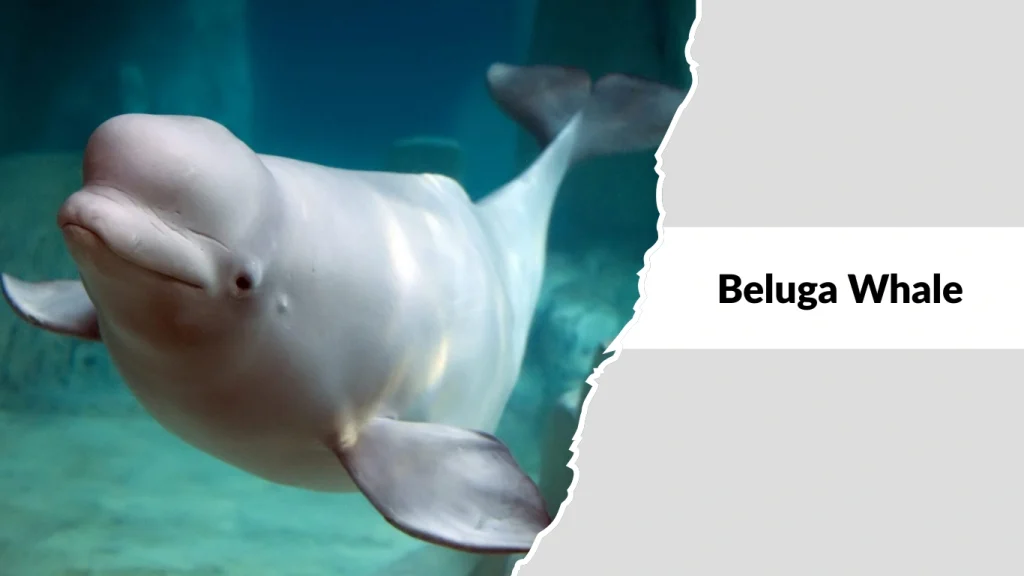
Beluga whales are often called “sea canaries” because of the wide range of sounds they make. Their round heads, permanent-looking smiles, and bright white color make them one of the cutest whales.
Identification
- Pure white body (adults)
- Rounded forehead called a melon
- Small curved mouth
- No dorsal fin
- Thick, flexible neck
Habitat
Beluga whales live in cold Arctic and sub-Arctic waters. They are often found in coastal areas, river mouths, and shallow seas, especially during summer.
Behavior
Belugas are very social and vocal. They live in pods and communicate using clicks, whistles, and chirps. They are curious animals and often approach boats and divers.
Diet
Beluga whales eat fish, squid, crabs, and shrimp. They use echolocation to find food in dark or cloudy waters.
16. Axolotl
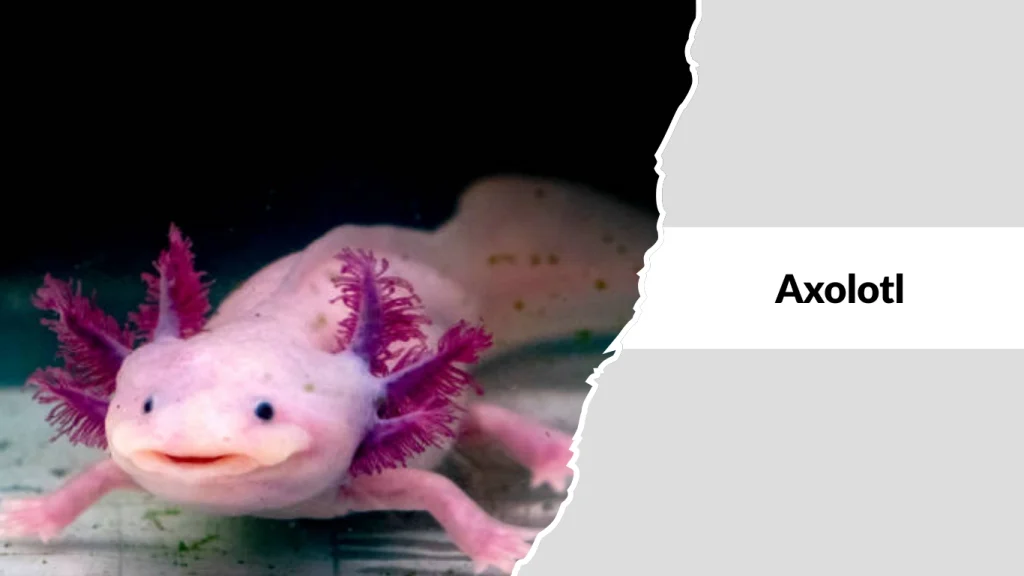
Axolotls are small aquatic salamanders that keep their baby-like features throughout life. Their tiny smiles, feathery external gills, and soft bodies make them one of the cutest water-dwelling animals, even though they are not true sea creatures.
Identification
- Soft, smooth body with a wide head
- External feathery gills on both sides
- Small black eyes and a “smiling” mouth
- Long tail fin
- Usually pink, white, brown, or black
Habitat
Axolotls are native to freshwater lakes and canals in Mexico, especially Lake Xochimilco. They live near the bottom among plants and muddy substrates. Although not marine, they are often included among cute aquatic animals because of their appearance.
Behavior
Axolotls are slow, calm, and mostly nocturnal. They spend much of their time resting and gently walking along the bottom. Unlike most amphibians, they remain in their larval form and do not fully transform into land animals.
Diet
Axolotls eat worms, insect larvae, small fish, and tiny crustaceans. They are suction feeders, quickly snapping up prey that passes near their mouths.
17. Hermit Crab
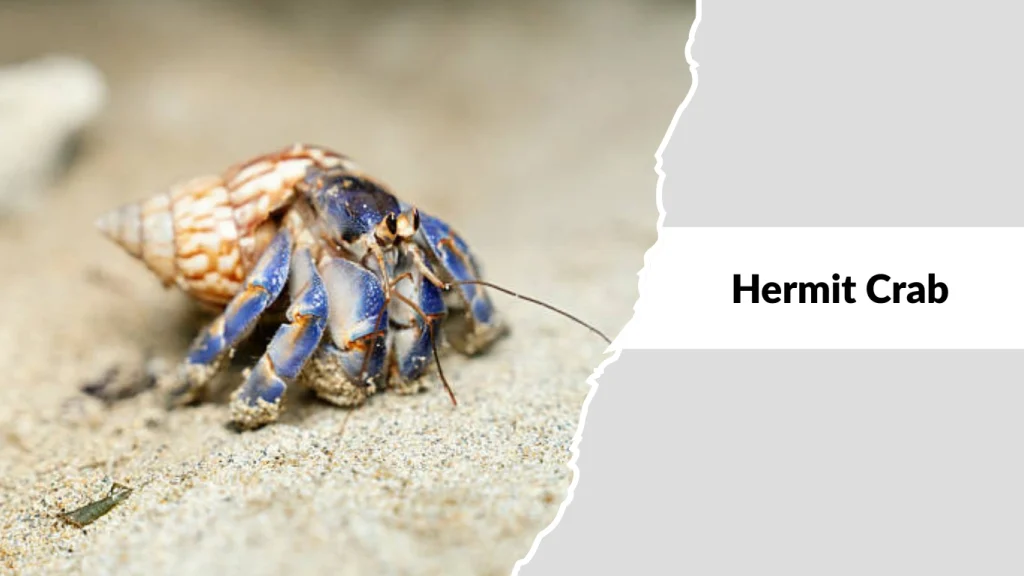
Hermit crabs are small sea animals known for living inside empty shells, which makes them look especially cute and funny. Their curious eyes and habit of changing shells as they grow add to their charm.
Identification
- Soft, curved abdomen hidden in a shell
- Uneven claws, usually one larger
- Long antennae and stalked eyes
- Small walking legs
- Uses borrowed snail shells for protection
Habitat
Hermit crabs live in shallow coastal waters, coral reefs, tide pools, and sandy shores around the world. Some species also live on land near the sea but must return to water to keep their gills moist.
Behavior
Hermit crabs are active scavengers. They often explore their surroundings and may gather in groups to compete for better shells. As they grow, they regularly move into larger shells for protection.
Diet
Hermit crabs are omnivores. They eat algae, decaying plants, small animals, and leftover food from the sea floor.
18. Flapjack Octopus

The flapjack octopus is a small, round-bodied octopus that looks like a cute, smiling pancake. Its soft shape, big eyes, and gentle movements make it one of the cutest deep-sea animals.
Identification
- Round, flattened body
- Large eyes on the sides of the head
- Short arms with webbing
- Soft, gelatinous appearance
- Often pink, orange, or red
Habitat
Flapjack octopuses live in deep waters of the Pacific Ocean. They are usually found near the sea floor at great depths, far from sunlight, where the water is cold and dark.
Behavior
Flapjack octopuses are slow-moving and often drift or crawl gently along the ocean bottom. They can spread their webbed arms to look larger when threatened and may use jet propulsion to escape danger.
Diet
They feed mainly on small crustaceans, worms, and other tiny animals found on the deep-sea floor.
19. Sea Angel (Clione)

Sea angels are tiny, transparent sea slugs that “fly” through the water like little angels. Their delicate wings and glowing bodies give them a very cute and fairy-like appearance.
Identification
- Small, transparent, jelly-like body
- Wing-like flaps used for swimming
- No visible shell
- Usually less than 2 inches long
- Soft, delicate shape
Habitat
Sea angels live in cold oceans, especially in Arctic and Antarctic waters. They are usually found drifting in open water rather than near the sea floor.
Behavior
Sea angels swim by flapping their wing-like lobes. They are active hunters despite their cute look and are well adapted to cold, dark waters.
Diet
Sea angels feed mainly on sea butterflies, which are another type of small sea snail.
20. Blue Tang
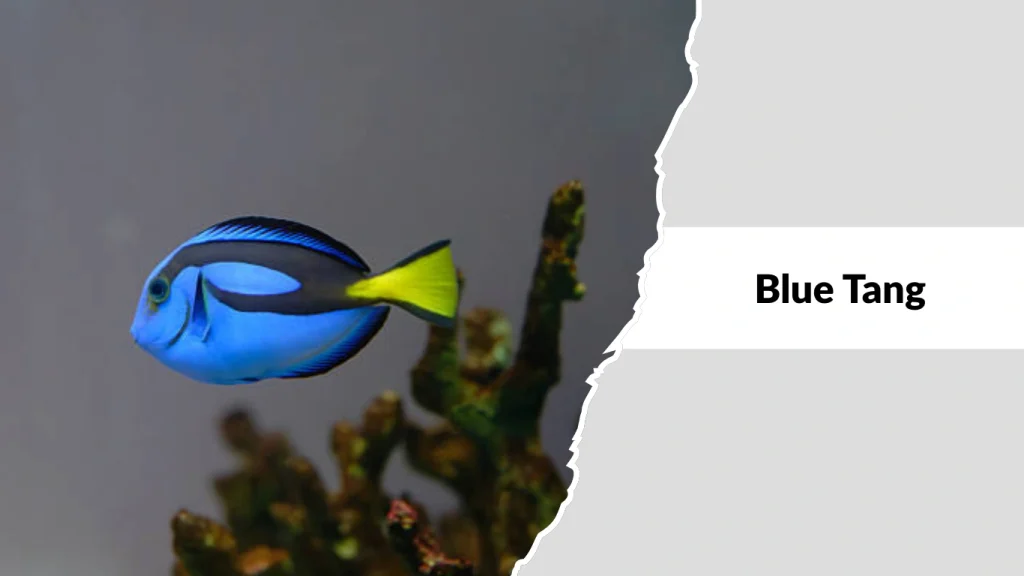
Blue tangs are small, bright blue fish with cheerful colors and rounded bodies. Their vibrant appearance, curious swimming style, and friendly look make them one of the cutest and most popular reef fish.
Identification
- Bright blue body with black markings
- Yellow tail fin
- Flat, oval-shaped body
- Small mouth and large eyes
- Sharp, blade-like spine near the tail
Habitat
Blue tangs live in warm tropical oceans, especially around coral reefs in the Atlantic and Indo-Pacific regions. They prefer shallow reef areas where there is plenty of algae and shelter among corals.
Behavior
Blue tangs are active daytime swimmers. They may live alone or in small groups and often move quickly among coral formations. Juveniles sometimes act as cleaner fish, picking parasites from larger fish.
Diet
Blue tangs are mainly herbivores. They feed mostly on algae growing on coral reefs, but they may also eat plankton and small marine organisms.