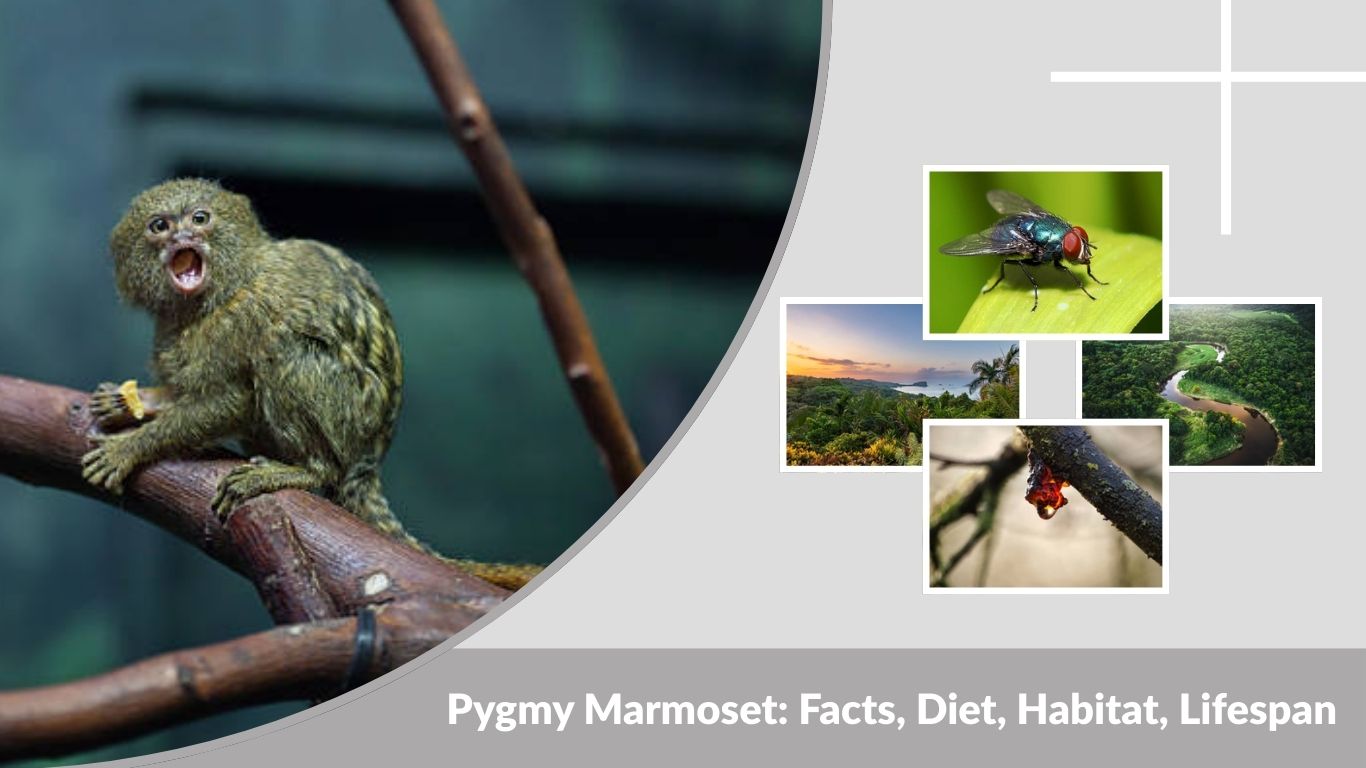





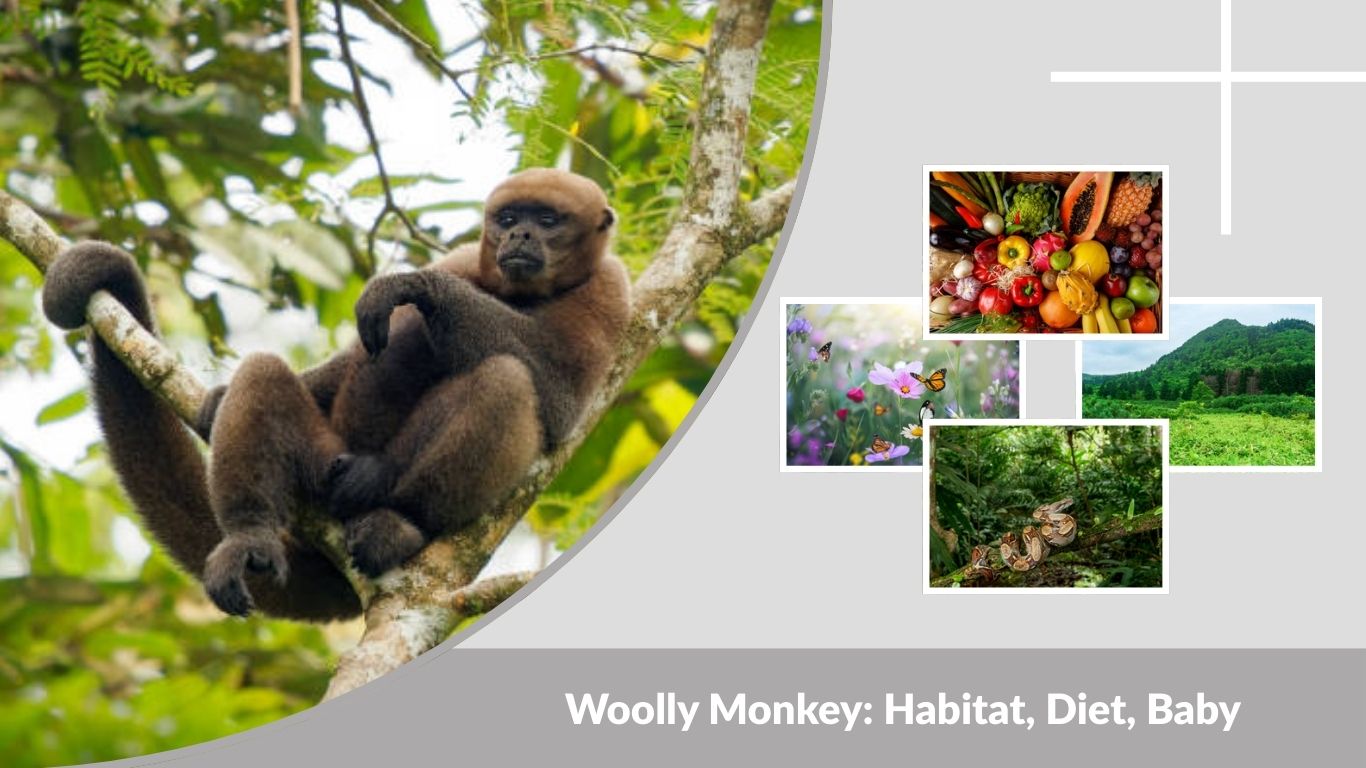
Woolly monkeys are large, tree-dwelling primates that live in the tropical rainforests of South America. They are named for their thick, wool-like fur that helps protect them from rain and cool mountain climates. These monkeys are known for their strong limbs, long prehensile tails, and social behavior. Woolly monkeys spend most of their lives high in the forest canopy, where they travel in groups searching for food. In this guide, we will explore woolly monkey habitat, diet, baby development, and fascinating facts about these remarkable primates.
What Is a Woolly Monkey?
A woolly monkey is a type of New World monkey belonging to the genus Lagothrix. These monkeys are closely related to spider monkeys and howler monkeys. Woolly monkeys are among the largest monkeys found in the Americas and are well adapted to life in dense tropical forests.
Scientific Classification
Woolly monkeys belong to the following scientific classification:
- Kingdom: Animalia
- Phylum: Chordata
- Class: Mammalia
- Order: Primates
- Family: Atelidae
- Genus: Lagothrix
Scientists recognize several species within this genus, each living in different parts of South America.
Types of Woolly Monkeys
Some of the most well-known species include:
- Common woolly monkey (Lagothrix lagotricha)
- Brown woolly monkey (Lagothrix lagotricha lagotricha)
- Gray woolly monkey (Lagothrix cana)
- Silver woolly monkey (Lagothrix poeppigii)
Although these species look similar, they differ slightly in fur color, size, and geographic distribution.
Key Physical Characteristics
Woolly monkeys have several distinctive physical traits that help them survive in forest environments.
- Thick wool-like fur that protects them from rain and cold
- Strong arms and legs used for climbing and swinging through trees
- Prehensile tail that acts like a fifth limb for gripping branches
- Large and muscular body compared to many other New World monkeys
Their tail is especially important because it allows them to hold onto branches while reaching for food or moving through the canopy.
Woolly Monkey Habitat
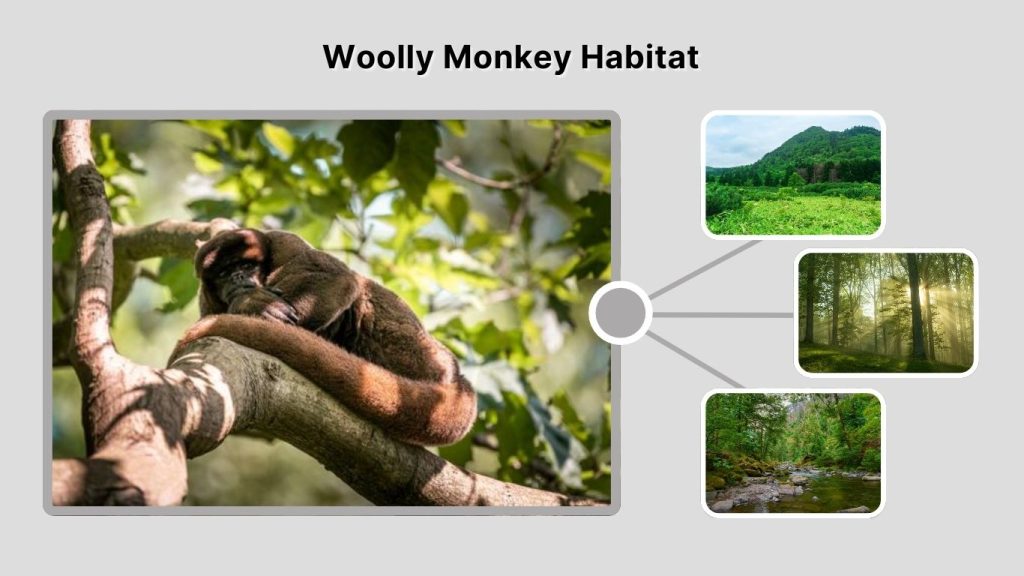
The woolly monkey habitat is mainly found in the tropical forests of South America. These forests provide abundant food, shelter, and protection from predators.
Geographic Range
Woolly monkeys live in several regions across northern and western South America. Their distribution is mainly concentrated in areas with dense rainforest vegetation.
Countries Where Woolly Monkeys Are Found
They can be found in countries such as:
- Brazil
- Peru
- Colombia
- Ecuador
- Bolivia
In these regions, woolly monkeys thrive in areas where tall trees provide safe pathways through the forest canopy.
Preferred Environments
Woolly monkeys typically live in:
- Tropical rainforests
- Mountain forests
- River forests
- Dense jungle areas
These habitats offer a variety of fruits, leaves, and other plant materials that form the basis of their diet.
Life in the Forest Canopy
Like many other monkeys in the Atelidae family, woolly monkeys are arboreal, meaning they spend most of their lives in trees. They move through the forest canopy using their powerful limbs and flexible tails.
Living high in the trees provides several advantages:
- Protection from many ground predators
- Access to fruit-bearing trees
- Safe places for resting and sleeping
Because of their strong climbing abilities, woolly monkeys can travel long distances through the forest without ever touching the ground.
Woolly Monkey Size and Physical Characteristics
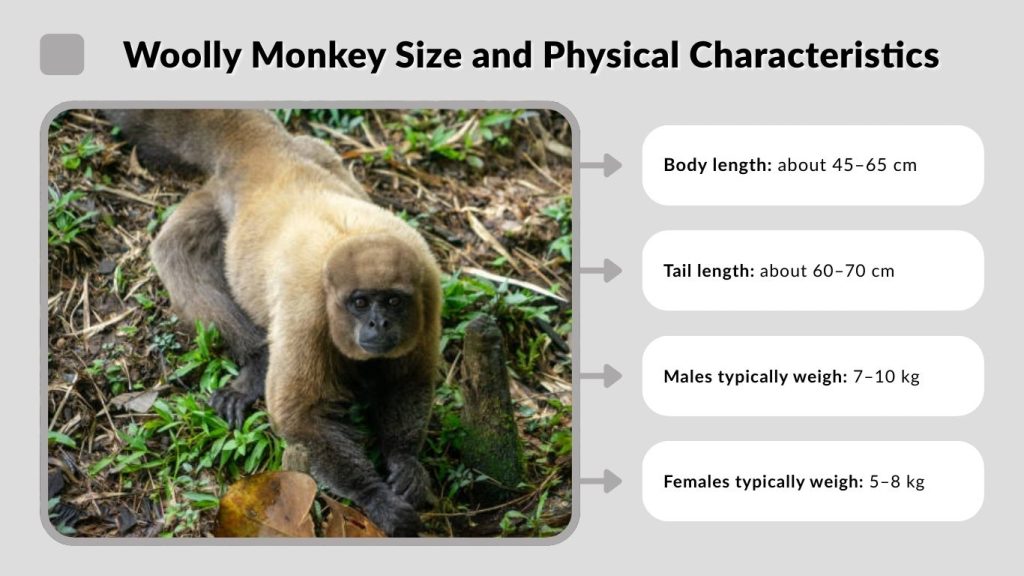
Woolly monkeys are considered some of the largest New World monkeys, and their bodies are well adapted for life in the treetops.
Body Size
On average, woolly monkeys have the following body measurements:
- Body length: about 45–65 cm (18–26 inches)
- Tail length: about 60–70 cm (24–28 inches)
Their tail is extremely strong and helps them maintain balance while moving through branches.
Weight Differences
Woolly monkeys are relatively heavy compared to many other monkey species.
- Males typically weigh: 7–10 kg (15–22 pounds)
- Females typically weigh: 5–8 kg (11–18 pounds)
This strong build allows them to climb and move confidently through large trees.
Adaptations for Tree Life
Several physical adaptations help woolly monkeys thrive in forest habitats.
First, their prehensile tail acts like an extra hand, allowing them to grip branches securely. Second, their strong arms and legs help them climb and swing between trees. Finally, their thick fur protects them from rain and cooler temperatures in mountain forests.
These features make woolly monkeys highly efficient climbers and allow them to travel easily through dense rainforest canopies.
Woolly Monkey Diet
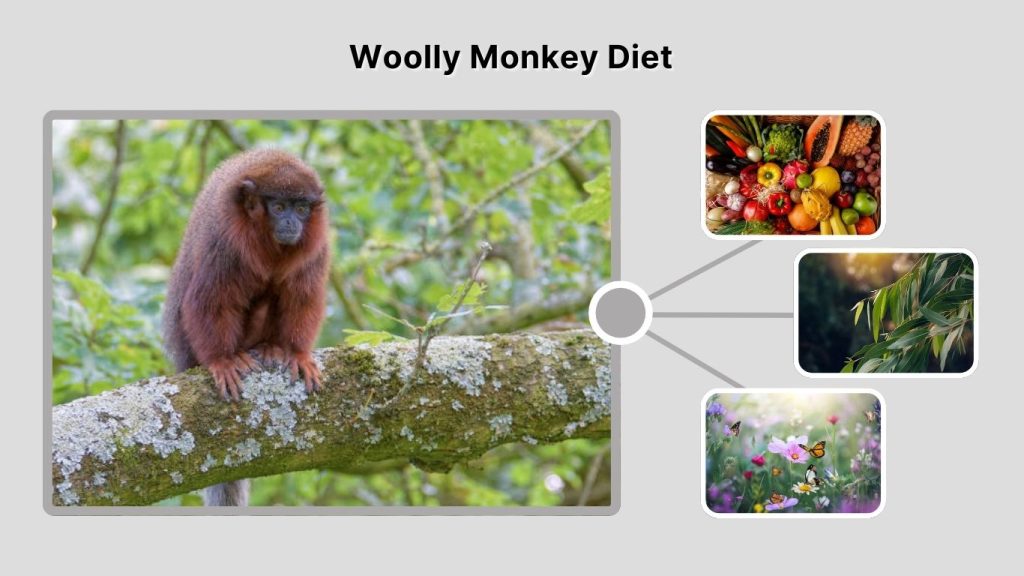
The woolly monkey diet mainly consists of plant-based foods. These monkeys are primarily frugivores, meaning fruit makes up the largest part of their diet.
Main Foods
Woolly monkeys commonly eat:
- Fruits
- Leaves
- Seeds
- Flowers
Fruits provide energy and nutrients that support their active lifestyle in the forest canopy.
Occasional Animal Foods
Although they mainly eat plants, woolly monkeys sometimes consume animal-based foods such as:
- Insects
- Small invertebrates
These foods provide additional protein and nutrients.
Feeding Behavior
Woolly monkeys usually search for food high in the trees. They travel through the forest canopy looking for fruiting trees and often remember locations where food is abundant.
Their feeding habits also play an important role in the ecosystem because they help disperse seeds across the forest, allowing new plants to grow.
Social Behavior and Group Life
Woolly monkeys are highly social animals that usually live in groups called troops. Living in groups helps them find food more easily and provides protection from predators.
Living in Groups
A typical woolly monkey troop may contain 10 to 40 individuals, although group sizes can sometimes be larger. These groups move together through the forest canopy while searching for fruit and other foods.
Group members maintain strong social bonds and cooperate with each other during daily activities such as feeding, resting, and traveling.
Communication
Woolly monkeys communicate with each other using several methods, including:
- Vocal calls to warn others about predators
- Body movements and gestures
- Facial expressions
- Touch and grooming
These communication methods help maintain order within the group and allow monkeys to coordinate their movements in the forest.
Daily Activity Patterns
Woolly monkeys are diurnal, which means they are active during the day. A typical day may include:
- Searching for fruits and leaves
- Traveling through trees
- Social grooming
- Resting in the canopy
They usually sleep in trees at night where they are safer from ground predators.
Baby Woolly Monkey
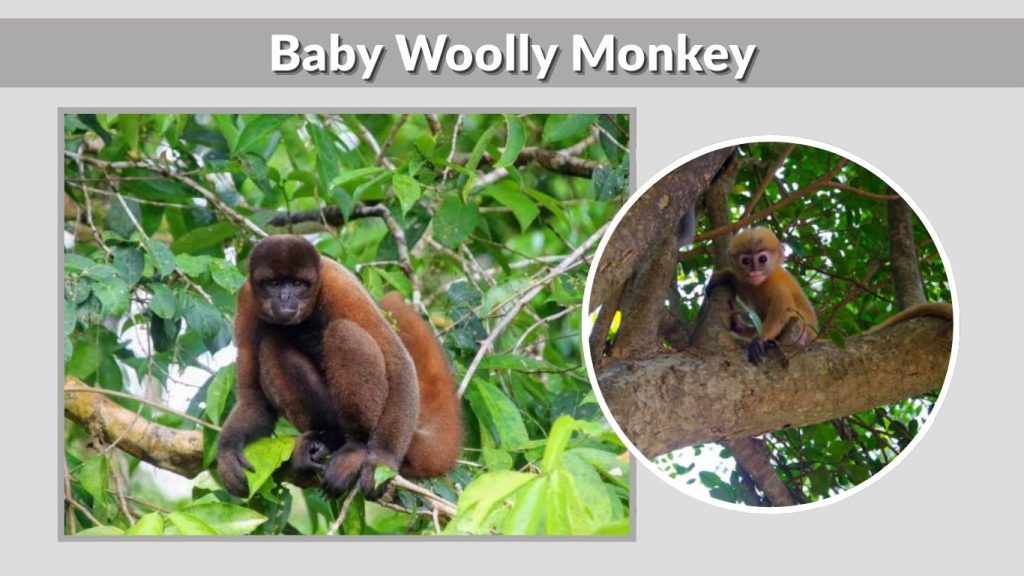
A baby woolly monkey is completely dependent on its mother during the early months of life. Mothers provide protection, warmth, and food for their young.
Birth and Infant Care
Female woolly monkeys usually give birth to one baby at a time after a gestation period of about 7 to 8 months. Twins are extremely rare.
After birth, the baby clings tightly to its mother’s fur. The mother carries the infant wherever she goes, ensuring the baby stays safe while she moves through the trees.
Appearance of Newborns
Baby woolly monkeys are born with soft, dark fur and large eyes. Their bodies are small and fragile, but they quickly develop stronger muscles as they grow.
Learning Survival Skills
As the baby grows older, it begins to explore nearby branches while still staying close to its mother. Young monkeys learn essential survival skills by observing their mothers and other members of the troop.
These skills include:
- Climbing and balancing on branches
- Identifying safe food sources
- Communicating with other monkeys
Learning these behaviors is essential for survival in the wild.
Woolly Monkey Life Cycle
The life cycle of a woolly monkey includes several stages of development from infancy to adulthood.
Infant Stage
The infant stage begins at birth and lasts for the first year of life. During this time, the baby depends entirely on its mother for food and protection.
Juvenile Stage
As woolly monkeys grow into juveniles, they become more independent. Juveniles begin exploring the forest canopy and playing with other young monkeys. These playful activities help develop climbing skills and social behaviors.
Adult Stage
Woolly monkeys reach adulthood at around 4 to 5 years of age. At this stage, they are fully capable of climbing, finding food, and reproducing.
Adult monkeys contribute to the troop by helping maintain social bonds and participating in group activities.
Woolly Monkey Facts
There are many interesting woolly monkey facts that make these primates unique.
- Woolly monkeys are among the largest monkeys in the Americas.
- Their prehensile tail works like a fifth limb, helping them grip branches securely.
- They have thick fur that helps protect them from rain and cooler temperatures.
- Woolly monkeys are very social animals that rely on group cooperation.
- They play a vital role in the forest ecosystem by spreading seeds through their diet.
Because of their ecological importance, woolly monkeys help maintain the health and diversity of tropical forests.
Predators and Threats
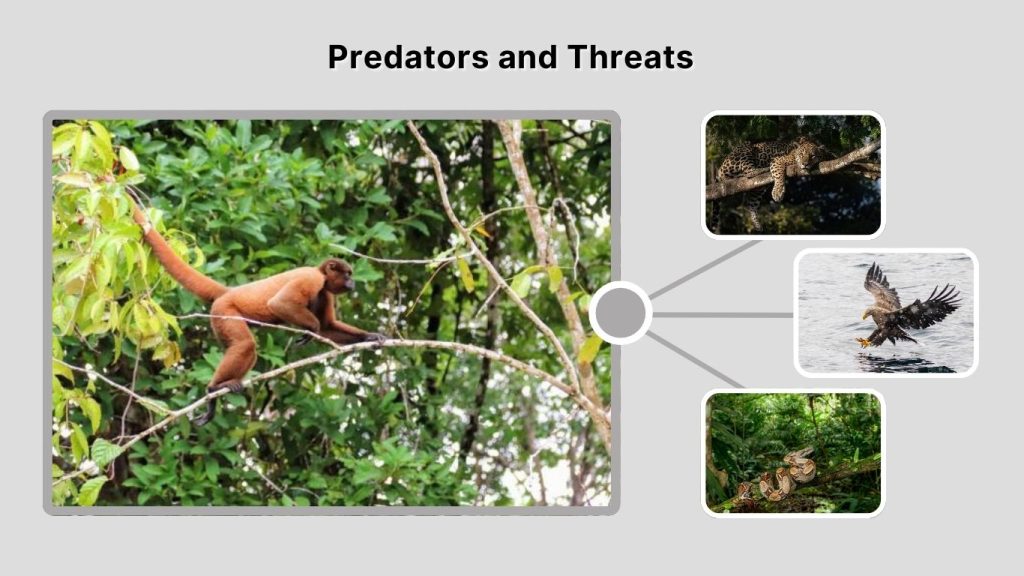
Like many rainforest animals, woolly monkeys face threats from both natural predators and human activities.
Natural Predators
Common predators of woolly monkeys include:
- Jaguars
- Large birds of prey
- Boa constrictor snakes
Living high in the forest canopy helps reduce the risk of attacks from some predators.
Human Threats
Human activities pose one of the biggest threats to woolly monkeys. These threats include:
- Deforestation
- Habitat loss
- Hunting
- Illegal wildlife trade
As forests are cleared for agriculture and development, woolly monkeys lose important habitat.
Conclusion
Woolly monkeys are fascinating primates known for their thick fur, strong climbing abilities, and highly social behavior. Found mainly in the tropical forests of South America, these monkeys play an important ecological role by dispersing seeds and helping maintain forest diversity. From their unique prehensile tails to their complex social groups, woolly monkeys are remarkable animals that highlight the richness of rainforest ecosystems. Protecting their habitats is essential to ensure that these impressive primates continue to thrive in the wild.