

The Brazilian wandering spider has a reputation that strikes fear in many — thanks to its aggressive behavior, impressive size, and powerful venom. But how dangerous is it really? Can it kill a human, or is that fear overblown? In this article, we’ll explore the biology, behavior, venom, and actual risk posed by this infamous arachnid, separating myth from fact.
What Is a Brazilian Wandering Spider?

The Brazilian wandering spider belongs to the Phoneutria genus, which includes several highly venomous species such as Phoneutria fera and Phoneutria nigriventer. These spiders are commonly found in South and Central America and are sometimes called “banana spiders” due to occasional appearances in fruit shipments. However, this name is misleading, as they are different from the harmless golden silk orb-weaver also nicknamed the banana spider.
Physically, they are large and intimidating. Adult wandering spiders can have a leg span of up to 5 inches (13 cm) and feature a hairy, robust body typically brown or reddish-brown in color. They’re called “wandering” spiders because they actively roam the forest floor at night to hunt, rather than staying in webs like many other species.
Where Are Brazilian Wandering Spiders Found?
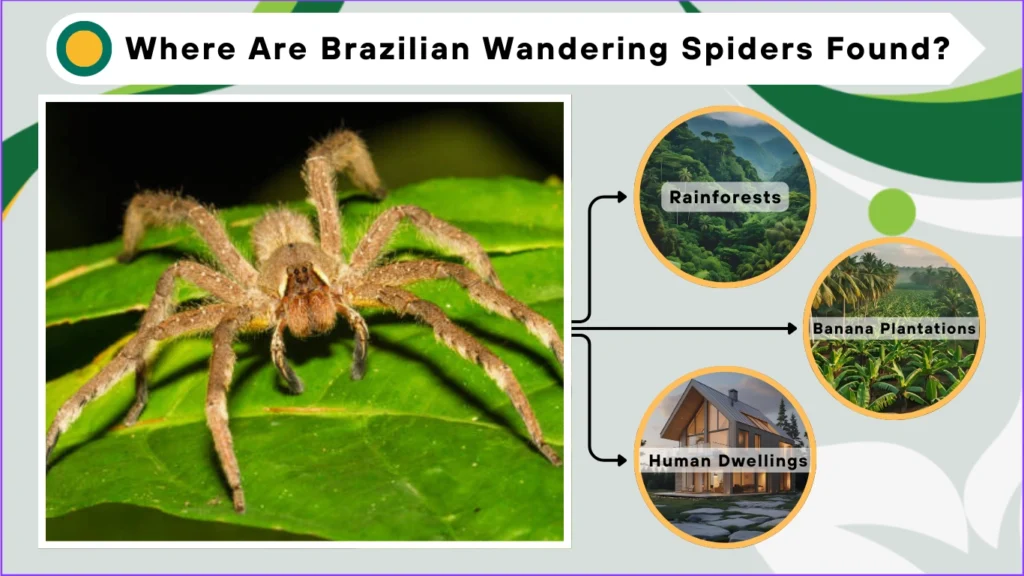
These spiders are primarily found in tropical regions of Brazil, but their range also includes Colombia, Peru, Venezuela, Bolivia, and other nearby countries. They favor warm, humid environments like rainforests, banana plantations, and human dwellings on the edges of wild areas.
Although rare, Brazilian wandering spiders have shown up in other countries by hitching rides in boxes of bananas or produce, which helped spread their notorious reputation. However, they do not establish populations outside tropical climates.
Are They Aggressive Toward Humans?

Yes — relatively speaking. The Brazilian wandering spider is known for its defensive behavior, especially when compared to most other spider species. If it feels threatened, it assumes a dramatic threat posture: raising its front legs and exposing its fangs while swaying back and forth. This display is intended to scare away predators.
However, it’s important to note that aggression doesn’t mean they go looking for humans to bite. They bite only when provoked, cornered, or accidentally touched — such as when someone puts on a shoe or picks up an object the spider was hiding in.
How Dangerous Is the Venom?
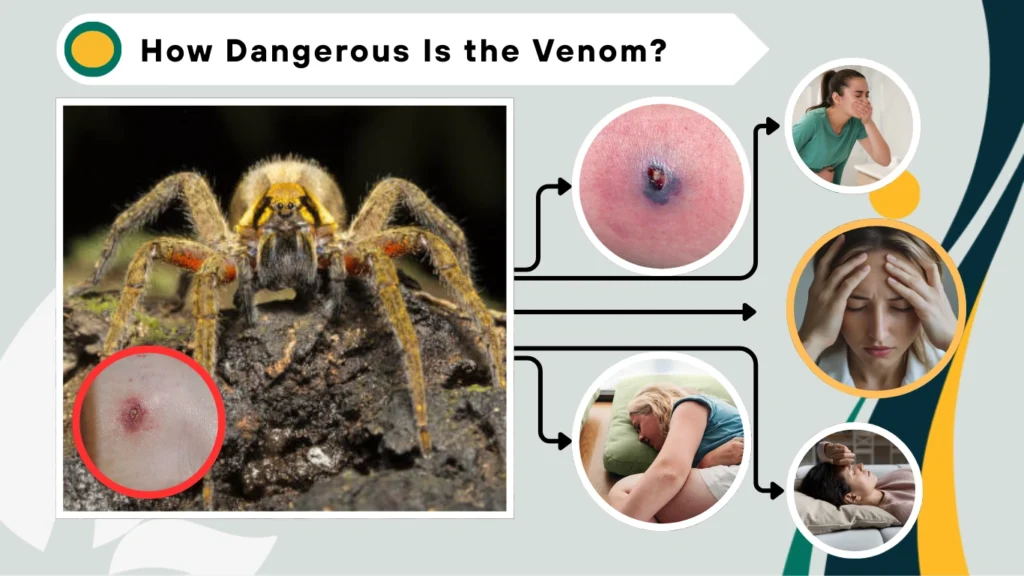
The venom of the Brazilian wandering spider contains powerful neurotoxins, specifically PhTx3, which affect the nervous system by blocking calcium channels in nerve cells. The venom can cause a range of symptoms including:
- Intense localized pain
- Swelling and redness
- Profuse sweating
- Muscle spasms and tremors
- Elevated heart rate
- Nausea and vomiting
- Priapism – a prolonged and painful erection, reported in some male victims due to specific compounds in the venom
These symptoms can develop within 30 minutes to an hour after a bite. Severe cases may result in difficulty breathing or even paralysis, especially in children or those with underlying health conditions. Still, with medical treatment, most people recover without complications.
Can a Brazilian Wandering Spider Kill a Human?
Yes — but it’s extremely rare. While the spider’s venom is among the most potent of any arachnid, the number of actual deaths is very low. Many bites are dry, meaning no venom is injected. And when venom is delivered, modern antivenom and medical care are typically effective in preventing fatal outcomes.
There are only a few confirmed fatalities, mostly involving small children or individuals with allergic reactions or delayed treatment. In most reported cases, victims experienced painful symptoms but recovered fully with supportive care.
How Common Are Bites?
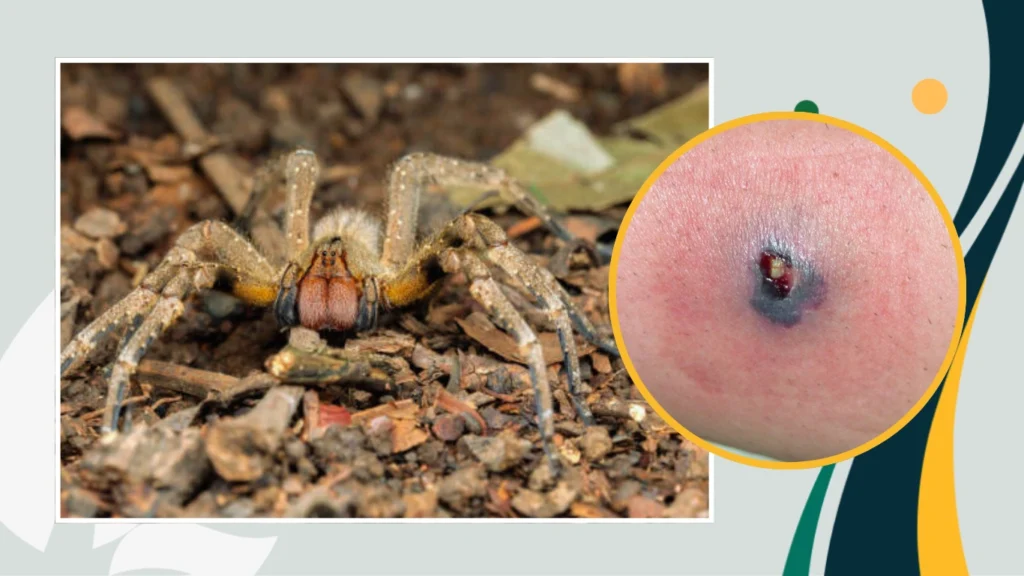
Despite their reputation, bites are relatively uncommon. Brazilian wandering spiders are nocturnal and reclusive. They prefer to avoid human contact and only bite when directly disturbed.
In Brazil and surrounding countries, cases of bites are reported each year, but the vast majority are non-fatal. It’s also important to note that in areas where these spiders live, health systems are generally aware of the risk and are equipped to respond quickly.
What to Do If Bitten
If you believe you’ve been bitten by a Brazilian wandering spider, here’s what to do:
- Stay calm – Anxiety can speed up the spread of venom.
- Clean the bite area with soap and water to prevent infection.
- Immobilize the bitten limb and keep it at or below heart level.
- Apply a cold compress to reduce pain and swelling.
- Seek immediate medical attention, especially if symptoms intensify.
- If possible, safely capture or photograph the spider for identification.
In a clinical setting, doctors may use pain relievers, muscle relaxants, and antivenom in severe cases. Hospitalization is sometimes necessary, especially for children or those experiencing systemic symptoms.
Myths vs. Facts
Let’s address a few common myths about Brazilian wandering spiders:
- Myth: They will chase or hunt humans.
Fact: They do not seek out humans and only bite defensively. - Myth: Every bite results in death.
Fact: Fatalities are extremely rare, especially with treatment. - Myth: All bites are venomous.
Fact: Many bites are dry or deliver only a small amount of venom. - Myth: They are always found in bananas.
Fact: While some have been found in shipments, this is uncommon and sensationalized. - Myth: Their venom is used in Viagra.
Fact: Some compounds from the venom are being studied for erectile dysfunction, but it’s not an ingredient in commercial Viagra.
Final Thoughts: Should You Be Afraid?
The Brazilian wandering spider is undeniably dangerous — its venom is potent, and its defensive behavior is intense. However, the actual risk it poses to the average person is very low, especially outside of South America.