

The Brazilian salmon pink bird-eating spider (Lasiodora parahybana) is one of the largest and most eye-catching tarantulas in the world. Known for its sheer size and beautiful salmon-colored leg hairs, this spider is native to northeastern Brazil and has become a popular species among tarantula enthusiasts. Despite its intimidating name, it rarely eats birds and is generally docile in nature.
In this article, we’ll explore everything you need to know about the Brazilian salmon pink—from its appearance and natural habitat to feeding behavior, molting, and tips for keeping it as a pet. Whether you’re curious about this fascinating spider or considering it for your collection, this guide covers it all.
Overview of the Brazilian Salmon Pink Bird-Eating Spider

The Brazilian salmon pink bird-eating spider, scientifically known as Lasiodora parahybana, is a giant terrestrial tarantula species native to northeastern Brazil. It is renowned for its massive size, fast growth, and striking appearance. Despite the term “bird-eating” in its name, it rarely preys on birds and mostly feeds on insects and small animals.
Common and Scientific Names
- Scientific Name: Lasiodora parahybana
- Common Names:
- Brazilian salmon pink bird-eating spider
- Salmon pink tarantula
- Parahyba tarantula
- Brazilian salmon pink bird-eating spider
Origin and Habitat
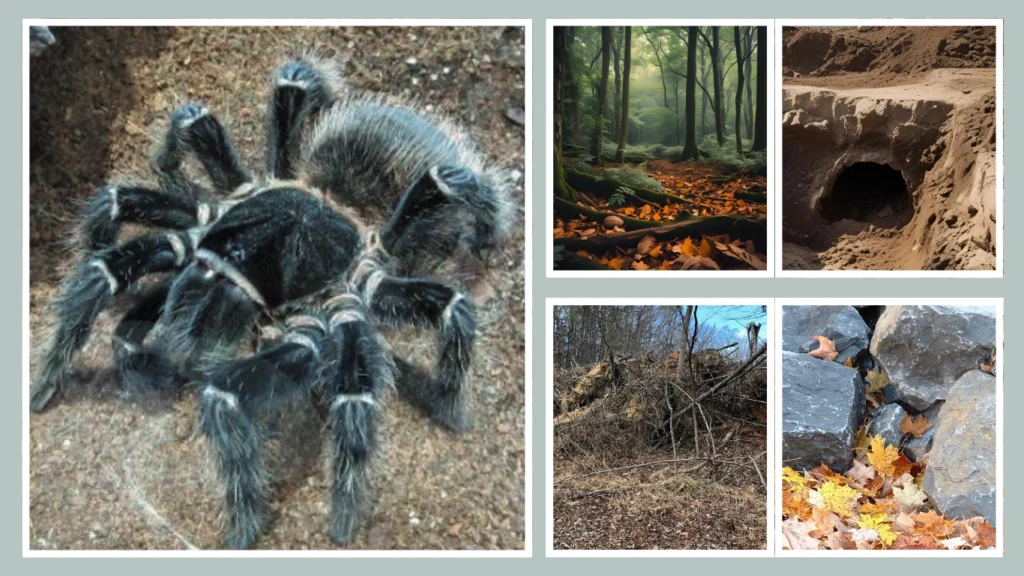
This spider is primarily found in semi-humid forest regions of Paraíba, Brazil. It is a terrestrial burrower, typically hiding under natural cover such as rocks, logs, or in self-dug burrows.
Popularity Among Keepers
Due to its manageable temperament, impressive size, and availability in the exotic pet trade, it has become one of the most popular large tarantulas kept in captivity. It’s often chosen by experienced hobbyists who want a visually impressive and hardy species.
Physical Appearance

Size and Weight
The Brazilian salmon pink bird-eating spider is among the largest tarantulas in the world. Adult females can reach a leg span of 10–11 inches (25–28 cm), while males are slightly smaller. In terms of weight, they can exceed 100 grams, making them one of the heaviest spiders globally.
Color and Markings
Its body is dark brown to black, covered with fine hairs. What sets this species apart is the distinct salmon-pink hairs that grow along the legs and abdomen, giving it a unique and attractive appearance—especially under good lighting.
Habitat and Natural Environment
Native Region
Lasiodora parahybana is native to the Atlantic forest region of northeastern Brazil, particularly in the state of Paraíba. It thrives in tropical and subtropical climates with consistent humidity and warmth.
Shelter and Lifestyle
In the wild, it lives on the forest floor, creating shallow burrows or hiding under natural debris like logs, rocks, and leaves. It spends much of its time hidden during the day and becomes active at night to hunt or explore its surroundings.
Behavior and Temperament
Daily Activity and Nature
This spider is nocturnal and mostly solitary, preferring to hunt at night and avoid confrontation. It relies heavily on vibration and touch rather than vision, as its eyesight is poor.
Defense Mechanisms
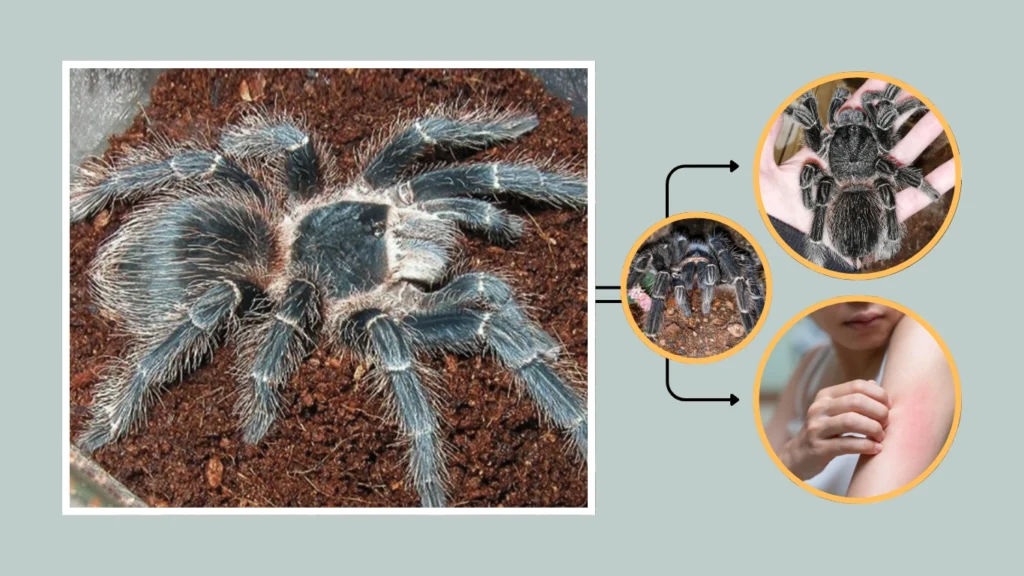
While not aggressive by nature, it can become defensive when threatened. It uses urticating hairs, which it kicks off its abdomen with its hind legs to irritate predators. It may also raise its front legs in a threat posture to appear more intimidating.
Suitability for Handling
Though they’re often calm, they are not ideal for regular handling due to their size, speed, and sensitivity to stress. Their urticating hairs can also irritate human skin and eyes. Most keepers admire them visually and avoid unnecessary interaction.
Diet and Feeding Habits
Wild Diet
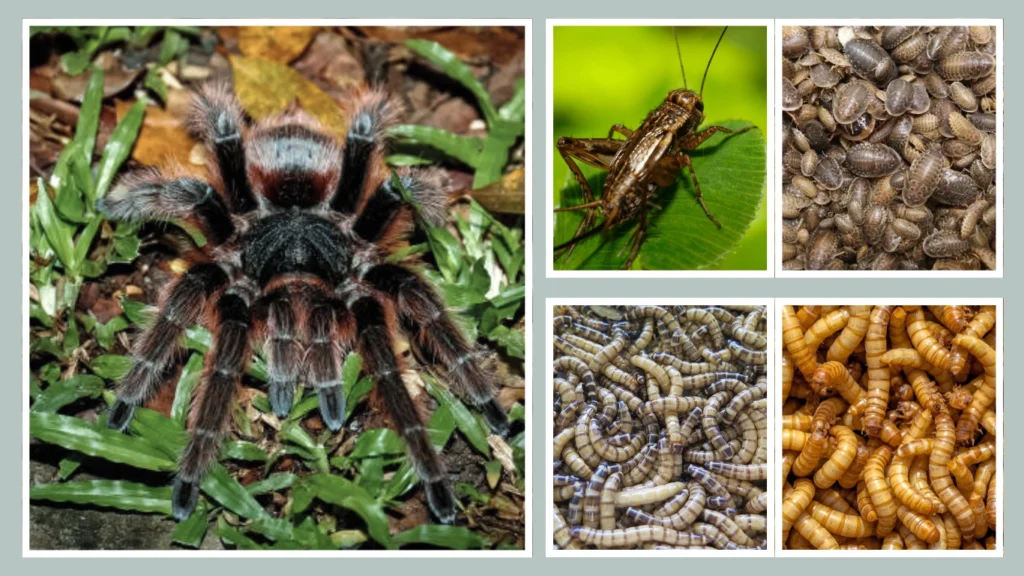
In the wild, the Brazilian salmon pink bird-eating spider is an opportunistic predator. It feeds on a variety of small animals, including insects, beetles, cockroaches, worms, and occasionally small frogs, lizards, or even rodents if available. While it is physically capable of killing small birds, such occurrences are extremely rare and not a regular part of its diet.
Feeding in Captivity
In captivity, they thrive on a diet of crickets, dubia roaches, mealworms, and superworms. Adult tarantulas may also be fed pre-killed pinkie mice occasionally, but this should be done sparingly. Feeding is generally done once a week for adults and more frequently (2–3 times per week) for juveniles.
Life Cycle and Reproduction
Growth and Maturity
These spiders are fast growers. Males typically reach maturity in 2–3 years, while females take around 3–4 years but live much longer. After reaching maturity, males have a short lifespan and usually die within a year of mating.
Mating and Egg Sac
Mating involves careful interaction, with the male using his pedipalps to transfer sperm. A successful female may lay an egg sac containing 1,000–2,000 eggs. The egg sac is guarded aggressively until the spiderlings hatch in about 6 to 8 weeks.
Molting Process
What Is Molting?
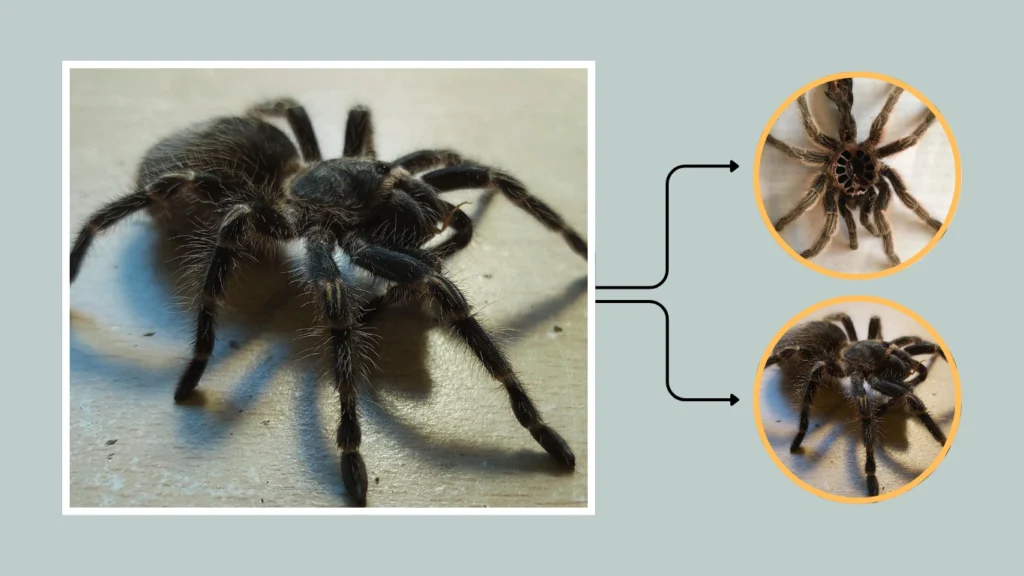
Molting is the process through which the spider sheds its exoskeleton to grow. Juvenile salmon pinks molt several times a year, while adults molt less frequently, often just once annually.
Signs and Recovery
Before molting, the spider may refuse food, become sluggish, and lay on its back—a position often mistaken for death. After molting, it needs a few days to harden its new exoskeleton and should not be fed during this time to avoid injury.
Housing and Pet Care (Captive Guide)
Enclosure Setup
For adult Brazilian salmon pink bird-eating spiders, a 15–20 gallon terrarium is ideal. They need ample floor space, not height, since they are terrestrial. Use 4–6 inches of moisture-retaining substrate like coconut fiber or peat moss to allow burrowing. Provide a hideout (e.g., cork bark or half log), a shallow water dish, and avoid sharp decorations to prevent injury during movement or falls.
Temperature and Humidity
Maintain a temperature of 75–85°F (24–29°C) with humidity levels between 65–75%. Use a heat mat on the side of the enclosure if needed (never under it), and mist the enclosure lightly to retain moisture. Adequate ventilation is essential to prevent mold growth.
Cleaning and Maintenance
Remove uneaten prey within 24 hours. Spot-clean waste regularly and replace substrate every 6–12 months. Water dishes should be cleaned and refilled with fresh, dechlorinated water every few days. Avoid overhandling as it stresses the spider.
Health and Common Issues
Common Health Concerns
- Dehydration: Indicated by a shriveled abdomen or inactivity. Remedy with increased humidity and water availability.
- Mite Infestation: Can occur if enclosure is too damp or dirty. Keep enclosure clean and dry between mistings.
- Molting Issues: Incomplete molts can happen if humidity is too low or if the spider is disturbed. This can be fatal if not corrected.
Injuries and Falls
Due to their large size and weight, falls from even moderate heights can injure or kill them. Avoid using tall enclosures and always provide a secure, low setup with soft substrate.
Brazilian Salmon Pink vs. Other Bird-Eating Spiders
Compared to Goliath Birdeater (Theraphosa blondi)
- Size: Goliath birdeater is slightly larger in weight; salmon pink is nearly as large but has a longer leg span.
- Temperament: Salmon pinks are typically more tolerant and less defensive.
- Availability: Salmon pinks are more widely available in the pet trade and easier to care for.
- Coloration: Goliaths are brownish; salmon pinks have distinctive pink leg hairs, making them more visually striking.
Interesting Facts
- One of the Largest Tarantulas: The Brazilian salmon pink bird-eating spider ranks among the top three largest tarantulas in the world by leg span.
- Fast Growth Rate: Compared to many other tarantula species, this one grows very quickly, reaching impressive sizes within just a few years.
- Large Egg Sacs: Females can lay up to 2,000 eggs in a single sac—among the highest numbers in the tarantula world.
- Hair Flickers: Instead of biting, they often defend themselves by flicking tiny, barbed hairs that can irritate the eyes and skin of predators.
- Low Aggression Level: Despite their size and fearsome appearance, they are generally not aggressive and are considered one of the more docile large tarantula species.
FAQs
Is the Brazilian salmon pink bird-eating spider venomous to humans?
Yes, but not dangerously so. Like all tarantulas, this species has venom used to immobilize its prey. For humans, a bite might cause localized pain, swelling, and irritation—similar to a bee sting. However, it’s not considered medically significant unless the person has a specific allergy or the wound becomes infected. Their primary defense is not biting but flicking urticating hairs, which can cause more discomfort if they get into your skin or eyes.
How long do they live?
Female salmon pink tarantulas have remarkably long lifespans—typically 15 to 20 years with proper care. Males, on the other hand, live much shorter lives, usually 3 to 6 years, and often die shortly after reaching sexual maturity or mating. This long lifespan makes them a long-term commitment for spider keepers.
Can they be handled safely?
While they are generally calm and not quick to bite, handling is not recommended. Their large size makes them fragile—if dropped, they can suffer serious injury or death. Additionally, they possess urticating hairs, which can cause intense itching or eye irritation if released during handling. It’s best to admire them without direct contact and only move them if absolutely necessary, using tools or a secure container.
Do they really eat birds?
Not typically. The term “bird-eating” comes from historical observations and their impressive size. In the wild, they might opportunistically eat a small ground-nesting bird or hatchling, but this is very rare. Their usual diet consists of insects, worms, and occasionally small lizards, frogs, or rodents.
Are they good beginner pets?
They are not ideal for complete beginners due to their size, speed, and need for proper humidity and temperature control. However, they are more manageable than other large tarantulas because of their generally docile behavior and strong immune system. With some prior experience in tarantula care and proper research, they can be a rewarding and stunning species to keep.