

Brown recluse and brown widow spiders are known not only for their venomous bites but also for their hidden, fast-growing egg sacs. Understanding what their eggs look like, how many they lay, and how to get rid of them is essential for preventing infestations. In this guide, we answer 14 frequently asked questions to help you identify, remove, and control these spider eggs safely and effectively.
1. What do brown recluse spider eggs look like?
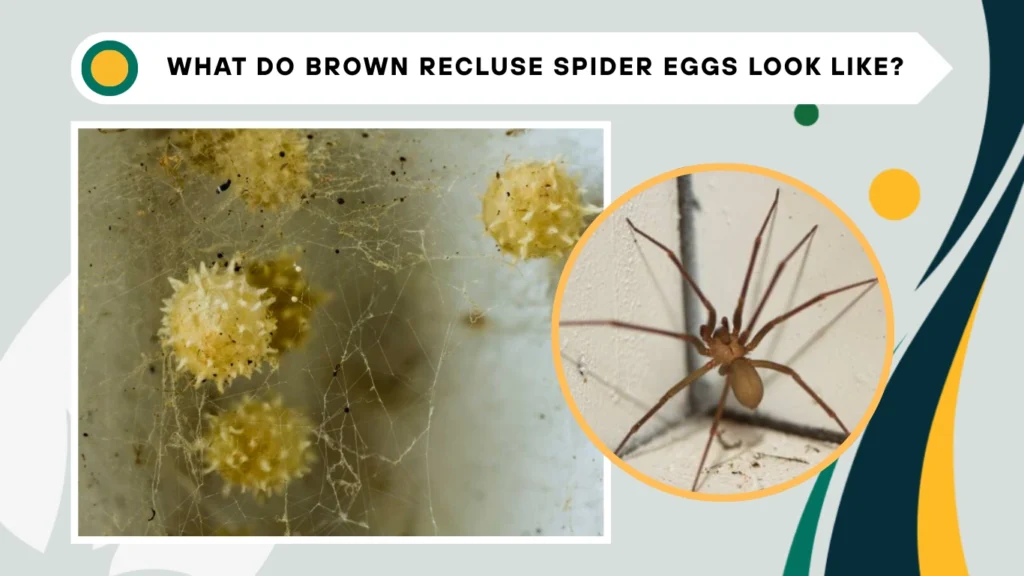
Brown recluse spider eggs are tiny, white or off-white, and oval-shaped. They are enclosed within a protective silk sac, which hides the actual eggs from view. Each egg is about the size of a pinhead, and they’re rarely seen individually since they’re always bundled inside the spider’s silky egg sac.
2. What does a brown recluse spider egg sac look like?
The egg sac of a brown recluse spider is about the size of a pea and shaped like a teardrop or rounded dome. It’s made of off-white to cream-colored silk with a fuzzy or cottony texture. These sacs are often hidden in secluded areas like wall voids, behind furniture, or in closets.
3. What do spider egg sacs look like from a brown recluse?
Brown recluse spider egg sacs appear as soft, silken balls or pods, usually whitish or cream-colored. They are less smooth than other spider egg sacs and may have a slightly fuzzy or irregular texture. Found in undisturbed places, these sacs contain dozens of eggs and are guarded by the female spider nearby.
4. How many eggs does a brown recluse spider lay?
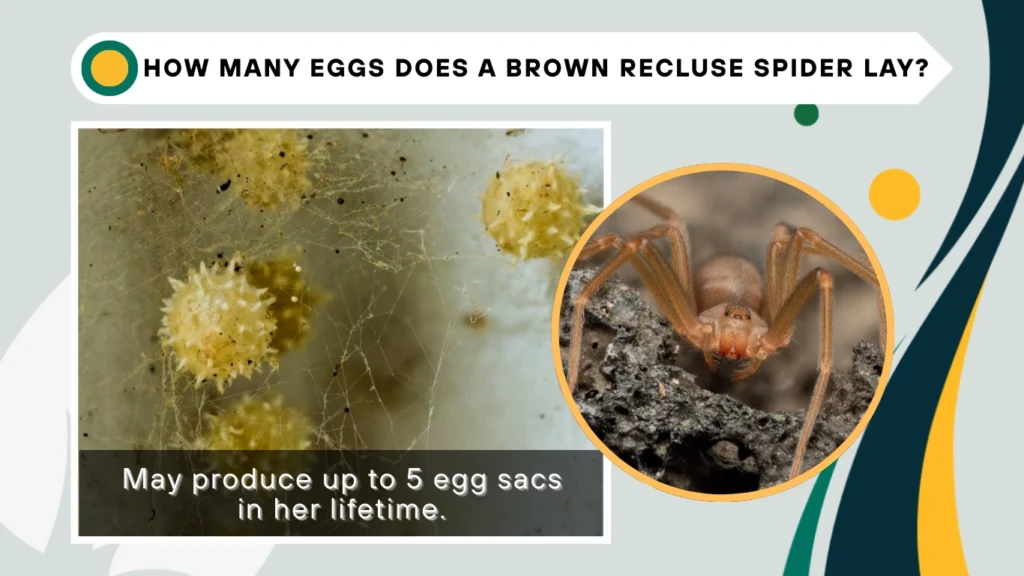
A single female brown recluse can lay up to 50 eggs per egg sac and may produce up to 5 egg sacs in her lifetime. That means one female can generate around 250 spiderlings under optimal conditions. This high reproductive rate contributes to the rapid spread of infestations if not controlled early.
5. How many eggs can a brown recluse spider have?
In her lifetime, a brown recluse spider may lay 200 to 300 eggs, depending on environmental conditions. Eggs are laid in batches, with each sac holding between 40 to 60 eggs. Given the right temperature and shelter, these eggs hatch within a few weeks, and the young spiders begin to disperse soon after.
6. How long do brown recluse spider eggs take to hatch?
Brown recluse spider eggs typically hatch in 21 to 30 days, depending on temperature and humidity. After hatching, the spiderlings remain in or near the sac for a short period before dispersing. Warmer, stable indoor environments may accelerate hatching, which is why infestations can grow rapidly if not detected early.
7. When do brown recluse spider eggs hatch?

Brown recluse eggs usually hatch within 3 to 4 weeks after being laid. Hatching can occur year-round indoors where conditions are favorable. In natural settings, hatching is more common in late spring through summer. The young spiders begin hunting small insects shortly after emerging and mature over the course of several months.
8. Do brown recluse spiders lay eggs indoors?
Yes, brown recluse spiders commonly lay their eggs indoors, especially in dark, undisturbed spaces like attics, basements, behind wall voids, or inside closets. These quiet, sheltered areas provide ideal conditions for egg sacs to remain hidden and protected. Indoor environments also allow the young to survive and reproduce more easily.
9. What do brown widow spider egg sacs look like?
Brown widow spider egg sacs are distinctively spiky or tufted, resembling tiny burrs or sea urchins. They’re cream to light tan and about the size of a small marble. These sacs are often found in corners, under furniture, outdoor grills, or eaves, and their spiky appearance sets them apart from other spider egg sacs.
10. How long do brown widow spider eggs take to hatch?
Brown widow spider eggs hatch in about 20 to 30 days, depending on the surrounding temperature. After hatching, dozens of spiderlings emerge from the sac and begin to disperse. The female may lay multiple egg sacs during the season, and if left undisturbed, the population can quickly grow in both indoor and outdoor areas.
11. How to get rid of brown widow spider egg sacs?

To get rid of brown widow egg sacs, wear gloves and use a tissue or paper towel to crush and dispose of them. Place them in a sealed plastic bag before throwing them away. For larger infestations, use a vacuum with a hose attachment or apply a spider control insecticide labeled for egg sac treatment.
12. How to remove brown widow spider egg sacs safely?
Safely removing brown widow spider egg sacs involves wearing protective gloves and using tweezers or a stick to dislodge the sacs. Place them into a sealed container or plastic bag for disposal. Avoid crushing them barehanded. After removal, clean the area with a disinfectant and check nearby spaces for additional sacs or spiders.
13. How to kill or destroy brown widow spider eggs?
To destroy brown widow spider eggs, crush the egg sacs with a hard object or tissue while wearing gloves. You can also spray them with an insecticide that specifically targets spider eggs and egg sacs. Once treated, vacuum the area thoroughly and dispose of the vacuum contents in a sealed bag.
14. How to kill brown recluse spider eggs?
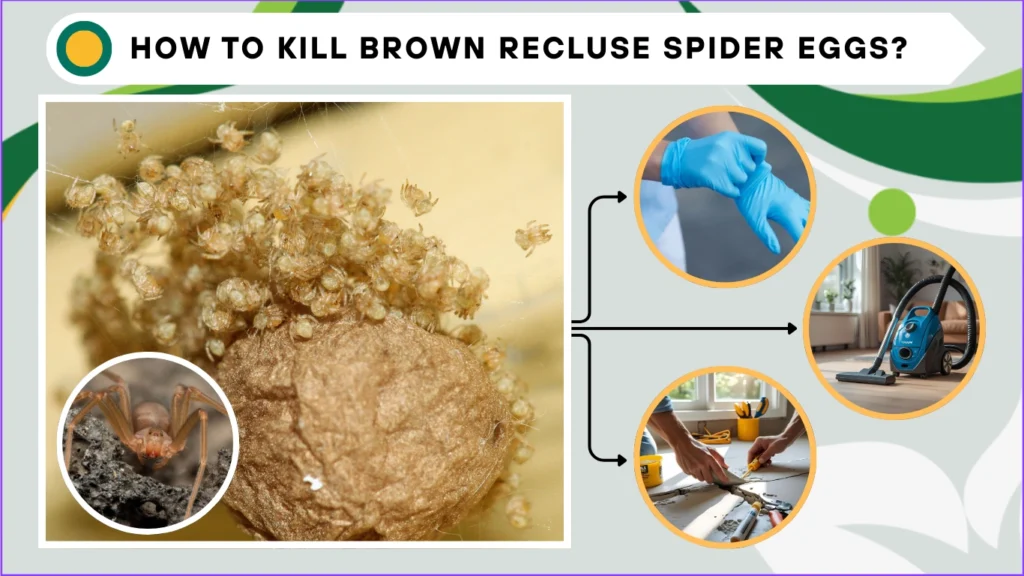
To kill brown recluse spider eggs, remove the sac using gloves and crush it or place it in rubbing alcohol or a sealed bag. Use a spider-specific insecticide or diatomaceous earth in crevices where sacs may be hidden. Eliminating clutter and sealing cracks will also help prevent future egg-laying.