
The brown widow spider is a lesser-known but fast-spreading cousin of the black widow. Found in warmer states like California, Texas, and Florida, this venomous spider has a unique look, spiky egg sacs, and a messy web style. While its bite is usually mild, it’s important to know how to identify and manage these spiders. This guide covers everything from bite symptoms to habitat and key differences from black widows.
What Is a Brown Widow Spider?

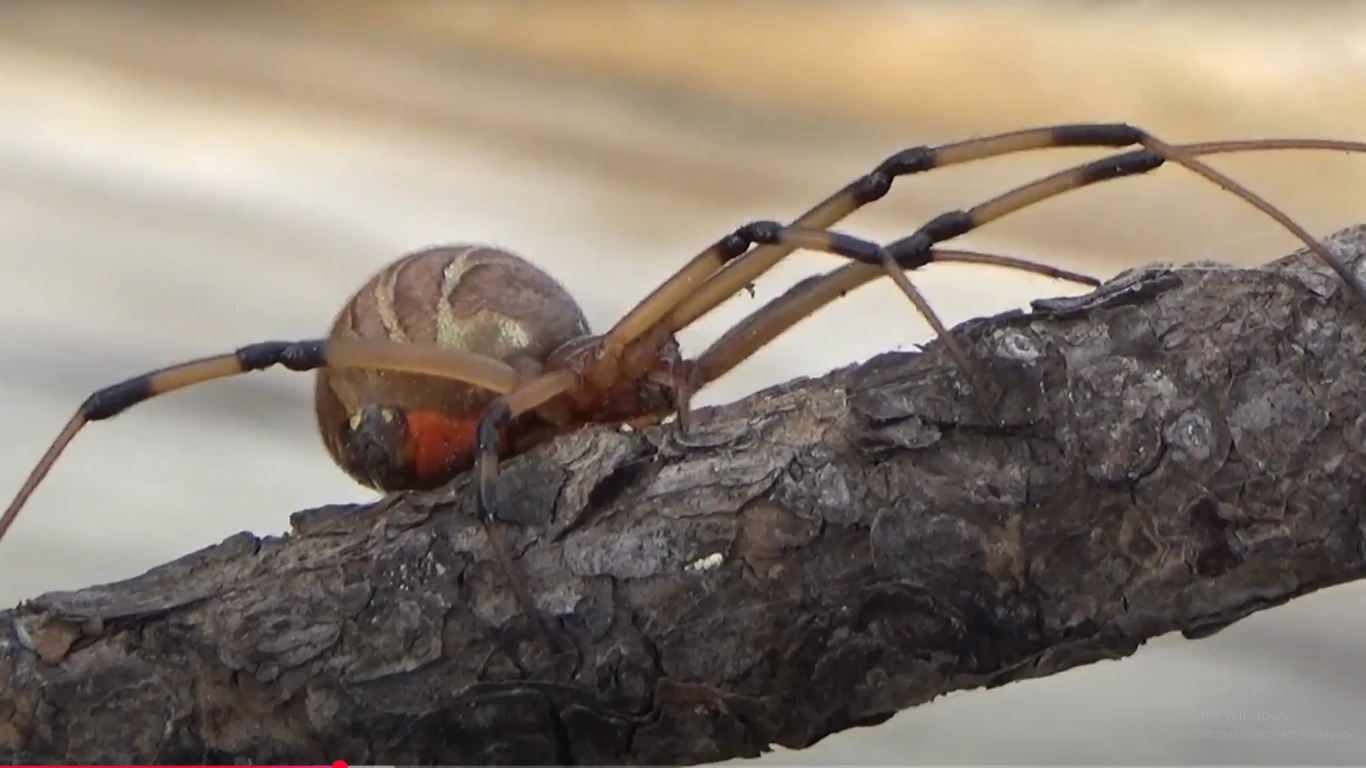
The brown widow spider is a lesser-known cousin of the infamous black widow. While it may not have the same deadly reputation, it’s still worth knowing—especially if you live in states like California, Texas, or Florida, where these spiders are often spotted. Compared to the black widow, the brown widow has a more muted appearance but still carries the same hourglass mark on its underside—usually orange or yellow instead of red.
This spider tends to be shy and prefers to stay hidden in corners of outdoor furniture, fences, or storage areas. It’s not as aggressive as the black widow, but its bite can still cause discomfort. In recent years, brown widow sightings have increased across the southern U.S., particularly in Florida, California, and Texas, making it important to recognize and understand this species.
Whether you’re a gardener, a homeowner, or just someone curious about local wildlife, understanding what a brown widow spider looks like and where it might be found can help you avoid unpleasant encounters. Keep reading to learn how to identify this spider and how it differs from more dangerous species like the black widow.
Brown Widow Spider Identification

The brown widow may not grab attention like the black widow, but it has its own distinct appearance. Spotting one becomes easier once you know the subtle differences. Let’s break down how to recognize this spider, from its size to its male and juvenile forms.
Identification
- Light to dark brown or grayish body
- Characteristic orange or yellow hourglass on the underside of the abdomen
- Legs often have dark bands or stripes
- Abdomen with white or tan geometric markings
- Adult females are about 1.5 inches with legs extended
- Males are smaller and less vivid in color
- Juveniles look paler and lack clear hourglass markings at first
Size
Brown widow spiders are generally medium-sized. Adult females are about 0.5 inches in body length, and when including the legs, they can span around 1.5 inches. Males are much smaller and more slender in build, often going unnoticed.
Male Brown Widow
Male brown widow spiders are usually harmless and not often seen. They’re smaller, duller in color, and rarely bite. Their role is mostly limited to mating, after which they tend to disappear—or get eaten.
Juvenile and Baby Brown Widows
Juvenile brown widows go through several molts before reaching adulthood. As spiderlings, they are pale and hard to distinguish from other species. Their markings become clearer as they mature, with the hourglass shape becoming more visible.
Brown Widow Habitat and Range

The brown widow spider has expanded its range significantly in recent decades. Originally believed to come from Africa or South America, it has now spread across parts of the United States, especially in warmer climates. These spiders are highly adaptable and often take advantage of man-made structures for shelter.
Habitat
Brown widows prefer quiet, undisturbed areas. You’re more likely to find them:
- Under outdoor furniture
- Around storage sheds and garages
- Inside mailboxes and meter boxes
- Beneath plant pots or garden equipment
- In crevices of fences or stone walls
They spin irregular, messy webs that are usually low to the ground or tucked into corners. Unlike black widows, they often build their webs in more exposed areas around human activity.
Range
In the United States, the brown widow spider is most commonly found in:
- California
- Florida
- Texas
- Southern states with warm climates
- Some parts of the Gulf Coast
- Occasionally in greenhouses or shipping containers (which help them travel)
Sightings have increased in California and Florida, making these states hotspots for brown widow activity. As global temperatures rise and shipping routes expand, their range may continue to grow.
Brown Widow Spider Bite

Although the brown widow spider bite is venomous, it’s typically less severe than a black widow bite. Most people who are bitten experience mild symptoms, but some may have stronger reactions depending on age, health, and sensitivity to the venom.
Bite Symptoms
- Localized pain or burning at the bite site
- Redness and swelling
- Itching or rash
- Mild muscle cramps or stiffness
- Headache or dizziness (less common)
- Nausea or general discomfort in sensitive individuals
- Bite may look like a small red puncture or blister
Symptoms usually begin within 1–3 hours of the bite and fade within a day or two. The pain is often described as less intense than a black widow’s bite.
Treatment
Most brown widow bites can be treated at home. However, medical attention is recommended if symptoms worsen.
Basic first aid:
- Wash the area gently with soap and water
- Apply a cold compress to reduce swelling
- Take over-the-counter pain relievers like ibuprofen or acetaminophen
- Use antihistamines for itching or rash
Seek medical care if:
- Pain becomes severe
- Symptoms spread beyond the bite area
- You experience muscle cramps, vomiting, or chest tightness
- The bitten person is a child, elderly, or has allergies
There is no specific antivenom for the brown widow. In most cases, supportive care and pain relief are all that’s needed.
Is the Brown Widow Spider Dangerous or Poisonous?

The brown widow spider is venomous, meaning it produces venom to subdue its prey. However, when it comes to humans, it’s far less dangerous than its black widow cousin. Bites from brown widows rarely cause serious medical issues and are considered mild to moderate in severity.
How Poisonous Is It?
Brown widow venom contains neurotoxins, similar to the black widow, but in smaller amounts. The spider also tends to inject less venom when it bites, which is one reason why symptoms are usually not severe. Most people recover quickly with minimal treatment.
Is the Brown Widow Spider Dangerous?
In general, the brown widow is not considered highly dangerous to humans:
- It is not aggressive and typically only bites when provoked or trapped
- Most bites result in localized pain or irritation, not full-body reactions
- Children, elderly individuals, and those with weak immune systems may be at higher risk for stronger symptoms, but serious complications are rare
While you should always treat spider bites with caution, especially if the identity of the spider is unknown, the brown widow is usually more of a nuisance than a serious threat.
Brown Widow Life Cycle

The brown widow spider goes through a complete metamorphosis that includes egg, spiderling, juvenile, and adult stages. This life cycle can span several months, depending on climate and environmental conditions.
- Egg Stage: The life cycle begins with the female laying eggs in uniquely shaped sacs.
- Spiderling Stage: After hatching, tiny spiderlings emerge and disperse quickly.
- Juvenile Stage: As they grow, the spiderlings go through multiple molts (shedding their skin).
- Adult Stage: Females reach maturity faster than males and live longer—often several months. Males typically die shortly after mating.
Brown Widow Egg Sacs
One of the easiest ways to identify a brown widow infestation is by spotting their unusual egg sacs. Unlike smooth egg sacs from other spiders, brown widow sacs are spiky or tufted, often described as looking like little white sea urchins.
Key details:
- Each egg sac contains 100–150 eggs
- Sacs are placed in hidden corners of the web or structure
- A single female can lay multiple sacs over her lifetime
- Eggs typically hatch in 2 to 4 weeks, depending on temperature
- The spiny texture of the sac is unique to brown widows, making them easier to distinguish from other spiders
Spotting these egg sacs early can help prevent a larger spider population from developing around your home.
Brown Widow vs Black Widow

Both the brown widow and black widow belong to the same genus (Latrodectus), which means they share some physical and behavioral traits. However, there are clear differences that help distinguish them. Understanding these differences can help you identify which spider you’re dealing with—and how concerned you should be.
Appearance
- Brown Widow Spider: Light to dark brown or gray body with white or tan patterns; orange or yellow hourglass marking on the underside.
- Black Widow Spider: Shiny black body with a bright red hourglass on the underside; no additional markings.
Behavior
- Brown widows are shy, less aggressive, and tend to hide in outdoor structures like mailboxes, garden furniture, or under eaves.
- Black widows are more defensive and often found in darker, more secluded areas like basements, woodpiles, or crawl spaces.
Venom and Bite Severity
- Brown widow venom is less potent and is injected in smaller amounts. Bites are typically mild and cause local pain or irritation.
- Black widow bites are more serious, potentially leading to severe muscle cramps, nausea, and other systemic symptoms, especially in children or older adults.
Web and Egg Sac
- Brown widows build messy, irregular webs in more visible places. Their egg sacs are spiky.
- Black widows also build messy webs but hide them better. Their egg sacs are smooth and round.
Which One Is More Dangerous?
The black widow is considered more dangerous due to its potent venom and more defensive behavior. The brown widow, while venomous, rarely causes serious symptoms and is generally less of a medical threat.
Brown Widow in the U.S.: Regional Focus
The brown widow spider has become increasingly common across several regions in the United States, particularly in warm and humid climates. While once considered rare, these spiders have successfully spread and adapted to both urban and suburban environments.
Most Common States Where Brown Widows Are Found
- Florida: One of the first states where brown widows became well established. They thrive in outdoor furniture, mailboxes, and storage areas.
- California: Populations have increased rapidly, especially in southern regions. They often outcompete black widows in residential areas.
- Texas: Brown widows are found throughout central and southern Texas, especially in shaded outdoor spaces.
- Other Southern States: They have been spotted in Louisiana, Georgia, South Carolina, and Alabama—typically in warm-weather months.
How They Spread
Brown widows likely spread across the U.S. through international trade, hitching rides in cargo containers, nursery plants, and outdoor furniture. Once introduced, they reproduce quickly and adapt well to human-made environments.
Preferred Locations Within Homes
- Under eaves, railings, and deck corners
- Inside unused outdoor toys or equipment
- Behind shutters, window wells, and grill covers
- Inside garages or sheds with limited foot traffic
Their presence is especially noted in densely populated neighborhoods, where backyard furniture and structures create ideal nesting spaces.
Summary
The brown widow spider is a venomous but generally non-aggressive species now common in warmer parts of the U.S., especially Florida, California, and Texas. While its bite is less dangerous than the black widow’s, it can still cause mild symptoms. Key features include a spiky egg sac, messy web, and an orange hourglass marking. Recognizing its habitat and behavior can help prevent unwanted encounters and ensure safe pest control.