

Garden spiders are common visitors in backyards and flower beds, often seen spinning large, circular webs between plants. Their bright colors, long legs, and bold patterns can seem intimidating, leading many to wonder — are garden spiders poisonous? Despite their fearsome look, these spiders are largely harmless to humans and pets. In fact, they play an important role in keeping insect populations under control and maintaining garden balance.
Understanding Garden Spider Venom
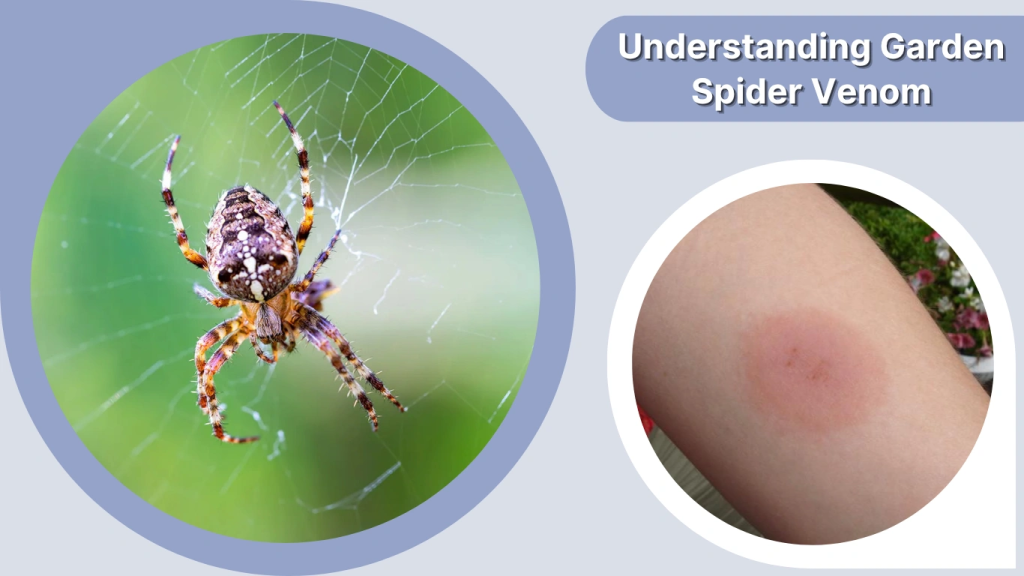
How Garden Spider Venom Works
Garden spiders rely on mild venom to catch and paralyze their prey. This venom is tailored to small insects, such as flies and mosquitoes, and is not dangerous to humans. The venom helps liquefy an insect’s insides, making it easier for the spider to consume its meal. Humans bitten by a garden spider — an extremely rare occurrence — might experience slight redness or itching, similar to a mosquito bite.
Are Garden Spiders Dangerous to Humans?
Garden spiders are not venomous to humans in a medically significant way. While all spiders have venom to subdue prey, garden spider venom isn’t strong enough to harm people. Their fangs are tiny and struggle to pierce human skin. Most bites happen accidentally, when someone presses against a web or traps a spider unknowingly. Even then, the effects are mild and fade quickly without treatment.
Yellow and Black Garden Spiders
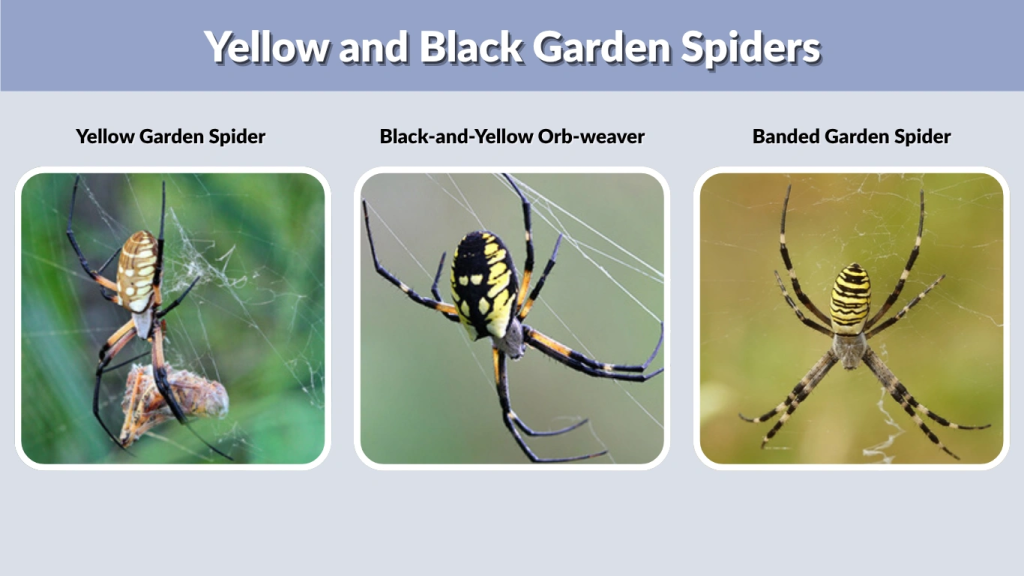
Yellow Garden Spider (Argiope aurantia)
The yellow garden spider is one of the most recognizable backyard species in North America. With its bright yellow markings contrasted against black legs and abdomen, it’s often mistaken for a dangerous species. In reality, it’s completely harmless.
These spiders spin large, zigzag-patterned webs, sometimes more than two feet wide. They sit in the center, waiting patiently for prey. Their venom works only on insects and has no harmful impact on humans or pets. A defensive bite might cause mild irritation, but it’s not medically concerning.
Black-and-Yellow Variants
The black-and-yellow orb-weaver and the banded garden spider are close relatives of the yellow garden spider. They share the same hunting habits and body structure, using strong silk to capture flies, grasshoppers, and moths. Despite their vivid warning colors, they’re docile creatures. Their bright markings act as natural camouflage and deterrence rather than a sign of toxicity. Gardeners often welcome them because they help reduce pest activity naturally.
Are Yellow Garden Spiders Poisonous to Pets?
Pet owners often worry about encounters between curious dogs or cats and large spiders. The yellow garden spider poses no danger to pets. Its venom is too weak to cause serious harm, even if a bite occurs. A pet might show temporary swelling or mild discomfort, but this fades within a few hours. It’s still wise to prevent pets from disturbing webs, both for their safety and to protect these beneficial spiders.
Orb-Weaver Garden Spiders
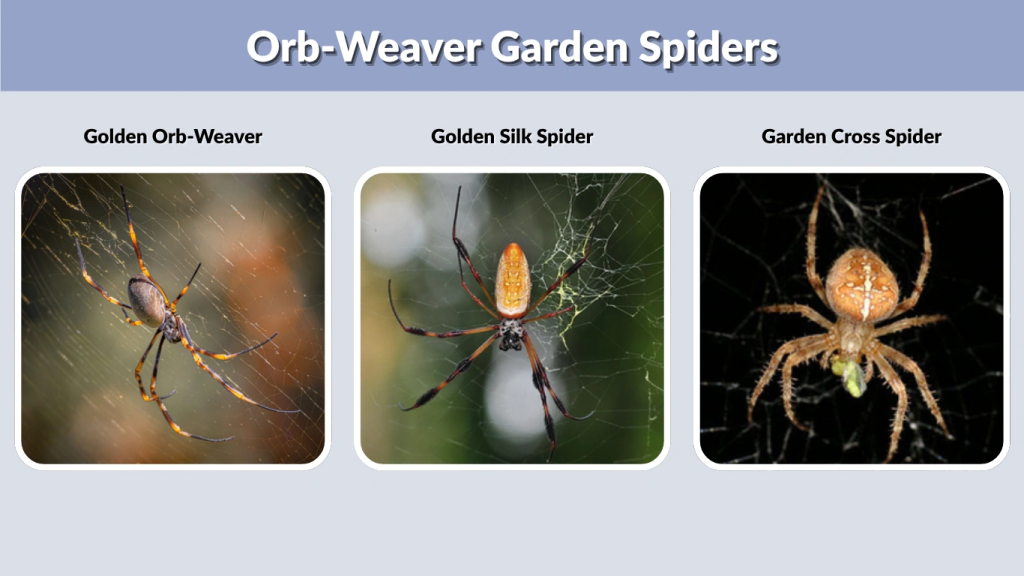
Common Orb-Weaver Species
Orb-weaver spiders are famous for their perfect, wheel-shaped webs. This family includes several garden favorites such as the Golden Orb-Weaver, European Garden Spider, and Garden Cross Spider. Their appearance may vary from yellow to brown or even orange, but their behavior and temperament remain the same — calm, non-aggressive, and useful for natural pest control.
While orb-weavers possess venom to immobilize insects, it’s harmless to humans. Their bites, if they occur, are painless and leave little more than a red spot.
Golden Orb-Weaver
The Golden Orb-Weaver, also known as the Golden Silk Spider, produces webs that shimmer in sunlight due to their yellow hue. Despite its large size, this species is gentle. Its venom can only affect small insects and has no toxic impact on humans. Some people keep these spiders near gardens intentionally because of their effectiveness at catching mosquitoes and crop pests.
Garden Cross Spider
The Garden Cross Spider (Araneus diadematus), found across Europe and North America, is famous for the distinctive white cross pattern on its back. Its bite is rare and mild — often described as a brief sting. While it may startle people because of its size, this spider’s venom is not medically significant. Its strong web design and patient hunting make it a fascinating and beneficial garden resident.
Color Variations and Species Differences
Brown, White, and Green Garden Spiders
Not all garden spiders are bright. Many species display subtle shades of brown, green, or white to blend into their environment. The Green Garden Spider, for instance, hides among leaves and stems, waiting to ambush small flying insects. Brown Garden Spiders build their webs closer to soil or fences, perfectly camouflaged. Despite their different colors, all share the same trait — venom safe for humans.
Banded and Silver Garden Spiders
The Banded Garden Spider and Silver Garden Spider are two stunning examples of orb-weavers. Their metallic patterns gleam under sunlight, giving them an exotic look. These spiders are completely harmless and prefer warm, open gardens where insects are abundant. They rarely bite and typically retreat if disturbed. Their venom, like other garden species, is designed for small prey only.
Regional Garden Spider Species
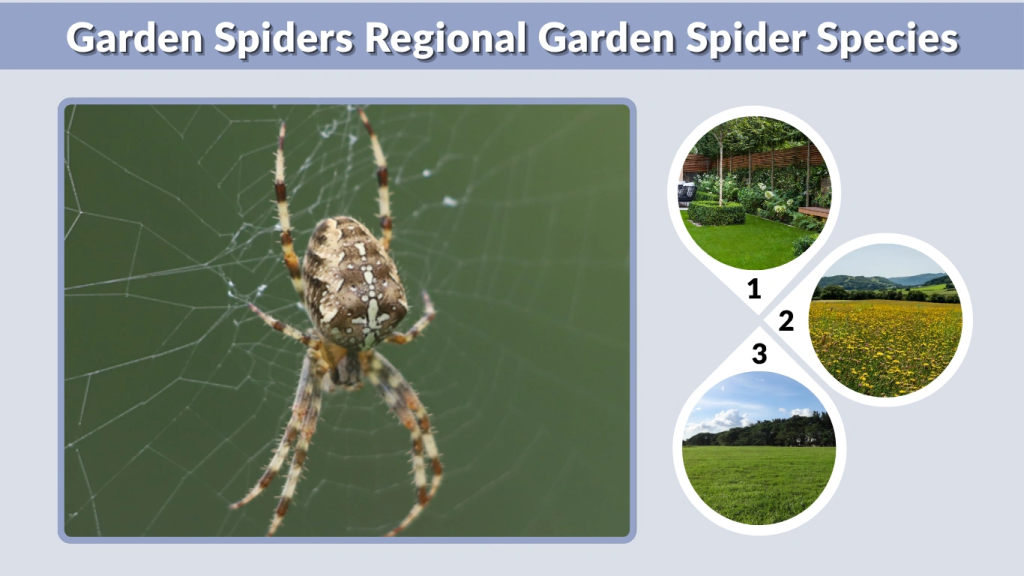
United States and Canada
Across North America, garden spiders thrive in backyards, meadows, and open fields. The Yellow Garden Spider and Banded Garden Spider are among the most widespread. In states like Texas, California, and Missouri, these species flourish during late summer and early fall. They are harmless and beneficial, feeding on mosquitoes and flies that otherwise bother humans and pets. Their striking colors often cause alarm, but their venom is extremely mild and not toxic.
United Kingdom and Europe
In the United Kingdom and across Europe, the European Garden Spider, also called the Cross Orb-Weaver, is a familiar sight. It builds large circular webs on shrubs, fences, and windowsills. Though it looks formidable, it is non-poisonous to humans. Its bite is rare, mild, and often compared to a pinprick. These spiders contribute to a healthy ecosystem by reducing pest insects and protecting gardens naturally.
Australia and the Pacific
In Australia, several orb-weaver species share the “garden spider” nickname, including the Australian Garden Orb-Weaver and the Golden Orb-Weaver. Despite their exotic appearance, they are not dangerous. Similarly, in Hawaii, colorful Hawaiian Garden Spiders display black, yellow, and white stripes that resemble their American cousins. Though large and visible, they’re peaceful and prefer to stay in their webs rather than approach humans.
Garden Spiders and Pets
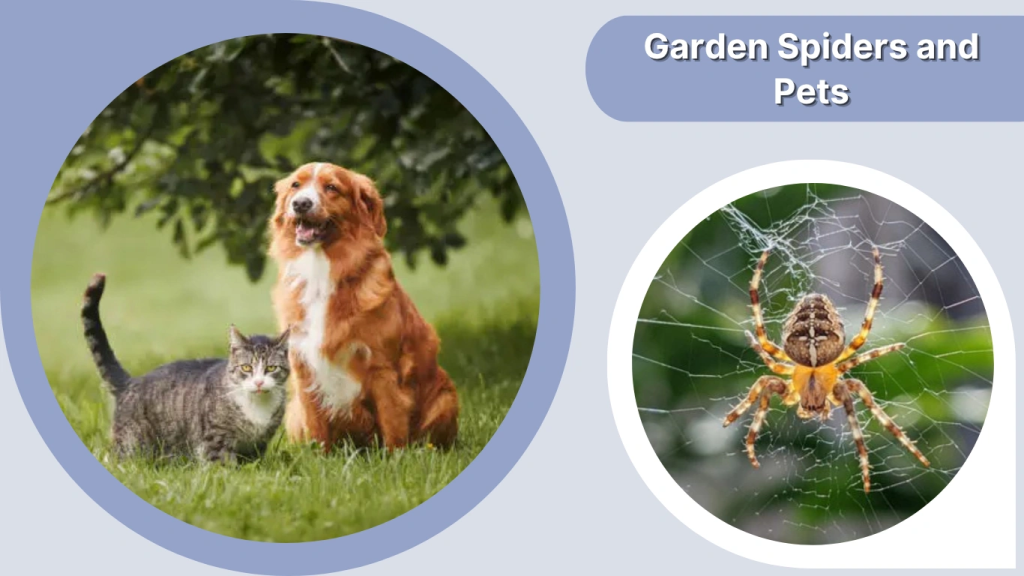
Are Garden Spiders Poisonous to Dogs or Cats?
Pet safety is a common concern for homeowners who find garden spiders near porches or bushes. Fortunately, these spiders pose no significant threat to dogs or cats. Their venom is too weak to cause any toxic reaction in larger animals. A curious pet that disturbs a web may experience a small bite resulting in mild swelling or itching, but symptoms fade quickly.
Precautions for Pet Owners
Although garden spiders are harmless, basic precautions keep both pets and spiders safe:
- Avoid letting pets destroy webs in outdoor areas.
- Supervise dogs near garden corners and tool sheds.
- Clean up old webs gently using gloves or a long brush.
- If a bite occurs, wash the area and apply a cold compress to ease irritation.
Garden spiders rarely bite unless threatened, so most encounters end peacefully. They are allies in pest management and deserve to be left undisturbed whenever possible.
Specific Garden Spider Types
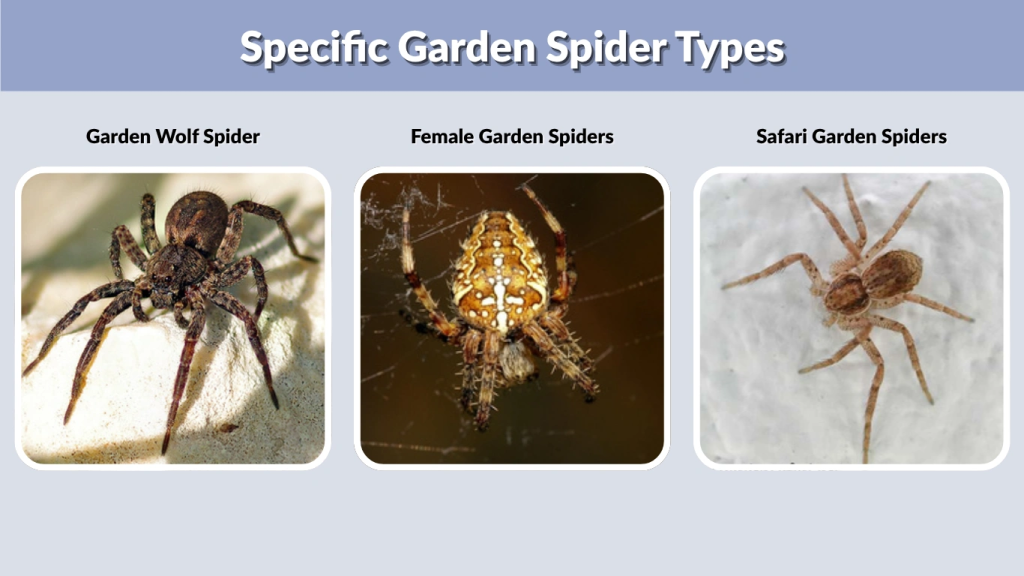
Garden Wolf Spider
The Garden Wolf Spider differs from web-builders like orb-weavers. It hunts on the ground, chasing prey instead of trapping it. Despite its speed and size, it’s not venomous to humans. Bites may feel like a bee sting, but effects are temporary and mild. Garden wolf spiders are often misunderstood, yet they serve as excellent pest controllers by reducing insect numbers in lawns and flowerbeds.
Female Garden Spiders
Female garden spiders tend to be larger and more colorful than males, especially when they’re carrying eggs. Their vivid patterns can appear intimidating, but females are equally non-aggressive. They remain near their webs, protecting egg sacs that hatch tiny spiderlings. Even during nesting season, they are reluctant to bite and retreat if approached.
Safari and Exotic Garden Spiders
In tropical regions, species referred to as “Safari Garden Spiders” or “Golden Orb Garden Spiders” display bright colors and long, graceful legs. These spiders use mild venom strictly for capturing insects. Though their appearance may seem exotic or alarming, they are harmless to humans and play vital roles in local ecosystems.
Safety Tips and Human Interaction
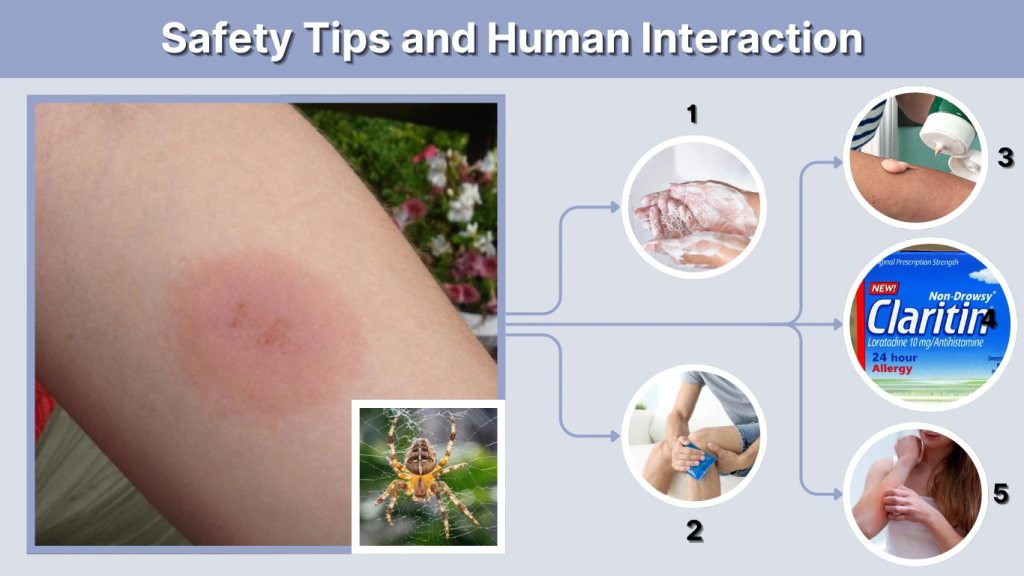
What to Do if a Garden Spider Bites You
If a garden spider bite does occur, it’s almost always mild. Follow these simple steps:
- Clean the bite with soap and warm water.
- Apply an ice pack or cool compress to reduce redness.
- Use a mild antihistamine cream to relieve itching.
- Seek medical help only if symptoms last more than a day or if an allergic reaction occurs.
In most cases, discomfort subsides within a few hours, and no treatment is necessary.
How to Avoid Bites
Garden spiders prefer to avoid confrontation, but accidental bites can happen. You can reduce the chances by following a few practical habits:
- Avoid touching or damaging webs with bare hands.
- Shake out gardening gloves, boots, or outdoor furniture before use.
- Relocate spiders gently using a jar and piece of paper.
- Keep outdoor lighting minimal to reduce flying insects that attract spiders.
Garden Spiders as Pest Control Allies
Garden spiders are essential members of healthy ecosystems. A single adult can consume dozens of insects each day, including mosquitoes, flies, beetles, and crop pests. By keeping these spiders in your yard, you naturally limit harmful insects without the need for chemicals. Their presence indicates a thriving and balanced environment.
FAQs
Are garden spiders poisonous to humans?
No, garden spiders are not poisonous to humans. Their venom is mild and meant only for subduing insects. A bite, though rare, causes minor irritation and clears up quickly without treatment.
Are black-and-yellow garden spiders poisonous?
Black-and-yellow garden spiders (Argiope aurantia) are non-toxic to humans and pets. Their bright coloration serves as camouflage and warning, not danger. Their venom cannot harm people, even if a bite occurs.
Are garden spiders dangerous to pets?
Not at all. Dogs and cats may be bitten if they disturb a spider’s web, but garden spider venom is too weak to cause real harm. A small swelling or itch may appear but fades within a day.
Which garden spiders live in the UK?
The European Garden Spider (Araneus diadematus) is most common in the UK. It’s easily recognized by the white cross on its abdomen and large circular webs. Though large and visible, it’s entirely harmless to people and pets.
Do garden spiders bite often?
Very rarely. Garden spiders are shy and defensive only when cornered. They prefer to flee or drop from their web instead of attacking. Most reported bites come from accidental contact while gardening or moving objects outdoors.