
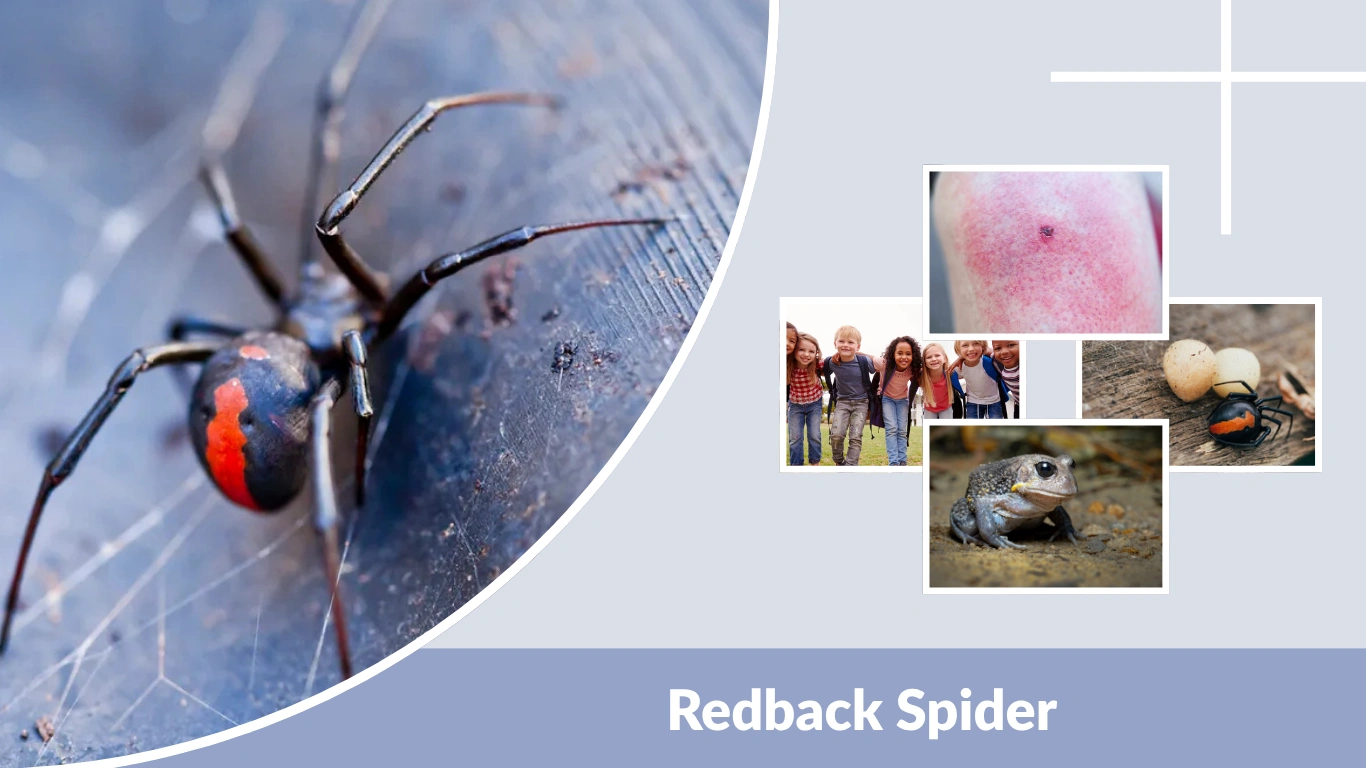
The redback spider (Latrodectus hasselti) is one of Australia’s most iconic and recognizable arachnids. Known for its distinctive red stripe and potent venom, the redback has gained a fearsome reputation both in Australia and around the world. Despite this reputation, the spider is a naturally shy creature that prefers hidden, sheltered environments where it can build its tangled webs and feed on unsuspecting insects.
For many Australians, spotting a redback under a garden chair or in a backyard shed is not unusual. However, for people in other countries, the redback spider can be a source of curiosity and concern—especially given its close relationship to the infamous black widow. Understanding how to identify these spiders, how dangerous they truly are, and what to do if bitten can help reduce fear and improve safety.
What Is a Redback Spider?

Species Overview
The redback spider belongs to the widow spider family, Latrodectus, a group known for their potent neurotoxic venom. The species is native to Australia but has occasionally been transported to other regions through shipping containers, produce shipments, and outdoor equipment. While it shares many similarities with the black widow, the redback spider is a distinct species with its own physical traits and behaviors.
Where Redbacks Live
Redbacks thrive in warm, dry environments and are commonly found around human structures. They prefer sheltered locations where they can spin messy, irregular webs. Typical hiding spots include:
- Sheds, garages, and workshops
- Outdoor toilets
- Garden furniture
- Mailboxes
- Beneath rocks and logs
- Children’s play equipment
- Barbecue grills and outdoor kitchens
Though native to Australia, redbacks have been reported in New Zealand, Japan, Southeast Asia, and occasionally in parts of Europe. However, stable populations outside Australia are rare.
Lifespan & Physical Features
Female redback spiders live significantly longer than males. A typical female can live 2–3 years, while males survive only a few months. Females are larger, with round, shiny black bodies and long, slender legs. Males are small, pale, and often overlooked because they pose little threat to humans.
Redbacks have eight eyes and eight legs, like most spiders. Their weight is minimal—only a fraction of a gram—yet their venom is powerful enough to cause serious symptoms in humans.
How to Identify a Redback Spider

Female Redback Characteristics
Female redbacks are the most recognizable and dangerous members of the species. They are typically:
- Black or dark brown
- 10 mm in body length (not including legs)
- Marked with a bold red stripe running along the upper abdomen
- Equipped with long spindly legs
Some individuals may have a broken or faint stripe, but the fiery red marking is usually prominent.
Male Redback Characteristics
Male redbacks look dramatically different. They are:
- Smaller (3–4 mm body length)
- Light brown
- Decorated with white or pale markings on the abdomen
- Harmless to humans
Due to their tiny size, males rarely attract attention and are almost never involved in bites.
Redback vs Black Widow
Redbacks and black widows belong to the same family and are often confused. Black widows generally have a red hourglass shape on their underside, while redbacks have a stripe on the top of the abdomen. Though both are venomous, redbacks are considered slightly more dangerous because they live closer to humans in many regions of Australia.
Behavior and Lifestyle of the Redback

What Redbacks Eat
Redback spiders feed primarily on insects such as flies, beetles, and ants. However, their powerful venom and strong webs allow them to subdue much larger prey, including:
- Lizards
- Small snakes
- Frogs
- Even other spiders
They rely on victims becoming trapped in their sticky, irregular webs. Once entangled, the redback injects venom and wraps its prey tightly before consuming it.
Reproduction and Egg Sacs
A female redback can produce multiple egg sacs during her lifetime, each holding up to 250 eggs. Egg sacs are round, cream-colored, and suspended in the web. They are highly protected, making them difficult to remove safely.
Defensive Behavior
Redbacks generally avoid contact with humans. They bite only when provoked or accidentally pressed against skin—such as when someone places a hand under a garden chair or reaches into a cluttered shed. The spider’s defensive strategy is to freeze or retreat, but if cornered, it will bite to defend itself.
How Dangerous Is a Redback Spider?

Venom Potency
Redback venom contains powerful neurotoxins that affect the human nervous system. These toxins can cause intense pain, sweating, nausea, and other systemic symptoms. Although the venom is dangerous, deaths are extremely rare today due to the availability of antivenom and modern medical care.
Myth vs Reality: Can a Redback Kill You?
Historically, redback spiders caused multiple fatalities in Australia—mostly before the antivenom was developed in the 1950s. Today, while severe bites still occur, death is exceedingly unlikely with proper medical treatment. Children, the elderly, and those with medical conditions are more vulnerable to serious reactions.
Animals Redbacks Can Kill
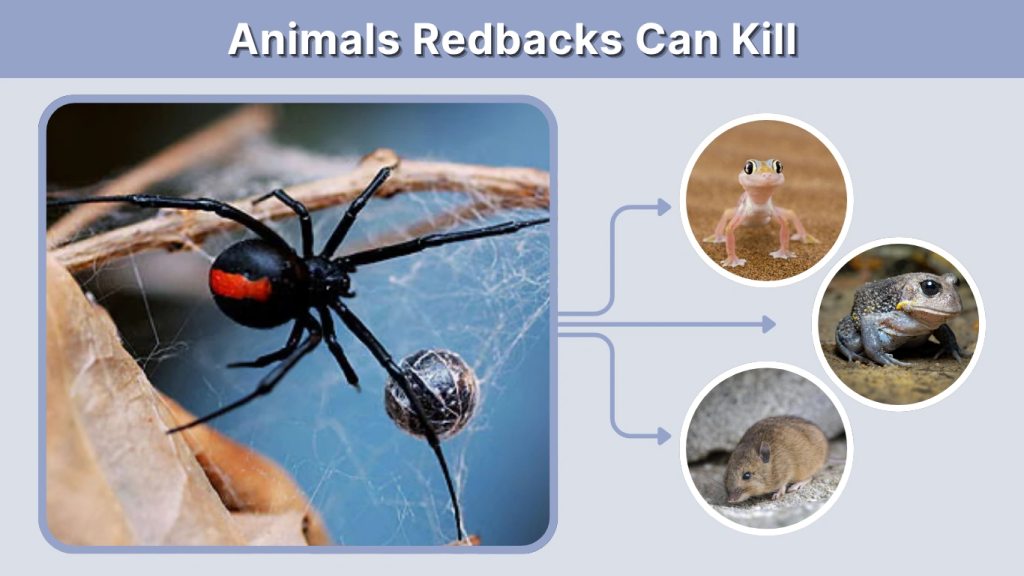
Although small, the redback spider can overpower animals significantly larger than itself. Reports have shown redbacks killing:
- Small snakes (including juvenile brown snakes)
- Lizards and geckos
- Frogs
- Small mammals like young mice
- Other spiders
Their venom is highly effective against many vertebrates, but their success depends heavily on whether the animal becomes trapped in the web. A healthy adult dog or cat is unlikely to be killed by a single bite, but smaller or vulnerable pets may experience severe symptoms.
Redback Spider Bite – Symptoms and What Happens
Early Symptoms
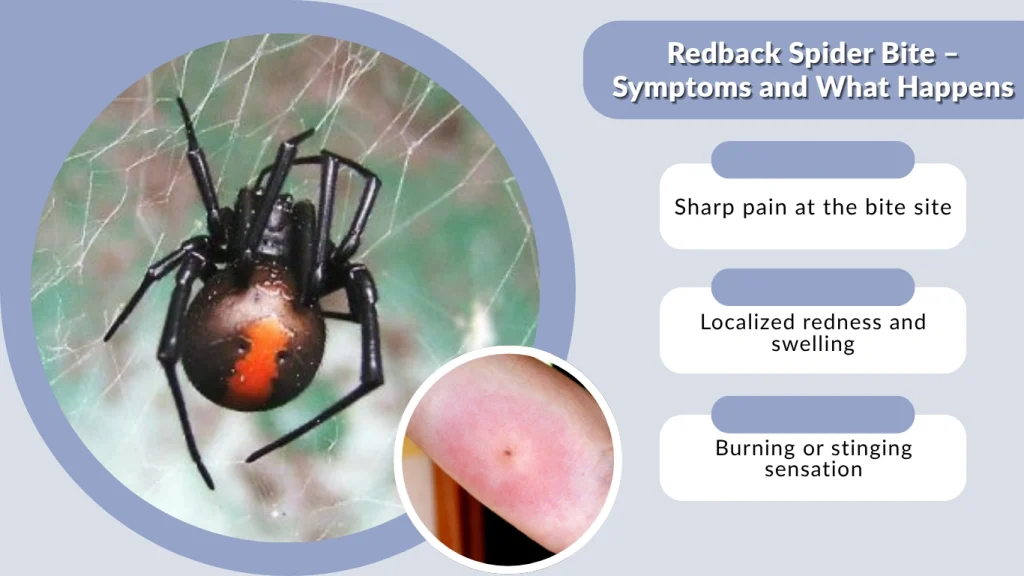
Most redback bites cause immediate or near-immediate symptoms. The first signs include:
- Sharp pain at the bite site
- Localized redness and swelling
- Burning or stinging sensation
- Increased sweating
The pain may start mild but often intensifies over the first hour.
Progressive Symptoms
As the venom spreads, more severe reactions can develop. These include:
- Nausea and vomiting
- Severe sweating, especially around the face
- Headache and muscle aches
- Abdominal or chest pain
- Swollen glands
- Restlessness or agitation
These symptoms collectively form a condition called latrodectism, caused by widow spider venom.
What a Redback Bite Looks and Feels Like
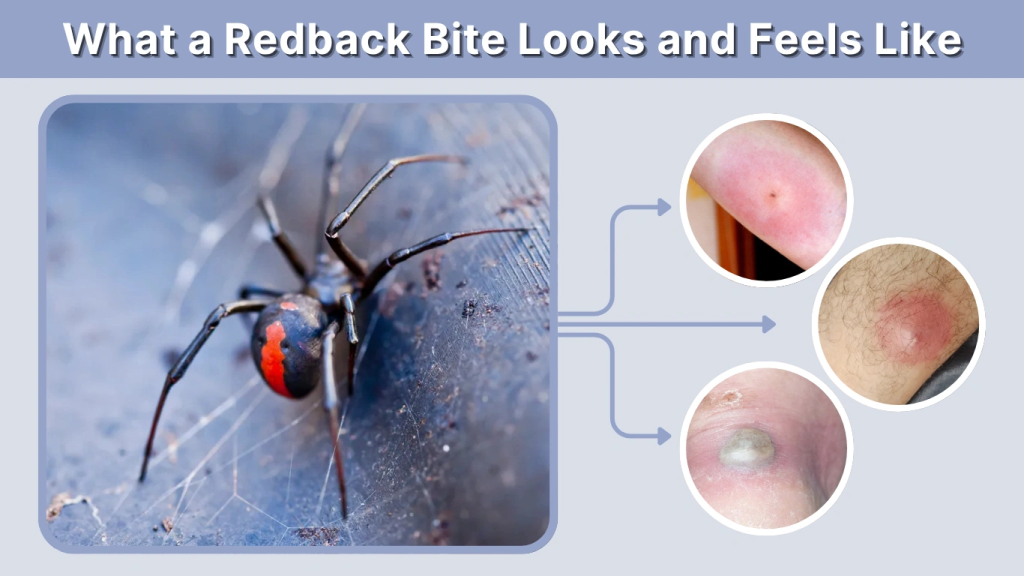
Redback bites usually leave one small puncture or a pair of punctures. Unlike snake bites, the marks are often subtle and may appear as:
- A red, swollen bump
- A raised welt
- Occasionally a small blister
In terms of pain, victims describe it as:
- Sharp and burning
- Intensifying over time
- Sometimes radiating to the entire limb
Many people do feel the bite, though some report noticing symptoms before spotting the spider.
How Long Symptoms Last
The duration of symptoms varies depending on the amount of venom delivered and the victim’s health. Without treatment:
- Mild cases last 24–48 hours
- Moderate to severe cases may last several days
- Lingering pain or sweating can persist for a week or more
With antivenom, symptoms usually improve rapidly.
Can a Redback Spider Bite Kill You?

Risk Factors
Death from a redback bite today is extremely rare, but serious complications can occur. Higher risk individuals include:
- Children under 8
- The elderly
- People with heart or respiratory conditions
- Pregnant women
- People bitten on the torso or neck
The severity also depends on:
- How much venom was injected
- Whether the spider was a large female
- The victim’s immune response
Timeframe of Serious Effects
In severe cases:
- Strong pain and sweating can appear within minutes
- Systemic symptoms peak within 1–3 hours
- Life-threatening complications (very rare) could occur within hours
Before the introduction of antivenom, several deaths were recorded in the early 20th century. Today, with medical help, fatalities are virtually unheard of.
How Much Venom Would Kill a Human (Theoretical)
Scientists estimate that a large female redback delivers only a small amount of venom per bite. While theoretically enough venom could be lethal, the average bite rarely delivers a fully fatal dose. Modern healthcare dramatically reduces risk.
First Aid and Treatment for a Redback Bite
What To Do Immediately
If you suspect a redback bite:
Do:
- Remain calm
- Wash the bite area gently
- Apply ice or a cold pack to reduce pain
- Seek medical attention, especially for children
Do NOT:
- Apply pressure immobilization bandages
- Cut, squeeze, or attempt to suck out venom
- Apply heat
- Ignore symptoms
Pressure bandaging can worsen symptoms because redback venom spreads through the lymphatic system differently from snake venom.
Medical Treatment
At the hospital, doctors may administer:
- Redback antivenom
- Pain relief
- Observation for several hours
Antivenom is usually given for moderate or severe symptoms, particularly when sweating, vomiting, or intense pain is present.
Most patients recover fully within a day or two after treatment.
When to Seek Urgent Help
You should seek emergency medical attention if:
- The victim is a child, pregnant woman, or elderly person
- The bite is on the head, neck, or torso
- Symptoms quickly escalate
- Vomiting, extreme sweating, or severe pain occurs
Even if symptoms seem mild, it’s always safer to get checked.
Redback Spider Control and Prevention
How to Get Rid of Redbacks
To control populations around the home:
- Remove clutter from sheds, garages, and outdoor areas
- Seal cracks, gaps, and hiding spots
- Wear gloves when working outdoors
- Shake out shoes, clothing, and gardening equipment
If there are many spiders or they’re in high-risk areas, professional pest control is recommended.
How to Kill a Redback Spider
If you choose to remove one yourself:
- Wear closed shoes and gloves
- Use a long object to avoid getting close
- Apply a household insect spray
- Do NOT handle spiders directly
Removing Egg Sacs
Redback egg sacs are potentially dangerous because they contain hundreds of spiderlings. To remove them safely:
- Use gloves
- Spray with insecticide before touching
- Place them into a sealed plastic bag
- Dispose of them outside the home
Home Prevention Tips
To reduce the chance of redbacks returning:
- Keep storage areas tidy
- Regularly move items off the ground
- Maintain outdoor furniture
- Clear away insects that might attract them
- Check children’s play equipment frequently
Redbacks Outside Australia
Global Spread
Redbacks occasionally appear in other parts of the world, usually transported through cargo shipments. Countries that have reported sightings include:
- Japan
- New Zealand
- United Arab Emirates
- Parts of Europe
However, most international populations fail to establish long-term colonies due to climate or competition.