
Spider mites are tiny plant-dwelling creatures that can cause significant damage to leaves and stems by feeding on plant cells. Because of their size and resemblance to certain biting mites, many people wonder whether spider mites can bite humans. If you’ve ever noticed itching or irritation after gardening or handling houseplants, you might suspect spider mites.
In this article, I’ll clear up the confusion by explaining what spider mites are, whether they bite, and what might actually be causing those uncomfortable symptoms.
What Are Spider Mites?

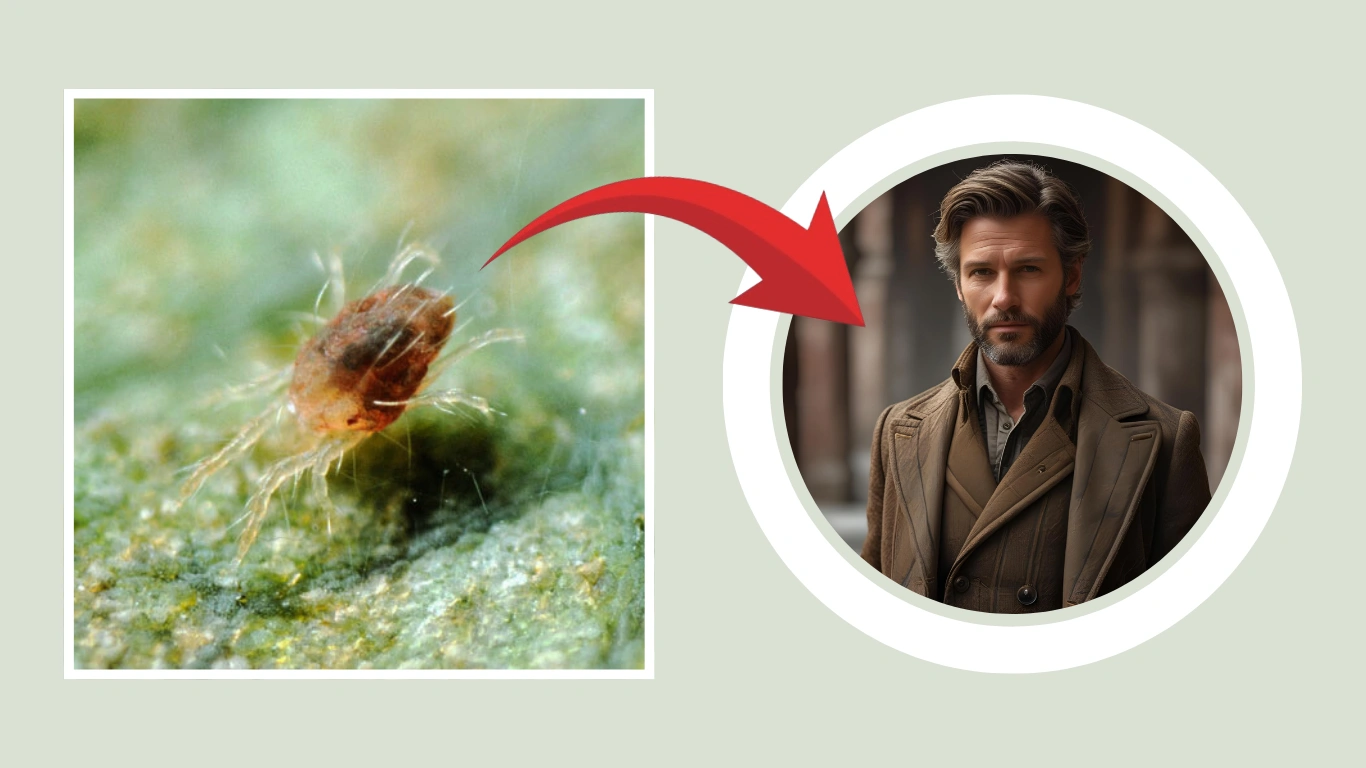
Spider mites are microscopic arachnids, not insects. They belong to the Tetranychidae family and are more closely related to spiders and ticks than to common bugs. Adults typically measure around 0.4 mm—about the size of a grain of dust—and they often go unnoticed unless you’re looking closely.
These mites spin fine silk webbing across leaves, which is one of the first signs of infestation. They pierce plant cells to feed on the contents, causing damage that appears as yellow or white speckling on the foliage. Severe infestations can lead to leaf drop and plant death.
Common Species
Some of the most common spider mites include:
- Two-Spotted Spider Mite (Tetranychus urticae): The most widespread species, found on over 200 types of plants.
- Red Spider Mite: Often appears during hot, dry conditions and is common in greenhouses.
- Clover Mite: A relative of spider mites, commonly found around windows and walls. It doesn’t bite, but large numbers can cause concern.
Do Spider Mites Bite Humans?

Can They Bite Human Skin?
Here’s the straight answer: spider mites do not bite humans. They’re specialized plant feeders and lack the mouthparts required to pierce human skin. Their primary feeding method involves injecting enzymes into plant tissue to break down cell contents, which they then consume.
Unlike blood-feeding mites such as bird mites or scabies mites, spider mites have no interest in humans. They cannot survive or reproduce on human skin and will die off if they have no access to plant matter.
Possible Skin Irritations
That said, some people report experiencing itchy or irritated skin after coming into contact with infested plants. While these reactions are not actual bites, they may be due to:
- Contact with mite body parts or their fine webbing.
- Allergic sensitivity to the mites or residue they leave on plants.
- Mechanical irritation from plant sap or leaf hairs disturbed during handling.
These symptoms are usually mild and go away within a day or two.
Reasons for Skin Reactions Around Spider Mites

Allergic Sensitivity
Some individuals are more sensitive than others to allergens, including those produced by spider mites. While uncommon, an allergic reaction could result from exposure to:
- Crushed mites on skin
- Their waste (frass) on leaves
- Microscopic particles in the air near heavily infested plants
This type of sensitivity might cause redness, itching, or mild swelling, though it’s more of an allergy than a true bite reaction.
Psychosomatic Reactions
In many cases, the itching or crawling sensation people feel after noticing spider mites may be psychological. This is known as a psychosomatic or phantom reaction—similar to how thinking about lice can make your scalp itch. Knowing that tiny creatures are nearby can trigger a heightened sense of skin awareness.
How to Identify If Spider Mites Are the Cause
Common Signs on Plants
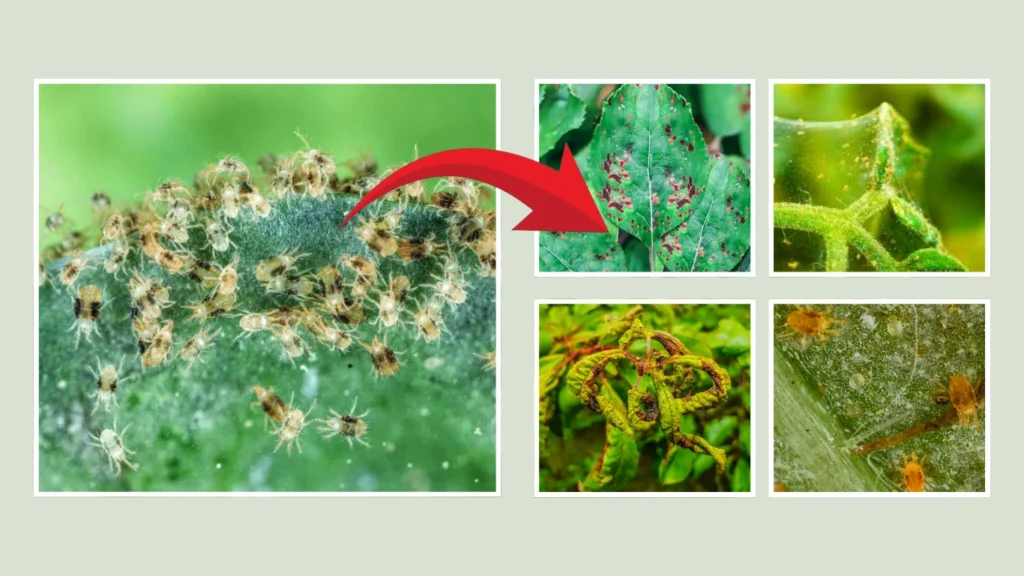
If you’re experiencing skin irritation and suspect spider mites, the first step is to check your plants. Spider mites are most commonly found on the undersides of leaves, where they feed and reproduce. Here are some signs to look for:
- Tiny yellow or white spots on leaves (stippling)
- Fine webbing across the plant, especially between stems and leaf veins
- Leaves curling, drying, or dropping off in advanced infestations
- Tiny moving dots, often red, green, or yellowish under magnification
A white piece of paper and a magnifying glass can help—just tap the plant over the paper and look for crawling specks.
Signs of Mites Indoors
Spider mites do not typically infest homes. However, they can be brought indoors through houseplants, greenhouse exposure, or plant nursery purchases. Unlike biting pests, they do not hide in bedding, furniture, or carpets. If your home lacks plants, spider mites are unlikely to be present.
What Other Bugs Might Be Mistaken for Spider Mites?
Sometimes people assume spider mites are biting them when the true culprit is another tiny pest.
Biting Mites
- Bird Mites: These can bite humans if their host (like a nest) is removed.
- Rodent Mites: Found where rodents have died or nested; they may bite humans.
- Dust Mites: They don’t bite but can trigger allergic reactions similar to what people blame spider mites for.
Small Biting Insects
- Thrips: Tiny winged insects that sometimes bite exposed skin.
- No-see-ums: Also called biting midges; these flying bugs cause itchy welts.
- Fleas: Especially if you have pets or wildlife access to your home.
Treatment for Suspected Spider Mite Bites
First Aid for Skin Irritation
If you’ve experienced itching or redness after handling plants:
- Wash the affected area with soap and lukewarm water
- Apply calamine lotion, aloe vera, or an anti-itch cream like hydrocortisone
- Avoid scratching to prevent secondary infection
These irritations typically resolve within 24–48 hours.
When to See a Doctor
If symptoms persist beyond two days or worsen (swelling, rash, or spreading redness), it’s best to consult a doctor. While spider mites themselves aren’t dangerous, persistent skin symptoms might indicate:
- An allergic reaction
- An infestation by another biting mite or insect
- An unrelated dermatological issue
How to Prevent Spider Mite Problems Indoors
Control on Plants
- Inspect new plants before bringing them inside.
- Wipe leaves with a damp cloth weekly.
- Use neem oil, horticultural oils, or insecticidal soap as preventive treatments.
- Keep plants properly watered; spider mites love dry, dusty conditions.
Household Tips
- Avoid over-heated, low-humidity environments.
- Quarantine newly purchased or sick plants before mixing with others.
- Dust and vacuum regularly to reduce airborne plant matter and mites.
Final Thoughts:
To wrap it up—spider mites do not bite humans. They are strictly plant pests and lack the ability or need to pierce human skin. While some people may experience mild irritation or itching after handling infested plants, it’s usually not from a bite. Keeping your plants healthy and clean is the best way to avoid spider mites altogether. If you suspect other pests are causing your symptoms, it might be time to investigate further.
FAQs
1. Can spider mites live on human skin?
No. Spider mites cannot survive or reproduce on human skin. They need plants to live and feed.
2. Why am I itching after gardening with infested plants?
Itching could be caused by skin sensitivity, contact with mite webbing or dust, or even a psychosomatic reaction, not actual bites.
3. Are spider mite bites dangerous?
Spider mites don’t bite humans, so there’s no danger. Skin irritation, if any, is usually mild and temporary.
4. How do I know if my plants have spider mites?
Look for yellow speckling, fine webbing, and tiny moving dots under leaves—especially during hot, dry weather.
5. Can spider mites infest my house?
Not usually. Spider mites require plant matter to live, so unless you have indoor plants, they won’t thrive indoors.