

Small ants inside homes are one of the most common pest problems faced by households worldwide. Whether they appear as black trails in the kitchen, tiny red stingers near windows, or winged swarmers flying after rain, these insects can quickly become a nuisance. While some infestations point to practical issues like food crumbs or hidden moisture, others are connected to cultural or spiritual interpretations. Understanding why these ants enter, the risks they pose, and how to deal with them effectively is the first step toward a pest-free home.
Identification of Small Ants in House
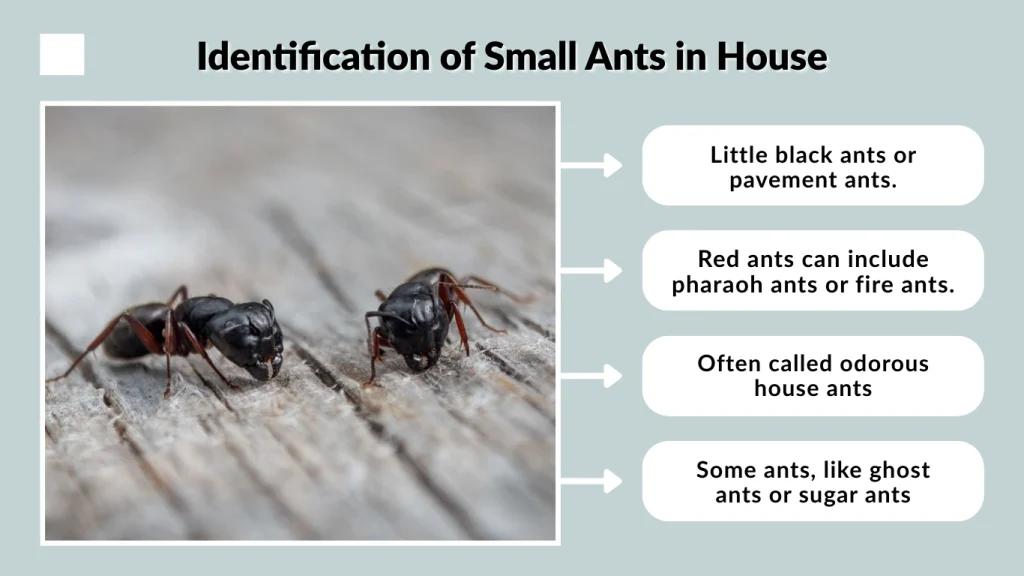
Recognizing the type of ants in your home makes treatment easier. Different species behave differently, and misidentifying them often leads to failed control attempts.
Small Black Ants
These are usually little black ants or pavement ants. They are harmless in terms of stinging but invade kitchens in large numbers, especially attracted to sugary foods. You’ll often notice long lines moving across counters or near sinks.
Small Red Ants
Red ants can include pharaoh ants or fire ants. Pharaoh ants are very small, often seen in warm indoor spaces. Fire ants, though less common indoors, can wander in and deliver painful stings, which makes them a health risk.
Small Brown Ants
Often called odorous house ants, these release a foul smell when crushed. They are persistent invaders, building hidden nests in wall voids or near moisture sources.
Very Small Ants
Some ants, like ghost ants or sugar ants, are extremely tiny and hard to detect until you notice entire trails. They are usually pale brown or translucent, and their nests are difficult to locate.
Winged Small Ants
When ants develop wings, they are reproductive swarmers. Their appearance indoors often signals that a colony has matured and is producing new queens and males to expand. Many people mistake them for termites, but ants have bent antennae and a thinner waist.
Why Small Ants Appear in the House

Ant infestations rarely happen randomly. There are clear reasons they come inside:
Food Sources
Ants are constantly searching for food. Crumbs under appliances, open sugar containers, or pet food bowls attract them. Once one ant discovers food, it leaves a pheromone trail that brings in hundreds more.
Moisture and Water
Just like humans, ants need water. Bathrooms, kitchens, and laundry rooms are common hotspots because of damp surfaces. Even a small leak can sustain a colony.
Seasonal Patterns
Spring and summer bring higher ant activity. Colonies are expanding, and worker ants forage aggressively. After rainfall, ants may flood into homes in search of dry shelter.
Entry Points
Tiny cracks around windows, door frames, or foundation gaps act as highways for ants. Because of their small size, blocking every path is challenging, making prevention just as important as extermination.
Small Ants in House Meaning
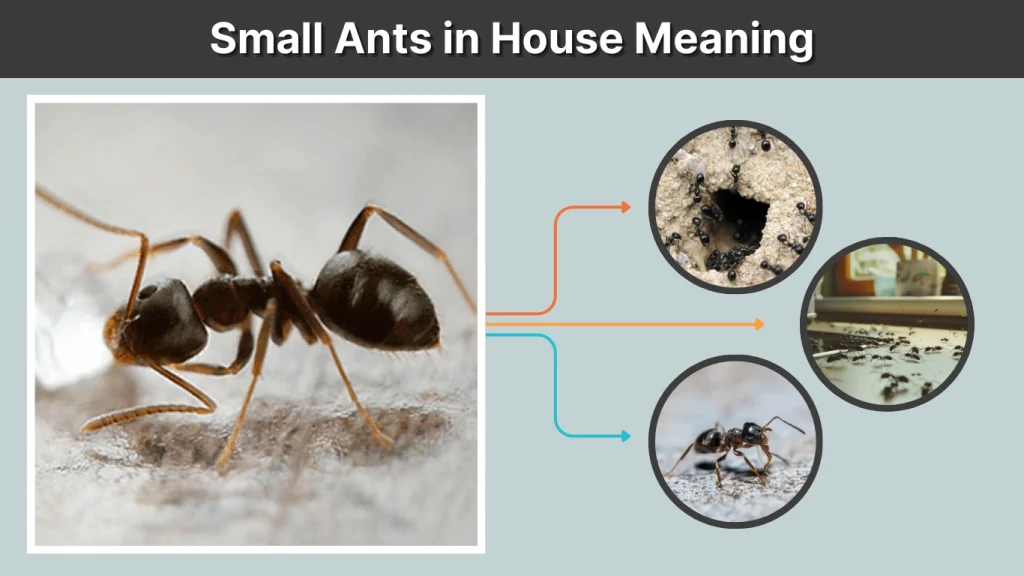
The appearance of ants in your house can be viewed both practically and spiritually.
Practical Meaning
From a pest-control perspective, ants in the home indicate two things: access to food/water and the presence of a nearby colony. They are a symptom of a gap in household hygiene or building structure rather than a mysterious event.
Spiritual Meaning
In many cultures, ants are seen as symbols of hard work, discipline, and teamwork. Some people interpret their presence indoors as a reminder of diligence or persistence.
- Islamic Meaning: Ants are respected creatures in Islamic teachings. In some Hadith references, ants symbolize patience and provision. Seeing black ants in particular may be interpreted as a sign of sustenance or communal harmony.
- Other Beliefs: In folklore, ants represent good luck, resourcefulness, or a warning to remain careful about wastefulness.
Dangers and Nuisances of Small Ants
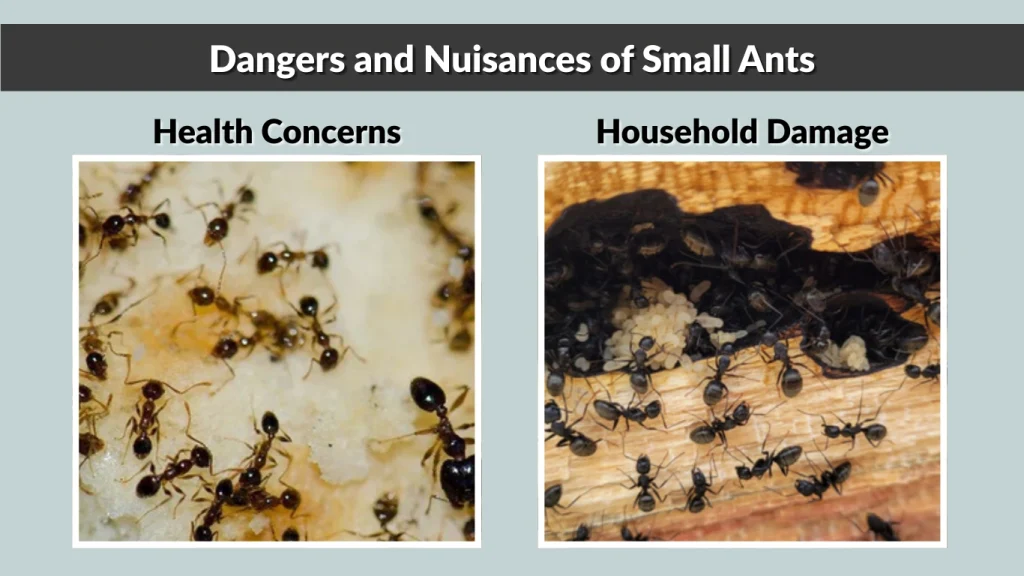
While most small ants don’t cause direct harm, their presence can still bring significant issues.
Health Concerns
Ants crawl through garbage, drains, and dirty areas before reaching your food. This can spread bacteria, contaminating kitchen surfaces and stored items. Red ants, especially fire ants, pose a direct risk through painful stings that may cause allergic reactions.
Household Damage
Though not as destructive as termites, ants can build nests in insulation, wall voids, and electrical outlets. Some species, like carpenter ants, hollow out wood to create galleries, which weakens structures over time. Indoors, ants may also “farm” aphids on houseplants, damaging greenery.
How to Get Rid of Small Ants in the House
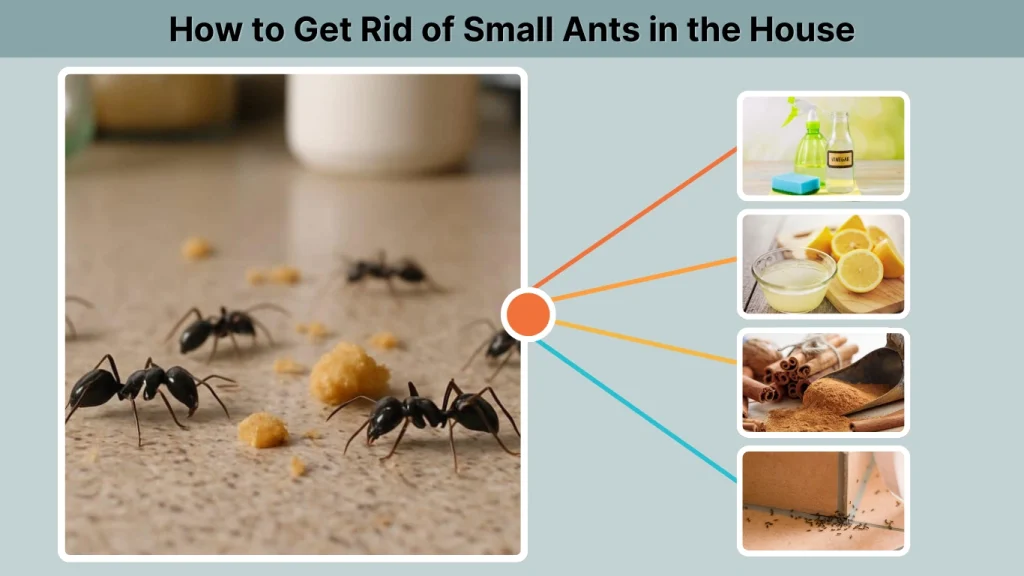
Getting rid of ants requires a multi-step approach: targeting the colony, removing attractants, and blocking entry points.
Natural Remedies
If you prefer eco-friendly methods, natural repellents can work effectively for small infestations:
- Vinegar and Water Spray: Wiping trails with vinegar destroys pheromone paths and discourages return visits.
- Lemon Juice: Its acidic nature repels ants and masks their scent trails.
- Cinnamon or Coffee Grounds: Sprinkled near entry points, these disrupt movement and act as natural barriers.
Chemical Solutions
For stubborn or large infestations, stronger methods are required:
- Ant Baits: Worker ants carry poison back to the colony, slowly eliminating it from within.
- Residual Sprays: Spraying along baseboards and cracks provides long-term protection.
- Gel Baits: Effective for small species like pharaoh ants, as they target hidden nests.
Preventive Cleaning
Daily cleaning plays a crucial role in breaking the ant cycle:
- Seal cracks and crevices to stop new entry points.
- Wipe down counters and floors to erase scent trails.
- Store food in airtight containers and keep garbage sealed.
Specific Cases and Solutions
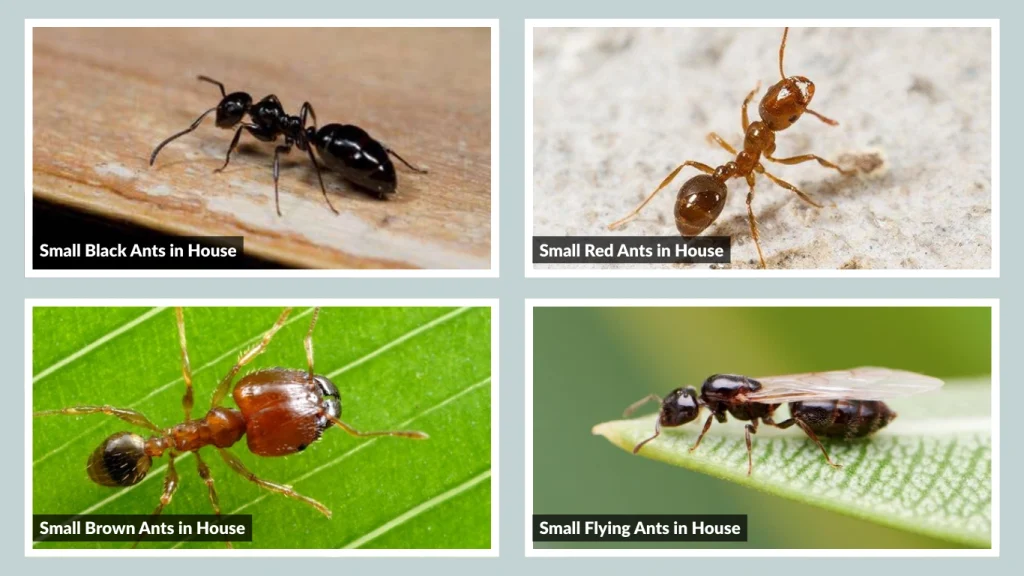
Different ants require slightly different approaches.
Small Black Ants in House
Most often pavement ants or little black ants. They prefer cracks near foundations or under kitchen tiles. The best way to control them is bait traps, since killing visible ants only addresses the surface problem, not the hidden colony.
Small Red Ants in House
Pharaoh ants thrive indoors in warm areas, while fire ants may wander inside from outdoor nests. Both can be stubborn to control. Use slow-acting bait designed for protein- and sugar-feeding ants, and avoid spraying directly since it can scatter colonies into multiple nests.
Small Brown Ants in House
Odorous house ants are known for their resilience. Colonies split into multiple satellite nests, making them hard to eradicate. Consistent baiting and sealing entry points is key, along with professional treatment if infestations spread widely.
Small Flying Ants in House
These winged ants are reproductive swarmers, often appearing in spring or after heavy rain. Their presence indicates a mature colony indoors or nearby. Vacuuming visible ants helps temporarily, but finding and removing the nest is the permanent solution.
Seasonal Ant Infestations
Ant activity changes with the seasons, which explains why homeowners notice them more during certain times of the year.
Small Ants in Winter
Ants are less active in cold months, but if you see them indoors, it often means the nest is already inside your walls or under floors. Warmth from heating systems keeps them alive. Special indoor baits work well in winter.
Small Ants in Spring
Spring marks the start of ant foraging season. Colonies expand, and workers aggressively search for food. This is when you’ll see long trails heading to kitchens and pantries. Preventive cleaning and sealing cracks before spring is the best way to reduce outbreaks.
Small Ants After Rain
Heavy rainfall floods outdoor nests, forcing ants to seek dry ground — often inside homes. You may suddenly notice hundreds at once. Quick control methods include sprinkling diatomaceous earth near entryways and using liquid baits inside.
Prevention Tips for Long-Term Control
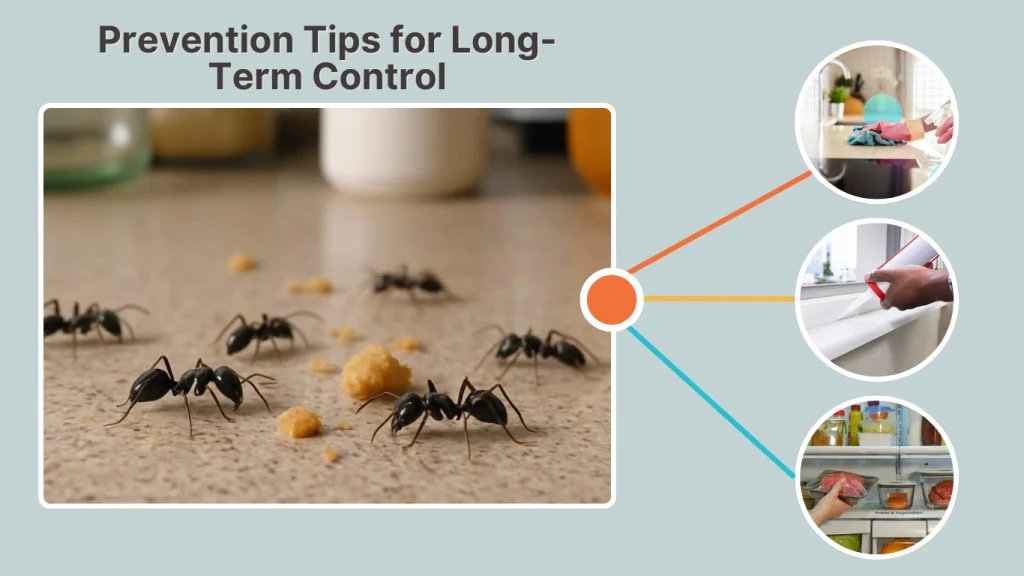
Stopping ants from coming back requires consistency and a combination of cleaning, sealing, and outdoor control.
- Regular Cleaning: Wipe counters, sweep crumbs, and sanitize surfaces daily.
- Seal Entry Points: Use caulk around windows, doors, and foundation cracks.
- Proper Food Storage: Keep food in airtight containers and seal pet food bags.
- Outdoor Barriers: Apply insecticide barriers around foundations and door frames.
- Yard Maintenance: Keep firewood and plants away from the house to reduce nesting sites.
Consistent habits are the only way to ensure ants don’t return after treatment.
Types of Small Ants Commonly Found Indoors
Here are the most common household ant types you may encounter:
- Pavement Ants – Usually black, nest in cracks in concrete.
- Pharaoh Ants – Tiny, yellowish-red, thrive in warm indoor spaces.
- Odorous House Ants – Brown ants with a foul smell when crushed.
- Sugar Ants (Ghost/Argentine Ants) – Extremely tiny, attracted to sweets.
- Fire Ants – Red ants that may wander indoors, sting painfully.
Each type has unique traits, but all rely on food and water availability indoors.
FAQs
What are the tiny ants in my house?
Tiny ants are often sugar ants, pavement ants, or pharaoh ants. They’re attracted to food crumbs and moisture sources, making kitchens and bathrooms common hotspots.
Why do small ants suddenly appear indoors?
Sudden infestations often occur after rain or seasonal changes. Ants follow scent trails left by scouts, so if one ant finds food, hundreds may appear within hours.
How to naturally keep ants away?
Vinegar, lemon juice, cinnamon, and coffee grounds work as natural deterrents. Sprinkling these around entry points and wiping down surfaces helps repel ants without chemicals.
Do small black ants bite humans?
Little black ants don’t bite in a harmful way, but some species like red fire ants do sting and cause painful reactions. Most household black ants are nuisance pests, not dangerous.
What is the spiritual meaning of small ants at home?
In many beliefs, ants symbolize hard work, patience, and teamwork. In Islam, black ants are respected creatures, sometimes seen as signs of sustenance and blessings.
