
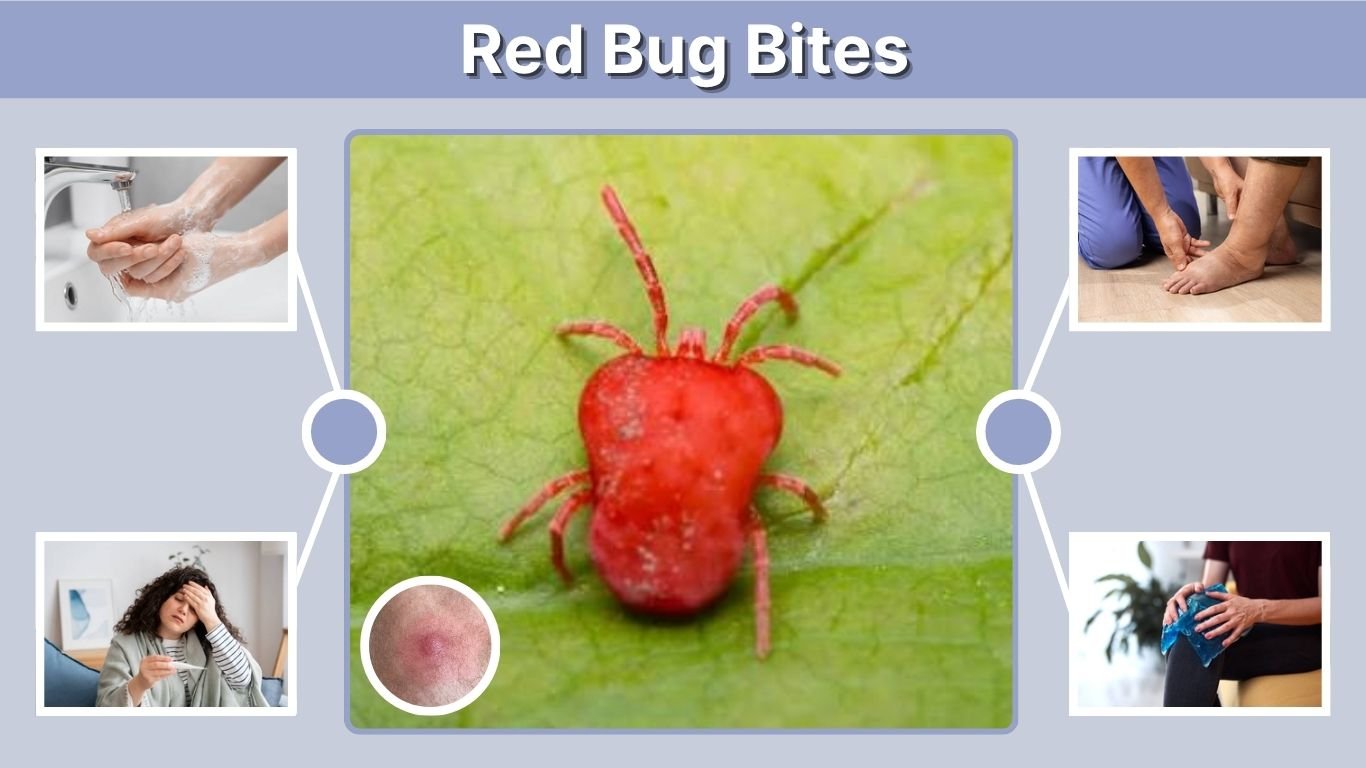
Red Bug Bites: Causes, Symptoms and Treatment
Red bug bites can appear as tiny dots, raised bumps, swollen welts, or larger patches of irritated skin. Some itch intensely, while others may feel … Read More
Red bug bites can appear as tiny dots, raised bumps, swollen welts, or larger patches of irritated skin. Some itch intensely, while others may feel … Read More
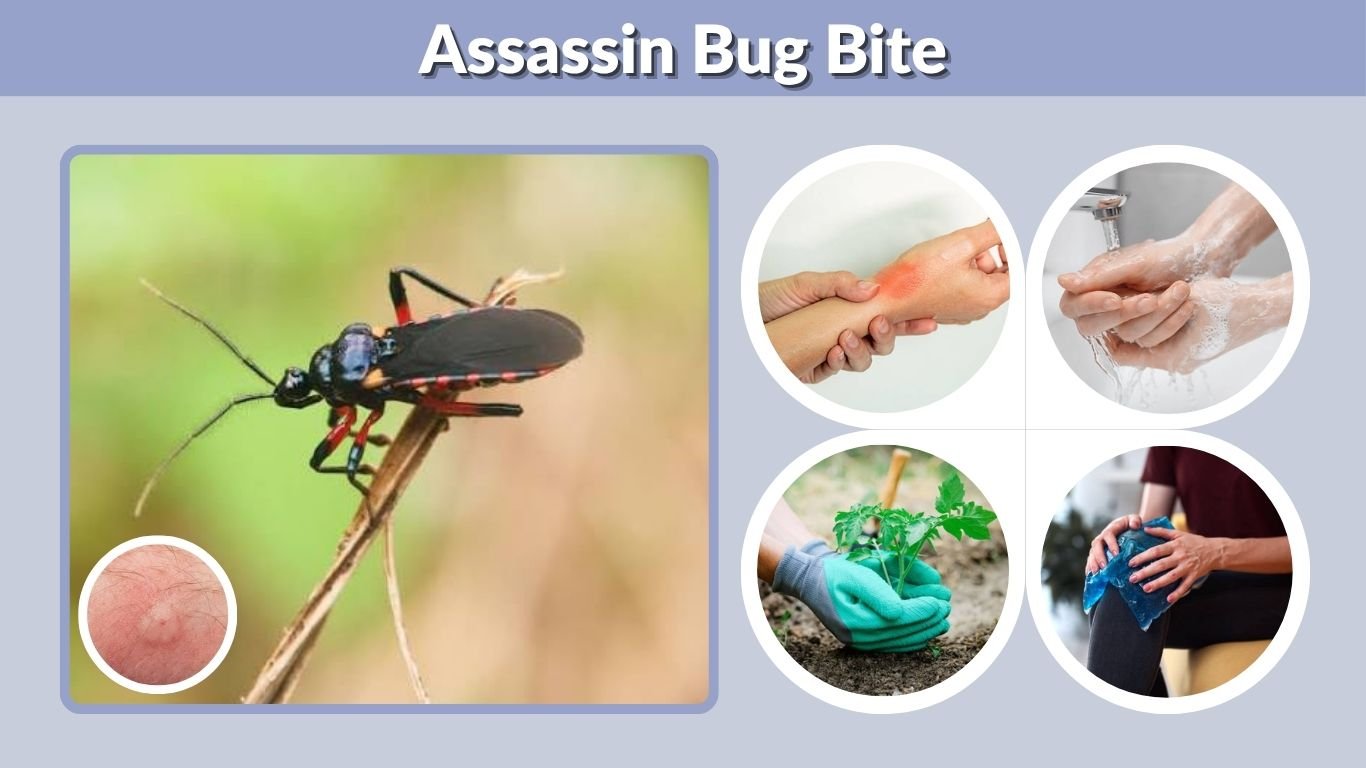
An assassin bug bite can be surprisingly painful because these predatory insects have strong piercing mouthparts designed to subdue other insects. Most assassin bugs do … Read More
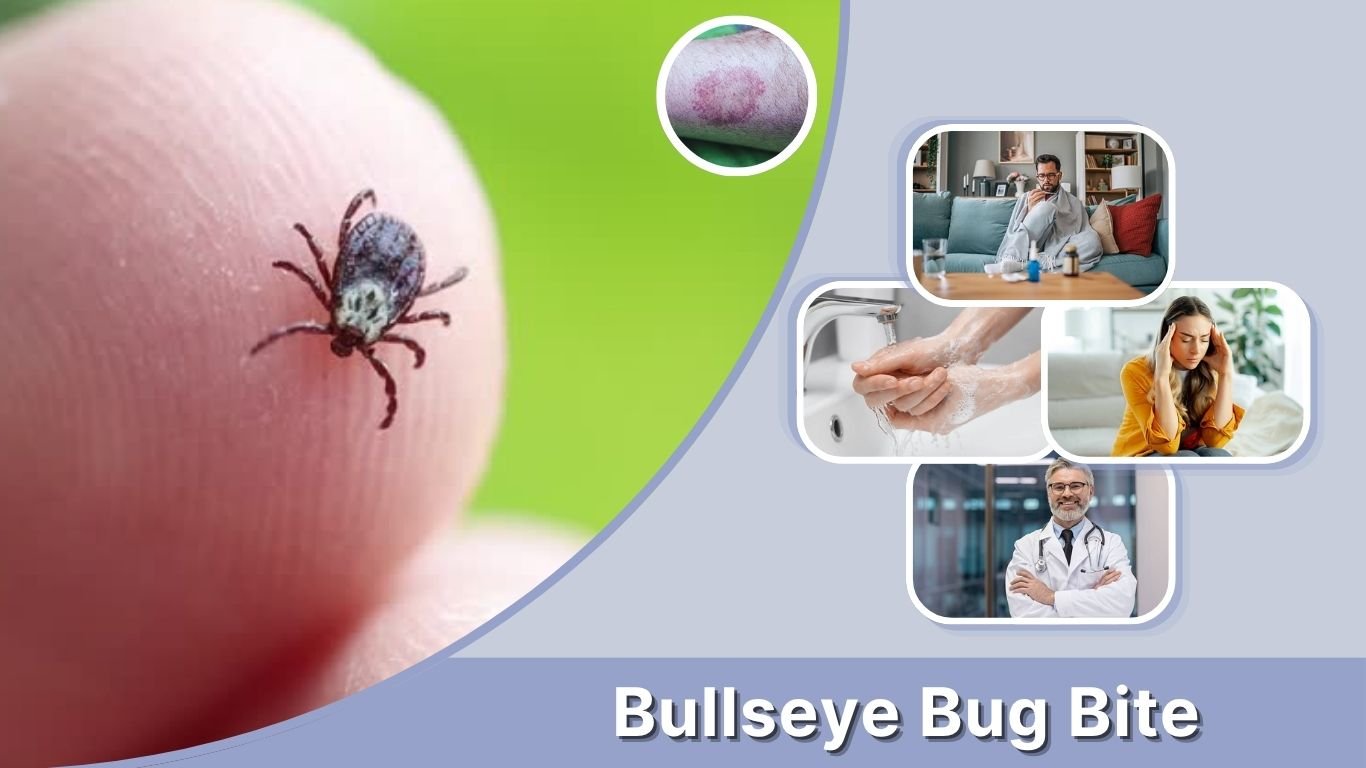
A bullseye bug bite is a circular skin mark with rings or an area of central clearing that resembles a target. Although people often associate … Read More
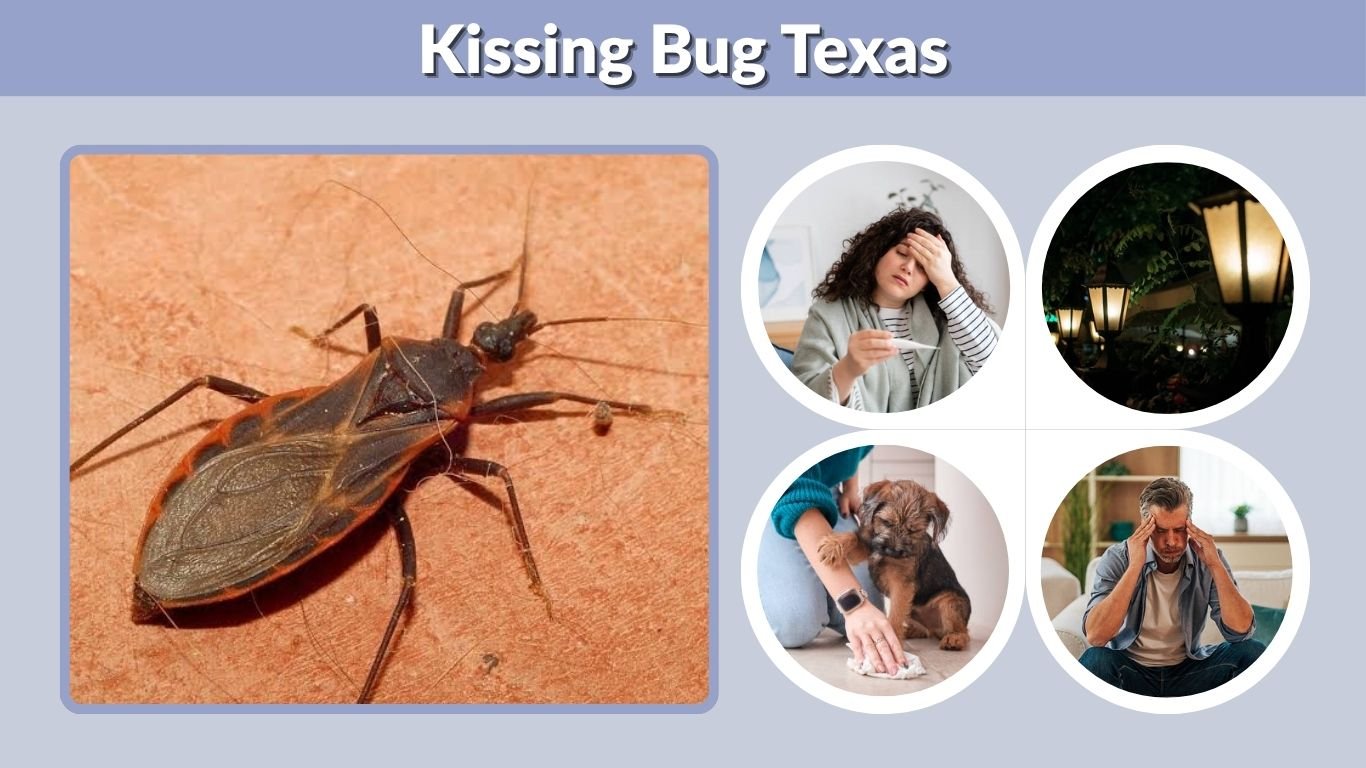
The kissing bug in Texas is a blood-feeding insect that attracts attention because some carry Trypanosoma cruzi, the parasite responsible for Chagas disease. Kissing bugs … Read More
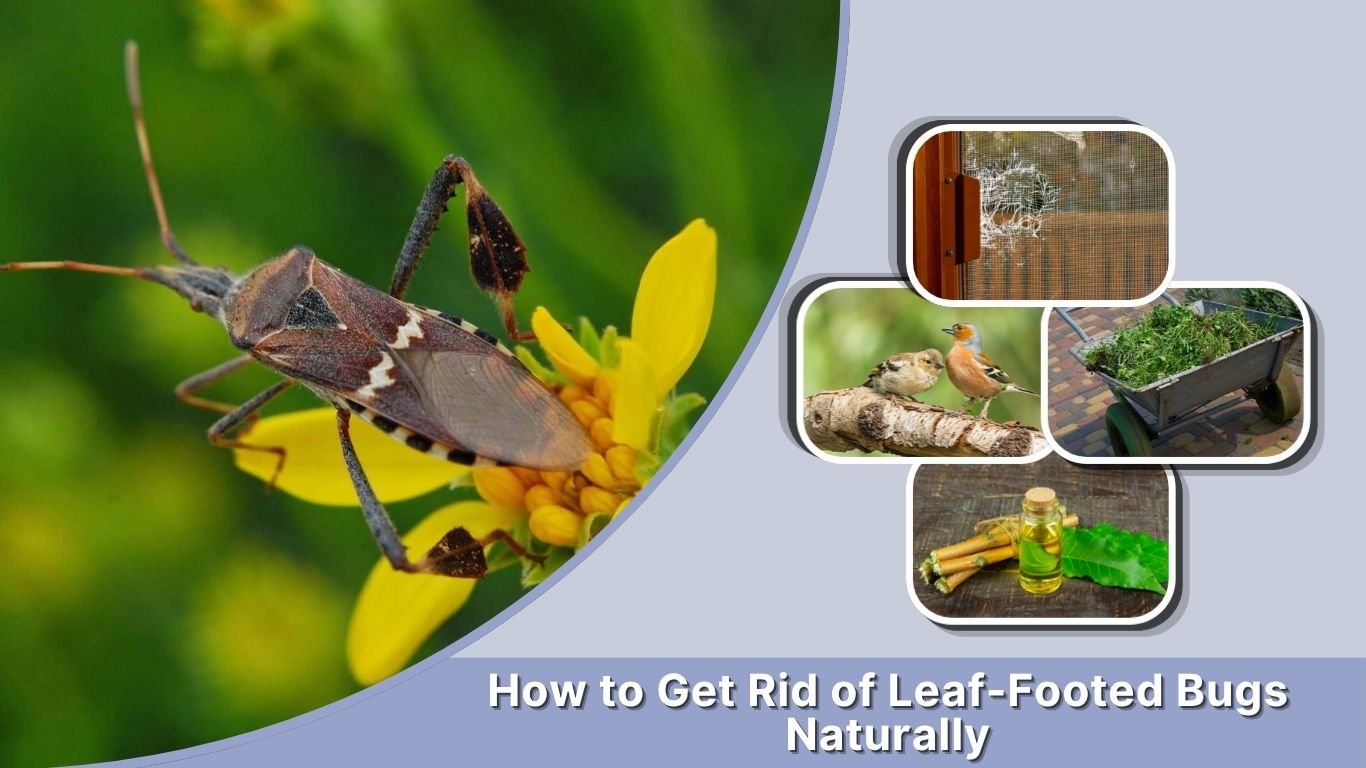
If leaf-footed bugs are damaging tomatoes, pomegranates, eggplants, or other garden plants, early control is the easiest way to stop an infestation. These insects use … Read More
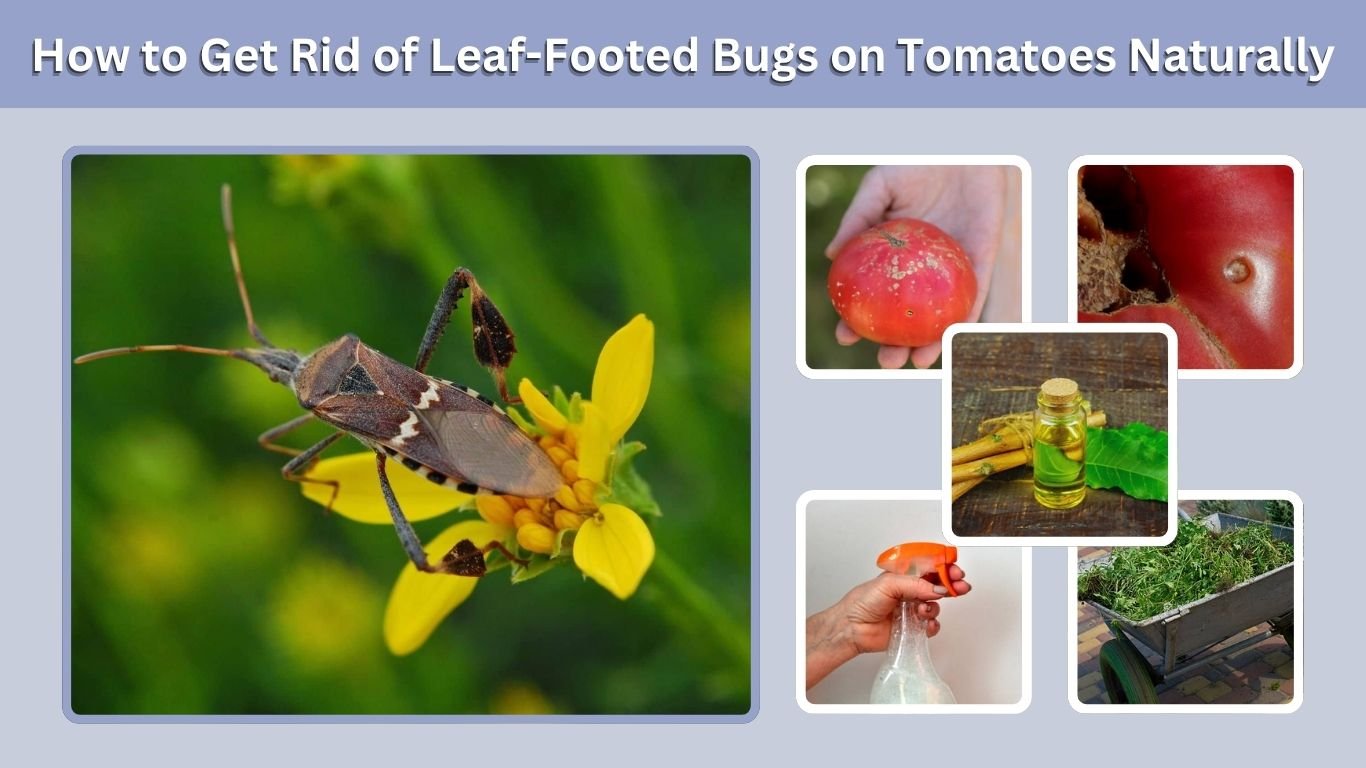
Leaf-footed bugs on tomatoes can quickly turn healthy fruit into spotted, shriveled, or damaged produce. These sap-feeding insects pierce tomatoes with their mouthparts and suck … Read More
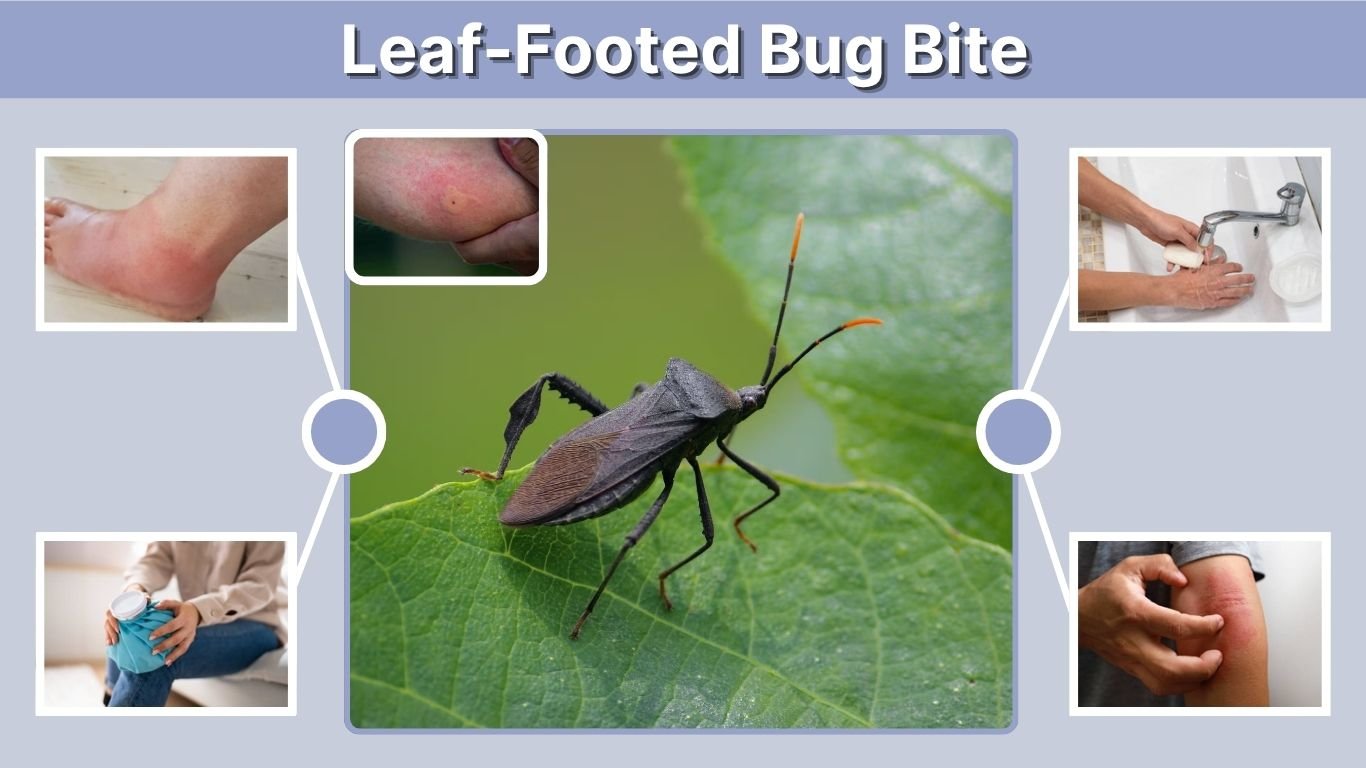
Leaf-footed bugs are common garden insects known for their long legs and distinctive leaf-like expansions on their hind legs. Because some species grow quite large … Read More
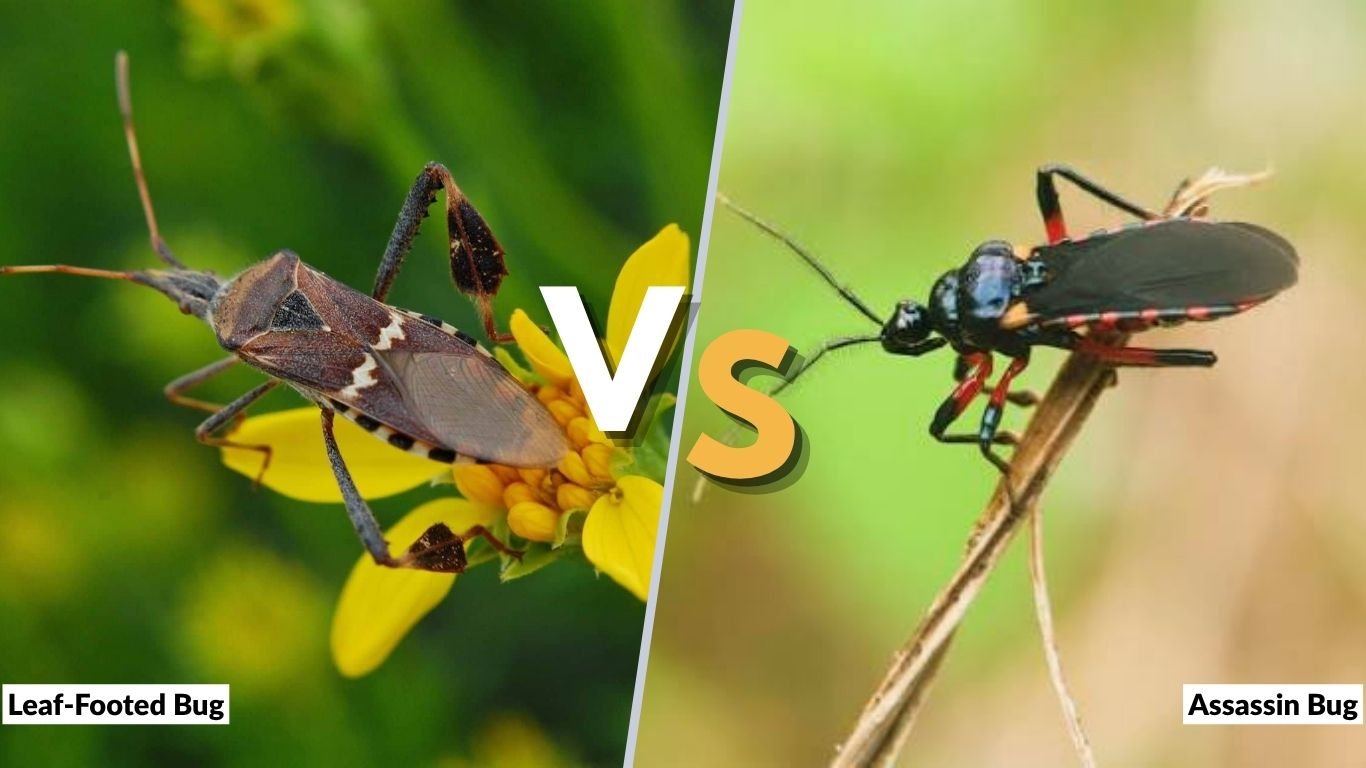
A leaf-footed bug vs assassin bug comparison can be confusing because both insects may have long legs, narrow bodies, piercing mouthparts, and similar red or … Read More
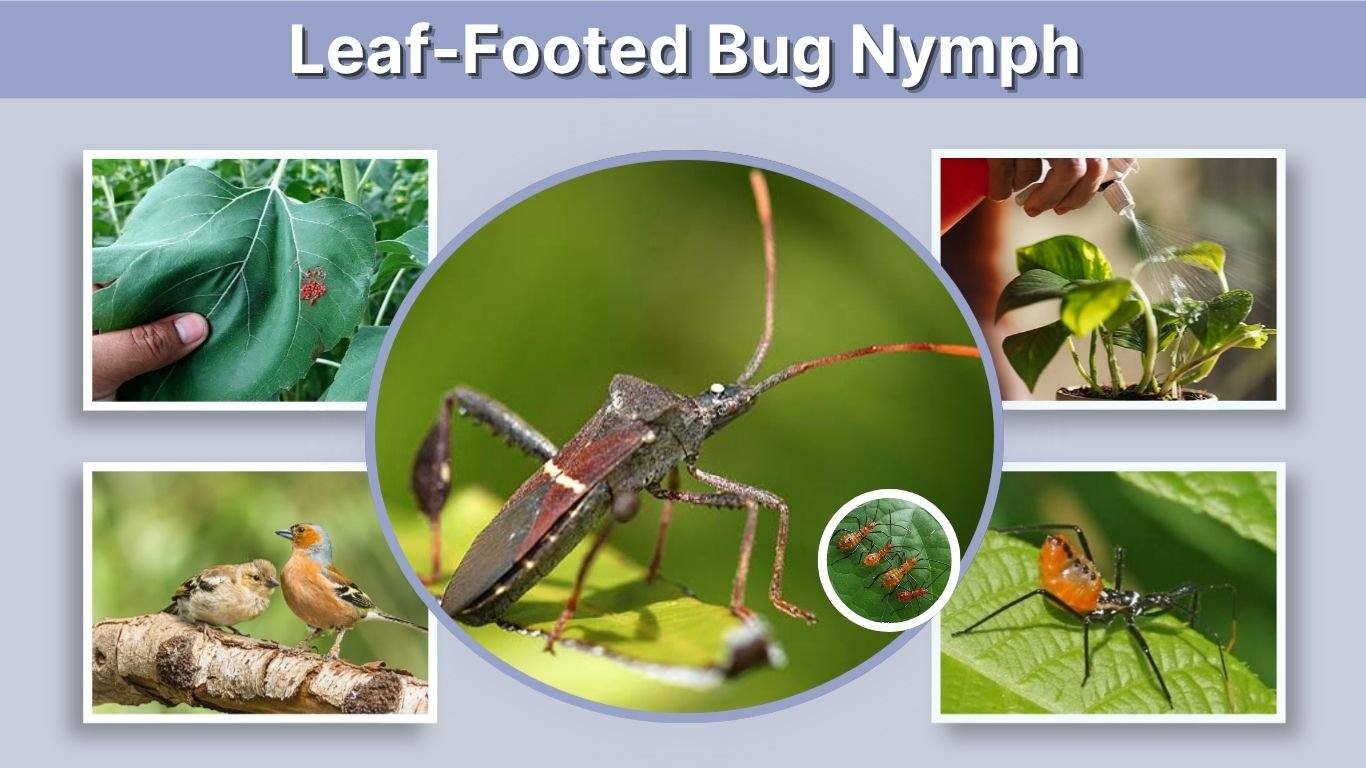
A leaf-footed bug nymph is the immature stage of a leaf-footed bug, a plant-feeding insect in the family Coreidae. These young bugs often appear bright … Read More
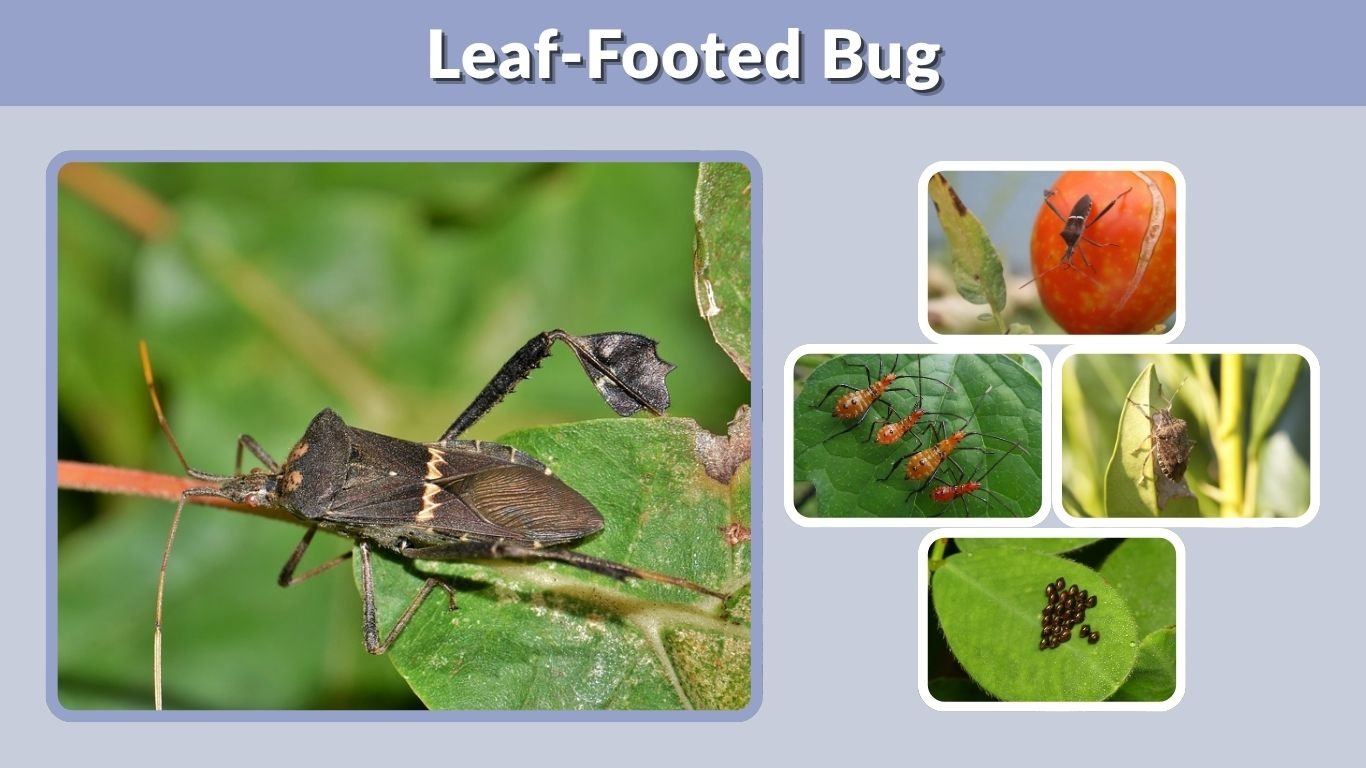
The leaf-footed bug is a plant-feeding insect recognized by the flattened, leaf-like expansions found on the hind legs of many species. These bugs are commonly … Read More