

It’s a common sight for gardeners: neat trails of tiny black ants marching across soil beds, climbing up plant stems, or building small mounds on the lawn. These are black garden ants (Lasius niger), one of the most widespread ant species in temperate regions. While they may seem harmless at first glance, their behavior in gardens often raises questions—are they helpful allies or hidden pests? To answer that, let’s explore their identification, life cycle, habitats, and how to control them when needed.
What Are Black Garden Ants?
Black garden ants are among the most common ant species found across Europe, Asia, and parts of North America. Known scientifically as Lasius niger, they thrive in gardens, lawns, and parks where they build extensive colonies. These ants are social insects that operate within a structured hierarchy, consisting of a queen, workers, and males. Colonies can be large, sometimes housing up to 15,000 ants, making them very noticeable in garden spaces.
Unlike some destructive ant species, black garden ants don’t eat wood or cause structural damage. Instead, they focus on soil nesting and foraging for sweet foods. Their strong presence, however, can lead to mixed experiences for gardeners—especially when they interact with other insects like aphids.
Identification of Black Garden Ants

Recognizing black garden ants correctly is the first step before deciding whether or not to control them.
- Size: Worker ants typically measure 3–5mm in length, while the queen can grow up to 15mm, making her easy to identify if spotted.
- Color: True to their name, they are usually dark brown to jet black with a smooth, shiny exoskeleton.
- Body Structure: Like most ants, they have a narrow waist (petiole), elbowed antennae, and well-developed mandibles used for carrying food.
- Signs of Presence: Trails leading from food sources to nests, disturbed soil patches, and small ant hills in lawns are clear indicators of black garden ant activity.
These ants are often confused with carpenter ants, but the differences are significant, as we’ll explore later.
Life Cycle and Role of the Queen
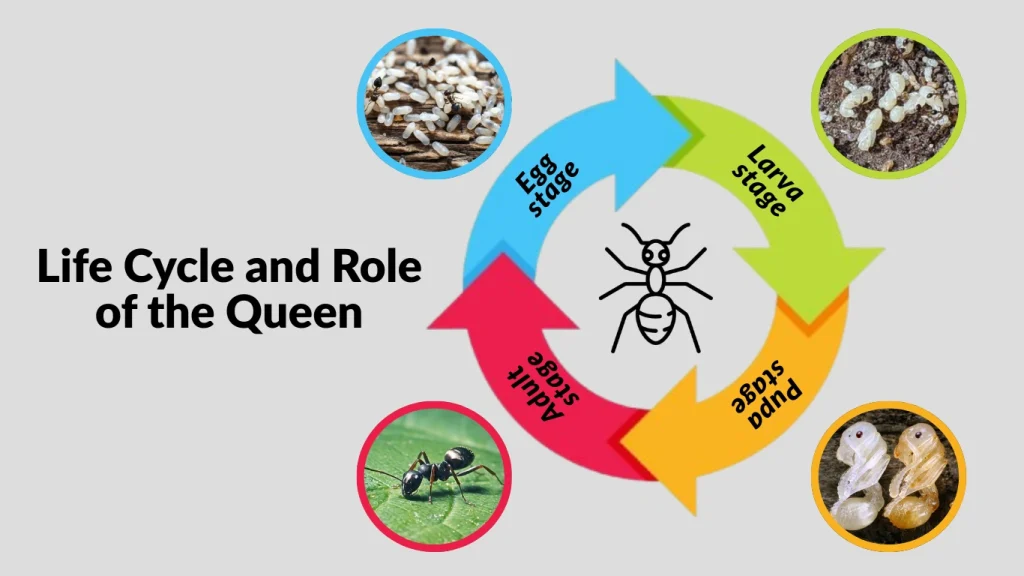
The black garden ant follows a complete metamorphosis, moving through four stages: egg, larva, pupa, and adult.
- Eggs: The queen lays tiny white eggs after establishing a nest.
- Larvae: After hatching, larvae rely on worker ants for feeding and grooming.
- Pupae: These develop in silk cocoons before emerging as adults.
- Adults: The colony includes sterile female workers, reproductive males, and queens.
The queen is central to colony survival. Once mated during a summer “nuptial flight,” she sheds her wings and begins laying eggs to establish a new colony. Remarkably, a black garden ant queen can live for up to 15 years, while workers live only a few months to a couple of years.
During warm months, particularly July and August, black garden ants take part in nuptial flights. Thousands of winged males and females swarm the skies, mate, and then disperse to create new colonies. This sudden surge of flying ants is often noticed by gardeners and is commonly referred to as “flying ant day.”
Black Garden Ants vs Carpenter Ants

Because both are dark in color, black garden ants are often mistaken for carpenter ants. However, understanding the differences is crucial:
- Size: Carpenter ants (Camponotus species) are larger, usually 6–12mm, while black garden ants are smaller at 3–5mm.
- Nesting Habits: Carpenter ants excavate damp or decaying wood to build their nests, often inside homes, sheds, or trees. Black garden ants prefer soil, garden beds, and pavements.
- Behavior: Black garden ants are more visible on the ground and around plants, while carpenter ants are often found near wooden structures.
- Impact: Carpenter ants can cause serious structural damage to wooden materials, while black garden ants are primarily a nuisance due to their trails, soil disturbance, and protection of aphids.
For gardeners, correctly identifying these ants ensures they use the right control measures. Treating carpenter ants as if they were black garden ants—or vice versa—can lead to wasted effort and poor results.
Common Habitats in Gardens
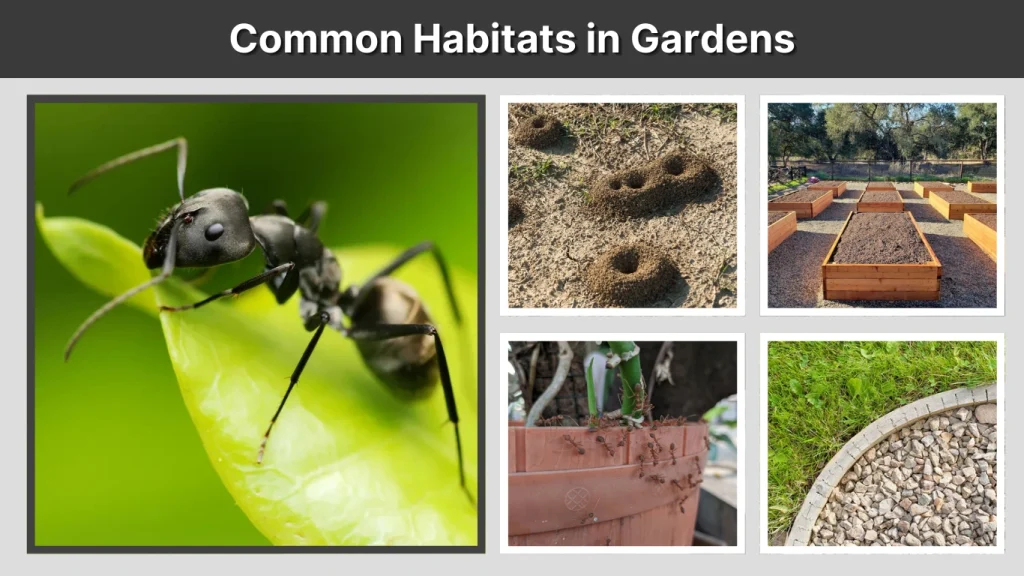
Black garden ants are adaptable and build their nests in a variety of garden environments. Some of the most common places include:
- Garden Soil: Ant hills are often visible as small mounds of loose earth on lawns and flower beds.
- Raised Garden Beds: The warm, moist soil of raised beds makes an excellent nesting site.
- Potted Plants: Ants may burrow into plant pots, disturbing roots and soil.
- Under Stones and Pavement: Flat surfaces like paving stones, rocks, or garden edging are common hiding spots.
- Around Plant Roots: Colonies often form near plants, especially where aphids are present as a food source.
Homeowners may also notice ants invading from gardens into kitchens in search of sugary food, making them not just a garden issue but also a household nuisance.
Behavior and Diet of Black Garden Ants
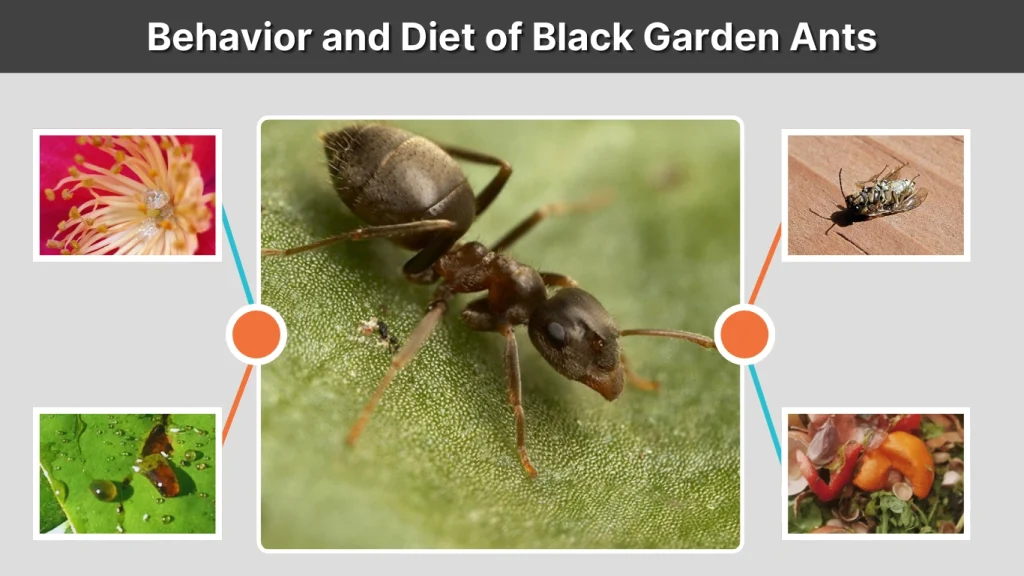
Black garden ants are opportunistic feeders, but they are strongly attracted to sugars. Their diet often includes:
- Nectar and sweet plant secretions.
- Honeydew produced by aphids, whiteflies, and other plant pests.
- Dead insects and other small invertebrates.
- Household food scraps when they venture indoors.
One of their most notable behaviors is “farming” aphids. Ants protect colonies of aphids from predators such as ladybirds, in exchange for honeydew, a sugary liquid the aphids secrete. While this is beneficial for the ants, it can be harmful to gardeners because aphids damage plants by sucking sap.
Black garden ants are also excellent soil aerators. As they dig tunnels, they improve soil structure, allowing better water penetration and root growth. This is one of the reasons they’re considered both beneficial and problematic depending on the situation.
Are Black Garden Ants Harmful or Beneficial?
This is one of the most debated questions among gardeners. The truth is, black garden ants play a dual role:
- Beneficial Aspects:
- They aerate soil, which benefits plant roots.
- They help decompose organic material.
- They prey on small insect pests like caterpillars and larvae.
- They aerate soil, which benefits plant roots.
- Negative Aspects:
- They protect aphids, which increases aphid infestations on plants.
- Their ant hills can disturb lawns, flowerbeds, and raised garden beds.
- Large colonies can become a nuisance when ants venture indoors.
- They protect aphids, which increases aphid infestations on plants.
So, while black garden ants are not directly harmful to plants, their association with aphids makes them indirectly damaging. For this reason, many gardeners tolerate small numbers but intervene when populations become too large.
Signs of Infestation in Your Garden
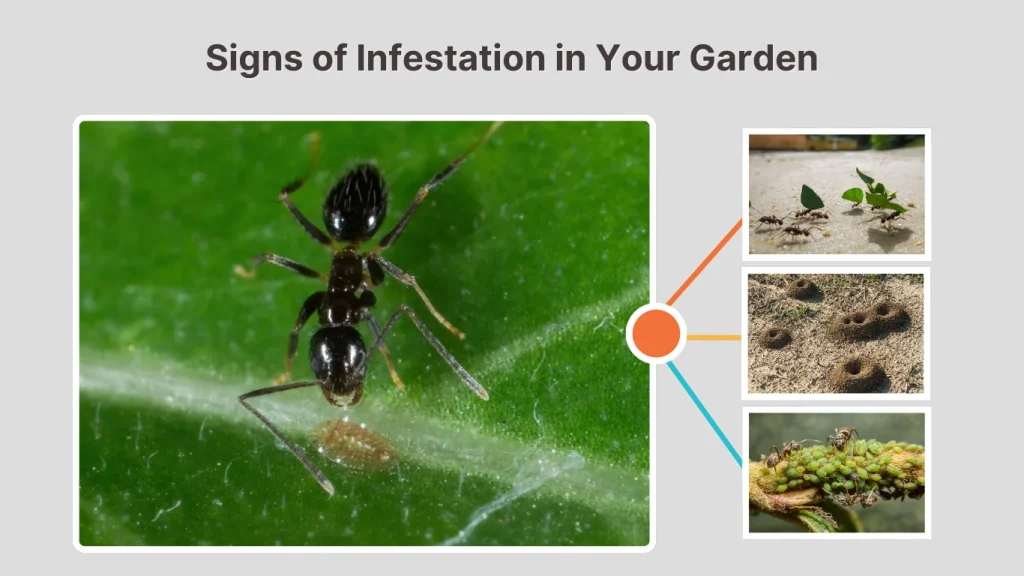
Not every presence of black garden ants means there’s a problem, but certain signs show their population is affecting your plants and soil.
- Multiple Foraging Trails: Long lines of ants moving to and from food sources are the most obvious signal.
- Visible Ant Hills: Small soil mounds on lawns or in flower beds indicate an active nest.
- Aphid Outbreaks: If your plants are covered with sticky honeydew or distorted leaves, ants may be farming aphids nearby.
- Loose Soil Around Roots: In raised beds or potted plants, excessive tunneling can disturb roots and reduce plant stability.
Recognizing these signs early allows you to decide whether control is necessary or if you can leave the colony undisturbed.
When to Control Black Garden Ants
Ants are part of a healthy ecosystem, so complete eradication is rarely the best approach. Instead, control should be considered when:
- Colonies grow too large and disrupt raised beds, lawns, or patios.
- Ants are farming aphids that threaten vegetables, fruit trees, or ornamentals.
- You notice them invading your home in search of food.
- Their ant hills disturb the appearance or health of your lawn.
If the ants aren’t causing direct damage, it may be better to tolerate them and enjoy their soil-aerating benefits. But when populations boom, targeted methods are more effective than random attempts to kill them.
Methods to Control Black Garden Ants
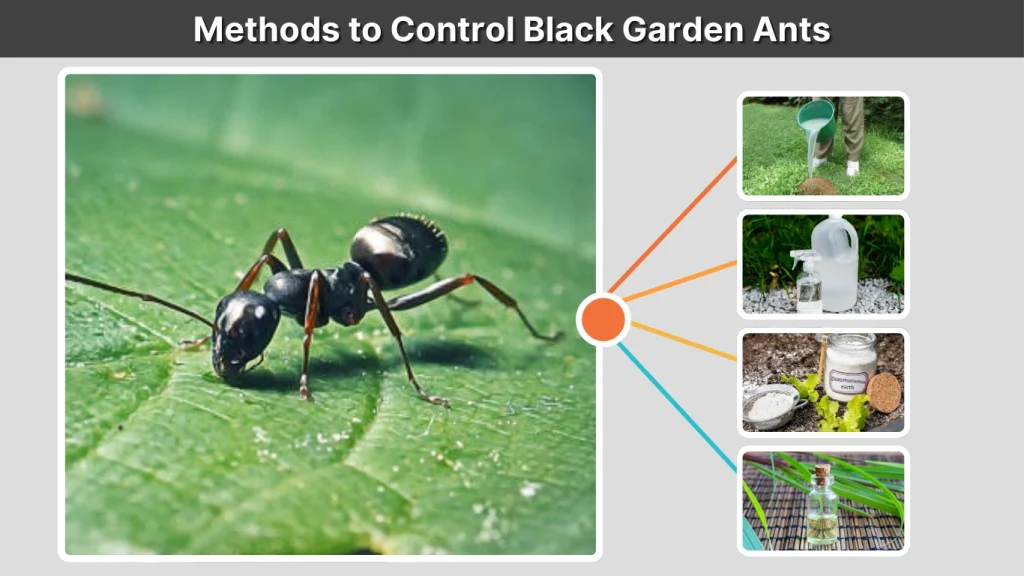
Controlling black garden ants can be done in several ways, ranging from natural home remedies to garden-safe products. Choosing the right method depends on the severity of the infestation and your gardening style.
a. Natural and Preventive Approaches
These are suitable for mild infestations or gardeners who want to avoid chemicals.
- Boiling Water: Pour directly into small nests. This kills a portion of the colony but often needs repeating.
- Vinegar Spray: A 50:50 vinegar and water solution disrupts trails and masks pheromone scents.
- Diatomaceous Earth: This natural powder cuts into ants’ exoskeletons, dehydrating them. Sprinkle around beds and pots.
- Essential Oils: Peppermint, cinnamon, and citrus oils act as strong deterrents.
While these remedies are safe for plants, they may require frequent reapplication to remain effective.
b. Garden-Safe and Organic Solutions
For larger infestations, commercial products can help while still being safe for use around vegetables and flowers.
- Organic Ant Killers: Products made from natural ingredients like spinosad or pyrethrins target ants without harming plants.
- Ant Bait Stations: Garden-safe bait stations allow ants to carry poisoned food back to the nest, killing the colony gradually.
- Homemade Borax Baits: A sugar-borax mix attracts ants but kills them after ingestion. These should be placed carefully to avoid contact with pets and children.
c. Long-Term Prevention
Eradicating ants once is not enough—prevention is key.
- Manage Aphids: Control aphid populations using ladybirds or neem oil. Without honeydew, ants lose a major food source.
- Seal Entry Points: Close gaps near raised beds, pavers, and house foundations to stop them spreading.
- Regular Garden Maintenance: Keep soil healthy, rotate plants, and avoid leaving sugary substances outdoors.
By combining short-term removal with long-term prevention, you can keep ant populations under control without harming your garden’s ecosystem.
FAQs
Are black garden ants dangerous to humans?
No, black garden ants are not dangerous. They do not sting, and their bite is too weak to harm humans. At worst, they may cause minor irritation if handled in large numbers.
Do black garden ants bite?
Yes, they can bite using their small mandibles, but the sensation is usually just a light pinch and not harmful. Most people don’t even feel it.
How long does a black garden ant queen live?
A black garden ant queen can live for up to 15 years, making her one of the longest-living insect queens. Worker ants, by comparison, survive only a few months to two years.
What’s the difference between black garden ants and carpenter ants?
Carpenter ants are much larger, often over 10mm, and nest in wood, causing structural damage. Black garden ants are smaller, around 3–5mm, and prefer soil or garden beds, with little direct threat to buildings.
Can I completely eliminate ants from my garden?
It’s nearly impossible to remove every ant permanently because they are so widespread. Instead, the goal should be management—keeping populations small and preventing them from harming plants.
