
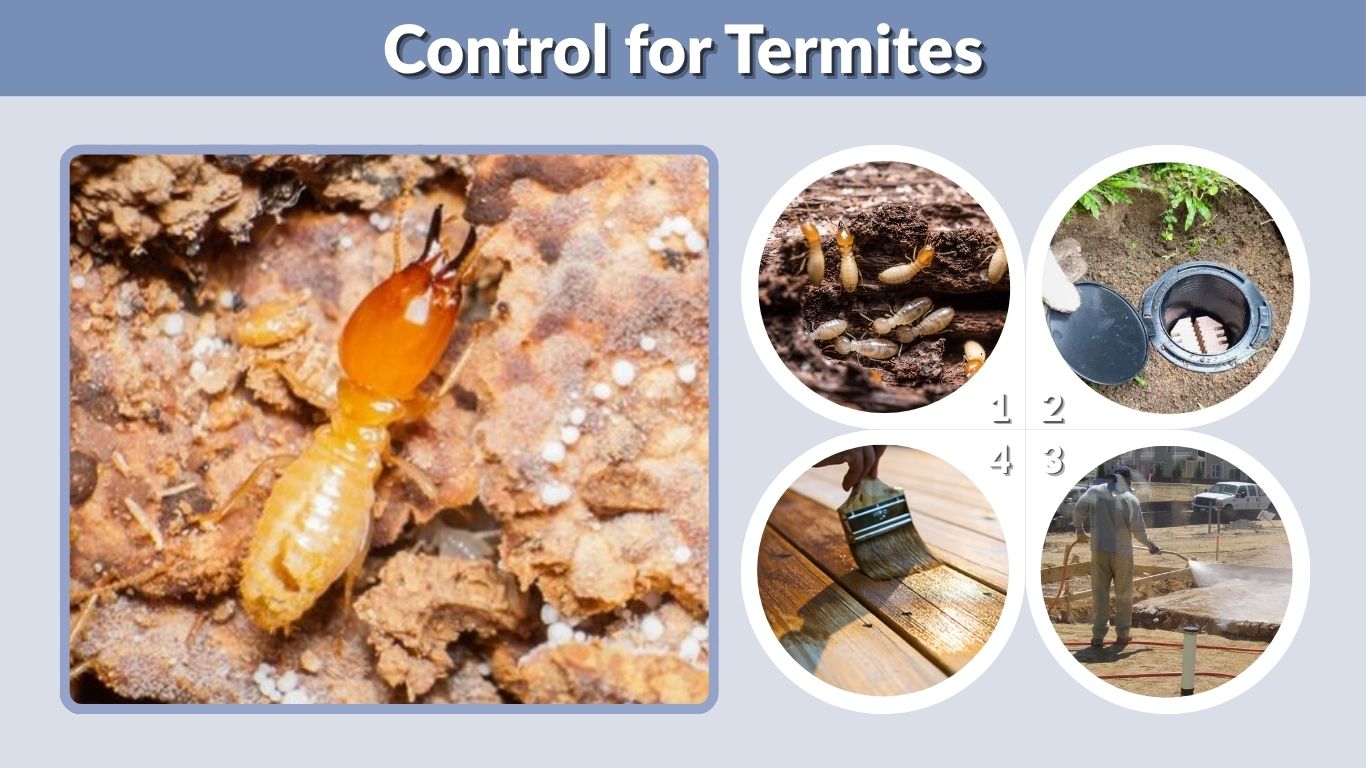
Termites can damage wood, flooring, walls, and structural supports before many homeowners notice a problem. Choosing the right way to control for termites depends on the termite species, infestation level, home design, moisture conditions, and budget. This guide explains pest control for termites, treatment methods, chemical and natural options, costs, and how to choose the best termite control company for your home.
Understanding Termite Control
Termite control is the process of finding, treating, preventing, and monitoring termite activity around a property. It may involve soil treatment, bait stations, wood treatment, moisture correction, or a full pest control plan for termites.
Many homeowners search for pest control for termite problems after seeing mud tubes, damaged wood, or flying swarmers. However, termite control is most effective when it starts early. A professional inspection can confirm whether the issue is active termites, old damage, carpenter ants, moisture decay, or another wood-destroying pest.
Why Termites Need Fast Attention
Termites feed on cellulose, which is found in wood, paper, cardboard, tree roots, and some building materials. Subterranean termites are especially destructive because they live in soil and build hidden tunnels into homes.
Fast action helps reduce:
- Structural repair costs
- Treatment complexity
- Spread to other parts of the home
- Damage to floors, walls, beams, and trim
- Risk during home sale or refinancing
A small visible sign may represent a larger hidden colony, so delaying treatment can make the problem more expensive.
Signs You Need Pest Control for Termites
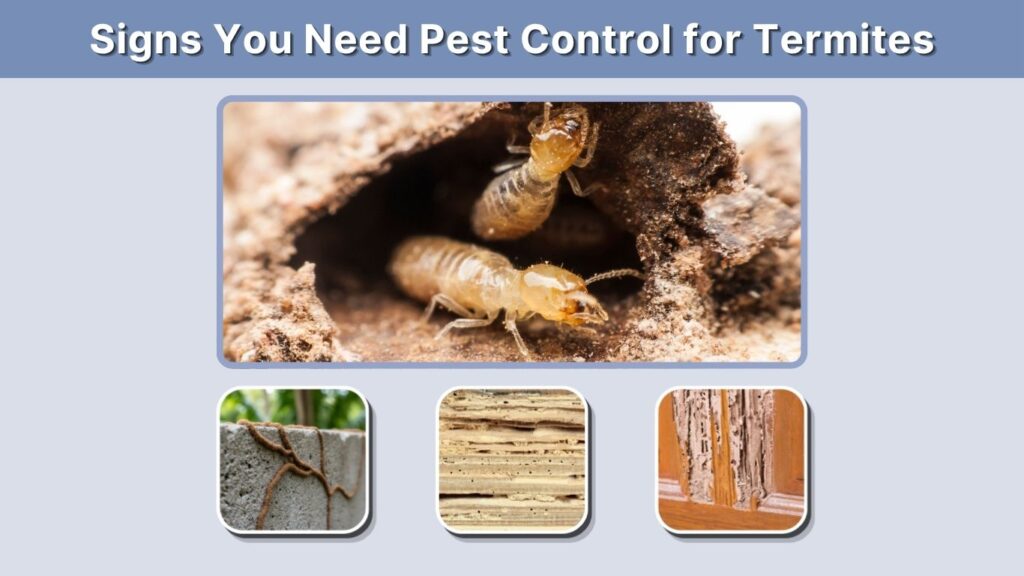
Before choosing a pest control company for termites, look for common warning signs. Some signs are obvious, while others are easy to miss.
Common Termite Warning Signs
Homeowners may notice:
- Mud tubes on foundation walls or crawl-space piers
- Hollow-sounding wood
- Blistered or uneven flooring
- Discarded wings near windows or doors
- Soft trim, baseboards, or door frames
- Small holes or termite droppings
- Tight doors or windows
- Moisture problems near plumbing or exterior walls
Seeing swarmers indoors is a strong sign that termites may already be active inside the structure. Outdoor swarmers do not always mean the home is infested, but they do show termites are nearby.
Areas Inspectors Usually Check
A termite pest control inspection often includes the foundation, crawl space, attic, basement, garage, exterior wood, decks, fences, mulch beds, and plumbing areas. Inspectors also look for conditions that attract termites, such as wood-to-soil contact, poor drainage, leaks, and heavy mulch against the home.
Best Pest Control Methods for Termites
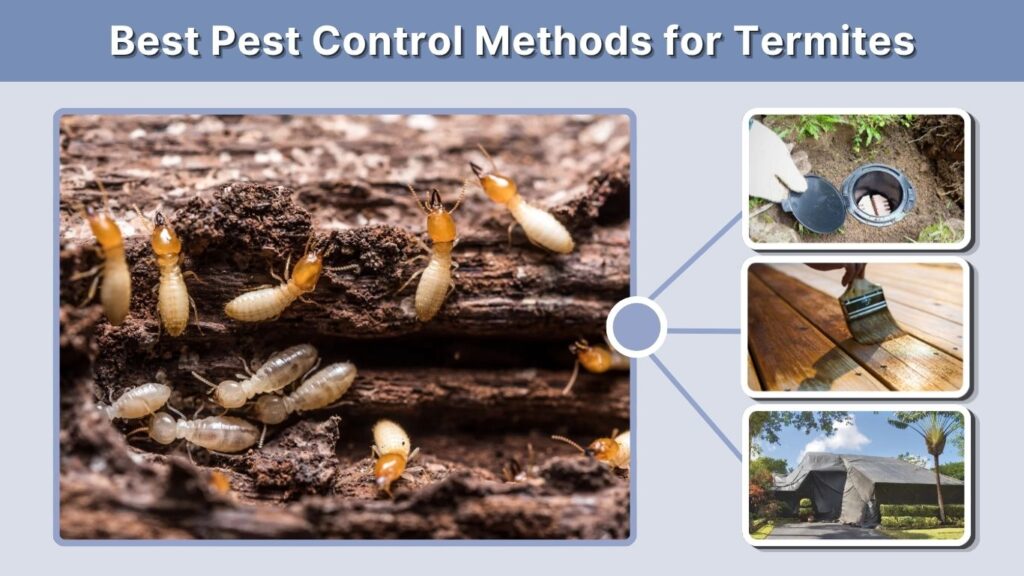
There is no single best pest control for termites in every situation. The right solution depends on the species, property layout, and severity of the infestation.
| Termite Control Method | Best For | Main Benefit |
| Liquid soil treatment | Subterranean termites | Creates a treated zone around the structure |
| Bait station system | Monitoring and colony control | Less invasive and useful for long-term management |
| Wood treatment | Localized wood protection | Targets exposed or accessible wood |
| Foam or wall void treatment | Hidden galleries or wall areas | Reaches spaces liquid sprays may miss |
| Fumigation | Severe drywood termite infestations | Treats the entire structure when needed |
| Moisture and wood correction | Prevention | Reduces termite-friendly conditions |
Liquid Soil Treatment
Liquid soil treatment is one of the most common termite control options for subterranean termites. A professional applies termiticide around the foundation, under slabs, around piers, or near entry points.
This method is often used when termites are entering from the soil. In some cases, drilling slab areas for termite control may be necessary to reach hidden soil zones beneath concrete. This should be done by trained professionals because proper placement, dosage, and safety rules matter.
Termite Bait Systems
Bait stations are installed in the soil around the property. Termites find the bait while foraging, feed on it, and carry it back to the colony. Bait systems are often used for long-term termite control and monitoring.
They may be a good choice when liquid soil treatment is difficult, such as near wells, drainage systems, ponds, or sensitive areas. However, baits may take time to work because termites must discover and feed on the stations.
Wood Treatment
Termite control for wood may involve borate-based products, localized termiticides, or direct treatment of exposed framing. This can be useful in new construction, renovations, crawl spaces, or accessible wood areas.
Wood treatment is often preventive, but it may also help with localized infestations. It is not always enough for a large subterranean colony if termites are entering from the soil.
Fumigation for Drywood Termites
Drywood termites live inside wood and do not need soil contact. Severe drywood termite infestations may require fumigation, especially when colonies are spread throughout the structure.
Fumigation is more involved than standard pest control services for termites. Occupants usually need to leave the home during treatment, and the company must follow strict safety procedures.
Chemicals for Termite Control
Many searches include chemicals for termite control, insecticide for termite control, best pesticide for termite control, fipronil for termite control, imidacloprid for termite control, and permethrin for termite control. These terms refer to active ingredients or product types used by professionals and, in some cases, homeowners.
Common Professional Termite Chemicals
Termite control chemicals may include:
- Fipronil
- Imidacloprid
- Chlorantraniliprole
- Bifenthrin
- Permethrin
- Borate-based wood treatments
- Insect growth regulators used in bait systems
The most effective chemical for termite control depends on the termite species, label directions, treatment site, soil conditions, and application method. A product that works well for soil treatment may not be appropriate for wall voids, wood treatment, or bait stations.
Why Label Directions Matter
Termiticides are regulated products. They must be applied according to the label, which explains where, how, and how much product can be used. Misuse can create safety risks, contaminate soil or water, and fail to stop the infestation.
For serious termite infestations, professional treatment is usually safer and more reliable than guessing which chemical to use.
Natural and DIY Pest Control for Termites
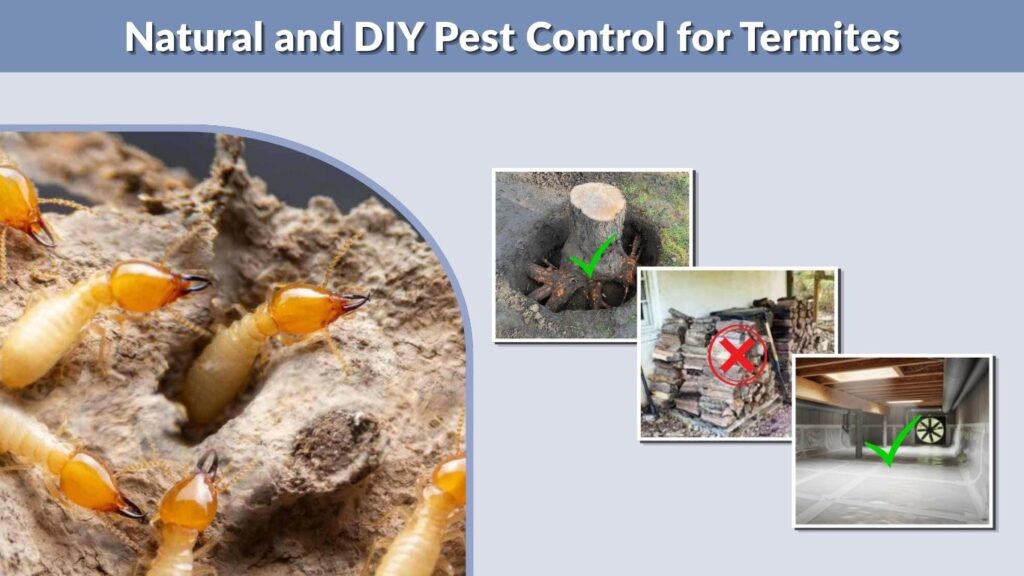
Natural pest control for termites is popular, especially among homeowners who want safer or lower-toxicity options. Some searches include borax for termite control, boric acid for termite control, diatomaceous earth for termite control, orange oil for termite control, neem oil, essential oils, vinegar, and beneficial nematodes.
Do Natural Options Work?
Some natural or low-toxicity options may help in limited situations, but they are rarely enough for a major termite infestation. For example, boric acid or borate products may protect accessible wood, while orange oil may be used for certain localized drywood termite treatments. Diatomaceous earth may affect exposed insects but is not a reliable whole-home termite solution.
Beneficial nematodes and other biological methods have shown interest, but results can vary. They are not usually the first choice for structural termite control.
DIY Termite Control Limits
DIY pest control for termites may help with prevention, but it can fail when termites are already inside walls, under slabs, or in structural wood.
Homeowners can reduce risk by:
- Fixing leaks quickly
- Keeping mulch away from siding
- Removing dead stumps near the home
- Storing firewood away from the foundation
- Improving crawl-space ventilation
- Sealing cracks and entry points
- Avoiding direct wood-to-soil contact
These steps support termite prevention, but they do not replace professional pest control services for termite infestations.
Pest Control for Subterranean Termites
Subterranean termites are among the most common and damaging termite species. They usually nest in soil and travel into homes through mud tubes or hidden cracks.
Best Solutions for Subterranean Termites
Pest control for subterranean termites often includes liquid soil treatment, bait systems, or a combination of both. The goal is to block entry, eliminate active termites, and reduce colony pressure around the structure.
Soil treatment for termite control is common when termites are entering through foundation areas. Bait systems may be used when drilling, trenching, or liquid treatment is not ideal.
Prevention Around the Home
To reduce subterranean termite risk, homeowners should manage moisture and remove termite-friendly conditions. Keep gutters clear, direct water away from the foundation, repair leaks, and avoid stacking wood against the house.
Termite Control for New Construction
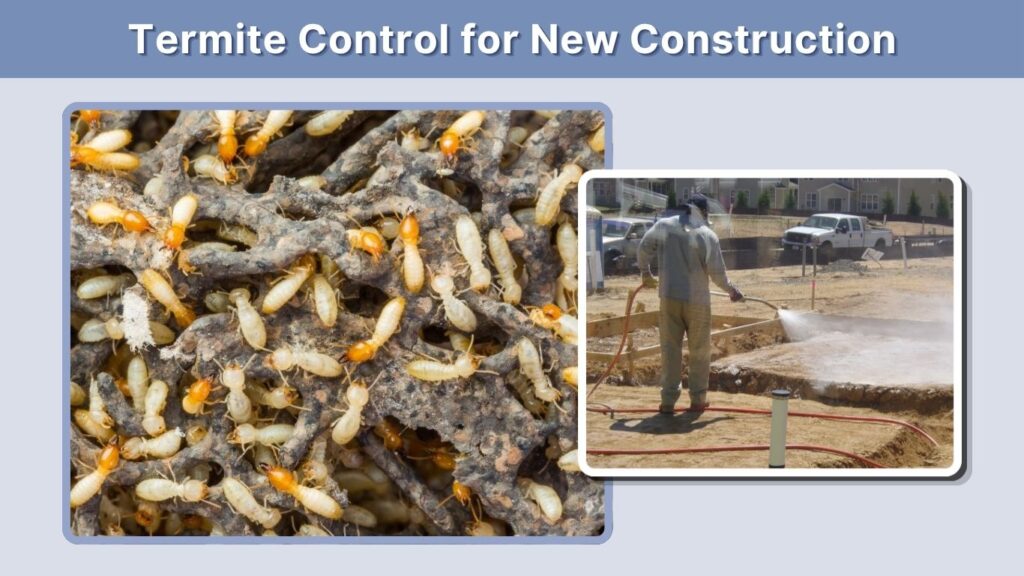
Termite control chemicals for new construction are used before or during building to reduce future infestation risk. Depending on local building codes and pest pressure, new construction termite control may involve soil pretreatment, physical barriers, treated wood, or bait systems.
Why Pretreatment Matters
New construction is an ideal time to create termite protection because soil and foundation areas are accessible. After the slab is poured or walls are finished, treatment becomes more difficult and may require drilling or trenching.
Builders and homeowners should keep termite documentation for future resale, warranties, and pest control records.
Cost of Pest Control for Termites
The cost of pest control for termites varies widely. Small localized treatments may cost a few hundred dollars, while whole-home treatment, bait systems, or fumigation can cost much more.
What Affects Termite Control Price?
Several factors influence termite control cost:
- Home size and foundation type
- Termite species
- Infestation severity
- Treatment method
- Local labor rates
- Accessibility of crawl spaces or slabs
- Need for drilling, trenching, or fumigation
- Warranty or annual monitoring plan
Average cost for termite control may be lower for localized treatment and higher for full structural protection. A pest control company should inspect the home before giving a final price.
Is the Cheapest Option Best?
The cheapest termite control plan is not always the best. A low price may not include monitoring, retreatment, warranty coverage, or full property treatment. Compare what each company includes before choosing.
Choosing a Pest Control Company for Termites
Searches like pest control for termites near me, best pest control company for termites, top pest control companies for termites, and reviews for termite control companies usually show many local and national options. The best company should be licensed, experienced, transparent, and willing to explain the treatment plan.
Questions to Ask Before Hiring
Before choosing a termite control company, ask:
- Are you licensed for termite treatment in this state?
- What termite species did you find?
- Is the infestation active?
- Which treatment method do you recommend and why?
- What chemicals or bait systems will be used?
- Is drilling or trenching required?
- Is there a warranty?
- Are annual inspections included?
- What happens if termites return?
A reliable company should provide a written estimate, treatment diagram, product information, and warranty terms.
Local Search Considerations
Location-specific searches such as pest control for termites Plano, Austin pest control for termites, Overland Park pest control for termites, or termite control options for Atlanta homes show that termite problems vary by region. Local climate, soil type, termite species, and building styles can affect the best treatment choice.
Safest Termite Control for Wooden Homes
Wooden homes need careful termite protection because exposed beams, siding, decks, and crawl-space framing may attract termites. The safest termite control for wooden homes usually combines inspection, moisture control, wood treatment, and professional pest management.
Safety Tips for Homeowners
To protect a wooden home:
- Keep wood siding above soil level
- Treat exposed framing when appropriate
- Maintain proper drainage
- Repair roof and plumbing leaks
- Keep crawl spaces dry
- Avoid piling mulch against wood
- Schedule annual termite inspections
Safety does not mean avoiding all chemicals. It means choosing the correct treatment, applied correctly, with proper precautions.
FAQs
What is best for termite control?
The best termite control method depends on the termite species and infestation level. Subterranean termites often require liquid soil treatment, bait stations, or both. Drywood termites may need localized treatment or fumigation. A professional inspection is the best first step.
Is pest control effective for termites?
Yes, professional pest control can be effective for termites when the correct treatment is used. Success depends on proper inspection, accurate species identification, correct application, follow-up monitoring, and fixing moisture or wood-contact problems around the property.
Does pest control spray for termites?
Some termite treatments use liquid termiticides, but standard pest control spray is not enough for most termite infestations. Termite control may require soil treatment, bait stations, drilling, wood treatment, foam applications, or fumigation depending on the problem.
How much does pest control cost for termites?
Termite pest control cost can range from a few hundred dollars for localized treatment to several thousand dollars for full-home treatment or fumigation. Price depends on home size, termite type, infestation severity, treatment method, and warranty coverage.
Can I use borax or vinegar for termite control?
Borax or boric acid may help treat accessible wood in limited cases, but vinegar is not a reliable termite control solution. DIY methods usually cannot reach hidden colonies inside walls, soil, or structural wood. Active infestations should be inspected professionally.
