
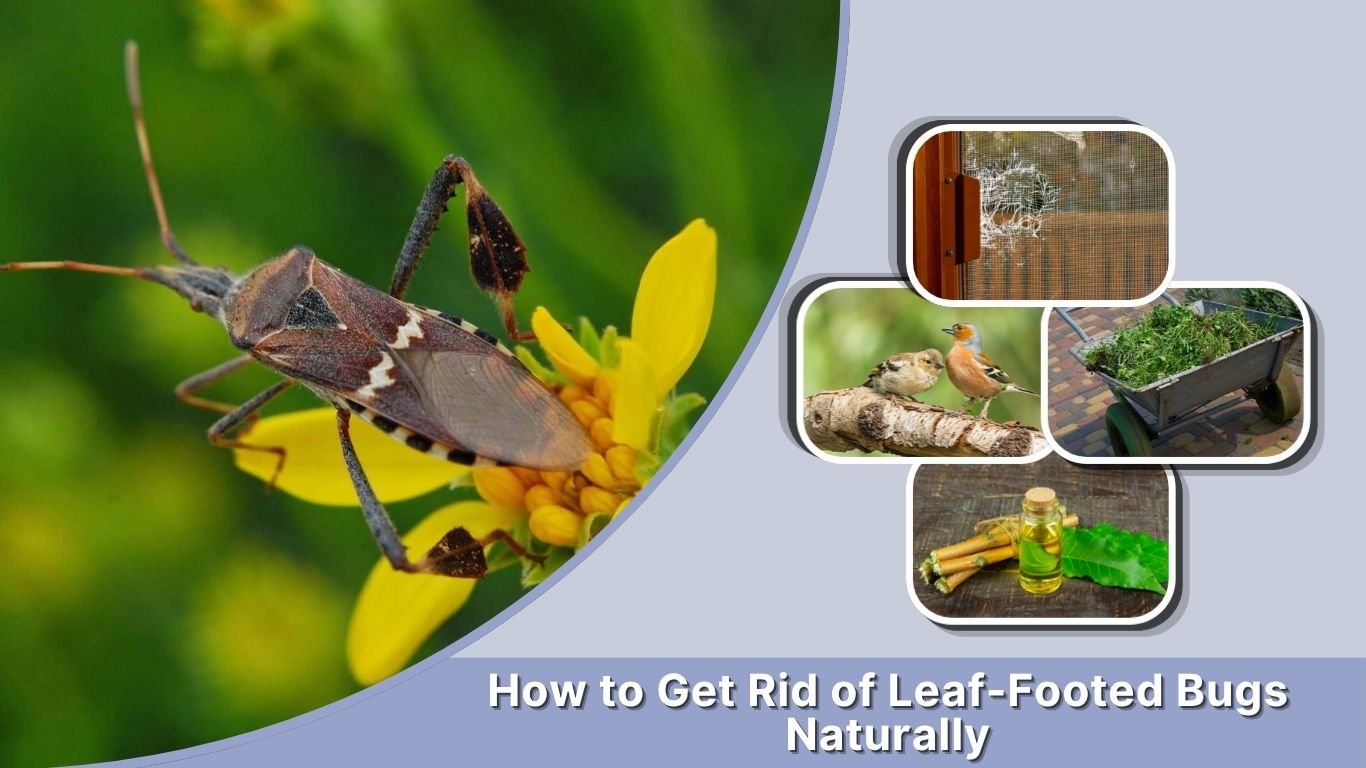
If leaf-footed bugs are damaging tomatoes, pomegranates, eggplants, or other garden plants, early control is the easiest way to stop an infestation. These insects use piercing mouthparts to feed on developing fruits, seeds, and stems, often leaving discoloration, sunken spots, or misshapen produce. The best way to get rid of leaf-footed bugs is to remove eggs and nymphs early, hand-pick adults, reduce hiding places, protect vulnerable plants, and use targeted organic treatments when needed. Regular inspection can prevent a small problem from becoming a major garden infestation.
How to Get Rid of Leaf-Footed Bugs
Getting rid of leaf-footed bugs is easiest when you combine several control methods rather than relying on one spray. Start by inspecting plants regularly, especially during warm weather. Look for rows of eggs, clusters of red or orange nymphs, and adult bugs feeding on fruit. Removing them before they reproduce can dramatically reduce the number of bugs later in the season.
1. Hand-Pick Adult Leaf-Footed Bugs
One of the simplest ways to control a small infestation is to remove the bugs by hand.
Wear gardening gloves and carefully pick adults and nymphs from plants. Drop them into a container filled with soapy water.
Adult leaf-footed bugs can fly, so approach them slowly. Early morning is often a good time because insects tend to be less active when temperatures are cooler.
Regular hand-picking works particularly well in small vegetable gardens where only a few plants are affected.
2. Remove Leaf-Footed Bug Eggs
Removing eggs is one of the most effective ways to stop the next generation.
Leaf-footed bug eggs are often laid in straight or slightly curved rows along stems, branches, or leaf veins. Depending on the species, they may appear brown, bronze, or golden.
When you find egg rows, scrape them off or remove the affected plant section and dispose of it.
A single egg cluster can produce many hungry nymphs, so checking plants several times each week can prevent larger infestations.
3. Remove Leaf-Footed Bug Nymphs
Young nymphs are easier to control than adults because they cannot fly and often remain together in groups.
Newly hatched nymphs are frequently red or orange with dark legs.
Shake or brush clustered nymphs into soapy water, or remove the section of plant where they are gathering.
Controlling nymphs early is one of the best ways to reduce leaf-footed bug populations naturally.
How to Get Rid of Leaf-Footed Bugs Naturally
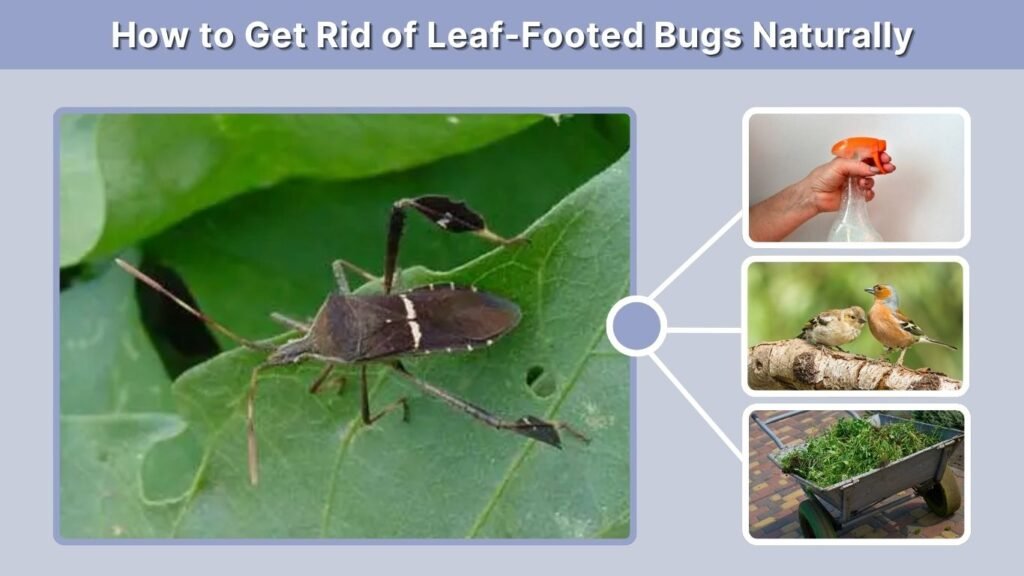
Natural control focuses on physically removing bugs, preventing reproduction, and making the garden less attractive to them. These approaches are especially useful in vegetable gardens where minimizing pesticide use is important. The key is consistency. Leaf-footed bugs are mobile, so plants should be checked frequently throughout the growing season rather than treated only once.
Use a Strong Spray of Water
A forceful stream of water can knock small leaf-footed bug nymphs from leaves and stems.
Direct the spray toward clusters of young insects, especially around fruiting areas.
This technique is less effective against large adults because they can quickly fly away, but it can reduce populations of immature bugs without chemicals.
Check the plant again afterward because some nymphs may climb back onto stems.
Encourage Natural Predators
Several predators and parasitoids naturally attack leaf-footed bugs or their eggs.
Beneficial garden animals may include:
- Birds
- Spiders
- Assassin bugs
- Predatory insects
- Parasitic flies and wasps
- Egg parasitoids
Avoid unnecessary broad-spectrum insecticides because they can kill beneficial organisms along with pests.
A garden containing flowering plants and diverse vegetation may support more natural enemies.
Remove Weeds and Garden Debris
Leaf-footed bugs often feed and reproduce on weeds and alternative host plants before moving into vegetable gardens.
Remove excessive weeds around:
- Tomato beds
- Pomegranate trees
- Vegetable gardens
- Orchard edges
- Fences
- Compost areas
Clean up fallen fruit and old plant material after harvest.
Reducing alternative food and shelter can make the area less attractive to adult bugs.
How to Get Rid of Leaf-Footed Bugs on Tomatoes
Tomatoes are particularly vulnerable because leaf-footed bugs feed directly on developing fruit. Their piercing mouthparts can leave pale spots, hardened areas, discoloration, and deformed fruit. Heavy infestations can also reduce fruit quality. Tomatoes should be inspected closely once flowers begin producing small fruits because early feeding can cause more noticeable damage than feeding on mature tomatoes.
Check Tomato Plants Frequently
Inspect tomato plants every few days.
Pay particular attention to:
- Developing tomatoes
- Fruit clusters
- Stems
- Leaf undersides
- Flower clusters
- Areas where fruit touches foliage
Remove egg rows and young nymphs immediately.
Use Physical Barriers
Fine insect netting or appropriate row covers can help prevent adult leaf-footed bugs from reaching young plants.
Barriers work best when installed before insects arrive.
However, covers may need to be removed or managed during flowering if plants depend on insect pollination.
On individual fruits or clusters, protective bags may sometimes provide additional protection.
Remove Heavily Infested Fruit
Badly damaged fruit can continue attracting insects.
Remove severely damaged or rotting tomatoes and dispose of them away from the growing area.
Keeping plants clean also makes it easier to notice newly arriving pests.
How to Get Rid of Leaf-Footed Bugs on Pomegranates
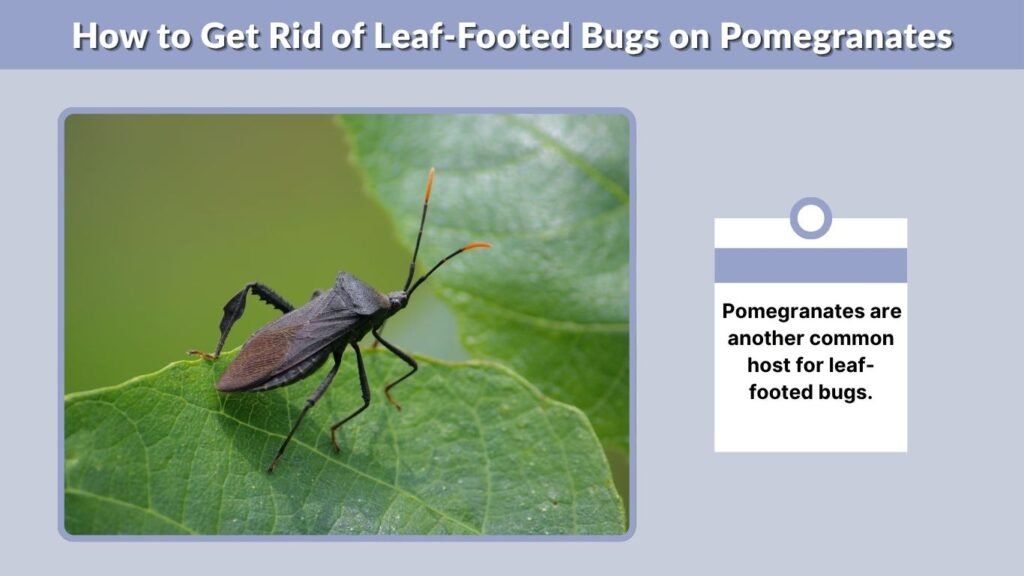
Pomegranates are another common host for leaf-footed bugs. Adults and nymphs may pierce developing fruit and feed on juices and seeds. Feeding injuries can reduce fruit quality and may create openings that allow secondary problems to develop. Regular monitoring is especially important as pomegranates begin enlarging and ripening.
Control Them Early
Inspect young pomegranate fruit, branches, and nearby weeds for egg masses and nymph clusters.
Remove them before populations become established.
Adult bugs can be difficult to control because they quickly fly from one plant to another.
Reducing populations while they are still nymphs is much easier.
Keep the Area Clean
Remove fallen, cracked, or badly damaged fruit from around pomegranate trees.
Also eliminate unnecessary weeds and overgrown vegetation that could provide alternative feeding sites.
Good garden sanitation will not eliminate every bug, but it can make the environment less favorable.
How to Get Rid of Leaf-Footed Bugs Organically
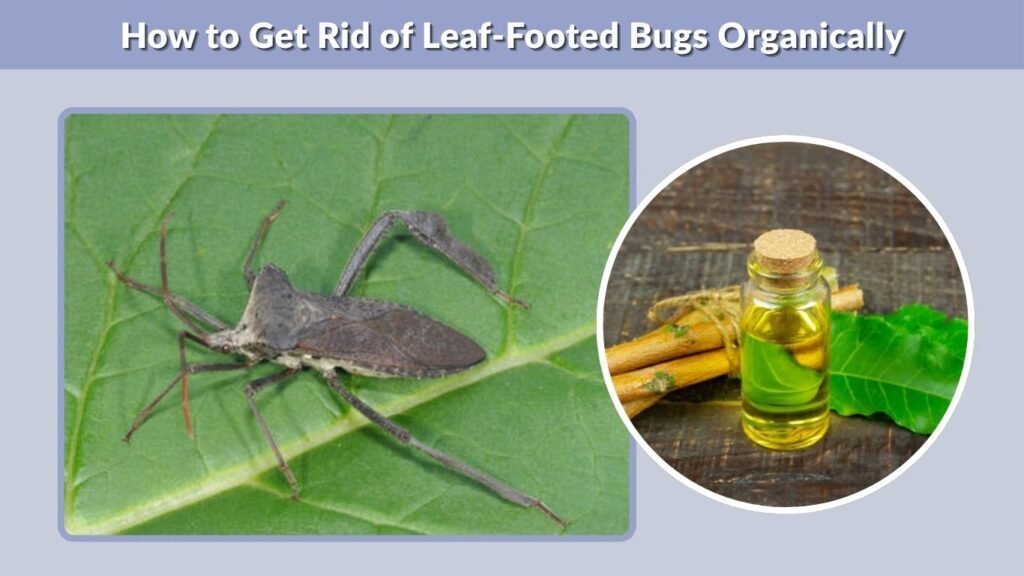
Organic control should begin with monitoring and physical removal. Insecticides are generally more effective against young nymphs than large adults. Before applying any product to edible crops, always make sure it is specifically labeled for the plant and pest you are treating and follow all harvest and application instructions.
Insecticidal Soap
Insecticidal soap may help control small leaf-footed bug nymphs when it contacts them directly.
It does not usually provide long-lasting protection after it dries.
For better results:
- Spray nymphs directly
- Cover affected plant surfaces thoroughly
- Apply according to the label
- Avoid treating plants during extreme heat
- Repeat only as permitted by the label
Large adults are generally harder to control with soap.
Neem Oil
Neem-based products are sometimes used as part of organic pest management.
They may be more useful against immature insects than large adults, but results can vary.
Apply only a product labeled for the crop you are treating, and avoid spraying flowers while bees and other pollinators are actively visiting.
Neem oil should complement egg removal and hand-picking rather than replace them.
How to Get Rid of Leaf-Footed Bugs on Eggplant and Zucchini
Leaf-footed bugs may also attack eggplants, zucchini, squash, cucumbers, peppers, beans, and other garden crops.
The basic control strategy remains the same regardless of the crop.
Protect Vegetable Plants
Use these steps:
- Inspect plants several times per week
- Remove egg rows immediately
- Pick off clustered nymphs
- Hand-remove adults when possible
- Eliminate surrounding weeds
- Remove damaged or rotting produce
- Use protective barriers when practical
- Apply labeled treatments only when necessary
Pay particular attention to developing fruit because leaf-footed bugs are often attracted to seeds and fruiting structures.
How to Get Rid of Leaf-Footed Bugs in the House
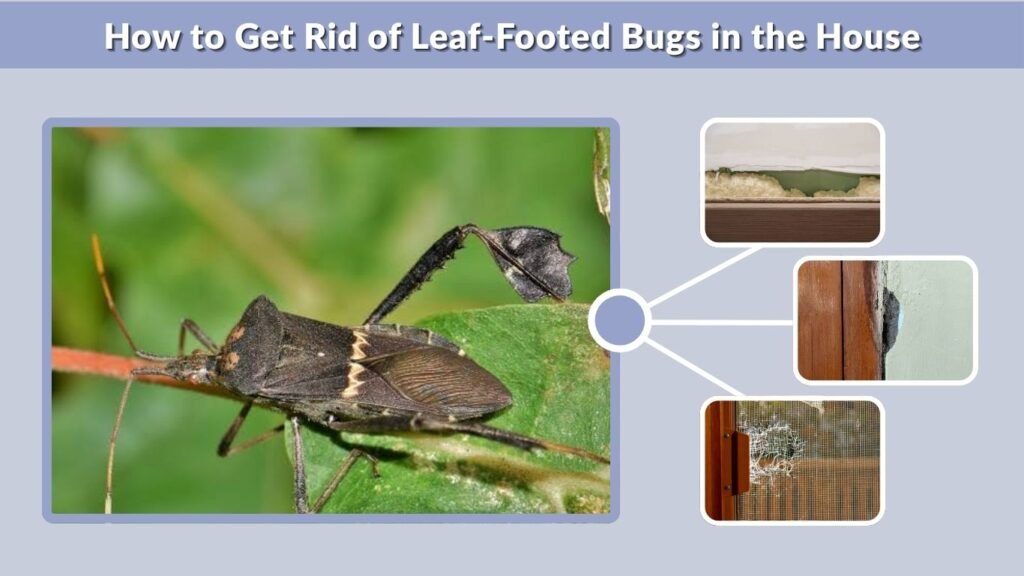
Leaf-footed bugs occasionally enter houses, especially when temperatures change and adults search for protected places.
Indoor leaf-footed bugs are usually accidental visitors rather than signs of an indoor infestation.
Remove Indoor Bugs Safely
Vacuum individual bugs or capture them in a container and release or dispose of them outdoors.
Avoid crushing them against walls or furniture because some leaf-footed bugs can release an unpleasant defensive odor.
Prevent future entry by sealing:
- Window gaps
- Door gaps
- Torn screens
- Cracks around siding
- Openings around utility lines
Outdoor pest control around the garden is usually more important than indoor treatment.
What Is the Best Way to Get Rid of Leaf-Footed Bugs?
The best way to get rid of leaf-footed bugs is to target them before they become adults.
Removing eggs and young nymphs prevents reproduction and avoids the challenge of controlling flying adults.
For most home gardens, the best strategy combines regular inspection, hand removal, weed control, sanitation, natural predators, and physical barriers.
Sprays should generally be considered a supporting tool rather than the only method.
How to Prevent Leaf-Footed Bugs From Returning
Prevention begins before large numbers appear. Leaf-footed bugs can move into gardens from surrounding weeds, fields, trees, and unmanaged vegetation.
Prevention Tips
- Inspect plants regularly during warm weather
- Remove egg rows immediately
- Keep weeds under control
- Dispose of damaged and fallen fruit
- Clean garden debris after harvest
- Protect valuable crops with netting
- Encourage beneficial predators
- Avoid unnecessary broad-spectrum pesticides
- Monitor nearby host plants
- Control nymph clusters before they develop wings
Consistent monitoring is usually much easier than trying to eliminate a large adult population later.
FAQs
What Kills Leaf-Footed Bugs Naturally?
Hand-picking, removing eggs and nymphs, dropping bugs into soapy water, reducing weeds, and encouraging natural predators are some of the most useful natural control methods.
How Do You Get Rid of Leaf-Footed Bugs on Tomatoes?
Inspect tomatoes frequently, remove egg rows and nymph clusters, hand-pick adults, remove badly damaged fruit, control surrounding weeds, and use protective netting where practical.
What Is the Best Time to Control Leaf-Footed Bugs?
The best time is during the egg and early nymph stages. Young nymphs cannot fly and often remain clustered together, making them much easier to remove than adults.
Does Neem Oil Get Rid of Leaf-Footed Bugs?
Neem-based products may help against young nymphs, but they are generally less reliable against large adults. They work best as part of a broader control program.
How Do You Get Rid of Leaf-Footed Bugs on Pomegranates?
Remove egg masses and young nymphs early, hand-pick adults, clear weeds and fallen fruit, monitor developing pomegranates regularly, and use appropriately labeled treatments only when necessary.
