
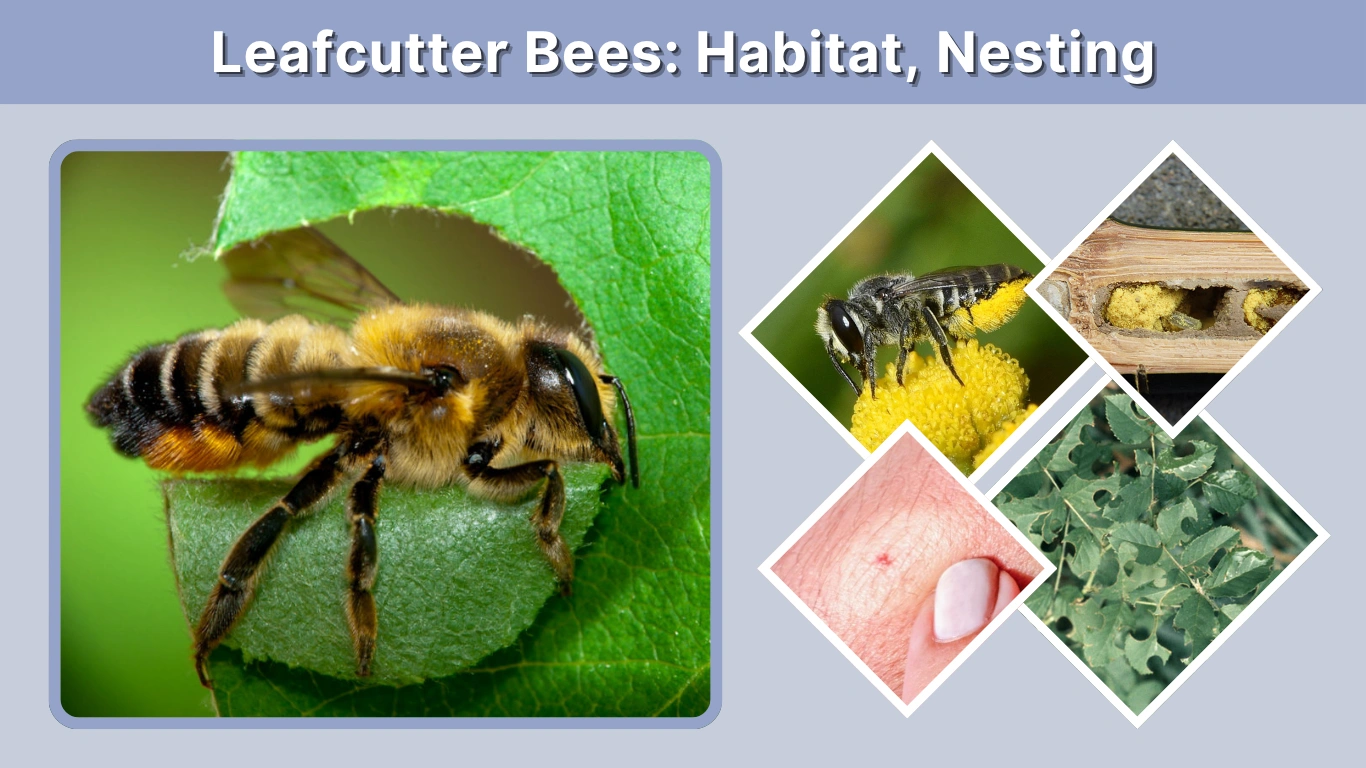
Leafcutter bees are fascinating and highly beneficial insects that play a crucial role in pollination. Unlike honeybees, these bees are solitary and known for their unique behavior of cutting neat, circular pieces from leaves. While this may initially worry gardeners, leafcutter bees are actually among the most efficient pollinators in nature.
You’ll often spot their work on plants like roses or lilacs, where perfectly shaped holes appear in the leaves. However, this “damage” is usually harmless and serves an important purpose—building their nests.
In this article, we’ll explore everything you need to know about leafcutter bees, including their habitat, nesting habits, life cycle, potential plant damage, and whether they pose any danger to humans.
What Are Leafcutter Bees?
Leafcutter bees belong to the Megachile genus, a large group of bees found all over the world. They are named after their remarkable ability to cut pieces of leaves, which they use to construct their nests.
Unlike social bees such as honeybees or bumblebees, leafcutter bees are solitary. This means each female builds her own nest and raises her offspring independently.
Physical Appearance
Leafcutter bees are typically medium-sized, ranging from about 6 to 20 mm in length. They often have a robust, fuzzy body and may appear black or dark brown with light stripes.
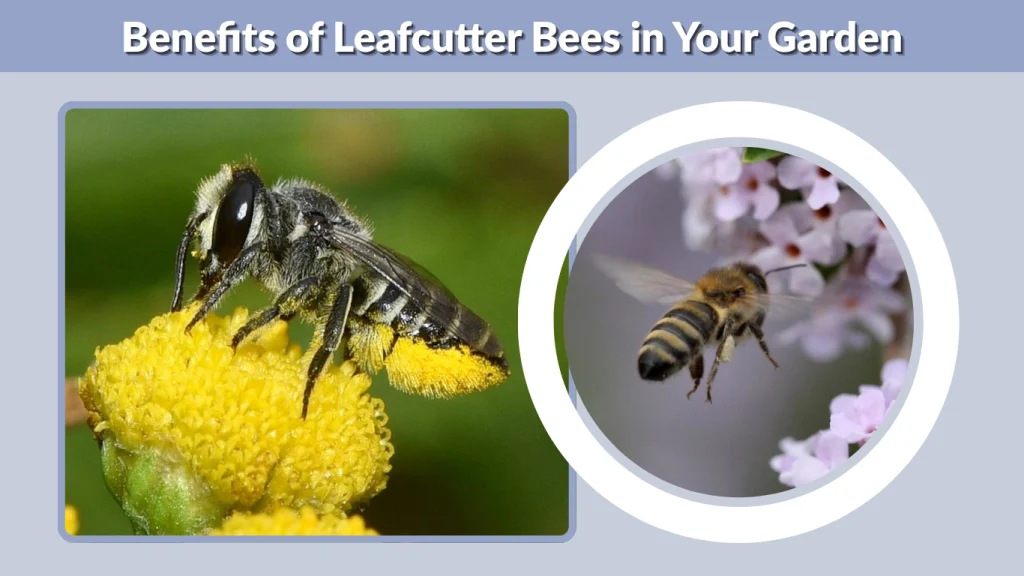
One of their most distinctive features is how they carry pollen. Instead of storing it on their legs like honeybees, leafcutter bees carry pollen on specialized hairs located on the underside of their abdomen. This gives them a yellow, dusty appearance when they are active.
Solitary Nature
Unlike hive-forming bees, leafcutter bees do not live in colonies. Each female is responsible for building her own nest, gathering food, and laying eggs.
Because they do not have a hive to defend, they are generally non-aggressive and rarely interact with humans. This makes them ideal pollinators for gardens and farms.
Leafcutter Bee Facts
Leafcutter bees are full of interesting traits that make them stand out among pollinators.
Interesting Facts
- Leafcutter bees are among the most efficient pollinators in the insect world.
- They can pollinate plants more effectively than honeybees in some cases.
- These bees are found on every continent except Antarctica.
- Female leafcutter bees cut leaves with precision, creating nearly perfect circles.
Importance in Agriculture
Leafcutter bees are widely used in agriculture, especially for pollinating crops like alfalfa, blueberries, carrots, and various fruits.
Farmers often prefer them because of their efficiency. A single leafcutter bee can do the pollination work of several honeybees. Their ability to transfer pollen quickly and effectively makes them invaluable in boosting crop yields.
Leafcutter Bee Habitat
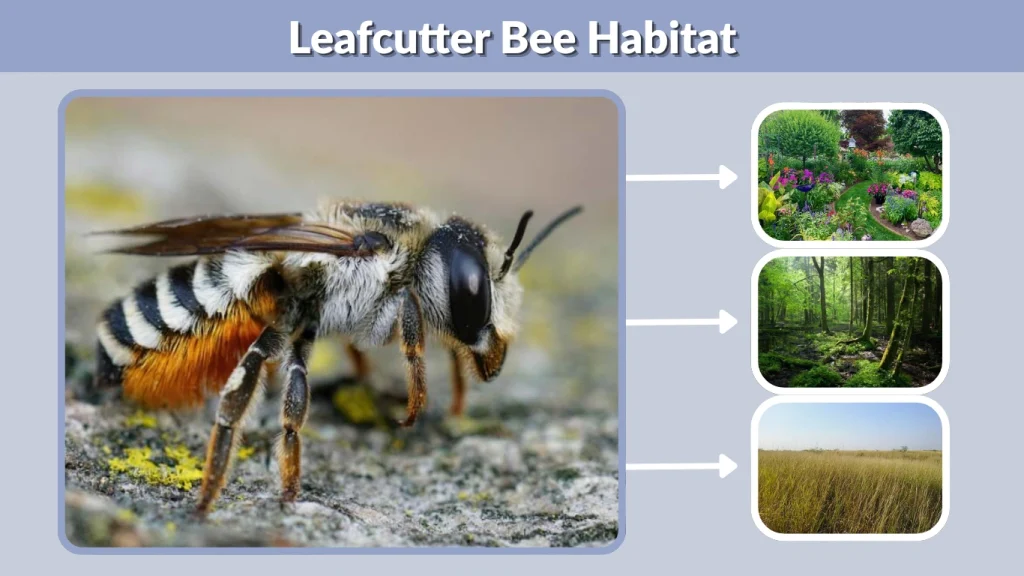
Leafcutter bees are highly adaptable and can thrive in a wide range of environments.
Natural Environments
In the wild, leafcutter bees are commonly found in gardens, forests, meadows, and grasslands. They prefer areas with plenty of flowering plants, as these provide both nectar and pollen for food.
Warm, sunny conditions are ideal for these bees, as they are most active during the warmer months of the year.
Urban vs Wild Habitat
One of the most interesting aspects of leafcutter bees is their ability to adapt to urban environments. They are frequently found in backyards, parks, and even small city gardens.
In urban areas, they may use man-made structures such as cracks in walls, holes in bricks, or specially designed bee hotels for nesting. This adaptability makes them easy to attract and beneficial for home gardeners.
Leafcutter Bee Nest
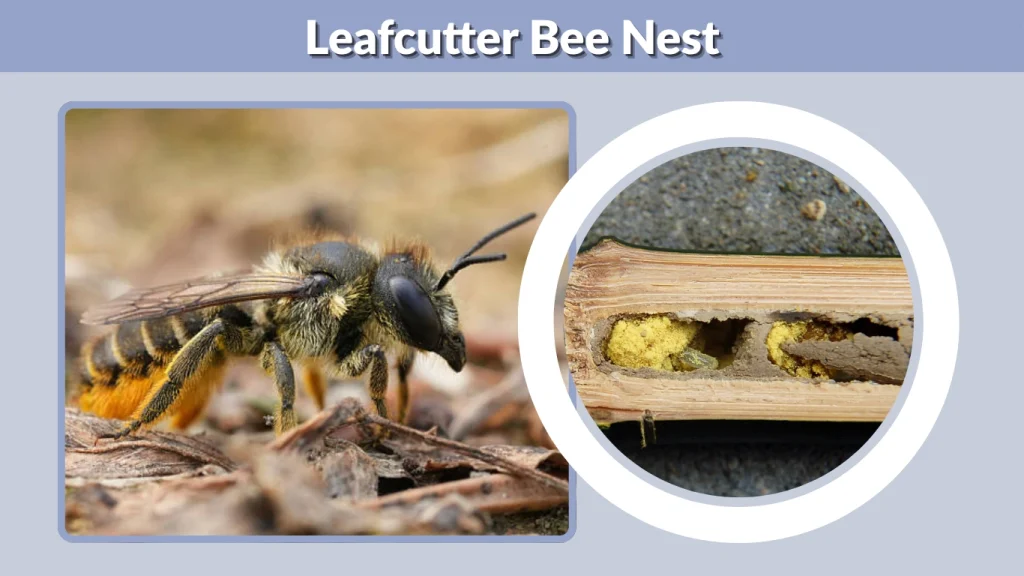
The nesting behavior of leafcutter bees is one of their most unique and fascinating characteristics.
How They Build Their Nests
Female leafcutter bees carefully select leaves from plants and cut out small, circular or oval pieces. They then carry these pieces back to their nesting site.
Using these leaf fragments, the bee constructs protective chambers where her eggs will develop. The precision of their leaf-cutting behavior is remarkable and often looks like it was done with a tiny hole punch.
Nest Structure
A leafcutter bee nest consists of a series of small compartments, also known as cells. Each cell is lined with leaf pieces and contains:
- A single egg
- A supply of pollen and nectar (food for the larva)
Once a cell is complete, the bee seals it with more leaf material before moving on to build the next one.
Common Nesting Locations
Leafcutter bees prefer narrow, tube-like spaces for nesting. Common locations include:
- Hollow plant stems
- Holes in dead wood
- Natural cavities in trees
- Bee hotels provided by gardeners
- Small crevices in walls or fences
These nesting sites provide protection from predators and environmental conditions.
Leaf Cutter Bee Life Cycle
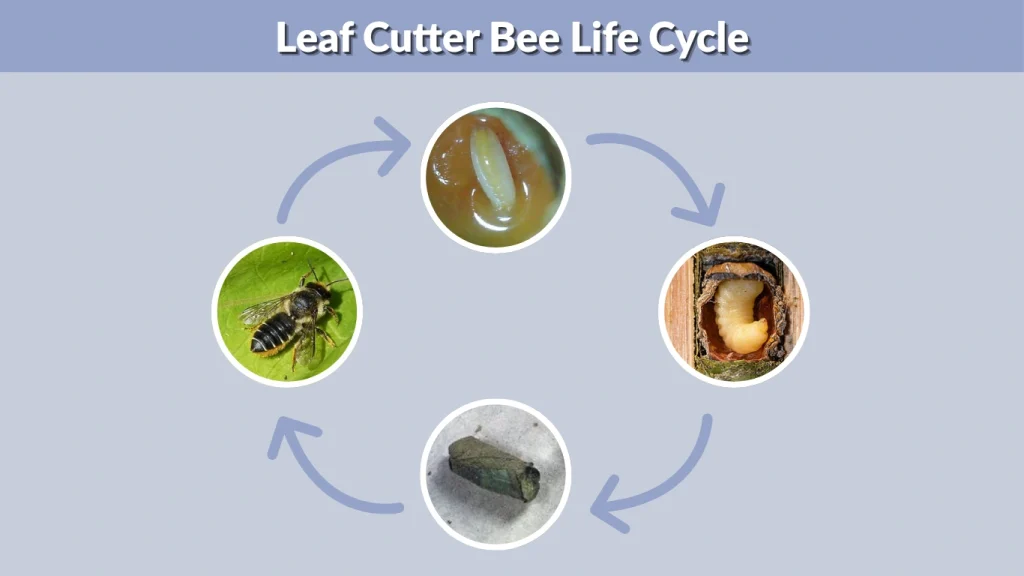
The life cycle of a leafcutter bee is simple yet fascinating, consisting of four main stages: egg, larva, pupa, and adult. Each stage takes place within the protective leaf-lined nest built by the female.
Egg Stage
The life cycle begins when the female lays a single egg inside each leaf-lined cell. Before sealing the chamber, she provides a mixture of pollen and nectar, which will serve as food for the developing larva.
Each egg is carefully placed and protected, ensuring a safe start for the next generation.
Larva Stage
Once the egg hatches, the larva begins feeding on the stored pollen and nectar. This stage is focused entirely on growth.
The larva remains inside the sealed chamber, protected from external threats while it consumes its food supply and develops.
Pupa Stage
After the larva has fully grown, it enters the pupal stage. During this phase, the bee undergoes a transformation, developing wings, legs, and other adult features.
This stage can last several weeks or even months, depending on environmental conditions.
Adult Stage
Once development is complete, the adult bee emerges from the nest. In many regions, this happens during spring or early summer.
Adult leafcutter bees live for a relatively short period, typically a few weeks, during which they focus on feeding, mating, and (for females) building new nests.
Leafcutter Bee Damage (Should You Be Concerned?)
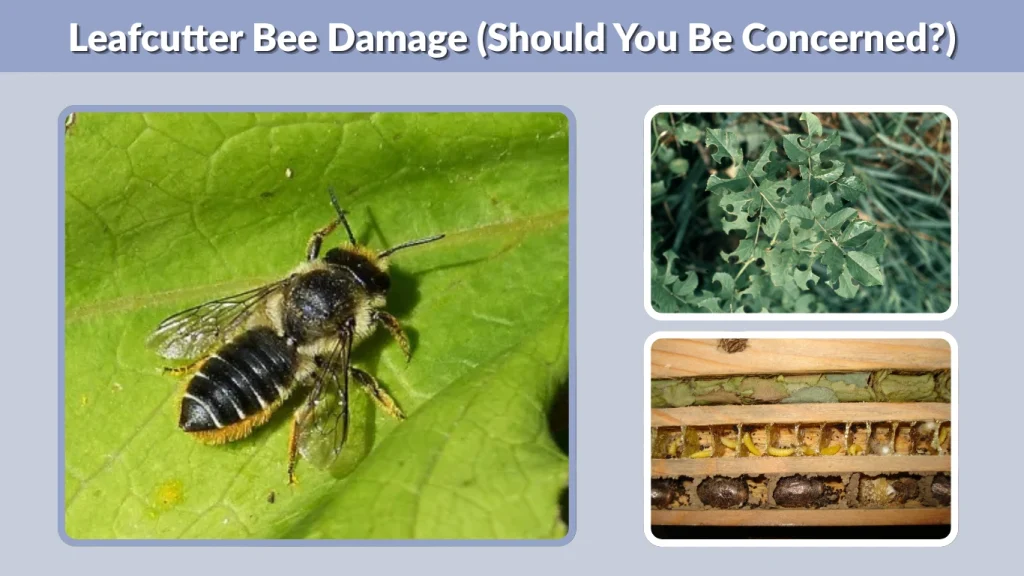
One of the most noticeable signs of leafcutter bees is the damage they leave behind on plants. However, this damage is often misunderstood.
What Does the Damage Look Like?
Leafcutter bees create clean, circular or oval-shaped cuts in leaves. These cuts are usually found along the edges of leaves and are very precise.
Common plants affected include:
- Roses
- Lilacs
- Ash trees
- Certain garden vegetables
Is the Damage Harmful?
In most cases, the damage caused by leafcutter bees is purely cosmetic. The plants continue to grow and function normally despite the missing leaf sections.
Unlike pests that eat large portions of leaves, leafcutter bees only take small pieces and do not significantly harm the plant’s overall health.
Benefits vs Damage
While the leaf damage may look concerning, the benefits provided by leafcutter bees far outweigh the minor aesthetic impact.
Their role in pollination helps improve plant reproduction, increase fruit yields, and support biodiversity in your garden.
Leafcutter Bee Sting (Are They Dangerous?)
Many people worry about whether leafcutter bees can sting, especially when they notice them in their gardens.
Do Leafcutter Bees Sting?
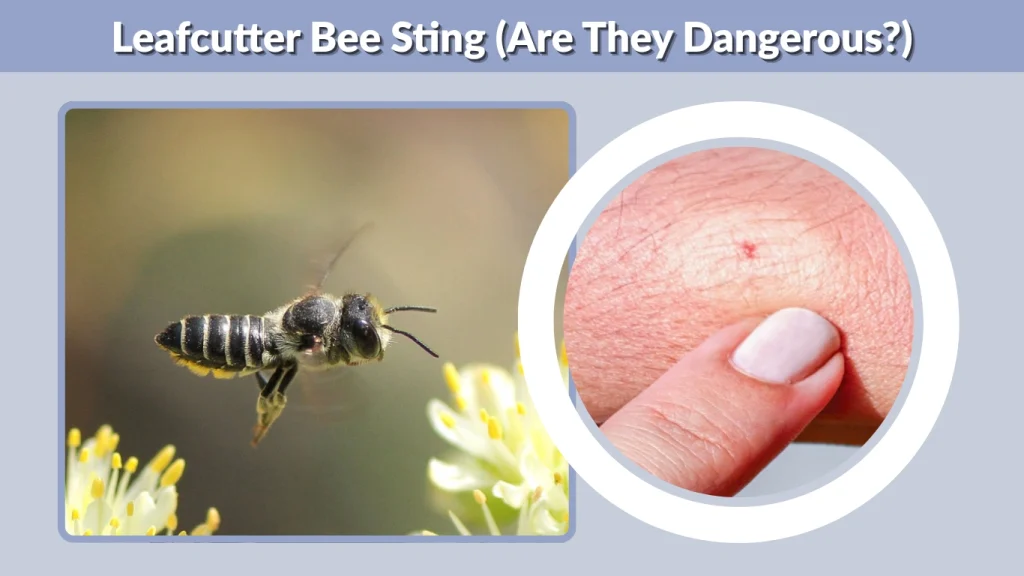
Yes, leafcutter bees are capable of stinging, but it is extremely rare. Only females have stingers, and they use them primarily for self-defense.
Why They Are Not Aggressive
Leafcutter bees are not aggressive because they do not have a hive or colony to protect. Unlike honeybees, they have no reason to defend large groups or stored honey.
As a result, they are far less likely to sting humans, even when working nearby.
What Happens If They Sting
If a sting does occur, it is usually mild and less painful than a honeybee sting. Most people experience only slight redness or irritation.
Severe reactions are uncommon, but individuals with allergies should still exercise caution around any type of bee.
Benefits of Leafcutter Bees in Your Garden
Leafcutter bees are incredibly valuable for both home gardeners and farmers.
Pollination Power
These bees are highly efficient pollinators. As they move from flower to flower collecting pollen, they transfer pollen grains effectively, helping plants reproduce.
This leads to a better fruit set, improved crop yields, and healthier plants overall.
Eco-Friendly Gardening
Leafcutter bees support natural, chemical-free gardening practices. By encouraging their presence, you can reduce reliance on artificial pollination methods and pesticides.
They contribute to a balanced ecosystem and promote biodiversity.
How to Attract Leafcutter Bees
If you want to benefit from these helpful pollinators, attracting leafcutter bees to your garden is relatively easy.
Provide Nesting Spaces
Install bee hotels or leave natural materials like hollow stems and wood with small holes. These provide ideal nesting sites for leafcutter bees.
Place these structures in sunny, sheltered areas for best results.
Plant Bee-Friendly Plants
Grow a variety of flowering plants that bloom throughout the season. Native plants are especially attractive to leafcutter bees.
Plants like sunflowers, lavender, and wildflowers are excellent choices.
Avoid Pesticides
Chemical pesticides can harm bees and disrupt their activity. Using natural or organic gardening methods helps create a safe environment for them to thrive.
How to Manage Leafcutter Bees (If Needed)
Although leafcutter bees are beneficial, some gardeners may want to limit their activity on certain plants.
Protecting Plants
You can protect delicate plants by covering them with lightweight row covers or garden netting. This prevents bees from accessing specific leaves.
Relocating Nesting Areas
Encourage bees to nest away from prized plants by placing bee hotels in a different part of your garden. This helps redirect their activity without harming them.
FAQs
Are leafcutter bees good or bad?
Leafcutter bees are beneficial insects that play an important role in pollination. They are generally considered good for gardens and agriculture.
Do they damage crops?
They cause minor, cosmetic leaf damage but do not significantly harm crops. Their pollination benefits far outweigh any negative effects.
Can they live in houses?
Leafcutter bees may nest in small holes or crevices around homes, but they do not infest or damage structures like pests.
How long do leafcutter bees live?
Adult leafcutter bees typically live for a few weeks, while their full life cycle (from egg to adult) can take several months.
Conclusion
Leafcutter bees are remarkable insects that combine unique behavior with significant ecological value. From their precise leaf-cutting skills to their highly efficient pollination, they play an essential role in maintaining healthy ecosystems.
While their leaf-cutting habits may cause minor cosmetic damage, the benefits they provide far outweigh any concerns. By understanding their habitat, nesting habits, and life cycle, gardeners can learn to appreciate and even encourage these helpful pollinators.
Coexisting with leafcutter bees not only supports biodiversity but also leads to healthier, more productive gardens.
