
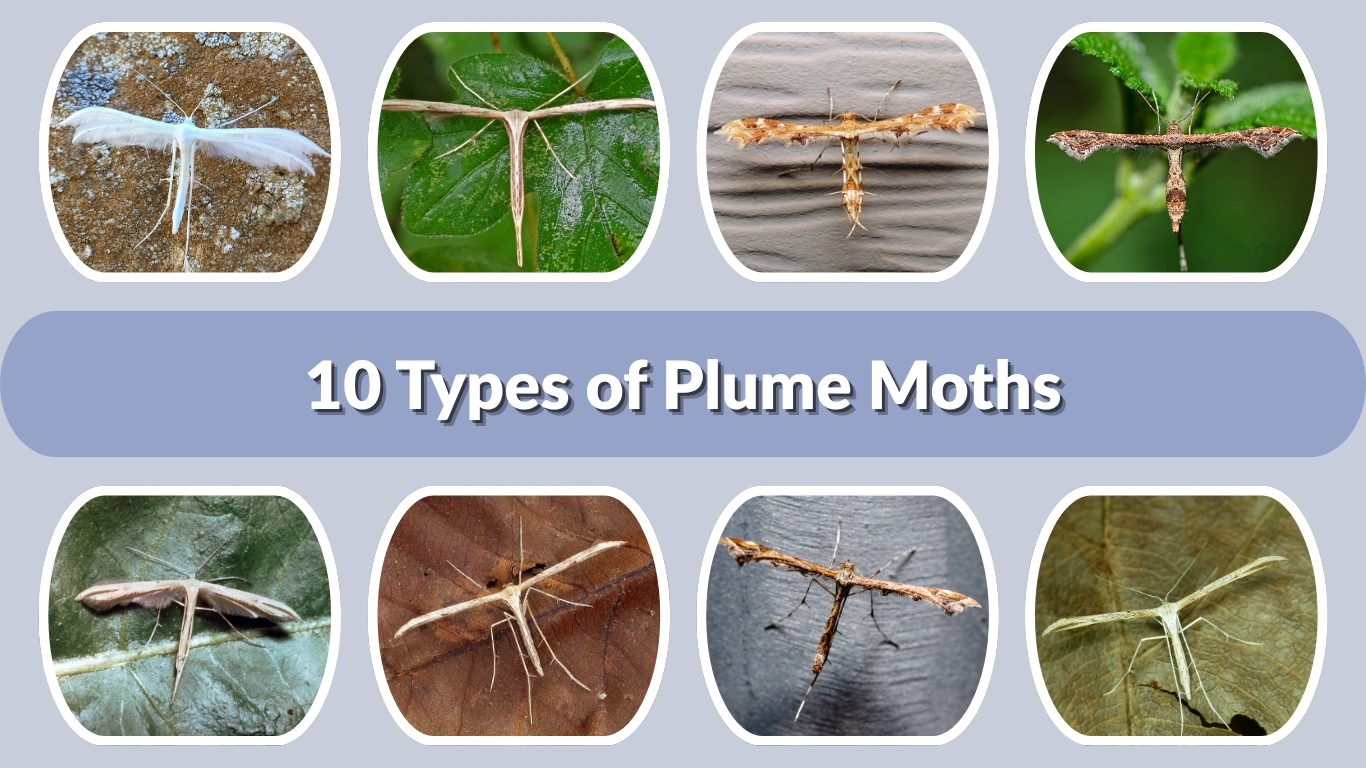
Plume moths are unique insects recognized for their delicate feather-like wings and unusual T-shaped resting posture. Belonging to the family Pterophoridae, these moths are found in gardens, meadows, forests, grasslands, and agricultural habitats around the world. Their divided wings give them a graceful appearance unlike most other moth species. While some plume moths are harmless, others may feed on ornamental plants and crops during their caterpillar stage. From the elegant White Plume Moth to the slender Common Plume Moth, these fascinating insects display remarkable diversity in appearance, habitat, behavior, and lifecycle across different environments.
1. Common Plume Moth
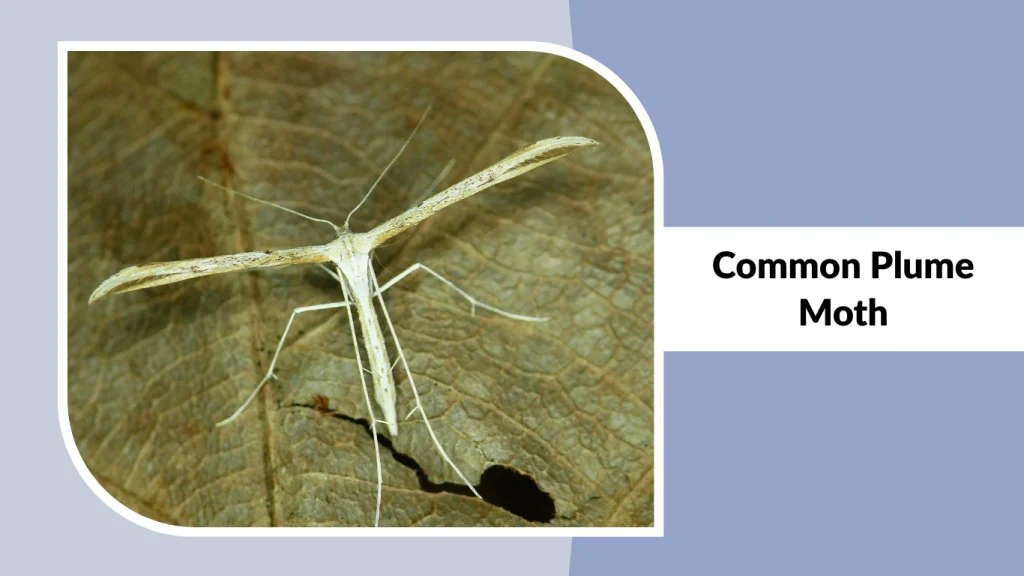
The Common Plume Moth is a distinctive moth species recognized for its unusual T-shaped resting posture and feather-like wings. Unlike most moths, its wings are divided into narrow plumes that give it a delicate appearance during flight. This species is widely distributed and commonly seen in gardens, grasslands, and woodland habitats where suitable host plants are available.
Identification
- Scientific name: Emmelina monodactyla
- Wings are narrow and divided into plume-like sections
- Color ranges from light brown to grayish-brown
- Wingspan ranges from 2 to 3 cm
- Resting posture forms a clear T-shape
- Slender body with long thin legs
Habitat and Distribution
The Common Plume Moth is widely distributed across Europe, Asia, North America, and other temperate regions. It commonly inhabits gardens, meadows, hedgerows, grasslands, and woodland edges where bindweed and related plants are abundant.
Behavior and Diet
Adult moths are mainly active during the evening and nighttime hours. They are attracted to lights and often rest on walls, fences, or vegetation during the day. Caterpillars feed primarily on bindweed leaves and flower buds.
Lifecycle
Females lay eggs on suitable host plants during warmer seasons. Caterpillars hatch and feed through several developmental stages before forming pupae on vegetation. Adult moths later emerge and continue the reproductive cycle under favorable environmental conditions.
2. Beautiful Plume Moth
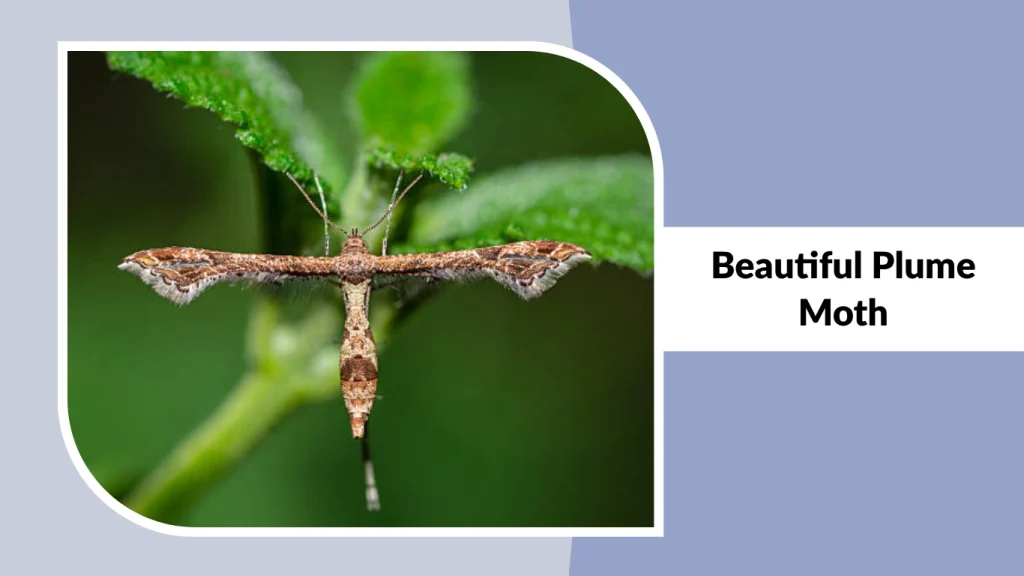
The Beautiful Plume Moth is a delicate plume moth species admired for its slender body and finely divided feather-like wings. Its graceful appearance and unusual wing structure make it easy to recognize among other moth species. This moth is commonly found in grassy habitats and gardens where its larvae feed on flowering plants during the growing season.
Identification
- Scientific name: Amblyptilia acanthadactyla
- Wings are divided into narrow feathery plumes
- Color is usually brownish-gray with pale markings
- Wingspan ranges from 1.5 to 2.5 cm
- Long slender body with thin legs
- Resting posture creates a T-shaped appearance
Habitat and Distribution
The Beautiful Plume Moth is widely distributed across Europe, Asia, and parts of North America. It commonly inhabits meadows, gardens, grasslands, woodland edges, and areas with flowering herbaceous plants.
Behavior and Diet
Adult moths are mainly nocturnal and may occasionally be attracted to lights during warm evenings. Caterpillars feed on leaves and flower buds of various low-growing plants, especially species within the mint family.
Lifecycle
Females lay eggs on suitable host plants during warmer months. Caterpillars hatch and pass through several feeding stages before pupating on vegetation. Adult moths emerge later and continue the reproductive cycle under favorable environmental conditions.
3. White Plume Moth
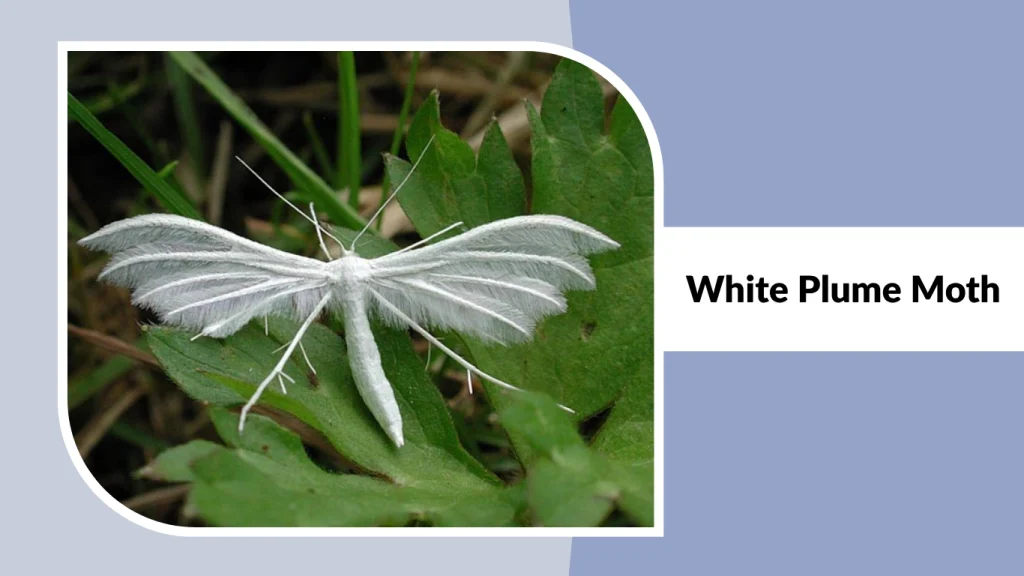
The White Plume Moth is a striking plume moth species easily recognized by its pure white color and delicate feather-like wings. Unlike many other moths, it has a graceful appearance and a unique resting posture that resembles the shape of the letter T. This species is commonly found in gardens, meadows, and grassy habitats during warmer months.
Identification
- Scientific name: Pterophorus pentadactyla
- Wings are completely white and deeply divided into plumes
- Wingspan ranges from 2.5 to 3.5 cm
- Body is slender and lightly hairy
- Long thin legs support its delicate posture
- Resting position forms a clear T-shape
Habitat and Distribution
The White Plume Moth is widely distributed across Europe, Asia, and North America. It commonly inhabits gardens, grasslands, woodland edges, hedgerows, and open countryside where suitable host plants are abundant.
Behavior and Diet
Adult moths are active mainly during the evening and nighttime hours. They are often attracted to lights and rest on vegetation during the day. Caterpillars feed on bindweed and other low-growing plants commonly found in grassy environments.
Lifecycle
Females lay eggs on host plants during the breeding season. Caterpillars hatch and feed through several developmental stages before pupating on stems or leaves. Adult moths later emerge and continue the reproductive cycle during suitable seasonal conditions.
4. Geranium Plume Moth
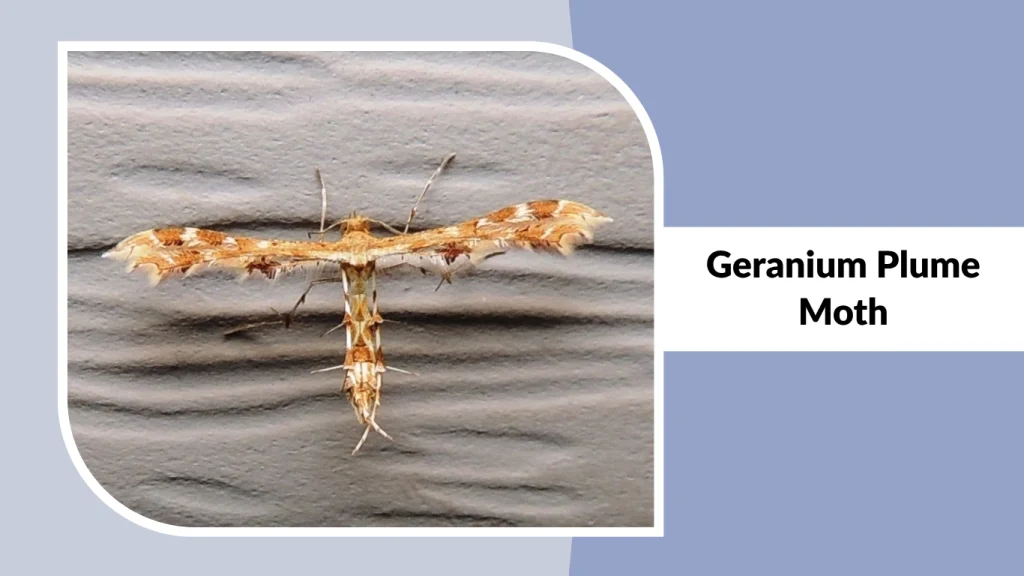
The Geranium Plume Moth is a small plume moth species known for its narrow feather-like wings and close association with geranium plants. This moth is commonly found in gardens and greenhouse environments where geraniums are grown. Its larvae can damage flower buds and leaves, making it an important pest species in ornamental plant cultivation.
Identification
- Scientific name: Sphenarches anisodactylus
- Wings are narrow and divided into delicate plumes
- Color ranges from brownish-gray to pale tan
- Wingspan ranges from 1.5 to 2.5 cm
- Slender body with long thin legs
- Resting posture forms a distinct T-shape
Habitat and Distribution
The Geranium Plume Moth is distributed across Europe, Asia, Africa, and other warm regions. It commonly inhabits gardens, greenhouses, parks, and urban areas where geraniums and related ornamental plants are widely cultivated.
Behavior and Diet
Adult moths are mainly nocturnal and may be attracted to lights during warm evenings. Caterpillars feed on geranium leaves, buds, and flowers, sometimes causing visible damage to ornamental plants grown in gardens and nurseries.
Lifecycle
Females lay eggs on geranium plants during favorable seasons. Caterpillars hatch and feed through several developmental stages before pupating on leaves or stems. Adult moths later emerge and continue the reproductive cycle under suitable environmental conditions.
5. Artichoke Plume Moth

The Artichoke Plume Moth is a slender plume moth species commonly associated with artichoke and thistle plants. Its delicate plume-like wings and unusual resting posture make it easy to recognize among garden moths. This species is often found in agricultural and Mediterranean regions where host plants grow abundantly during warm seasons.
Identification
- Scientific name: Platyptilia carduidactyla
- Wings are narrow and deeply divided into plumes
- Color is usually light brown or grayish-brown
- Wingspan ranges from 2 to 3 cm
- Slender body with long delicate legs
- Resting posture creates a T-shaped appearance
Habitat and Distribution
The Artichoke Plume Moth is distributed across Europe, North Africa, Asia, and parts of North America. It commonly inhabits gardens, farmland, grasslands, and Mediterranean habitats where thistles and artichoke plants are widely available.
Behavior and Diet
Adult moths are mainly active during nighttime hours and may occasionally visit lights. Caterpillars feed on leaves, stems, and flower buds of artichokes, thistles, and related plants, sometimes causing damage in cultivated fields.
Lifecycle
Females lay eggs on suitable host plants during warm seasons. Caterpillars hatch and feed through several developmental stages before pupating on stems or leaves. Adult moths later emerge and continue the reproductive cycle under favorable environmental conditions.
6. Morning Glory Plume Moth
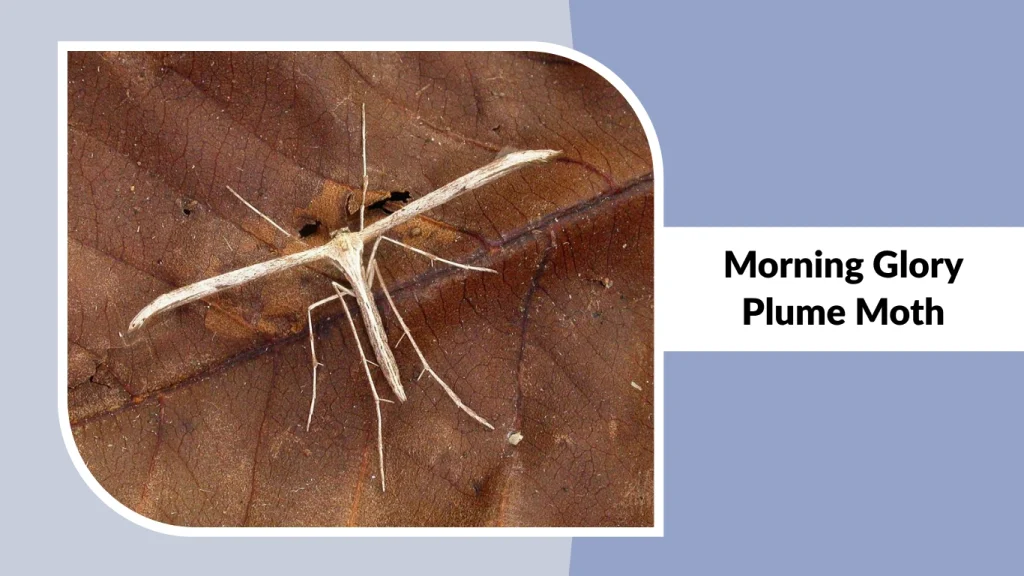
The Morning Glory Plume Moth is a delicate plume moth species recognized for its feather-like wings and association with morning glory plants. Its narrow wings and unusual resting posture help distinguish it from most other moths. This species is commonly found in warm gardens, grasslands, and agricultural habitats where host plants grow abundantly during the growing season.
Identification
- Scientific name: Emmelina monodactyla
- Wings are deeply divided into narrow plumes
- Color ranges from pale brown to grayish-tan
- Wingspan ranges from 2 to 3 cm
- Slender body with long thin legs
- Resting posture forms a clear T-shape
Habitat and Distribution
The Morning Glory Plume Moth is widely distributed across Europe, Asia, North America, and other temperate regions. It commonly inhabits gardens, meadows, hedgerows, farmland, and woodland edges where morning glory and bindweed plants are available.
Behavior and Diet
Adult moths are mainly nocturnal and are often attracted to lights during warm evenings. Caterpillars feed on leaves, buds, and flowers of bindweed and morning glory plants, remaining hidden among vegetation during daylight hours.
Lifecycle
Females lay eggs on suitable host plants during favorable seasons. Caterpillars hatch and pass through several feeding stages before pupating on stems or leaves. Adult moths emerge later and continue the reproductive cycle under suitable environmental conditions.
7. T-shaped Plume Moth
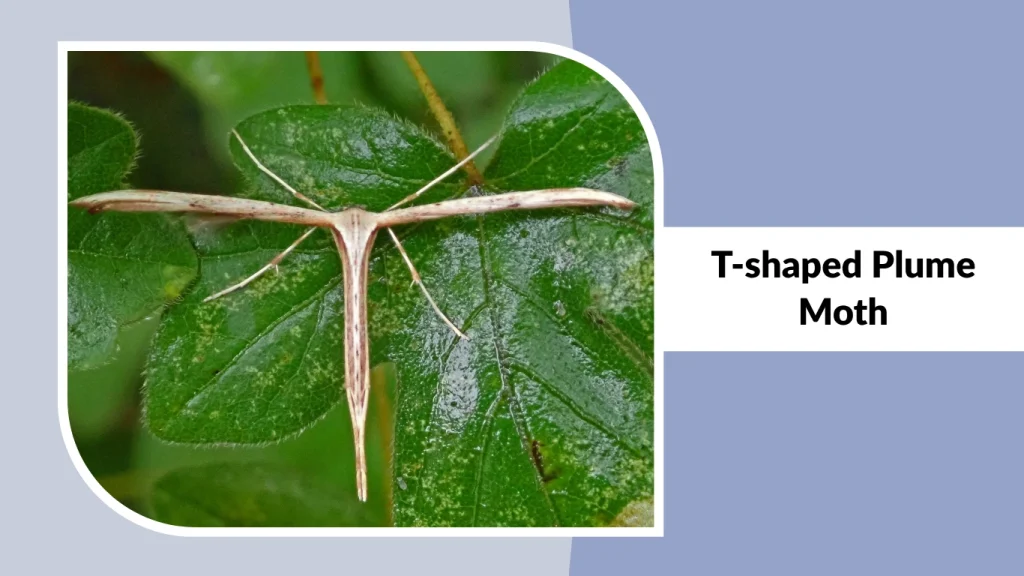
The T-shaped Plume Moth is named for its unusual resting posture, where the narrow feather-like wings extend sideways to form a shape similar to the letter T. This small moth is commonly found in grassy habitats and gardens. Its delicate body structure and divided wings make it one of the most distinctive moth groups in the world.
Identification
- Scientific name: Stenoptilia pterodactyla
- Wings are split into slender plume-like sections
- Color is usually grayish-brown or pale tan
- Wingspan ranges from 2 to 2.5 cm
- Long narrow body with thin legs
- Resting posture clearly resembles a T-shape
Habitat and Distribution
The T-shaped Plume Moth is widely distributed across Europe and parts of Asia. It commonly inhabits gardens, meadows, woodland edges, grasslands, and open countryside where low-growing herbaceous plants are abundant.
Behavior and Diet
Adult moths are mainly nocturnal and may occasionally be attracted to lights during warm nights. Caterpillars feed on leaves and flower buds of various herbaceous plants while remaining hidden within surrounding vegetation.
Lifecycle
Females lay eggs on suitable host plants during warmer months. Caterpillars hatch and feed through several developmental stages before pupating on stems or leaves. Adult moths later emerge and continue the reproductive cycle under favorable environmental conditions.
8. Long-winged Plume Moth
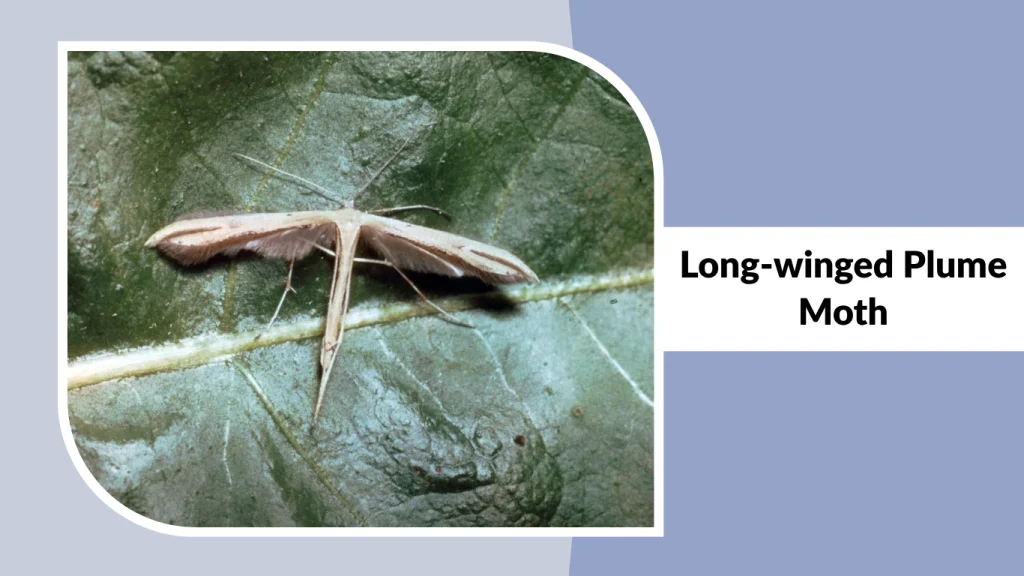
The Long-winged Plume Moth is a slender plume moth species known for its elongated wings and delicate feather-like appearance. Like other plume moths, it rests with its wings stretched outward in a T-shaped position. This species is commonly found in grasslands, gardens, and woodland edges where suitable host plants grow during warm seasons.
Identification
- Scientific name: Hellinsia didactylites
- Wings are long, narrow, and deeply divided into plumes
- Color ranges from pale brown to grayish-white
- Wingspan ranges from 2 to 3 cm
- Slender body with long thin legs
- Resting posture forms a noticeable T-shape
Habitat and Distribution
The Long-winged Plume Moth is widely distributed across Europe, Asia, and parts of North America. It commonly inhabits meadows, gardens, grasslands, woodland edges, and open countryside with abundant low-growing plants.
Behavior and Diet
Adult moths are mainly nocturnal and may occasionally visit lights during warm evenings. Caterpillars feed on leaves and flower buds of herbaceous plants, remaining hidden among vegetation while feeding during development.
Lifecycle
Females lay eggs on suitable host plants during favorable seasons. Caterpillars hatch and pass through several feeding stages before pupating on leaves or stems. Adult moths emerge later and continue the reproductive cycle under suitable environmental conditions.
9. Brown Plume Moth

The Brown Plume Moth is a small and delicate plume moth species recognized for its narrow brown wings divided into feather-like plumes. Its unusual wing structure and T-shaped resting posture make it easy to identify among other moths. This species is commonly found in gardens, meadows, and grassy habitats where suitable host plants grow throughout warmer seasons.
Identification
- Scientific name: Platyptilia pallidactyla
- Wings are brown and deeply divided into plumes
- Wingspan ranges from 2 to 3 cm
- Body is slender with long delicate legs
- Fine darker markings appear along the wings
- Resting posture forms a distinct T-shape
Habitat and Distribution
The Brown Plume Moth is widely distributed across Europe, Asia, and parts of North America. It commonly inhabits gardens, grasslands, woodland edges, meadows, and open countryside with abundant herbaceous plants.
Behavior and Diet
Adult moths are mainly active during nighttime hours and may occasionally be attracted to lights. Caterpillars feed on leaves and flower buds of low-growing plants while remaining hidden among surrounding vegetation during development.
Lifecycle
Females lay eggs on suitable host plants during warm seasons. Caterpillars hatch and feed through several developmental stages before pupating on stems or leaves. Adult moths later emerge and continue the reproductive cycle under favorable environmental conditions.
10. Pale Plume Moth
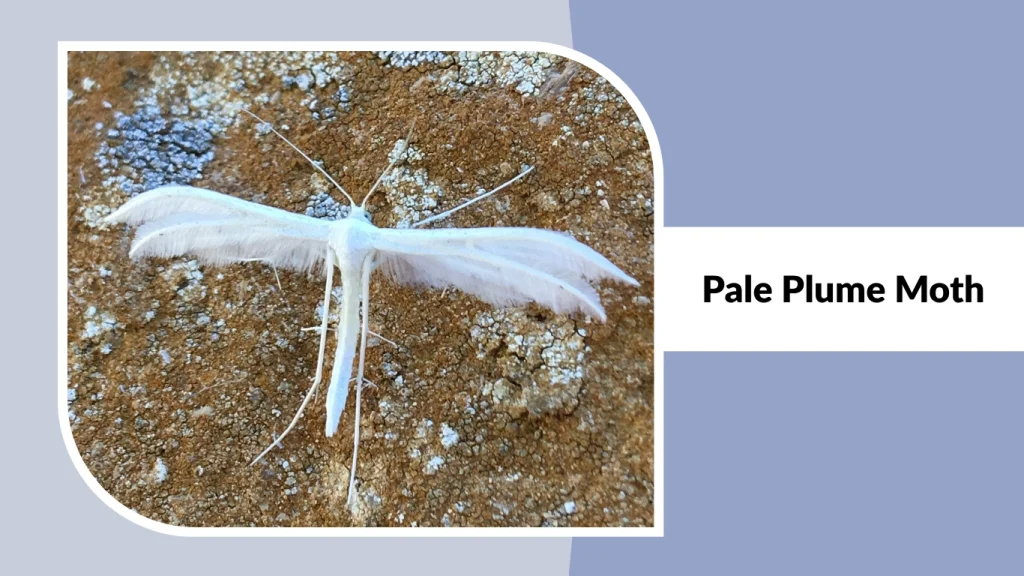
The Pale Plume Moth is a delicate plume moth species recognized for its soft pale coloration and feather-like divided wings. Its unusual appearance and T-shaped resting posture make it easy to distinguish from other moths. This species is commonly found in grassy habitats, gardens, and woodland edges where suitable flowering plants provide food and breeding sites.
Identification
- Scientific name: Oidaematophorus lithodactyla
- Wings are pale cream or light gray in color
- Wings are deeply divided into slender plumes
- Wingspan ranges from 2 to 3 cm
- Slender body with long delicate legs
- Resting posture forms a clear T-shape
Habitat and Distribution
The Pale Plume Moth is widely distributed across Europe and parts of Asia. It commonly inhabits meadows, grasslands, gardens, hedgerows, and woodland edges where herbaceous plants and wildflowers are abundant.
Behavior and Diet
Adult moths are mainly nocturnal and may occasionally be attracted to lights during warm evenings. Caterpillars feed on leaves and flower buds of low-growing plants while remaining hidden among surrounding vegetation during development.
Lifecycle
Females lay eggs on suitable host plants during favorable seasons. Caterpillars hatch and pass through several feeding stages before pupating on stems or leaves. Adult moths later emerge and continue the reproductive cycle under suitable environmental conditions.
FAQs
What are plume moths?
Plume moths are small moths belonging to the family Pterophoridae. They are best known for their unusual wings, which are divided into narrow feather-like plumes. Most species rest with their wings stretched outward, creating a distinctive T-shaped appearance.
Where are plume moths commonly found?
Plume moths are found in gardens, grasslands, forests, meadows, farmland, and woodland edges across many parts of the world. They prefer habitats with abundant flowering plants and suitable host vegetation for their caterpillars.
What do plume moth caterpillars eat?
Plume moth caterpillars mainly feed on leaves, buds, flowers, and stems of herbaceous plants. Different species prefer different host plants, including bindweed, morning glory, geranium, thistle, and other flowering vegetation.
Are plume moths harmful to plants?
Some plume moth species can become minor garden or agricultural pests because their caterpillars feed on ornamental plants and crops. However, most species usually cause only limited damage and are not considered serious threats to vegetation.
Why do plume moths look like the letter T?
Plume moths rest with their narrow wings extended sideways, creating a shape that resembles the letter T. This unusual posture helps camouflage them among grasses and stems, making them less visible to predators during daytime resting periods.
