
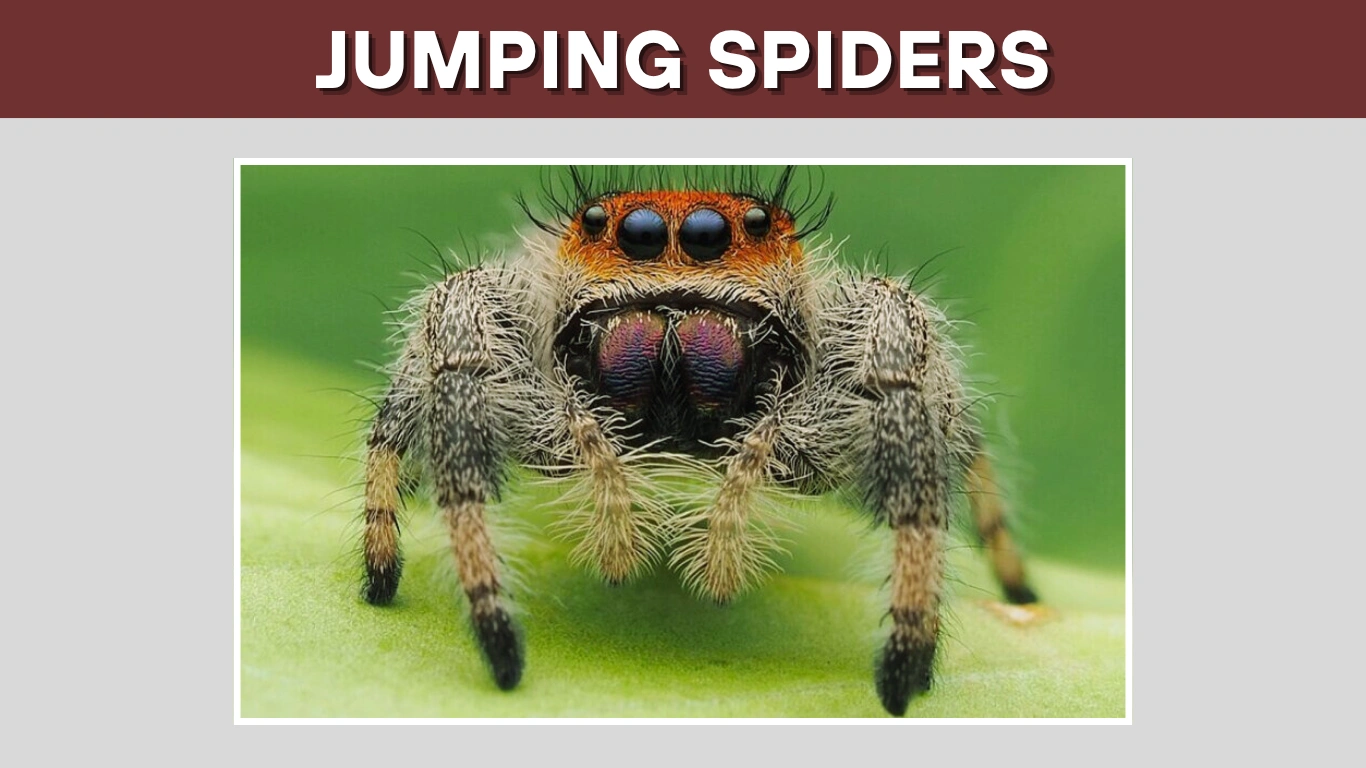
Jumping spiders are quickly gaining popularity as fascinating and beginner-friendly exotic pets. With their curious personalities, intelligent eyes, and minimal space requirements, these tiny acrobats offer a unique pet-keeping experience unlike any other. Unlike traditional spiders that lurk in webs, jumping spiders actively explore their surroundings, watch their owners, and even seem to show a bit of personality.
Whether you’re a seasoned arachnid enthusiast or a curious beginner looking for a low-maintenance companion, this guide will walk you through everything you need to know about keeping a jumping spider as a pet — from setup to care, feeding, interaction, and more.
Why Choose a Jumping Spider as a Pet?
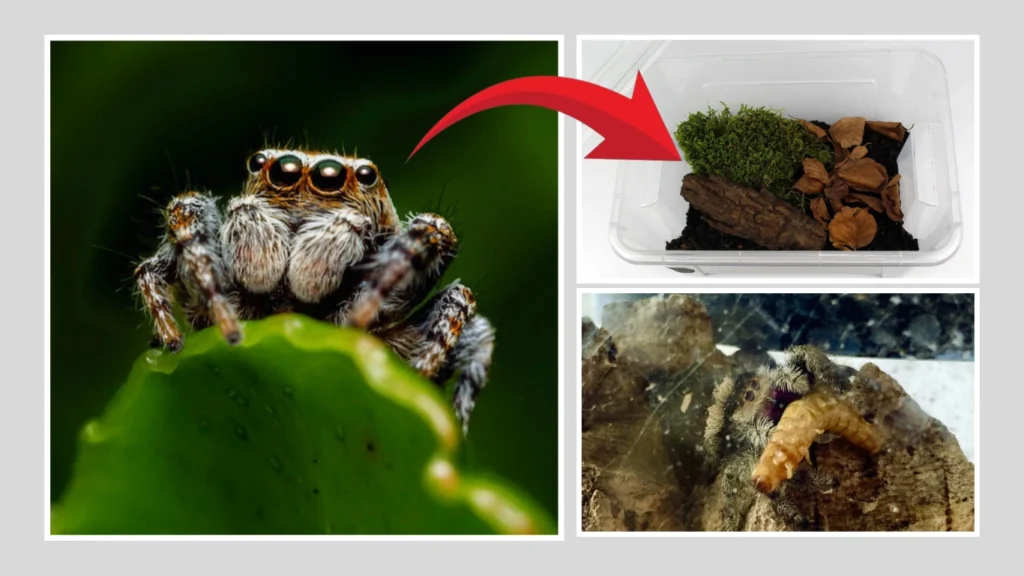
Jumping spiders are not your typical creepy crawlers — they’re smart, inquisitive, and surprisingly interactive. Here’s why more and more people are choosing them over traditional pets like hamsters or fish.
Intelligent and Interactive Behavior
Jumping spiders are known for their keen eyesight and curious nature. They often watch their surroundings — even tracking your movements with their large front-facing eyes. Some owners report their spiders recognizing routine or interaction patterns.
Low Maintenance
They don’t require constant feeding, daily cleaning, or large enclosures. With just a small container, occasional misting, and live prey every few days, they’re one of the easiest pets to maintain.
Space-Efficient
You don’t need a terrarium or a full tank. A well-ventilated container just a few inches tall and wide can serve as a perfect home.
Budget-Friendly
Jumping spiders are inexpensive to buy and keep. There’s no need for fancy heating lamps, water filters, or expensive bedding — just a few household items and some feeder insects.
Fascinating to Observe
From their precise hunting skills to their delicate courtship dances, jumping spiders are full of surprises. Watching one pounce on prey or explore its enclosure can be more entertaining than a TV show.
Popular Pet Jumping Spider Species

Not all jumping spiders are ideal for beginners — but several species stand out for their temperament, size, and availability. Here are some of the most popular choices among hobbyists:
Phidippus regius (Regal Jumping Spider)
One of the most common and beginner-friendly species. Known for its bold personality and striking coloration, especially in males. They’re relatively large, easy to handle, and adapt well to captivity.
Phidippus audax (Bold Jumping Spider)
Easily recognized by the white spots on its back and metallic green chelicerae. It’s hardy, energetic, and a great choice for anyone new to spider keeping.
Hyllus diardi
This large and fluffy species from Southeast Asia has gained a fanbase due to its adorable appearance and calm demeanor. It needs a slightly larger enclosure but is often described as gentle and curious.
Portia species
These spiders are best suited for experienced keepers. Known for their high intelligence and complex hunting strategies, Portia spiders are fascinating but require more attention to environmental needs.
Habitat and Enclosure Setup

Creating a safe and comfortable environment is essential for your jumping spider’s well-being. Their habitat doesn’t need to be large or complicated, but it should mimic their natural surroundings and provide enough space to climb, rest, and hunt.
Recommended Enclosure Size
A container between 4x4x6 inches and 8x8x12 inches is usually enough for most jumping spider species. Vertical space is more important than horizontal space, as they love to climb.
Proper Ventilation and Lid Type
Ventilation is crucial to prevent mold and maintain air quality. Use containers with mesh or fine holes on the sides and top. Make sure the lid fits tightly—jumping spiders are escape artists.
Substrate and Climbing Structures
Use a thin layer of substrate like coconut fiber or paper towel for easy cleaning. Add twigs, bark, fake leaves, and cork pieces to offer hiding spots and climbing surfaces.
Light and Temperature Needs
Natural room light is usually sufficient. If using artificial lights, avoid strong heat lamps. Ideal temperature is between 22–28°C (72–82°F). Keep the enclosure out of direct sunlight to avoid overheating.
Humidity and Misting
Jumping spiders thrive in moderate humidity. Lightly mist the enclosure once a day or every other day, depending on the climate. Avoid soaking the substrate—just enough to provide drinking droplets on surfaces.
Feeding Your Jumping Spider
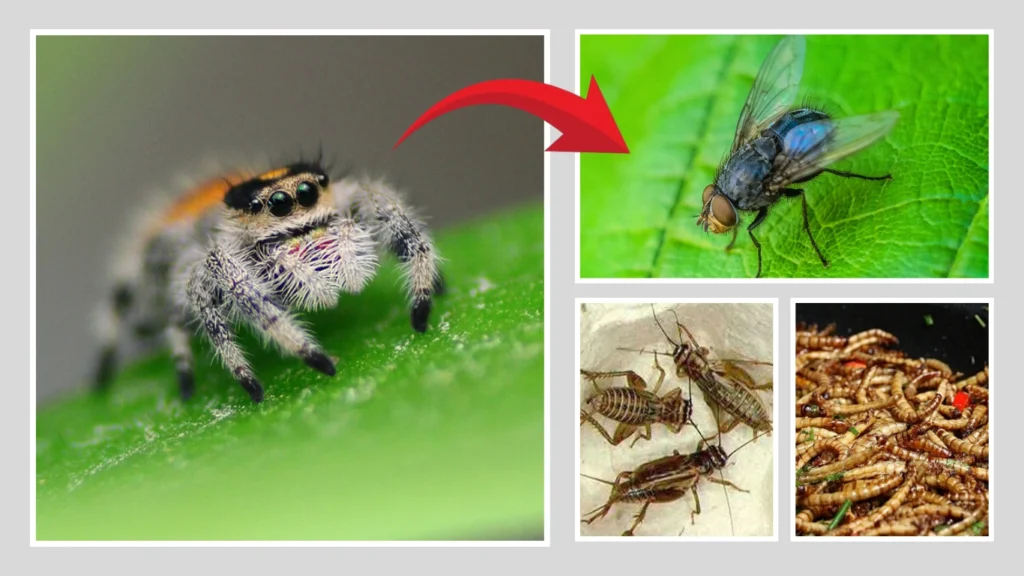
Jumping spiders are active hunters and need live prey to thrive. Feeding them is easy, fun to watch, and doesn’t require expensive equipment.
Preferred Prey
Their favorite meals include:
- Flightless fruit flies (Drosophila melanogaster or D. hydei) — ideal for spiderlings and smaller species
- Pinhead crickets — great for adults, but only offer ones that are smaller than the spider
- Small mealworms or waxworms — occasionally used, but not ideal as a staple due to their hard exoskeleton
Feeding Frequency and Schedule
- Young spiders (spiderlings): Feed once every day or every other day
- Adults: Feed 2–3 times a week
Offer just one or two prey items at a time to avoid overwhelming your spider.
Hydration Tips
Jumping spiders don’t drink from water dishes. Instead:
- Mist the side of the enclosure lightly every 1–2 days
- Let your spider drink water droplets off leaves or walls
Avoiding Overfeeding
Don’t leave uneaten prey in the enclosure, especially during molting. A full spider may also ignore food, so remove any uneaten insects after a few hours to prevent stress or injury.
Behavior and Interaction

Jumping spiders aren’t just passive pets — they’re curious, alert, and often behave in ways that surprise first-time owners. Understanding their behavior will help you build trust and recognize their needs.
Are Jumping Spiders Friendly?
While they don’t enjoy cuddling, jumping spiders are generally calm and non-aggressive. They may even show interest in their owner’s presence by turning to face you or following movement with their large front eyes.
Recognizing Hunting and Exploration Behavior
You’ll often see your spider stalking its prey, slowly inching forward before launching itself with impressive accuracy. They also enjoy exploring their enclosure, building silk retreats, and hanging upside down from threads.
How to Handle a Jumping Spider
- Let the spider crawl onto your hand on its own
- Keep your hands low over a soft surface to prevent injury if it jumps
- Avoid sudden movements or touching its abdomen
Short, gentle handling sessions help build comfort but shouldn’t happen daily. Let the spider decide when it’s ready to interact.
Warning Signs of Stress or Illness
Look for these red flags:
- Lethargy or constant hiding
- Refusing food for more than a week (outside of molting)
- Dragging legs or flipping over without cause
- Shriveled abdomen or pale coloration
These signs may indicate dehydration, illness, or environmental issues.
Molting and Growth

Molting is a critical part of a jumping spider’s life cycle. They shed their exoskeleton multiple times as they grow, and it’s important to understand the process to avoid harming your pet during this vulnerable stage.
How to Identify Molting Time
Before molting, your spider may:
- Refuse food for several days
- Become less active and stay hidden in a silk retreat
- Appear duller in color or slightly swollen
Care Tips During Molting
- Do not feed — Prey can harm or stress the spider during this time
- Avoid handling — Disturbing a molting spider can be fatal
- Maintain proper humidity — Light misting helps them shed their old skin more easily
After molting, wait 3–5 days before feeding again to allow the new exoskeleton to harden.
Molt Frequency and Growth Stages
- Spiderlings molt more frequently (every 1–2 weeks)
- Adults molt less often or not at all, especially if they are nearing the end of their lifespan
Each molt marks a growth stage, usually 6–8 molts before adulthood.
Lifespan and Reproduction
Jumping spiders have relatively short lifespans, but their life stages are fascinating to observe. Understanding reproduction is also key if you plan to keep more than one spider or attempt breeding.
Average Lifespan of Pet Jumping Spiders
- Females: 1 to 2 years (sometimes longer in captivity)
- Males: Typically live 6 to 12 months after reaching maturity
Proper care and feeding can maximize their lifespan.
Breeding Considerations
Breeding jumping spiders requires caution:
- Only pair mature, well-fed individuals
- Introduce the male carefully, as females may attack or eat them after mating
- Provide plenty of space and visual barriers in the enclosure
Caring for Spiderlings (If Applicable)
If successful mating occurs:
- The female will lay eggs in a silk sac
- She may guard the sac for several weeks
- Once spiderlings emerge, separate them early to prevent cannibalism
Raising spiderlings requires more commitment, as they need very tiny prey and regular misting.
Pros and Cons of Keeping Jumping Spiders
Before bringing home a jumping spider, it’s important to weigh the advantages and limitations. While they’re unique and fascinating, they may not be the right pet for everyone.
Pros
- Low Maintenance: No need for daily walks, baths, or expensive equipment
- Space-Saving: A small enclosure is enough — perfect for desks or shelves
- Budget-Friendly: Inexpensive to feed and house
- Educational: Observing behavior, molting, and hunting can be a fun learning experience
- Clean and Odorless: They don’t smell or make a mess like many traditional pets
Cons
- Short Lifespan: Most live 1–2 years, which can be sad for invested keepers
- Not Cuddly: You can’t pet or play with them like a dog or cat
- Escape Risks: They’re small and agile; a loose lid can lead to quick disappearances
- Live Food Required: You’ll need to maintain a supply of live insects like fruit flies or crickets
Despite these drawbacks, many keepers find jumping spiders rewarding companions due to their intelligence, personality, and minimal upkeep.
Common Mistakes to Avoid
Jumping spiders are relatively easy to care for, but some common errors can lead to stress, injury, or even early death. Here are the most frequent mistakes new owners should avoid:
Overfeeding or Feeding Inappropriate Prey
Giving your spider too much food, or prey that’s too large, can cause stress or injury. Always feed prey smaller than the spider’s body and remove uneaten insects within a few hours.
Inadequate Ventilation
Poor airflow can lead to mold growth and respiratory issues. Make sure your enclosure has proper ventilation—ideally mesh or small air holes on the top and sides.
Not Securing the Lid Properly
Jumping spiders are excellent escape artists. A loose or poorly fitted lid is an open invitation for adventure. Use tight-fitting lids or containers with latchable tops.
Handling Too Often
While they can become comfortable with your presence, daily handling can stress them. Only handle them occasionally, and always let them come to you—never force contact.
Avoiding these mistakes helps ensure a healthy, long life for your jumping spider and a better experience for you as a pet owner.
Where to Get a Pet Jumping Spider
Finding a healthy jumping spider from a reliable source is the first step toward responsible pet ownership. Here are your best options — and what to avoid.
Reputable Online Breeders
There are many trustworthy breeders who specialize in captive-bred jumping spiders. They usually offer:
- Specific species with known genetics
- Health guarantees
- Care tips and starter kits
Look for sellers with positive reviews, clear communication, and photos of their stock.
Exotic Pet Expos or Local Breeders
Pet expos and reptile shows often feature exotic invertebrates, including jumping spiders. Buying locally lets you inspect the spider in person and avoid shipping stress.
Wild-Caught Risks (and Why It’s Discouraged)
Some people collect jumping spiders from gardens or forests. While legal in many places, this practice is discouraged:
- Wild spiders may carry parasites
- Removing them disrupts local ecosystems
- They may be less adaptable to captivity
Whenever possible, support captive breeding — it helps maintain healthy populations and ethical pet-keeping practices.
Final Tips Before Bringing One Home
Before you welcome a jumping spider into your space, a bit of preparation goes a long way in ensuring both you and your spider have a smooth start. These final tips will help you avoid common hiccups and create the best possible environment for your new eight-eyed friend.
Research the Species First
Not all jumping spiders have the same care needs or temperament. Choose a beginner-friendly species like Phidippus regius or P. audax and learn about their behavior and enclosure preferences in advance.
Prepare the Enclosure in Advance
Have everything set up before your spider arrives:
- Clean and secure container
- Ventilation holes
- Climbing materials
- A few feeder insects ready to go
This reduces stress for the spider and helps you observe them right from the start.
Start with Just One Spider
Jumping spiders are solitary. Keeping more than one in a single container usually leads to cannibalism. Start with one to learn the ropes — they’re plenty engaging on their own.
Be Patient and Observe
Your spider may hide or seem inactive at first. Don’t worry — this is normal. Let them settle in, observe their habits, and give them time to feel safe. Over time, you’ll learn their rhythms and even pick up on their unique personality.
FAQs About Pet Jumping Spiders
Here are answers to some of the most common questions new and curious owners ask when considering a jumping spider as a pet:
Do jumping spiders bite humans?
Yes, they can bite, but it’s extremely rare. Their bites are harmless to humans and typically only occur if they feel trapped or threatened. Most are gentle and would rather flee than fight.
How often do jumping spiders molt?
Young jumping spiders (spiderlings) may molt every 1–2 weeks, while adults molt far less frequently or not at all once fully grown. Molting frequency also depends on diet and environmental conditions.
Can you keep multiple jumping spiders together?
No. Jumping spiders are solitary and territorial. Housing them together almost always results in one eating the other. Always keep them in separate enclosures.
Do jumping spiders recognize their owners?
They may not “recognize” you like a dog or cat would, but they can respond to your presence. Many will turn their heads or track your movements with their eyes after getting used to you.
What’s the best age to start keeping one?
Jumping spiders are great for responsible kids aged 10 and up, with adult supervision. Their care is simple, but handling still requires patience and attention to detail.