
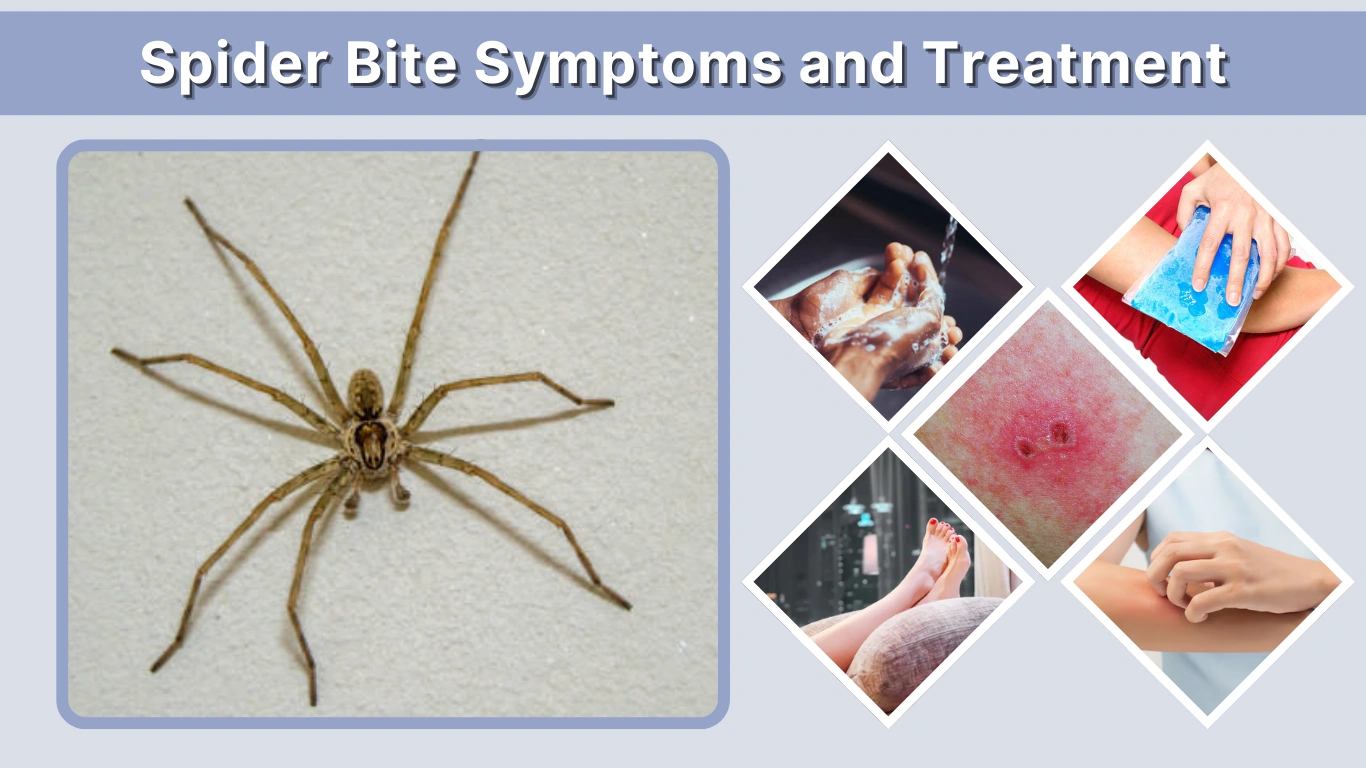
Spider bites are relatively uncommon, but they can still cause concern when they happen. Most spiders are harmless to humans, and their bites usually result in mild symptoms such as redness, swelling, and itching. However, certain species like the black widow or brown recluse can cause more serious reactions. Recognizing the symptoms early and knowing how to treat a spider bite can help prevent complications. This guide explains the common symptoms of spider bites, how to treat them safely, and when medical attention may be necessary.
What Is a Spider Bite?
A spider bite occurs when a spider punctures the skin with its fangs and injects venom. Spiders typically bite only in self-defense, especially when they feel threatened or trapped against the skin. For example, a spider may bite if it becomes caught in clothing, shoes, or bedding.
Despite common fears, spider bites are relatively rare compared to other insect bites. Many skin irritations that people think are spider bites are actually caused by mosquitoes, fleas, or other insects. In most cases, spider bites cause mild irritation and heal within a few days without serious problems.
However, understanding how spider bites occur and recognizing their symptoms is important for proper treatment and prevention.
What Does a Spider Bite Look Like?
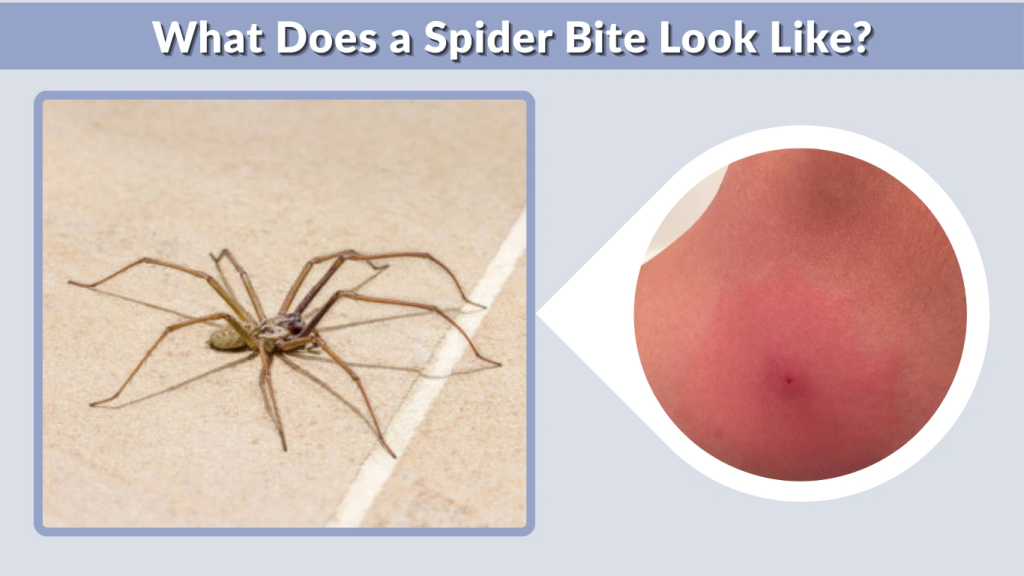
Spider bites can vary in appearance depending on the species of spider and the individual’s reaction to the venom. In many cases, a spider bite looks similar to other insect bites, making it difficult to identify immediately.
Common Appearance
Most spider bites appear as small red bumps on the skin. The area around the bite may become swollen and tender to the touch. Some people experience itching or mild burning at the site of the bite.
Typical characteristics include:
- A small red bump on the skin
- Mild swelling around the bite area
- Itching or irritation
- Slight pain or tenderness
In many cases, the symptoms remain mild and disappear within a few days.
Signs That May Indicate a Spider Bite
Although it is not always possible to confirm a spider bite, some features may suggest that a spider caused the bite.
Possible signs include:
- Two small puncture marks from the spider’s fangs
- Local redness and inflammation
- A raised or blister-like bump
- Gradual swelling around the bite
These symptoms usually remain localized and do not spread unless an allergic reaction or infection occurs.
Common Spider Bite Symptoms
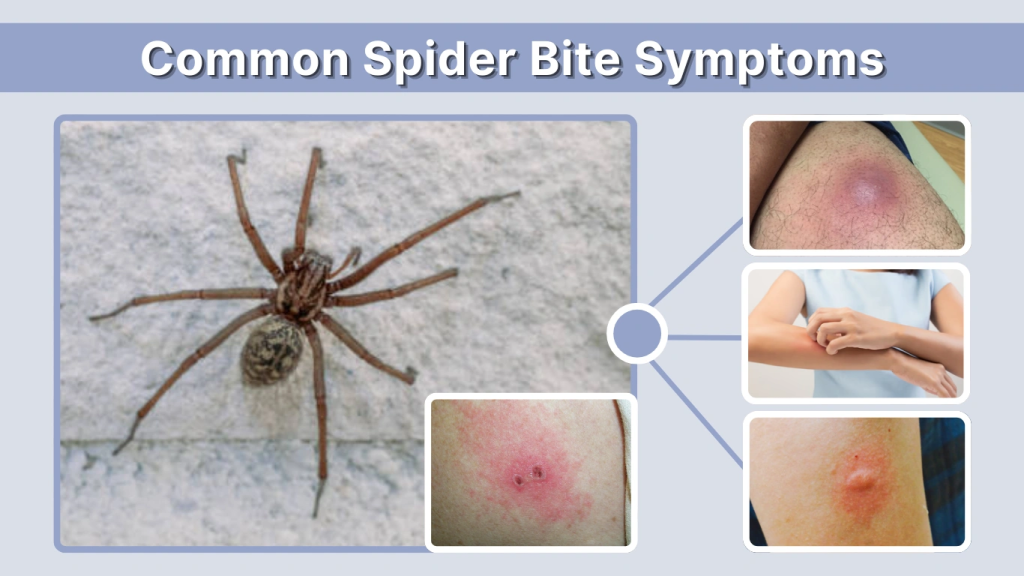
The symptoms of a spider bite can range from mild irritation to more noticeable discomfort depending on the type of spider and the body’s reaction to its venom.
Mild Symptoms
Most spider bites cause mild symptoms that do not require medical treatment. These symptoms typically appear shortly after the bite and may last for several hours or days.
Common mild symptoms include:
- Redness around the bite area
- Mild swelling
- Itching or irritation
- Slight pain or burning sensation
- A small bump or welt
Applying simple first aid measures can usually relieve these symptoms quickly.
Moderate Symptoms
In some cases, spider bites may cause moderate reactions that are more uncomfortable but still manageable at home.
These symptoms may include:
- Increased swelling around the bite
- Muscle discomfort near the bite area
- Formation of a blister
- Mild fever or chills
- Skin rash
Although these symptoms are not usually dangerous, they should be monitored to ensure they do not worsen.
Severe Symptoms
Severe symptoms are rare but can occur when a person is bitten by a venomous spider or experiences an allergic reaction.
Possible severe symptoms include:
- Intense or spreading pain
- Severe muscle cramps
- Nausea and vomiting
- Sweating or chills
- Difficulty breathing
- Rapid heart rate
If any of these symptoms appear, medical attention should be sought immediately.
Symptoms of Poisonous Spider Bites
Certain spiders possess venom strong enough to cause significant health problems in humans. Two of the most well-known venomous spiders are the brown recluse and the black widow.
Brown Recluse Spider Bite Symptoms
The brown recluse spider is known for causing bites that may lead to skin damage. In many cases, the bite is not immediately painful, but symptoms develop gradually over several hours.
Common symptoms of a brown recluse spider bite include:
- Redness and swelling around the bite
- Development of a blister
- Increasing pain at the bite site
- Skin ulcer formation
- Fever and chills
In severe cases, the surrounding tissue may become damaged, leading to a condition called necrosis.
Black Widow Spider Bite Symptoms
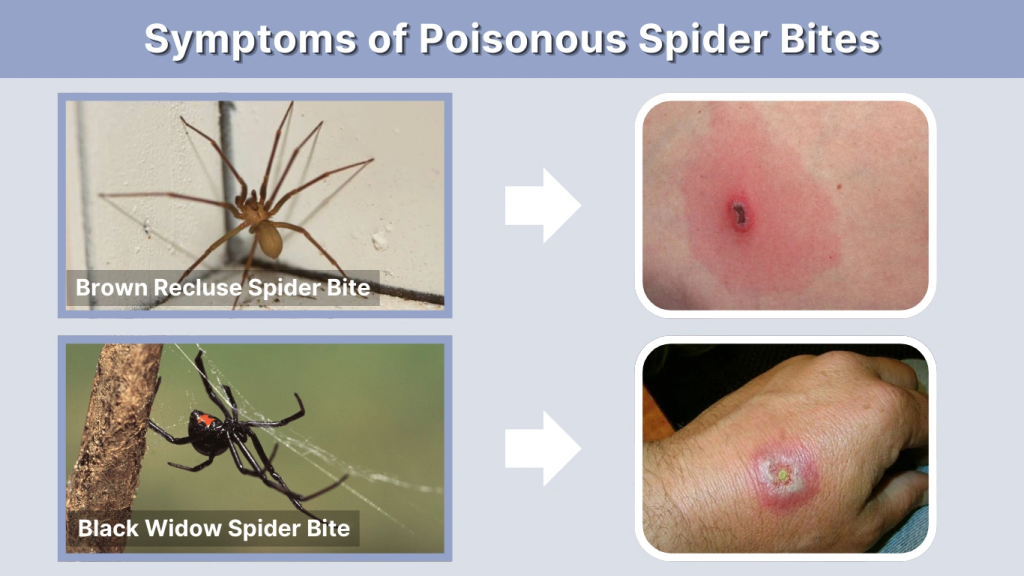
Black widow spider bites can cause more immediate and noticeable symptoms because of their strong venom. Although these bites are rarely fatal, they can cause significant discomfort.
Typical symptoms include:
- Severe muscle pain and cramps
- Abdominal pain or tightness
- Sweating and restlessness
- Headache
- High blood pressure
Symptoms may begin within an hour of the bite and can last for several days without treatment.
Spider Bite Treatment
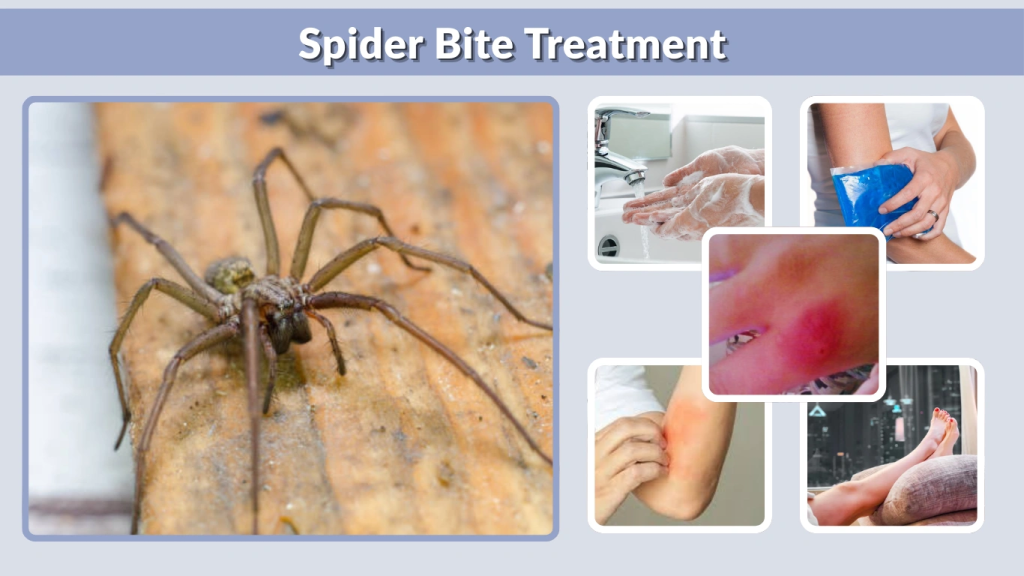
Treating a spider bite quickly can help reduce pain, swelling, and the risk of infection. In most cases, basic first aid and simple home remedies are enough to manage mild symptoms. However, if symptoms worsen or signs of a venomous bite appear, medical care may be necessary.
First Aid for Spider Bites
Immediate first aid can prevent complications and help the bite heal faster. If you suspect a spider bite, follow these basic steps:
- Clean the bite area with mild soap and water to prevent infection.
- Apply a cold compress or ice pack to reduce swelling and pain. Use it for about 10–15 minutes at a time.
- Elevate the affected area if possible to minimize swelling.
- Avoid scratching the bite, as this can lead to infection.
- Take over-the-counter pain relievers if the bite causes discomfort.
These steps are usually enough for mild spider bites and can significantly reduce symptoms.
Home Remedies for Spider Bites
Several simple home remedies can also help relieve itching, swelling, and irritation caused by spider bites.
Some common remedies include:
- Ice packs to reduce inflammation and numb the pain
- Aloe vera gel to soothe irritated skin
- Baking soda paste to reduce itching
- Antihistamine medications to control allergic reactions
- Hydrocortisone cream to reduce redness and inflammation
These treatments can help manage symptoms until the bite heals naturally.
Medical Treatments
In rare cases, spider bites may require professional medical treatment, especially if the bite is from a venomous spider or becomes infected.
Doctors may recommend treatments such as:
- Antibiotics if a bacterial infection develops
- Antivenom therapy for serious bites from venomous spiders
- Prescription pain medication for severe pain
- Muscle relaxants for bites that cause muscle spasms
Hospital care may be necessary if the symptoms become severe or if the patient experiences breathing problems or strong allergic reactions.
How Long Does a Spider Bite Last?
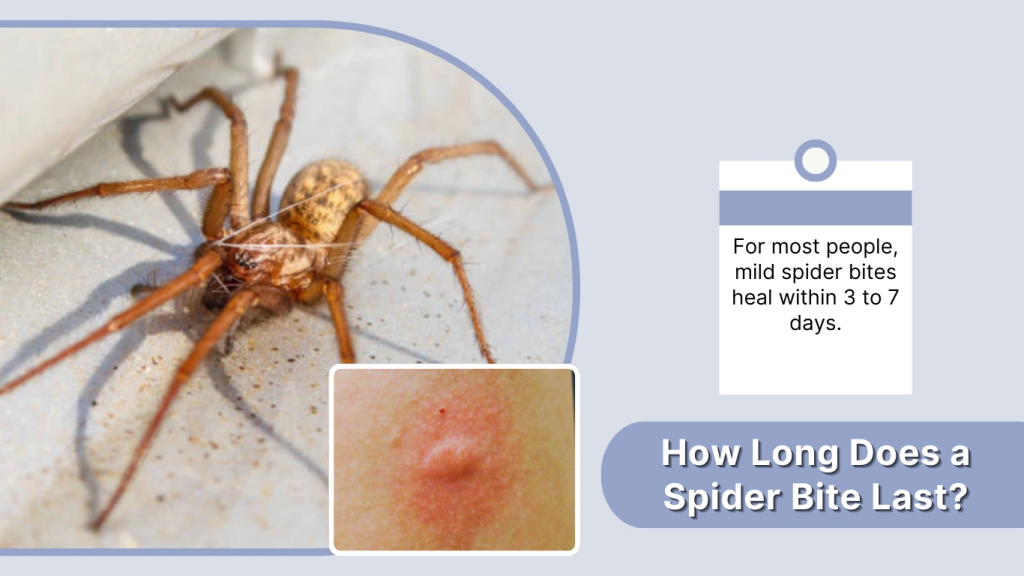
The healing time for a spider bite varies depending on the type of spider and the individual’s reaction to the bite.
For most people, mild spider bites heal within 3 to 7 days. During this time, redness, itching, and swelling gradually improve.
However, some bites may take longer to heal. For example:
- Moderate bites may last one to two weeks.
- Venomous spider bites may take several weeks to fully recover.
Proper care, such as cleaning the bite and avoiding irritation, can help speed up the healing process.
Signs the Bite Is Healing
A spider bite is usually healing normally if:
- Swelling and redness gradually decrease
- Pain becomes milder each day
- The skin begins to return to its normal appearance
Signs of Infection
Sometimes a spider bite can become infected, especially if the skin is scratched or not properly cleaned.
Warning signs of infection include:
- Increasing redness or warmth around the bite
- Pus or fluid coming from the wound
- Fever
- Severe swelling or spreading redness
If any of these symptoms appear, medical attention is recommended.
When to See a Doctor
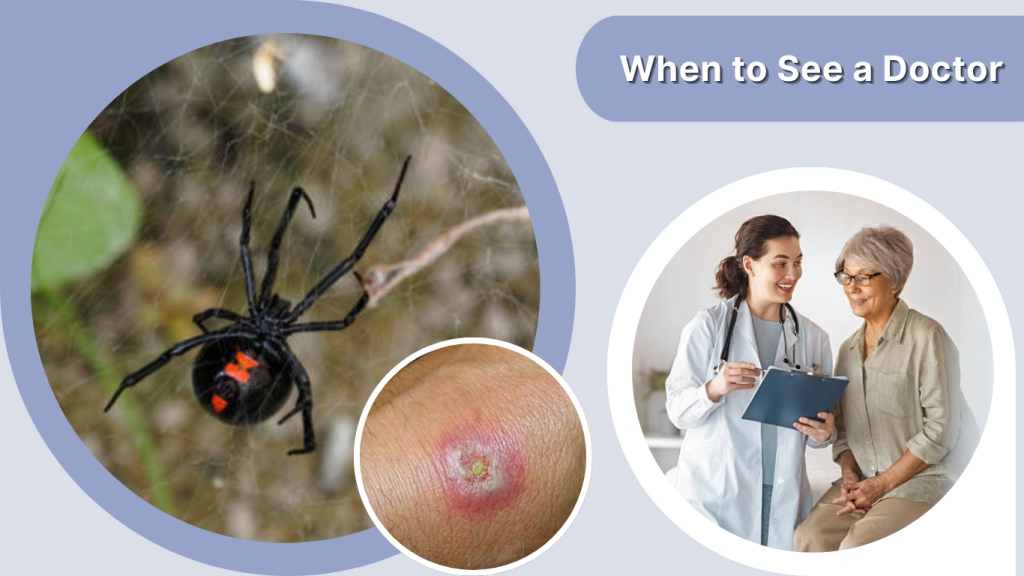
Although most spider bites are harmless, certain symptoms require immediate medical attention.
You should see a doctor if you experience:
- Severe or worsening pain
- Spreading redness or swelling
- Fever or chills
- Muscle cramps or severe abdominal pain
- Difficulty breathing
- Signs of an allergic reaction such as swelling of the face or throat
Medical care is especially important if you suspect the bite came from a black widow or brown recluse spider.
Prompt treatment can prevent complications and ensure proper recovery.
Spider Bite Complications
In rare situations, spider bites can lead to complications, especially if the bite is from a venomous species or becomes infected.
Possible complications include:
- Skin infections caused by bacteria entering the bite wound
- Allergic reactions that trigger swelling or breathing problems
- Tissue damage around the bite site
- Skin necrosis, where tissue begins to die due to venom
These complications are uncommon but require medical treatment if they occur.
How to Prevent Spider Bites
Preventing spider bites is often easier than treating them. Simple precautions at home and outdoors can reduce the chances of encountering spiders.
Home Prevention Tips
To lower the risk of spider bites in your home:
- Keep living spaces clean and free of clutter
- Seal cracks and gaps in walls or windows
- Remove spider webs regularly
- Store clothing and shoes properly
- Use pest control methods if spider activity is high
Maintaining a tidy environment makes it less likely for spiders to hide indoors.
Outdoor Safety Tips
Spiders are more common outdoors, especially in gardens, sheds, and woodpiles. Taking precautions can help avoid bites.
Helpful tips include:
- Wear gloves when gardening or handling firewood
- Shake out clothing, shoes, and blankets before using them
- Be careful when reaching into dark or hidden areas
- Wear long sleeves and pants when working in areas where spiders may live
These simple habits can greatly reduce the risk of spider bites.
Spider Bite vs Other Insect Bites
Spider bites are often mistaken for bites from other insects. Understanding the differences can help identify the cause more accurately.
- Mosquito bites usually cause small itchy bumps without puncture marks.
- Bed bug bites often appear in clusters or straight lines.
- Tick bites may leave a small black dot where the tick attaches.
Spider bites may show two tiny puncture marks, although this is not always visible.
FAQs
Are spider bites dangerous?
Most spider bites are harmless and cause only mild symptoms. However, bites from venomous spiders can cause serious reactions and may require medical treatment.
How can I tell if a spider bite is infected?
An infected spider bite may show signs such as increased redness, swelling, pus, warmth, or fever.
Can spider bites cause fever?
Yes, in some cases spider bites can cause mild fever, especially if the bite is from a venomous spider or becomes infected.
Should I pop a spider bite blister?
No, it is not recommended to pop a blister. Doing so can increase the risk of infection and slow the healing process.
What medicine helps spider bites heal faster?
Over-the-counter antihistamines, hydrocortisone creams, and pain relievers can help reduce symptoms and support healing.
Conclusion
Spider bites can be uncomfortable, but most of them are mild and heal without serious problems. Recognizing the common symptoms, providing proper first aid, and using simple home treatments can help relieve pain and swelling quickly. While severe reactions are rare, it is important to seek medical care if symptoms worsen or signs of a venomous bite appear. By taking preventive steps and staying aware of your surroundings, you can greatly reduce the chances of experiencing a spider bite.
