

If you’ve ever seen a thick, tangled web in the corner of a window or shed, you’ve probably encountered the work of a black house spider. These dark, furry arachnids might look intimidating, but they actually play a beneficial role in your home and garden by preying on pests. But what exactly do black house spiders eat, and how do they hunt?
In this article, we’ll explore the complete diet of black house spiders, how they catch their food, and why you might want to think twice before getting rid of them.
Black House Spider’s Hunting Style
Web-Building Behavior
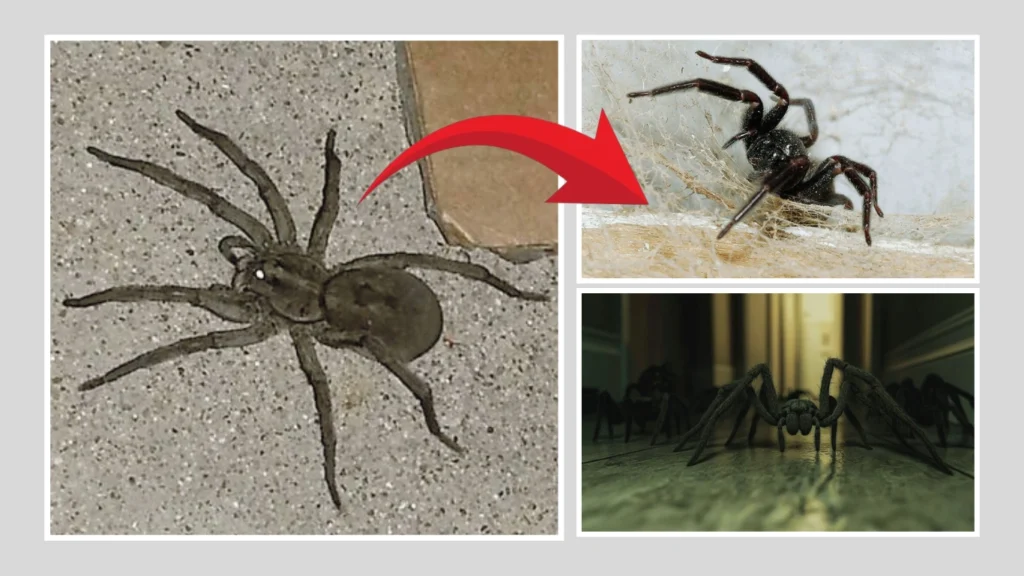
Black house spiders (Badumna insignis) are known for their distinctive funnel-shaped webs, which look messy and thick, often tucked into corners, window frames, or rock walls. They don’t chase down prey—instead, they sit patiently inside the tunnel-like retreat of their web, waiting for unsuspecting insects to stumble in.
These webs are designed to detect vibrations. When an insect lands on the sticky outer web, it sends a signal through the threads that alerts the spider. The spider then rushes out, grabs the prey, and drags it back inside the funnel.
Nocturnal Predators
Black house spiders are mostly nocturnal, meaning they hunt during the night. This gives them access to insects that are active after dark, such as moths, mosquitoes, and flies attracted to artificial lights.
What Do Black House Spiders Eat?
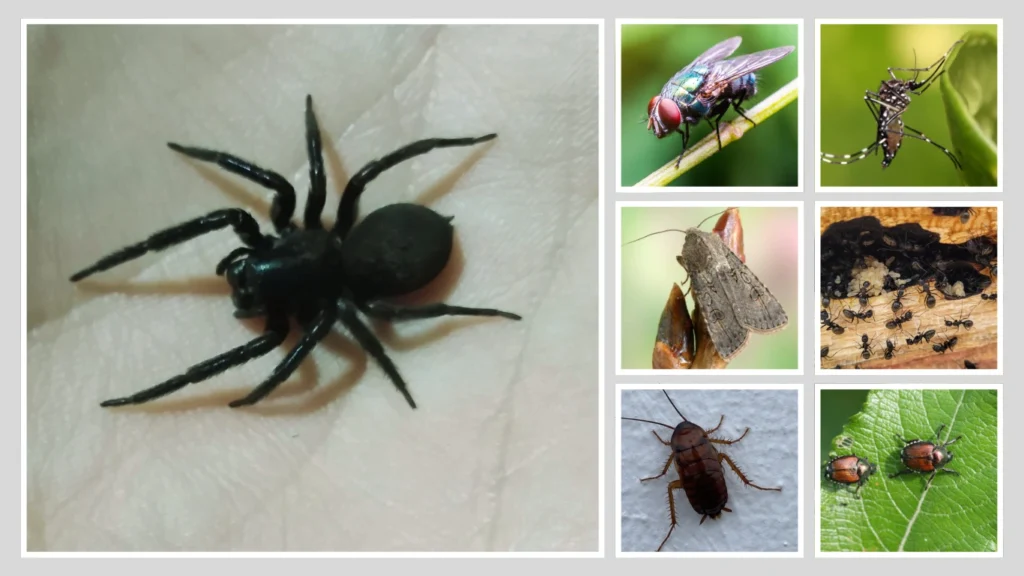
Black house spiders feed exclusively on insects and other small arthropods. They are carnivorous and rely on their web to catch food.
Common Insect Prey
These spiders consume a wide variety of pests that often annoy homeowners. Their diet includes:
- Flies – One of their most frequent meals. Flies are attracted to lights near windows where webs are often built.
- Mosquitoes – Helpful in reducing the number of disease-carrying bugs around the house.
- Moths – Nocturnal insects that often fly into homes and get trapped in webs.
- Ants – If ants crawl into their web, they’ll be quickly subdued.
- Cockroaches – Smaller roaches can be caught and consumed, especially nymphs.
- Beetles – Soft-bodied beetles that blunder into webs become an easy target.
Occasional Larger or Unusual Prey
While most of their meals are small insects, black house spiders can sometimes handle:
- Other spiders – Including smaller web spiders or even rival black house spiders.
- Small crickets – If the cricket enters their web, they’ll ambush it.
- Bees or wasps – Rarely, if these insects are weak or injured.
Why Their Diet Makes Them Good for Homes
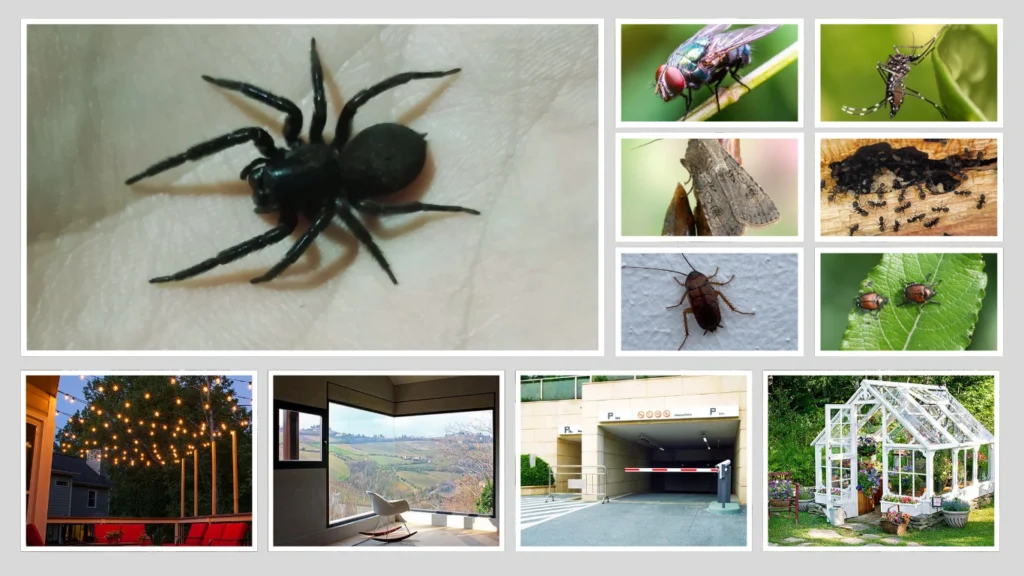
Black house spiders are not pests. In fact, their presence means fewer pests for you to deal with.
Natural Pest Control
Because they eat insects like mosquitoes, moths, and flies, black house spiders are excellent natural exterminators. This can be especially helpful during warmer months when insect populations explode. Having a few spiders around may reduce your need for chemical sprays or bug traps.
Web Placement Helps Catch More Prey
You’ll often see their webs near:
- Outdoor lights
- Window corners
- Garage entrances
- Sheds or greenhouses
These areas are prime hunting spots because insects are attracted to light and warmth. Black house spiders instinctively build their webs where prey is most likely to appear.
How Black House Spiders Digest Their Food

Spiders don’t chew food the way humans do. Their feeding process is unique and a bit gruesome (but fascinating!).
Envenomation and Pre-Digestion
Once prey is caught in the web, the spider quickly bites it, injecting venom to immobilize it. This venom also begins the digestive process by breaking down the internal tissues of the insect.
Feeding
After the prey is paralyzed or dead, the spider uses its digestive enzymes to liquefy the insides. It then sucks out the liquid and leaves the dry, crumpled exoskeleton behind. If you see small insect husks near a web, they’re the leftovers of a spider meal.
How Often Do Black House Spiders Eat?
Based on Prey Availability
Black house spiders don’t eat on a schedule like humans. Their feeding frequency depends on how many insects get trapped in their web. In bug-rich environments (e.g., near outdoor lights), they may eat daily. In leaner times, they can survive for weeks without food.
Effect on Behavior
Spiders that catch plenty of food will:
- Reinforce and expand their webs
- Lay more egg sacs
- Be more active at night
Hungry spiders become reclusive and will sometimes abandon their web in search of a better hunting location.
What Not to Feed Black House Spiders
If you’re keeping a black house spider as a pet or observing one indoors, you might be tempted to feed it. However, some precautions are needed.
Don’t Feed Wild-Caught Insects
Avoid feeding spiders:
- Insects sprayed with pesticides
- Bugs from grassy areas that might carry parasites
- Large insects that may fight back and injure the spider
If you want to feed a pet spider, use store-bought feeder insects like small crickets or fruit flies.
Final Thoughts
Black house spiders may look scary, but their diet makes them allies in the fight against pests. By feeding on flies, mosquitoes, moths, and even cockroaches, these spiders help maintain a natural balance in and around homes.
They don’t hunt humans or pets—they only want a steady supply of insects. So, unless you have a real spider phobia, consider letting them stay in tucked-away corners where they can do their job quietly and efficiently.
FAQs
1. Do black house spiders eat other spiders?
Yes, black house spiders will occasionally eat other spiders, especially if a smaller species wanders into their web or food is limited. They are territorial and may also consume rival black house spiders during disputes. Cannibalism is more common when they’re defending their hunting ground.
2. Can black house spiders survive without food for weeks?
Yes, black house spiders can survive several weeks without food by slowing their metabolism. This survival ability helps them get through periods when insects are scarce, especially in colder months. They’ll often remain inactive during this time, conserving energy until prey becomes available again.
3. Do black house spiders eat dead insects?
No, they typically ignore dead insects. Black house spiders rely on movement in their web to trigger their predatory response. They inject venom into live prey to begin digestion. Without this process, they won’t feed, so they reject motionless or already dead insects.
4. Do black house spiders need water?
Black house spiders get most of the moisture they need from their prey. However, in particularly dry environments, they may drink tiny water droplets from surfaces like leaves, walls, or condensation. Still, they can survive long periods without direct water if their diet remains consistent.
5. How can I reduce the insects that attract them?
To reduce the number of insects—and in turn, black house spiders—turn off outdoor lights at night, seal cracks in doors and windows, and keep food properly stored. Regularly cleaning areas like windowsills and ceilings can also help prevent both insects and spiders from settling in.
