
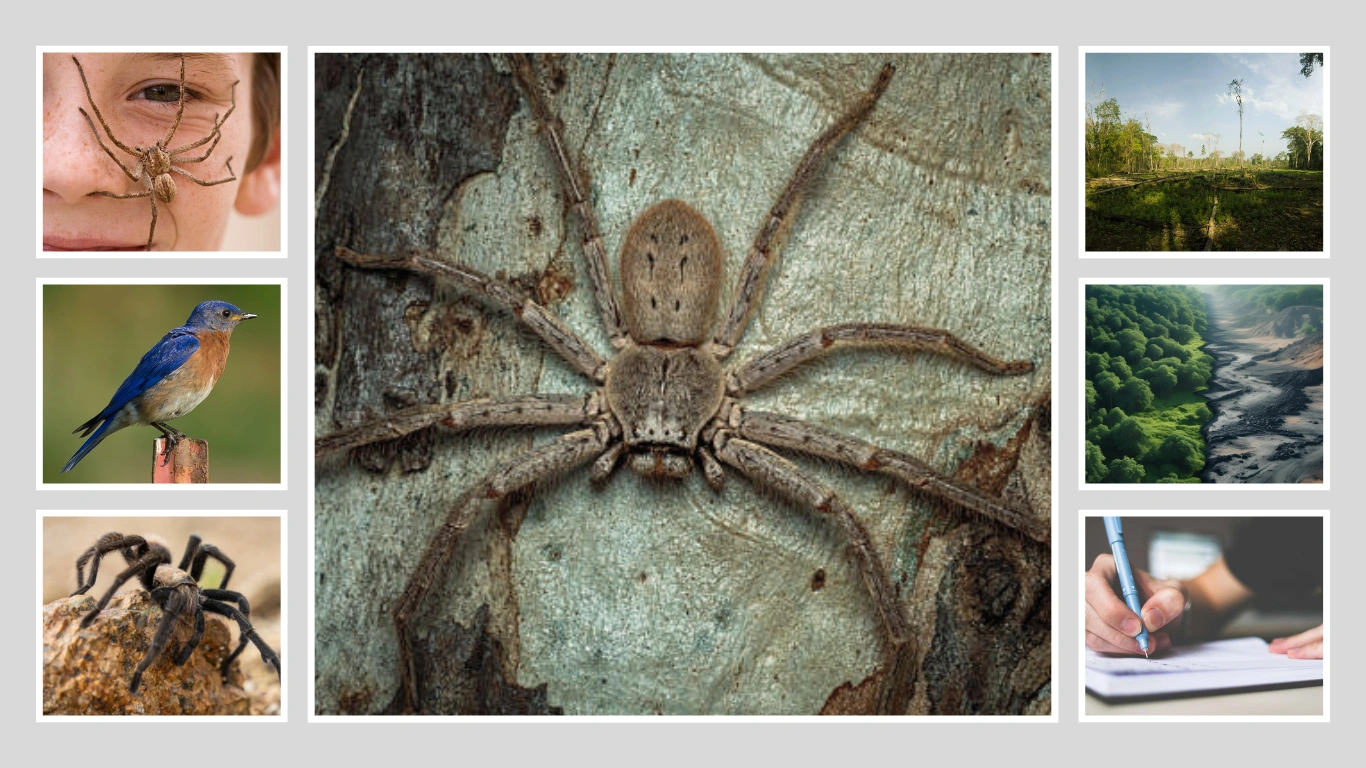
Huntsman spiders are among the most recognizable arachnids in the world, known for their long legs, sideways movement, and surprising speed. Despite their large size and intimidating appearance, they’re mostly harmless to humans—and often beneficial in controlling insect pests. But with growing awareness about wildlife conservation, people sometimes wonder: Are huntsman spiders endangered or at risk of extinction? Let’s dive into the facts.
Are Huntsman Spiders Endangered?
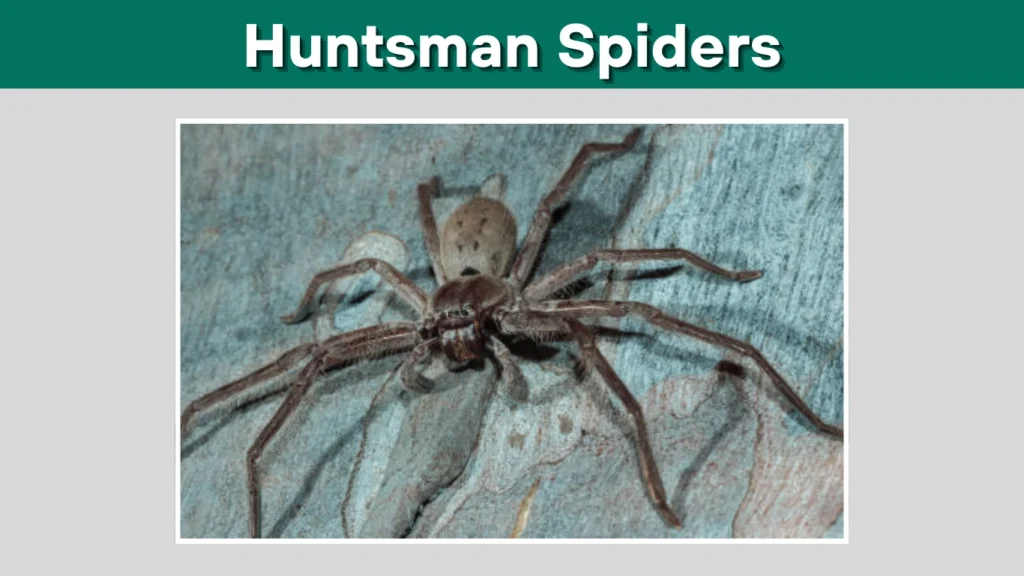
No, huntsman spiders as a group are not endangered. In fact, they are considered to have stable and widespread populations in many parts of the world, especially in tropical and subtropical regions. These spiders are resilient and highly adaptable, living in a variety of natural and human-modified habitats.
However, like many wildlife species, some individual species within the huntsman spider family (Sparassidae) could be vulnerable due to habitat loss or localized threats. But the group as a whole is not at risk of extinction.
What Are Huntsman Spiders?

Scientific Classification
- Family: Sparassidae
- Common Name: Huntsman spider
- Size: Leg spans can exceed 15 cm (6 inches) in some species
- Coloration: Gray, brown, tan, or banded, depending on species
- Lifespan: 2–3 years on average
- Venom: Mild—generally not harmful to humans
Huntsman spiders are fast, ground-hunting spiders that don’t build webs to trap prey. Instead, they ambush or chase down insects, cockroaches, and even small vertebrates like geckos.
Behavior and Movement
Huntsman spiders are known for their crab-like side-to-side movement, which allows them to squeeze into tight spaces—one reason they’re often found inside homes or cars. They are generally nocturnal and prefer hiding under bark, rocks, or in crevices during the day.
Where Are Huntsman Spiders Found?
Huntsman spiders have a global distribution, mainly in:
- Australia (home to some of the largest species)
- Asia (India, China, Indonesia, Philippines)
- Africa
- South and Central America
- Southern United States (Florida, Texas)
- Pacific Islands
Some species have even been unintentionally introduced to other areas through cargo shipments, which demonstrates their adaptability and survival skills.
Why People Might Think They’re Endangered
1. Rare Sightings in Urban Areas
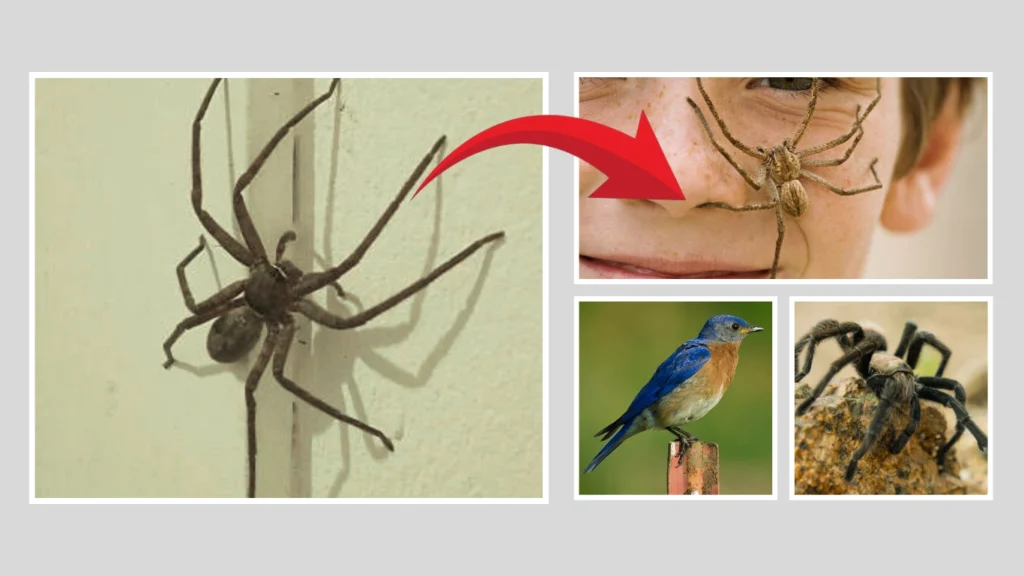
People often encounter huntsman spiders by surprise, but may go long periods without seeing them. This can create a false impression that they’re becoming rare, especially in cities.
2. Fear-Based Misconceptions
Due to their size and sudden movements, huntsman spiders are often killed on sight. While this human behavior might affect small local populations, it’s not enough to threaten the global population.
3. Confusion with Other Large Spiders
Sometimes huntsman spiders are mistaken for tarantulas or giant house spiders, leading to confusion about their conservation status or identity.
Are Any Species of Huntsman Spider At Risk?
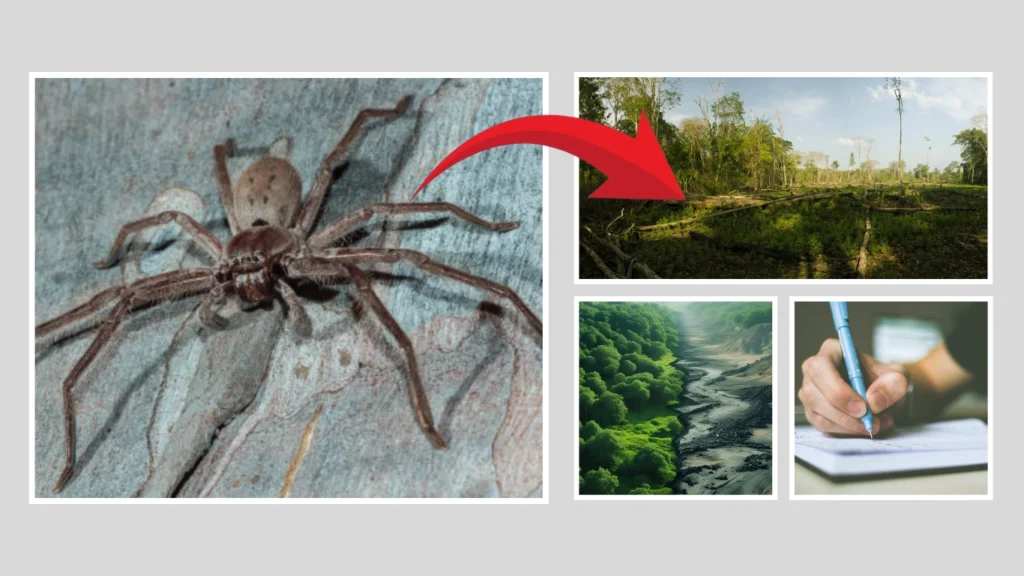
While most huntsman species are widespread and not threatened, some localized or endemic species may be vulnerable:
- Species that live only in specific islands or rainforests can face extinction if their habitat is destroyed.
- Habitat loss due to deforestation, urban development, and mining can threaten small populations.
- However, there is no huntsman species currently listed on the IUCN Red List as endangered.
Lack of research may also contribute to gaps in understanding. Many species of huntsman spiders remain undescribed or understudied, meaning their population status is simply unknown rather than confirmed to be safe or endangered.
Benefits of Huntsman Spiders
Despite their frightening appearance, huntsman spiders are beneficial in many ways:
- Natural pest control: They help control cockroach, mosquito, and moth populations.
- Non-aggressive nature: They rarely bite and prefer to escape rather than attack.
- Part of a healthy ecosystem: As predators and prey, they help balance biodiversity.
In some households, especially in parts of Australia and Asia, people leave huntsman spiders alone inside homes because of their effectiveness at keeping insects in check.
FAQs
1. Are huntsman spiders protected by law?
No, huntsman spiders are not protected species in most countries. They are not listed under CITES and have no formal conservation status at a global level. However, in some cases, local governments or environmental groups may include certain species in habitat protection plans, especially in sensitive rainforest areas where they co-exist with endangered flora and fauna.
2. What are the biggest threats to huntsman spiders?
While not endangered, huntsman spiders do face threats such as:
- Habitat destruction: Deforestation and land development can eliminate their natural shelter under tree bark or rocks.
- Pesticide use: Chemicals used in agriculture or home pest control can kill them or reduce their insect prey.
- Climate change: Shifting weather patterns may disrupt their hunting and reproductive cycles in sensitive ecosystems.
Despite these, their wide distribution and resilience make them far less vulnerable than many other arthropods.
3. How do huntsman spiders adapt to living with humans?
Huntsman spiders are surprisingly adaptable. They frequently enter homes, sheds, and vehicles, especially in warmer climates. They are often found:
- Behind curtains
- Under furniture
- Inside cardboard boxes
- Even under car sun visors!
Their ability to live alongside humans without causing harm has helped them thrive in urban environments. They rarely build webs indoors and prefer to roam at night, hunting pests.
4. Could certain huntsman species go extinct in the future?
Yes—localized extinction is possible for species that rely on specific microhabitats. For instance, if a particular huntsman species only lives in a single rainforest or island, and that habitat is destroyed, it could disappear. However, the overall huntsman spider population is diverse, with many generalist species that are unlikely to face extinction anytime soon.
5. Should humans worry about huntsman spiders?
No—huntsman spiders are more scared of you than you are of them. Bites are extremely rare and usually occur only when the spider is provoked or trapped. Symptoms of a bite may include mild pain, swelling, or redness—but no huntsman spider bite has ever caused death.
If you find a huntsman in your home:
- Do not kill it—it likely helps control pests.
- Gently trap it in a container and release it outside.
- Avoid handling it directly to prevent stress or accidental bites.
In places like Australia, some homeowners even allow them to stay because of their role in reducing cockroach infestations.