

The six-eyed sand spider (Sicarius spp.) is one of the most mysterious and feared arachnids in the world. Known for its ability to bury itself in sand and deliver potentially dangerous venom, it hides in the deserts of southern Africa, rarely encountered by humans. Its elusive nature has led to a number of questions, especially:
Are Six-Eyed Sand Spiders Endangered?
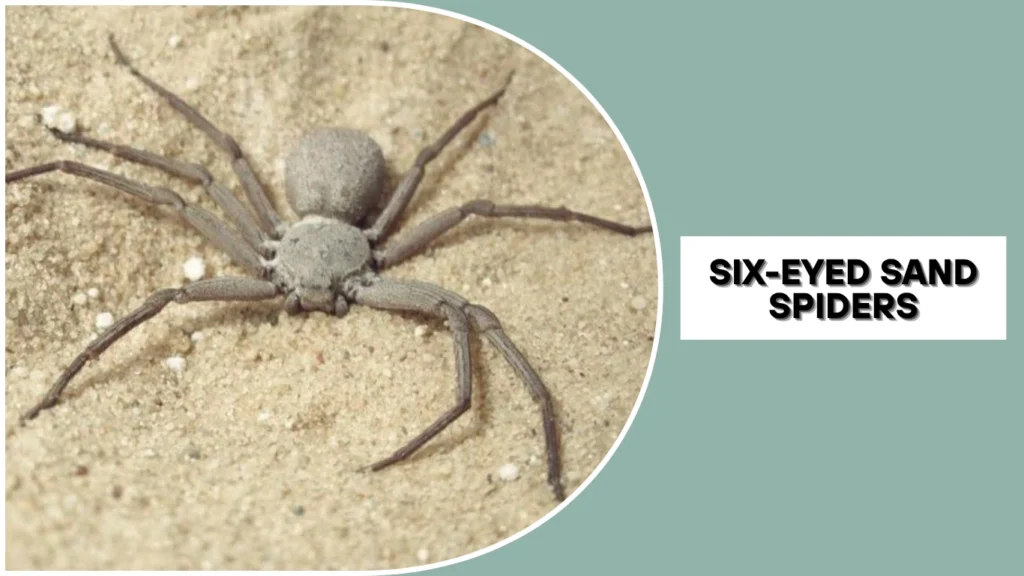
No, the six-eyed sand spider is not considered endangered. Despite being rarely seen, its low visibility is due to its behavior—not low population numbers. As of now, there is no official conservation status for this spider from the International Union for Conservation of Nature (IUCN), and it is not listed as threatened or protected under any international agreement.
Its secretive, ambush-based lifestyle makes it difficult to study, which may explain why little is known about its population trends. However, there is no evidence of significant population decline, so it is not considered at risk of extinction.
What Is the Six-Eyed Sand Spider?

Scientific Overview
- Genus: Sicarius
- Family: Sicariidae (same family as the brown recluse)
- Common Name: Six-eyed sand spider
- Size: 1.5 to 2 inches (body length), legs up to 4 inches across
- Venom: Potent—can cause necrosis and internal bleeding in lab tests
This spider is native to the deserts and arid regions of southern Africa, especially in Namibia and South Africa. It belongs to a group known as “assassin spiders” due to its hunting technique and venom strength.
Habitat and Behavior
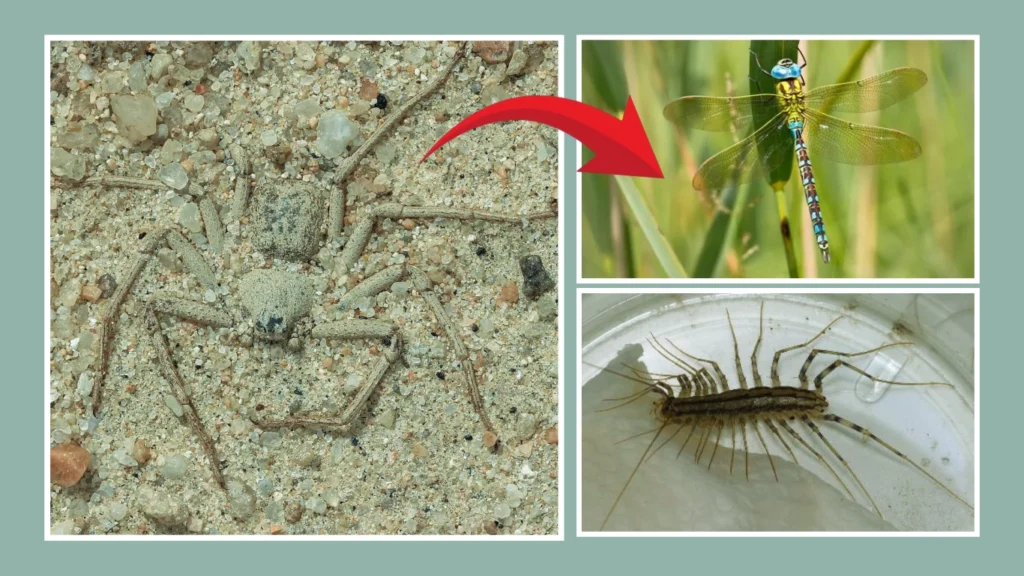
Six-eyed sand spiders are fossorial hunters, meaning they hide under sand or debris and ambush prey such as insects and small arthropods. Their flattened bodies and sandy coloration make them almost invisible when still.
They do not build webs. Instead, they rely on stealth, camouflage, and quick strikes to capture food.
Why Are They Rarely Seen?
Their perceived rarity is mostly due to:
- Camouflage and stillness
- Remote desert habitat
- Nocturnal and reclusive behavior
This makes encounters with humans extremely uncommon. They are not social, and each spider tends to remain in its own solitary hunting zone. Because of this, sightings are rare, but it doesn’t indicate that the species is in decline.
Are There Any Threats to Their Population?

Although not officially endangered, the six-eyed sand spider could face future risks if environmental conditions change significantly.
1. Habitat Disturbance
Desert mining, off-road vehicle activity, or construction could disturb their habitat. However, these spiders typically live in isolated, undeveloped areas, so human contact is minimal.
2. Climate Change
While well-adapted to arid climates, extreme shifts in temperature or rainfall could affect prey availability or burrow conditions.
3. Lack of Research
One of the biggest challenges is that very little is known about their reproductive habits, population size, or lifespan. This “data deficient” status makes it hard to assess whether small populations might be at risk without us realizing.
Medical Myths and Real Facts
Much of the fear surrounding the six-eyed sand spider comes from lab-based studies showing the spider’s venom can cause severe necrosis and blood vessel damage in rabbits or test tubes.
However, in real-world scenarios:
- There are no confirmed bites on humans.
- Most documented “bites” are anecdotal or poorly verified.
- The spider is not aggressive and will not bite unless severely provoked.
Because of this, it is more feared than dangerous.
Ecological Importance
The six-eyed sand spider plays a role in maintaining the desert ecosystem by:
- Controlling insect populations
- Supporting food chains (as prey for lizards, birds, or mammals)
- Aerating sand as it burrows and moves underground
Its ambush behavior makes it a natural pest controller, especially for desert-adapted insects.
FAQs
1. Why isn’t the six-eyed sand spider listed on the IUCN Red List?
The six-eyed sand spider belongs to a group of spiders that are not well studied, mainly due to their remote habitat and elusive nature. Because of this, the IUCN and other conservation bodies have not assessed its population officially. This doesn’t mean it’s endangered—it simply reflects the lack of data, not a known threat to its survival.
2. Is the six-eyed sand spider dangerous to humans?
The spider’s venom is extremely potent in lab tests, showing necrotic and hemolytic effects—meaning it can destroy tissue and blood cells. However, no confirmed human deaths or serious envenomations have ever been recorded.
They are not aggressive, and bites are almost unheard of due to their reclusive desert life. If left alone, they pose no danger to humans.
3. Where exactly can you find six-eyed sand spiders?
They are native to southern Africa, especially in:
- Namibia
- South Africa
- Botswana and Angola (in smaller ranges)
They live in dry, sandy deserts, often under rocks, in leaf litter, or buried just beneath the sand’s surface. Their favorite spots are remote and undisturbed, which protects them from most threats.
4. Could the six-eyed sand spider become endangered in the future?
It’s possible if its habitat is destroyed on a large scale, such as through:
- Desert tourism with off-road vehicles
- Large-scale mining or drilling in fragile ecosystems
- Climate shifts affecting prey availability or soil composition
But for now, the species appears stable and secure, especially due to its isolation from urban development.
5. Are there any conservation efforts for the six-eyed sand spider?
Currently, there are no targeted conservation programs for the six-eyed sand spider. However, its remote desert habitat often overlaps with protected lands and national parks, particularly in Namibia and South Africa.
Additionally, because it has no commercial value (it’s not kept as a pet or used in medicine), it faces little human exploitation. Conservationists recommend continued monitoring and research, but there is no urgent conservation action needed at this time.