
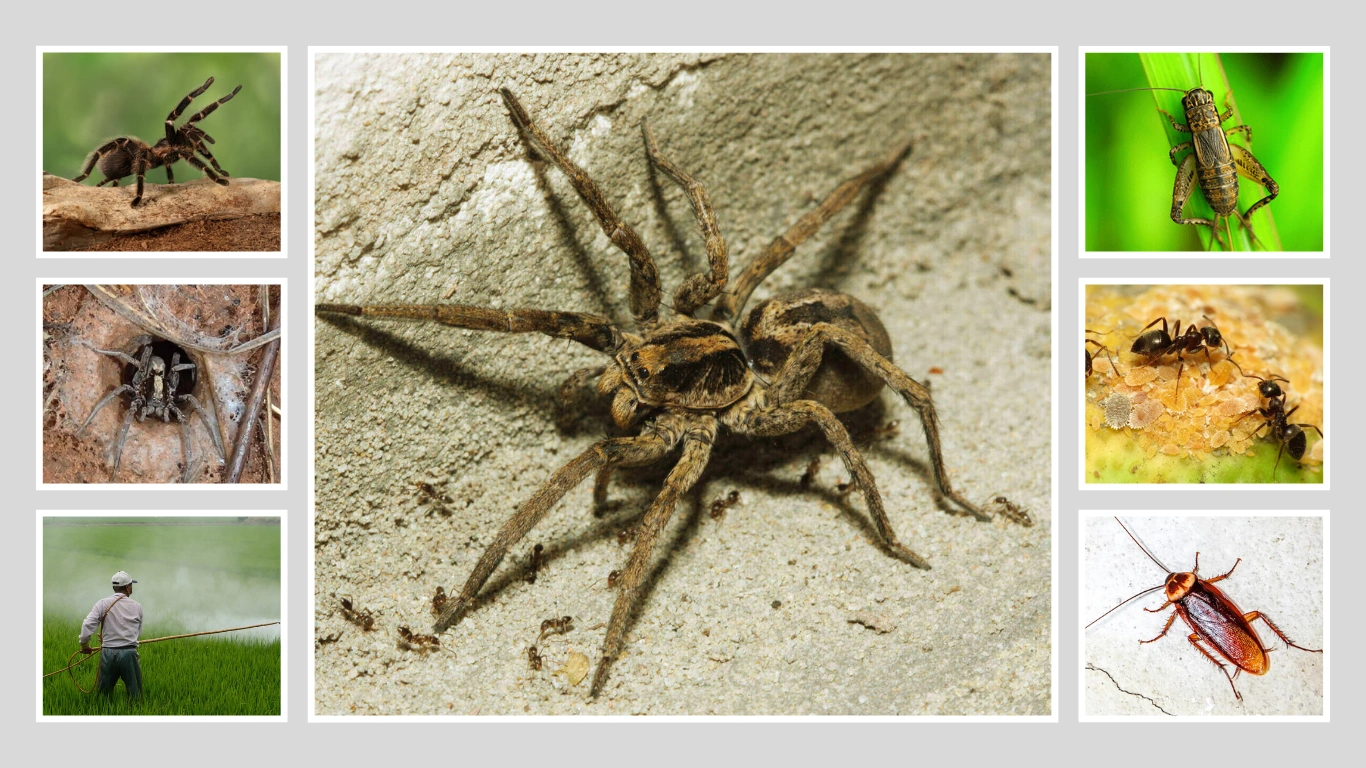
Wolf spiders are among the most widespread and easily recognizable spiders in the world. Known for their excellent eyesight, fast movement, and ground-hunting behavior, they live almost everywhere—from forests and fields to gardens and even homes. But with increasing concerns over environmental changes, you may wonder:
Are Wolf Spiders Endangered?

No, wolf spiders are not endangered. As a group, wolf spiders (family: Lycosidae) are extremely common and widespread. Their population is considered stable, and they are not listed as endangered, threatened, or vulnerable by any major conservation organization—including the IUCN Red List.
In fact, wolf spiders are among the most resilient and adaptable spider families, thriving in both natural and urban environments across the globe.
What Are Wolf Spiders?
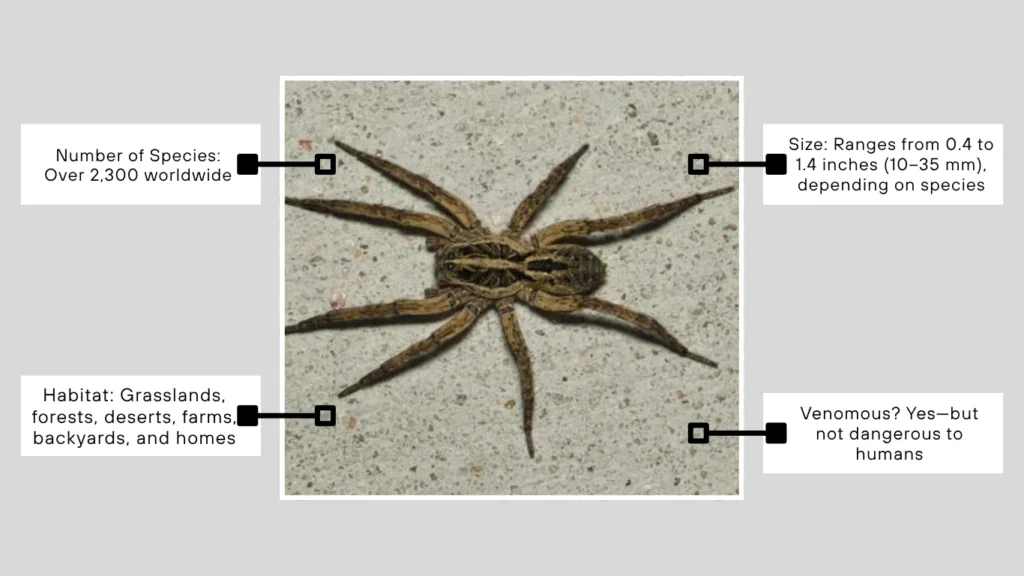
Scientific Overview
- Family: Lycosidae
- Common Name: Wolf spider
- Number of Species: Over 2,300 worldwide
- Habitat: Grasslands, forests, deserts, farms, backyards, and homes
- Size: Ranges from 0.4 to 1.4 inches (10–35 mm), depending on species
- Venomous? Yes—but not dangerous to humans
Unlike web-building spiders, wolf spiders actively hunt their prey on foot, using speed and stealth. They have excellent night vision thanks to their large front eyes, and they are often seen wandering alone in search of food.
Unique Traits
- Carry their egg sacs attached to their spinnerets
- Mother spiders carry their babies on their back for days after hatching
- Hunt rather than trap—they chase and overpower insects and small arthropods
Where Do Wolf Spiders Live?
Wolf spiders are found on every continent except Antarctica. They are especially abundant in:
- North America
- Europe
- Australia
- Asia and Africa
They thrive in environments such as:
- Leaf litter and grass
- Under logs and rocks
- Sandy deserts
- Farmlands and gardens
- Even urban areas and homes
Their ability to adapt to both wild and human-influenced environments makes them one of the most successful spider groups globally.
Why People Might Think Wolf Spiders Are Endangered
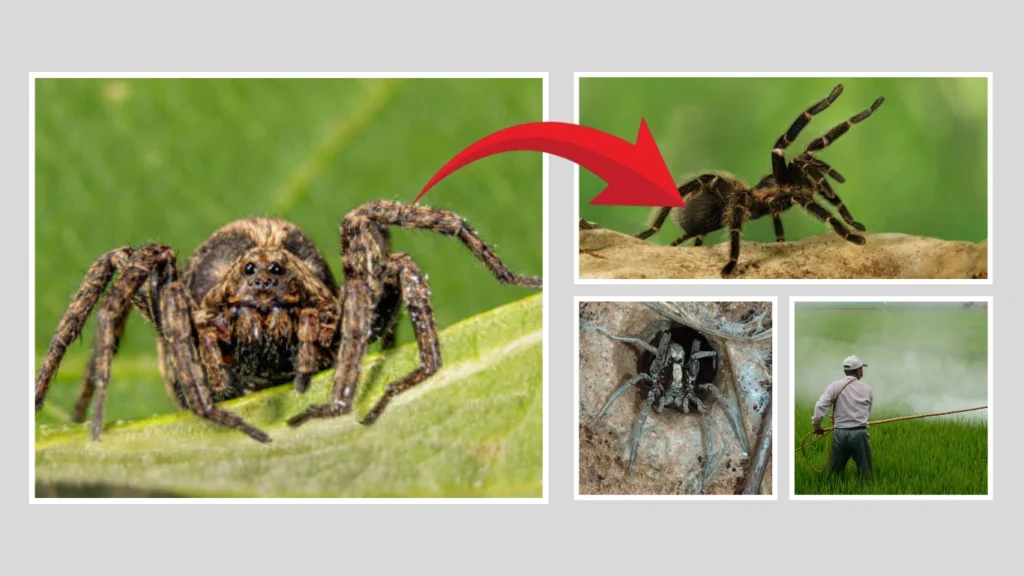
1. Fear or Misidentification
Some people confuse wolf spiders with other large, rare spiders—like tarantulas—or fear them because of their size. This leads to assumptions that they are uncommon or protected.
2. Seasonal Disappearance
Wolf spiders are most visible during mating seasons or after rain. Outside of these times, they hide, giving the illusion that they’re rare.
3. Habitat Disturbance
As forests and fields are developed or sprayed with pesticides, people assume spider numbers are falling. While some local populations may be reduced, the species as a whole is far from endangered.
Are Any Individual Species at Risk?
While the Lycosidae family is generally thriving, some specific species with very small natural ranges may be vulnerable. For example:
- Species living in isolated islands, dunes, or mountain ecosystems could be affected by habitat loss or climate change.
- However, there is no officially listed endangered wolf spider species as of now.
Much of the spider biodiversity remains understudied, so conservation status might not be assessed yet for every local species.
Ecological Role of Wolf Spiders
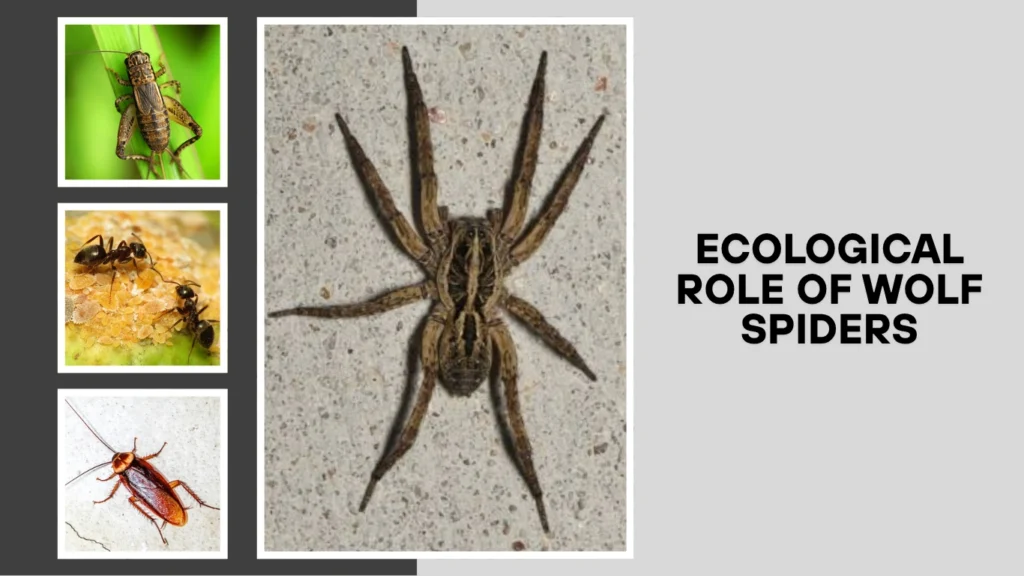
Wolf spiders are valuable pest controllers, feeding on:
- Crickets
- Ants
- Cockroaches
- Beetles
- Other small arthropods
Their hunting helps maintain ecological balance and supports plant health by keeping insect pests under control. Additionally, they are prey for birds, frogs, reptiles, and small mammals—fitting into many food webs.
FAQs
1. Do wolf spiders bite humans?
Yes, but only in self-defense, and their bites are not dangerous. Most bites cause minor symptoms like swelling or redness. They are non-aggressive, and prefer to flee rather than fight. Severe allergic reactions are extremely rare.
2. Are wolf spiders protected by law?
No. Wolf spiders are not legally protected because they are not endangered. They are common in most regions and pose no threat to human activity or biodiversity. Because of their abundance, they are not included in national or international conservation lists.
3. Could wolf spiders become endangered in the future?
Unlikely, as a group. Wolf spiders are highly resilient, adaptable, and reproduce regularly. However, specific species in fragile or limited habitats could be at risk if environmental changes are severe. For example, loss of dune habitats or sensitive wetlands might affect local populations. But as a family, they are not in danger.
4. What environments are most at risk for wolf spiders?
Wolf spiders can live in a wide range of environments, but areas with:
- Heavy pesticide use
- Urban sprawl and deforestation
- Climate-sensitive ecosystems (like alpine grasslands or coastal dunes)
may experience localized population declines. Encouraging native vegetation and reducing chemical use can help keep wolf spiders and other beneficial arthropods safe.
5. Should I remove wolf spiders from my home?
That depends on your comfort level. Wolf spiders are harmless and helpful, and often enter homes by accident. If you find one:
- Gently relocate it outdoors using a container and paper
- Avoid squashing—it’s not necessary
- If left alone, it will likely leave on its own in search of prey or shelter
Their presence means fewer household pests and healthier ecological balance, even in urban areas.