

Waking up with mysterious bite marks on your skin can be alarming—especially if you’re unsure whether it’s a spider bite or bed bug bite. Both types of bites are common in homes, especially in warm or cluttered environments, but they differ in appearance, symptoms, and risk levels. While bed bug bites are often just itchy and irritating, certain spider bites can lead to serious medical complications if left untreated. In this guide, we’ll break down how to tell them apart, what symptoms to look for, and when it’s time to seek help.
Quick Comparison Table

| Feature | Spider Bite | Bed Bug Bite |
| Bite Pattern | Single or two puncture marks | Multiple bites in a line or cluster |
| Pain Level | Mild to sharp, sometimes burning | Typically painless at first, later itchy |
| Time to React | Immediate or delayed (within hours) | Delayed (several hours after bite) |
| Common Locations | Arms, legs, torso, hands | Neck, face, arms, shoulders |
| Appearance | Red bump, sometimes with blister or ulcer | Small red welts or bumps, often grouped |
| Risk Level | Can be serious if venomous spider involved | Usually mild, low health risk |
| Duration | Can last several days to weeks | 3 to 10 days, depending on reaction |
| Infection Risk | Moderate to high if untreated or scratched | Low to moderate, due to scratching |
How to Identify a Spider Bite

Appearance
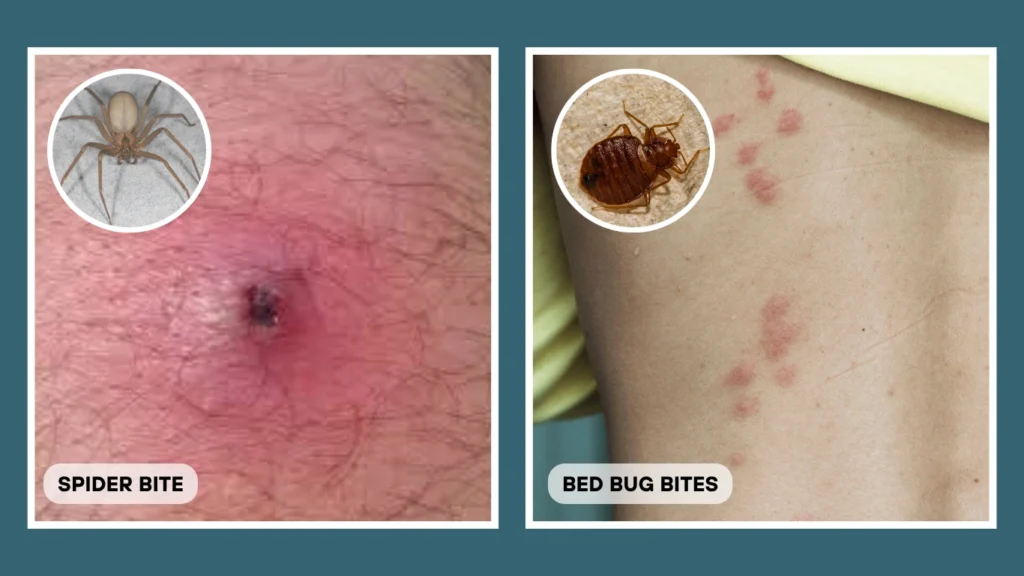
A spider bite often looks like a red, swollen area with a visible puncture or two at the center. In some cases, it may develop a blister, ulcer, or a “bullseye” pattern. If venom is injected, the skin may begin to break down or darken within 24–48 hours.
Symptoms
Mild spider bites may cause only slight pain or irritation. However, bites from venomous species like the Brown Recluse or Black Widow can result in more serious symptoms including muscle cramps, nausea, fever, or necrosis of the skin.
Bite Progression
Spider bites may not look alarming at first but can worsen over time. If the bite becomes increasingly red, swollen, or painful—or shows signs of tissue damage—it’s important to seek medical attention.
How to Identify a Bed Bug Bite

Appearance
Bed bug bites typically appear as small, red, flat or raised welts. They often show up in clusters or straight lines, especially on exposed skin like the neck, arms, face, or shoulders. Unlike spider bites, they don’t have a central puncture mark, and the redness is usually more widespread but less inflamed.
Symptoms
Most people feel itchiness as the primary symptom. The bites themselves are usually painless at first and become itchy several hours later. In some individuals, the bites may swell, form small blisters, or become irritated from scratching.
Bite Progression
Bed bug bites may take several hours or even a day to fully appear. While they typically fade on their own within a week, repeated exposure can lead to more frequent reactions. Scratching may cause secondary infections or scarring in sensitive individuals.
Key Differences Between Spider and Bed Bug Bites
Number and Pattern of Bites
Spider bites are usually singular or paired, while bed bug bites occur in clusters or lines, reflecting the insect’s feeding behavior.
Sensation: Pain vs Itch
Spider bites often cause pain, stinging, or burning, especially if venom is involved. In contrast, bed bug bites are painless at first but develop intense itching later.
Common Bite Areas
Spider bites can occur anywhere on the body, especially in areas where spiders may hide (like inside clothing or bedding). Bed bug bites usually appear on exposed skin during sleep, such as the arms, neck, face, and upper torso.
Timing and Reaction
Spider bite symptoms can start immediately or within a few hours, depending on the species. Bed bug bites often show symptoms hours later, and multiple bites appear from a single night of feeding.
Are Spider Bites Dangerous?
Types of Dangerous Spiders
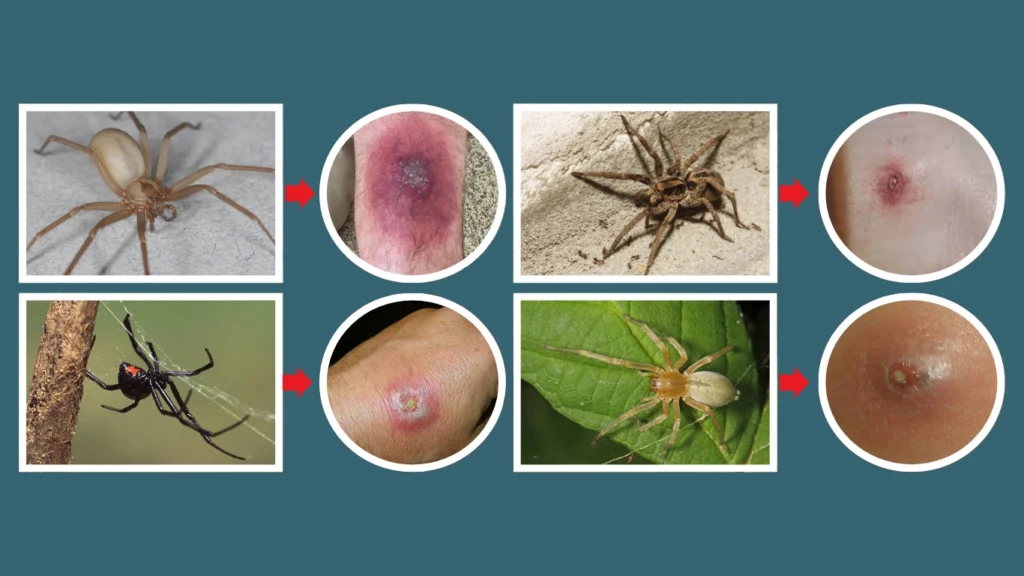
While most spiders are harmless to humans, a few species can cause serious reactions:
- Brown Recluse – causes tissue necrosis, ulcers, and skin breakdown
- Black Widow – delivers a neurotoxic venom that can cause muscle cramps and nervous system symptoms
- Hobo Spider – potentially causes skin damage and long-lasting sores
- Yellow Sac Spider – can cause localized pain and blistering
- Funnel-Web (outside U.S.) – extremely venomous; requires antivenom
Signs of Serious Reaction
- Severe or spreading redness and swelling
- Skin turning purple or black (necrosis)
- Muscle pain, cramping, fever, or dizziness
- Nausea or vomiting
- Seek medical help immediately if symptoms escalate or match known venomous reactions
Are Bed Bug Bites Dangerous?
Health Risks
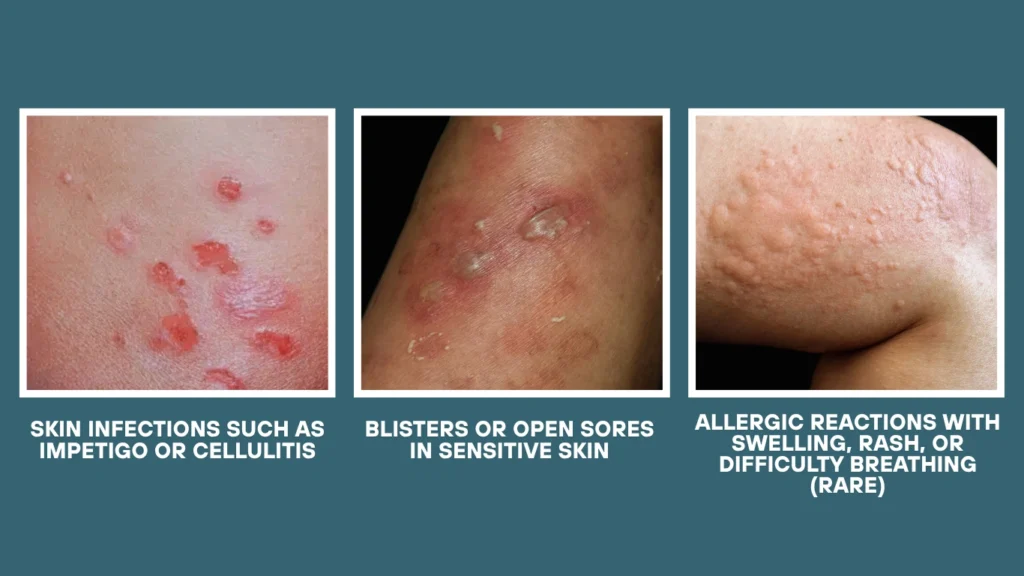
Bed bug bites are not considered medically dangerous and they do not transmit diseases. However, scratching the bites can lead to:
- Skin infections such as impetigo or cellulitis
- Blisters or open sores in sensitive skin
- Allergic reactions with swelling, rash, or difficulty breathing (rare)
Psychological Effects
Ongoing infestations can lead to:
- Anxiety or sleep disruption
- Stress or insomnia due to fear of being bitten
- Skin picking or scratching habits, worsening the skin condition
Though not life-threatening, the mental and emotional toll of bed bug bites should not be underestimated, especially in chronic infestations.
First Aid and Treatment
Spider Bites
- Clean the bite with soap and water to prevent infection
- Apply a cold compress to reduce pain and swelling
- Use over-the-counter pain relievers like ibuprofen or acetaminophen
- Apply antihistamine cream if itching is present
- Monitor closely for signs of worsening, especially if bitten by a suspected venomous spider
- Seek medical attention if symptoms include ulceration, fever, or spreading redness
Bed Bug Bites
- Wash the bites gently with soap and water
- Apply anti-itch cream or calamine lotion to ease discomfort
- Use oral antihistamines for severe itching
- Avoid scratching to reduce infection risk
- Apply cold compresses to reduce swelling
- Consult a doctor if you experience a severe allergic reaction or signs of infection
When to Seek Medical Help
Spider Bites
Seek immediate care if you notice:
- Intense pain or swelling that worsens over time
- Skin discoloration, open wounds, or necrosis
- Systemic symptoms like fever, chills, muscle cramps, nausea, or vomiting
- A suspected bite from a Black Widow, Brown Recluse, or other venomous species
Bed Bug Bites
Call a doctor if you experience:
- Persistent or severe swelling
- Pus, heat, or red streaks indicating infection
- Severe allergic response (swelling of the face, trouble breathing)
- Ongoing skin irritation that doesn’t improve with basic care
FAQs
How can I tell if a bite happened during sleep?
If you wake up with unexplained bite marks—especially in clusters or straight lines—it’s more likely from bed bugs. A single painful or swollen bump may suggest a spider bite.
Do spider bites always have two puncture marks?
Not always. While many spider bites leave two small puncture marks, they may be hard to see, especially if swelling develops quickly.
Can bed bugs bite through clothing?
No. Bed bugs prefer exposed skin. They typically bite areas not covered by clothing, such as the neck, face, arms, or hands.
How long do spider and bed bug bites last?
Spider bites can last from a few days to several weeks, especially if the area becomes infected or necrotic. Bed bug bites usually heal within 1 to 10 days, depending on skin sensitivity and scratching.
Are bed bug bites ever a medical emergency?
Rarely. However, if you develop signs of a serious allergic reaction (such as swelling of the face or difficulty breathing), or if bites become infected, seek immediate medical attention.
Final Thoughts
Spider bites and bed bug bites can look similar at first glance, but knowing the key differences in their appearance, pattern, and symptoms can help you react appropriately. Spider bites are more likely to cause pain and serious medical issues, especially if venom is involved. Bed bug bites, though rarely dangerous, can lead to discomfort, allergic reactions, and emotional stress in long-term infestations.