



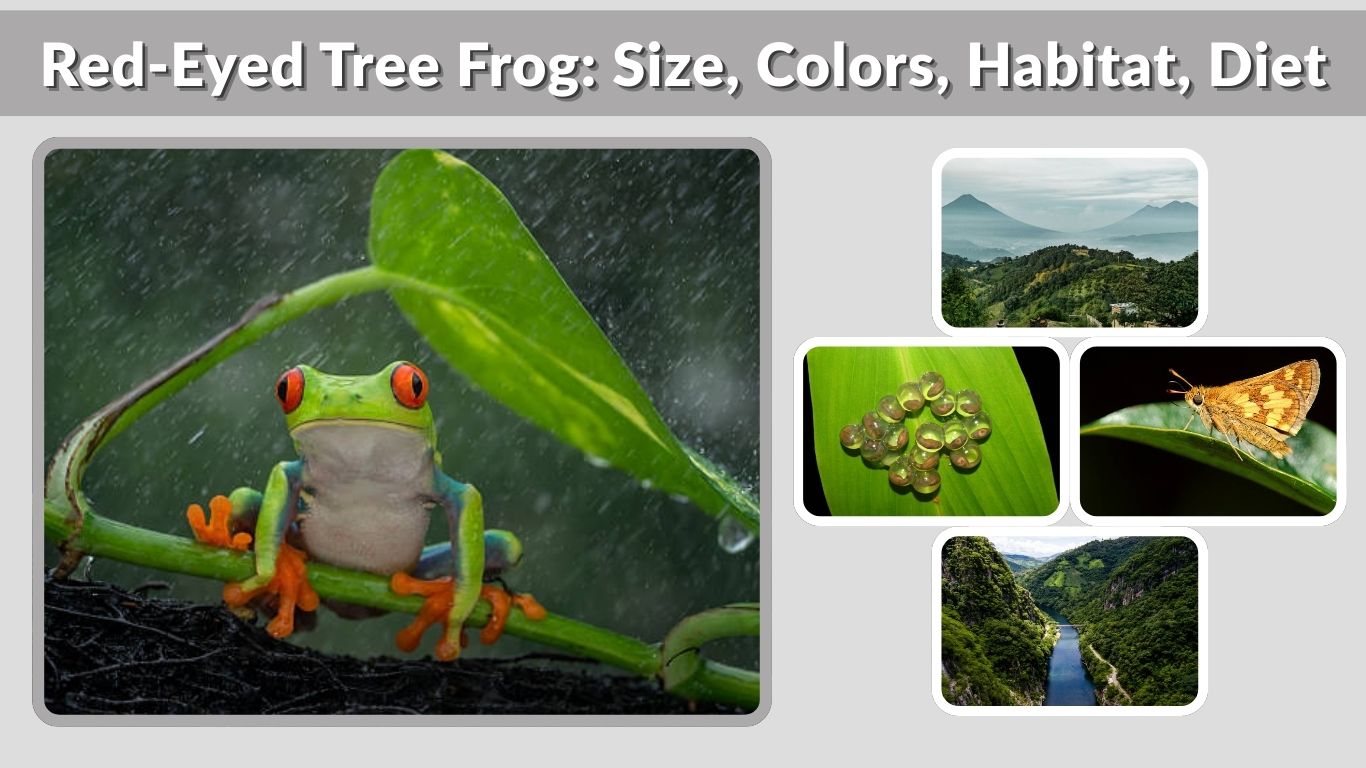
The Red-Eyed Tree Frog (Agalychnis callidryas) is one of the most recognizable amphibians in the world. With its bright red eyes, vivid green body, and striking blue and yellow sides, this tropical frog has become a symbol of rainforest wildlife. Native to Central America, it thrives in warm, humid forests near rivers and ponds. Although its colors are bold, it is not poisonous. In this article, we’ll explore its size, habitat, diet, defense mechanisms, and early life stages.
Overview of the Red-Eyed Tree Frog
The Red-Eyed Tree Frog belongs to the family Phyllomedusidae, a group of tree-dwelling frogs found in the Americas. Its scientific name, Agalychnis callidryas, roughly means “beautiful bright-eyed tree nymph,” a fitting description for such a colorful species.
This frog is native to southern Mexico and extends through Central America, including countries like Costa Rica, Nicaragua, Honduras, and Panama. It can also be found in small parts of northern South America.
According to conservation assessments, the Red-Eyed Tree Frog is currently listed as a species of Least Concern. However, habitat destruction caused by deforestation remains a potential threat in some areas.
Because of its striking appearance, this frog is often featured in wildlife photography, educational materials, and conservation campaigns highlighting rainforest biodiversity.
Physical Characteristics
Size
The Red-Eyed Tree Frog is medium-sized compared to many other tree frogs. Adult males typically measure about 2 to 2.5 inches (5 to 6 centimeters) in length. Females are slightly larger, usually reaching 2.5 to 3 inches (6 to 7.5 centimeters).
Despite their colorful appearance, these frogs are lightweight and slender, allowing them to move easily among branches and leaves. Their long legs are built for climbing and leaping between plants in the forest canopy.
Colors
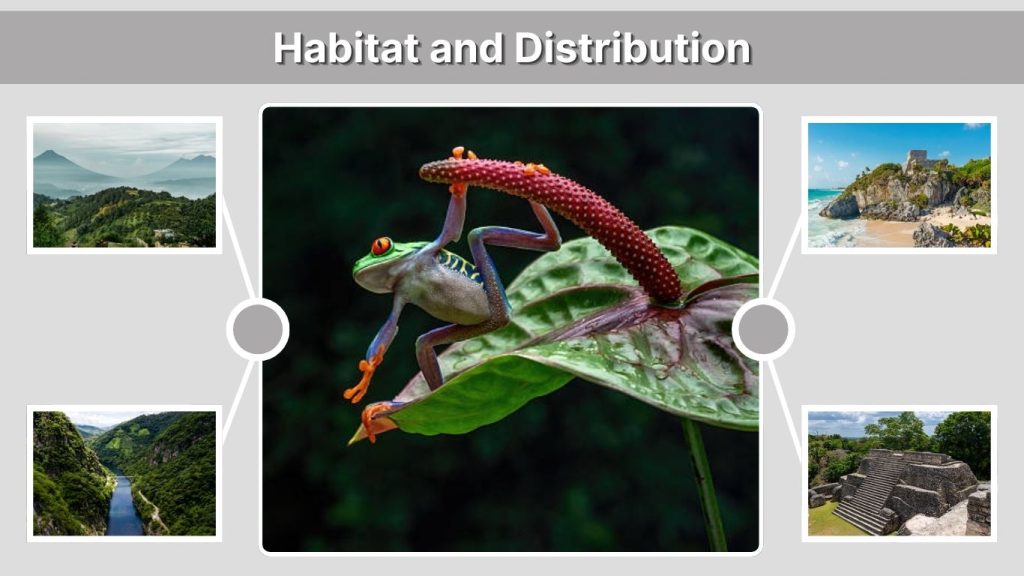
The bright colors of the Red-Eyed Tree Frog are its most famous feature. Its body is usually a vibrant leaf green, helping it blend into foliage during the day. However, when it moves, it reveals flashes of brilliant color:
- Bright red eyes
- Blue and yellow vertical stripes along its sides
- Orange or reddish feet
These colors serve a defensive purpose rather than signaling toxicity. When startled, the frog suddenly opens its large red eyes and exposes its colorful sides, briefly confusing predators. This behavior is known as startle coloration.
At rest, the frog tucks in its legs and closes its eyes, making it appear mostly green and less noticeable among leaves.
Distinctive Features
Several traits make the Red-Eyed Tree Frog easy to identify:
- Large, bulging red eyes with vertical slit pupils
- Sticky toe pads for gripping branches
- Smooth, delicate skin
- Long limbs adapted for climbing
The sticky toe pads allow the frog to cling to smooth surfaces, including wet leaves and even glass. This adaptation is essential for its arboreal (tree-dwelling) lifestyle.
Although bright in color, the Red-Eyed Tree Frog is not poisonous. Its defense relies on startling predators rather than chemical toxins.
Habitat and Distribution
Native Range
Red-Eyed Tree Frogs are found in tropical regions of southern Mexico and throughout much of Central America. They inhabit countries including:
- Mexico
- Belize
- Guatemala
- Honduras
- Nicaragua
- Costa Rica
- Panama
They prefer lowland tropical forests, particularly areas close to freshwater sources.
Preferred Habitat
These frogs thrive in warm, humid environments such as tropical rainforests. They are commonly found near ponds, rivers, and slow-moving streams, especially during breeding season.
Rainforests provide:
- High humidity
- Dense vegetation
- Abundant insect prey
- Safe breeding sites near water
Because they depend heavily on moisture, Red-Eyed Tree Frogs are rarely found in dry or open habitats.
Arboreal Lifestyle
The Red-Eyed Tree Frog is strictly arboreal, meaning it spends most of its life in trees and shrubs. During the day, it rests on the undersides of broad leaves. It tucks in its bright legs and closes its red eyes, appearing as a simple green shape that blends into the foliage.
At night, it becomes active. It climbs, hunts, and searches for mates among branches and leaves in the forest canopy.
This tree-dwelling lifestyle protects the frog from many ground-based predators and allows access to abundant insect prey.
Defense Mechanisms
Startle Coloration
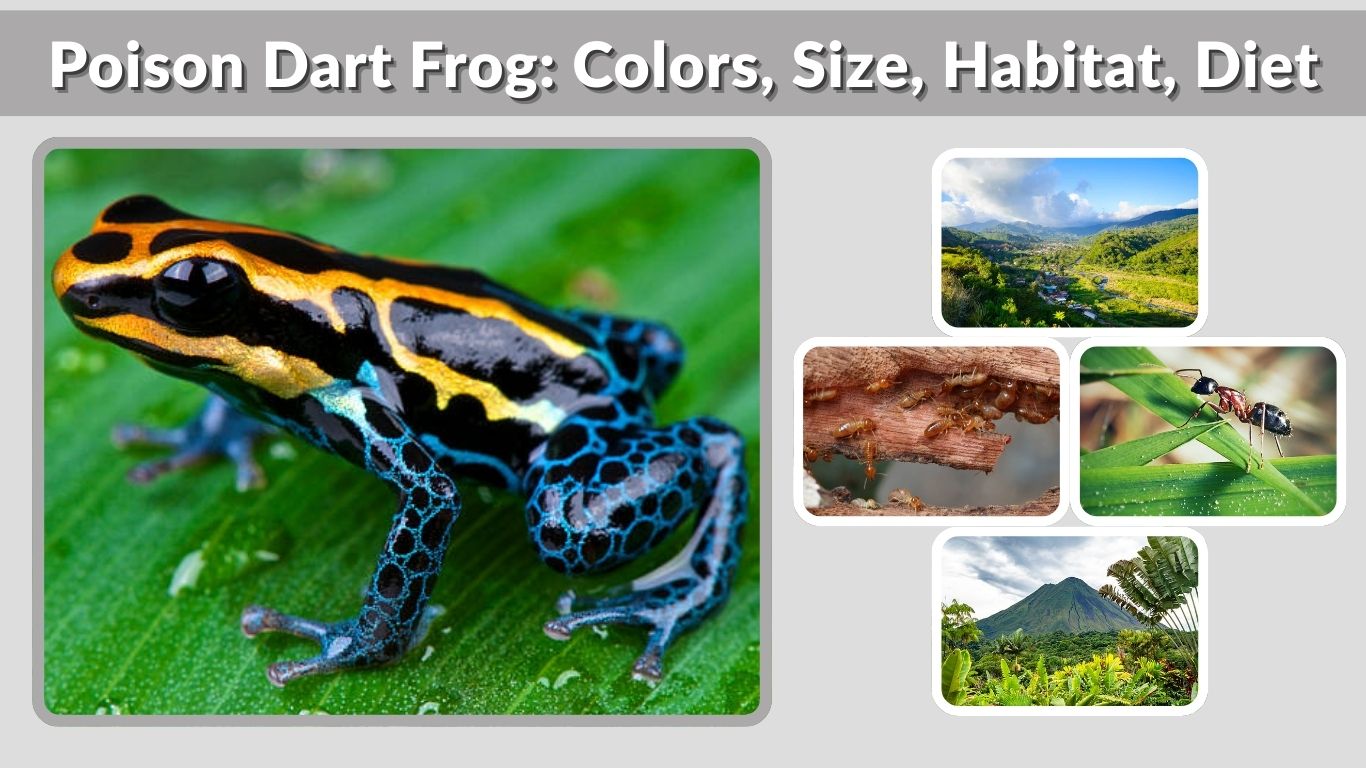
Unlike poison dart frogs, Red-Eyed Tree Frogs are not toxic. Instead, they rely on a clever defensive strategy known as startle coloration.
When a predator such as a snake or bird approaches, the frog suddenly opens its bright red eyes and reveals the vivid blue and yellow stripes along its sides. This unexpected burst of color can startle or momentarily confuse the predator, giving the frog a split second to leap away.
Camouflage
When resting, the frog’s green body blends seamlessly with surrounding leaves. By keeping its limbs tucked close and its eyes closed, it reduces visible color contrast.
This combination of camouflage and sudden visual display makes the Red-Eyed Tree Frog surprisingly effective at avoiding predators.
Diet and Feeding Behavior
What Do Red-Eyed Tree Frogs Eat?
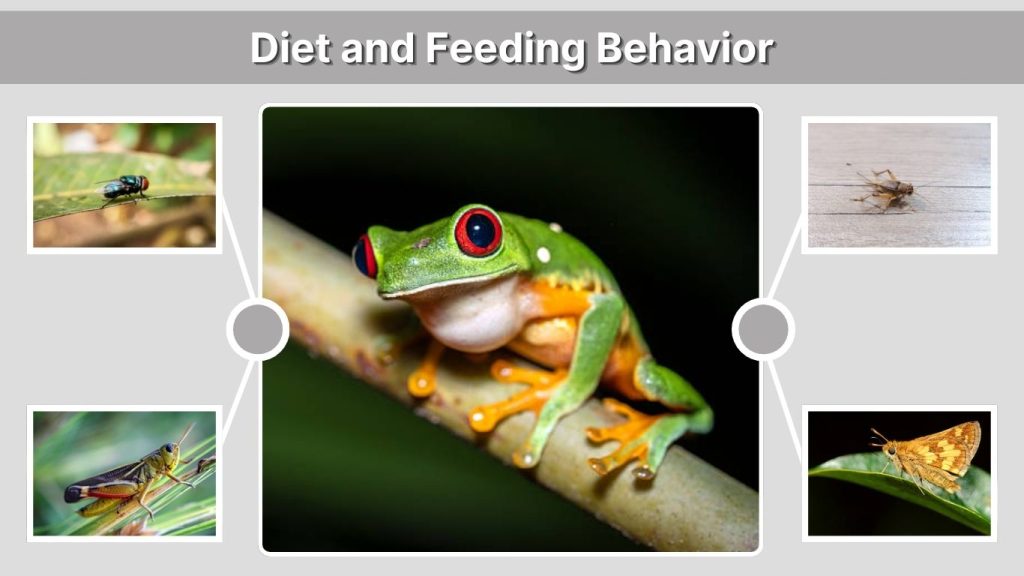
Red-Eyed Tree Frogs are carnivorous and primarily feed on insects and other small invertebrates. Their diet in the wild typically includes:
- Crickets
- Moths
- Flies
- Grasshoppers
- Beetles
- Small spiders
Because they are relatively small frogs, they focus on prey they can easily overpower and swallow whole. Insect availability in tropical rainforests provides a steady and reliable food source throughout most of the year.
Hunting Strategy
Red-Eyed Tree Frogs are nocturnal hunters, meaning they search for food at night. After sunset, they become active and move through branches and leaves in search of insects.
Like most frogs, they use a long, sticky tongue to capture prey. When an insect comes within range, the frog quickly flicks out its tongue and pulls the prey into its mouth in a split second.
Their large eyes provide excellent night vision, allowing them to detect even small movements in low light. This visual advantage is especially useful in dense rainforest vegetation.
Diet in Captivity
In captivity, Red-Eyed Tree Frogs are typically fed gut-loaded crickets, small roaches, and other feeder insects. Insects are often dusted with calcium and vitamin supplements to prevent nutritional deficiencies.
Feeding usually occurs several times per week, depending on the frog’s age and size. Proper nutrition and hydration are essential for maintaining healthy skin and strong bones.
Lifecycle and Reproduction
Breeding Season
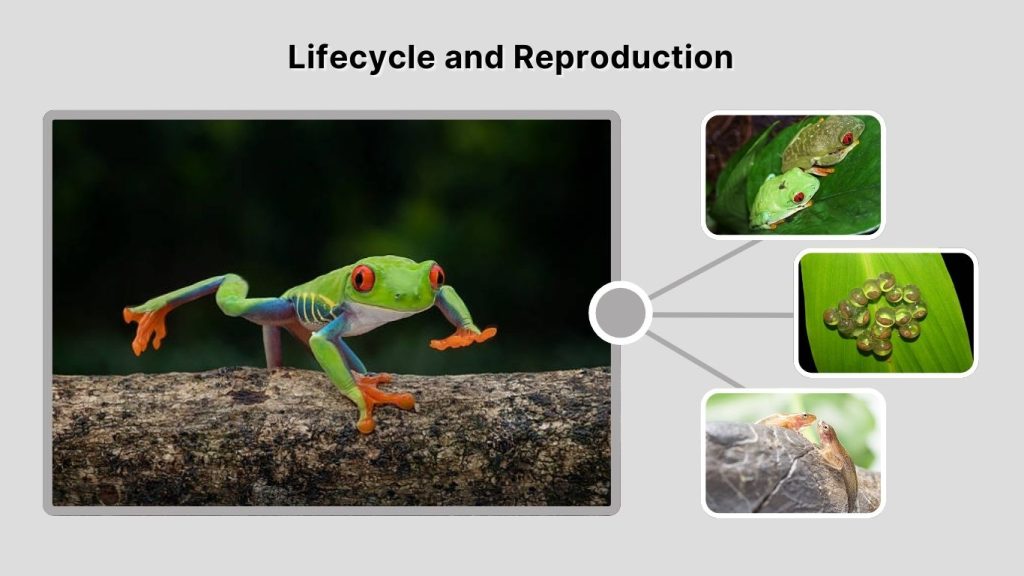
Red-Eyed Tree Frogs breed during the rainy season, when water levels rise and temporary pools form. Increased rainfall creates ideal conditions for egg and tadpole development.
Males call loudly at night to attract females. Their calls are short, repeated croaking sounds that help establish territory and signal readiness to mate.
Egg Stage
After mating, the female lays clusters of eggs on the underside of leaves that hang over water. A typical clutch contains around 20 to 40 eggs.
This strategy protects the eggs from many aquatic predators. The gelatinous egg mass keeps the developing embryos moist and attached to the leaf surface.
Eggs usually hatch within about 6 to 10 days, depending on temperature and humidity.
Interestingly, Red-Eyed Tree Frog embryos can hatch early if they sense danger, such as vibrations from a predator. This early hatching allows them to drop into the water below to escape threats.
Tadpole Stage
When the eggs hatch, the tadpoles fall directly into the water beneath the leaf. There, they begin their fully aquatic stage of life.
Tadpoles feed on algae, plant material, and tiny organic particles in the water. They must grow quickly to reduce their vulnerability to aquatic predators such as fish and insects.
The tadpole stage typically lasts several weeks before metamorphosis begins.
Metamorphosis
During metamorphosis:
- Hind legs develop first
- Front legs emerge
- The tail gradually shrinks and is absorbed
- Lungs become fully functional
As their bodies transform, the young frogs prepare to leave the water. Once metamorphosis is complete, they climb onto nearby vegetation and begin their arboreal lifestyle.
Juvenile frogs are smaller and less brightly colored than adults, but their distinctive red eyes develop as they mature.
Lifespan
Lifespan in the Wild
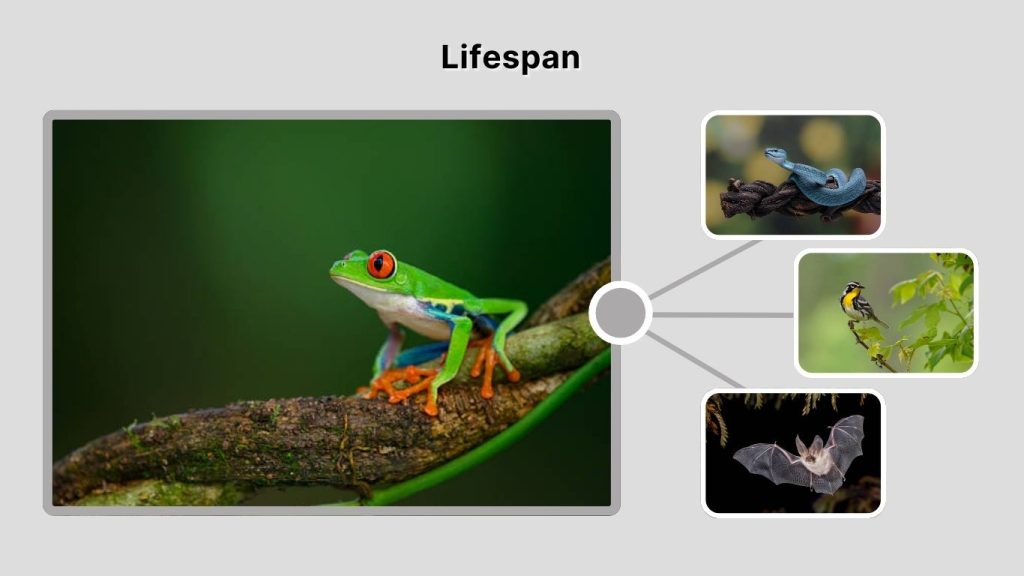
In the wild, Red-Eyed Tree Frogs typically live around 5 years. Survival depends on avoiding predators and maintaining access to healthy habitat.
Predators include snakes, birds, bats, and larger amphibians. Although their defense strategies are effective, they are still vulnerable in both egg and tadpole stages.
Lifespan in Captivity
In captivity, Red-Eyed Tree Frogs often live longer—usually between 8 and 10 years with proper care. Controlled conditions, regular feeding, and protection from predators contribute to their extended lifespan.
Maintaining correct humidity and temperature is essential for preventing stress and disease.
Factors Affecting Lifespan
Several factors influence how long these frogs live:
- Habitat quality
- Availability of clean water
- Predation pressure
- Disease
- Climate changes
Deforestation poses one of the greatest long-term threats by reducing breeding sites and disrupting rainforest ecosystems.
Behavior and Adaptations
Red-Eyed Tree Frogs are mostly solitary outside of breeding season. They spend daylight hours resting quietly and become active at night.
Their sticky toe pads allow them to climb smooth leaves and branches with ease. Long legs enable powerful leaps between plants.
Moist skin helps with respiration and hydration, but it also means they are sensitive to environmental changes. They rely on stable humidity and temperature to survive.
Conservation and Environmental Importance
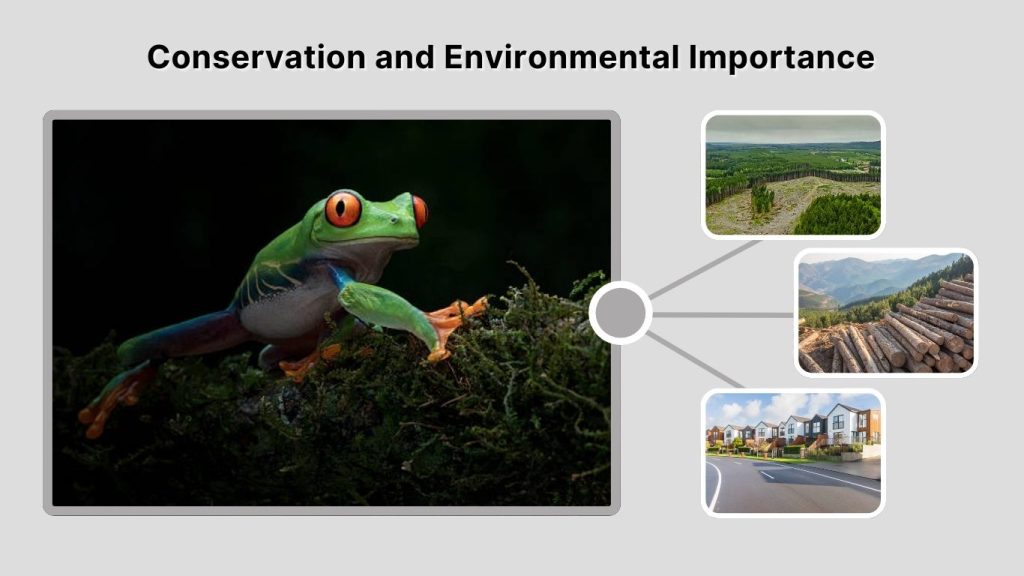
Although currently listed as Least Concern, Red-Eyed Tree Frogs still face environmental challenges. Deforestation for agriculture, logging, and urban development reduces their natural habitat.
As insect predators, they help control insect populations in rainforest ecosystems. They also serve as indicators of environmental health, since amphibians are highly sensitive to pollution and climate change.
Protecting tropical rainforests ensures the survival of not only the Red-Eyed Tree Frog but countless other species that share its habitat.
Conclusion
The Red-Eyed Tree Frog is one of the most iconic amphibians in the world, admired for its vivid green body, striking red eyes, and colorful blue and yellow markings. Native to Central American rainforests, it thrives in humid, tree-filled environments near water.
From its nocturnal hunting habits to its unique egg-laying strategy on leaves above ponds, this frog demonstrates fascinating adaptations for survival. While not poisonous, its clever defense tactics and camouflage make it well-equipped for life in the rainforest canopy. Protecting its habitat remains essential for preserving this remarkable species.