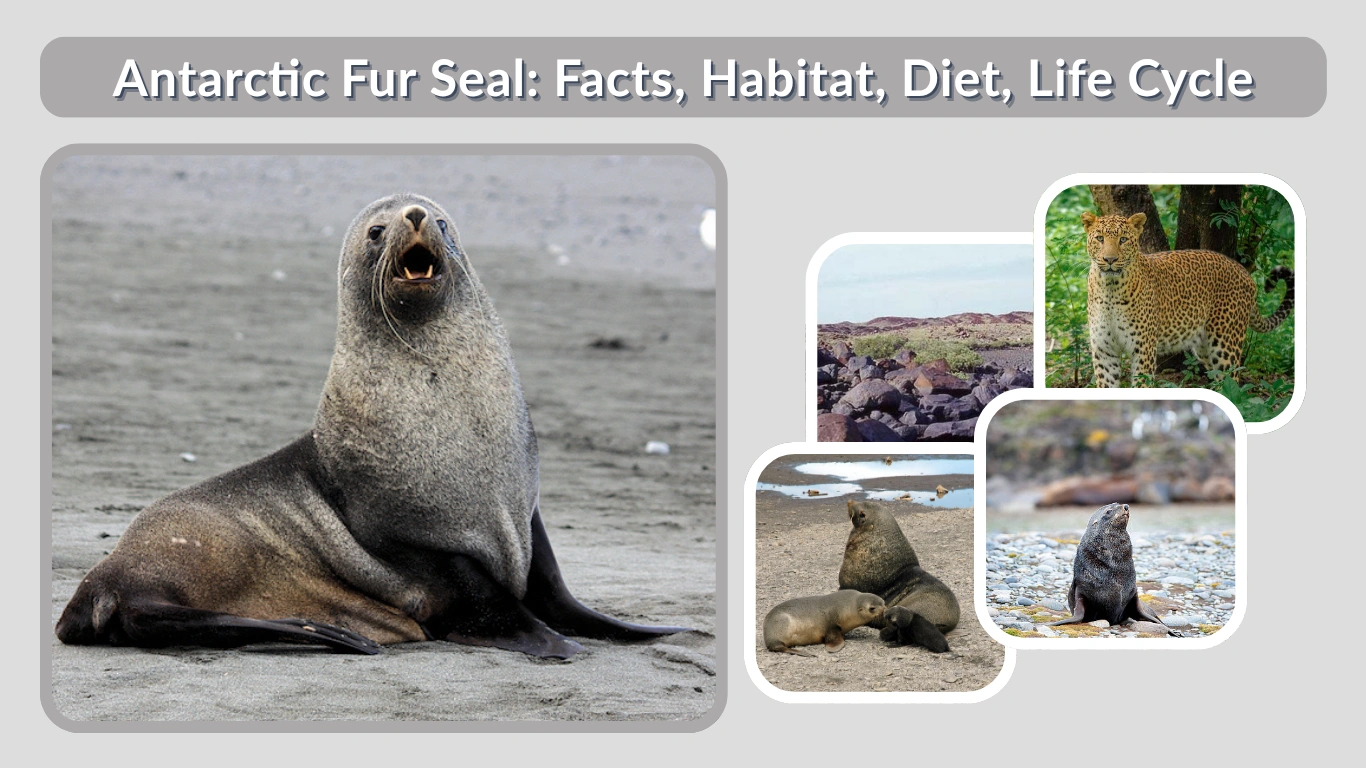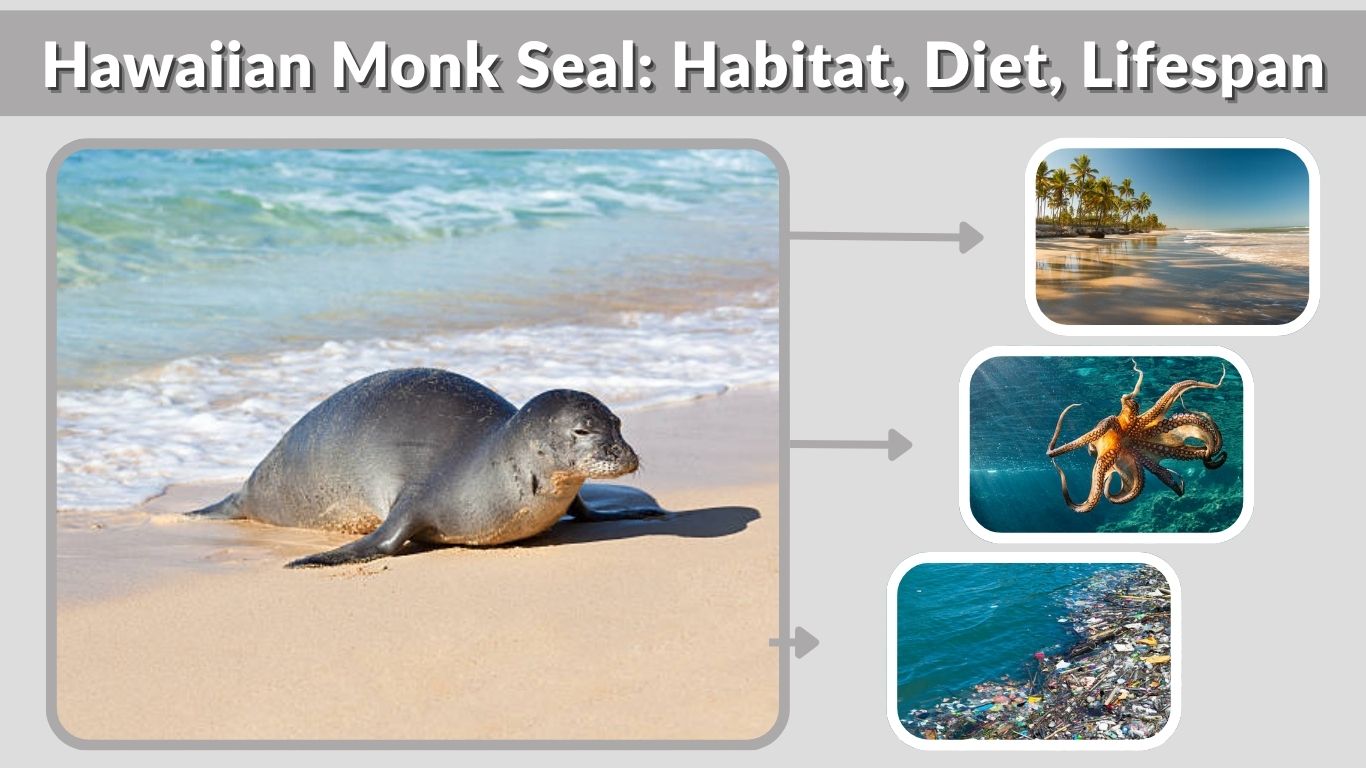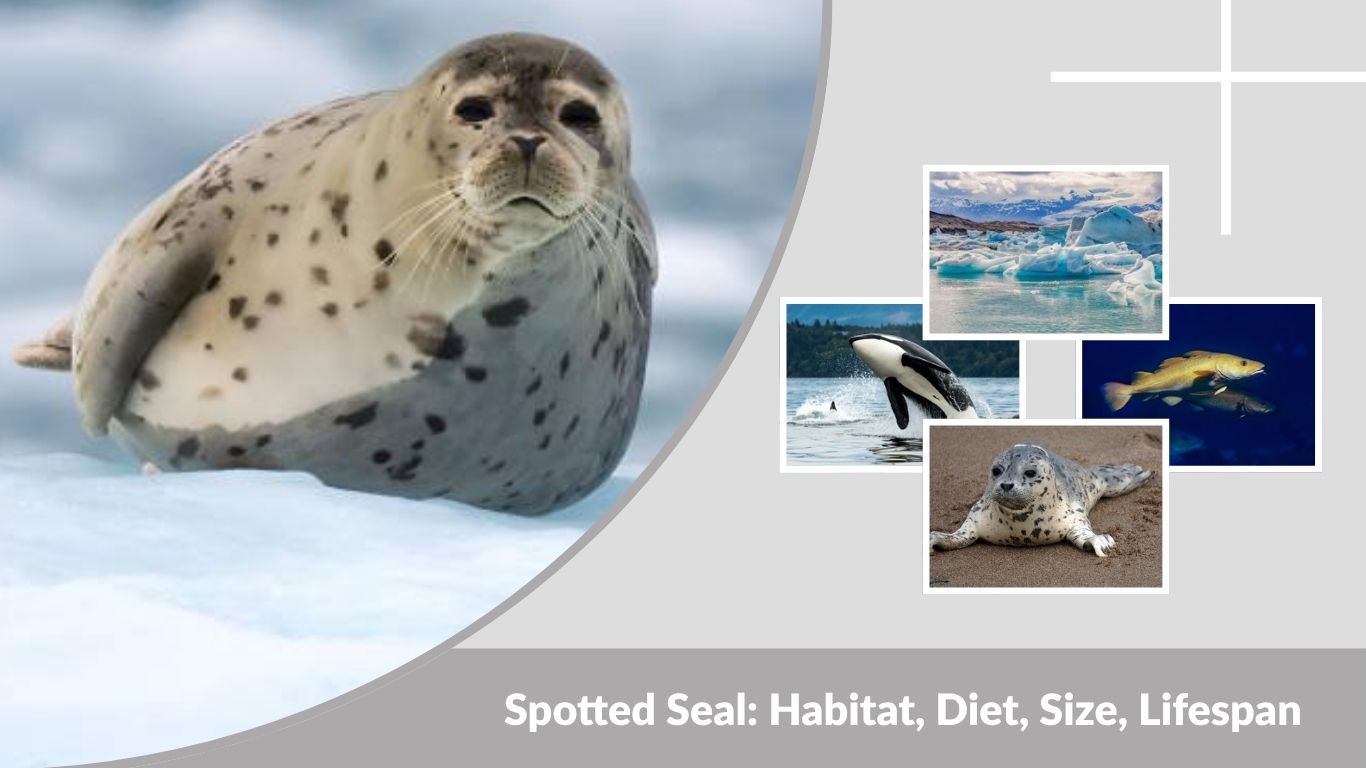





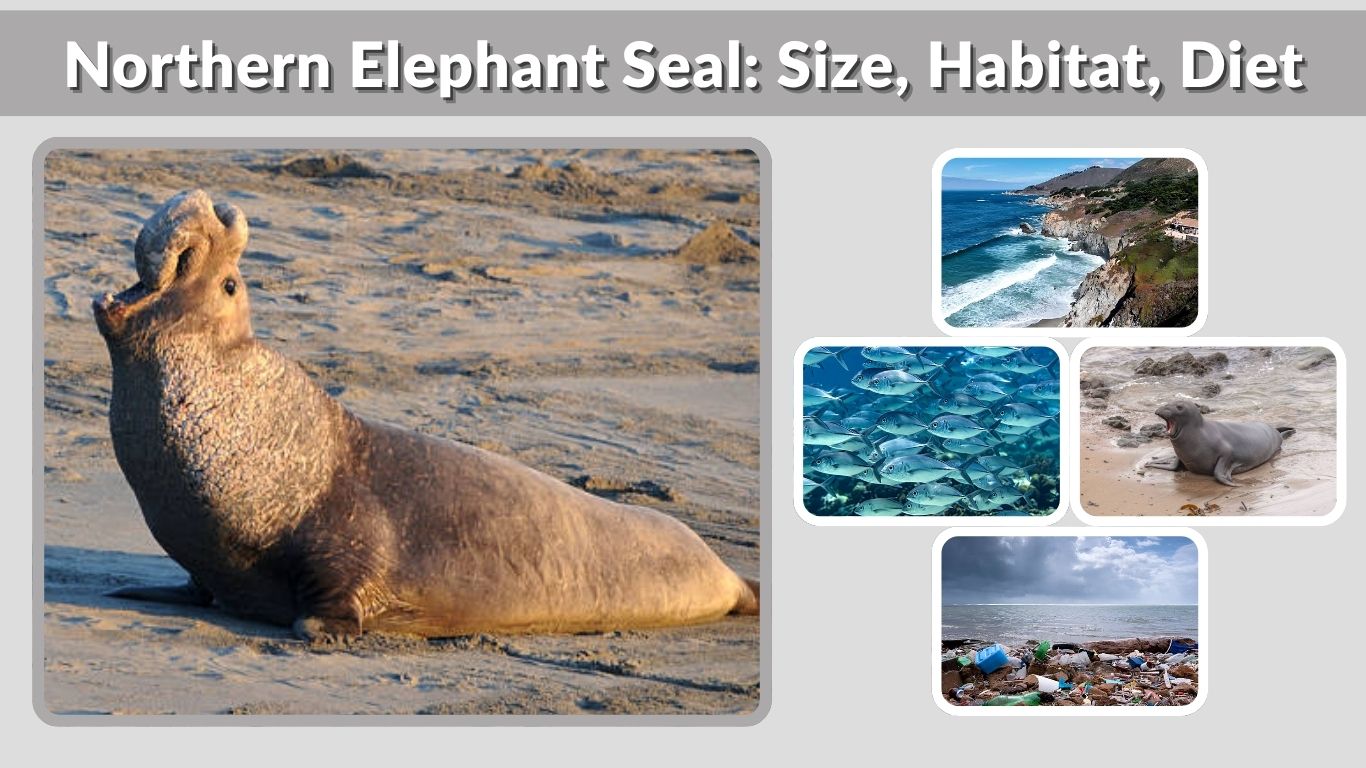
The northern elephant seal is one of the most impressive marine mammals in the world, known for its enormous size and distinctive trunk-like nose. Found along the Pacific coast of North America, this species is famous for its deep-diving abilities and dramatic breeding behavior. Once hunted nearly to extinction, the northern elephant seal has made a remarkable recovery. In this article, we’ll explore its size, habitat, diet, and fascinating facts that make it one of the ocean’s most extraordinary animals.
What is a Northern Elephant Seal?
Scientific Classification
The northern elephant seal’s scientific name is Mirounga angustirostris. It belongs to the family Phocidae, also known as true seals. Unlike sea lions, true seals lack external ear flaps and rely on their powerful bodies for movement in water.
This species is closely related to the southern elephant seal, but it is found in the Northern Hemisphere, mainly along the Pacific coastline.
Physical Description
Northern elephant seals are the largest seal species in the Northern Hemisphere. They are especially known for the dramatic difference in size between males and females.
Adult males, also called bulls, develop a large, inflatable nose known as a proboscis. This structure is used to produce loud roaring sounds during the breeding season and to establish dominance over other males.
Their bodies are thick and covered with a layer of blubber, which helps them survive in cold ocean waters. Their skin is typically gray or brown, often appearing wrinkled and rough.
Northern Elephant Seal Size and Weight
How Big Are Northern Elephant Seals?
Northern elephant seals are truly massive animals. Adult males can grow up to 4 to 5 meters (13 to 16 feet) in length, making them one of the largest pinnipeds in the world.
Females are significantly smaller, usually measuring around 2.5 to 3 meters (8 to 10 feet). This size difference is a clear example of sexual dimorphism, where males and females of the same species differ greatly in appearance.
Weight Comparison
Male northern elephant seals can weigh between 1,500 and over 2,000 kilograms, with some exceptionally large individuals exceeding this range.
Females, on the other hand, typically weigh between 400 and 900 kilograms. This dramatic weight difference plays an important role during the breeding season, where larger males compete for dominance.
Why Are They So Large?
Their massive size is an important adaptation for survival. The thick layer of blubber not only provides insulation against cold water but also acts as an energy reserve.
During long periods at sea, especially while diving and hunting, northern elephant seals rely on stored fat for energy. Their large bodies also help them dive deeper and stay underwater longer than many other marine mammals.
Northern Elephant Seal Habitat
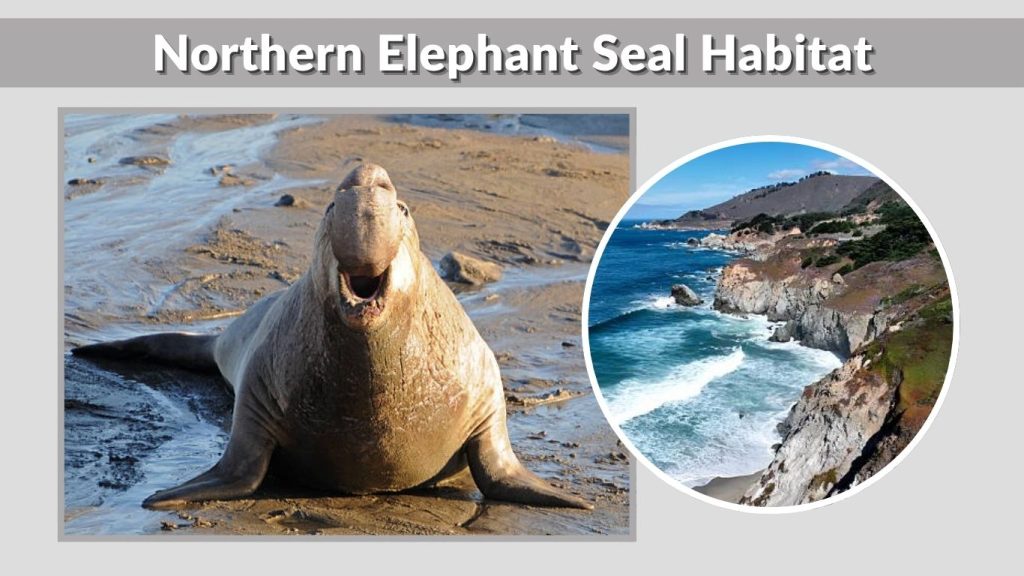
Where Do Northern Elephant Seals Live?
Northern elephant seals are found along the Pacific coast of North America. Their range extends from Alaska down to Baja California in Mexico.
They spend most of their lives in the open ocean, far from land. However, they return to specific coastal beaches for breeding and molting.
Migration Patterns
These seals are known for their incredible long-distance migrations. After the breeding season, they travel thousands of kilometers into the open ocean in search of food.
They typically migrate twice a year—once after breeding and once after molting. During these journeys, they spend most of their time at sea, diving continuously in search of prey.
Despite traveling vast distances, they return to the same beaches year after year, showing a strong sense of site fidelity.
Northern Elephant Seal Diet
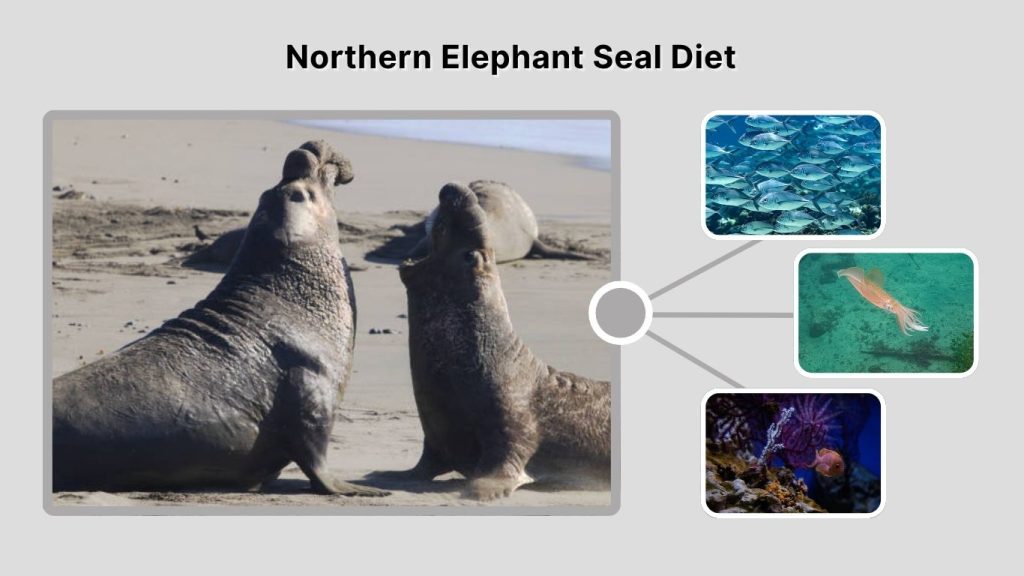
What Does a Northern Elephant Seal Eat?
Northern elephant seals are carnivorous and primarily feed on fish, squid, and other deep-sea organisms. Their diet mainly consists of species that live far below the ocean surface.
They are especially skilled at hunting squid, which forms a significant part of their diet during long ocean journeys.
Hunting Behavior
One of the most remarkable abilities of the northern elephant seal is its deep-diving skill. These seals can dive to depths of over 1,000 meters (3,300 feet) and remain underwater for more than an hour.
They spend most of their lives diving and foraging, coming to the surface only briefly between dives. This constant diving behavior allows them to efficiently search for food in deep ocean waters.
Feeding Adaptations
Northern elephant seals have several adaptations that make them exceptional divers. They can store large amounts of oxygen in their blood and muscles, allowing them to stay underwater for long periods.
Their heart rate slows down during dives, conserving oxygen and enabling them to explore deep parts of the ocean where few predators can follow.
Northern Elephant Seal Facts
Population Recovery
Northern elephant seals have one of the most remarkable conservation success stories. In the 19th century, they were hunted extensively for their blubber, which was used to produce oil.
At one point, it was believed that the species had been driven to extinction. However, a small surviving population was discovered, and strict protection measures were put in place.
Today, their population has rebounded to over 100,000 individuals, making them a strong example of successful wildlife conservation.
Unique Adaptations
One of the most distinctive features of the northern elephant seal is the male’s large proboscis, or trunk-like nose. This structure amplifies their loud calls, which are used during the breeding season to establish dominance and warn off rivals.
Another remarkable adaptation is their ability to dive extremely deep and remain underwater for extended periods. Their bodies are specially designed to store oxygen efficiently, allowing them to explore deep-sea environments where food is abundant.
Predators
Despite their large size, northern elephant seals are not without predators. The main threats come from great white sharks and killer whales (orcas).
Young seals and females are more vulnerable, especially when they are near the surface or close to shore. Adult males, due to their massive size, face fewer risks but are still not completely safe from these powerful predators.
Behavior
Northern elephant seals display fascinating social behavior, particularly during the breeding season. Dominant males establish territories on beaches and control groups of females known as harems.
These males engage in intense battles, using their size and strength to compete with rivals. Their loud vocalizations play a key role in these confrontations.
Outside of the breeding season, however, they are mostly solitary and spend the majority of their time alone in the open ocean.
Northern Elephant Seal Baby (Pups)
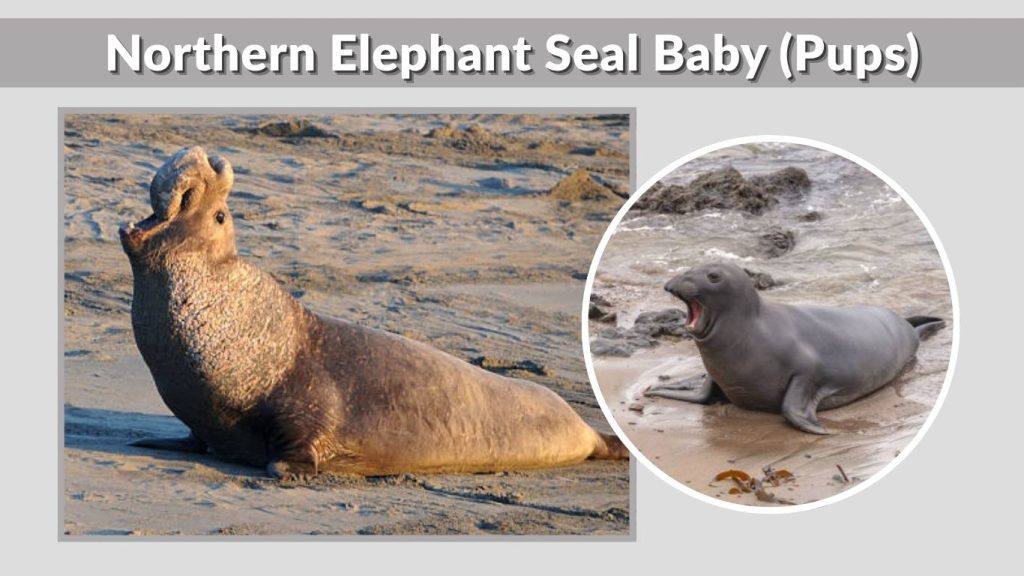
Breeding Season
Northern elephant seals breed during the winter months, typically from December to March. They gather on sandy or rocky beaches along the Pacific coast to mate and give birth.
Large colonies form during this time, with dominant males guarding their harems.
Appearance of Pups
Newborn pups are born with a thick black coat, which is why they are often called “black pups.” This coat helps protect them during their early days on land.
As they grow, they shed this dark fur and develop the lighter coloration seen in adults.
Maternal Care
Mother elephant seals provide intense care for their pups during a short nursing period of about three to four weeks. During this time, the mother produces extremely rich milk, allowing the pup to gain weight rapidly.
After weaning, the mother returns to the ocean, leaving the pup to survive on its own. The pup must then learn to swim and hunt, relying on its stored fat reserves for energy.
Life Cycle and Lifespan
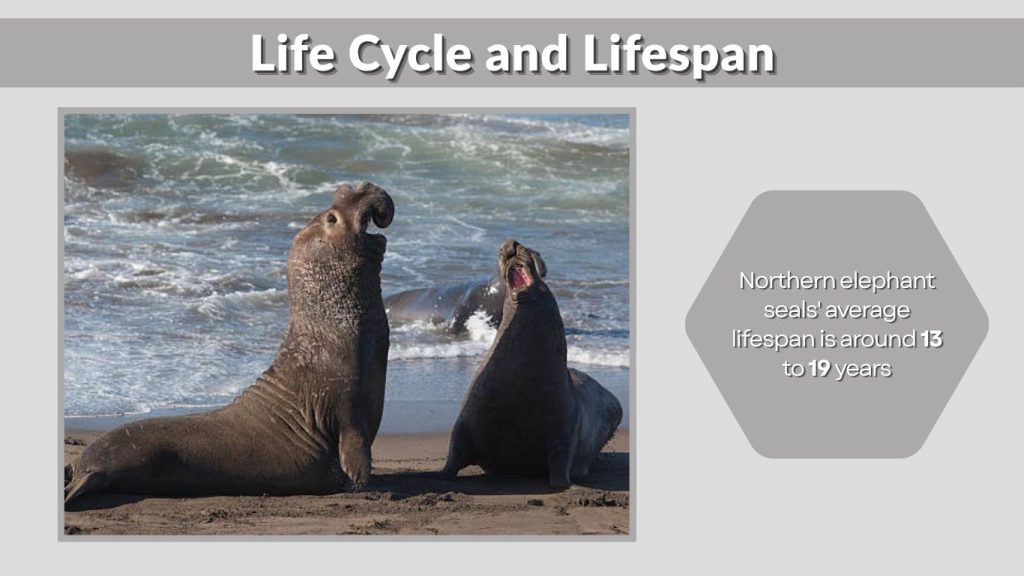
Northern elephant seals go through several life stages, from dependent pups to fully grown adults capable of long migrations and deep diving.
Males and females have different life strategies. Males grow much larger and compete for breeding opportunities, while females focus on reproduction and survival.
The average lifespan is around 13 to 19 years for females and slightly shorter for males, mainly due to the physical stress of competition and fighting.
Role in the Ecosystem
Northern elephant seals are important predators in the marine ecosystem. By feeding on fish and squid, they help regulate populations of deep-sea species.
They also serve as prey for apex predators like sharks and orcas, making them an essential part of the ocean food chain.
Their deep-diving behavior also contributes to nutrient cycling in the ocean, linking surface and deep-water ecosystems.
Threats and Conservation
Historical Threats
In the 1800s, northern elephant seals were hunted heavily for their blubber, which was used to produce oil. This nearly drove the species to extinction.
Current Threats
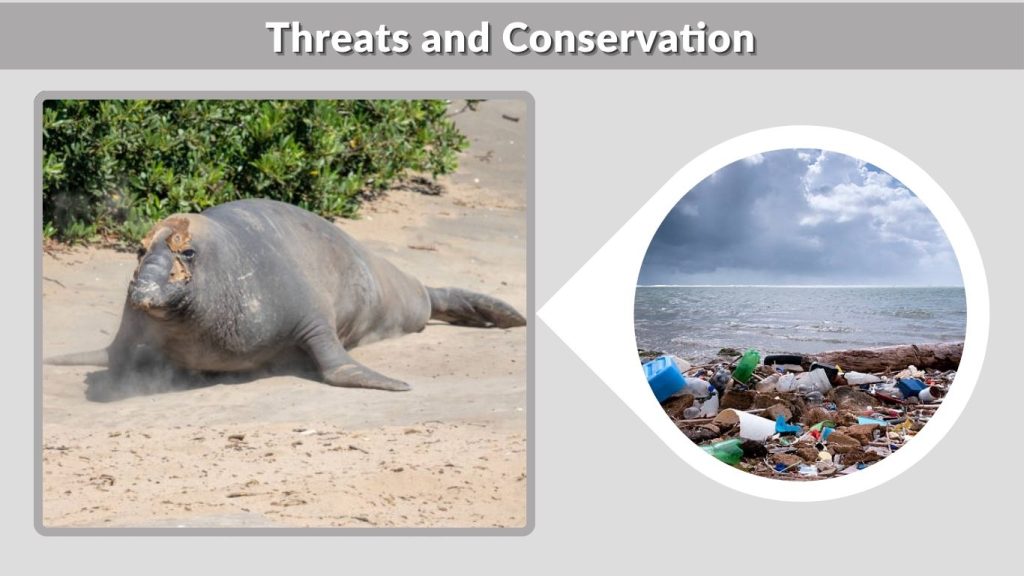
Today, they face fewer direct threats from humans, but environmental changes remain a concern. Climate change, ocean pollution, and changes in prey availability could impact their future.
Human disturbance at breeding sites can also affect their behavior, especially during sensitive periods like mating and pupping.
Conservation Status
Northern elephant seals are now considered a conservation success story. Thanks to protective laws and conservation efforts, their population has recovered significantly.
They are currently not endangered, but ongoing monitoring is essential to ensure their continued survival.
Interesting Facts About Northern Elephant Seals
- They are the largest seals in the Northern Hemisphere.
- Males can weigh more than a small car.
- They can hold their breath for over an hour.
- They spend about 90% of their lives in the ocean.
- They return to the same beaches every year to breed and molt.
FAQs
What is a northern elephant seal?
A northern elephant seal is a large marine mammal known for its size, deep-diving ability, and the male’s distinctive trunk-like nose.
How big are northern elephant seals?
Males can reach up to 5 meters in length and weigh over 2,000 kilograms, while females are smaller.
Where do northern elephant seals live?
They live along the Pacific coast of North America, from Alaska to Mexico.
What do northern elephant seals eat?
They primarily eat fish, squid, and other deep-sea organisms.
Are northern elephant seals endangered?
No, they are not currently endangered and have made a strong population recovery.
Conclusion
The northern elephant seal is a remarkable example of resilience and adaptation in the marine world. From its massive size and deep-diving abilities to its dramatic breeding behavior, this species stands out among ocean mammals. Once on the brink of extinction, it has made an incredible recovery, highlighting the importance of conservation efforts. As environmental challenges continue to grow, protecting species like the northern elephant seal remains essential for maintaining the balance of marine ecosystems.