





The Mediterranean monk seal is one of the rarest and most endangered seal species in the world. Once widespread across the Mediterranean Sea, this elusive marine mammal is now found only in small, isolated populations. Known for its shy nature and preference for remote coastal caves, the Mediterranean monk seal plays an important role in marine ecosystems. In this article, we will explore its habitat, diet, population status, and fascinating facts about this critically endangered species.
What is a Mediterranean Monk Seal?
Scientific Classification
The Mediterranean monk seal’s scientific name is Monachus monachus. It belongs to the family Phocidae, also known as true seals. These seals lack external ear flaps and are well adapted for life in the water.
The Mediterranean monk seal is one of the few remaining monk seal species, making it especially important from a conservation perspective.
Physical Description
Mediterranean monk seals are medium-sized seals with a streamlined body adapted for swimming. Adults typically measure between 2.3 and 2.8 meters in length and weigh around 240 to 300 kilograms.
Their fur is usually dark brown or gray, with a lighter underside. Some individuals have a distinctive white patch on their belly.
They have a rounded head, large eyes, and short flippers, which help them move efficiently through the water. A thick layer of blubber provides insulation and energy storage.
Mediterranean Monk Seal Size and Physical Traits
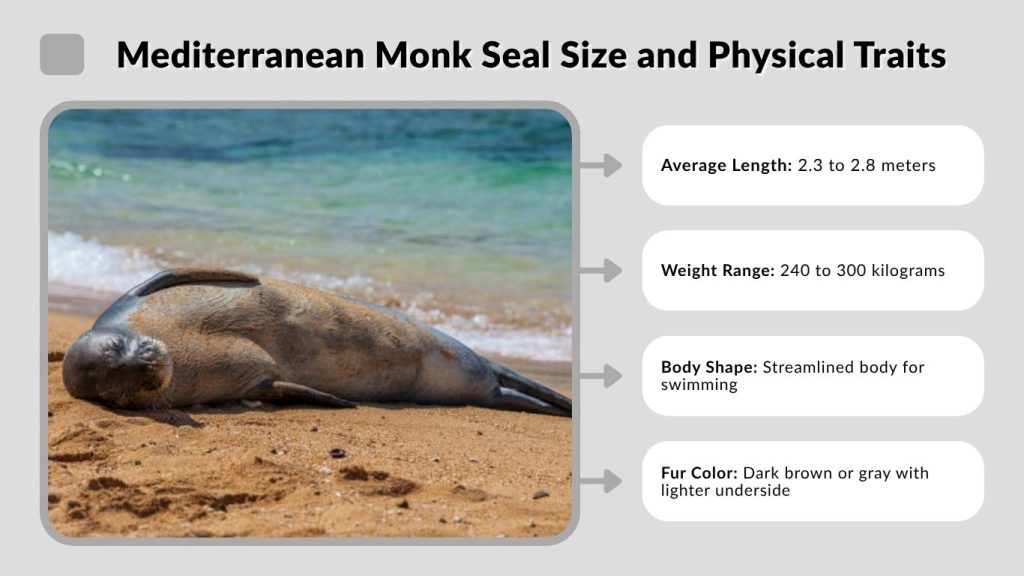
The Mediterranean monk seal has a strong and agile body that allows it to survive in coastal marine environments. Unlike many cold-water seals, it is adapted to warmer waters and rocky shorelines.
Key Size and Physical Traits
- Average Length: 2.3 to 2.8 meters (7.5–9 feet)
- Weight Range: 240 to 300 kilograms
- Body Shape: Streamlined body for swimming
- Fur Color: Dark brown or gray with lighter underside
- Blubber Layer: Provides insulation and energy storage
- Head Shape: Rounded head with large eyes
- Flippers: Short but powerful for maneuvering
- Adaptation: Suited for warmer waters and coastal living
Mediterranean Monk Seal Habitat
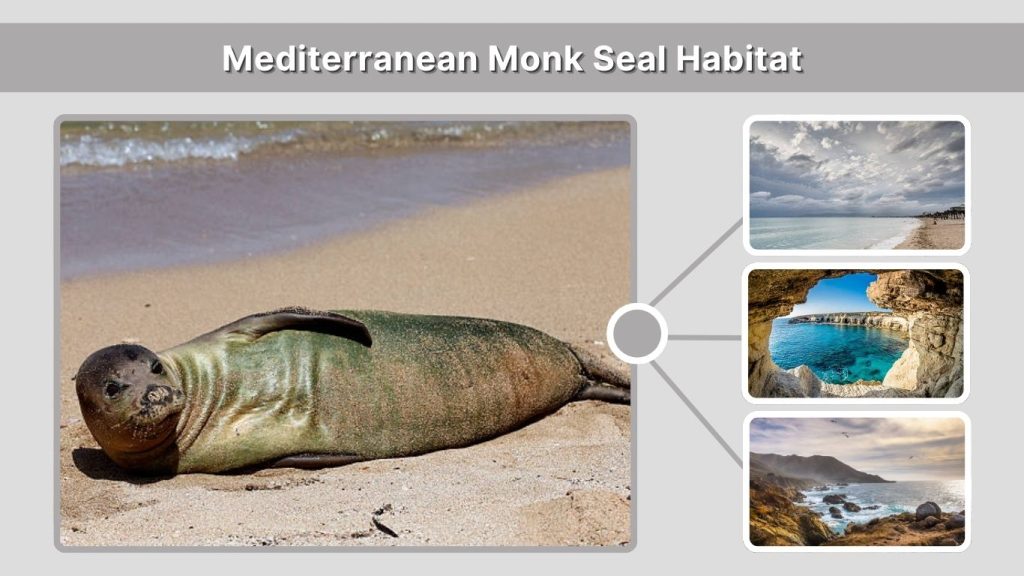
Where Do Mediterranean Monk Seals Live?
Mediterranean monk seals are found in parts of the Mediterranean Sea and nearby eastern Atlantic regions. The largest populations are located around Greece, Turkey, and the Madeira archipelago.
They prefer remote and isolated areas where human activity is minimal, which helps them avoid disturbance.
Habitat Preferences
Unlike many seals that rest on open beaches, Mediterranean monk seals often use sea caves and rocky coastlines for shelter. These caves provide protection from predators and human interference.
They typically choose caves with underwater entrances, allowing them to enter and exit safely while remaining hidden.
Habitat Challenges
One of the biggest challenges facing Mediterranean monk seals is habitat loss. Coastal development, tourism, and human disturbance have reduced the availability of suitable resting and breeding sites.
As a result, these seals are forced into more secluded and sometimes less ideal environments.
Mediterranean Monk Seal Diet
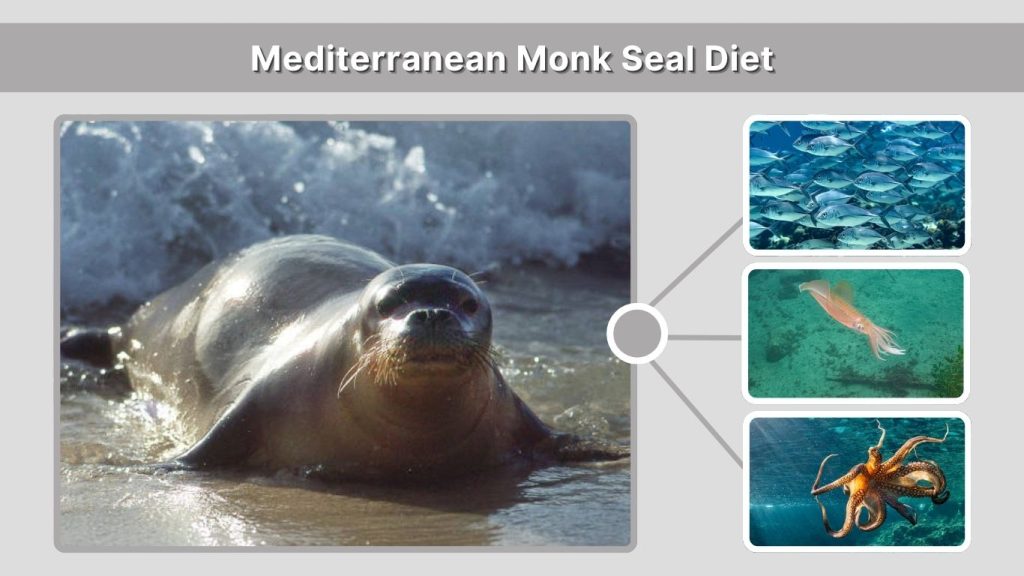
What Does a Mediterranean Monk Seal Eat?
Mediterranean monk seals are carnivorous and primarily feed on fish, squid, and octopus. Their diet depends on what is available in their coastal environment.
They often hunt in shallow waters, making them important predators in coastal ecosystems.
Hunting Behavior
These seals are skilled hunters that usually forage at night. Nocturnal feeding helps them avoid human activity and increases their chances of catching prey.
They use their agility and speed to chase fish and other marine animals in coastal waters.
Feeding Adaptations
Mediterranean monk seals have strong jaws and sharp teeth, which help them capture and consume prey. Their large eyes provide good underwater vision, even in low-light conditions.
Their streamlined bodies allow them to move efficiently through the water while hunting.
Mediterranean Monk Seal Facts
Rarity and Population
The Mediterranean monk seal is considered one of the most endangered marine mammals in the world. It is estimated that only around 600 to 700 individuals remain in the wild.
This small population makes conservation efforts critical for the survival of the species.
Behavior
Mediterranean monk seals are shy and solitary animals. They tend to avoid humans and are rarely seen in busy coastal areas.
Most of the time, they are found alone or in small groups, resting in caves or swimming quietly along the coast.
Predators
Unlike many other seal species, Mediterranean monk seals have few natural predators. However, young pups may occasionally be vulnerable to larger marine animals.
The greatest threats to their survival come from human activities rather than natural predators.
Communication
Mediterranean monk seals use a variety of sounds and body movements to communicate. These include growls, barks, and other vocalizations, especially during interactions between mothers and pups or during mating periods.
Although they are generally quiet animals, communication becomes more important during breeding and social encounters.
Mediterranean Monk Seal Baby (Pups)
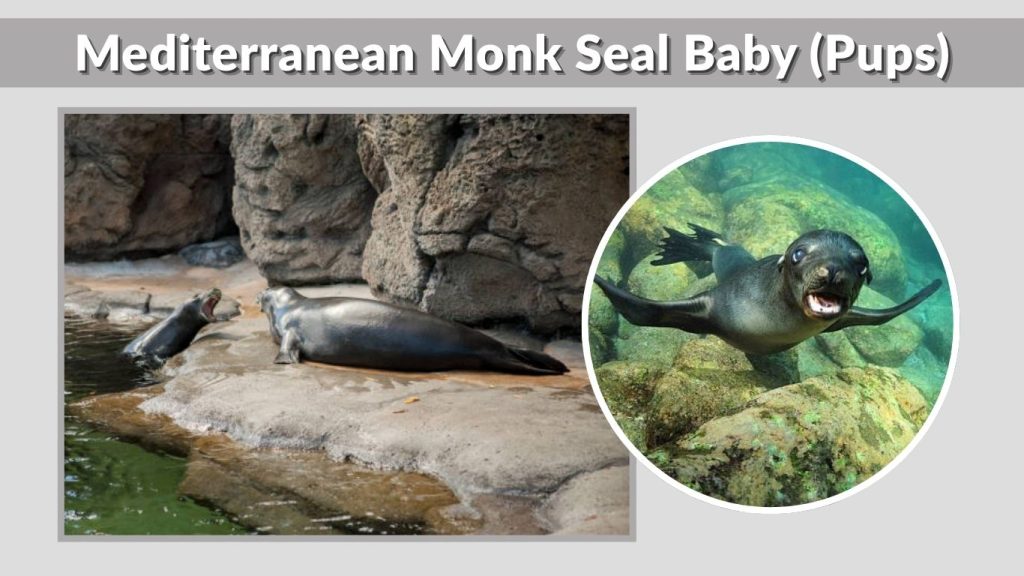
Breeding Season
Mediterranean monk seals can breed throughout the year, although there are peak periods depending on location. Unlike many other seals, they often give birth inside sea caves rather than on open beaches.
These secluded environments provide protection from predators and human disturbance.
Appearance of Pups
Newborn pups are usually dark brown or black with a distinctive white patch on their belly. This marking is one of the identifying features of the species.
Their soft fur helps keep them warm during the early stages of life.
Maternal Care
Mother monk seals are highly protective of their pups. They nurse them with rich, fatty milk, allowing the pups to grow quickly.
The nursing period lasts several weeks, during which the mother stays close to ensure the pup’s safety. After weaning, the pup begins to explore the water and learn basic survival skills.
Mediterranean Monk Seal Lifespan
Average Lifespan
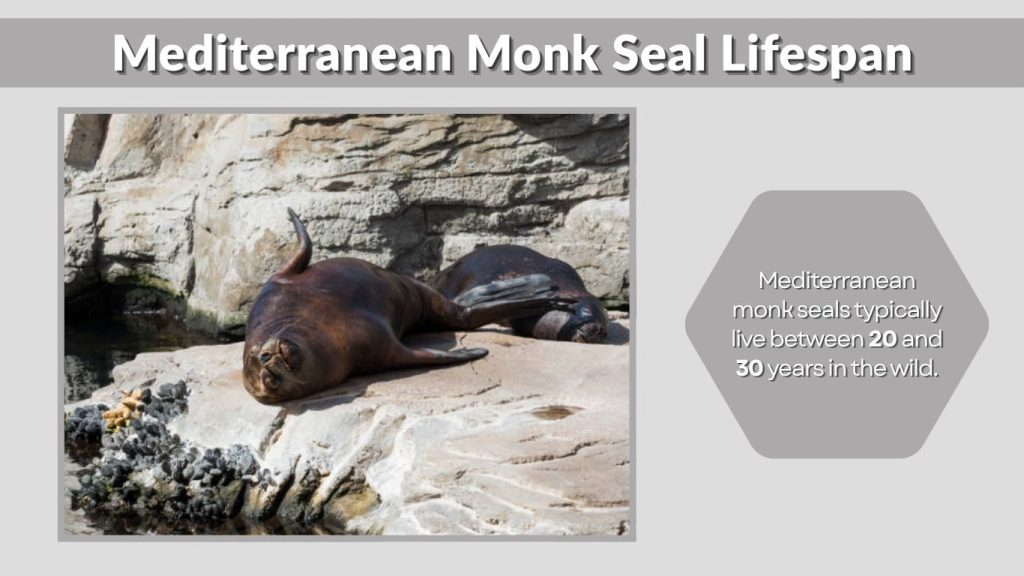
Mediterranean monk seals typically live between 20 and 30 years in the wild. Their lifespan can vary depending on environmental conditions and threats.
Factors Affecting Lifespan
Several factors influence their lifespan, including food availability, habitat quality, and human-related threats. Pollution and entanglement in fishing gear can significantly impact survival.
Healthy environments and protected habitats are key to ensuring longer lifespans.
Life Cycle of Mediterranean Monk Seal
Birth Stage
The life cycle begins with the birth of pups in coastal caves. At this stage, they are completely dependent on their mother for nourishment and protection.
Juvenile Stage
After weaning, young seals enter the juvenile stage. They begin learning how to swim, dive, and hunt for food. This is a crucial period for developing independence.
Adult Stage
As adults, Mediterranean monk seals become skilled hunters and continue the cycle by reproducing. They maintain a largely solitary lifestyle, returning to caves for resting and breeding.
Role in the Ecosystem
Mediterranean monk seals are important predators in coastal marine ecosystems. By feeding on fish and other marine animals, they help maintain a balance in the food chain.
Their presence is also an indicator of a healthy marine environment, making them a key species for conservation.
Threats and Conservation
Historical Threats
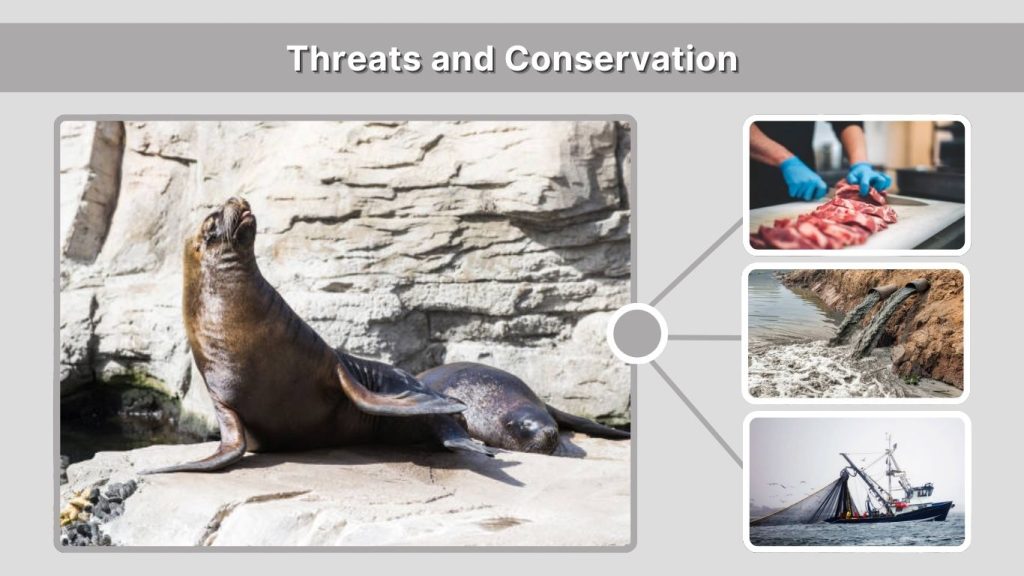
In the past, Mediterranean monk seals were heavily hunted for their fur, oil, and meat. This led to a dramatic decline in their population.
Current Threats
Today, the biggest threats include habitat loss, pollution, and accidental capture in fishing nets. Coastal development and tourism have also reduced safe breeding areas.
Human disturbance is one of the main reasons these seals have retreated to isolated caves.
Conservation Status
The Mediterranean monk seal is classified as “Critically Endangered” by the IUCN. Conservation efforts focus on protecting habitats, reducing human impact, and raising awareness.
Protected areas and stricter regulations have helped stabilize some populations, but continued efforts are essential.
Interesting Facts About Mediterranean Monk Seals
- They are one of the rarest seal species in the world.
- They prefer living in hidden sea caves rather than open beaches.
- They are shy and avoid human interaction.
- Their population is estimated at only a few hundred individuals.
- They are considered a symbol of marine conservation.
FAQs
What is a Mediterranean monk seal?
A Mediterranean monk seal is a rare and endangered seal species found in the Mediterranean Sea and nearby Atlantic regions.
Where do Mediterranean monk seals live?
They live in coastal areas of the Mediterranean Sea and parts of the eastern Atlantic, especially Greece, Turkey, and Madeira.
What do Mediterranean monk seals eat?
They eat fish, squid, and octopus.
How many Mediterranean monk seals are left?
There are an estimated 600 to 700 individuals remaining in the wild.
Why are Mediterranean monk seals endangered?
They are endangered due to habitat loss, human disturbance, pollution, and fishing-related threats.
Conclusion
The Mediterranean monk seal is a rare and remarkable marine mammal that plays a vital role in coastal ecosystems. Despite its adaptability, it faces serious threats from human activity and environmental change. With only a small population remaining, conservation efforts are more important than ever. Protecting this species not only helps preserve biodiversity but also ensures the health of marine environments for future generations.