




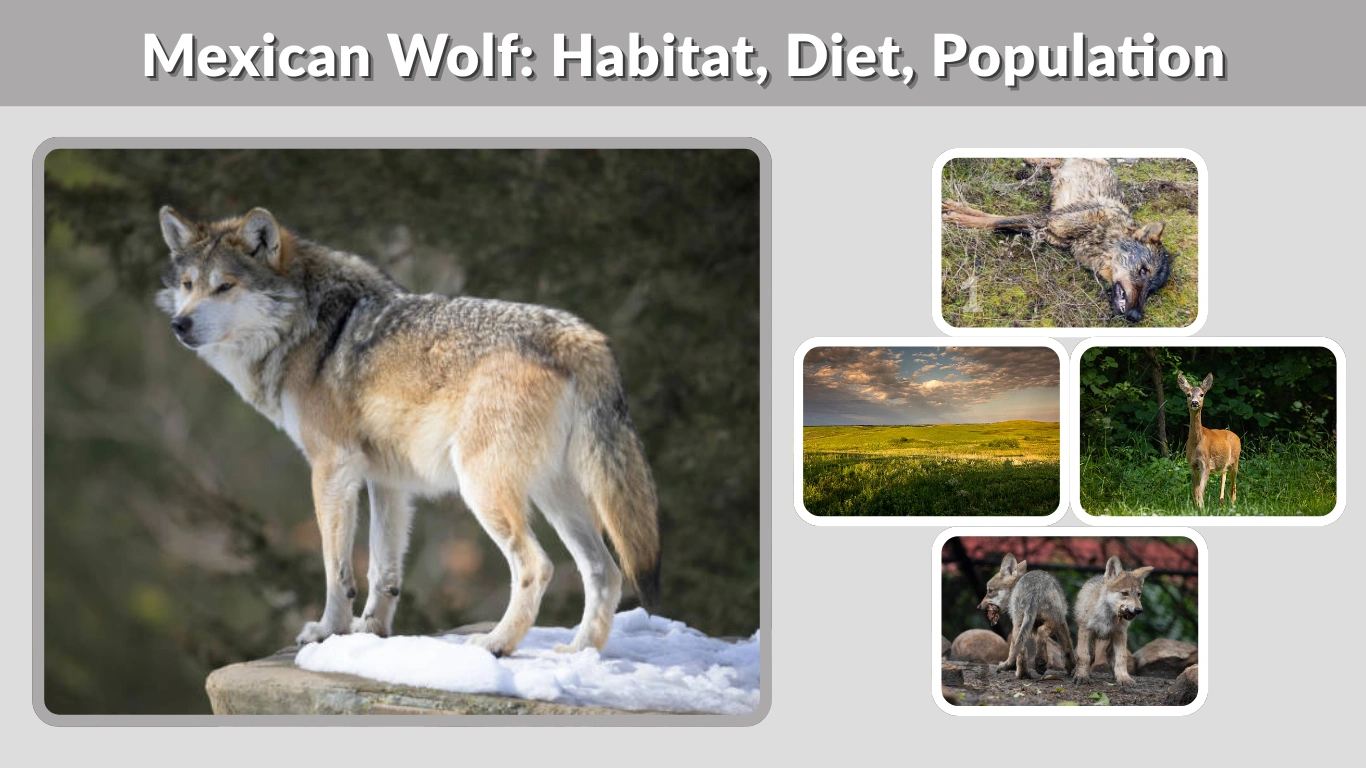
The Mexican wolf (Canis lupus baileyi), also known as the Mexican gray wolf, is the smallest subspecies of the gray wolf in North America. Once widespread across the southwestern United States and Mexico, this wolf has faced near extinction due to human activities such as hunting and habitat destruction.
Today, the Mexican wolf is one of the most endangered wolves in the world, but conservation efforts have helped bring it back from the brink. Its survival story is a powerful example of wildlife recovery and the importance of protecting biodiversity. Understanding this species is essential for appreciating its ecological role and the challenges it continues to face.
What is the Mexican Wolf?
Taxonomy and Classification
The Mexican wolf belongs to the species Canis lupus, which includes all gray wolves. Its subspecies name, baileyi, distinguishes it from other North American wolves. It is part of the Canidae family, making it closely related to domestic dogs, coyotes, and foxes.
Why It’s Called the Smallest Gray Wolf
The Mexican wolf is recognized as the smallest subspecies of the gray wolf. Its smaller size is an adaptation to the warmer climates of the southwestern United States and Mexico. This compact body allows it to survive efficiently in rugged and often arid environments.
Mexican Wolf Habitat and Distribution
Historical Range
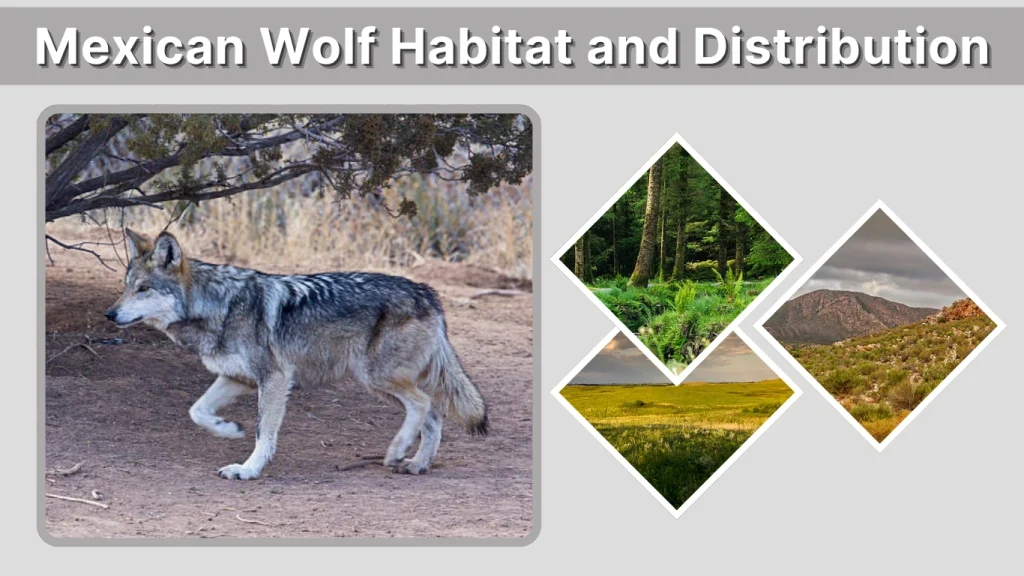
Historically, Mexican wolves roamed across a wide area that included Arizona, New Mexico, Texas, and much of northern and central Mexico. They thrived in diverse habitats ranging from forests to deserts.
Current Distribution
Today, their range is much more limited. Most Mexican wolves live in protected areas in Arizona and New Mexico, with smaller populations in northern Mexico. These populations are the result of reintroduction programs aimed at restoring the species.
Preferred Ecosystems
Mexican wolves can adapt to various environments, including pine forests, grasslands, and desert regions. They prefer areas with sufficient prey and cover, which allow them to hunt and avoid human disturbance.
Mexican Wolf Physical Characteristics
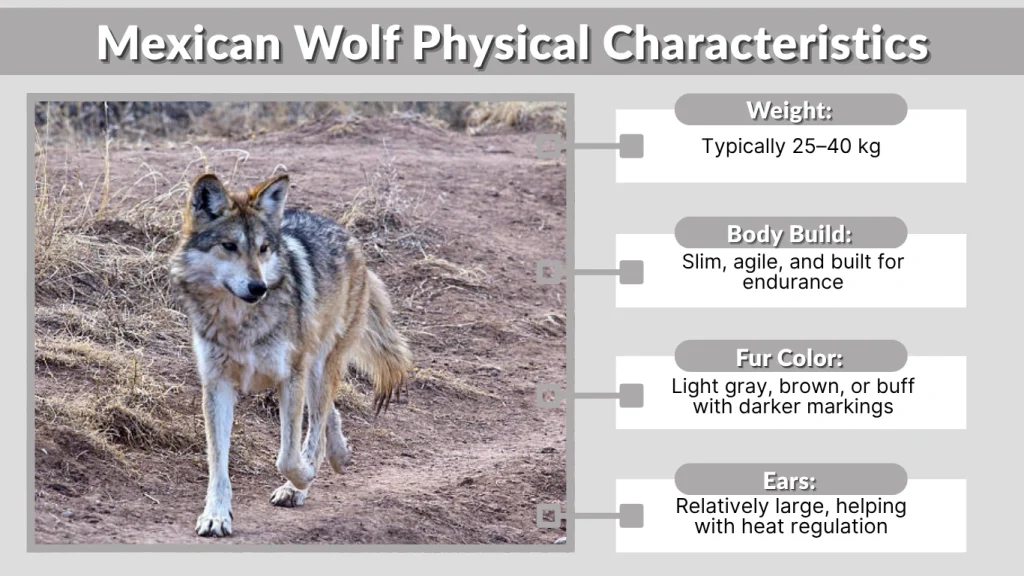
The Mexican wolf is smaller and more slender than other gray wolves, with features that reflect its adaptation to warmer climates. Its physical traits help it move efficiently across rugged terrain and survive in diverse habitats.
Key Characteristics:
- Size: Smallest gray wolf subspecies
- Weight: Typically 25–40 kg
- Body Build: Slim, agile, and built for endurance
- Fur Color: Light gray, brown, or buff with darker markings
- Face: Often has a narrow muzzle and alert expression
- Ears: Relatively large, helping with heat regulation
- Coat Texture: Shorter and lighter than northern wolves
- Adaptation: Designed for warmer climates and long-distance travel
Mexican Wolf Diet and Hunting Behavior
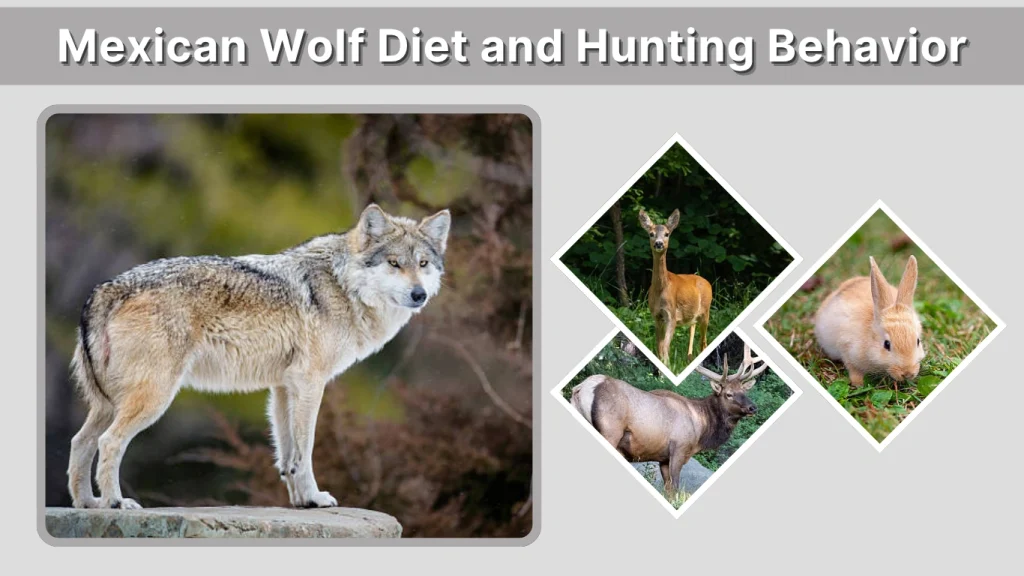
Main Prey Species
The Mexican wolf is a carnivore that primarily feeds on large herbivores such as elk and deer. It may also hunt smaller animals like rabbits and rodents when larger prey is scarce.
In some cases, wolves may prey on livestock, which can create tension with local communities. This issue remains one of the key challenges in conservation efforts.
Hunting Strategies
Mexican wolves are skilled hunters that often rely on pack coordination. By working together, they can take down larger prey that would be difficult to catch alone.
They use endurance rather than speed, chasing prey over long distances until it becomes exhausted. This strategy is highly effective in their natural environment.
Mexican Wolf Behavior and Social Structure
Pack Hierarchy
Mexican wolves live in organized social groups called packs. A typical pack includes a dominant breeding pair, often referred to as the alpha male and female, along with their offspring.
Each member of the pack has a role, and cooperation is essential for hunting and raising young. This social structure increases their chances of survival in the wild.
Communication Methods
Communication is vital for maintaining pack cohesion. Mexican wolves use howling to communicate over long distances, helping them locate pack members and defend territory.
They also rely on body language and scent marking to convey information. These methods help establish dominance, define territory, and strengthen social bonds within the pack.
Reproduction and Life Cycle
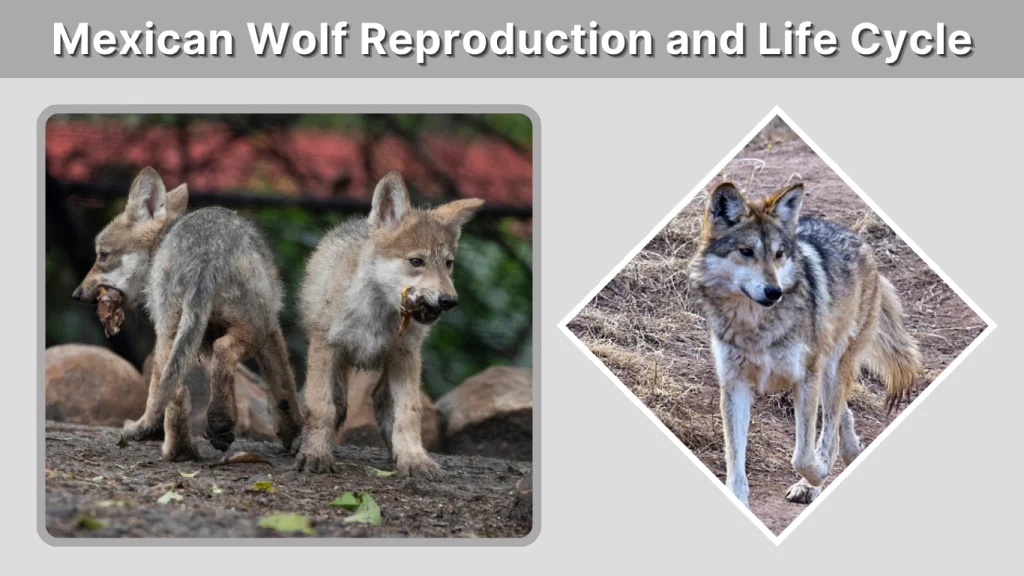
The breeding season for the Mexican wolf usually takes place between January and March. During this time, the dominant pair in the pack mates, while other members typically do not reproduce. This helps maintain balance within the group.
After a gestation period of about 60 to 63 days, the female gives birth to a litter of 4 to 6 pups in a den, often located in a sheltered area such as a cave or hollow. The pups are born blind and rely entirely on their mother during the early weeks.
As they grow, other pack members assist in feeding and protecting them. This cooperative behavior improves survival rates. By the age of several months, the pups begin learning hunting skills and social behaviors from the adults.
Conservation Status of the Mexican Wolf
The Mexican wolf is classified as endangered, making it one of the rarest wolf subspecies in the world. By the mid-20th century, it had nearly disappeared due to extensive hunting, poisoning, and habitat destruction.
Today, conservation efforts have helped increase their numbers, but the population remains fragile. Most individuals live in carefully managed recovery areas in the southwestern United States and northern Mexico.
Legal protection plays a key role in their survival, and ongoing monitoring ensures that populations continue to grow while minimizing risks.
Threats to the Mexican Wolf
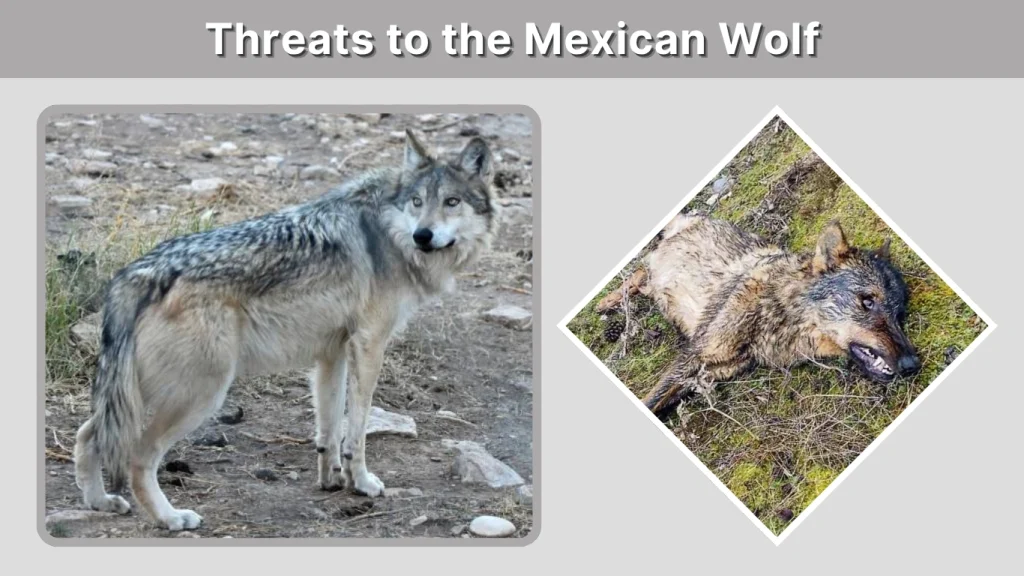
Human-Wildlife Conflict
Conflicts with humans, especially ranchers, remain one of the biggest threats. When wolves prey on livestock, it can lead to retaliation, including illegal killings.
Genetic Diversity Issues
Because the current population originated from a very small number of individuals, genetic diversity is limited. This can lead to health problems and reduced resilience over time.
Habitat Fragmentation
Urban development, roads, and agriculture have fragmented natural habitats. This limits movement, isolates populations, and reduces access to prey.
Mexican Wolf Recovery Efforts
Captive Breeding Programs
Captive breeding programs have been essential in saving the Mexican wolf from extinction. Carefully managed breeding ensures genetic diversity and prepares individuals for reintroduction into the wild.
Reintroduction Success Stories
Reintroduction programs in Arizona and New Mexico have helped establish wild populations. While challenges remain, these efforts have shown that recovery is possible with proper management.
Government and NGO Roles
Government agencies, along with conservation organizations, play a critical role in protecting the Mexican wolf. They work on habitat protection, conflict mitigation, and public education to support long-term survival.
Role in the Ecosystem
The Mexican wolf is an apex predator, meaning it sits at the top of the food chain. By controlling populations of herbivores such as deer and elk, it helps prevent overgrazing and supports healthy ecosystems.
This balance benefits plant life and other animal species, contributing to overall biodiversity. The presence of wolves often indicates a well-functioning ecosystem.
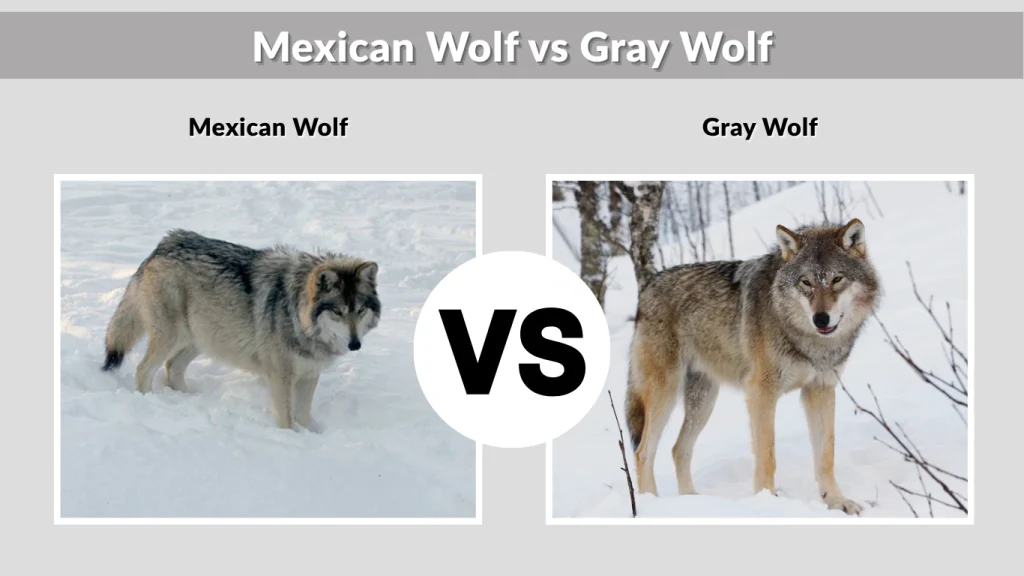
Mexican Wolf vs Gray Wolf
Size Differences
The Mexican wolf is smaller and lighter than most other gray wolf subspecies, making it well suited to warmer environments.
Habitat Differences
While many gray wolves inhabit colder northern regions, the Mexican wolf is adapted to deserts, grasslands, and forests in warmer climates.
Behavioral Traits
Although their behavior is broadly similar, Mexican wolves tend to have smaller pack sizes and may adapt their hunting strategies based on available prey and terrain.
Cultural and Historical Significance
The Mexican wolf has deep cultural roots, especially among Native American communities, where it has been respected as a symbol of strength, loyalty, and survival.
Historically, however, it was also seen as a threat to livestock, leading to widespread persecution. This dual perception has shaped its history and continues to influence conservation attitudes today.
Conclusion
The Mexican wolf is a remarkable example of resilience in the face of adversity. From near extinction to gradual recovery, its story highlights the importance of conservation and coexistence.
While progress has been made, ongoing efforts are essential to ensure its long-term survival. Protecting this species not only preserves a unique part of North America’s wildlife but also helps maintain the health of entire ecosystems.
FAQs
Why is the Mexican wolf endangered?
The Mexican wolf became endangered due to habitat loss, hunting, and eradication programs in the past. Its population declined drastically, requiring intensive conservation and reintroduction efforts to recover.
How many Mexican wolves are left?
The population has been increasing slowly due to conservation programs. However, it is still relatively small and carefully managed to ensure continued growth and genetic health.
Where can Mexican wolves be found today?
They are primarily found in recovery areas in Arizona and New Mexico, as well as parts of northern Mexico, where reintroduction programs have been implemented.
Are Mexican wolves dangerous to humans?
Mexican wolves are generally shy and avoid human contact. Encounters are rare, and they do not typically pose a threat to people.
What can be done to protect the Mexican wolf?
Protecting their habitat, supporting conservation programs, reducing human-wildlife conflict, and raising awareness are key steps to ensure the survival of the Mexican wolf.