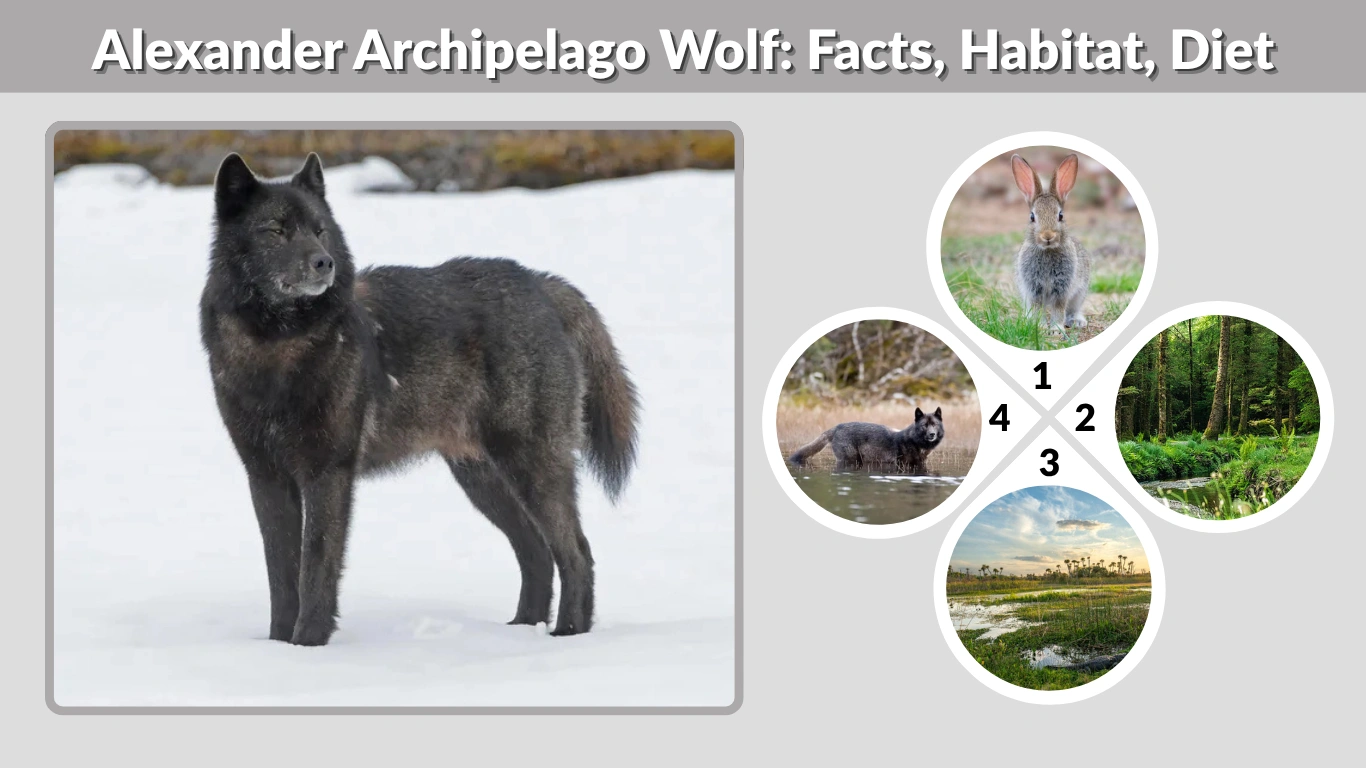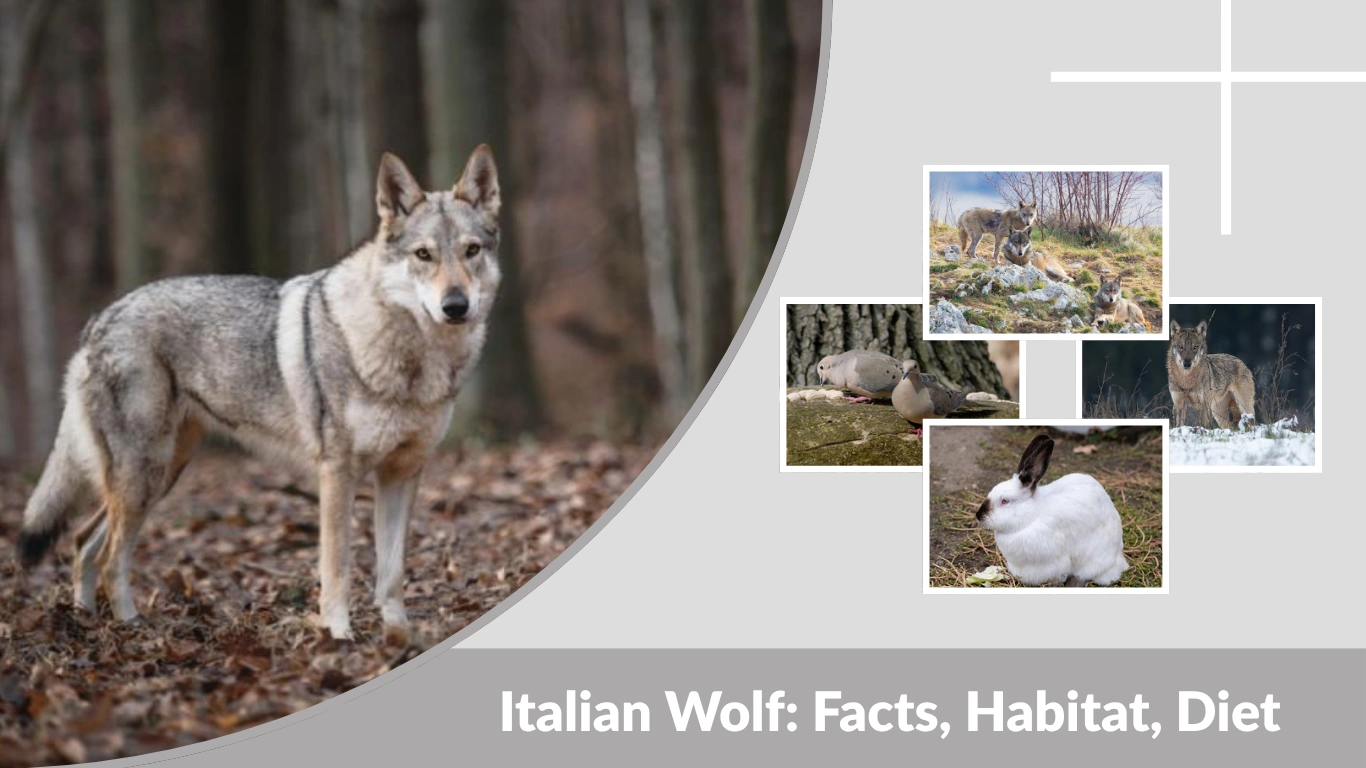






The gray wolf (Canis lupus) is one of the most iconic and widely recognized wild animals in the world. Known for its intelligence, strength, and social behavior, the gray wolf plays a vital role as an apex predator in many ecosystems. These animals help maintain ecological balance by controlling prey populations and supporting biodiversity.
Gray wolves once roamed across much of North America, Europe, and Asia. Although their range has been reduced due to human activities, they still inhabit various regions across the Northern Hemisphere. Understanding their identification, habitat, and diet helps us appreciate their importance and the need for their conservation.
Gray Wolf Identification
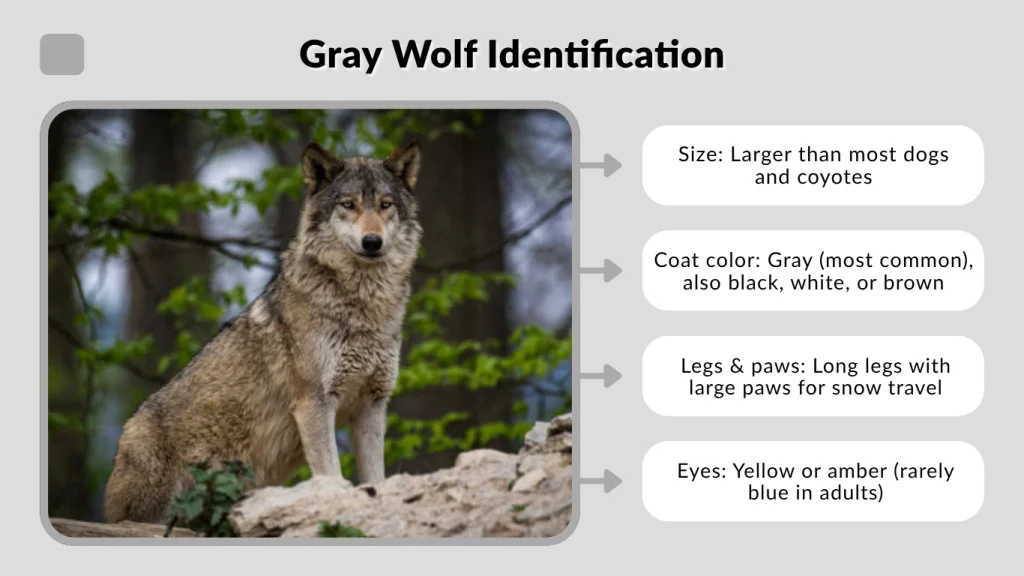
Gray wolves (Canis lupus) are large, powerful members of the dog family that can be identified by their size, physical features, and behavior. While they may sometimes resemble large domestic dogs, several key traits help distinguish them in the wild.
Quick Identification Overview
- Scientific name: Canis lupus
- Family: Canidae
- Body type: Large, muscular, built for endurance
- Movement: Smooth, straight-line walking pattern
Key Identification Features (Short List)
- Size: Larger than most dogs and coyotes
- Weight: Typically 30–80 kg
- Coat color: Gray (most common), also black, white, or brown
- Fur: Thick double coat, especially in cold regions
- Eyes: Yellow or amber (rarely blue in adults)
- Ears: Short, rounded, and upright
- Tail: Bushy and usually held downward
- Legs & paws: Long legs with large paws for snow travel
- Muzzle: Broad and strong
Tracks & Field Signs
- Paw prints: Large (about 4–5 inches), oval-shaped
- Track pattern: Straight and purposeful (unlike dogs)
- Howling: Deep, long-distance vocalization
- Marking: Uses scent (urine/scratches) to mark territory
This combination of size, posture, and behavior makes gray wolves relatively easy to identify when compared to similar species like coyotes or domestic dogs.
Gray Wolf Habitat
Geographic Distribution
Gray wolves are found across large parts of the Northern Hemisphere. In North America, they inhabit regions such as Alaska, Canada, and parts of the northern United States. In Europe, they are mainly found in Eastern Europe and Scandinavia, while in Asia, they are widespread in Russia and some parts of the Middle East.
Although their historical range was much broader, human expansion and habitat loss have significantly reduced their distribution. However, conservation efforts have helped reintroduce wolves to some areas.
Types of Habitats
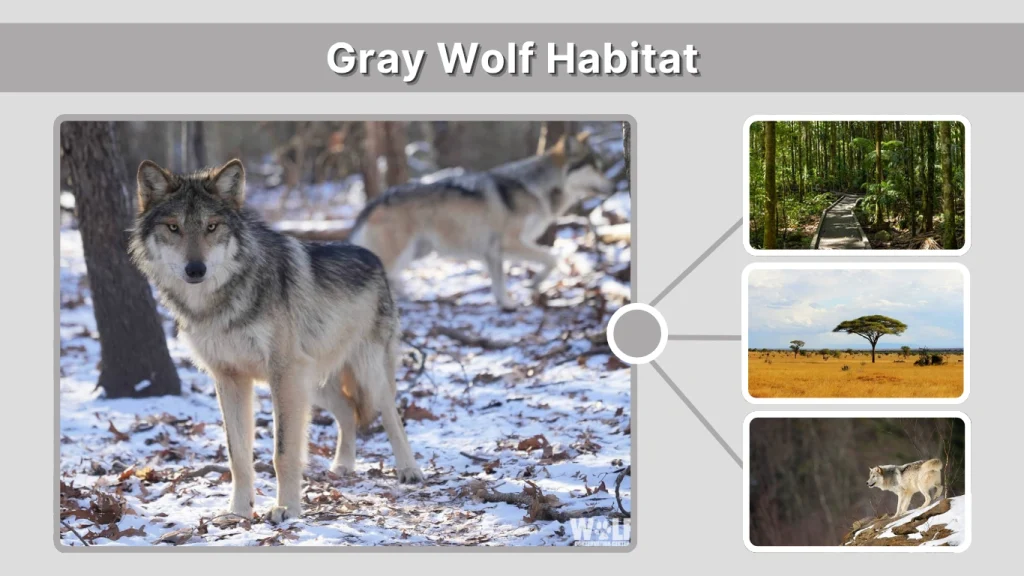
One of the most remarkable aspects of gray wolves is their adaptability to different environments. They can thrive in a variety of habitats, including forests, tundra, grasslands, mountains, and even Arctic regions.
In forested areas, wolves use dense vegetation for cover while hunting. In tundra and Arctic environments, they rely on their thick fur and endurance to survive extreme cold and harsh conditions. Grasslands and plains provide open spaces where wolves can chase prey over long distances.
Adaptability to Environment
Gray wolves are highly adaptable animals capable of surviving in diverse climates, from freezing Arctic temperatures to temperate regions. Their ability to adjust their hunting strategies and diet based on available resources is a key factor in their survival.
However, human activities such as urban development, agriculture, and hunting have significantly impacted wolf habitats. As a result, wolves tend to prefer remote and less populated areas where they can live with minimal human interference.
Gray Wolf Diet

Primary Prey
Gray wolves are carnivores and primarily hunt large herbivores. Their main prey includes animals such as deer, elk, and moose. These large mammals provide the necessary nutrients and energy to sustain an entire wolf pack.
In addition to large prey, wolves also hunt smaller animals like rabbits, rodents, and beavers, especially when larger prey is scarce. This flexibility in diet helps them survive in different environments.
Hunting Strategies
Wolves are known for their cooperative hunting techniques. They hunt in packs, which allows them to take down animals much larger than themselves. Each member of the pack plays a role, whether it is chasing, surrounding, or weakening the prey.
Rather than relying on speed alone, wolves depend on endurance. They often chase their prey over long distances until the animal becomes exhausted, making it easier to capture.
Feeding Behavior
Gray wolves are opportunistic feeders. While they prefer fresh kills, they will also scavenge carcasses if the opportunity arises. After a successful hunt, wolves consume large amounts of meat at once, as food may not always be readily available.
Their strong jaws and teeth allow them to crush bones and consume almost every part of their prey, minimizing waste and maximizing energy intake.
Interesting Gray Wolf Facts
Social Structure
Gray wolves are highly social animals that live and hunt in organized groups known as packs. A typical pack consists of a dominant breeding pair (often referred to as the alpha pair), their offspring, and sometimes other related wolves. Pack sizes can range from just a few individuals to over a dozen members, depending on food availability and territory.
The pack operates with a clear hierarchy, which helps maintain order and cooperation. Each member has a role, whether it is hunting, protecting territory, or caring for the young. This strong social bond is essential for survival in the wild.
Communication
Communication is a key part of wolf behavior. Wolves use a combination of vocalizations, body language, and scent marking to interact with one another. The most well-known form of communication is howling, which can be heard over long distances. Wolves howl to locate pack members, warn rivals, and strengthen social bonds.
In addition to howling, wolves use growls, whines, and barks to express emotions and intentions. Body language, such as tail position and posture, also plays an important role in communication within the pack.
Reproduction and Life Cycle
Gray wolves typically breed once a year, usually in late winter. After a gestation period of about 63 days, the female gives birth to a litter of pups, usually ranging from 4 to 6 individuals. The pups are born blind and rely entirely on their mother for survival during the early weeks.
As they grow, other pack members help care for and protect the pups. This cooperative parenting ensures a higher survival rate. By the time they are several months old, the young wolves begin learning essential skills such as hunting and social behavior.
Speed and Strength
Gray wolves are built for endurance rather than short bursts of speed. They can run at speeds of up to 60 km/h (about 37 mph) when chasing prey, but their real strength lies in their ability to travel long distances without tiring. Wolves can cover dozens of kilometers in a single day while searching for food.
Their powerful jaws and sharp teeth enable them to take down large prey and consume tough meat and bones. This combination of strength, stamina, and teamwork makes them highly effective predators.
Gray Wolf vs Coyote
Size and Physical Differences
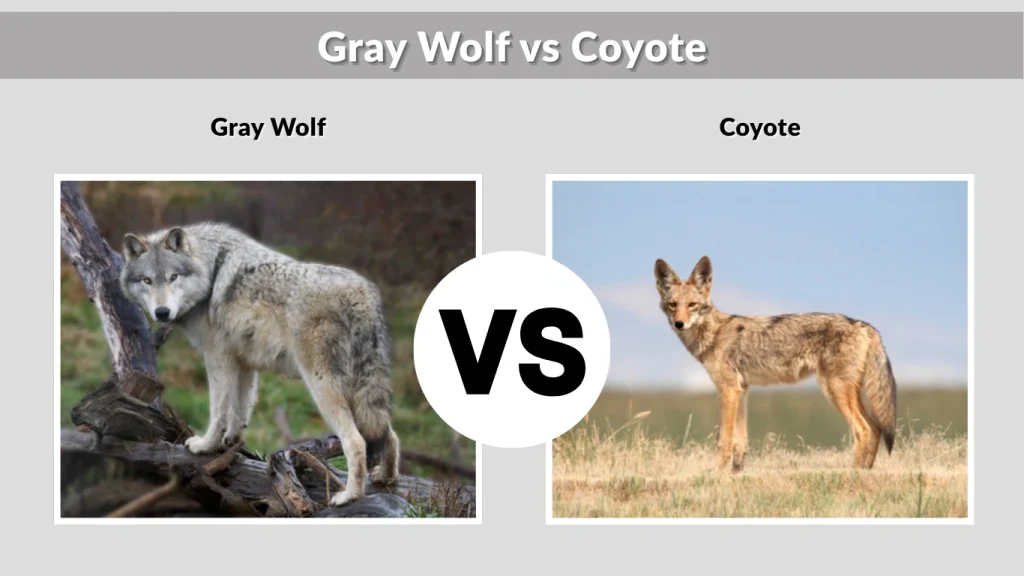
One of the most noticeable differences between gray wolves and coyotes is their size. Wolves are significantly larger and heavier, with broader heads, longer legs, and bigger paws. Coyotes, on the other hand, are smaller, lighter, and have narrower snouts and more pointed ears.
Wolves also have a more robust and muscular build, while coyotes appear leaner and more agile.
Behavior Differences
Gray wolves are pack animals that rely on cooperation to hunt and survive. Their social structure is complex and highly organized. Coyotes, in contrast, are more flexible in their behavior. They may live alone, in pairs, or in small groups depending on environmental conditions.
Coyotes are also more adaptable to human presence, often living near urban and suburban areas, while wolves tend to avoid humans and prefer remote wilderness.
Habitat and Range
Although wolves and coyotes can share overlapping territories, their habitat preferences differ. Wolves typically inhabit large, undisturbed areas such as forests, mountains, and tundra. Coyotes, however, are highly adaptable and can thrive in a wide range of environments, including deserts, grasslands, and cities.
Vocalization
The vocalizations of wolves and coyotes are also distinct. Wolves produce deep, long howls that can travel great distances. Coyotes, on the other hand, are known for their high-pitched yips, barks, and short howls, which often sound more chaotic and rapid.
Gray Wolf Lifespan
Lifespan in the Wild
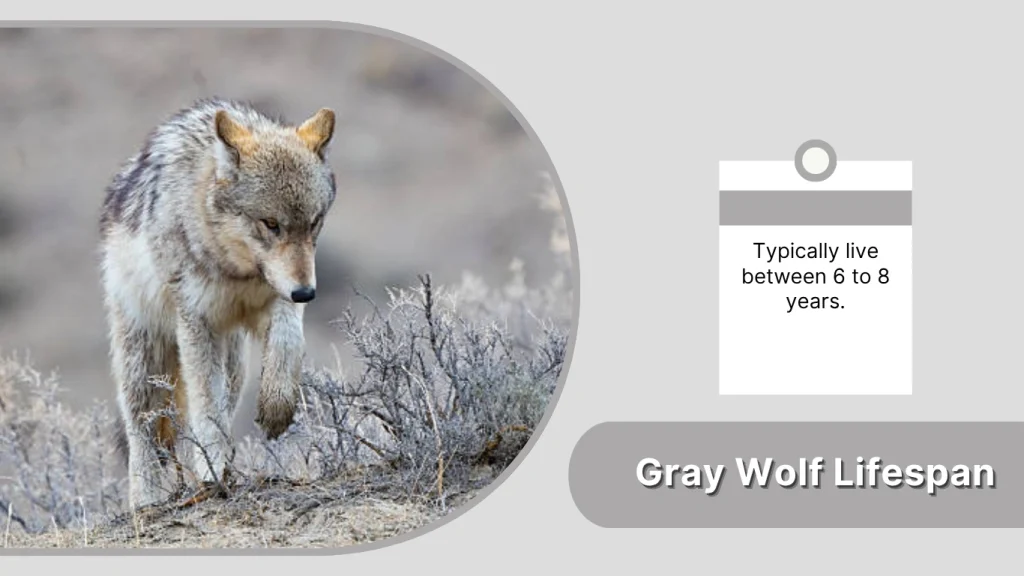
In the wild, gray wolves typically live between 6 to 8 years. Survival can be challenging due to factors such as food scarcity, injuries from hunting, and conflicts with other wolves or predators.
Lifespan in Captivity
In captivity, where food and medical care are readily available, gray wolves can live significantly longer, often reaching 12 to 15 years of age.
Factors Affecting Lifespan
Several factors influence the lifespan of gray wolves. Natural threats include disease, injuries, and competition with other animals. However, human-related factors such as hunting, habitat destruction, and vehicle collisions are among the leading causes of mortality.
Conservation Status
Current Population Status
Globally, the gray wolf is classified as “Least Concern” by the International Union for Conservation of Nature (IUCN). However, this status varies by region, as some local populations remain endangered or threatened.
Threats
The main threats to gray wolves include habitat loss, human-wildlife conflict, and illegal hunting. As human populations expand, wolves often lose access to their natural habitats and prey, increasing the likelihood of conflict with humans and livestock.
Conservation Efforts
Various conservation programs have been implemented to protect gray wolf populations. These include legal protections, habitat restoration, and reintroduction efforts in areas where wolves had previously disappeared.
Public education and awareness also play a crucial role in promoting coexistence between humans and wolves.
FAQs
How can you identify a gray wolf in the wild?
Gray wolves can be identified by their large size, thick fur, bushy tail held downward, and broad muzzle. Their tracks are also larger and more straight-lined compared to dogs.
What color are gray wolves usually?
Although called “gray” wolves, their coat color can vary widely, including gray, black, white, and brown, depending on their region and genetics.
How are gray wolves different from dogs?
Gray wolves have longer legs, larger paws, and a more powerful build than most dogs. They also move in straight, purposeful paths and exhibit strong pack behavior.
Do gray wolves have blue eyes?
Adult gray wolves typically have yellow or amber eyes. Blue eyes are very rare and usually only seen in young pups.
What sounds do gray wolves make?
Gray wolves are known for their deep, long howls used for communication. They also make growls, barks, and whines to express different emotions and signals within the pack.
Conclusion
The gray wolf is a remarkable and essential species that plays a critical role in maintaining the balance of ecosystems. From their powerful hunting abilities to their complex social structures, wolves are among the most fascinating animals in the wild.
Despite facing numerous challenges, ongoing conservation efforts offer hope for their future. By understanding and protecting gray wolves, we help preserve not only this iconic species but also the health of the natural environments they inhabit.