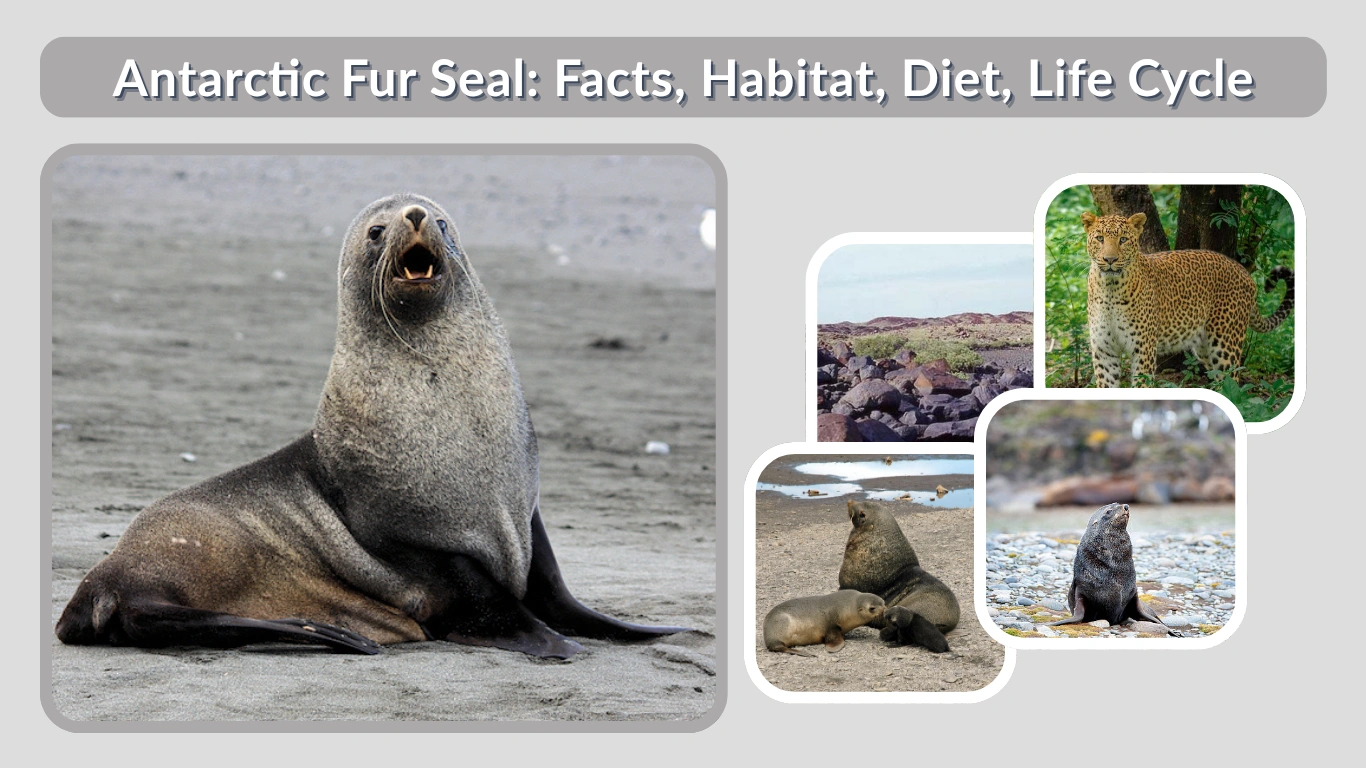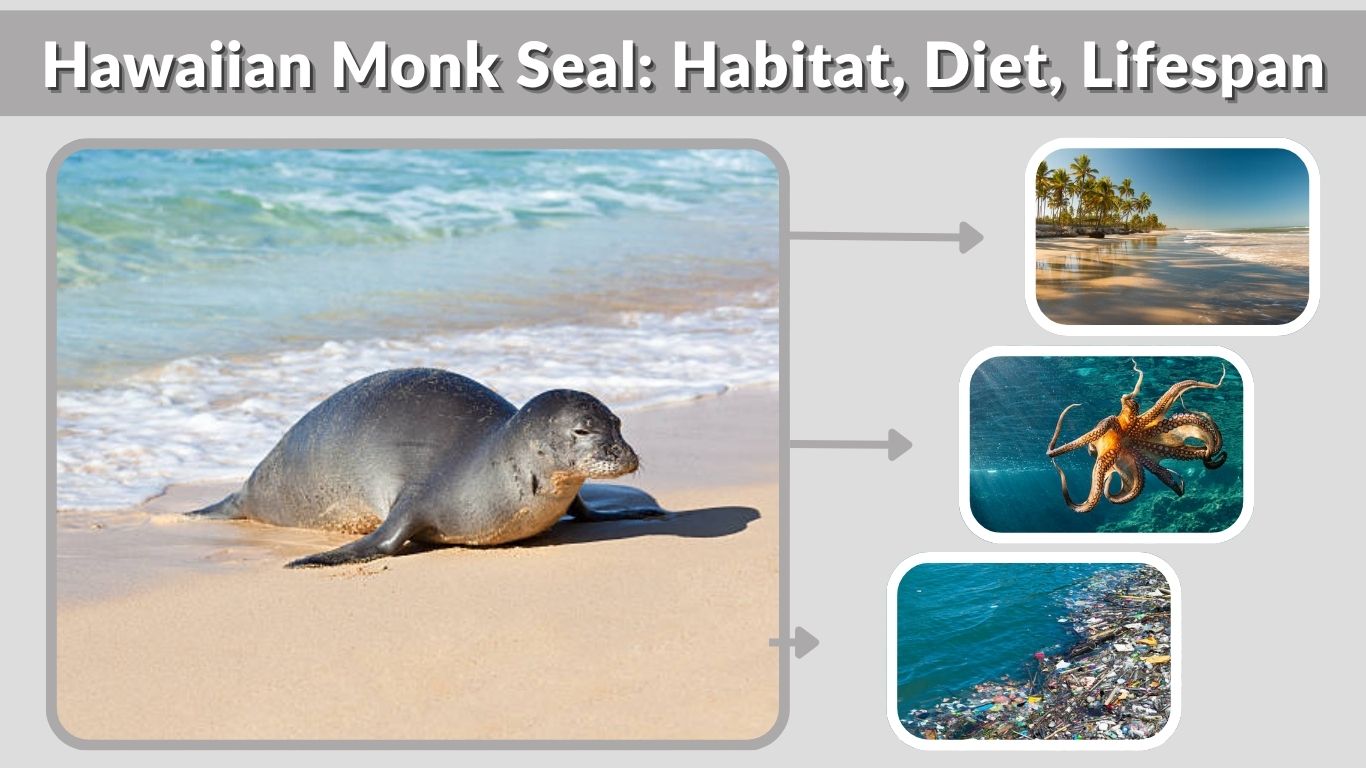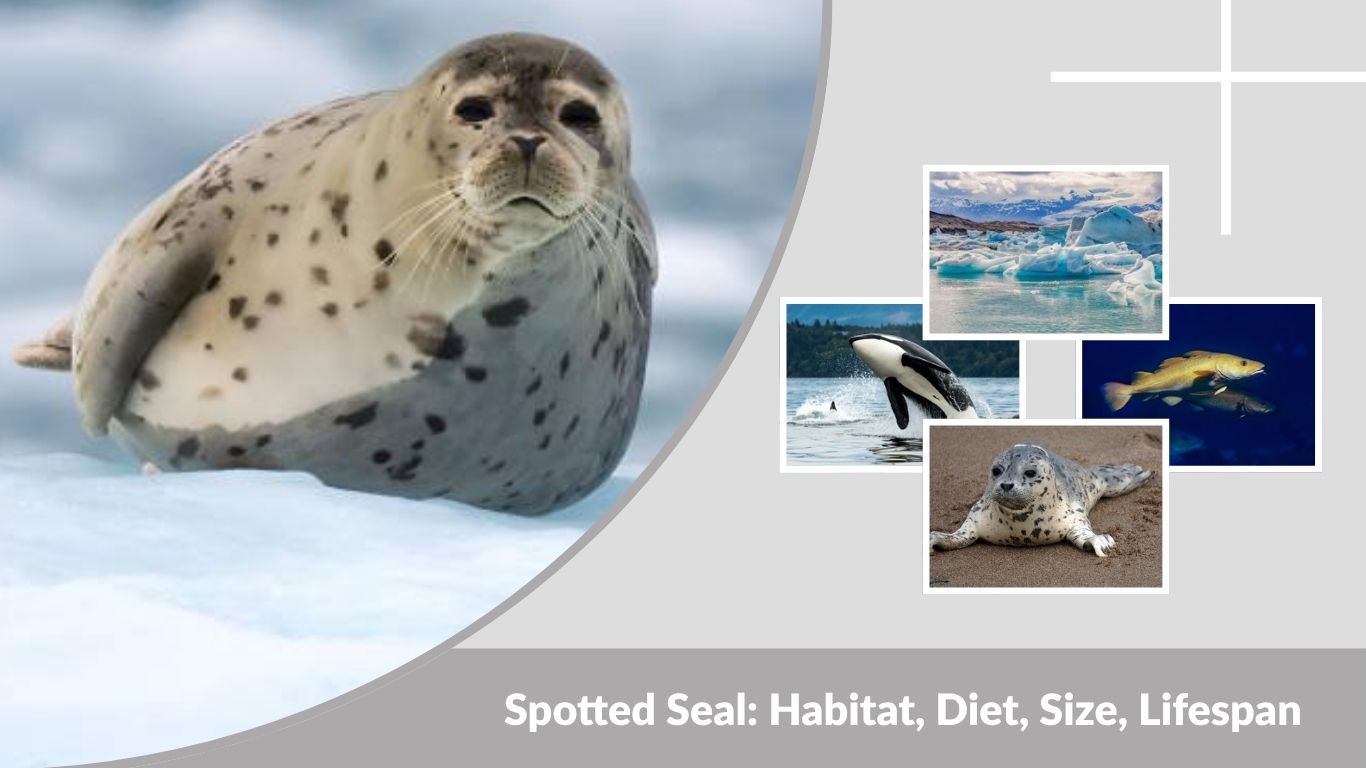





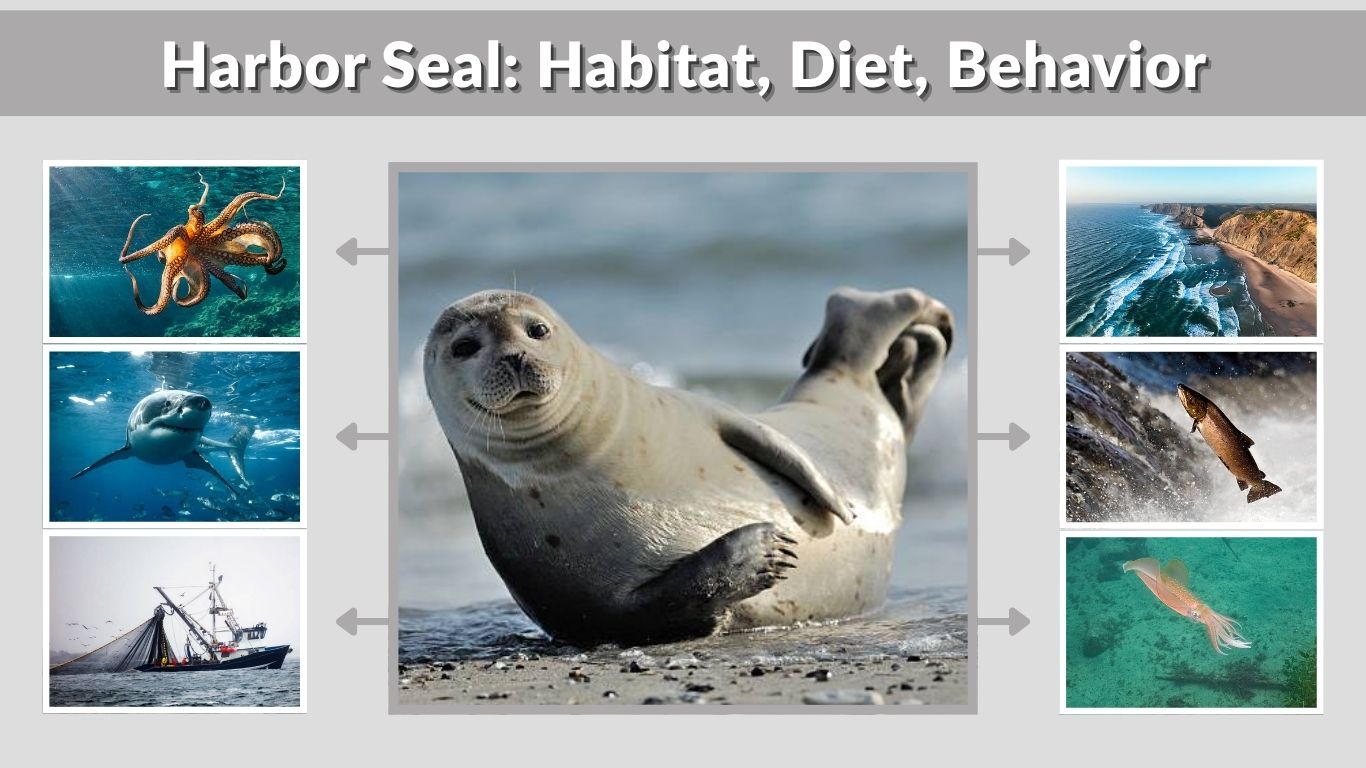
Harbor seals (Phoca vitulina) are one of the most widely distributed marine mammals, found along the temperate and Arctic coastlines of the Northern Hemisphere. Known for their round faces, spotted coats, and curious nature, these seals play an important role in coastal ecosystems. Unlike some other seal species, harbor seals are often seen resting near shorelines, making them familiar to many coastal communities. This guide explores their habitat, physical traits, diet, and behavior.
What Is a Harbor Seal?
A harbor seal is a medium-sized marine mammal belonging to the pinniped family, which also includes sea lions and walruses. The scientific name Phoca vitulina refers to its classification within the true seal group, meaning it lacks external ear flaps and moves on land differently from sea lions.
They are called “harbor” seals because they are frequently found in coastal waters, bays, and harbors where food is abundant and resting spots are available. Their adaptability allows them to thrive in a wide range of marine environments.
Harbor Seal Habitat and Distribution
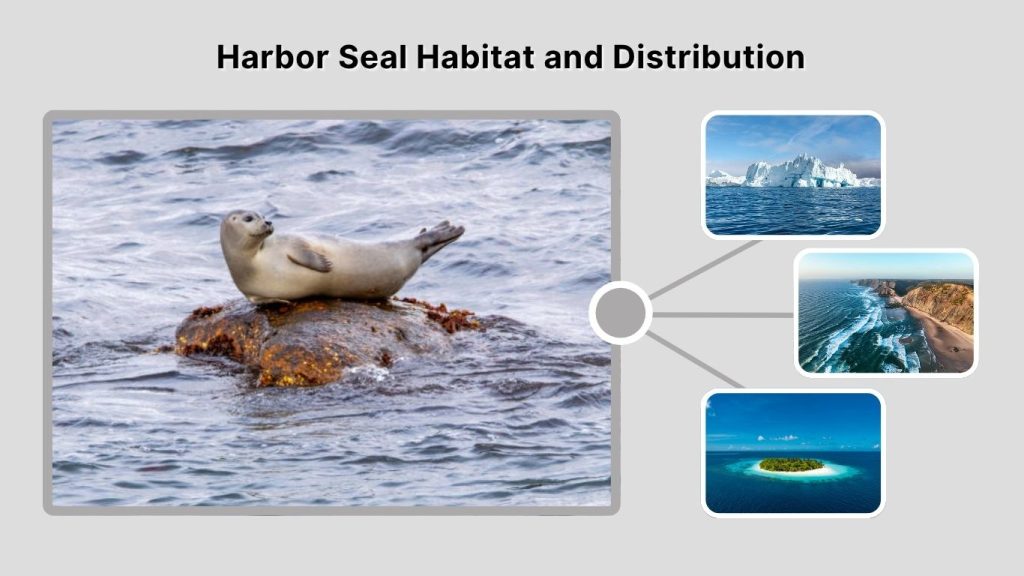
Where Do Harbor Seals Live?
Harbor seals are found across the Northern Hemisphere, inhabiting both the Atlantic and Pacific Oceans. Their range includes the coasts of North America, Europe, and parts of Asia. They are especially common in regions with cold to temperate waters, where fish populations are plentiful.
These seals tend to stay relatively close to shore rather than venturing far into open oceans, which makes them one of the most commonly observed seal species.
Preferred Habitats
Harbor seals prefer environments that provide both access to food and safe resting areas. Common habitats include:
- Rocky shorelines where they can haul out safely
- Sandy beaches that offer easy access to water
- Estuaries and bays rich in marine life
They rely on “haul-out” sites—places where they come ashore to rest, molt, or give birth. These areas are essential for their survival and are often reused over time.
Harbor Seal Physical Characteristics
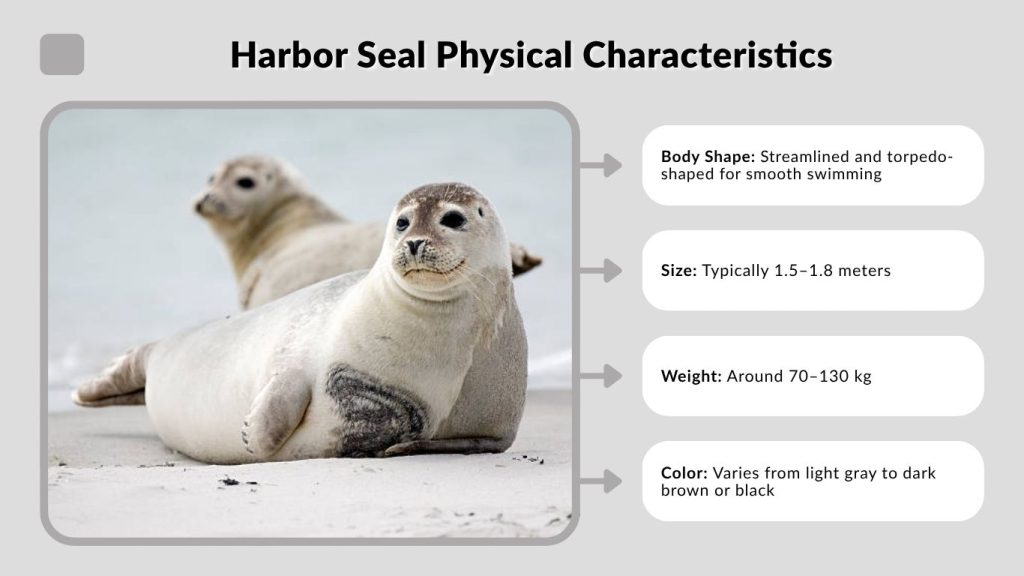
Harbor seals have a streamlined body designed for life both in water and along coastlines. Their physical features help them swim efficiently, stay warm in cold environments, and adapt to different habitats. Despite being smaller than some other seal species, they are strong, agile, and well-suited to marine life.
Key Physical Features
- Body Shape: Streamlined and torpedo-shaped for smooth swimming
- Size: Typically 1.5–1.8 meters (5–6 feet) in length
- Weight: Around 70–130 kg depending on age and gender
- Coat: Short fur with unique spotted patterns
- Color: Varies from light gray to dark brown or black
Head and Facial Traits
- Round head with a short snout
- Large, dark eyes adapted for underwater vision
- No external ears (unlike sea lions)
- Sensitive whiskers (vibrissae) for detecting prey
Adaptations for Survival
- Blubber layer: Keeps them warm and stores energy
- Flippers: Strong and flexible for swimming
- Closable nostrils: Prevent water entry while diving
- Efficient lungs: Allow extended underwater dives
These features make harbor seals highly adapted marine mammals, capable of thriving in diverse coastal environments.
Diet and Feeding Habits
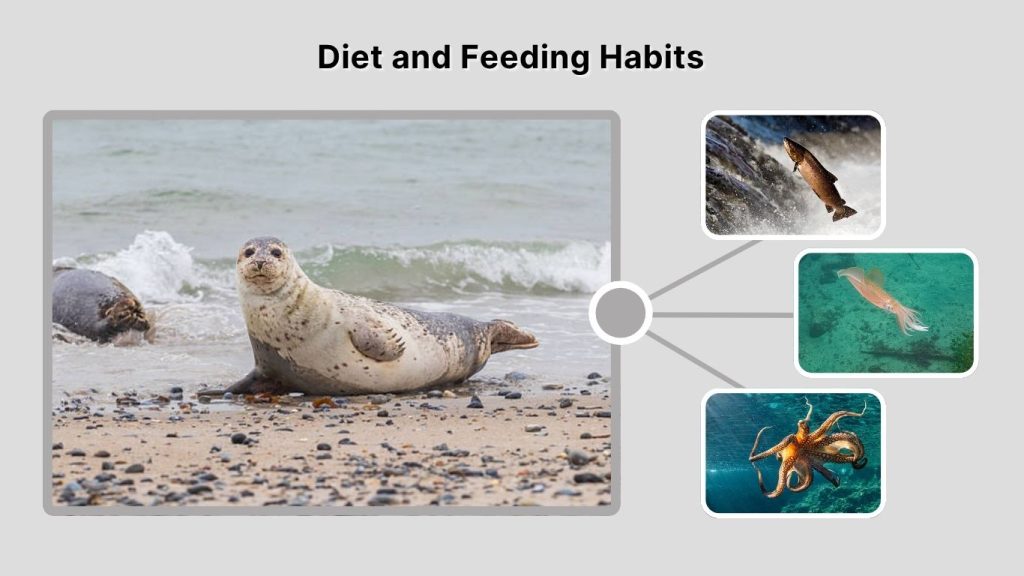
What Do Harbor Seals Eat?
Harbor seals are carnivorous and have a varied diet that depends on their location and available prey. Common food sources include:
- Fish such as herring, cod, and salmon
- Squid and octopus
- Crustaceans like shrimp
Their diet plays an important role in maintaining the balance of marine ecosystems, as they help regulate fish populations.
Hunting Techniques
These seals are skilled hunters, using a combination of keen senses and agility to catch prey. They are excellent divers and can stay underwater for several minutes while searching for food.
One of their most remarkable features is their sensitive whiskers, known as vibrissae. These whiskers can detect vibrations in the water, helping seals locate moving prey even in dark or murky conditions.
Harbor seals typically swallow their prey whole and rely on their sharp teeth to grip slippery fish.
Behavior and Lifestyle
Daily Activities
Harbor seals divide their time between water and land. In the water, they swim, hunt, and travel, while on land they rest, digest food, and conserve energy. Their daily routine often follows tidal patterns, with many seals hauling out during low tide.
They are also known to sleep both on land and in the water, sometimes floating at the surface in a position called “bottling,” where only their heads remain above water.
Social Behavior
Unlike some other marine mammals, harbor seals are generally solitary animals. However, they do gather in groups at haul-out sites, especially during breeding and molting seasons. These groups are usually loose and do not involve strong social bonds.
Their quiet and independent nature helps reduce competition for food and space.
next 50%
Communication
Harbor seals are not highly vocal compared to some marine mammals, but they still use a range of sounds and body signals to communicate. Underwater, they produce growls, grunts, and clicks, especially during the breeding season.
On land, communication is more subtle and often involves body posture or movement. For example, a raised head or sudden movement can signal alertness or discomfort. Mothers and pups also recognize each other through vocal cues and scent, which is important for bonding and survival.
Reproduction and Life Cycle
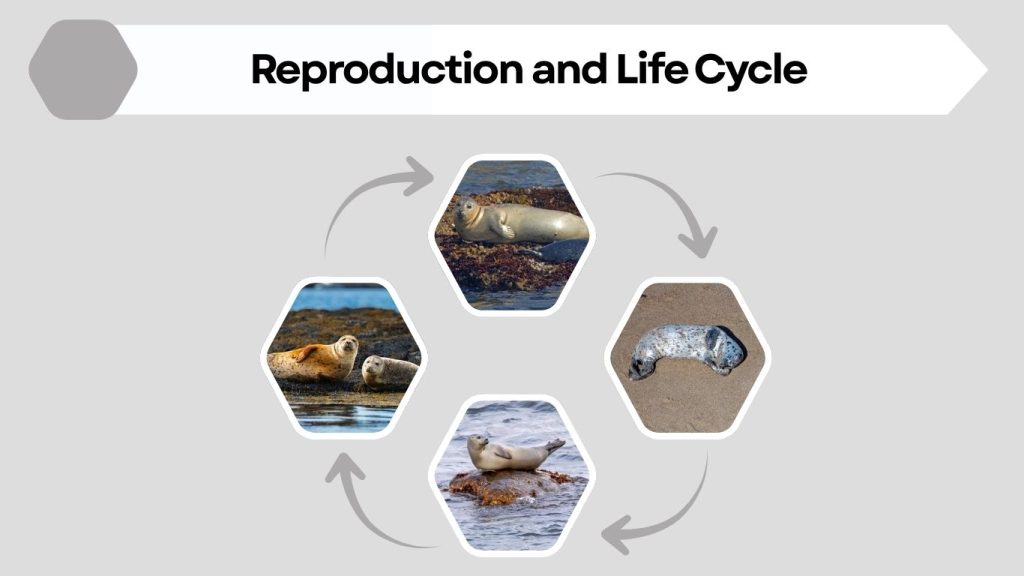
Breeding Season
The breeding season of harbor seals varies depending on their geographic location, but it generally occurs once a year. Mating usually takes place in the water, where males compete for access to females.
Unlike some other seal species, harbor seals do not form large breeding colonies. Instead, their mating behavior is more dispersed and less aggressive.
Birth and Pups
Female harbor seals typically give birth to a single pup after a gestation period of about 9 to 11 months. Pups are born on land or ice and are relatively well-developed at birth.
One unique feature of harbor seal pups is that they can swim almost immediately after being born. Mothers nurse their pups with rich, fatty milk, helping them grow quickly during the early weeks of life.
The bonding period between mother and pup is short but crucial, as pups must learn to survive independently within a few weeks.
Lifespan
In the wild, harbor seals generally live between 20 to 30 years, although some individuals may live longer under favorable conditions. Lifespan can be affected by factors such as predation, food availability, and human-related threats.
Predators and Threats
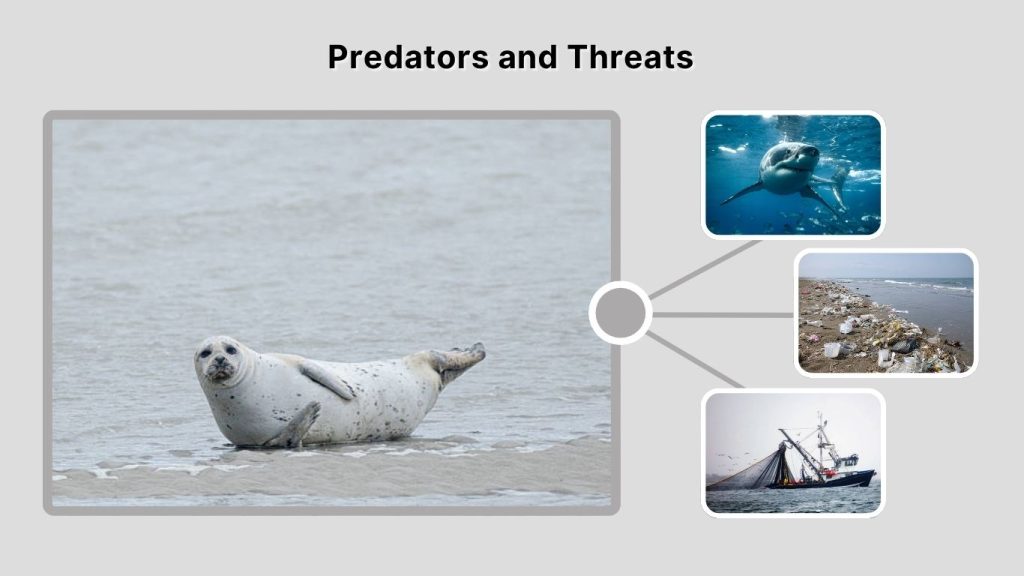
Natural Predators
Harbor seals face several natural predators in the ocean. The most significant include:
- Sharks, particularly great white sharks
- Orcas (killer whales), which are highly skilled marine hunters
These predators often target young, weak, or isolated individuals, making vigilance an important survival trait for harbor seals.
Human-Related Threats
Human activity poses a growing risk to harbor seal populations. Some of the major threats include:
- Pollution: Chemicals and plastic waste can contaminate their habitat and food sources
- Fishing nets: Accidental entanglement (bycatch) can lead to injury or death
- Habitat disturbance: Coastal development and human presence can disrupt important haul-out sites
Climate change is also an emerging concern, as it may alter ocean conditions and reduce the availability of prey.
Harbor Seal vs Other Seals
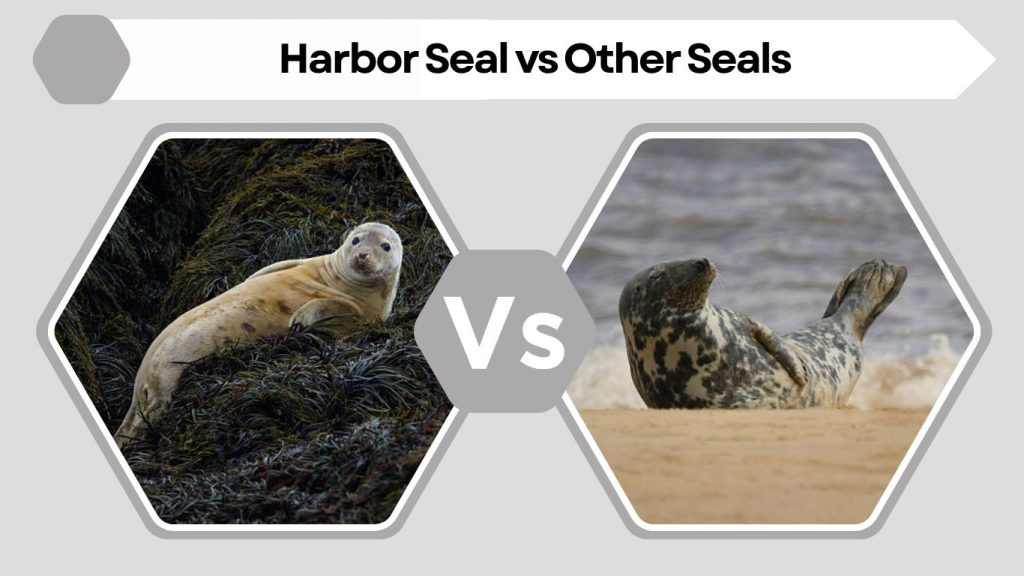
Harbor Seal vs Gray Seal
Harbor seals are often confused with gray seals, but there are clear differences between them. Gray seals are generally larger and have longer, more elongated snouts, often described as “horse-like.” In contrast, harbor seals have rounder faces and shorter noses.
Behaviorally, gray seals tend to form larger colonies, while harbor seals are more solitary and less social.
Harbor Seal vs Sea Lion
Another common comparison is between harbor seals and sea lions. One key difference is that sea lions have visible external ear flaps, while harbor seals do not.
Additionally, sea lions can rotate their hind flippers forward, allowing them to “walk” on land. Harbor seals lack this ability and instead move by wriggling or sliding on their bellies.
In the water, however, harbor seals are highly agile swimmers and rely on their streamlined bodies for movement.
Conservation Status
Harbor seals are currently considered a species of least concern in many regions, thanks to conservation efforts and legal protections. However, local populations can still face challenges due to environmental changes and human activities.
Many countries have implemented laws to protect harbor seals, including restrictions on hunting and guidelines to minimize disturbance at haul-out sites. Ongoing conservation efforts focus on habitat protection, pollution reduction, and public awareness.
Protecting harbor seals is important not only for the species itself but also for maintaining healthy marine ecosystems.
Interesting Facts About Harbor Seals
Harbor seals have several fascinating traits that make them unique among marine mammals:
- They can sleep in the water while floating upright, a behavior known as “bottling”
- They are capable of diving hundreds of meters deep in search of food
- Their whiskers are extremely sensitive and can detect even the slightest water movements
- They can slow their heart rate while diving to conserve oxygen
- Each harbor seal has a unique pattern of spots, similar to a fingerprint
Are Harbor Seals Dangerous to Humans?
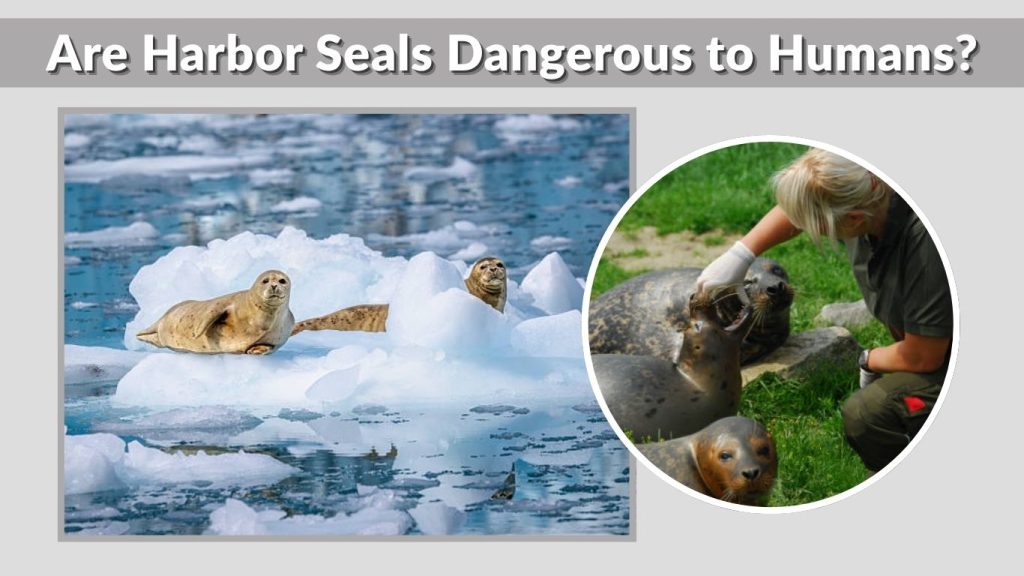
Harbor seals are generally not dangerous to humans and tend to avoid close contact. They are naturally shy and prefer to keep their distance when approached.
However, like all wild animals, they can become defensive if they feel threatened, especially mothers protecting their pups. It is important for people to observe harbor seals from a safe distance and avoid disturbing them in their natural habitat.
Respecting wildlife ensures both human safety and the well-being of these animals.
Conclusion
Harbor seals are remarkable marine mammals that thrive in coastal environments across the Northern Hemisphere. From their adaptable habitats and efficient hunting skills to their unique physical features, they play a vital role in ocean ecosystems.
Understanding their behavior, life cycle, and the challenges they face helps highlight the importance of conservation. By protecting their habitats and reducing human impact, we can ensure that harbor seals continue to be a familiar and fascinating part of coastal wildlife for generations to come.
FAQs
What is a harbor seal?
A harbor seal is a medium-sized marine mammal (Phoca vitulina) that belongs to the true seal family. It is commonly found along coastal waters of the Northern Hemisphere.
Where do harbor seals live?
Harbor seals live along the Atlantic and Pacific coasts in the Northern Hemisphere. They prefer coastal areas such as bays, estuaries, rocky shores, and sandy beaches.
What do harbor seals eat?
Harbor seals mainly eat fish like herring, cod, and salmon. They also consume squid, octopus, and crustaceans depending on what is available in their habitat.
How big do harbor seals get?
Adult harbor seals usually grow between 1.5 to 1.8 meters (5 to 6 feet) long and weigh around 70 to 130 kilograms.
How long do harbor seals live?
Harbor seals typically live between 20 to 30 years in the wild, although their lifespan can vary based on environmental conditions and threats.
Are harbor seals dangerous to humans?
Harbor seals are generally not dangerous and tend to avoid humans. However, they may act defensively if they feel threatened, especially mothers with pups.