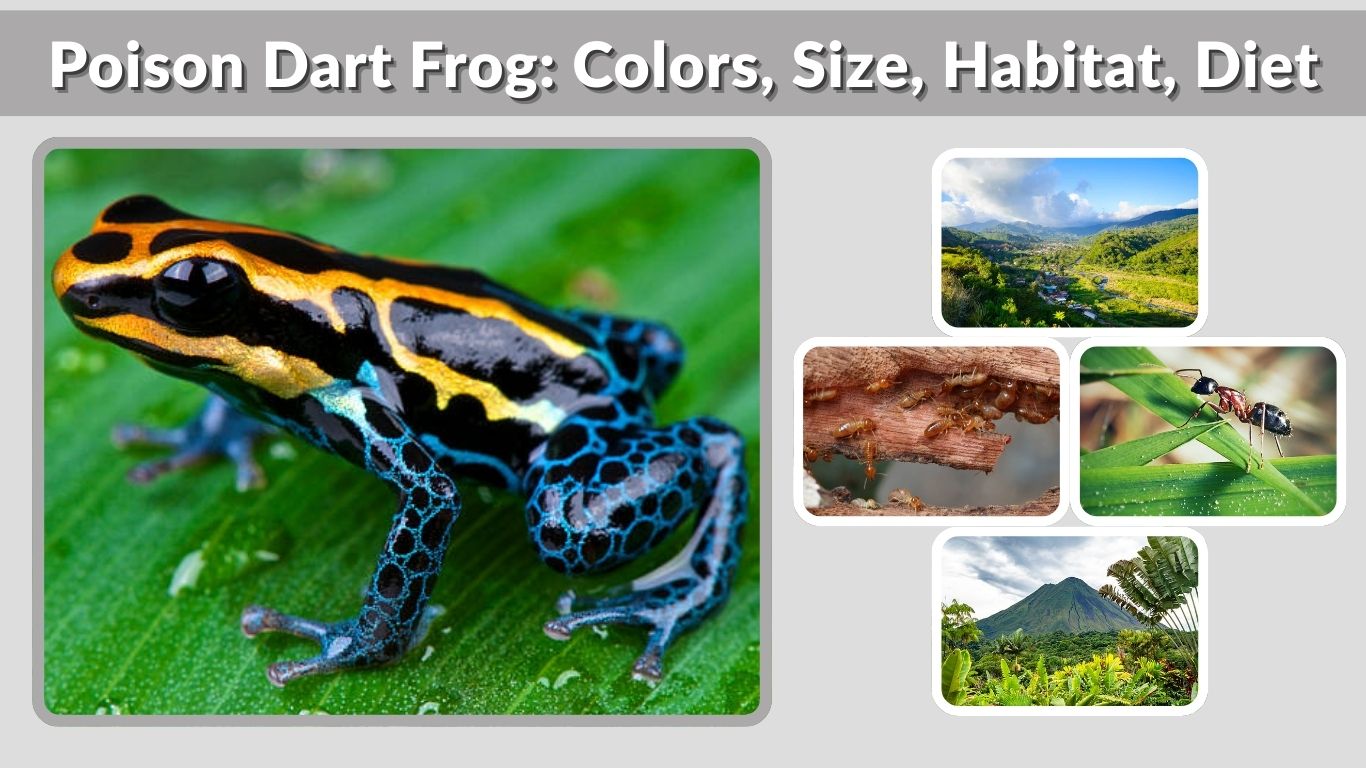





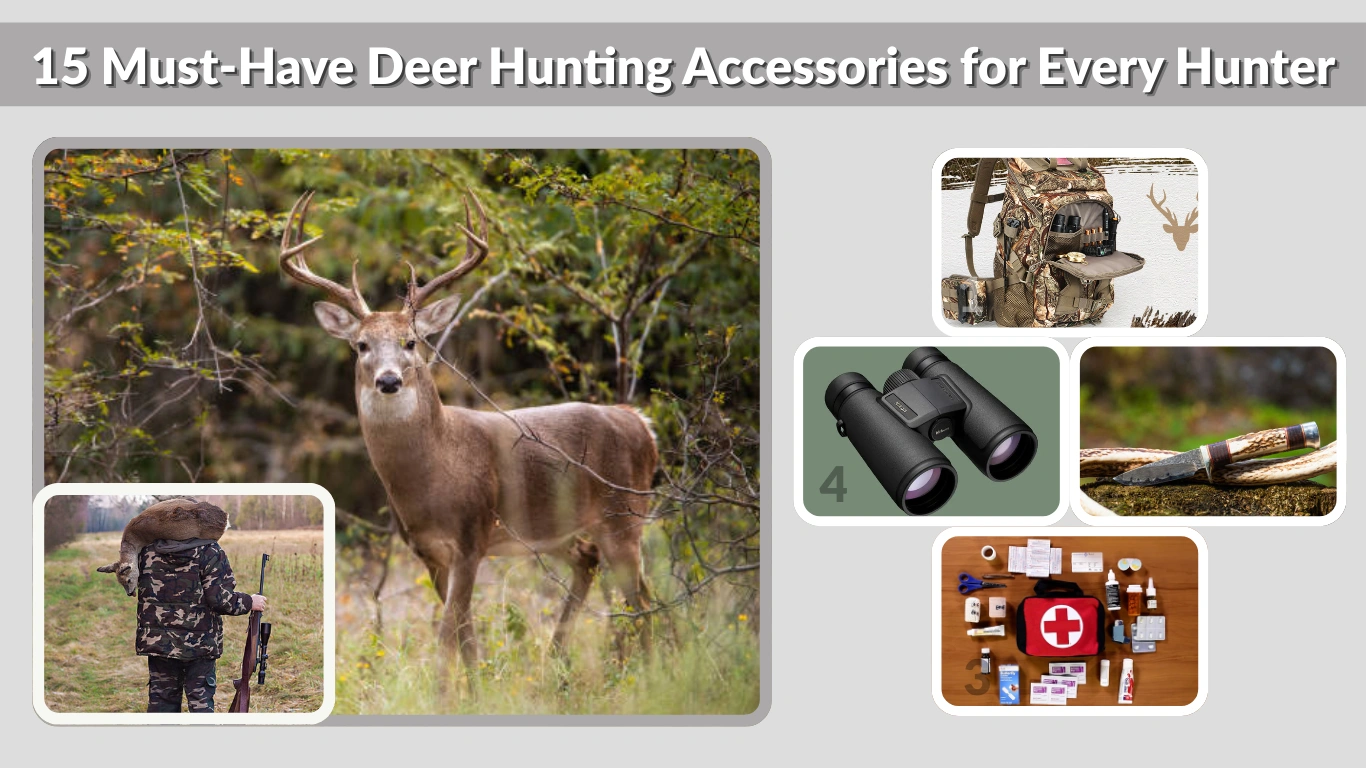
Deer hunting success depends not only on skill but also on having the right accessories in the field. From staying concealed and safe to carrying gear and processing game efficiently, essential hunting accessories make every trip more productive and comfortable. Whether you’re a beginner or an experienced hunter, these must-have deer hunting accessories help improve readiness, accuracy, and overall hunting experience in different terrains and seasons.
1. Hunting Backpack
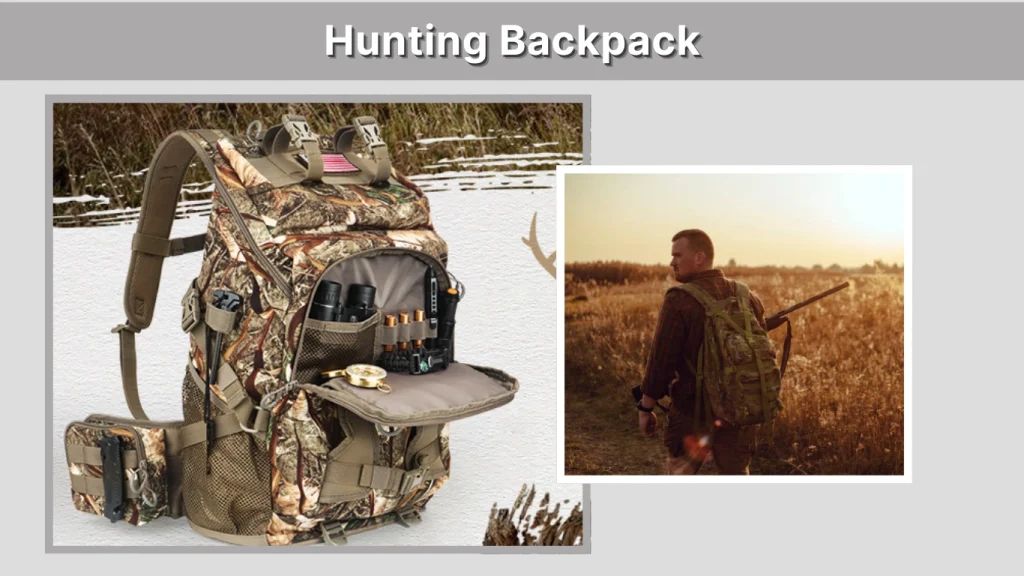
A hunting backpack is one of the most essential deer hunting accessories. It helps you carry gear safely and comfortably while keeping everything organized and easily accessible in the field. A good backpack reduces fatigue, improves mobility, and ensures you’re prepared for long hours of hunting in different weather and terrain conditions.
Why a Hunting Backpack Is Essential
A hunting backpack allows you to carry critical items like water, knives, first-aid kits, and extra clothing without restricting movement. Many hunting packs are designed to be quiet, lightweight, and camouflage-friendly, helping hunters stay concealed while moving through the woods.
Key Features to Look For
Look for a backpack with multiple compartments, padded shoulder straps, and durable, water-resistant material. Extra features like hydration compatibility, silent zippers, and adjustable waist straps add comfort and efficiency during long deer hunts.
2. Binoculars
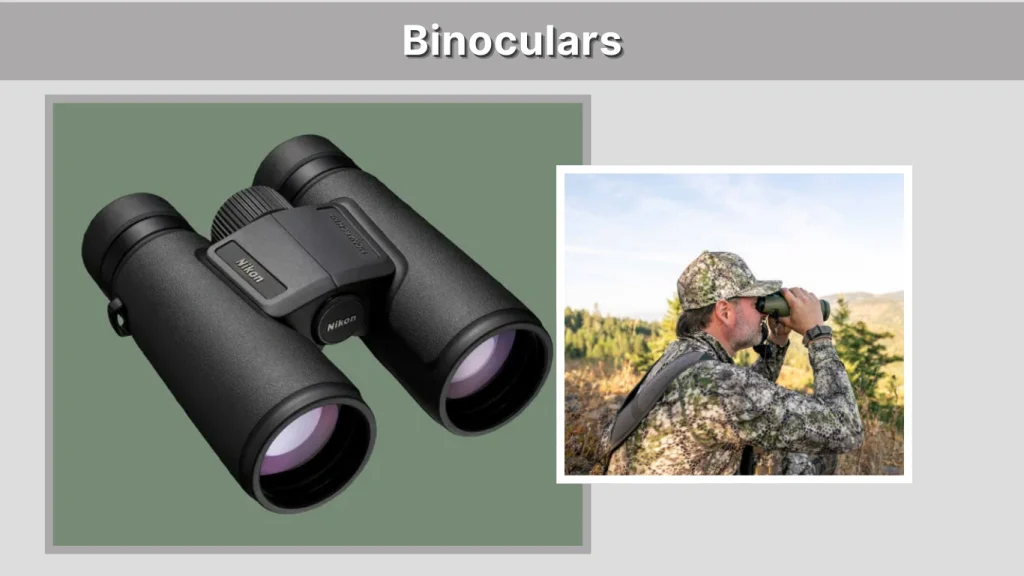
Binoculars are a core accessory for deer hunting because they help you spot and identify game at a distance without moving too close and spooking deer. Clear optics improve your situational awareness and give you a better chance of choosing ideal shots or stalking approaches.
Why Binoculars Are Important
Good binoculars allow you to scan terrain, locate deer movement early, and assess size and antler quality from afar. They enhance safety and decision-making by helping you watch for other hunters and changing weather conditions.
Features to Consider
Look for binoculars with high light-gathering capability (low light performance), waterproof construction, and comfortable eye relief. A magnification around 8x to 10x with a stable field of view is typical for deer hunters.
3. Rangefinder
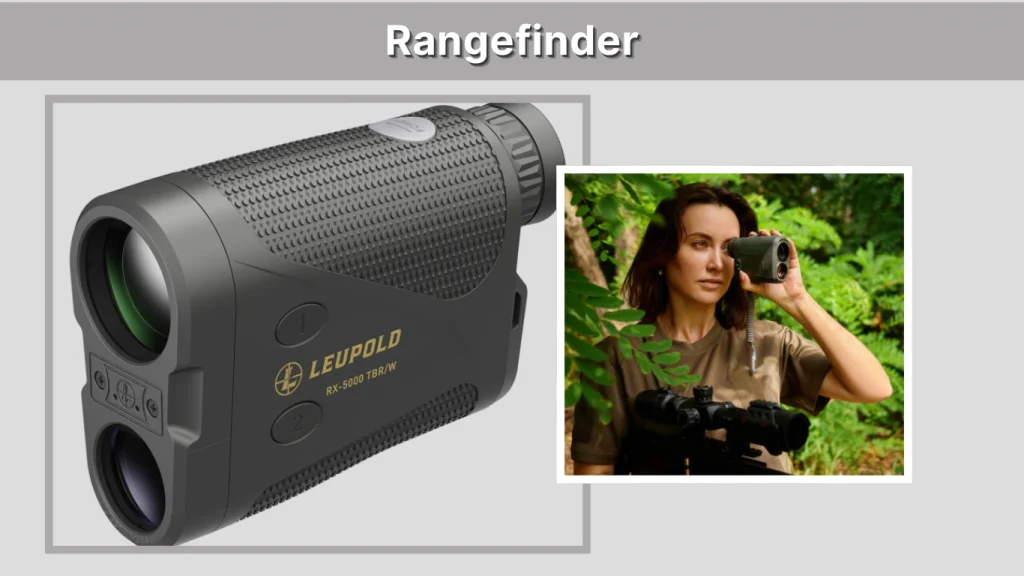
A rangefinder is a must for accurately estimating the distance to a deer, especially when precision matters for a clean ethical shot. Whether you’re using a rifle or a bow, knowing the exact range can dramatically improve your effectiveness.
Why a Rangefinder Helps
By measuring distance quickly and precisely, a rangefinder helps you adjust your aim, avoid guesswork, and account for bullet drop or arrow trajectory. This is particularly valuable in thick woods or uneven terrain.
Features to Consider
Choose a rangefinder with good range capability (e.g., 200–800+ yards), clear optics, and fast measurement speed. Additional features like angle compensation are helpful for steep terrain hunting.
4. Hunting Knife (Field Dressing)
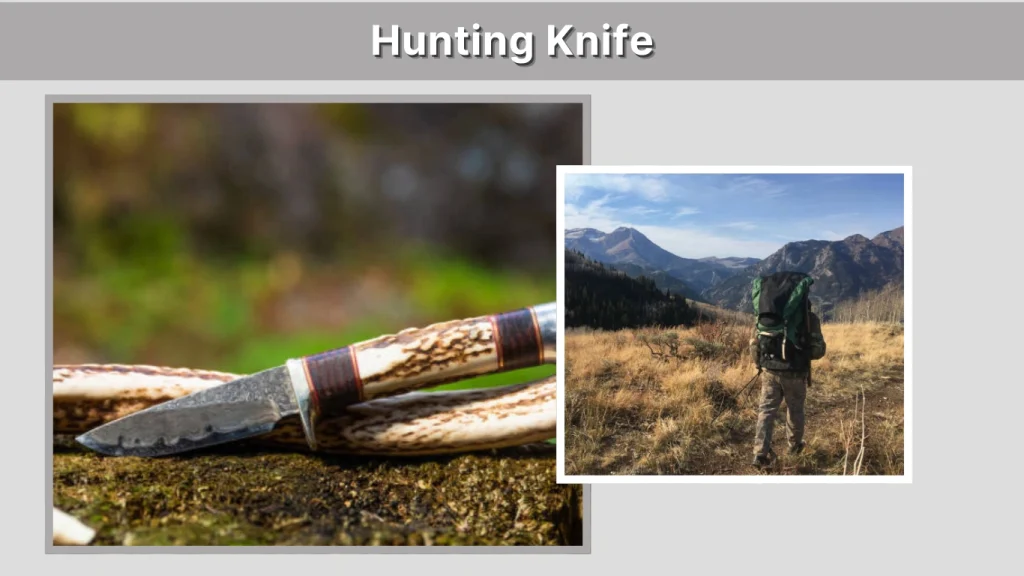
A reliable hunting knife is one of the most critical tools for deer hunting. It’s used for field dressing, skinning, and processing game after a successful harvest. A sharp, ergonomic blade makes the job faster, cleaner, and safer.
Why a Hunting Knife Is Essential
Field dressing a deer quickly and efficiently helps cool the meat and reduces the risk of spoilage. A good knife also minimizes damage to meat and makes butchering easier.
Features to Look For
Look for a knife with a strong, corrosion-resistant blade (fixed blade preferred), a comfortable grip, and a secure sheath for safe carrying.
5. Headlamp or Flashlight
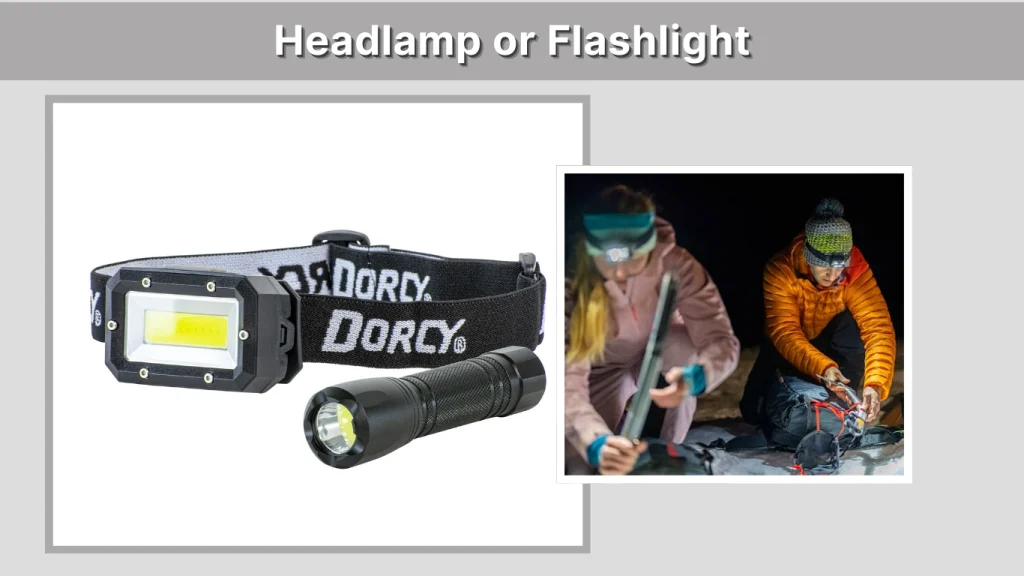
A headlamp or flashlight is essential for early morning setups, late-night pack-outs, and any time you need reliable lighting in the dark. Being hands-free (with a headlamp) or powerful (with a flashlight) can make the difference between fumbling and functioning in low light.
Why Lighting Matters
Hunters often navigate in low light before sunrise or after sunset. Good lighting improves safety, helps with gear handling, and aids in tracking or field dressing in the dark.
Features to Consider
Choose a headlamp or flashlight with bright, adjustable beams, long battery life, and water resistance. Extra batteries are also a must.
6. Extra Batteries
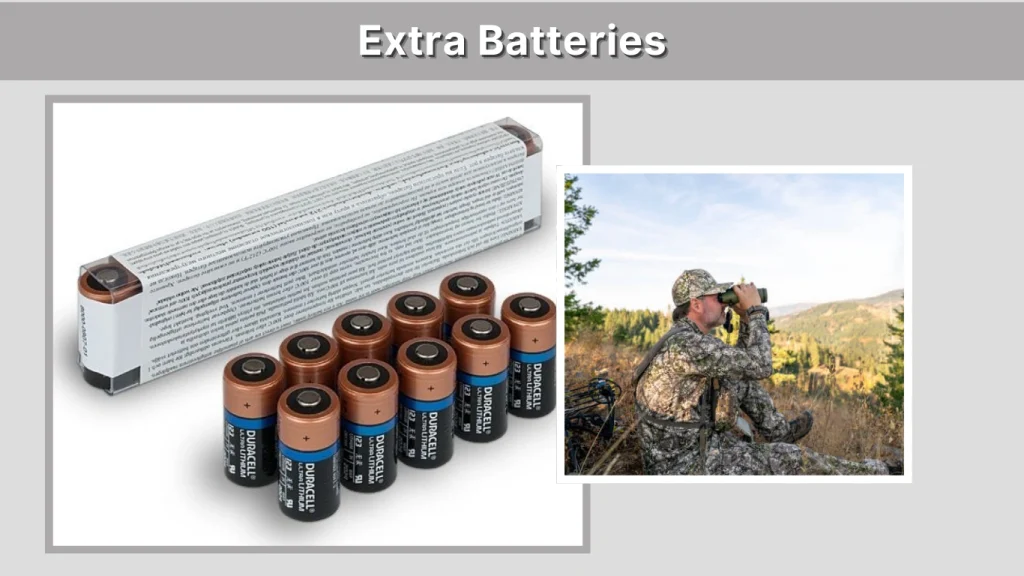
Extra batteries are a small but vital accessory that keeps your essential electronics running throughout your hunt. Devices like flashlights, headlamps, rangefinders, and GPS units all depend on reliable power—having spares prevents being left in the dark or without critical tools.
Why Extra Batteries Are Essential
Electronics can drain power quickly, especially in cold weather. Bringing a supply of fresh batteries ensures you don’t lose functionality when you need it most, whether signalling, navigating, or processing game.
What to Bring
Bring extra batteries suited to all your devices (AA, AAA, CR2, etc.), stored in a waterproof pouch to protect them from moisture and cold.
7. First-Aid Kit
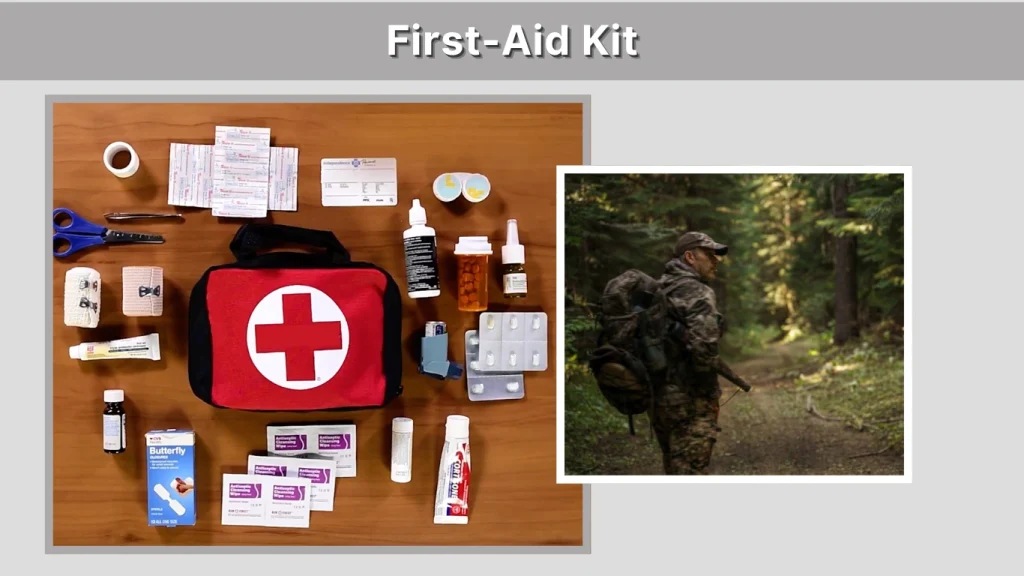
A first-aid kit is a must-have for every deer hunting trip. It prepares you to handle minor injuries, bites, cuts, sprains, and emergencies until professional help can be reached, keeping you safer outdoors.
Why a First-Aid Kit Is Important
Hunting terrain can be unpredictable—slips, thorns, and cold conditions can lead to injuries. A compact first-aid kit lets you quickly address wounds, preventing infection and stabilizing more serious injuries.
What to Include
Include bandages, antiseptic wipes, pain relievers, medical tape, blister care, and emergency supplies like a tourniquet and thermal blanket. Customize it to your group size and trip length.
8. Camouflage Clothing
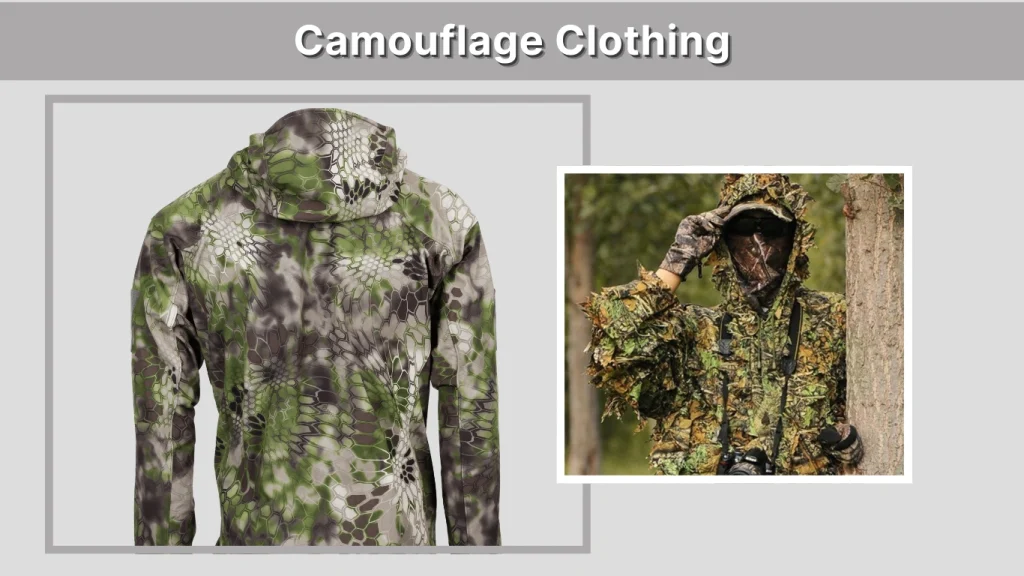
Camouflage clothing helps you blend into your hunting environment, making it harder for deer to detect your presence. The right camo pattern, material, and fit can significantly increase your chances of staying concealed and comfortable throughout your hunt.
Why Camouflage Clothing Is Essential
Deer have excellent vision and are sensitive to movement and contrast. Camouflage reduces visibility and helps you remain undetected, especially during long still-hunting or stand hunts.
What to Consider
Choose breathable, moisture-wicking fabrics with patterns that match your terrain (woodland, marsh, grassland). Layering options help you adapt to temperature changes.
9. Blaze Orange Safety Vest / Hat
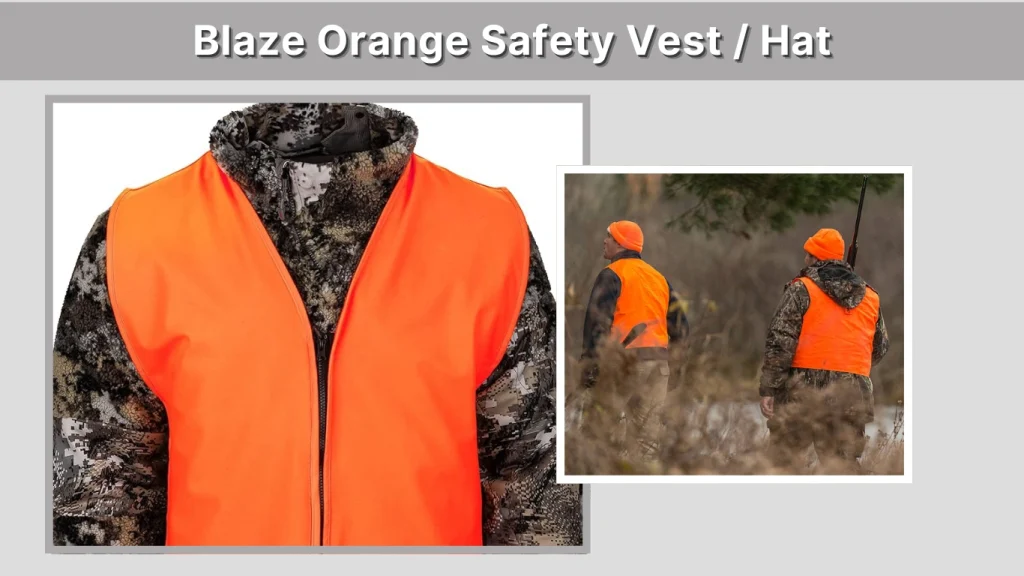
A blaze orange safety vest or hat is crucial for visibility and safety, especially when hunting in areas where other hunters are present. Many regions legally require wearing blaze orange during specific seasons to prevent hunting accidents.
Why Blaze Orange Matters
Bright fluorescent orange is easily seen by humans but less noticeable to deer. Wearing it significantly reduces the risk of mistaken identity and keeps you safe in shared hunting spaces.
What to Look For
Look for comfortable, well-ventilated blaze orange apparel that’s visible from all angles and meets local hunting regulations. Accessories like hats and vests are common choices.
10. Scent Control Spray / Soap

Scent control spray or soap helps minimize human odor that deer can detect, especially in close-range or still-hunting situations. Reducing your scent increases your chances of not alerting deer to your presence.
Why Scent Control Matters
Deer have a powerful sense of smell and can detect human scent from far away. Using scent control products can help you stay undetected and improve your success rate.
How to Use It
Apply scent control spray to your clothing and gear, and use scent-eliminating soap when washing before a hunt. Store clothing in scent-proof bags to keep them fresh.
11. Deer Call (Grunt or Rattling)
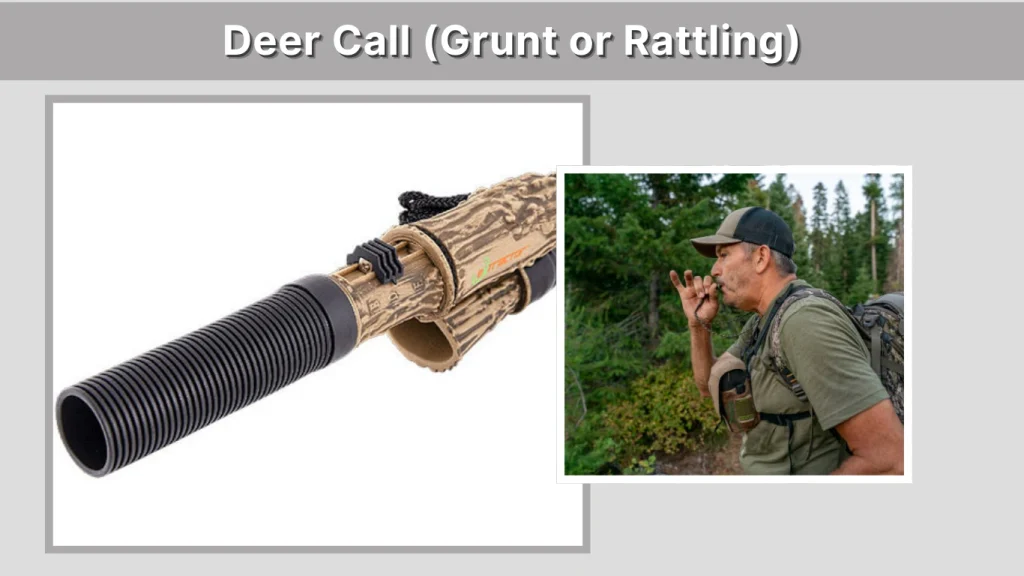
Deer calls, such as grunt tubes or rattling antlers, mimic the sounds deer make and can attract deer to your location. They’re especially useful during rut season when deer are more responsive to vocalizations.
Why Deer Calls Are Useful
Calls can lure curious bucks or invite them into your shooting zone, improving encounter chances. They add a strategic element to your hunt when used at the right time.
Types to Consider
Common options include grunt calls (simulate deer vocalizations) and rattling antlers (mimic fighting bucks). Practice beforehand to use them effectively.
12. Game Bags
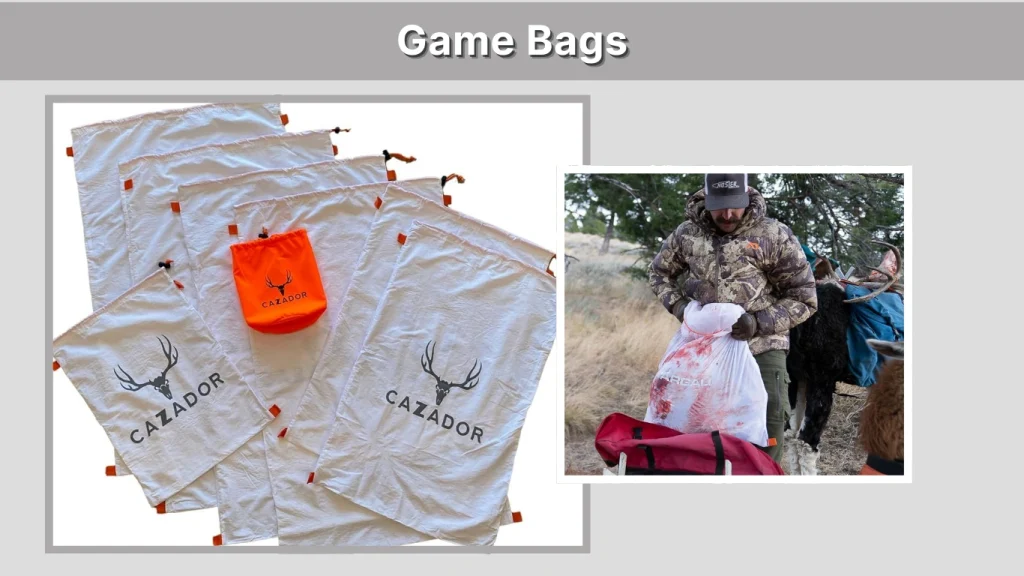
Game bags are essential for protecting and transporting your deer meat after a successful harvest. They help keep meat clean, cool, and free from insects and debris while you pack out from the field.
Why Game Bags Are Important
Using game bags preserves the quality of the meat by allowing airflow and preventing contamination from dirt or bugs. They also make it easier to organize and carry different cuts of meat.
What to Look For
Choose lightweight, breathable, and durable bags. Mesh or cotton options are popular because they promote air circulation and are easy to clean.
13. Rope or Paracord
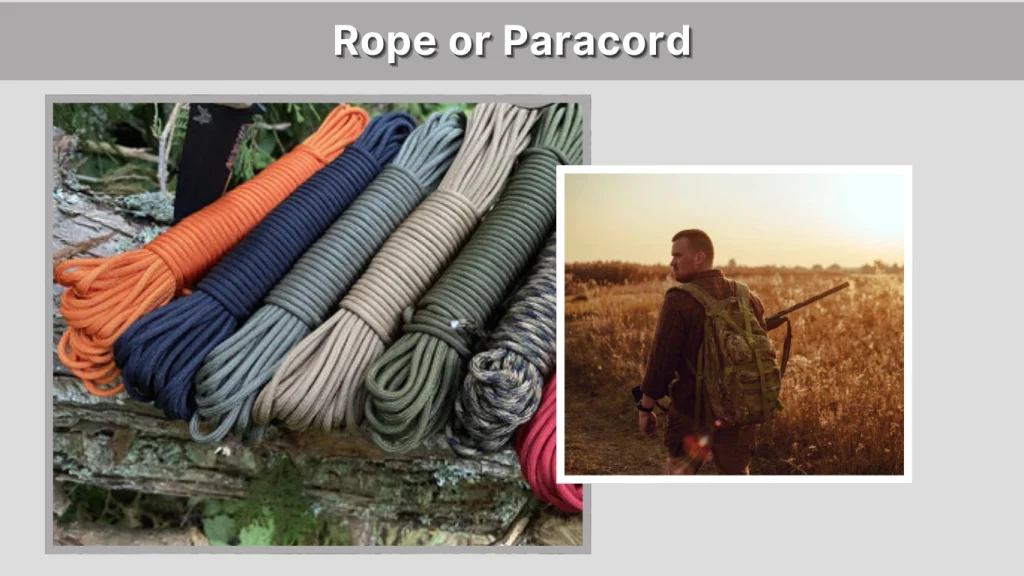
Rope or paracord is a versatile and indispensable tool in the field. It’s used for dragging game, securing gear, hanging game bags, building makeshift shelters, or even emergency repairs.
Why Rope/Paracord Is Useful
Strong cordage provides flexibility and strength for a variety of field tasks that come up unexpectedly during a hunt. It’s lightweight, compact, and can save a lot of effort.
What to Pack
Pack at least 25–50 feet of quality paracord. A lightweight, high-strength cord is ideal for hauling meat, securing gear, or emergency situations.
14. Water Bottle or Hydration Pack
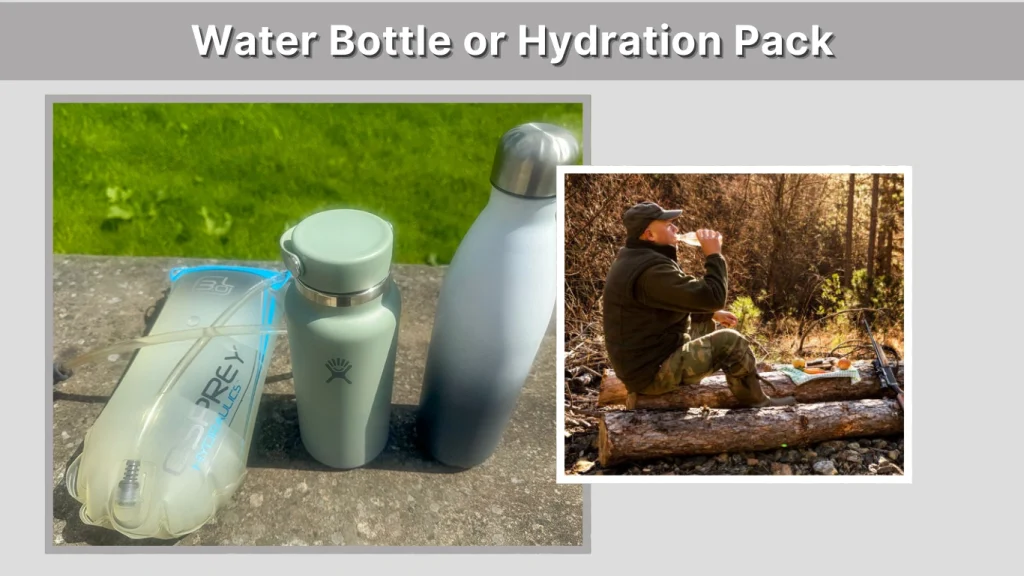
Staying hydrated is crucial during a deer hunt, especially when you’re hiking long distances or spending hours in the field. A water bottle or hydration pack ensures you have ready access to fluids without needing frequent breaks.
Why Hydration Matters
Dehydration can reduce your focus, energy, and decision-making ability—important factors during physically demanding hunts. A hydration system lets you drink without stopping or exposing yourself unnecessarily.
What to Choose
Choose a durable water bottle or a bladder-style hydration pack that fits comfortably in your backpack. Look for leak-proof designs and easy-access drinking tubes for hydration on the move.
15. Portable Seat or Cushion
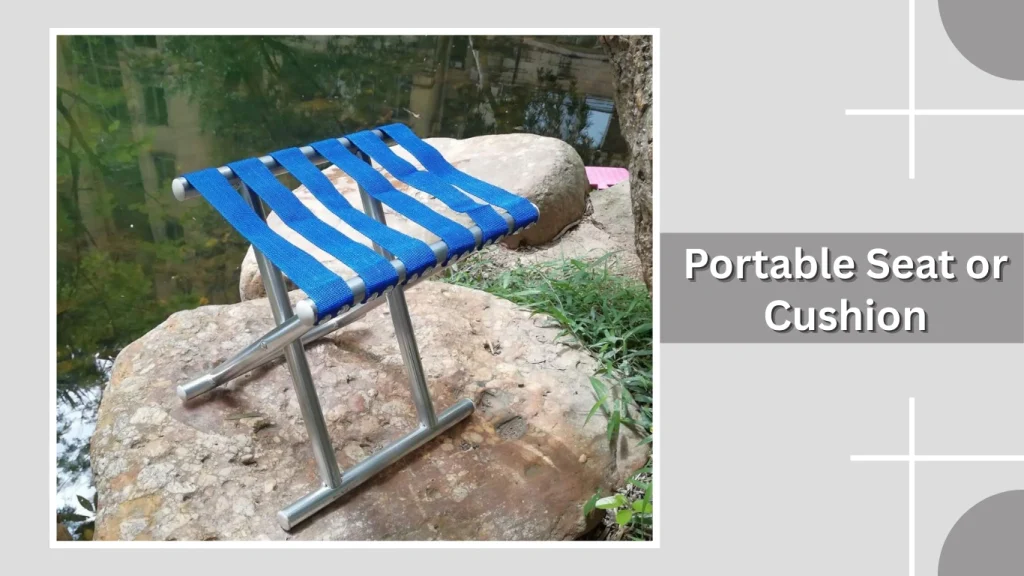
A portable seat or cushion provides comfort during long waits in a tree stand or ground blind. Staying comfortable helps you remain still and alert for extended periods without fatigue.
Why a Portable Seat Is Useful
Long hours of waiting can cause stiffness and discomfort, which may lead to movement that alerts deer. A cushioned seat improves comfort and makes patience more manageable.
Features to Look For
Look for lightweight, foldable, and weather-resistant options that strap easily to your pack or stand. Foam or inflatable cushions are common choices.