
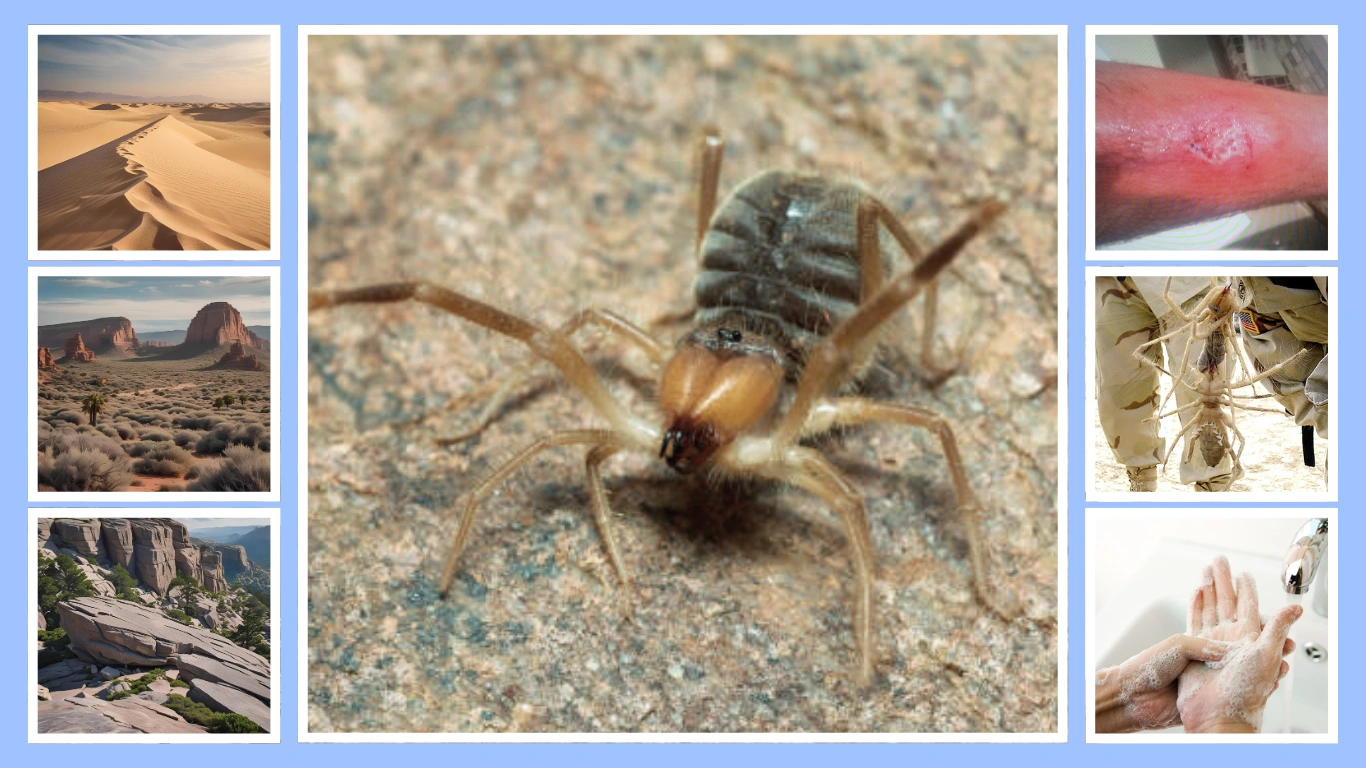
Camel spiders are large, fast-moving arachnids found mostly in desert regions like the Middle East and the southwestern United States. Often mistaken for venomous killers, they are neither true spiders nor deadly to humans, despite their terrifying appearance.
Much of their fame comes from exaggerated military stories and viral photos, especially from Iraq and Afghanistan. In reality, camel spiders are fascinating creatures with unique behaviors, powerful jaws, and a surprising lifestyle worth exploring.
What Is a Camel Spider?
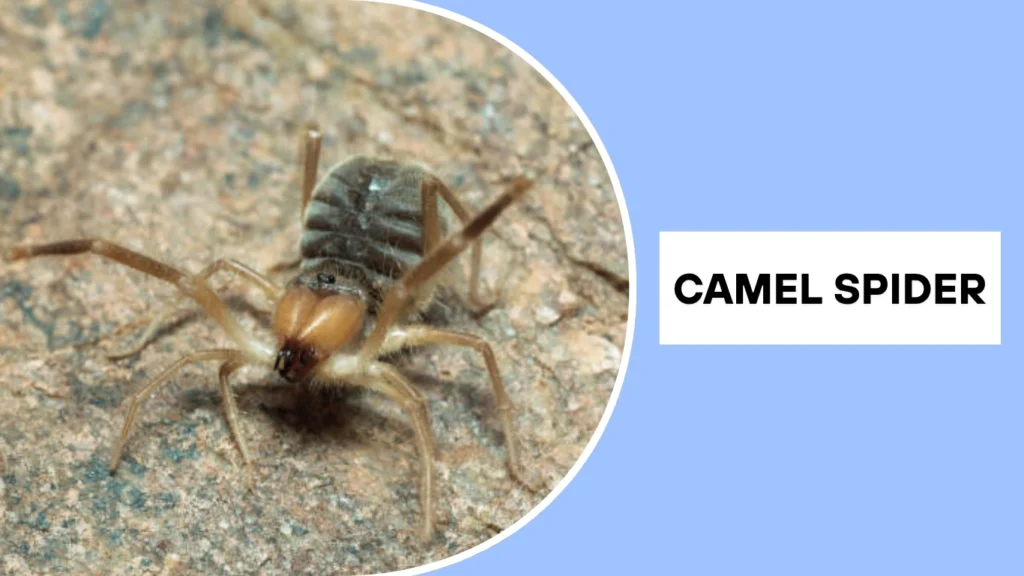
Despite its name, the camel spider is neither a true spider nor a scorpion. It belongs to the order Solifugae, a group of arachnids known for their speed and strong jaws. Unlike spiders, camel spiders do not spin webs or produce venom. They have five pairs of legs—though only four are used for walking—and one pair of leg-like pedipalps used for sensing and grabbing prey.
Common Names and Misconceptions
Camel spiders are also called wind scorpions, sun spiders, or solifuges. These names come from their extreme desert activity (often chasing shade or shadows) and scorpion-like appearance. However, they lack a stinger and are more closely related to ticks and mites than to spiders or scorpions.
Myth vs. Reality
A lot of what’s said about camel spiders online—like stories of them growing up to 10 feet long or screaming as they run—is pure myth. Many viral images of soldiers holding what looks like a massive camel spider are optical illusions caused by forced perspective. In truth, most camel spiders are about 4–6 inches long, including legs.
Role in Desert Ecosystems
Camel spiders are nocturnal predators that play an important ecological role. They help control insect populations, feed on other arachnids, and keep desert food chains in balance. Though aggressive toward prey, they typically avoid humans and do not attack unless threatened.
Camel Spider Size and Growth

Camel spiders vary in size depending on the species and location. On average, adult camel spiders have a body length of about 2 to 3 inches (5 to 7.5 cm). When including their long legs, they can span 4 to 6 inches (10 to 15 cm) across. While this is large for an arachnid, it’s far from the monstrous sizes claimed in viral stories.
Maximum Documented Size
The largest camel spiders on record have reached up to 6 inches (15 cm) in total leg span, but these are rare. Claims of 10-inch or even 12-inch camel spiders are typically exaggerated or misidentified species. Some viral photos use forced perspective—placing the spider close to the camera and the human far behind—to make the spider appear much larger than it really is.
Size Comparison With Humans and Objects
To visualize a camel spider’s size accurately:
- About the length of a human hand (including fingers)
- Comparable to a large tarantula in leg span
- Much smaller than a typical house cat or even a rat
Some photos show camel spiders next to military boots or hands for scale. While they appear intimidating, these images often overstate their actual dimensions.
Growth From Hatchling to Adult
Camel spiders hatch from small, round eggs and go through multiple molts before reaching full size. It can take several months to a year for them to mature, depending on climate and food availability. Their growth is gradual, and unlike insects, they do not undergo metamorphosis—they simply grow larger with each molt.
Giant Camel Spider and Largest Ever Found

The term giant camel spider became popular during the Iraq and Afghanistan wars, especially after viral images surfaced of soldiers holding enormous camel spiders. These photos created the illusion that the spiders were over a foot long. However, these “giants” were typically just normal-sized camel spiders photographed close to the camera lens for dramatic effect.
What’s the Largest Camel Spider on Record?
The largest verified camel spider species—like Galeodes arabs—can grow up to 6 inches (15 cm) in total length, including legs. Some isolated reports claim up to 7 inches, but these are exceptionally rare and often unconfirmed. No camel spider has ever reached the 10 to 12-inch range as claimed in online stories.
Are Giant Camel Spiders a Unique Species?

There is no specific “giant camel spider” species. Instead, the term usually refers to larger individuals within common desert species. Galeodes, Rhagodes, and Eremobates are genera that include some of the largest solifuges, often found in hot, arid regions of the Middle East, Africa, and southwestern U.S.
How Big Can They Really Get?
To clarify:
- Real maximum size: ~6 inches (legs included)
- No official record: for anything larger
- Most adults: range between 3–4 inches
Understanding the real size helps dispel fear and fascination fueled by hoaxes or misrepresentation. While large for an arachnid, camel spiders are far from the monster-sized creatures many imagine.
Camel Spider Bite: Pain, Symptoms, and Treatment

Yes, camel spiders can bite humans, but it’s rare and usually happens only when the spider feels threatened or is accidentally handled. They don’t seek out humans to attack. Since they lack venom, their bite is not poisonous but can still be painful due to their powerful jaws (chelicerae).
What Does a Camel Spider Bite Feel Like?
A bite from a camel spider often feels like a deep pinch or a strong insect sting. Their jaws are strong enough to pierce skin and even crush small bones of insects and lizards. The pain level varies from person to person but is generally described as sharp and sudden. Some people might not notice the bite at first, especially if it happens while sleeping outdoors in desert conditions.
Bite Symptoms and Effects
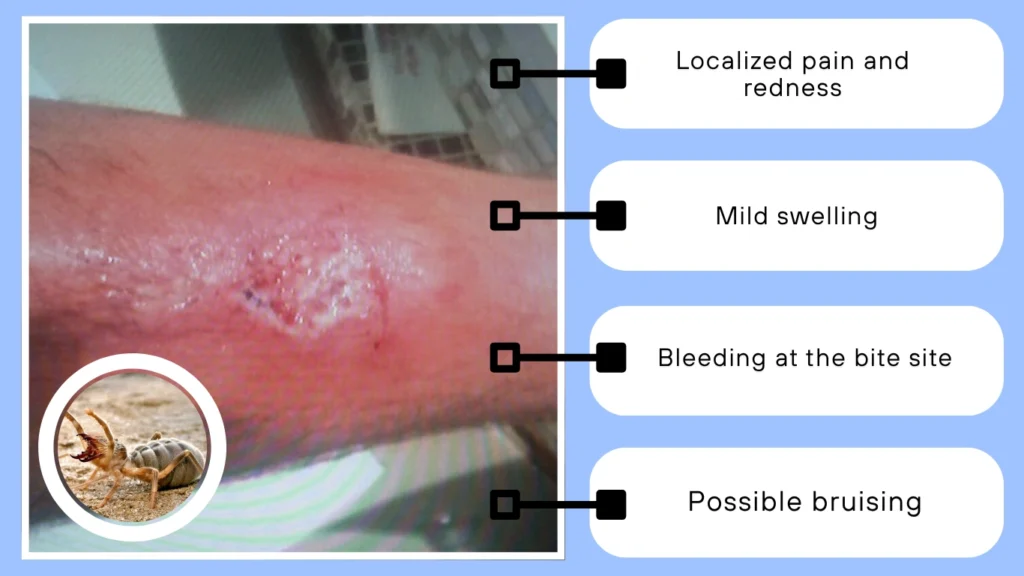
Typical effects of a camel spider bite may include:
- Localized pain and redness
- Mild swelling
- Bleeding at the bite site
- Possible bruising
In some cases, the bite may become infected, especially in unsanitary or outdoor conditions. This leads to longer healing time and more noticeable symptoms like pus, increased pain, or a spreading red area.
Treatment for Camel Spider Bites

If bitten by a camel spider:
- Clean the wound immediately with soap and water.
- Apply antiseptic to reduce infection risk.
- Use a cold compress to reduce swelling.
- Take over-the-counter pain relievers if necessary.
- Monitor for signs of infection, such as warmth, pus, or increasing pain.
If the bite becomes severely swollen, shows signs of infection, or causes an allergic reaction, medical attention should be sought. However, in most cases, the bite heals within a few days without serious complications.
Are Camel Spider Bites Fatal?
No. Camel spider bites are not fatal to humans. While the wound might look dramatic, especially in desert conditions where hygiene is limited, the danger is more from secondary infection than the bite itself.
Are Camel Spiders Dangerous or Poisonous?

Do Camel Spiders Have Venom?
No, camel spiders are not venomous. Unlike many true spiders and scorpions, they do not possess venom glands. Instead, they rely on their powerful, scissor-like jaws to physically tear apart their prey. This is a common misunderstanding, often fueled by exaggerated online stories and fictional movies.
Can They Harm Humans?
Camel spiders are not considered dangerous to humans. They can deliver a painful bite if provoked or handled carelessly, but they are not aggressive toward people. Most bites occur in defensive situations—such as when someone unknowingly disturbs one hiding under gear or in a tent.
Though their size and speed may seem intimidating, camel spiders do not attack humans, do not inject venom, and do not pose a serious threat. Their primary interest is hunting insects, not confronting humans.
Why Do People Think Camel Spiders Are Deadly?
The belief that camel spiders are poisonous or life-threatening comes from:
- Viral photos with exaggerated size comparisons
- Wartime rumors shared by soldiers stationed in desert regions
- Misidentification with venomous desert creatures like scorpions or brown recluse spiders
These myths claim camel spiders can kill camels (false), scream loudly (false), or chase people aggressively (misunderstood behavior—often they’re running toward shade, not the person).
The Real Risk: Infection, Not Poison
While the bite itself isn’t venomous, poor hygiene or lack of treatment can lead to secondary infections, especially in desert environments. If left untreated, a bite wound can become inflamed or infected, but this is not due to venom—just bacteria entering the wound.
Camel Spider Habitat and Range

Where Do Camel Spiders Live?
Camel spiders are desert-dwelling arachnids that prefer hot, dry, and sandy environments. They are commonly found under rocks, logs, leaf litter, and inside burrows or abandoned animal holes where they stay hidden during the day to avoid the harsh sun. At night, they become active hunters, using their speed and sensitive limbs to detect prey.
Their preferred habitats include:
- Sandy deserts
- Rocky outcrops
- Scrubland
- Dry grasslands
They avoid wet, forested, or high-altitude regions as they are extremely sensitive to moisture and cold.
Geographic Range Across Continents
Camel spiders are found on multiple continents across arid and semi-arid zones. Their range includes:
- Middle East: Iraq, Saudi Arabia, Afghanistan, Iran, Syria
- Africa: Egypt, Sudan, Morocco, Algeria, South Africa
- Asia: India, Pakistan, Central Asia
- North America: Southwestern United States and Mexico
The presence of camel spiders in these regions is largely due to similar climate conditions—hot days, cool nights, and low humidity.
Camel Spiders in the Desert Ecosystem

These arachnids play a vital role in desert ecosystems. As top-level invertebrate predators, they help control populations of insects, small arthropods, and even baby reptiles. In turn, they are preyed upon by larger predators such as birds, lizards, and mammals.
Their behavior of hiding in shaded areas has led to misinterpretations—such as “chasing” humans. In reality, they’re just looking for cooler spaces to escape extreme heat.
Are They Found in Urban Areas?
While camel spiders mostly stay in wild, open areas, they may occasionally enter military camps, homes, garages, or tents in desert-adjacent settlements—especially during the hotter months. They’re generally harmless in these situations unless provoked or trapped.
Their elusive nature, combined with a wide but specific range, adds to their mystery and keeps them relatively unknown outside of desert zones.
Camel Spiders in the USA
Are Camel Spiders Found in America?
Yes, camel spiders are found in parts of the United States—particularly in the southwestern regions where the climate closely resembles desert environments. Though they’re more famous in the Middle East, several native species of Solifugae live throughout the arid and semi-arid parts of North America.
States Where Camel Spiders Are Common
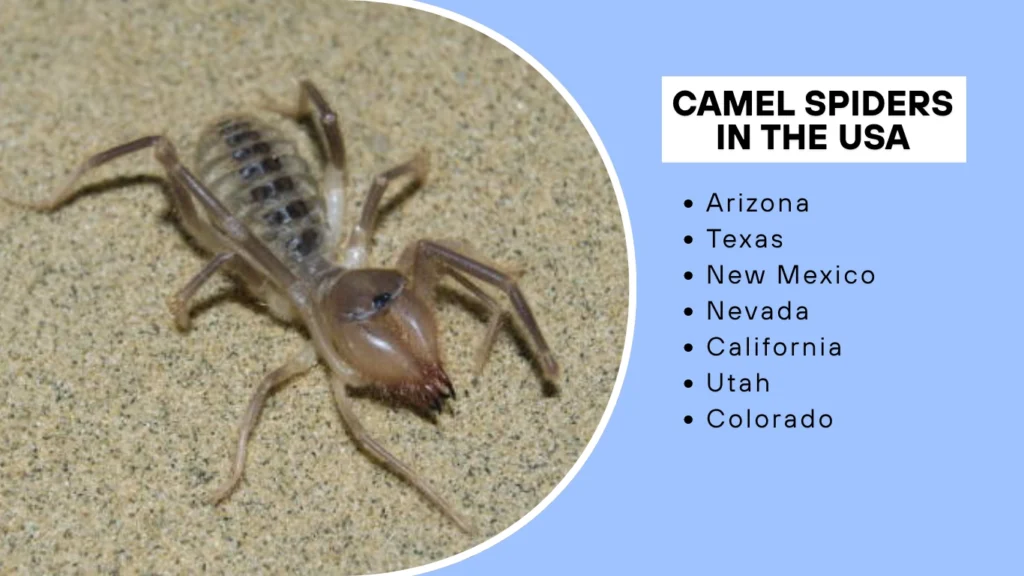
In the U.S., camel spiders have been spotted in:
- Arizona
- Texas
- New Mexico
- Nevada
- California
- Utah
- Colorado
These states offer the dry heat and sandy terrain that camel spiders prefer. They typically remain hidden during the day and are most active at night, often mistaken for scorpions or large spiders.
North American vs. Middle Eastern Camel Spiders
While they belong to the same order (Solifugae), American camel spiders are generally smaller than their Middle Eastern cousins. They still possess the same fast movements, strong jaws, and solitary hunting behavior, but most species in the U.S. grow only up to 2–3 inches (including legs).
There are no known venomous species in the United States, and bites from American camel spiders are extremely rare and not medically significant.
Are They a Threat to Humans or Pets?
Camel spiders in the U.S. are not considered dangerous. They might enter garages, sheds, or homes looking for prey or shade, especially during the summer, but they pose no serious threat to people or pets. If encountered, they’re best left alone or gently removed.
Though not commonly seen, camel spiders are part of the natural desert biodiversity in several parts of the American Southwest.
Camel Spider Speed and Movement

How Fast Can a Camel Spider Run?
Camel spiders are known for their remarkable speed, especially for their size. They can run up to 10 miles per hour (16 kilometers per hour) in short bursts, making them one of the fastest arachnids on land. Their rapid movement is a survival trait—used to chase prey, escape predators, or find shade in extreme heat.
Their legs are long and agile, allowing them to sprint across sand, rocks, and even vertical surfaces like tent walls or furniture. Their ability to dart quickly often causes panic when spotted unexpectedly.
Why Do People Think Camel Spiders Chase Humans?
One of the most persistent myths is that camel spiders chase people. This idea likely started with soldiers in the Middle East who noticed camel spiders running in their direction. In reality, camel spiders are attracted to shade and cool surfaces, such as a human’s shadow or the underside of a boot or tent.
If a person is casting shade in the scorching sun, the camel spider may appear to be chasing them—but it’s simply seeking relief from the heat.
Nocturnal and Shadow-Seeking Behavior
Camel spiders are nocturnal hunters and avoid daylight whenever possible. During the day, they remain hidden, often under rocks or debris. If exposed to direct sunlight, they will rush toward anything that offers shadow, including people, animals, or structures.
This behavior can be startling but is not aggressive. Camel spiders do not stalk or pursue humans—they flee danger and hunt small prey.
Silent and Agile Movers
Despite their speed, camel spiders move almost silently, using their leg-like pedipalps to feel vibrations and detect prey. Their rapid movements, combined with sudden direction changes, contribute to their creepy reputation, but it’s all part of their efficient desert survival strategy.
Camel Spider Diet and Eating Habits
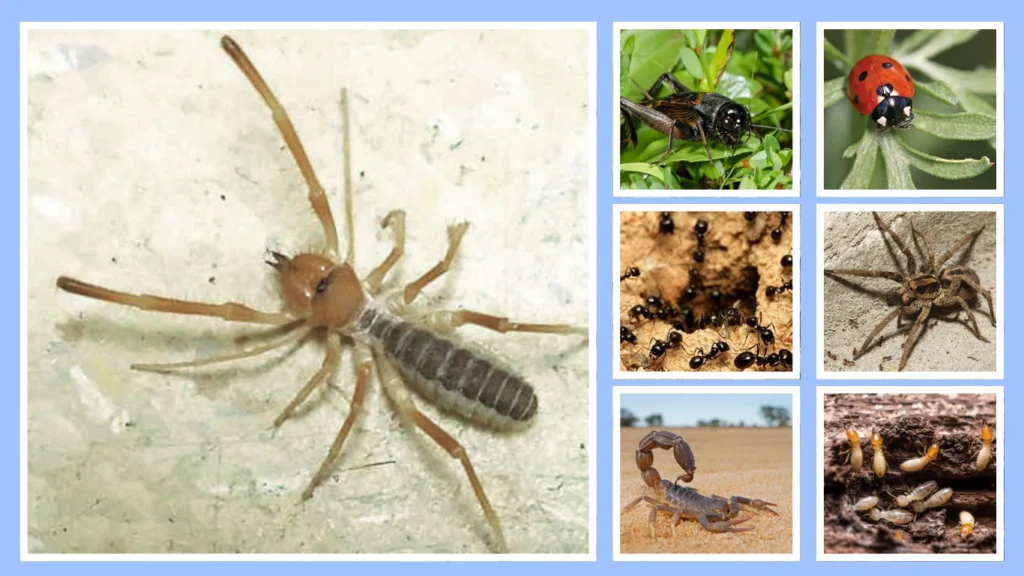
What Do Camel Spiders Eat?
Camel spiders are voracious carnivores that prey on a wide range of small animals. They use their powerful, dual-jawed mouthparts (chelicerae) to grab, crush, and shred their prey. Though they do not inject venom, their bite is strong enough to pierce through the exoskeleton of insects and even small vertebrates.
Their typical diet includes:
- Insects (crickets, beetles, ants)
- Spiders
- Scorpions
- Small lizards
- Termites
- Occasionally small rodents or birds (though very rare)
They are opportunistic hunters and eat whatever they can overpower.
Hunting Method and Behavior
Camel spiders are active hunters, not web-spinners or ambush predators. They rely on speed, sharp senses, and agility to chase down prey, often running it down in open terrain. Once captured, the prey is held tightly while the camel spider chews it apart with its large jaws.
They also use digestive fluids to liquefy soft tissues before consuming them, similar to how many arachnids feed.
Do They Eat Birds or Large Prey?
While there are viral stories and exaggerated photos claiming camel spiders eat birds or large mammals, this is highly misleading. Only the largest species might attempt to scavenge from a bird carcass or consume hatchlings in extreme cases, but their primary diet is insects and small animals.
The myth likely stems from images showing camel spiders near dead animals or holding small parts of birds, often taken out of context.
Feeding Frequency
Camel spiders have fast metabolisms and eat frequently—especially in the wild where they burn energy quickly due to heat and hunting. In captivity, they may need feeding every few days, depending on their size and prey availability.
Their hunting efficiency and fierce appetite make them effective pest controllers in desert ecosystems.
Camel Spider vs. Other Insects and Arachnids

Camel Spider vs. Scorpion
Camel spiders and scorpions often share the same habitat, leading to frequent comparisons. While both are arachnids, scorpions have venomous stingers and pincers, whereas camel spiders rely purely on their jaws. In direct encounters, camel spiders have been observed overpowering smaller scorpions due to their speed and biting force, but large scorpions can defend themselves effectively.
Key differences:
- Scorpions have venom; camel spiders do not
- Camel spiders are faster but less armored
- Scorpions are nocturnal ambushers; camel spiders are active hunters
Camel Spider vs. Tarantula
Tarantulas are bulkier, slower, and rely on venom to subdue prey. Camel spiders are much faster and rely on their brute jaw strength. In a confined setting, a large tarantula may outlast a camel spider due to its thick exoskeleton and venom, but the camel spider’s speed gives it an edge in open terrain.
Comparison summary:
- Tarantulas have venom and hairs for defense
- Camel spiders use speed and jaws
- Both are solitary and avoid unnecessary fights
Camel Spider vs. Sun Spider (or Solifuge)
Actually, sun spider is another name for the camel spider—it’s not a different species. The term “sun spider” comes from their habit of running in daylight to escape heat or find shade. So in this case, camel spider and sun spider are the same thing.
Camel Spider vs. Vinegaroon
Vinegaroons (also called whip scorpions) look intimidating but are non-venomous and emit a vinegar-like spray when threatened. Camel spiders don’t spray anything but can overpower a vinegaroon in speed and aggression. However, vinegaroons tend to avoid confrontation.
Camel Spider vs. Praying Mantis
Praying mantises are fast, alert, and have raptorial front legs designed to grip prey. While both are expert hunters, a large mantis could potentially defend itself from a camel spider, though it would likely be vulnerable to a surprise attack.
Camel Spider vs. Huntsman Spider
Huntsman spiders are also large and fast but rely on venom. Camel spiders are faster and stronger in terms of jaw force. In terms of threat level, both are non-aggressive to humans and rarely bite unless provoked.
Camel Spider vs. Ants
Camel spiders eat ants regularly but can be overwhelmed if swarmed. Their speed helps them escape large colonies, but they’re not immune to group defense tactics from social insects like ants.
Camel Spider Lifecycle and Reproduction

How Do Camel Spiders Reproduce?
Camel spider reproduction begins with mating behavior that’s both cautious and aggressive. Males approach females carefully, using their pedipalps (sensory appendages) to tap or stroke the female. If the female is receptive, the male deposits a sperm packet (spermatophore) onto the ground and uses his pedipalps to guide it into her reproductive opening.
This process can last several minutes, and if the female becomes aggressive afterward, the male may quickly flee to avoid being eaten.
Egg Laying and Nesting Behavior
After mating, the female camel spider digs a small underground burrow, often in a shaded or moist area, where she lays her eggs. A single clutch can contain anywhere from 50 to 200 eggs, depending on the species and environmental conditions.
The mother often stays in the burrow to guard the eggs, becoming more aggressive and less active during this period. She may refuse to feed, focusing solely on protecting her future offspring.
Hatchlings and Early Life
The eggs hatch in about 3 to 4 weeks, depending on temperature and humidity. Hatchlings are pale, soft-bodied versions of the adults but do not immediately resemble full-grown camel spiders. They remain in the burrow for a short period, molting and gaining strength before venturing out on their own.
Young camel spiders go through several molts (shedding their exoskeleton) as they grow. During this time, they are especially vulnerable to predators and dehydration.
How Long Do Camel Spiders Live?
The typical lifespan of a camel spider ranges from 1 to 2 years in the wild. In captivity, with proper care and feeding, some individuals may live slightly longer. Environmental factors like temperature, food availability, and humidity greatly influence how long they survive.
Their solitary and nocturnal nature begins early—once they leave the nest, young camel spiders immediately begin living alone and hunting for food. There is no parental care beyond the initial egg protection.